
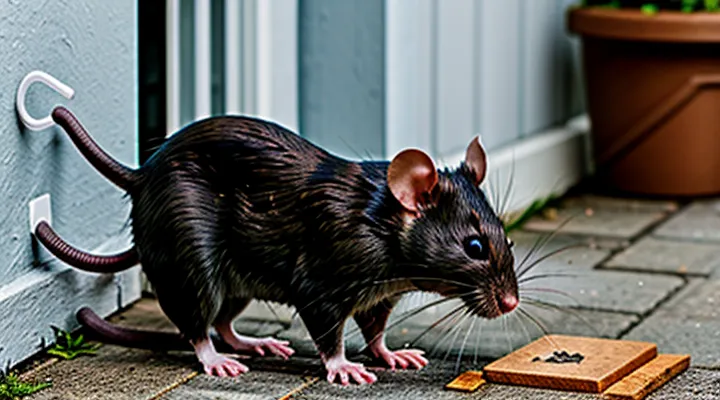
Understanding the Pests: Rats and Mice
Behavioral Traits and Habits
Nocturnal Activity
Rats and mice are primarily active after dark, with peak foraging occurring between 1900 h and 0300 h. Activity intensifies during the first hour of darkness as individuals emerge from nests to locate food, water, and shelter. Movement patterns follow a circadian rhythm that repeats each night, allowing predictable intervals for contact with control devices.
Understanding these nightly cycles enables precise placement and timing of control measures. Devices that rely on direct contact, such as snap traps, achieve higher capture rates when positioned before the onset of activity and inspected during the early night window. Bait stations benefit from timed release mechanisms that coincide with established feeding periods, reducing exposure to non‑target species and enhancing consumption by target rodents.
- Mechanical traps (snap, live‑catch) positioned near entry points before darkness
- Ultrasonic emitters programmed to operate during peak activity hours
- Bait stations with delayed‑action poisons synchronized to nocturnal feeding
- Physical exclusion (steel mesh, sealing gaps) applied to known travel routes
- Sanitation practices that remove food sources and nesting material during daylight
Effective rodent control strategies align deterrent activation with the documented nocturnal peaks. Deploying traps at dusk, setting ultrasonic units to run from sunset to sunrise, and scheduling bait replenishment during the early night phase maximize contact probability while minimizing wasted effort. Continuous monitoring of activity patterns allows adjustments to timing and device density, ensuring sustained pressure on populations that rely on nighttime foraging.
Dietary Preferences
Rats and mice exhibit strong preferences for high‑energy, readily digestible foods, which directly shape the efficacy of control measures. Understanding these preferences enables the selection of baits that attract target rodents while minimizing non‑target exposure.
- Grains and cereals (wheat, corn, rice)
- Seeds (sunflower, pumpkin, sesame)
- Nuts (peanut, almond, walnut)
- Fruit sugars (apple, banana, grape)
- Protein sources (cooked meat, cheese, pet food)
Items that deter feeding or are rarely consumed include:
- Strongly scented herbs (peppermint, eucalyptus, clove)
- Spicy compounds (capsaicin, mustard oil)
- Bitter agents (quinine, denatonium benzoate)
- High‑fiber or low‑calorie materials (sawdust, cellulose)
Effective deterrent programs integrate this data by placing attractive baits in sealed stations while surrounding them with repellents or exclusion devices. Rotating bait flavors prevents habituation, and pairing food preferences with toxicants ensures rapid uptake. Monitoring consumption patterns validates bait performance and informs adjustments to maintain pressure on rodent populations.
Breeding Cycles
Rats and mice reproduce rapidly, with females reaching sexual maturity at 5–6 weeks and capable of producing a litter every three to four weeks. Each litter typically contains 6–12 offspring, and a single female can generate up to ten litters per year under favorable conditions. This exponential potential makes population growth swift when food, shelter, and water are readily available.
Understanding these reproductive parameters guides the timing and placement of control measures. Interventions applied before the onset of the breeding season—usually in early spring—reduce the number of fertile females entering the peak reproductive window. Targeting nesting sites and food sources during the gestation and weaning phases disrupts the development of new litters and limits recruitment into the population.
Key considerations for implementing control strategies based on breeding cycles:
- Identify and eliminate concealed food caches to prevent the energy surplus that fuels rapid reproduction.
- Seal entry points before the first breeding wave to block access to indoor harborage.
- Deploy snap traps or bait stations in areas where females are known to nest, focusing on the 2–3 weeks after litter emergence when juveniles are still dependent.
- Conduct follow‑up inspections every two weeks throughout the breeding season to detect and remove any emerging nests promptly.
Applying deterrent tactics that align with the species’ reproductive timetable maximizes impact, curtails population expansion, and sustains long‑term rodent management success.
Signs of Infestation
Droppings and Urine
Rodent feces and urine provide reliable evidence of infestation, allowing precise targeting of control measures. Fresh droppings appear as small, dark pellets, while older deposits dry and crumble. Urine stains manifest as amber‑colored rings on surfaces and emit a strong, musky odor detectable by trained personnel or specialized detectors.
Health risks associated with rodent excreta include:
- Transmission of Hantavirus, Leptospira, Salmonella, and other pathogens.
- Allergic reactions caused by protein particles in dried urine.
- Contamination of food supplies, leading to spoilage and food‑borne illness.
Identifying excreta locations informs placement of repellents, traps, and bait stations. Areas with concentrated droppings and urine typically indicate high traffic routes and nesting sites; positioning deterrents along these pathways maximizes exposure and reduces rodent movement.
Effective sanitation reduces attraction and secondary contamination:
- Wear protective gloves and respirators when handling contaminated material.
- Vacuum dry droppings with a HEPA‑rated filter, then discard in sealed bags.
- Apply a disinfectant containing bleach (1 % solution) to surfaces, allowing a minimum of five minutes contact time.
- Seal cracks, gaps, and entry points identified during inspection to prevent re‑infestation.
Regular monitoring of excreta patterns, combined with prompt cleaning and strategic deterrent deployment, sustains long‑term rodent management.
Gnaw Marks and Damage
Gnaw marks appear as clean, parallel cuts on wood, plastic, or wiring, typically 2–6 mm wide and 1–2 cm long. The edges are smooth, indicating continuous chewing rather than accidental scratches. Rodents leave such incisions on structural beams, furniture legs, and cable sheaths to enlarge entry points or access food sources. Identifying the distinctive V‑shaped bite pattern, often accompanied by saliva residue, confirms the presence of rats or mice and distinguishes their activity from other pests.
Damage resulting from persistent chewing compromises safety and functionality. Common effects include:
- Exposed electrical conductors, creating fire hazards and equipment failure.
- Breached insulation in walls and ducts, leading to heat loss and increased energy consumption.
- Compromised structural integrity of beams, joists, and support brackets, reducing load‑bearing capacity.
- Contaminated food containers and packaging, prompting spoilage and health risks.
Recognizing these signs enables rapid deployment of control measures such as ultrasonic emitters, bait stations, or sealing techniques. Prompt remediation of gnaw‑induced openings eliminates access routes, while targeted deterrents reduce the likelihood of re‑infestation. Accurate assessment of gnaw marks and associated damage therefore guides the selection and placement of the most effective rodent‑control solutions.
Sounds and Sightings
Auditory deterrents exploit rodents’ sensitivity to high‑frequency noise. Ultrasonic emitters generate tones above 20 kHz, a range inaudible to humans but uncomfortable for rats and mice. Continuous operation prevents habituation; intermittent cycles reduce power consumption while maintaining effectiveness. Devices placed near entry points, food storage, or nesting sites create a hostile acoustic environment that discourages occupancy.
Visual deterrents rely on the species’ instinctual aversion to sudden movement and unfamiliar objects. Predatory silhouettes, such as owl or hawk decoys, simulate natural threats. Reflective tape or flashing LED strips produce erratic glints that trigger startle responses. Motion‑activated lasers project moving beams across surfaces, forcing rodents to alter routes or abandon the area. Positioning these visual cues at ceiling height or along walls maximizes exposure.
Combining sound and sight enhances overall deterrence:
- Install ultrasonic units alongside reflective tape to cover both auditory and visual channels.
- Pair motion‑activated lasers with predator models for simultaneous shock and perceived danger.
- Use battery‑backed emitters and solar‑powered LEDs to ensure uninterrupted operation during power outages.
Regular inspection confirms that devices remain functional and that rodents have not adapted to the stimuli. Replacing or rotating visual decoys every few weeks prevents desensitization, while adjusting ultrasonic frequencies counters potential habituation. Effective implementation of these sensory tactics reduces rodent presence without chemical agents.
Prevention: The First Line of Defense
Sealing Entry Points
Identifying Common Entry Points
Rats and mice exploit any opening larger than a quarter‑inch. Regular inspection of the building envelope reveals the majority of access routes. Examine the following areas and seal identified gaps promptly.
- Foundation cracks: visible fissures, especially near soil contact, often serve as direct pathways.
- Door and window frames: weatherstripping worn or missing creates gaps around moving panels.
- Utility penetrations: pipes, cables, and vent shafts frequently lack adequate collars or sleeves.
- Roof eaves and soffits: damaged flashing or unsealed attic vents permit entry from above.
- Crawl spaces and basements: uncovered floor joists, vent covers, and unsealed concrete joints provide easy access.
- Exterior siding and trim: loose boards, damaged stucco, or gaps around deck attachments create openings.
Detection methods include visual surveys, tactile probing of suspected gaps, and use of low‑intensity light to expose hidden cracks. Infrared cameras can locate temperature differentials indicating voids behind walls. Smoke testing—introducing a thin smoke stream near suspected points—reveals airflow patterns that rodents would follow.
Document each location with measurements and material type. Prioritize sealing based on size, frequency of use, and proximity to food or water sources. Employ durable materials such as steel wool, copper mesh, or expanding foam for temporary blockage, followed by permanent solutions like cement, metal flashing, or approved sealants. Consistent monitoring after repairs ensures that newly formed gaps are addressed before rodents establish a foothold.
Materials for Sealing
Rodent control strategies rely heavily on eliminating entry points. Selecting appropriate sealing materials prevents rats and mice from accessing interior spaces and reduces the need for chemical interventions.
Materials commonly used for sealing include:
- Steel wool – dense, gnaw‑resistant, effective for small gaps around pipes and vents; must be combined with a sealant to prevent displacement.
- Copper mesh – similar to steel wool but more flexible; withstands corrosion in damp environments.
- Silicone caulk – adheres to wood, concrete, and metal; remains flexible, sealing cracks and seams that may expand or contract.
- Expanding polyurethane foam – fills irregular voids; formulates with rodent‑deterring additives for added protection.
- Concrete or mortar – provides permanent blockage for larger openings; suitable for foundation cracks and foundation walls.
- Metal flashing – steel or aluminum strips installed over gaps in roofing or siding; resists chewing and weathering.
When choosing a sealing material, evaluate the following criteria:
- Gnaw resistance – ability to withstand persistent rodent chewing.
- Gap coverage – capacity to fill openings of varying dimensions.
- Durability – resistance to moisture, temperature fluctuations, and aging.
- Compatibility – suitability for the substrate (wood, concrete, metal) and for any adjacent pest‑control products.
- Installation practicality – ease of application, required tools, and time investment.
Proper installation involves cleaning the target area, removing loose debris, and applying the chosen material to create a continuous, unbroken barrier. For long‑term effectiveness, combine multiple materials where appropriate—for example, insert steel wool into a gap and seal the exterior with silicone caulk. Regular inspection of sealed points ensures integrity and allows timely repairs before rodents exploit new openings.
Food and Water Management
Proper Storage of Food
Proper food storage directly reduces the attraction of rodents to residential and commercial spaces. By eliminating accessible food sources, the likelihood of infestation declines, complementing other control measures.
- Seal all containers with airtight lids made of metal or thick plastic.
- Store dry goods in sealed, moisture‑proof bins.
- Keep perishable items refrigerated or frozen promptly.
- Place bulk supplies on pallets away from walls and floor level.
- Dispose of waste in containers equipped with tight‑fitting lids and remove them regularly.
Materials that resist gnawing, such as stainless steel, heavy‑gauge plastic, or glass, prevent rodents from breaching containers. Shelving units should be sturdy, without gaps where animals can hide or climb. Regular inspection of storage areas identifies compromised seals or damage before rodents exploit them.
Maintaining a schedule for cleaning spills, rotating stock, and auditing inventory ensures that no food remains exposed. Consistent enforcement of these practices sustains an environment unattractive to rats and mice, enhancing the overall effectiveness of pest‑deterrent strategies.
Eliminating Water Sources
Rats and mice require a reliable water supply to survive and reproduce; denying access to moisture removes a primary incentive for infestation.
- Inspect all interior and exterior areas for drips, condensation, and standing water.
- Repair leaking pipes, faucets, and roof penetrations promptly.
- Replace broken or cracked containers that hold liquids.
- Elevate pet water dishes and clean spills immediately.
- Use sealed, moisture‑proof storage for food waste and compost.
Consistent monitoring sustains the water‑free environment. Conduct weekly visual surveys, test for hidden dampness with a moisture meter, and adjust ventilation to reduce humidity. Persistent elimination of water sources significantly lowers the likelihood of rodent activity.
Sanitation and Clutter Reduction
Regular Cleaning Practices
Regular cleaning removes food residues and shelter that attract rodents, directly reducing the likelihood of infestation. Thorough removal of crumbs, spills, and waste eliminates the primary sources of nutrition that sustain rat and mouse populations.
Implement a daily schedule that includes:
- Sweeping and vacuuming floors, especially in kitchen and dining areas, to capture fallen particles.
- Disinfecting countertops, cutting boards, and appliance surfaces after each use.
- Emptying trash containers nightly, sealing lids, and positioning bins away from walls.
- Washing dishes and utensils promptly; avoid leaving items in sinks or on counters.
- Cleaning behind appliances, under cabinets, and inside pantry shelves to expose hidden debris.
Weekly tasks reinforce daily efforts:
- Mopping hard floors with a degreasing solution to dissolve oily residues.
- Inspecting and cleaning storage containers, ensuring they are airtight.
- Rotating pantry stock, discarding expired products, and wiping shelves before restocking.
- Vacuuming upholstery, curtains, and pet bedding to remove trapped particles.
Monthly deep‑cleaning actions target less accessible areas:
- Pulling out and vacuuming under refrigerators, stoves, and laundry machines.
- Scrubbing grout lines, tile seams, and cracks where droppings may accumulate.
- Sanitizing drain traps and garbage disposals to prevent buildup.
Consistent adherence to these practices creates an environment that deprives rodents of food and hiding places, thereby enhancing the overall effectiveness of any rodent deterrent program.
Managing Outdoor Debris
Proper handling of yard waste directly influences the success of rodent control measures. Accumulated leaves, branches, and discarded food provide shelter and foraging opportunities for rats and mice, reducing the efficacy of traps, baits, and exclusion devices.
Removing debris eliminates nesting sites, forces rodents to seek less hospitable environments, and increases their exposure to deterrent tactics. Regular maintenance practices include:
- Collecting fallen leaves and grass clippings at least weekly and composting them in sealed containers.
- Storing firewood off the ground, elevating it on pallets, and covering with a tight‑fitting tarp.
- Disposing of fruit, vegetables, and other organic matter in sealed bins; rinsing containers before placement.
- Trimming low‑hanging branches and shrubs to create a clear perimeter around structures.
- Sweeping patios, decks, and walkways to prevent buildup of litter and pet food.
Implementing these steps reduces habitat complexity, limits food sources, and enhances the impact of chemical and mechanical deterrents. Consistent debris management therefore serves as a foundational component of any comprehensive rodent deterrence program.
Natural and Non-Lethal Deterrents
Scent-Based Repellents
Peppermint Oil
Peppermint oil contains menthol, menthone, and related terpenes that create a strong, volatile scent unpleasant to rats and mice. The compounds overload the rodents’ olfactory receptors, prompting avoidance of treated zones.
Application methods include:
- Saturating cotton balls or pads and placing them in corners, cabinets, and along baseboards.
- Preparing a spray by mixing 10‑15 ml of oil with 1 L of water and a few drops of emulsifier; misting surfaces, cracks, and entry points every 3‑4 days.
- Using ultrasonic diffusers to disperse the oil continuously in enclosed spaces, maintaining a concentration of 0.5‑1 % in the air.
Field studies report a 40‑70 % reduction in rodent activity when peppermint oil is applied consistently in conjunction with basic sanitation. Effectiveness declines after 48 hours as the scent dissipates; frequent re‑application is required for sustained results. High‑density infestations often exceed the repellent’s capacity, necessitating additional control measures.
Safety profile is favorable: the oil is non‑toxic to humans and most pets when diluted as directed. Direct skin contact may cause irritation; gloves are recommended during handling. Store in a cool, dark container to preserve potency and prevent accidental ingestion.
Optimal rodent management combines peppermint oil with structural exclusion (sealing gaps, installing door sweeps), proper waste disposal, and, where necessary, mechanical traps. This layered approach maximizes deterrence while minimizing reliance on chemical poisons.
Ammonia and Vinegar
Ammonia and vinegar are commonly employed as non‑chemical repellents against rodent incursions. Their strong, pungent odors interfere with the sensory receptors that rats and mice rely on to locate food and shelter, prompting avoidance of treated areas.
Ammonia releases volatile nitrogen compounds that create an environment perceived as unsafe. Vinegar, composed of acetic acid, produces a sharp scent that masks food odors and disrupts the rodents’ olfactory navigation. Both substances act quickly, require no specialized equipment, and leave no lasting residues.
Practical application:
- Prepare a 1:1 mixture of household ammonia and water, or use straight white distilled vinegar.
- Soak cotton balls, cloth strips, or small sponges in the solution.
- Place the saturated material in corners, entry points, and near suspected nesting sites.
- Replace the material every 3–5 days to maintain potency.
- Keep solutions away from food preparation surfaces and pets; ensure adequate ventilation.
Limitations include short‑term effectiveness, reduced impact in well‑ventilated spaces, and potential irritation to humans and animals. For sustained control, combine ammonia or vinegar with structural exclusion measures and regular sanitation.
Commercial Natural Repellents
Commercial natural repellents provide rodent‑control options that rely on plant‑derived compounds, predator cues, or physical deterrents rather than synthetic poisons. These products are marketed for indoor and outdoor use where chemical treatments are undesirable, such as food‑storage areas, homes with children or pets, and organic‑farm environments.
Typical active ingredients include essential oils (peppermint, eucalyptus, citronella, clove), botanical extracts (neem, rosemary), and animal‑derived scents (fox or ferret urine). The oils act on rodents’ olfactory receptors, creating an environment perceived as unsafe. Botanical extracts interfere with feeding behavior, while predator scents trigger innate avoidance responses.
Effectiveness varies with formulation, concentration, and application frequency. Studies show that concentrated peppermint oil, applied to entry points and nesting sites, reduces activity by up to 60 % when re‑applied weekly. Neem‑based powders, spread along baseboards, produce moderate deterrence but require moisture for optimal release. Predator‑scent sprays achieve short‑term avoidance; efficacy declines after 48 hours as the scent dissipates.
When selecting a commercial natural product, consider the following criteria:
- Active ingredient concentration – higher percentages generally yield longer‑lasting effects.
- Delivery method – spray, granular, or impregnated mats each suit different surfaces and usage patterns.
- Safety profile – verify that the formulation is non‑toxic to humans, pets, and non‑target wildlife.
- Regulatory compliance – ensure the product meets EPA or equivalent local standards for natural pest control agents.
- User reviews and third‑party testing – independent efficacy data strengthen confidence in performance.
Proper deployment maximizes results. Clean surfaces before application to remove competing odors, apply the repellent at known rodent pathways, and maintain a schedule of re‑application according to the manufacturer’s guidelines. Combine natural repellents with structural exclusion measures—seal gaps, install door sweeps, and eliminate food sources—to achieve comprehensive rodent management without reliance on conventional poisons.
Ultrasonic Devices
How Ultrasonic Repellents Work
Ultrasonic repellents emit sound waves at frequencies above 20 kHz, a range inaudible to humans but detectable by rodents. The devices generate a continuous or pulsed signal that interferes with the auditory system of rats and mice, causing discomfort and prompting avoidance of the treated area.
The operational principle relies on three key mechanisms:
- Acoustic overstimulation: High‑frequency tones saturate the inner ear receptors, leading to a stress response that discourages habitation.
- Behavioral disruption: Persistent exposure alters normal foraging and nesting patterns, forcing rodents to seek quieter zones.
- Habitat exclusion: The sound field creates a virtual barrier; rodents encountering the ultrasonic field retreat, reducing population density within the space.
Effectiveness depends on several variables:
- Frequency range: Optimal repellents use multiple frequencies (e.g., 25–45 kHz) to prevent habituation.
- Coverage area: Proper placement ensures overlapping sound fields, eliminating dead zones where rodents could shelter.
- Power output: Sufficient intensity (measured in dB SPL) is required to reach the target species without exceeding safety limits for pets and children.
- Environmental factors: Solid obstacles such as walls and furniture absorb ultrasonic energy; positioning devices at elevated points enhances propagation.
Ultrasonic technology integrates with other control methods, offering a non‑chemical, low‑maintenance option for rodent management. When installed according to manufacturer specifications—ensuring full coverage and appropriate frequency selection—ultrasonic repellents can significantly reduce rodent activity in residential, commercial, and industrial settings.
Effectiveness and Limitations
Rodent deterrence strategies vary widely in their capacity to reduce populations and prevent damage. Assessment hinges on measurable outcomes such as capture rates, decline in activity signs, and durability of the intervention under typical household or commercial conditions.
- Ultrasonic devices: Reduce visible activity in short‑term trials; signal attenuation by walls and furniture limits reach, and rodents may habituate after weeks.
- Chemical repellents: Provide immediate aversion for several days; effectiveness declines as scent dissipates, and some formulations pose toxicity risks to pets or humans.
- Physical barriers (mesh, sealed entry points): Eliminate access routes permanently when installed correctly; installation costs and maintenance of gaps can be prohibitive.
- Live traps with bait: Yield high capture success when bait matches species preferences; require regular checking, humane handling, and may not address breeding sources.
- Predator odor products: Deter exploratory behavior initially; potency wanes quickly, and many rodents become indifferent after repeated exposure.
Overall, no single method guarantees complete eradication. Successful programs combine multiple approaches, tailor them to specific infestation levels, and incorporate ongoing monitoring to detect diminishing efficacy.
Live Traps and Release
Types of Live Traps
Live traps capture rats and mice without lethal injury, allowing relocation or release after capture. Their design varies to suit different environments, target species, and handling preferences.
- Multi‑catch cage traps – sturdy wire cages with a baited trigger plate; allow repeated captures before emptying, suitable for high‑traffic areas such as warehouses or basements.
- Single‑catch snap‑free cages – compact metal or plastic enclosures that close automatically once the animal enters; ideal for residential kitchens or closets where space is limited.
- Drop‑door traps – hinged floor panels that drop when the rodent steps on a pressure sensor; provide quick closure and minimize escape risk, effective in agricultural sheds.
- Bucket‑type live traps – cylindrical containers with a baited ramp leading to a weighted platform; the platform tips, dropping the animal into the bucket; useful for outdoor settings and larger rodents.
- Glue‑free funnel traps – funnel entrance leads to a dark chamber that seals behind the animal; simple construction, often employed for short‑term monitoring in laboratory or research facilities.
Selection should consider bait compatibility, trap size relative to target species, ease of cleaning, and the intended disposal method. Proper placement near known pathways, regular monitoring, and humane handling of captured rodents are essential for effective, non‑lethal control.
Safe Release Practices
When using live‑capture devices as part of a rodent control program, humane release is essential to prevent re‑infestation and to comply with wildlife regulations. Release sites must be selected far enough from the original property to discourage immediate return; a minimum distance of 0.5 kilometers is recommended for most urban environments and at least 2 kilometers for rural settings.
Prior to release, handlers should wear disposable gloves and disinfect equipment to avoid disease transmission. Captured animals should be inspected for injuries; any injured specimen must be taken to a licensed veterinarian rather than released.
The release procedure should follow these steps:
- Transport the animal in a ventilated container with a secure lid.
- Choose a location with abundant cover, natural food sources, and no nearby human structures.
- Open the container gently, allowing the rodent to exit voluntarily.
- Remain at a distance until the animal has moved at least 10 meters away, then retrieve equipment and sanitize it.
Documentation of each release—including date, time, GPS coordinates, and species—supports accountability and assists in evaluating the effectiveness of the overall control strategy.
Chemical and Lethal Deterrents
Baits and Poisons
Types of Rodenticides
Rodenticides are chemical agents specifically formulated to control populations of rats and mice. Their classification is based on mode of action, chemical composition, and regulatory status. Understanding each category helps select the most appropriate product for a given infestation.
- First‑generation anticoagulants (e.g., warfarin, chlorophacinone). Operate by inhibiting vitamin K recycling, causing gradual blood clotting. Require repeated exposure to achieve lethality; resistance has been documented in several rodent populations.
- Second‑generation anticoagulants (e.g., brodifacoum, difenacoum). Possess higher potency and longer biological half‑life, allowing a single dose to be fatal. Effective against resistant strains but subject to stricter regulatory controls due to secondary poisoning risk.
- Bromethalin. Disrupts mitochondrial oxidative phosphorylation, leading to rapid neurotoxicity. Effective after a single ingestion; limited cross‑resistance with anticoagulants.
- Zinc phosphide. Releases phosphine gas in the acidic stomach environment, producing acute respiratory failure. Typically used in bait blocks; fast‑acting and unsuitable for indoor applications because of odor and potential toxicity to non‑target species.
- Cholecalciferol (vitamin D₃). Causes hypercalcemia, resulting in cardiac and renal failure. Low acute toxicity to non‑target mammals, but requires multiple feedings for mortality.
- Sodium nitrite. Generates methemoglobin, impairing oxygen transport. Emerging product with a distinct mechanism; regulatory status varies by jurisdiction.
Selection criteria include target species susceptibility, presence of resistant populations, exposure environment, and potential impact on non‑target wildlife. Compliance with local regulations and proper bait placement are essential to maximize efficacy while minimizing unintended consequences.
Safety Precautions for Use
When employing methods to control rodent populations, strict adherence to safety protocols protects occupants, non‑target animals, and the environment.
All chemical deterrents must be applied according to the manufacturer’s label. Use gloves resistant to the active ingredient, wear eye protection, and avoid skin contact. Keep the product in its original container, sealed tightly, and store it away from heat sources and direct sunlight.
Traps—whether snap, live‑catch, or electronic—require careful handling. Position devices where children and pets cannot reach them. Inspect each trap before deployment to ensure the mechanism functions correctly and that no broken parts pose a hazard. After capture, wear disposable gloves to remove the rodent, then place it in a sealed bag for disposal according to local regulations.
Ventilation is essential when using volatile repellents or rodenticides. Operate in well‑aired areas, and, if indoor use is unavoidable, open windows or employ exhaust fans to disperse fumes. Avoid simultaneous use of multiple chemical products, as interactions may produce toxic vapors.
Personal protective equipment (PPE) should include:
- Nitrile or latex gloves
- Safety goggles or face shield
- Disposable coveralls or long‑sleeved clothing
- Respiratory protection when indicated on the product label
Children, pregnant individuals, and immunocompromised persons must be excluded from areas where deterrents are applied. Secure all containers in locked cabinets out of reach.
Disposal of expired or unused deterrents follows hazardous waste guidelines. Do not pour chemicals down drains or mix them with regular trash. Contact a licensed waste management service for proper removal.
Regularly review local regulations and industry standards to ensure compliance. Document each application, noting product type, concentration, location, and date, to maintain traceability and facilitate safe repeat use.
Proper Placement and Disposal
Correct positioning maximizes the impact of rodent deterrents while minimizing exposure to non‑target animals and humans. Place devices along established runways, typically within 1–2 feet of walls, where rodents travel. Avoid open floor areas where pets or children might encounter them. Secure bait stations at least 6 inches above ground to prevent spillage.
- Position snap traps perpendicular to the wall, with the trigger end facing the expected direction of travel.
- Install electronic devices near entry points, maintaining a clear line of sight to the target area.
- Deploy scent‑based repellents in concealed corners, ensuring the product remains undisturbed by airflow.
- Keep bait stations at least 12 inches away from food preparation surfaces.
Disposal procedures protect health and the environment. Wear disposable gloves when handling spent traps or contaminated bait stations. Seal all waste in a rigid, puncture‑resistant container before placing it in a regulated landfill. For electronic traps, remove batteries and recycle according to local hazardous‑waste guidelines. Decontaminate reusable equipment with a solution of 1 % bleach for five minutes, then rinse with clean water.
Adhering to these placement and disposal protocols sustains the efficacy of rodent control measures and reduces secondary risks.
Snap Traps and Glue Traps
Choosing the Right Trap
Selecting an appropriate trap is essential for successful rodent control. The decision hinges on species behavior, infestation severity, and environmental constraints.
Live-catch traps provide humane removal. They consist of a trigger mechanism that closes a cage when the animal enters. Suitable for indoor settings where capture and release are permissible. Placement near walls, behind appliances, or along established runways maximizes capture rates.
Snap traps deliver rapid mortality. Modern designs feature a spring-loaded bar that activates with minimal force, reducing the risk of misfires. Plastic-bodied models offer safety features such as concealed jaws, making them appropriate for homes with children or pets. Position traps perpendicular to walls, with the trigger side facing the rodent’s travel path.
Electronic traps emit a high-voltage shock that kills instantly. They require a power source and periodic cleaning of carcasses. Their effectiveness is consistent across various rodent sizes, and they generate no odors that might deter further activity.
When choosing a trap, evaluate the following criteria:
- Target species (rat vs. mouse) – size and strength influence trigger sensitivity.
- Location accessibility – confined spaces may limit trap type.
- Safety requirements – consider household occupants and pets.
- Maintenance capacity – some traps demand frequent disposal of captured rodents.
- Legal or ethical considerations – local regulations may restrict lethal methods.
Bait selection complements trap choice. High-protein foods such as peanut butter, dried fruit, or commercial rodent attractants enhance lure potency. Rotate bait types to prevent habituation.
Regular monitoring ensures traps remain functional. Replace triggered devices promptly, inspect for damage, and adjust placement based on observed activity patterns. Consistent evaluation of trap performance contributes to an overall reduction in rodent presence.
Effective Placement Strategies
Proper positioning maximizes the impact of any rodent‑control device. Placement determines exposure, accessibility, and the likelihood that rats and mice encounter the deterrent before establishing a nest.
Effective positioning follows three principles: target pathways, avoid obstructions, and align with rodent behavior patterns. Identify walls, baseboards, and utility lines where gnawing activity is most frequent. Ensure the area is free of clutter that could shield the deterrent from sight or scent.
- Install snap traps or electronic devices directly behind appliances, under sinks, and along the outer edge of cabinets where rodents travel.
- Position bait stations on interior walls at a height of 2–4 inches, close to known runways but out of reach of non‑target animals.
- Place ultrasonic emitters at ceiling level in corners of rooms, ensuring line‑of‑sight to open pathways and avoiding placement near metal surfaces that reflect sound.
- Deploy glue boards on the floor near entry points, securing them to the underside of furniture legs to prevent removal by curious pets.
- Distribute scented deterrent strips along the top of baseboards and around vent openings, maintaining continuous contact with the surface.
Regularly inspect and relocate devices based on observed activity. Adjust spacing to maintain a density of one deterrent per 10 sq ft in high‑traffic zones. Consistent, data‑driven repositioning sustains pressure on the pest population and prevents habituation.
Humane Considerations
Humane considerations require that rodent control prioritize methods which minimize suffering while maintaining efficacy. Ethical standards dictate the use of non‑lethal strategies whenever feasible, reserving lethal options for situations where public health is at risk and no alternative exists.
Regulatory frameworks in many jurisdictions mandate compliance with animal welfare statutes, obligating practitioners to document the selection of humane techniques and to justify any deviation. Failure to adhere may result in legal penalties and loss of professional accreditation.
Effective implementation relies on a systematic approach: assess infestation severity, identify entry points, and apply deterrents that deter without causing injury. The following practices align with humane principles and have demonstrated reliable results:
- Installation of ultrasonic emitters calibrated to frequencies that rodents find uncomfortable but do not cause permanent harm.
- Sealing gaps, cracks, and utility openings with steel wool, caulk, or metal flashing to prevent ingress.
- Deployment of live‑capture traps equipped with escape mechanisms that release captured animals unharmed after a short containment period.
- Application of natural repellents such as peppermint oil, crushed cayenne, or predator scent products, refreshed regularly to maintain potency.
- Modification of landscaping to eliminate shelter and food sources, including proper waste management and vegetation trimming.
Monitoring and documentation of outcomes ensure that humane standards are met and enable timely adjustments should deterrent performance decline. Continuous education on emerging humane technologies supports responsible rodent management and upholds societal expectations for compassionate pest control.
Integrated Pest Management (IPM) Approach
Combining Multiple Methods
Strategic Combination of Deterrents
Combining multiple rodent deterrent tactics maximizes pressure on rats and mice, disrupting their ability to adapt to a single method. Physical barriers, such as sealed entry points and stainless‑steel mesh, prevent access, while chemical repellents create an inhospitable scent environment. When these measures operate together, rodents encounter both entry denial and sensory aversion, reducing the likelihood of successful infiltration.
Key pairings include:
- Seal + Ultrasonic – sealing cracks eliminates shelter; ultrasonic emitters add a continuous auditory disturbance that rodents find unsettling.
- Trap + Bait Station – snap or live traps capture individuals, while strategically placed bait stations attract others away from critical areas, increasing overall capture rates.
- Rodent‑Resistant Landscaping + Predator Scents – planting low‑growth, non‑edible ground cover removes hiding places, and predator‑derived odors reinforce the perception of danger.
Effective deployment follows a sequence: first, eliminate structural entry points; second, introduce sensory deterrents; third, position capture devices to intercept any remaining activity. Monitoring and adjusting placements based on observed rodent routes ensures the combination remains effective over time.
Monitoring and Evaluation
Monitoring and evaluation are essential components of any rodent control program. Systematic observation of infestation levels, bait consumption, and device performance provides the data needed to assess whether deterrent measures are achieving desired outcomes.
Key indicators include:
- Number of active burrows or nests detected during regular inspections.
- Frequency and quantity of bait or trap removals recorded weekly.
- Mortality or capture rates per device type, expressed as a percentage of total placements.
- Duration of activity for ultrasonic or scent‑based emitters, measured in hours of continuous operation.
- Incidence of non‑target captures, logged to evaluate ecological impact.
Data collection should follow a standardized schedule, such as weekly visual surveys combined with monthly trap checks. Recording methods must be consistent; electronic logs or mobile applications reduce transcription errors and facilitate real‑time analysis.
Evaluation involves comparing current metrics against baseline values established before implementation. Statistical tools, such as paired t‑tests or chi‑square analyses, identify significant changes in infestation indicators. When performance falls below predetermined thresholds, corrective actions—adjusting bait placement density, rotating deterrent technologies, or increasing inspection frequency—are implemented promptly.
Continuous feedback loops ensure that adjustments are documented and that long‑term trends are visible. By maintaining rigorous monitoring protocols and applying quantitative evaluation techniques, pest managers can verify the effectiveness of rat and mouse deterrent strategies and allocate resources efficiently.
Professional Pest Control
When to Call an Expert
Professional intervention becomes necessary when self‑applied measures fail to reduce rodent activity after several applications, when damage extends beyond superficial gnawing to structural components, when droppings or urine present in food‑handling areas, when health regulations require certified remediation, when infestations spread across multiple rooms or units, and when the presence of young or pregnant animals increases the risk of rapid population growth.
Typical indicators that exceed the capacity of DIY solutions include:
- Persistent sightings despite traps or baits being regularly serviced.
- Evidence of gnawing on wiring, insulation, or plumbing.
- Accumulation of droppings in kitchens, pantries, or food‑storage facilities.
- Reports of bites or allergic reactions among occupants.
- Legal or insurance requirements mandating licensed pest control.
A qualified specialist provides comprehensive inspection, identifies entry points inaccessible to homeowners, selects appropriate toxicants or exclusion techniques, and implements monitoring protocols that guarantee long‑term suppression.
Engaging an expert also ensures compliance with local wildlife protection statutes, proper disposal of carcasses, and documentation for liability or insurance claims.
Benefits of Professional Services
Professional pest‑control firms bring specialized knowledge, equipment, and legal compliance to rodent management. Technicians assess infestation levels, identify entry points, and apply targeted solutions that exceed the capabilities of DIY methods. Their expertise reduces trial‑and‑error, limits exposure to hazardous chemicals, and ensures long‑term effectiveness.
Key advantages include:
- Precise identification of species and behavior patterns, allowing customized intervention.
- Access to licensed, high‑efficacy products unavailable to the general public.
- Implementation of integrated strategies that combine traps, baits, and structural repairs.
- Ongoing monitoring and documentation to verify success and adapt tactics when needed.
- Liability protection through adherence to regulatory standards and safety protocols.