
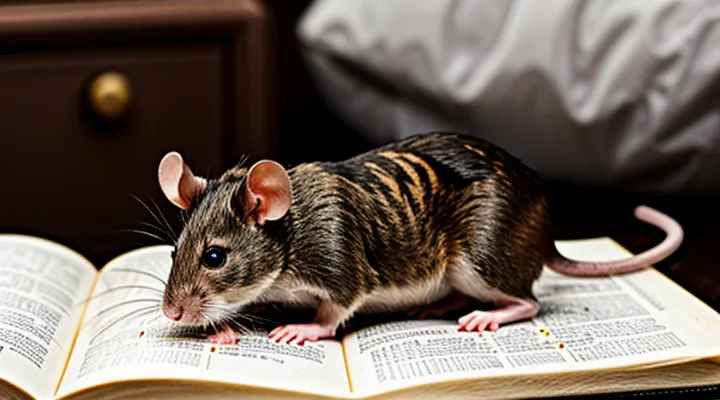
Introduction to Dream Symbolism in Women
The Psychological Landscape of Dreams
The psychological landscape of dreaming reveals how specific animal symbols encode emotional states and subconscious narratives. When women encounter rodents such as rats or mice during sleep, the images often correspond to feelings of vulnerability, instinctual drive, or social negotiation.
Key interpretive dimensions include:
- Anxiety linked to perceived contamination or loss of control.
- Instinctual urges that surface when daily responsibilities suppress personal desires.
- Interpersonal dynamics reflected in the pursuit or evasion of the animal.
- Transformation potential signaled by the creature’s behavior, such as scavenging or nesting.
Major theoretical lenses applied to these symbols are:
- Jungian analysis, which treats the rodent as an archetype of the shadow, representing repressed material that seeks integration.
- Freudian perspective, viewing the creature as a displaced representation of suppressed sexual or aggressive impulses.
- Cognitive‑neuroscientific approach, interpreting the dream image as a by‑product of memory consolidation processes that prioritize emotionally salient content.
Practical outcomes for dream recall involve:
- Recording the animal’s actions, setting, and emotional tone immediately upon awakening.
- Mapping the recorded details onto the interpretive dimensions listed above.
- Using the derived insights to adjust waking behavior, enhance self‑regulation, and address underlying stressors.
Cultural and Personal Influences on Dream Interpretation
Rats and mice appear in dream narratives with meanings that shift according to cultural heritage, religious belief, and individual life circumstances. In Western folklore the rodent often embodies deceit or disease, while in East Asian tradition it may represent prosperity, adaptability, or ancestral guidance. Indigenous mythologies sometimes link the creature to earth spirits or fertility cycles. These collective symbols provide a framework that shapes how female dreamers assign relevance to the animal’s presence.
Gender‑specific contexts further refine interpretation. Historical narratives associate women with domestic spheres; consequently, a rodent in a woman’s dream may reflect concerns about household management, nourishment, or caregiving responsibilities. Contemporary feminist discourse can reinterpret the same image as a symbol of resilience, resourcefulness, or the need to confront suppressed anxieties.
Personal experience supplies the decisive layer of meaning. Recent health issues, workplace stress, or relational changes can trigger rodent imagery that mirrors the dreamer’s current emotional load. Memory of childhood encounters with mice, familial attitudes toward pests, or prior dreams featuring the animal create an associative network that colors each new occurrence.
Key influences on the symbolism of rats and mice in women’s dreams include:
- Cultural tradition and mythic archetype
- Religious doctrine or spiritual practice
- Gendered social expectations
- Recent personal events and emotional state
- Individual history with the animal
Understanding the interplay of these factors enables precise analysis of rodent motifs without reliance on generic explanations.
Understanding Rat Dreams for Women
Common Interpretations of Rats in Dreams
Feelings of Betrayal or Deception
In symbolic dream analysis, rats and mice frequently appear as indicators of betrayal or deception for women. Their nocturnal habits, secretive movements, and reputation for gnawing away at resources translate into subconscious warnings about hidden agendas.
The association stems from several cultural and psychological factors. Rats are often linked to treachery in folklore, while mice represent subtle intrusion. Both animals’ ability to infiltrate unnoticed mirrors the experience of being misled by someone trusted.
Common dream scenarios and their typical interpretations include:
- Encountering a rat scurrying through a familiar space, suggesting an imminent discovery of dishonesty within a close relationship.
- Observing a mouse stealing personal items, pointing to feelings that one’s boundaries are being violated by covert actions.
- Being chased by a swarm of rats, indicating overwhelming anxiety about pervasive deceit in a professional environment.
- Finding a dead mouse in a place of comfort, reflecting the aftermath of a broken trust that has left emotional residue.
When such imagery arises, the dreamer is encouraged to examine current interpersonal dynamics. Identify relationships where communication feels one‑sided or where promises have been broken. Consider setting clearer boundaries and seeking transparent dialogue to mitigate the underlying sense of betrayal.
Awareness of these symbolic cues supports proactive emotional management, turning the unsettling presence of rodents in dreams into a catalyst for personal insight and relational clarity.
Financial Concerns or Scarcity
Dreams featuring rats or mice often signal underlying anxieties about money and resource availability for women. The small, quick‑moving animals embody feelings of insufficiency, hidden debts, or the perception that financial stability is slipping away.
Typical dream images and their interpretations:
- Seeing a rat scurrying through a house suggests concealed expenses or unexpected costs emerging from familiar surroundings.
- Observing a mouse nibbling food indicates a gradual depletion of savings, prompting a reassessment of budgeting habits.
- Being chased by a rat reflects a sense of urgency to resolve lingering bills or overdue obligations.
- Finding a dead mouse symbolizes the end of a financial strain, possibly through the resolution of a debt or the conclusion of a precarious investment.
The symbolism connects directly to personal financial management. Recognizing the dream’s focus on scarcity encourages proactive measures: reviewing expenditure, strengthening emergency funds, and seeking professional advice when necessary. By interpreting these nocturnal cues, women can address hidden monetary concerns before they manifest in waking life.
Health and Hygiene Anxieties
Dreams featuring rodents often reveal underlying concerns about personal cleanliness and bodily well‑being. For women, recurring images of rats or mice may signal heightened vigilance toward germs, skin conditions, or dietary habits. The subconscious links the small, often hidden animal with areas of the body that feel vulnerable or unclean, prompting mental rehearsal of protective actions.
Typical manifestations of these anxieties include:
- Persistent preoccupation with hand‑washing routines after contact with public surfaces.
- Fear of contamination in food preparation, leading to excessive scrutiny of ingredients.
- Obsessive monitoring of skin texture, hair loss, or dental health, interpreted as signs of decay.
- Avoidance of crowded places due to imagined spread of disease.
Addressing the issue involves practical steps rather than symbolic interpretation alone. Regular medical check‑ups, balanced nutrition, and evidence‑based hygiene practices reduce the intensity of the dream content. Maintaining a clean living environment and establishing consistent personal‑care schedules provide tangible reassurance, diminishing the subconscious alarm that rodents symbolize.
Specific Contexts of Rat Dreams
Rats in the Home Environment
Rats commonly inhabit residential spaces, especially where food is stored or waste is unmanaged. Their presence is detectable through droppings, gnawed materials, and nocturnal scratching sounds.
Health concerns arise from the pathogens rats carry, including leptospirosis, hantavirus, and salmonella. Contamination of surfaces and food supplies increases the risk of infection for all occupants.
Behaviorally, rats are nocturnal, highly adaptable, and capable of rapid reproduction. They establish burrows within walls, attics, or crawl spaces, creating concealed networks that are difficult to eradicate without systematic intervention.
Effective control measures include:
- Sealing entry points such as gaps around pipes and vents.
- Maintaining clean storage areas, removing food residues promptly.
- Using traps or professional bait stations in identified activity zones.
- Conducting regular inspections of insulation, cabinetry, and basement structures.
Dream analysis for women often reflects everyday environments; a dream featuring a rat may mirror subconscious awareness of domestic infestation. The symbolism typically denotes concerns about hidden threats, loss of control, or the need for cleansing within the personal sphere. As an illustration, the interpretation guide notes «A rat appearing in a dream signals underlying anxieties about household stability and personal security».
Addressing actual rodent problems therefore reduces psychological stress and may diminish the frequency of related dream imagery.
Interacting with Rats
Dreams in which a woman interacts with a rat convey messages about personal boundaries, hidden resources, and instinctual drives. The presence of a rat often signals aspects of life that operate beneath conscious awareness, while the manner of interaction reveals the dreamer’s attitude toward those hidden elements.
Typical interactions and their conventional interpretations include:
- Petting or holding a rat – indicates acceptance of subtle influences, willingness to integrate overlooked talents.
- Feeding a rat – suggests nurturing neglected ideas or relationships, recognition of their potential value.
- Chasing a rat – reflects attempts to confront or eliminate uncomfortable thoughts, possible avoidance of inner discomfort.
- Being bitten by a rat – signals breach of trust, exposure to hidden threats, or the need to reassess personal safeguards.
- Observing a rat from a distance – denotes detached awareness, readiness to monitor covert dynamics without direct involvement.
Interpretation hinges on emotional tone, setting, and accompanying symbols. A calm, curious mood typically points to constructive engagement with subconscious material, whereas fear or disgust signals resistance or unresolved anxiety. The environment—urban, domestic, or wilderness—adds context: urban backdrops emphasize societal pressures, domestic scenes highlight family dynamics, and natural settings highlight primal instincts.
To extract meaning, the dreamer should record the dream promptly, noting specific actions, emotions, and surroundings. Comparison with recent life events uncovers parallels; for instance, a recent project requiring attention to detail may surface as a rat‑interaction scenario. Reflecting on the response—acceptance, fear, nurturing—guides decisions about embracing hidden strengths or addressing concealed concerns.
Being Chased by Rats
Being pursued by rats in a dream often signals unresolved anxiety that stems from daily pressures. The chase reflects a feeling of being overwhelmed by minor yet persistent problems that refuse to disappear.
Interpretations commonly associated with this motif include:
- A warning that neglecting small details may lead to larger complications.
- An indication that personal boundaries are being challenged, prompting a need for decisive action.
- A reflection of hidden fears about loss of control in relationships or professional settings.
When the dreamer identifies as a woman, the symbolism frequently aligns with societal expectations and internalized standards. The pursuit may represent the pressure to conform to roles that feel restrictive, urging a reassessment of personal priorities.
To address the underlying message, consider the following steps:
- List current stressors that feel relentless or repetitive.
- Evaluate whether these issues are being dismissed or postponed.
- Implement concrete measures to confront each item, such as setting clear limits or seeking external assistance.
The recurring presence of rats during the chase amplifies the urgency of confronting these concerns before they expand into more significant obstacles.
Empowering Perspectives on Rat Dreams
Overcoming Challenges and Fears
Dreams featuring small rodents often surface during periods of heightened anxiety, signaling underlying concerns that demand attention. In the female psyche, the presence of a rat or mouse can represent feelings of vulnerability, hidden threats, or unresolved conflicts that impede personal progress.
Interpretations commonly associate the appearance of a rat with sensations of being pursued by persistent worries, while a mouse may denote subtle irritations that accumulate into larger distress. Recognizing these symbols provides a diagnostic framework for identifying specific sources of fear, allowing targeted emotional processing.
Effective response strategies include:
- Identifying concrete situations that mirror the dream’s theme and documenting associated emotions.
- Practicing exposure techniques that gradually confront the identified stressors, reducing avoidance patterns.
- Employing relaxation protocols, such as controlled breathing or progressive muscle relaxation, immediately after recalling the dream to diminish physiological arousal.
- Seeking professional guidance when recurring rodent imagery aligns with chronic anxiety, ensuring systematic therapeutic intervention.
By translating the symbolic language of rodent dreams into actionable insight, women can dismantle entrenched fear structures, replace paralysis with purposeful action, and cultivate resilience in the face of everyday challenges.
Recognizing Hidden Strengths
Dreams featuring rats or mice often signal latent capabilities that remain underutilized in waking life. When a woman encounters these small mammals in sleep, the mind highlights adaptability, strategic planning, and subtle influence as core attributes.
The symbolism aligns with several specific strengths:
- Resilience in constrained environments, allowing continued progress despite limited resources.
- Resourcefulness, demonstrated by the ability to locate nourishment or opportunities where others see scarcity.
- Acute perception, reflected in heightened awareness of hidden threats and subtle cues.
- Quiet leadership, expressed through influence that operates without overt dominance.
- Emotional intelligence, indicated by sensitivity to underlying currents in relationships and work settings.
Interpretation of such dreams encourages conscious acknowledgment of these traits. By recognizing the presence of resilience, resourcefulness, perception, influence, and emotional insight, women can channel the subconscious message into purposeful action. The dream narrative serves as a reminder that strength often resides in modest, unobtrusive forms, ready to be activated when needed.
Understanding Mouse Dreams for Women
Common Interpretations of Mice in Dreams
Feelings of Insignificance or Vulnerability
Dreams featuring rats or mice often serve as a mirror for underlying feelings of insignificance or vulnerability. The small, timid nature of these animals aligns with personal sensations of being overlooked, powerless, or exposed to subtle threats. When a woman encounters such creatures in sleep, the subconscious may be signaling a need to acknowledge hidden anxieties that surface in daily interactions, professional environments, or intimate relationships.
Key psychological cues associated with these nocturnal images include:
- Perceived lack of influence within a group or family structure.
- Fear of being dismissed or treated as peripheral.
- Heightened awareness of minor details that could undermine confidence.
- Sensation of being preyed upon by larger forces, whether literal or metaphorical.
Interpretation guidelines derived from an interpretive guide to rat and mouse dream symbolism for women suggest the following steps:
- Identify the emotional tone of the dream—whether the animal is aggressive, fleeing, or simply present.
- Relate the setting of the dream to real‑world contexts where feelings of marginalization arise.
- Consider recent experiences of criticism, exclusion, or subtle manipulation that may have triggered the imagery.
- Apply constructive coping strategies, such as establishing clear personal boundaries, seeking supportive networks, and reinforcing self‑esteem through tangible achievements.
Recognizing the symbolic link between these diminutive creatures and personal vulnerability empowers a woman to transform passive apprehension into proactive self‑advocacy. By confronting the subconscious message, the dream becomes a resource for emotional growth rather than a source of lingering unease.
Small Annoyances or Petty Worries
Dream imagery involving rodents often mirrors minor irritations that occupy a woman’s daily routine. When a rat or mouse appears in a night vision, the subconscious may be cataloguing petty concerns that lack overt significance but persistently surface.
Typical manifestations include:
- A tiny rodent scurrying across a floor, symbolising an unresolved schedule clash or an overlooked appointment.
- A mouse hiding in a cupboard, reflecting a concealed habit that subtly disrupts personal efficiency.
- A rat gnawing at a piece of fabric, indicating a recurring nuisance such as a noisy appliance or a lingering household chore.
These symbols function as alerts, prompting attention to details that otherwise blend into the background. Recognising the connection between the specific rodent behavior and the corresponding everyday annoyance enables a woman to address the issue directly, reducing its psychological weight and preventing escalation into larger stressors.
The Need for Attention to Detail
Accurate interpretation of rat and mouse imagery in women’s dreams requires meticulous observation of every element presented by the subconscious. Subtle variations in the animal’s size, color, activity, and surrounding environment convey distinct messages that differ from generic symbolism. Overlooking such nuances reduces the analysis to vague generalities, limiting the guidance that can be extracted from the dream.
Attention to detail ensures that the interpreter distinguishes between a timid mouse scurrying in a dim attic and an aggressive rat prowling through a bustling kitchen. Each scenario reflects specific emotional states, relational dynamics, or personal challenges that are unique to the dreamer. Recognizing these distinctions prevents the conflation of disparate experiences under a single, oversimplified meaning.
Key aspects to examine include:
- Physical description of the animal (size, fur condition, coloration).
- Behavioral pattern (running, biting, hiding, confronting).
- Contextual setting (home, workplace, outdoor space, unfamiliar location).
- Interaction with other figures (presence of family members, strangers, predators).
- Emotional response of the dreamer (fear, curiosity, amusement, disgust).
Neglecting any of these factors can lead to misreading the dream’s intent, potentially offering advice that does not align with the dreamer’s real concerns. Precise documentation of each detail creates a reliable foundation for deeper symbolic analysis and more personalized insight.
A disciplined approach, grounded in exact observation, transforms dream interpretation from a speculative exercise into a systematic tool for self‑awareness. The practice of scrutinizing every element mirrors the rigorous methodology employed by professional analysts, reinforcing the credibility of the resulting guidance.
Specific Contexts of Mouse Dreams
Mice in Everyday Settings
Mice frequently appear in domestic environments such as kitchens, pantry shelves, and garden corners. Their presence often signals concerns related to resource management, hidden anxieties, or subtle disruptions in daily routines. Observing a mouse scurrying across a countertop may reflect an underlying fear of losing control over personal affairs, especially when the setting involves food preparation or storage.
Common everyday scenarios involving mice and their typical symbolic interpretations include:
- Kitchen or dining area – Suggests attention to nourishment habits and possible stress about dietary choices.
- Bedroom or personal space – Indicates intimate worries, privacy violations, or emotional vulnerability.
- Workplace desk or office supplies – Points to minor obstacles in professional tasks, overlooked details, or the need for meticulous organization.
- Outdoor garden or yard – Relates to natural cycles, growth patterns, and the balance between cultivated order and wild unpredictability.
In the broader framework of dream analysis for women, these everyday mouse encounters serve as visual metaphors for managing subtle pressures and maintaining equilibrium across various aspects of life. Recognizing the specific setting enhances the precision of interpretation and guides practical responses.
Catching or Releasing Mice
Dreams in which a woman catches a mouse often signal a desire to control a subtle, lingering anxiety. The act of capture reflects an effort to confront a hidden concern, transform it into a manageable task, and prevent it from spreading. In this context, the mouse represents minor yet persistent worries that may affect daily routines, relationships, or self‑esteem. The successful capture suggests empowerment, while failure to seize the creature may indicate avoidance or a feeling of helplessness.
Dreams featuring the release of a mouse convey a different nuance. Letting the animal go points to the need for emotional liberation, allowing a suppressed feeling to depart voluntarily. This release can symbolize forgiveness, the end of a trivial dispute, or the decision to relinquish control over an insignificant issue. The following points summarize typical interpretations for female dreamers:
- Release denotes acceptance of change and readiness to move forward without lingering resentment.
- The mouse’s departure may represent the dissolution of a minor problem that no longer warrants attention.
- Observing the mouse escape unharmed suggests confidence in one’s ability to let go without negative repercussions.
Overall, catching implies active management of small stresses, whereas releasing signals a conscious choice to free oneself from minor emotional burdens.
Multiple Mice in a Dream
Seeing several mice in a dream signals a cluster of minor worries that demand attention. The image suggests that numerous small issues are competing for mental space, often related to domestic or personal affairs.
Interpretation focuses on three primary dimensions:
- Accumulation of trivial anxieties that, when left unchecked, may affect confidence or decision‑making.
- Indication of feeling overwhelmed by responsibilities that seem insignificant individually but collectively burdensome.
- Reflection of hidden fears about loss of control, especially in areas concerning home, family, or health.
Cultural references associate mice with resourcefulness and survival. In traditions where rodents are viewed as clever survivors, the dream may encourage strategic handling of problems rather than avoidance. Conversely, societies that link mice to contamination emphasize the need for cleansing routines and emotional boundaries.
Practical advice:
- List current concerns, prioritize those that appear repeatedly, and address them systematically.
- Implement small, consistent actions to reduce the perceived swarm of issues, such as daily organization or brief mindfulness sessions.
- Observe any recurring patterns in waking life that mirror the dream’s motif, and consider adjustments to routines that limit stress accumulation.
Overall, multiple mice in a dream serve as a clear signal to evaluate and manage the multitude of minor pressures that collectively influence emotional equilibrium.
Empowering Perspectives on Mouse Dreams
Embracing Modesty and Humility
Dream interpretation guides that focus on rodent symbols in women’s nocturnal visions often link the presence of rats or mice to personal attitudes of modesty and humility. The small size and unobtrusive behavior of these animals serve as mirrors for an individual’s willingness to acknowledge limitations and to act without seeking attention.
When a woman encounters a rat or mouse in a dream, the following aspects may signal an embrace of modesty and humility:
- Quiet movement through familiar spaces, suggesting acceptance of one’s role without demanding dominance.
- Interaction with the creature that involves care rather than control, indicating respect for modest strengths.
- Observation of the animal’s survival tactics, reflecting a realistic appraisal of personal resources and a lack of pretension.
Interpretive frameworks advise that recognizing these modest qualities can transform the dream’s message from a warning of hidden threats to an affirmation of inner balance. The rodent’s unobtrusive existence highlights the value of subtle influence, encouraging the dreamer to cultivate humility as a source of resilience.
Consequently, the symbolic language of rats and mice becomes a conduit for reinforcing modest conduct, guiding women toward self‑assessment that privileges quiet confidence over overt ambition. Embracing such humility aligns the dreamer’s waking choices with the understated power embodied by these small creatures.
Addressing Minor Issues Proactively
Dream symbols featuring small rodents often point to unresolved details that linger beneath everyday consciousness. Recognizing a fleeting image of a «rat» or «mouse» signals an opportunity to intervene before the concern expands into a larger emotional pattern.
Early intervention prevents minor anxieties from accumulating into persistent stress. By treating each subtle dream cue as a diagnostic alert, one can maintain psychological equilibrium and avoid downstream complications.
Practical steps for proactive management:
- Record the dream immediately; note the setting, emotions, and actions of the «rat» or «mouse».
- Identify any recent life event that parallels the rodent’s behavior, such as a minor disagreement or a neglected task.
- Choose a concrete action that addresses the identified issue within 24 hours; examples include clarifying a brief misunderstanding or organizing a small workspace area.
- Review the outcome after the action; adjust future responses based on effectiveness.
Consistent application of these measures transforms minor dream symbols into a systematic self‑care protocol, reinforcing mental resilience and preserving overall well‑being.
Differentiating Rat and Mouse Dream Meanings
Size and Impact in Dream Symbolism
In dream interpretation, the physical dimensions of a symbol convey distinct emotional and psychological messages. When a rodent appears diminutive, the mind signals subtle anxieties, hidden fears, or minor irritations that do not dominate daily life. The tiny presence of a «rat» or «mouse» often reflects discreet concerns about personal boundaries, finances, or interpersonal trust, especially for female dreamers who associate domestic harmony with safety.
A larger embodiment of the same creature amplifies the underlying issue. An oversized «rat» may denote overwhelming stress, a sense of being pursued, or a loss of control within professional or relational spheres. A conspicuously big «mouse» can suggest that minor worries have escalated into persistent obstacles, demanding immediate attention.
The impact of size extends beyond emotional intensity; it influences the narrative focus of the dream. Small rodents typically occupy peripheral scenes, indicating that the subconscious treats the matter as background noise. Conversely, prominent rodents dominate the dream landscape, forcing the dreamer to confront the core problem directly.
Key interpretations based on size:
- Tiny rodent – fleeting tension, hidden insecurity, manageable challenge.
- Medium rodent – moderate concern, balanced awareness, potential for resolution.
- Large rodent – acute distress, urgent issue, possible threat to personal stability.
Understanding the correlation between size and symbolic weight equips women to decode the specific urgency of their nocturnal messages and to prioritize actions that address the most pressing aspects of their inner experience.
Emotional Responses to Rats versus Mice
Women who encounter rodents in nocturnal visions often differentiate between the two species. The distinction shapes the affective landscape of the dream and influences subsequent waking reflections.
Rats typically evoke intense reactions. Common responses include:
- Fear, linked to perceived danger or contamination
- Disgust, associated with filth or disease
- Betrayal, reflecting feelings of being undermined by trusted individuals
- Anxiety, stemming from loss of control or hidden threats
- Powerlessness, related to entrapment or helplessness
Mice generate a contrasting set of emotions. Frequent feelings comprise:
- Curiosity, sparked by the creature’s small size and elusive behavior
- Vulnerability, mirroring the dreamer’s own perceived fragility
- Affection, arising from the animal’s perceived innocence or nostalgia for childhood
- Mild anxiety, tied to subtle concerns rather than overt danger
- Hope, as the mouse often symbolizes perseverance despite limited resources
The variance in emotional tone underscores the symbolic divergence between the two rodents. Rat imagery aligns with darker, confrontational themes, whereas mouse symbolism leans toward gentler, introspective motifs. Understanding these nuances assists female dream interpreters in extracting precise psychological insights from nocturnal narratives.
Practical Implications for Waking Life
Dreams featuring rats or mice frequently point to issues of scarcity, hidden anxieties, and the need for clearer personal boundaries. For women, these nocturnal images often mirror concerns about financial stability, domestic responsibilities, or emotional neglect that may not be fully acknowledged during waking hours.
Practical responses include:
- Conduct a brief inventory of current expenses and income streams; adjust budgeting to address any perceived shortfalls.
- Identify relationships that feel invasive or overly demanding; establish explicit limits through calm, direct communication.
- Allocate time each day for decluttering physical spaces; a tidy environment can reduce subconscious feelings of disorder.
- Incorporate brief mindfulness or breathing exercises before bedtime to lower stress levels that may trigger rodent symbolism.
Long‑term strategies focus on reinforcing self‑sufficiency and emotional resilience. Regularly reviewing personal goals, seeking professional financial counseling when needed, and maintaining healthy boundaries in interpersonal interactions transform the symbolic warning into constructive growth. By translating the subconscious message into concrete actions, the dream’s impact extends beyond the night, fostering greater confidence and stability in everyday life.
Connecting Dream Meanings to Women«s Experiences
Societal Pressures and Expectations
Dream symbolism involving rodents often reflects external expectations placed on women. Cultural narratives link rats to survival, resourcefulness, and hidden threats, while mice suggest subtle influence and domestic concerns. When women encounter these animals in sleep, interpretation frequently mirrors societal standards regarding appearance, career, and family responsibilities.
Key social forces shaping meaning include:
- Pressure to conform to idealized beauty standards; a rat appearing may signal anxiety about perceived imperfections or judgments about body image.
- Expectation of professional achievement; a mouse can represent feelings of being overlooked in competitive environments.
- Norms surrounding motherhood and caregiving; rodent imagery may highlight tension between personal ambition and prescribed nurturing roles.
Interpretative frameworks often incorporate collective myths rather than individual psychodynamics. Academic analyses note that gendered symbolism amplifies concerns about reputation, financial stability, and relational harmony. Consequently, rodent dreams serve as mirrors of the prevailing cultural script that dictates acceptable behavior and success metrics for women.
Personal Relationships and Self-Worth
Dreams featuring rats or mice often mirror the dreamer’s perception of personal value and the quality of intimate connections. The small, agile creatures symbolize hidden anxieties about being overlooked, while simultaneously suggesting a capacity for adaptability and resilience.
When a woman encounters a rat in a dream, the image may point to feelings of vulnerability within a partnership. The animal’s nocturnal nature highlights subconscious doubts about trust and emotional safety. Recognizing these signals can prompt reassessment of relational boundaries and encourage proactive communication.
A mouse appearing in a dream typically reflects concerns about self‑esteem. The creature’s modest size underscores the tendency to minimize one’s own needs. Interpreting this motif as an invitation to validate personal desires helps strengthen internal confidence and supports healthier interaction patterns.
Practical steps derived from these symbolic cues:
- Identify recurring scenarios in the dream that involve the rodent’s behavior (e.g., fleeing, confronting, being chased).
- Relate each scenario to a specific aspect of a current relationship (e.g., power dynamics, emotional availability).
- Document emotional reactions that surface upon waking; note whether they align with feelings of inadequacy or empowerment.
- Apply insights to real‑world interactions by setting clear expectations and affirming personal worth through consistent self‑affirmation practices.
By translating the subtle messages of rat and mouse imagery into concrete self‑reflection, women can enhance relational harmony and reinforce a robust sense of self‑value.
Career and Financial Aspirations
Dreams featuring rodents often signal subconscious focus on resource management and competitive dynamics. For women, such symbols can illuminate attitudes toward professional growth and monetary objectives.
A rat appearing in a dream frequently reflects strategic ambition. The animal’s reputation for adaptability suggests the dreamer is ready to navigate complex workplace hierarchies. Interpreting the image as a prompt for calculated risk encourages pursuit of leadership positions, negotiation of higher salaries, and exploration of entrepreneurial ventures.
A mouse in a dream typically highlights meticulous attention to minor details. The creature’s small size emphasizes the value of incremental progress and careful budgeting. Recognizing this motif can motivate the adoption of disciplined savings plans, incremental skill acquisition, and methodical project execution.
Practical implications:
- Identify opportunities for advancement that align with personal strengths.
- Develop a clear roadmap for salary negotiation, incorporating market research.
- Implement a structured budgeting system that tracks minor expenses.
- Prioritize continuous learning through short courses or certifications.
- Evaluate entrepreneurial ideas with a risk‑assessment framework.
These interpretations translate nocturnal symbolism into concrete actions that support career elevation and financial stability.
Actionable Steps Based on Dream Insights
Self-Reflection and Journaling Techniques
Self‑reflection through written records provides a structured pathway for decoding personal symbolism that appears in nightly visions of small rodents. When a female dreamer encounters a rat or mouse, the subconscious may be highlighting themes of resourcefulness, hidden concerns, or social dynamics. Translating these images into actionable insight requires disciplined journaling practices.
A reliable approach includes the following steps:
- Record the dream immediately after waking, noting sensory details, emotions, and contextual cues.
- Identify recurring motifs by reviewing entries weekly; patterns often reveal underlying anxieties or aspirations.
- Relate the rodent imagery to current life situations, such as financial management, interpersonal boundaries, or personal boundaries.
- Pose reflective questions: «What aspect of my life feels overlooked?»; «Which small task demands attention?»
- Summarize the personal meaning in a concise statement, linking the dream symbol to a concrete goal or behavioral adjustment.
Consistent use of this method enhances self‑awareness, allowing the dream narrative to serve as a diagnostic tool for personal development. The habit of systematic documentation transforms fleeting nocturnal impressions into measurable progress.
Seeking Professional Guidance
Understanding the symbolism of rodents in a woman's dreamscape often requires expertise beyond personal intuition. Professional interpreters bring knowledge of cultural, psychological, and mythological dimensions that shape these images. Their training enables precise analysis of recurring motifs such as fear, survival, or hidden resources, which may otherwise be misread.
Key advantages of consulting a specialist include:
- Access to evidence‑based frameworks that link rodent imagery to specific emotional states.
- Clarification of ambiguous details, such as the animal’s behavior, environment, and interaction with the dreamer.
- Personalized feedback that integrates the dreamer's life circumstances, reducing the risk of generic conclusions.
When selecting a practitioner, consider the following criteria:
- Credentials in dream analysis, psychotherapy, or Jungian studies.
- Demonstrated experience with gender‑specific symbolism.
- Transparent methodology, including the use of validated interpretive tools.
The consultation process typically follows a structured sequence:
- Submission of a detailed dream report, emphasizing sensory elements and emotional reactions.
- Collaborative discussion of the report, during which the professional highlights relevant archetypal patterns.
- Formulation of actionable insights, often accompanied by recommendations for coping strategies or further therapeutic work.
Engaging an expert transforms vague nocturnal impressions into concrete guidance, fostering self‑awareness and emotional growth.
Embracing Personal Growth and Change
Dreams featuring rats or mice often signal a phase of inner transformation for women. The presence of these small creatures points to subconscious cues that encourage reassessment of habits, values, and aspirations. Recognizing such symbols creates an opportunity to initiate deliberate personal development.
The rat commonly represents resilience and the capacity to navigate challenging environments. Its appearance suggests that the dreamer possesses untapped strength, ready to confront obstacles and redefine self‑perception. Conversely, the mouse embodies subtle, incremental change. Its quiet movements reflect the gradual adjustments that, when acknowledged, lead to lasting growth.
Practical steps to harness these insights:
- Record the dream immediately, noting emotions, context, and any recurring motifs.
- Identify current life areas that feel stagnant or constrained.
- Establish specific, measurable goals aligned with the newfound awareness of resilience or subtle change.
- Integrate reflective practices such as meditation or journaling to monitor progress.
- Seek mentorship or community support that reinforces the commitment to evolve.
Applying these actions translates the symbolic messages of rodent dreams into concrete forward movement, fostering continuous personal advancement.