
Understanding Dream Symbolism
The Nature of Dreams
Dreams arise during rapid‑eye‑movement sleep, when cortical networks generate patterns of activity without external sensory input. Neurochemical shifts, particularly in acetylcholine and dopamine, facilitate vivid imagery and emotional intensity. The brain synthesizes recent experiences, memories, and innate drives into narratives that lack logical sequencing but retain affective relevance.
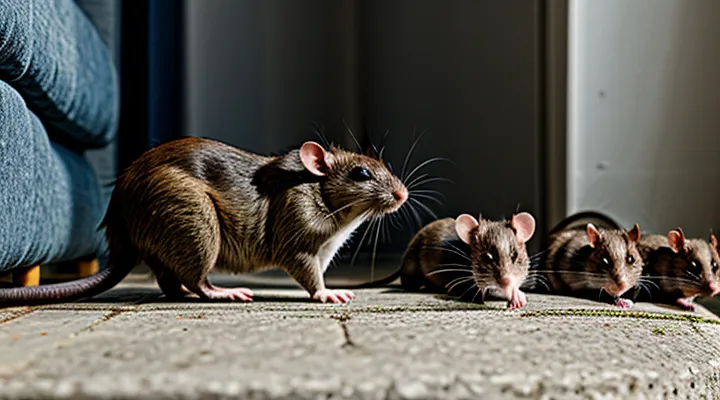
Dream content serves as a window onto unconscious processing. Symbolic elements translate personal concerns into metaphorical images. Animals often embody instinctual reactions; rodents, for example, are linked to survival instincts, territorial anxieties, and social hierarchies. When a dream presents a swarm of active rats, the mind projects feelings of overwhelm, hidden threats, or unresolved conflicts onto the animal motif.
Interpretation of a dream featuring numerous living rats typically includes:
- Perception of uncontrollable stressors in daily life.
- Fear of contamination, disease, or moral decay.
- Awareness of resource scarcity or competition.
- Reflection of suppressed urges that demand attention.
Persistent or emotionally charged rat visions may indicate an underlying psychological tension that warrants further examination. If the imagery recurs, intensifies, or interferes with waking function, consultation with a mental‑health professional can clarify underlying patterns and suggest coping strategies.
Interpreting Animal Symbolism in Dreams
General Meanings of Animals
Dreams that contain animals function as mirrors of instinctual concerns, cultural archetypes, and personal experiences. Interpreters treat each creature as a symbol that conveys specific psychological messages.
When a dream presents many living rats, the image typically signals issues of survival, resourcefulness, and hidden threats. Rats embody adaptability; their presence suggests the dreamer is navigating a situation that demands quick adjustment or covert action. The abundance of the animals amplifies themes of infestation, loss of control, or the spread of undesirable elements. Simultaneously, rats can indicate social dynamics—collective behavior, hierarchy, or the need to cooperate within a community.
General animal symbolism follows recognizable patterns across species groups. Mammals often represent primal drives, emotional states, or relational roles. Birds convey aspirations, freedom, or messages from the subconscious. Reptiles suggest instinctual urges, transformation, or danger. Insects reflect details of persistence, annoyance, or collective effort.
Common animal symbols and their typical meanings:
- Rat / Mouse – adaptability, hidden danger, resourcefulness, societal undercurrents
- Wolf – loyalty, pack mentality, aggression, instinctual leadership
- Eagle – vision, authority, transcendence, strategic overview
- Snake – renewal, concealed threat, healing, primal fear
- Butterfly – transformation, fleeting beauty, emotional rebirth
- Dog – loyalty, protection, companionship, instinctual guidance
Understanding these associations equips the interpreter to extract precise insights from a dream that features multiple live rats, linking the animal’s universal connotations to the dreamer’s current life context.
Specificity of Rat Symbolism
Dreams featuring a multitude of active rats convey a dense symbolic package that differs from isolated rat imagery. The presence of many living rodents intensifies themes of social dynamics, survival instincts, and collective energy. In dream analysis, each element—quantity, vitality, and behavior—contributes to a nuanced interpretation.
Key aspects of rat symbolism in this context include:
- Collective behavior: Swarms of rats suggest group pressures, shared responsibilities, or communal challenges that the dreamer perceives in waking life.
- Health and resilience: The vigor of numerous rats often reflects concerns about bodily robustness, immunity, or the need to address neglected health habits.
- Resourcefulness: Rats’ reputation for adaptability amplifies when they appear in numbers, highlighting the dreamer’s capacity to navigate complex environments or multitask effectively.
- Hidden threats: A populous rat presence can signal concealed problems proliferating beneath the surface, urging vigilance toward subtle risks.
- Cultural layers: In Eastern traditions, rats symbolize wealth and fertility, while Western folklore associates them with disease and deceit; the dream’s context determines which cultural lens predominates.
Interpretation hinges on the dreamer’s emotional response. Feelings of fear or disgust point toward anxiety about overwhelming situations, whereas curiosity or indifference may indicate acceptance of change and an unconscious endorsement of adaptability. The dream’s setting—urban, rural, or domestic—further refines meaning by aligning the rat swarm with specific life domains such as career, family, or personal growth.
Dream About Many Living Rats: Core Interpretations
Psychological Perspectives
Feelings of Overwhelm and Stress
A dream populated by numerous live rats signals a heightened state of psychological pressure. The presence of many rodents reflects an internal sense that responsibilities, tasks, or interpersonal demands are multiplying beyond one’s capacity to manage them.
The emotional response during the dream—panic, dread, or frantic attempts to escape—mirrors the waking experience of being overwhelmed. Such vivid imagery amplifies underlying stress, turning abstract anxiety into a concrete scenario that the mind can process.
Typical indicators that the dream is connected to real‑world stress include:
- Persistent tension in the neck, shoulders, or lower back.
- Difficulty concentrating on routine activities.
- Irritability or sudden mood swings without obvious triggers.
- Physical fatigue after minimal exertion.
Addressing the root causes—by delegating tasks, setting realistic boundaries, or seeking professional support—reduces the frequency of rat‑filled dreams and restores mental equilibrium.
Hidden Fears and Anxieties
Dreams filled with swarms of active rats frequently point to concealed emotional disturbances. The sheer number of rodents amplifies the sense of intrusion, indicating that the sleeper is grappling with issues that remain out of conscious awareness.
Common hidden fears revealed by this imagery include:
- Perceived loss of personal boundaries.
- Fear of being overwhelmed by responsibilities.
- Sensation of hidden threats lurking in familiar environments.
Typical anxieties associated with the motif are:
- Unease about health or contamination.
- Social apprehension, especially regarding acceptance by peers.
- Anticipation of sudden, uncontrollable change.
Interpretation benefits from systematic reflection. Recording the dream’s details, noting recent stressors, and comparing recurring patterns help isolate the underlying concern. Professional guidance, such as cognitive‑behavioral techniques, can transform the latent fear into actionable insight, reducing the intensity of future rat‑laden visions.
Undermining Influences
Dreams populated by numerous active rats often signal hidden forces that destabilize personal or professional foundations. The presence of living rodents suggests that subtle pressures are eroding confidence, relationships, or goals without overt confrontation.
Undermining influences operate beneath the surface, gradually weakening resolve. They may stem from persistent self‑criticism, covert sabotage by colleagues, or unaddressed anxieties that chip away at motivation. In the dream, the rats embody these covert threats, moving silently yet persistently through familiar environments.
Typical sources of such erosion include:
- Internal dialogue that constantly questions competence.
- Repeated exposure to negative feedback that is not openly discussed.
- Unresolved conflicts that manifest as indirect hostility.
- Environmental stressors that subtly shift priorities and values.
Recognizing the symbolic link between the rodents and these hidden pressures enables targeted action. By confronting the underlying doubts, clarifying ambiguous expectations, and establishing transparent communication, the destabilizing effect can be mitigated, allowing the dream’s warning to translate into constructive change.
Spiritual and Cultural Meanings
Omens and Warnings
Dreams in which numerous live rats appear often signal underlying concerns that require immediate attention. The presence of many rodents suggests a proliferation of minor problems that could overwhelm personal or professional life if left unchecked.
Key warnings associated with this imagery include:
- Accumulating stressors that erode mental stability.
- Hidden betrayals or deceit within close relationships.
- Financial leaks caused by careless spending or overlooked debts.
- Health issues related to unsanitary environments or neglect of personal hygiene.
Interpretations emphasize the need for proactive measures. Identify areas where small annoyances persist, and address them before they expand. Review financial records, clarify communication with trusted individuals, and improve living conditions to reduce exposure to potential hazards.
Overall, the vision serves as a prompt to scrutinize overlooked details, reinforce boundaries, and implement preventive strategies that halt the spread of disruptive influences.
Uncleanliness and Purity
Dreams populated by many active rats often evoke concerns about hygiene and moral clarity. The presence of numerous rodents highlights a subconscious focus on environments perceived as dirty, chaotic, or morally compromised.
Rats symbolize neglect of cleanliness. Their proliferation suggests the dreamer may be overlooking physical mess, emotional clutter, or ethical lapses. The mind translates unchecked filth into a vivid tableau of living pests, urging awareness of areas that require sanitation or disciplined order.
Conversely, the same imagery can signal a yearning for purity. The contrast between the rats’ vitality and the dreamer's desire for a spotless setting underscores an internal conflict between acceptance of natural imperfection and the pursuit of immaculate standards.
Key implications:
- Persistent rodents → awareness of neglected hygiene or unresolved issues.
- Living rats in a clean space → aspiration toward moral or physical purity.
- Overwhelming numbers → urgency to restore balance between disorder and cleanliness.
Interpreting the dream involves evaluating personal surroundings, habits, and values to determine whether the dominant theme is a warning against uncleanliness or an affirmation of the quest for purity.
Abundance and Fertility (Rare Interpretations)
Dreams that feature swarms of active rats frequently signal a surge of productive energy that extends beyond conventional wealth symbolism. In rare interpretive frameworks, the multitude of living rodents is read as an emblem of abundance and fertility, drawing on the animal’s rapid reproductive cycle and its capacity to thrive in diverse environments.
The prolific nature of rats translates into an unconscious cue that personal or collective resources are on the verge of multiplication. The dream’s vividness underscores an internal acknowledgment of fertile conditions—whether in creative endeavors, family planning, or agricultural prospects.
Key rare meanings include:
- A forthcoming increase in harvest yields or livestock productivity.
- Expansion of artistic or intellectual output, suggesting multiple projects will reach maturity simultaneously.
- Indicators of impending family growth, such as pregnancies, adoptions, or the birth of new relationships.
- Signals that business ventures are entering a phase of rapid scaling, with the potential for exponential profit.
These interpretations rely on the rat’s biological traits to convey a message of thriving proliferation, urging the dreamer to recognize and harness the fertile momentum now present.
Common Scenarios and Their Meanings
Rats in Your Home
Dreams that contain a large number of living rats often reflect concerns tied to the domestic environment. When the rodents appear inside a house, the subconscious links the infestation to personal space, privacy, and daily routines. The presence of rats within the home suggests feelings of intrusion, loss of control, or hidden problems that affect everyday life.
Interpretations commonly associated with this imagery include:
- Hidden threats: Unaddressed issues at home, such as financial strain or relationship tension, manifest as rats scurrying through rooms.
- Neglected responsibilities: Tasks or obligations that have been ignored may be symbolized by the unchecked population of rodents.
- Emotional contamination: Negative emotions—fear, guilt, shame—are depicted as pests contaminating the living area.
- Adaptability warning: Rats’ ability to survive in confined spaces may signal the need to become more resilient in a challenging household situation.
Psychologically, the dream serves as an alert to examine the state of one’s domestic sphere. Recognizing the symbolism can prompt practical actions: decluttering, addressing financial or relational issues, and establishing clearer boundaries within the home. By confronting the underlying causes, the recurring image of rats may lose its intensity and cease to appear.
Rats Chasing You
Dreams in which numerous live rats appear often signal underlying anxiety, insecurity, or feelings of being pursued by problems. When the rats actively chase the sleeper, the symbolism intensifies, suggesting that the individual perceives threats as immediate and relentless.
The chase scenario can be analyzed from several perspectives:
- Psychological stress: The pursuit reflects a subconscious attempt to escape pressures such as work overload, relationship conflict, or health concerns. The rat’s rapid movement mirrors the pace at which the mind registers stressors.
- Fear of contamination or loss of control: Rats are commonly linked to disease and disorder. Being chased may indicate dread of contamination—literal or metaphorical—or a belief that personal boundaries are eroding.
- Hidden guilt or shame: Pursuit can represent an inner reckoning with actions the dreamer wishes to suppress. The relentless nature of the chase suggests that avoidance is no longer viable.
- Cultural archetype: Many traditions view rats as scavengers or omens. The chase amplifies their role as messengers of warning, urging the dreamer to confront neglected issues.
Practical implications include:
- Identify current situations that feel invasive or overwhelming.
- Assess whether avoidance strategies are exacerbating the sense of being chased.
- Implement stress‑reduction techniques—mindfulness, structured problem‑solving, or professional counseling—to diminish the perceived pursuit.
- Reevaluate personal boundaries and hygiene practices to address any literal concerns about contamination.
Overall, a dream where rats chase you signals an urgent need to address persistent stressors, reinforce personal limits, and transform avoidance into proactive resolution.
Interacting with Rats
Dreams featuring a swarm of active rats often focus on the way the dreamer engages with the animals. Direct contact—touching, feeding, or guiding the rats—suggests an attempt to manage overwhelming thoughts or emotions. The act of handling the rodents can indicate a willingness to confront hidden anxieties, turning vague dread into manageable material.
Interaction that is gentle or nurturing, such as petting or caring for the rats, typically reflects an emerging acceptance of instinctual drives. This behavior signals that the subconscious mind is integrating suppressed impulses rather than rejecting them. Conversely, aggressive or fearful responses—shooing, striking, or fleeing from the rats—point to resistance against internal pressures, often linked to stress, guilt, or feelings of loss of control.
Common symbolic interpretations of specific interactions include:
- Feeding or providing shelter – acknowledgment of neglected aspects of self; readiness to nurture latent talents.
- Guiding or leading the rats – assertion of authority over chaotic thoughts; strategic planning in waking life.
- Being bitten or attacked – warning of unresolved conflicts; potential repercussions of ignored issues.
- Observing without participation – detached analysis; the mind’s effort to understand problems without direct involvement.
The intensity of the encounter amplifies the message. A calm, cooperative exchange suggests gradual integration of difficult emotions, while frantic, hostile contact signals urgent need for psychological adjustment. Recognizing the nature of the interaction helps decode the dream’s broader significance and guides practical steps toward emotional equilibrium.
Dead or Dying Rats
Dreams that feature a swarm of active rodents often include images of dead or dying rats. Those images convey a separate message from the living creatures, focusing on themes of loss, transition, and unresolved conflict.
The presence of a lifeless rat suggests an awareness of personal mortality or the end of a particular phase. It may signal that a situation once vibrant has lost its vitality, prompting the dreamer to acknowledge closure. A dying rat, caught in the act of fading, points to an ongoing process of deterioration—financial strain, deteriorating health, or a relationship that is gradually weakening.
Cultural traditions assign specific meanings to deceased rodents. In European folklore, a dead rat can foretell an impending illness or financial setback. In Asian symbolism, a dying rat may reflect anxiety about diminished personal power or a warning against neglecting small, seemingly insignificant matters that could grow harmful.
Practical interpretation guidelines:
- Identify the context in which the dead or dying rat appears (e.g., home, workplace, outdoor setting).
- Note emotional reactions during the dream (fear, sadness, indifference).
- Relate the imagery to current life circumstances involving endings or gradual decline.
- Consider actions taken in the dream, such as cleaning the carcass or fleeing, to gauge coping strategies.
By examining these elements, the dreamer can extract actionable insight from the imagery of deceased rodents, turning a disturbing visual into a catalyst for personal assessment and proactive change.
Factors Influencing Interpretation
Your Personal Feelings About Rats
Dreams that contain swarms of active rats trigger a personal response that shapes the symbolic reading. If the dreamer feels repulsion, the rats may represent intrusive thoughts, anxiety, or unwanted habits that demand attention. A sense of fascination or curiosity suggests the subconscious is inviting exploration of hidden resources, adaptability, or community dynamics that the rat embodies.
When the emotional tone leans toward fear, the mind often links the rodents to loss of control, betrayal, or a warning about contamination—social, physical, or psychological. Conversely, comfort or affection toward the creatures can indicate confidence in navigating complex environments, an appreciation for survival instincts, or an acceptance of one’s own gritty resilience.
Typical emotional reactions and their interpretive implications:
- Disgust or dread – signals perceived threats, avoidance patterns, or unresolved stressors.
- Amusement or indifference – points to detachment, acceptance of change, or an ability to observe challenging situations without panic.
- Empathy or admiration – reflects identification with resourcefulness, communal support, or a desire to cultivate perseverance.
The intensity of the feeling matters. A fleeting annoyance may merely highlight a minor irritation, while a profound revulsion often marks a deeper conflict that the dream urges the individual to address. Recognizing the exact nature of one’s sentiment toward the rats provides a practical entry point for decoding the broader message of the nocturnal scenario.
Recent Life Events
A vivid dream in which many living rats appear often mirrors recent experiences that involve overwhelming details, hidden concerns, or rapid changes. The presence of numerous rodents suggests a perception of abundance—either of opportunities that feel chaotic or of stressors that multiply faster than they can be managed.
Recent events that commonly align with this imagery include:
- A sudden increase in workload or responsibilities that feels unmanageable.
- Encountering unexpected information or gossip that circulates quickly within a social circle.
- Facing health alerts or hygiene issues that demand immediate attention.
- Observing financial fluctuations, such as rapid spending or unexpected expenses, that create a sense of scarcity despite visible abundance.
Each of these situations can trigger the subconscious to construct a scenario populated by rats, symbolizing the need to address proliferation, control, and cleanliness in one’s environment. The dream serves as a prompt to evaluate which aspects of life have multiplied beyond comfort and to implement measures—prioritization, boundary setting, or systematic cleaning—that restore order.
Cultural Background
Dreams that involve a multitude of living rats appear across diverse cultural traditions, each assigning distinct symbolic weight to the animal.
- In Chinese folklore, a swarm of rats often signals imminent wealth or an increase in resources, reflecting the animal’s association with abundance and cleverness.
- Hindu mythology links rats to the deity Ganesha, interpreting their presence in sleep visions as a reminder of perseverance and the ability to overcome obstacles.
- Indigenous North American narratives frequently portray rats as tricksters, suggesting that such dreams may warn of deception or advise caution in social dealings.
- Medieval European superstitions connect large groups of rodents to pestilence or moral decay, implying that the sleeper might be confronting hidden corruption.
- Several West African cultures view rats as messengers of fertility and community continuity, indicating that the dream could foretell family expansion or social cohesion.
Actionable Insights from Your Dream
Addressing Underlying Issues
Dreams in which a multitude of active rats appear often signal unresolved emotional or psychological tensions. The presence of many creatures suggests that the subconscious is highlighting a cluster of concerns rather than a single problem.
Interpretation of such imagery points to areas where stress, anxiety, or suppressed feelings accumulate. Common triggers include:
- Persistent workplace pressure
- Unresolved interpersonal conflicts
- Financial insecurity
- Health worries that have not been articulated
Addressing these underlying issues requires a systematic approach:
- Identify the dominant theme by recalling recent events that evoke fear or discomfort.
- Document recurring thoughts or emotions linked to the dream content.
- Prioritize concerns based on intensity and impact on daily functioning.
- Develop concrete actions: schedule a meeting to resolve a conflict, create a budget plan, seek professional counseling, or adopt a stress‑reduction routine.
- Monitor progress through a journal, noting any changes in dream patterns or emotional responses.
Resolving the root causes diminishes the symbolic pressure represented by the rats, leading to clearer sleep and reduced recurrence of the motif.
Seeking Guidance
Dreams in which numerous alive rats appear often trigger anxiety, prompting individuals to look for interpretation. Many cultures link such imagery to hidden concerns, unresolved conflicts, or signals of imminent change. The presence of multiple rodents intensifies the message, suggesting that the subconscious is emphasizing a pattern rather than an isolated incident.
To obtain reliable insight, follow a structured approach:
- Record the dream immediately after waking; note setting, emotions, actions, and any dialogue.
- Identify personal associations with rats—fear, disease, resourcefulness, survival.
- Compare the dream’s details with recent life events; look for parallels such as crowded environments, financial pressure, or interpersonal tension.
- Consult reputable dream‑analysis sources, including classical texts and contemporary research, to recognize recurring motifs.
- If uncertainty persists, seek a professional who specializes in symbolic interpretation or Jungian analysis.
Professional guidance offers objective perspective, reducing the risk of self‑deception. Academic works provide established frameworks, while seasoned analysts can tailor explanations to individual circumstances. When consulting literature, prioritize peer‑reviewed publications or authors recognized for scholarly contributions to dream symbolism.
Apply the derived meaning to concrete actions: adjust habits that may be fostering stress, address relationships that feel invasive, or reorganize environments that feel overwhelming. Regular reflection on subsequent dreams will confirm whether the guidance has been effective, allowing continual refinement of personal insight.
Self-Reflection and Awareness
Dreams in which countless rats move freely often mirror inner dialogues about survival, adaptability, and hidden anxieties. The sheer number of creatures amplifies the sense of being overwhelmed, urging the dreamer to examine the breadth of concerns occupying the mind. Recognizing this pattern encourages a pause for self‑assessment, revealing whether the individual feels besieged by minor worries or by a pervasive sense of loss of control.
The vivid presence of living rats signals active, not dormant, emotional material. Each rat can represent a distinct thought, habit, or relationship that demands attention. By cataloguing the emotions evoked—disgust, curiosity, fear—the dreamer maps subconscious priorities and identifies which aspects require conscious intervention.
Practical steps for self‑reflection:
- List specific feelings triggered by the dream.
- Associate each feeling with a current life circumstance.
- Evaluate whether the associated circumstance aligns with personal values.
- Decide on concrete actions to modify or accept the identified element.
Awareness deepens when the dreamer observes recurring motifs across multiple nights. Consistent rat imagery suggests a persistent theme, such as resource scarcity or social mistrust. Tracking frequency and context sharpens insight into underlying patterns, allowing the individual to adjust behavior before the subconscious narrative spills into waking life.
In summary, a dream crowded with active rodents serves as a mirror of internal clutter. Systematic examination of the emotions and scenarios it reflects transforms vague unease into actionable self‑knowledge.