
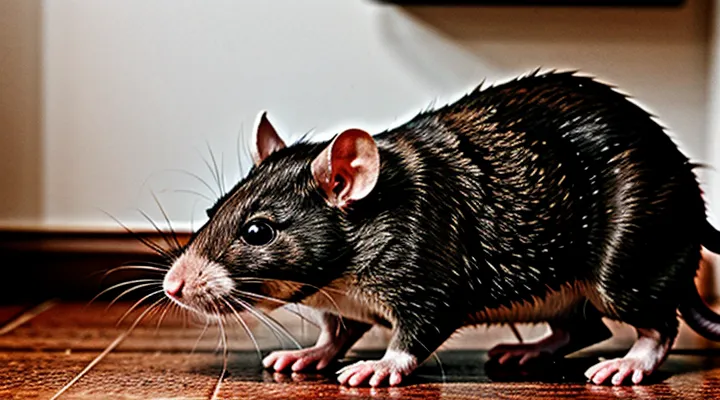
Understanding Dream Symbolism
The Language of Dreams
Dream interpretation treats the imagery of rodents and their aggression as a distinct dialect of the subconscious. When a sleeper encounters a bite from a rat, the event translates into a set of symbolic signals that correspond to personal anxieties, power dynamics, and hidden threats. The bite itself functions as a tactile cue, indicating an intrusion of unwanted influence that may be perceived as contaminating or devaluing.
The subconscious language assigns specific meanings to the rat’s attributes:
- Disease and decay: Rats are historically linked to filth; a bite can represent fear of moral or physical corruption.
- Survival instinct: The animal’s resilience suggests an internal drive to adapt under pressure, prompting the dreamer to recognize latent resourcefulness.
- Social hierarchy: A bite may signal challenges to authority, either from perceived subordinates or from the dreamer’s own suppressed ambitions.
Contextual details refine the interpretation. The location of the bite (e.g., hand, leg, torso) points to the area of life affected—manual work, mobility, or core identity. The emotional reaction—pain, disgust, indifference—modulates the intensity of the warning or encouragement embedded in the dream.
To decode the message, the dreamer should:
- Identify recent situations where trust has been breached or boundaries violated.
- Examine health‑related concerns that may feel invasive or uncontrollable.
- Assess power structures in personal or professional settings for signs of destabilization.
By aligning the rat‑bite motif with these concrete elements, the dream’s language reveals a concise advisory: acknowledge the source of contamination, harness the animal’s tenacity, and reassert control over the affected domain.
Common Dream Archetypes
A dream in which a rat bites the sleeper serves as a concrete illustration of broader symbolic patterns that recur across cultures and individual experience. The bite represents an abrupt intrusion, triggering feelings of vulnerability, contamination, or hidden threat. This image aligns with several well‑documented dream archetypes that convey universal psychological messages.
- Animal aggression – encounters with hostile creatures, such as snarling dogs or attacking insects, signal perceived danger or suppressed anger.
- Injury or wound – visions of cuts, burns, or bites highlight areas where emotional or physical boundaries have been breached.
- Contamination – scenarios involving disease, decay, or filth reflect anxieties about loss of purity or control.
- Betrayal – narratives featuring unexpected attacks by familiar or seemingly innocuous beings mirror fears of treachery from trusted sources.
The rat bite specifically activates the animal aggression and contamination archetypes. Rats, often linked to disease and secrecy, amplify concerns about hidden hazards infiltrating the dreamer’s life. The sudden pain of the bite underscores a breach of personal safety, suggesting that an unresolved conflict or repressed fear is demanding attention.
Interpretation benefits from three focal points. First, assess the emotional tone at the moment of the bite—panic, anger, or resignation—because affective intensity shapes the message. Second, consider personal associations with rats, ranging from childhood memories to cultural narratives, to gauge the symbol’s relevance. Third, examine current life circumstances for parallels, such as strained relationships, health worries, or environments perceived as unsanitary.
Applying these guidelines transforms the vivid rat bite scene into a diagnostic tool. Recognizing the underlying archetypal language enables the dreamer to identify neglected threats, reinforce personal boundaries, and pursue corrective actions before the subconscious warning escalates.
The Rat in Dreams
General Rat Symbolism
Negative Connotations of Rats
Dreams featuring a rat’s bite convey warning signals rooted in the animal’s traditional negative symbolism. The act of being bitten intensifies the message, suggesting that the threat is personal and immediate.
Negative connotations associated with rats include:
- Transmission of disease and contamination.
- Association with filth and unsanitary environments.
- Representation of betrayal and deceit.
- Connection to greed and parasitic behavior.
- Symbol of survival through exploitation of weakness.
When a rat bites in a dream, these elements merge into a single alert. The dreamer may be confronting hidden contamination in a relationship, a workplace, or personal habits. The bite can also indicate that someone close is acting deceptively, exploiting trust for personal gain. Recognizing the specific negative trait reflected in the dream helps the individual address the underlying issue before it escalates.
Positive Interpretations of Rats
A dream in which a rat bites can signal constructive forces rather than danger. The encounter highlights personal qualities that emerge under pressure.
- Adaptability: the bite reflects the ability to adjust quickly to changing circumstances.
- Resourcefulness: it underscores skill in extracting value from limited or overlooked sources.
- Hidden knowledge: the rat’s presence points to insight gained from unconventional channels.
- Transformation: the sting marks a catalyst for personal growth and renewal.
- Courage: confronting the bite demonstrates willingness to face uncomfortable challenges.
The bite therefore operates as a symbolic prompt, urging the dreamer to recognize and employ these strengths in waking life.
Cultural and Historical Views of Rats
Western Perspectives
A rat bite appearing in a dream is frequently interpreted as an alert to personal boundaries being violated. The image conveys a sense of intrusion, prompting the sleeper to examine areas where control is lost or where hidden threats emerge.
Western psychological theory treats the rat as a symbol of the unconscious. Freud linked the animal to repressed sexual urges, while Jung associated it with the shadow archetype—elements of the self that are denied or feared. Both perspectives agree that the bite represents an aggressive encounter with these hidden aspects.
Folklore in Europe portrays rats as carriers of disease and ruin, reinforcing the notion that a bite signals contamination—whether physical, emotional, or social. In medieval narratives, a rat’s attack often presaged betrayal or the spread of corruption within a community.
Literary works from the United States and Britain employ the rat bite to illustrate sudden, uncomfortable revelations. In noir fiction, a protagonist’s encounter with a rat bite may mark the moment when a concealed danger becomes undeniable.
Typical symbolic readings include:
- Breach of personal security
- Emergence of suppressed anxieties
- Warning of deceitful behavior from others
- Indication of health concerns linked to stress
The convergence of psychological, folkloric, and literary lenses underscores the rat bite as a multifaceted warning sign, urging the dreamer to confront underlying threats and restore equilibrium.
Eastern Perspectives
In many Eastern traditions, a dream in which a rat bites the sleeper is interpreted as a direct signal from the subconscious, reflecting personal and societal concerns. The animal’s reputation for cunning and survival informs the symbolic framework, while the act of biting adds a layer of aggression and urgency.
Chinese folklore links a rat’s bite to imminent danger to one’s reputation or livelihood. The bite may indicate that hidden enemies are preparing to undermine the dreamer’s status, prompting vigilance in professional or familial relationships. It can also suggest a sudden health issue, especially concerning the digestive system, as rats are associated with grain and nourishment.
Japanese dream manuals assign a slightly different nuance. A rat bite is viewed as a warning against excessive indulgence or greed. The animal’s nocturnal habits symbolize concealed desires, and the bite serves as a corrective reminder to practice restraint and maintain balance in daily activities.
In Indian Ayurvedic and Vedic contexts, the rat is connected to the deity Ganesha, who rides a mouse. A bite in this setting may represent a call to remove obstacles (known as “badhas”) that hinder spiritual progress. The dream encourages purification rituals, such as fasting or chanting, to restore inner harmony.
Buddhist interpretations focus on the psychological dimension. The rat embodies restless thoughts; a bite signifies that these thoughts have become intrusive, disrupting meditation and mindfulness. Practitioners are advised to observe the bite without attachment, using it as a catalyst for deeper insight into the nature of suffering.
Key symbolic themes across these perspectives include:
- Warning of hidden threats – personal, professional, or health‑related.
- Call for moderation – curbing excesses in consumption or behavior.
- Spiritual obstacle – need to clear mental hindrances for advancement.
- Transformation signal – the bite marks a turning point prompting self‑examination.
The consistent thread is that the bite is not merely a frightening image but a purposeful message urging corrective action, heightened awareness, and, when heeded, a path toward equilibrium.
The Act of Biting in Dreams
Symbolism of Being Bitten
Feelings of Vulnerability
A dream in which a rat bites often signals an acute sense of exposure. The animal’s small size and aggressive act contrast with the dreamer’s perceived lack of protection, highlighting a breach in personal boundaries.
The bite triggers an emotional state characterized by helplessness, heightened alertness, and a subconscious assessment of threat. These feelings arise because the dream scene compresses real‑world anxieties about being harmed by something seemingly insignificant yet capable of inflicting pain.
Typical reactions include:
- A sudden surge of panic that persists after waking.
- A lingering perception of being vulnerable to minor dangers.
- An instinctive urge to withdraw from situations that feel uncontrolled.
Interpretation benefits from examining recent circumstances where the dreamer felt powerless—such as unresolved conflicts, health concerns, or situations involving trust violations. Recognizing the bite as a metaphor for an overlooked threat can guide corrective actions, like reinforcing personal safeguards or confronting the source of insecurity directly.
External Aggression or Attack
Dreams featuring a rat’s bite often signal hostile forces originating outside the self. The animal’s sudden aggression mirrors unexpected threats that bypass personal defenses, urging the dreamer to recognize external pressure points.
- A bite indicates a direct challenge to personal boundaries, suggesting that someone or something is attempting to dominate or control.
- The rat’s reputation for disease underscores the potential for harmful influence, warning of toxic relationships or environments.
- The abruptness of the attack reflects a lack of preparation, implying that the individual may be caught off‑guard by an adversary’s tactics.
Interpretation hinges on the context of the bite’s location and the dreamer’s reaction. A wound on a visible body part highlights public exposure to conflict, while a hidden injury suggests covert sabotage. Immediate pain in the dream points to a pressing, tangible issue; lingering soreness after waking suggests long‑term repercussions from the encounter.
The symbolic message advises vigilance: assess interactions for hidden hostility, reinforce personal limits, and address sources of aggression before they manifest as real‑world disruption.
Symbolism of the Bite Location
Bite on the Hand: Control and Action
A rat’s bite on the hand in a dream signals a clash between personal agency and external pressure. The hand represents the instrument of action; a wound suggests that the ability to act is being compromised or redirected.
- The bite indicates an unwanted intrusion that forces the dreamer to confront loss of control.
- The location on the hand highlights tasks, crafts, or responsibilities that feel threatened.
- The rat, as a creature associated with disease and secrecy, amplifies feelings of vulnerability and hidden obstacles.
Interpretation hinges on the dreamer’s response. Immediate reaction—pain, fear, or aggression—mirrors how the individual handles real‑world challenges that undermine autonomy. A defensive stance points to a resolve to reclaim power; avoidance suggests surrender or resignation.
Practical implications include reassessing areas where influence feels limited, strengthening boundaries, and adopting proactive measures to restore confidence in one’s capacity to act.
Bite on the Foot: Stability and Direction
A rat bite on the foot in a dream signals disruption of personal stability. The foot represents the foundation for movement and balance; a bite indicates an external force challenging that base. This imagery suggests that the dreamer may feel vulnerable in areas where confidence and control are normally assured.
The bite’s location conveys directionality. When the foot is targeted, the subconscious highlights a need to reassess the path being taken. The dream warns of potential missteps and urges a reevaluation of goals, routes, or habits that no longer support progress.
Key implications of this symbol include:
- A warning against complacency in daily routines.
- An indication that current support systems may be compromised.
- A prompt to strengthen boundaries and reinforce personal footing.
Addressing the concern involves restoring equilibrium through deliberate action: redefining priorities, reinforcing personal limits, and choosing a clearer, more secure direction. The dream’s message is a call to reestablish a stable base before advancing further.
Bite on Other Body Parts: Specific Meanings
A rat’s bite in a dream signals intrusion, loss of control, or hidden threat. When the bite targets a specific body part, the symbolism sharpens, linking the animal’s aggression to personal vulnerabilities.
- Hand – indicates compromised skill, difficulty in creating or sustaining projects, fear of being manipulated in work or relationships.
- Foot or leg – reflects obstacles to movement, hesitation in pursuing goals, or a sense of being held back by unseen forces.
- Head or forehead – suggests mental strain, doubts about decisions, or the presence of intrusive thoughts that undermine confidence.
- Chest or heart area – conveys emotional distress, fear of betrayal, or a profound sense of vulnerability in intimate connections.
- Stomach or abdomen – points to anxiety about personal security, financial instability, or an instinctual warning about unhealthy habits.
These interpretations assume the dreamer’s emotional response aligns with the physical location; heightened fear intensifies the warning, while indifference may signal acceptance of the underlying issue. Recognizing the specific body part involved enables targeted reflection, allowing the individual to address the precise area of life where the subconscious alarm originates.
Interpreting a Rat Bite Dream
Personal Context and Emotions
Recent Life Events
A recent series of stressful encounters often surfaces in nocturnal imagery, and a dream featuring a rat’s bite reflects that tension. The bite symbolizes an unexpected wound—physical, emotional, or financial—caused by something perceived as insignificant or hidden. When daily life includes sudden setbacks, the subconscious may convert them into a vivid scenario where a small creature inflicts pain.
Typical recent experiences that align with this symbolism include:
- A minor health issue that escalated quickly, such as an infection or allergic reaction.
- An abrupt financial loss, for example an unexpected charge or a small investment that failed.
- A conflict with a colleague or family member that began with a trivial comment but grew hostile.
- A breach of personal boundaries, like an intrusion of privacy through digital means or an unwanted solicitation.
Each event shares a common thread: an unanticipated impact from a source that appears harmless. The dream’s rat represents that source, while the bite emphasizes the sudden, sharp nature of the consequence. Recognizing this pattern helps translate the night‑time narrative into actionable insight—identifying the seemingly minor trigger, addressing the resulting damage, and preventing future recurrence.
Current Fears and Anxieties
A dream in which a rat bites often signals underlying stressors that the mind is processing. The image of a small, aggressive animal delivering a painful nip reflects feelings of vulnerability, loss of control, and imminent threat. When such a scenario appears, it usually mirrors specific anxieties that dominate daily life.
The bite itself functions as a metaphor for:
- Persistent worry about health or contamination, especially when rats are associated with disease.
- Perceived attacks on personal boundaries, such as invasive criticism or unwanted demands.
- Fear of hidden problems surfacing, because rats typically hide and emerge unexpectedly.
Current fears that commonly trigger this dream motif include financial instability, relationship tension, and occupational pressure. The subconscious amplifies these concerns by casting them as a sudden, physical wound, reinforcing the sensation of being caught off‑guard.
Interpreting the dream requires linking the symbolic bite to concrete stressors. Identify recent situations that felt invasive or threatening, then assess whether the emotional response aligns with the visceral reaction depicted in the dream. Recognizing this connection can clarify the source of anxiety and guide practical steps to address the underlying issue.
Feelings Towards Rats in Waking Life
Rats evoke a spectrum of reactions that shape the meaning of a dream in which a rat bites. Positive or neutral attitudes, such as curiosity or admiration for the animal’s resilience, often translate the bite into a signal of hidden resourcefulness or a reminder to exploit unnoticed opportunities. Negative emotions—disgust, fear, or revulsion—tend to cast the bite as a warning about contamination, betrayal, or the intrusion of undesirable habits.
Common emotional responses and their typical symbolic implications include:
- Affection or fascination: the bite suggests a prompt to harness unconventional skills or to engage with marginal aspects of life that hold untapped value.
- Indifference: the bite indicates a neutral alert, urging attention to minor details without assigning moral weight.
- Aversion or dread: the bite warns of toxic influences, urges cleansing of personal boundaries, or signals a need to confront suppressed anxieties.
- Anxiety about disease: the bite highlights concerns about health, prompting evaluation of lifestyle choices that may compromise well‑being.
The intensity of the feeling determines the urgency of the message. Strong aversion amplifies the dream’s cautionary tone, while mild curiosity softens the interpretation, framing the bite as a catalyst for personal growth rather than a threat. Consequently, self‑assessment of one’s waking relationship with rats provides essential context for decoding the dream’s underlying symbolism.
Psychological Perspectives
Unconscious Fears and Repressions
Dreams featuring a rat’s bite reveal hidden anxieties that the conscious mind does not acknowledge. The sudden pain signals a threat perceived as minor yet invasive, mirroring repressed concerns that surface through vivid imagery. The animal’s association with disease and filth intensifies the sense of contamination, suggesting the dreamer fears moral or emotional impurity.
Key aspects of this symbolism include:
- Fear of loss of control – a bite interrupts routine, indicating apprehension about unforeseen disruptions.
- Avoidance of uncomfortable truths – the rat’s stealthy approach reflects suppressed memories or feelings the individual refuses to confront.
- Perceived betrayal – the unexpected attack can represent distrust toward someone perceived as harmless but potentially harmful.
- Health‑related worries – the notion of infection underscores subconscious preoccupation with physical vulnerability.
Interpretation depends on personal context. When the dreamer identifies with the rat, the bite may denote self‑criticism or internalized shame. When the rat is an external figure, it often points to external pressures that trigger dormant dread. Recognizing these patterns enables the individual to address the underlying repression, reducing the recurrence of distressing dream content.
Dealing with Betrayal or Deception
A rat bite appearing in a dream often signals that the dreamer feels exposed to hidden treachery. The animal’s association with filth and secrecy translates into a subconscious alert that someone close may be acting dishonestly or planning a betrayal. The physical sensation of being bitten emphasizes the immediacy of the threat and the personal impact of the deception.
To respond effectively, the dreamer should:
- Identify the source of mistrust by recalling recent interactions that felt manipulative or dishonest.
- Verify facts before reacting; gather evidence rather than relying on assumptions.
- Establish clear boundaries with the suspected individual, communicating expectations and consequences.
- Seek counsel from a trusted third party to gain perspective and avoid isolation.
- Practice emotional regulation techniques—such as deep breathing or brief meditation—to prevent reactive decisions.
By confronting the underlying suspicion directly, the individual transforms the unsettling imagery into a catalyst for protective action, reducing the likelihood that hidden deceit will undermine personal or professional stability.
Spiritual and Metaphysical Interpretations
Warnings and Omens
A rat bite in a dream often signals urgent caution. The animal’s association with disease and filth translates into subconscious alerts about hidden threats. When the bite is vivid, the mind highlights personal boundaries that have been breached, suggesting the need for immediate protective measures.
Typical warnings linked to this imagery include:
- Unresolved conflict with someone who manipulates or exploits trust.
- Ignored health concerns, especially those related to infections or allergies.
- Financial decisions lacking due diligence, where hidden costs may emerge.
- Emotional neglect, indicating that suppressed feelings are beginning to surface.
The omen aspect emphasizes a turning point. The act of being bitten marks a moment of forced awareness, urging the dreamer to reassess habits, relationships, and environments before the underlying danger escalates. Prompt action, such as seeking medical advice, confronting deceitful behavior, or tightening personal safeguards, aligns the waking response with the dream’s alert.
Call for Self-Reflection
Dreams in which a rat bites often signal unresolved tension or hidden fear. The animal’s sudden aggression forces the sleeper to confront a part of the psyche that has been ignored, while the bite itself represents a sharp reminder of personal boundaries that have been breached.
Interpreting this image requires the dreamer to examine current habits, relationships, and internal dialogues. The bite acts as a prompt to question whether recent choices align with authentic values or whether external pressures are dictating behavior. Recognizing this signal can prevent the accumulation of resentment and promote mental clarity.
Practical steps for self‑reflection:
- Write a brief account of the dream, noting emotions felt during and after the bite.
- Identify recent situations that evoke similar feelings of intrusion or discomfort.
- Assess whether responses to those situations respect personal limits.
- Define one concrete adjustment to reinforce a boundary that feels compromised.
Implementing these actions transforms the unsettling image into a catalyst for personal growth.
Navigating the Message of Your Dream
Actionable Steps
Addressing Underlying Issues
A rat bite in a dream often signals unresolved stress, fear of contamination, or feelings of being attacked by a minor but persistent problem. The image functions as a metaphor for an issue that has been ignored, allowing it to grow into a source of anxiety. Recognizing this symbolism creates an opening for targeted self‑examination.
To confront the underlying problem, follow these steps:
- Identify the specific circumstance in waking life that evokes the same emotions as the bite—conflict at work, health concerns, or strained relationships.
- Record recurring thoughts or physical sensations that appear after the dream; patterns reveal the hidden trigger.
- Evaluate personal boundaries related to the identified circumstance; note where limits have been compromised or unclear.
- Develop a concrete action plan: set a deadline, assign measurable tasks, and seek resources such as counseling, medical advice, or conflict‑resolution training.
- Monitor progress weekly; adjust the plan if resistance or new stressors emerge.
Addressing the root cause transforms the dream from a warning sign into a catalyst for change, reducing the likelihood of repeated distressing imagery.
Seeking Support or Guidance
A rat bite appearing in sleep often signals feelings of vulnerability, hidden threats, or unresolved conflict. When the image is unsettling, the natural response is to look for external insight to clarify its meaning and to mitigate anxiety.
- Consult a professional dream analyst or therapist who specializes in symbolic content; their training enables them to relate the bite to personal stressors, relationship dynamics, or subconscious fears.
- Share the experience with trusted friends or family members who understand your life context; their perspectives can reveal patterns you might overlook.
- Record the dream details—time of night, emotions, setting, actions taken after the bite—in a journal. Consistent documentation assists a specialist in tracking recurring motifs.
- Explore literature on animal symbolism, focusing on rodents, to gain a broader cultural framework that may align with your personal narrative.
- Engage in mindfulness or meditation practices that encourage inner dialogue; these techniques often surface underlying concerns that the dream dramatizes.
Seeking guidance transforms a disturbing nocturnal episode into a catalyst for self‑assessment and growth. Professional interpretation, supportive conversation, and systematic reflection together provide a clear pathway from confusion to understanding.
Embracing Self-Awareness
A dream in which a rat bites often signals underlying tension. The bite can represent a perceived threat that is small yet persistent, a breach of personal boundaries, or an instinctual alarm about unhealthy habits. It may also reflect feelings of betrayal or a reminder of neglected responsibilities.
- Exposure to hidden danger: the rat’s sudden attack highlights issues that remain unnoticed in waking life.
- Violation of limits: the bite underscores a need to reinforce personal space and assertiveness.
- Reminder of hygiene: rats are associated with disease, prompting attention to physical or emotional cleanliness.
- Signal of distrust: the act may reveal suspicion toward a specific individual or situation.
Recognizing these symbols requires self-awareness. By observing the emotional response to the bite—fear, anger, curiosity—one can identify the inner narrative driving the dream. Accepting the discomfort invites reflection on current stressors, relationship dynamics, and personal habits.
Practical steps to cultivate self-awareness in this context:
- Record the dream details immediately upon waking.
- Note the emotions felt during the bite and any associated memories.
- Match those feelings to recent life events or ongoing concerns.
- Evaluate whether boundaries have been compromised and plan corrective actions.
- Implement regular self‑check‑ins to monitor shifts in perception and behavior.
Through systematic analysis, the unsettling image of a rat’s bite transforms from a vague omen into a concrete guide for personal growth. Embracing the insight it offers strengthens internal clarity and promotes proactive adjustment of one’s life patterns.