
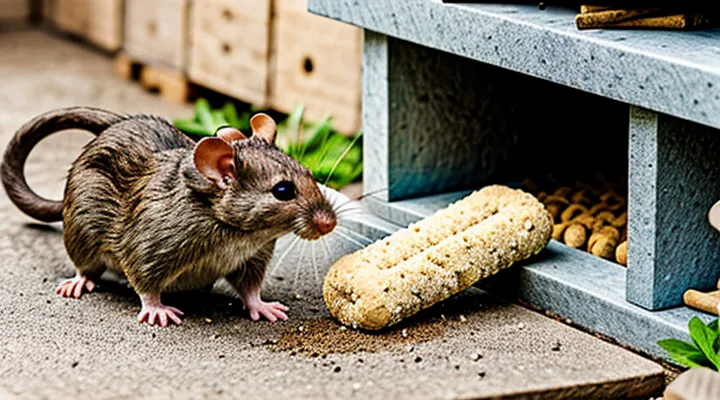
Understanding the Threat: Rodents and Their Impact
Why Dough and Briquettes Attract Rodents
Nutritional Value for Pests
Dough and briquette products contain high levels of readily digestible carbohydrates, providing rodents with a rapid energy source. Protein content, often derived from wheat gluten or soy additives, supplies essential amino acids for tissue repair and growth. Fat inclusions, such as vegetable oils, increase caloric density and enhance palatability.
Key nutrients present in these materials include:
- Starch and simple sugars (30‑60 % of dry weight) – primary fuel for metabolic processes.
- Protein (5‑15 % of dry weight) – source of essential amino acids.
- Lipids (2‑8 % of dry weight) – concentrated energy and carrier for fat‑soluble vitamins.
- Minerals (calcium, phosphorus, magnesium) – support bone development and enzymatic functions.
- Vitamins (B‑complex, vitamin E) – aid in cellular metabolism and antioxidant protection.
Elevated carbohydrate and fat levels accelerate weight gain and reproductive cycles in rats and mice. Sufficient protein enables rapid muscle development, while mineral and vitamin supplies sustain fertility and offspring viability. The combined nutritional profile creates an attractive food source that can sustain large rodent populations in storage areas.
Understanding the specific nutrient composition allows for targeted mitigation: replacing high‑energy ingredients with inert fillers, limiting protein additives, or incorporating deterrent compounds reduces the appeal of dough and briquette stock to pest species.
Accessibility and Storage Challenges
Accessibility and storage of dough and briquette materials present distinct operational hurdles when rodent intrusion is a concern. Workers must retrieve products quickly, yet containers must remain sealed against gnawing pests. Balancing these opposing requirements dictates the design of storage areas, handling equipment, and inventory practices.
Key challenges include:
- Physical barriers – standard shelving allows easy access for staff but often leaves gaps at the floor and behind units where rodents can enter. Reinforced metal frames, sealed baseplates, and tight-fitting doors reduce these openings.
- Material integrity – dough retains moisture, creating an attractive environment for rodents. Plastic bins with airtight lids prevent scent diffusion, while breathable but pest‑proof fabrics protect briquettes that require airflow.
- Stacking limits – excessive height improves floor space usage but can cause instability, making it difficult for workers to reach lower layers without disturbing upper layers. Implementing uniform stack heights and using pallet racking with removable panels maintains order and limits disturbance.
- Labeling and tracking – clear, durable labels enable rapid identification, yet adhesive tags can be chewed away. Metal or UV‑printed tags affixed with tamper‑proof clips survive rodent activity.
- Cleaning protocols – regular removal of debris eliminates food sources. Designing storage zones with smooth, non‑porous surfaces facilitates sweeping and vacuuming without creating hiding spots.
Addressing these factors requires coordinated planning: install sealed, elevated racks; choose containers that limit odor escape; enforce consistent stack heights; employ robust labeling; and schedule systematic cleaning. The result is a storage system that preserves product quality while denying rodents any viable access points.
Signs of Rodent Infestation
Visual Cues and Droppings
Rats and mice leave unmistakable visual signs that indicate the presence of a food source such as dough or fuel briquettes. Small, dark, pellet‑shaped droppings appear near feeding or nesting sites; fresh specimens are moist and glossy, while older ones turn dry and crumbly. Tracks in dust, flour, or ash reveal the routes rodents use to reach the material, and gnaw marks on packaging or container edges show attempted access. Presence of urine stains, often invisible to the naked eye, can be confirmed with a blacklight, exposing a faint yellow fluorescence that signals ongoing activity.
Identifying these cues early enables targeted interventions:
- Inspect storage areas daily for droppings, gnaw marks, and tracks.
- Use a UV lamp to detect urine residues on surfaces and containers.
- Place sticky traps along identified runways to confirm species and activity levels.
- Seal cracks, gaps, and ventilation openings that rodents exploit for entry.
- Store dough and briquettes in metal or heavy‑duty plastic containers with tight‑fitting lids.
Consistent monitoring of visual evidence, combined with physical barriers and trapping, reduces the risk of contamination and loss caused by rodent intrusion.
Gnaw Marks and Damage
Rodent gnaw marks provide the most immediate evidence of intrusion, appearing as crescent‑shaped teeth impressions on the surface of stored material. The depth and spacing of these bites reveal the size of the animal and the duration of activity, allowing rapid assessment of risk severity.
Typical damage to dough and briquette stock includes:
- Penetration of packaging, exposing the interior to contamination.
- Removal of material fragments, reducing usable quantity.
- Creation of entry points for pathogens carried on rodent fur and saliva.
- Compromise of structural integrity in briquettes, leading to crumbling and loss of calorific value.
Effective control relies on early detection and physical barriers. Install metal or reinforced plastic mesh around storage containers, seal all seams with rodent‑proof tape, and place chew‑resistant sleeves on conveyor feed lines. Conduct weekly visual inspections, focusing on corners, shelving edges, and floor joints where gnaw marks are most likely to accumulate. Replace any compromised packaging immediately to prevent further loss.
Preventive Measures: Protecting Your Supplies
Proper Storage Techniques
Airtight Containers and Materials
Airtight containers provide a reliable barrier against rodents that seek food sources such as dough and fuel briquettes. By eliminating air exchange, these containers deny rats and mice the scent cues that trigger foraging behavior.
Key characteristics of effective containers include:
- Rigid, seamless construction that prevents gnawing or puncturing.
- Secure locking mechanisms, such as latch‑type lids or screw‑on caps, that resist forced opening.
- Materials resistant to corrosion and degradation, ensuring long‑term integrity in humid or outdoor environments.
- Transparent or opaque options, allowing visual inspection without compromising seal.
Common materials suitable for rodent‑proof storage are:
- Heavy‑gauge stainless steel: strong, non‑porous, and difficult for rodents to bite through.
- High‑density polyethylene (HDPE) with reinforced walls: lightweight, impact‑resistant, and capable of withstanding chewing attempts.
- Polypropylene (PP) with metal‑clad lids: combines chemical resistance with a robust sealing surface.
- Aluminum alloy containers with welded seams: offers a balance of durability and weight, suitable for portable use.
Implementation guidelines:
- Store dough in containers no larger than necessary to reduce internal void space, limiting potential nesting material.
- Place briquettes in sealed bins equipped with rubber gaskets that compress when the lid is closed, creating a vacuum‑like environment.
- Position containers off the ground on pallets or shelves to remove direct access points.
- Inspect seals regularly for wear, replacing damaged gaskets or lids immediately.
By selecting appropriate airtight vessels and maintaining their integrity, operators can significantly reduce the risk of rodent intrusion, preserving both product quality and safety.
Elevated Storage Solutions
Elevated storage platforms keep dough batches and fuel briquettes out of reach of rats and mice, reducing loss and contamination. By placing the product on sturdy, height‑adjustable frames, operators create a physical barrier that rodents cannot easily cross.
Key design elements for successful implementation:
- Minimum clearance: Position the platform at least 18–24 inches above the floor; most rodent species cannot climb such vertical distances without assistance.
- Secure anchoring: Fasten the structure to walls or floor joists to prevent wobble, which could encourage gnawing or climbing.
- Smooth surfaces: Use metal or coated wood without gaps; smooth finishes eliminate footholds and nesting sites.
- Easy cleaning: Incorporate removable trays or slatted decking to allow rapid removal of debris that might attract pests.
- Access control: Fit the platform with lockable gates or hinged doors to restrict entry during non‑operational periods.
Additional measures reinforce the elevated approach. Install rodent‑proof curtains or mesh screens around the storage area, maintain a clean perimeter free of food scraps, and schedule regular inspections to detect signs of intrusion. When combined, these practices create a robust defense, preserving product integrity and extending shelf life without relying on chemical deterrents.
Environmental Control and Sanitation
Eliminating Food and Water Sources
Rodents are drawn to dough and briquettes because these products provide both nutrition and moisture. When food and water sources are readily available, infestations develop quickly and cause material loss, contamination, and structural damage.
Eliminating accessible nourishment deprives rodents of incentive to enter storage areas. The strategy focuses on denying any residual crumbs, spills, or standing water that could sustain a population.
- Store dough and briquettes in airtight, rodent‑proof containers made of metal or heavy‑wall plastic.
- Clean work surfaces immediately after handling; sweep and mop floors to remove trace residues.
- Dispose of waste in sealed bins; empty bins frequently and keep lids closed.
- Remove sources of water: fix leaks, drain puddles, and avoid leaving open containers of liquid near storage zones.
- Maintain proper ventilation to reduce humidity that can attract pests.
Regular inspections should verify that seals remain intact, that no food particles are accumulating, and that drainage systems function correctly. Prompt repair of any breach prevents rodents from re‑establishing a foothold, ensuring the integrity of dough and briquette supplies.
Regular Cleaning and Maintenance
Regular cleaning and maintenance are essential for preventing rodent intrusion into areas where dough and briquettes are stored or processed.
A systematic cleaning schedule should include daily removal of food residues, weekly deep cleaning of equipment surfaces, and monthly sanitation of storage rooms. Use hot water and a detergent approved for food-contact surfaces, followed by a rinse with potable water. After rinsing, apply an approved sanitizer, ensuring the contact time meets the product label specifications.
Inspection routines must accompany cleaning tasks. Inspect walls, ceilings, and floor joints for signs of gnawing or droppings. Seal any openings larger than ¼ inch with rodent‑proof material such as steel wool combined with caulk. Replace damaged seals promptly to maintain an airtight barrier.
Waste management directly influences rodent activity. Store waste in sealed containers with tight‑fitting lids, and remove it from the facility at least twice daily. Clean dumpster areas with a pressure washer and disinfectant to eliminate attractants.
Equipment maintenance reduces shelter opportunities for pests. Lubricate moving parts according to manufacturer recommendations, and keep bearings and gears free of grease buildup that could attract rodents. Replace worn gaskets and door sweeps that may create gaps.
Document all cleaning, inspection, and maintenance actions in a logbook. Record date, personnel, tasks performed, and any corrective actions taken. Review the log weekly to identify trends and adjust schedules before infestations develop.
By adhering to a disciplined cleaning regimen, conducting thorough inspections, managing waste rigorously, and maintaining equipment integrity, facilities can substantially lower the risk of rats and mice compromising dough and briquette quality.
Rodent Deterrence and Removal Strategies
Natural and Non-Toxic Repellents
Essential Oils and Botanical Solutions
Rodent activity in facilities that handle dough and fuel briquettes can lead to contamination, material loss, and increased hygiene costs. Natural repellents provide a non‑chemical alternative that integrates with existing storage practices.
- Peppermint oil: 5 ml per 1 L water, sprayed on surfaces and around entry points.
- Clove oil: 3 ml per 1 L water, applied to pallets and shelving.
- Eucalyptus oil: 4 ml per 1 L water, used in misting systems.
- Citronella oil: 6 ml per 1 L water, placed in drip dispensers near ventilation ducts.
- Rosemary oil: 5 ml per 1 L water, incorporated into cleaning solutions for floor and wall contact.
Effective deployment requires thorough wetting of all contact surfaces, followed by drying to leave a residual scent barrier. Reapplication every 7–10 days maintains potency, especially in high‑temperature or high‑humidity zones where volatile compounds dissipate faster.
Botanical materials such as dried lavender, bay leaves, and neem powder can be positioned in storage bins or woven into breathable sachets. Their volatile constituents complement liquid oils, extending the spectrum of deterrence without direct contact with the product.
All formulations must meet food‑contact regulations; dilution levels should not exceed the maximum residue limits established by relevant authorities. Periodic monitoring for rodent signs and oil efficacy ensures the program remains effective without compromising product quality.
Physical Barriers and Traps
Physical barriers prevent rodents from reaching stored dough and briquettes by creating an impenetrable environment. Metal shelving with tight-fitting doors, sealed concrete floors, and stainless‑steel cabinets eliminate gaps larger than ¼ inch, the maximum size a mouse can squeeze through. Installing rodent‑proof door sweeps and airtight gaskets around access points blocks entry without compromising ventilation. Regular inspection of seams, welds, and fasteners identifies wear that could create new openings.
Traps provide immediate reduction of established infestations while barriers remain in place. Snap traps, positioned along walls and near suspected runways, deliver rapid kill with a single strike. Live‑capture cages, equipped with bait such as peanut butter or grain, allow relocation of captured rodents, reducing population pressure. Electronic traps emit a high‑frequency pulse that incapacitates rodents within seconds, minimizing mess and secondary damage. All traps should be placed on sturdy, non‑slippery surfaces to maintain effectiveness.
Integrating barriers and traps enhances overall protection. A typical implementation includes:
- Installation of welded steel shelving with sealed doors.
- Application of rodent‑grade mesh (¼‑inch openings) over ventilation ducts.
- Placement of snap traps at each corner of storage aisles.
- Deployment of live‑capture cages near waste disposal zones.
- Quarterly inspection schedule to verify integrity of seals and replace compromised traps.
Consistent maintenance of barriers, prompt removal of trapped rodents, and periodic replacement of worn components sustain a rodent‑free environment for dough and briquette inventories.
Chemical Control and Professional Assistance
Safe Use of Rodenticides
Rodent infestations jeopardize dough production and briquette storage, making effective pest control essential. Selecting appropriate rodenticides requires understanding active ingredients, toxicity levels, and target species. Anticoagulant baits (e.g., brodifacoum, diphacinone) provide delayed action, reducing bait shyness, while non‑anticoagulant options (e.g., zinc phosphide, bromethalin) act rapidly and are useful where resistance is documented.
Application must follow strict protocols to prevent accidental exposure of personnel, non‑target animals, and food products. Key practices include:
- Placing bait stations at least 30 cm from work surfaces, equipment, and waste bins.
- Securing stations with tamper‑proof covers to limit access by children and pets.
- Monitoring stations daily; removing uneaten bait after 24 hours to avoid contamination.
- Rotating active ingredients quarterly to mitigate resistance development.
Storage demands sealed, labeled containers kept in a locked, ventilated area separate from raw materials. Inventory records should track receipt dates, quantities, and expiration, ensuring first‑in‑first‑out rotation. Disposal of unused or expired rodenticides must comply with local hazardous waste regulations; never discard in regular trash or drainage systems.
Training all staff on proper handling, emergency response, and reporting procedures reinforces safety and maintains compliance with occupational health standards.
When to Call Pest Control Experts
Rodent damage to dough storage and fuel briquette piles can compromise product quality and increase fire risk. Early detection reduces loss, but certain conditions require immediate professional intervention.
Signs that warrant calling a licensed pest‑control service include:
- Continuous gnaw marks on packaging, containers, or structural beams.
- Presence of droppings, urine stains, or nesting material in or around storage areas.
- Evidence of burrows or tunnels leading to the site.
- Repeated contamination despite routine cleaning and basic traps.
- Sightings of live rats or mice inside the facility after normal business hours.
When infestation levels exceed a few isolated sightings, the probability of rapid population growth rises sharply. At that point, DIY measures rarely contain the problem and may expose staff to hazards. Professional exterminators bring integrated pest‑management strategies, such as bait stations, rodent‑proof sealing, and regular monitoring, which are essential for long‑term protection.
If a single incident occurs but the facility lacks an established rodent‑exclusion plan, consulting an expert to design and implement preventive barriers is advisable. The cost of a one‑time service is typically lower than the cumulative losses from spoiled dough or damaged briquettes.
In summary, call pest‑control professionals when physical evidence of rodents is persistent, when attempts at self‑treatment fail, when structural breaches are identified, or when a proactive exclusion program is needed to safeguard production and storage assets.