
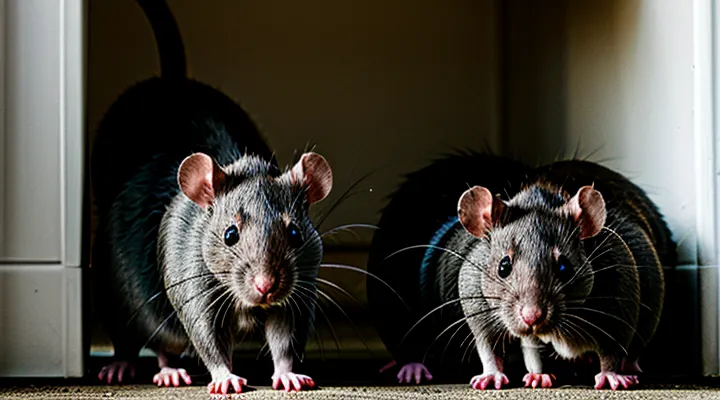
Responsible Pet Ownership
Understanding Rat Behavior
Rats are highly social mammals that organize into hierarchical groups. Dominance is established through scent marking, grooming, and occasional aggressive encounters. Subordinate individuals exhibit submissive postures, reduced movement, and avoidance of the dominant rat’s scent trails. Recognizing these dynamics prevents unnecessary conflicts when multiple rats share a cage.
Activity patterns follow a nocturnal schedule. During darkness, rats explore, forage, and engage in social play; daylight hours are spent resting in secluded corners. Providing enrichment that aligns with this rhythm—such as tunnels, chew objects, and nesting material—supports natural behavior and reduces stress.
Communication relies on ultrasonic vocalizations and body language. High‑frequency chirps signal excitement or curiosity, while low‑frequency squeals indicate fear or pain. Tail flicking, ear flattening, and rapid grooming are additional indicators of discomfort. Observing these cues enables timely intervention to avoid harmful handling practices.
Common behavioral signs that guide appropriate interaction:
- Exploratory sniffing: indicates curiosity; gentle handling is safe.
- Frequent grooming of a specific area: may signal skin irritation; inspect for injury.
- Sudden freezing or crouching: suggests perceived threat; pause handling and give space.
- Aggressive charging or biting attempts: reflect territorial stress; separate the rat and reassess cage conditions.
Understanding these patterns equips caretakers to apply correct handling techniques, maintain welfare, and prevent actions that could provoke fear or aggression.
Essential Care Requirements
Housing and Environment
Proper rat housing requires sturdy cages with solid flooring, adequate ventilation, and secure lids. Provide at least 0.5 sq ft of floor space per adult rat, plus additional area for enrichment items. Place cages on stable surfaces away from direct sunlight, drafts, and extreme temperatures; maintain ambient temperature between 65–75 °F (18–24 °C). Use bedding that is absorbent, dust‑free, and safe for ingestion, such as paper‑based products; replace it weekly to control odor and waste buildup.
Do
- Offer multiple nesting boxes and hideaways to reduce stress.
- Include chewable objects (e.g., untreated wood blocks) to promote dental health.
- Clean food and water dishes daily; use stainless‑steel containers to prevent bacterial growth.
- Rotate enrichment toys weekly to maintain interest and activity levels.
Don’t
- Use cedar or pine shavings, which contain respiratory irritants.
- Allow cage bars to be spaced wider than ½ inch, preventing escape or injury.
- Keep cages in areas with loud noises or frequent foot traffic.
- Overcrowd; exceed the recommended space per rat, which can lead to aggression and health issues.
Nutrition
A balanced diet is essential for the health and longevity of pet rats. Commercially formulated rat blocks provide a reliable source of protein, fiber, vitamins, and minerals; they should form the core of each meal. Fresh vegetables and fruits add variety and supplemental nutrients, while occasional protein treats support growth and activity.
Recommended foods
- High‑quality rat blocks or pellets (minimum 20 % protein)
- Leafy greens: kale, romaine lettuce, spinach (wash thoroughly)
- Root vegetables: carrot, sweet potato, beet (offer in small cubes)
- Fresh fruit: apple (seedless), banana, berries (limit to avoid excess sugar)
- Cooked lean protein: boiled egg, plain chicken breast, tofu (no seasoning)
Foods to avoid
- Processed snacks: chips, crackers, sugary treats
- Citrus fruits: orange, lemon, lime (acidic irritation)
- Dairy products: milk, cheese (lactose intolerance)
- Raw beans, raw potatoes, avocado (toxic compounds)
- High‑fat foods: nuts, seeds, peanut butter (risk of obesity)
Rats require constant access to clean water; replace daily and use a sipper bottle to prevent contamination. Feed a measured amount of blocks (approximately 1 g per gram of body weight per day) and supplement with fresh items in moderation, adjusting portions based on activity level and body condition.
Supplementation should address potential deficiencies. A calcium‑phosphorus ratio of 1:1 supports bone health; a small amount of vitamin C can be provided through bell pepper or fortified pellets. Monitor for signs of malnutrition—weight loss, dull coat, lethargy—and adjust the diet promptly.
Healthcare and Veterinary Needs
Rats require a veterinary plan that includes regular health checks, parasite control, and a balanced diet. Schedule examinations every three to six months; early detection of respiratory infections, skin lesions, or dental problems prevents severe complications. Use a veterinarian experienced with small mammals, as species‑specific knowledge influences treatment choices and medication dosing.
- Vaccinations: Not routinely required for pet rats, but discuss with the vet any regional disease risks.
- Parasite prevention: Apply approved ectoparasite treatments quarterly; avoid products formulated for cats or dogs.
- Dental care: Provide chewable toys and hard foods to promote natural tooth wear; monitor for overgrown incisors and seek professional filing if needed.
- Nutrition: Offer a commercial rodent pellet as staple, supplemented with fresh vegetables, limited fruit, and occasional protein. Eliminate sugary treats and high‑fat foods that cause obesity and liver issues.
- Environmental health: Keep cages clean, replace bedding weekly, and maintain proper ventilation to reduce ammonia buildup, which irritates the respiratory tract.
- Stress reduction: Provide enrichment, hideouts, and consistent handling routines; avoid loud noises, sudden temperature changes, and overcrowding.
Do not postpone veterinary visits when a rat shows signs of sneezing, nasal discharge, or lethargy. Do not administer human medications without professional guidance; many drugs are toxic to rodents. Do not use wire mesh flooring, as it damages foot pads and predisposes to ulceration. Do not expose rats to toxic substances such as essential oils, citrus sprays, or heavy cleaning agents without thorough ventilation.
Prompt attention to these healthcare and veterinary considerations sustains rat wellbeing, minimizes disease incidence, and supports a long, active companionship.
Interactions and Handling
Safe Handling Techniques
Safe handling of rats requires preparation, appropriate equipment, and consistent hygiene. Begin each session by washing hands thoroughly and wearing clean gloves or a disposable sleeve. Verify that cages are secure and free of sharp edges before opening them.
- Approach the animal slowly, keeping movements calm and predictable.
- Use a two‑hand technique: one hand supports the rat’s lower back, the other stabilizes the shoulders.
- Maintain the animal’s head level with its body to prevent stress.
- Apply gentle pressure only when necessary for restraint; avoid squeezing or excessive force.
- Release the rat promptly after the required task is completed.
When transporting rats, place them in a ventilated carrier with a soft liner. Ensure the carrier is closed securely to prevent escape but allows airflow. Avoid exposing the animal to sudden temperature changes; keep the carrier at room temperature.
After handling, dispose of gloves or wash them with soap and disinfectant. Clean work surfaces with an approved sanitizer. Store all tools in a designated area to prevent cross‑contamination. If a bite or scratch occurs, rinse the wound with running water, apply an antiseptic, and seek medical advice if needed.
Regularly inspect cages and enrichment items for wear or damage. Replace compromised items immediately to maintain a safe environment for both rat and handler. Document any incidents and adjust protocols accordingly to improve safety and reduce risk.
Socialization and Enrichment
Rats thrive when they receive regular interaction and mental stimulation. Socialization builds trust, reduces stress, and encourages natural behaviors. Enrichment supplies challenges that keep the brain active and the body healthy.
Do:
- Handle each rat gently for several minutes daily; use both hands to support the body.
- Introduce new rats gradually, beginning with visual contact through a barrier before allowing direct interaction.
- Provide a variety of chewable items such as untreated wood blocks, cardboard tubes, and natural twine.
- Rotate toys, tunnels, and climbing structures every week to prevent habituation.
- Offer foraging opportunities by scattering small food pieces in bedding or using puzzle feeders.
- Schedule short, supervised out‑of‑cage sessions in a safe, escape‑proof area.
Don’t:
- Keep rats isolated for extended periods; lack of companionship can lead to behavioral problems.
- Use harsh or sudden movements while handling; these provoke fear responses.
- Supply plastic or painted objects that could splinter or release toxins.
- Allow permanent, unchanging cage layouts; static environments diminish curiosity.
- Rely solely on food treats for enrichment; excessive feeding disrupts nutrition.
- Leave rats unattended in open spaces where they can chew electrical cords or ingest hazardous materials.
Consistent, varied interaction combined with safe, novel objects creates a balanced environment. Following these practices reduces anxiety, promotes physical fitness, and sustains the intellectual well‑being of pet rats.
Common Misconceptions
Debunking Myths
Rats are often misunderstood, leading to unnecessary fear and mistreatment. Clarifying false beliefs helps owners provide appropriate care and prevents harmful actions.
-
Myth: Rats carry deadly diseases that easily spread to humans.
Fact: While rats can harbor pathogens, standard hygiene—hand washing after handling—and regular veterinary check‑ups keep transmission risks minimal. -
Myth: Rats are aggressive and will bite without provocation.
Fact: Properly socialized rats are gentle; bites usually result from stress, sudden movements, or mishandling. -
Myth: Rats cannot be trained or taught simple commands.
Fact: Rats respond to positive reinforcement, learning tricks such as target walking, maze navigation, and recall within minutes. -
Myth: A rat’s droppings indicate poor health.
Fact: Healthy rats produce small, dark pellets; changes in size, color, or consistency signal potential illness and warrant veterinary evaluation. -
Myth: Rats are solitary animals that prefer to live alone.
Fact: Rats are highly social; isolation can cause anxiety, reduced activity, and aggression toward humans or other rats.
Accurate information replaces superstition with evidence‑based practices. Maintaining clean cages, providing enrichment, and handling rats calmly align with recommended guidelines for responsible caretaking.
Promoting Positive Perceptions
Educating the public about rats’ natural behavior and social needs reduces fear and misconceptions. Demonstrating proper hygiene, cage maintenance, and safe handling shows that rats can coexist with humans without health risks.
- Offer workshops that include live demonstrations of gentle handling techniques.
- Distribute fact sheets highlighting rats’ intelligence, trainability, and suitability as companion animals.
- Share research findings that compare disease transmission rates of rats with those of other common pets, emphasizing comparable safety when guidelines are followed.
- Encourage owners to post photos and videos of positive interactions on social platforms, creating visual evidence of well‑behaved rats.
- Partner with veterinary clinics to provide free health checks, reinforcing the message that responsible care mitigates health concerns.
Media coverage that features rat owners discussing daily routines, enrichment activities, and the animals’ affectionate behavior shifts narrative from pest to pet. Schools that integrate short modules on rodent biology into science curricula expose children to accurate information early, fostering long‑term acceptance.
Consistent messaging across veterinary, educational, and hobbyist communities builds a unified front. When each contact point presents clear, evidence‑based information, public attitudes transition from suspicion to appreciation.
Avoiding Pitfalls
What Not to Do
Neglect and Abandonment
Neglect and abandonment represent the most serious violations of responsible rat care. Failure to meet basic needs—food, water, shelter, enrichment, and veterinary attention—causes chronic stress, disease, and premature death. Abandoning a rat, whether in a public space or an unsuitable environment, exposes the animal to predators, extreme temperatures, and lack of nutrition, leading to rapid deterioration of health and welfare.
Critical actions to avoid neglect and abandonment
- Provide fresh food and water daily; replace spoiled items immediately.
- Maintain a clean, appropriately sized cage with solid bedding; change substrate regularly to prevent buildup of waste and pathogens.
- Supply chewable objects, tunnels, and climbing structures to satisfy natural foraging and exploratory behaviors.
- Schedule routine health checks with a veterinarian experienced in small mammals; address injuries, parasites, or illness promptly.
- Secure the rat’s living area against escape; ensure doors, lids, and ventilation openings are intact.
Essential responsibilities for owners
- Commit to the rat’s full lifespan, typically two to three years, before acquisition.
- Arrange contingency plans—trusted caregivers or reputable rescue organizations—if personal circumstances change.
- Document care routines, including feeding schedules and medical records, to facilitate seamless transitions if the rat must be rehomed.
Violating these standards constitutes neglect. Legal consequences may include fines, animal cruelty charges, and removal of the animal by authorities. Upholding the outlined practices safeguards rat health, preserves public safety, and reflects ethical stewardship of companion rodents.
Inappropriate Diet Choices
A rat’s nutrition directly influences health, behavior, and lifespan. Selecting foods that the animal cannot digest or that contain harmful substances leads to gastrointestinal distress, nutrient deficiencies, and organ damage.
- Processed meats, cured sausages, and deli cuts: high salt, preservatives, and fat overload the liver and kidneys.
- Citrus fruits and juices: excessive acidity irritates the stomach lining and may cause ulceration.
- Dairy products: rats lack lactase; lactose ingestion results in diarrhea and dehydration.
- Sugary snacks, candy, and chocolate: rapid blood‑sugar spikes, dental decay, and theobromine toxicity in chocolate are hazardous.
- Raw beans and legumes: contain lectins and anti‑nutrients that impair protein absorption and may cause vomiting.
- High‑fat nuts and seeds in large quantities: caloric excess leads to obesity and hepatic lipidosis.
- Artificial sweeteners (e.g., xylitol): toxic to rodents, causing hypoglycemia and seizures.
Feeding these items, even intermittently, compromises immune function and shortens life expectancy. Replace them with balanced commercial rat pellets, fresh vegetables (e.g., leafy greens, carrots, broccoli), occasional whole grains, and small portions of protein such as boiled egg or cooked chicken without seasoning. Consistency in offering safe, species‑appropriate foods prevents the health issues associated with inappropriate diet choices.
Harmful Interactions
When handling rats, recognizing actions that cause injury, stress, or disease is essential for safe, humane care.
- Pinching or squeezing the tail, which can damage nerves and blood vessels.
- Applying excessive force to the body, leading to fractures or internal trauma.
- Using harsh vocalizations or sudden movements, which trigger acute stress responses.
- Exposing the animal to contaminated bedding, food, or water, increasing the risk of infection.
- Introducing unfamiliar predators, other species, or aggressive conspecifics, resulting in territorial aggression and injury.
- Neglecting regular health checks, allowing undetected illnesses to spread.
These behaviors compromise the rat’s physical integrity, elevate cortisol levels, and can transmit zoonotic pathogens to humans. Preventing them requires gentle restraint techniques, quiet environments, clean supplies, and routine veterinary assessments. Maintaining these standards protects both the animal’s welfare and the caretaker’s health.
Recognizing Signs of Distress
Behavioral Changes
Monitoring a rat’s behavior provides the most reliable indicator of health, stress level, and environmental suitability. Sudden shifts in activity, grooming, or social interaction often precede medical problems or signal inadequate housing conditions.
Recommended actions
- Record daily activity patterns; note reductions in exploration or increased lethargy.
- Observe grooming frequency; excessive fur loss or neglect suggests skin issues or nutritional deficiency.
- Track social dynamics; aggression toward cage mates or withdrawal from group activities may indicate overcrowding or territorial stress.
- Provide enrichment objects that stimulate natural foraging; rotate items weekly to prevent habituation.
- Maintain consistent lighting cycles; abrupt changes can disrupt circadian rhythms and alter feeding behavior.
Practices to avoid
- Ignoring subtle changes in vocalizations; quiet rats may be experiencing discomfort.
- Allowing excessive noise or vibrations near the cage; these stressors can trigger hyperactivity or freezing responses.
- Using harsh cleaning agents without thorough rinsing; residual chemicals can cause respiratory irritation and affect scent marking.
- Overcrowding the enclosure; limited space forces dominance hierarchies that manifest as increased fighting or avoidance.
- Introducing new rats without a gradual quarantine period; abrupt integration often leads to heightened anxiety and territorial aggression.
Physical Symptoms
Rats can cause a range of physical reactions in people, from mild irritation to serious health concerns. Recognizing the signs and responding appropriately reduces risk and promotes safe interaction.
- Do monitor for skin irritation. Redness, itching, or rash after handling a rat may indicate an allergic response. Clean the affected area with mild soap and apply an antihistamine cream if needed. Seek medical advice if symptoms spread or persist.
- Don’t ignore bite wounds. Rats may bite if startled. Wash bites immediately with antiseptic, apply pressure to stop bleeding, and cover with a sterile dressing. Consult a healthcare professional promptly to assess infection risk and determine whether tetanus prophylaxis is required.
- Do wear protective gloves. Full‑finger nitrile gloves prevent direct contact with saliva, urine, and dander, which are common allergens and potential disease carriers.
- Don’t handle rats with compromised skin. Open cuts or eczema increase the likelihood of pathogen transmission. Treat wounds before any interaction.
- Do maintain proper ventilation. Enclosed cages release ammonia from urine, which can irritate respiratory passages. Ensure cages are placed in well‑aired areas and clean waste regularly.
- Don’t expose yourself to strong odors for extended periods. Prolonged inhalation of ammonia may cause coughing, throat soreness, or asthma exacerbation. Use a mask if ventilation is insufficient.
- Do observe the rat’s behavior. Excessive scratching, lethargy, or respiratory noises can signal illness in the animal, which may increase the chance of zoonotic infections. Separate sick rats and consult a veterinarian.
- Don’t share cages or bedding with other pets. Cross‑contamination can spread parasites and bacteria, leading to dermatological or gastrointestinal symptoms in humans.
Prompt identification of these physical indicators and adherence to preventive measures safeguard both the caretaker and the animal.
Ensuring Well-being
Creating a Stimulating Environment
Rats thrive when their surroundings provide constant mental and physical challenges. Without enrichment, they may develop stress‑related behaviors, reduced activity, and health issues. The following guidelines outline effective practices for building a stimulating habitat.
-
Offer a rotating selection of chew‑safe toys such as untreated wood blocks, cardboard tunnels, and paper rolls.
-
Install climbing structures at varying heights; sturdy ladders or PVC pipes encourage vertical movement.
-
Provide foraging opportunities by hiding small food portions inside puzzle feeders or folded paper.
-
Change the layout of cages weekly; reposition tunnels, hammocks, and toys to maintain novelty.
-
Include natural elements like dried grass, herbs, or safe foliage to simulate outdoor textures.
-
Ensure adequate lighting cycles (12‑hour light/dark) to support circadian rhythms.
-
Avoid excessive plastic or metal items that can cause dental wear or injury.
-
Do not leave cords or loose wires within reach; they present choking hazards.
-
Refrain from using scented cleaners or strong fragrances in the enclosure, as they can irritate the respiratory system.
-
Do not overcrowd the cage; limit the number of rats per square foot to prevent competition for resources.
-
Exclude sharp edges on structures; any protruding points can lead to wounds.
Implementing these measures creates an environment that challenges rats cognitively and physically, promoting health, longevity, and natural behaviors. Regular evaluation of enrichment effectiveness ensures the habitat remains engaging over time.
Building a Strong Bond
Establishing trust with a rat requires consistency, patience, and respect for the animal’s natural behaviors. Begin each interaction in a quiet environment, allowing the rat to approach voluntarily. Offer food treats from the hand, keeping movements slow and predictable; this reinforces positive association with human contact.
-
Do present food at a consistent time each day to create routine.
-
Do use a calm voice and gentle hand motions when reaching into the cage.
-
Do allow the rat to explore your lap or a safe, enclosed area before attempting to pick it up.
-
Do monitor body language: forward‑leaning posture, whisker movement, and relaxed ears indicate comfort.
-
Don’t sudden‑ly grab or lift the rat without first encouraging it onto your hand.
-
Don’t use loud noises, quick gestures, or bright lights during bonding sessions.
-
Don’t withhold treats after a brief period of hesitation; instead, give the rat space and try again later.
-
Don’t ignore signs of stress such as rapid breathing, tail whipping, or aggressive biting; pause and reassess the environment.
Gradual exposure to handling, combined with regular, low‑stress sessions, transforms a timid rat into a cooperative companion. Consistency in these practices solidifies the bond and facilitates future training, health checks, and enrichment activities.
Long-Term Commitment
Rats live up to four years, so owners must treat them as long‑term companions. Daily feeding, regular cleaning, and routine health checks become ongoing responsibilities, not occasional tasks. Failure to maintain these standards leads to stress, disease, and premature loss.
Do’s
- Provide a balanced diet that includes commercial pellets, fresh vegetables, and occasional protein treats.
- Change cage bedding weekly and disinfect the enclosure monthly to prevent bacterial buildup.
- Schedule veterinary examinations at least twice a year and monitor weight, coat condition, and behavior.
- Enrich the environment with tunnels, climbing structures, and chew toys to stimulate natural instincts.
- Keep a consistent light‑dark cycle; rats thrive on predictable schedules.
Don’ts
- Do not leave the cage unattended for more than 48 hours without fresh water or food.
- Avoid using cedar or pine bedding, which releases aromatic oils harmful to respiratory systems.
- Refrain from housing rats with species that have incompatible social needs; mixed‑species cages increase stress.
- Do not neglect dental health; untreated overgrowth can cause pain and eating difficulties.
- Never replace regular veterinary care with over‑the‑counter remedies without professional guidance.
Long‑term commitment means planning for the entire lifespan, including potential emergencies and end‑of‑life decisions. Financial budgeting, time allocation, and emotional readiness should be evaluated before acquiring a rat. Consistent adherence to these practices ensures healthy, content animals and reduces the likelihood of avoidable complications.