
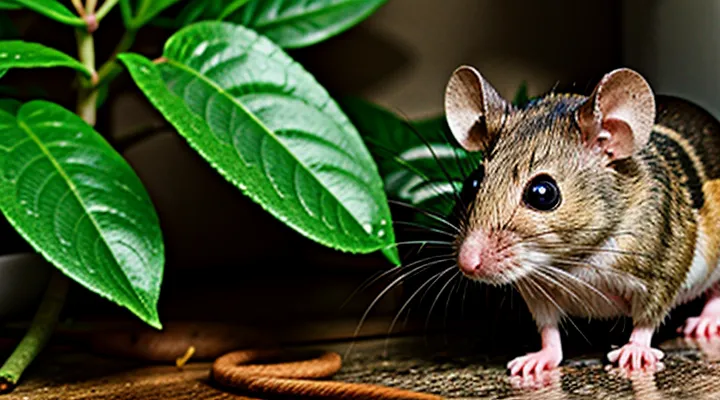
Understanding the Domestic Mouse
What is a Domestic Mouse?
Origin and Domestication
The house mouse (Mus musculus) originated in the Near East and South Asia, where wild populations inhabited grain stores and cultivated fields. Genetic studies trace the earliest divergence of the species to approximately 10,000 years ago, coinciding with the rise of agriculture. These ancestral rodents adapted to human‑altered environments, exploiting abundant food sources and shelter.
Domestication began when humans deliberately selected individuals displaying reduced aggression, smaller size, and tolerance of confinement. By the early 20th century, laboratory strains such as the "Swiss" mouse demonstrated the result of systematic breeding for predictable behavior and physiology. The process emphasized:
- Selection for docility and ease of handling
- Emphasis on reproductive efficiency
- Preference for coat colors and patterns attractive to owners
These criteria produced the companion mouse varieties commonly seen in pet‑keeping contexts today.
Understanding the species’ origin and domestication informs photographic documentation and husbandry practices. Knowledge of natural ancestry guides lighting and habitat setup to capture authentic behavior, while awareness of selective traits aids in tailoring diet, enclosure enrichment, and health monitoring for the modern pet mouse.
Physical Characteristics
Domestic mice are small rodents with distinct physical traits that facilitate identification and proper care. Adult individuals typically measure 7–10 cm in body length, excluding the tail, and weigh between 15 and 30 g. Their fur covers the entire body, presenting colors ranging from light gray to brown, occasionally featuring patches of white or black. The tail matches the body length, exhibits a scaly texture, and lacks fur, providing balance during rapid movements.
Key anatomical features include:
- Large, rounded ears that are proportionally large relative to head size, enhancing auditory perception.
- Prominent eyes positioned on the sides of the skull, granting a wide field of vision.
- Whiskers (vibrissae) extending forward from the muzzle, serving as tactile sensors for spatial navigation.
- Sharp incisors that continuously grow, requiring gnawing to maintain appropriate length.
- A flexible spine that allows swift, agile locomotion and the ability to squeeze through narrow openings.
These characteristics define the domestic mouse’s appearance and influence its behavior, habitat preferences, and health requirements.
Common Domestic Mouse Breeds
Fancy Mice Varieties
Fancy mice represent a selective group of domestic rodents distinguished by unique coat colors, patterns, and textures. Breeders develop these traits to enhance visual appeal, making the animals popular subjects for photography and exhibition.
- Standard coat – solid colors such as black, white, brown, or gray; baseline for comparison with more complex patterns.
- Agouti – banded hairs creating a speckled appearance; often combined with other markings.
- Satin – glossy, satin‑like fur that reflects light, ideal for high‑contrast images.
- Rex – short, curly hair that adds texture and depth to photographs.
- Himalayan – dark body with a light belly, ears, and tail, offering striking contrast.
- Demi – partial albinism resulting in lighter patches on a darker background.
- Blonde – pale, creamy fur that requires careful lighting to avoid wash‑out.
- Mink – soft, velvety coat with a subtle sheen, suitable for close‑up shots.
Caring for fancy mice demands attention to diet, enclosure hygiene, and stress reduction. Provide a balanced mix of grains, protein, and fresh vegetables; replace bedding regularly to prevent odor buildup; and maintain a temperature range of 18‑24 °C. Handling should be gentle, using cupped hands to avoid tearing delicate fur. When photographing, use a shallow depth of field to isolate the subject, employ diffused natural light to highlight coat texture, and keep the background neutral to prevent distraction. Consistent grooming, such as occasional brushing for long‑haired varieties, reduces matting and enhances visual quality.
Other Popular Breeds
The domestic mouse is a common pet, but several other breeds attract enthusiasts for their distinctive appearance and temperament.
- Fancy mouse – characterized by a variety of coat colors and patterns, including sable, brindle, and Himalayan. Requires a spacious cage with multiple enrichment items to prevent boredom.
- Dwarf mouse – smaller than the standard mouse, often used in breeding programs. Benefits from a diet rich in protein and limited portions of fresh vegetables to maintain optimal weight.
- Hairless mouse – lacks fur, making it sensitive to temperature fluctuations. Needs a heated environment, regular skin moisturization, and careful monitoring for skin infections.
- Long‑haired mouse – possesses a silky, flowing coat that demands daily grooming to avoid matting. Provide a dust bath and avoid excessive humidity to preserve coat health.
- Color‑point mouse – displays contrasting coloration on ears, feet, and tail. Requires the same basic care as other breeds, with attention to dental health through chew toys.
Each breed shares core requirements: a balanced diet of commercial mouse pellets supplemented with occasional seeds, grains, and fresh produce; clean, well‑ventilated housing; and regular health checks for signs of respiratory issues, dental overgrowth, or parasites. Selecting a breed that matches the owner’s environment and commitment level ensures a thriving pet mouse.
Essential Care Tips
Housing Your Domestic Mouse
Cage Requirements
A suitable cage for a pet mouse must provide ample space, secure construction, and an environment that supports natural behaviors. A minimum floor area of 300 square inches (approximately 1,900 cm²) allows each mouse to explore, run, and nest comfortably. Height should be at least 12 inches (30 cm) to accommodate climbing structures and bedding depth.
Materials should be sturdy, chew‑resistant, and free of toxic coatings. Metal wire with a ¼‑inch (6 mm) mesh prevents escape while permitting ventilation. Acrylic or polycarbonate tops protect against predators and maintain temperature stability. All joints and doors must latch tightly to avoid gaps.
Essential accessories include:
- A solid‑bottom platform or deep bedding layer for nesting; use dust‑free, absorbent material such as shredded paper or aspen shavings.
- A running wheel of at least 8 inches (20 cm) in diameter, solid‑sided to prevent injury.
- Climbing ladders, tunnels, and chew toys to stimulate activity and dental health.
- Food and water containers with sipper tubes that attach securely to the cage walls, preventing spills.
Cleaning routines should involve weekly removal of soiled bedding, disinfection of the cage interior with a mild, non‑abrasive solution, and replacement of fresh bedding. Regular inspection for rust, sharp edges, or loose fittings helps maintain safety.
Temperature should remain between 65–75 °F (18–24 °C) and humidity between 40–60 %. Avoid direct sunlight and drafts, which can cause stress or illness.
By adhering to these specifications, owners create a secure, hygienic, and enriching habitat that promotes the well‑being of domestic mice.
Substrate and Bedding
Choosing the right substrate creates a comfortable environment for a pet mouse and simplifies maintenance. A suitable material must be absorbent, dust‑free, and non‑toxic. It should also allow natural burrowing behavior, which promotes physical activity and reduces stress.
Commonly used substrates include:
- Paper‑based bedding (e.g., shredded paper or cellulose pads). Highly absorbent, low in dust, and easy to replace.
- Aspen wood shavings. Soft, low‑scent, and free of aromatic oils that can irritate the respiratory system.
- Coconut fiber. Provides excellent moisture control and a texture that encourages digging.
- Hemp bedding. Natural, biodegradable, and offers moderate absorbency with minimal dust.
Avoid pine or cedar shavings because volatile compounds can damage mouse lungs. When introducing a new substrate, observe the mouse for signs of irritation or reluctance to explore the area.
Cleaning protocol influences health outcomes. Remove soiled sections daily, replace the entire bedding weekly, and sterilize the cage with a mild, unscented solution. Ensure the substrate depth reaches at least two inches to allow nesting and tunnel construction.
Supplementary tips:
- Place a separate nesting zone with soft material (e.g., cotton squares) to encourage cozy burrows.
- Monitor humidity; excessive moisture fosters mold growth, while overly dry conditions increase dust.
- Rotate bedding types periodically to prevent wear and maintain interest for the animal.
By adhering to these guidelines, owners can provide a safe, hygienic, and stimulating habitat that supports both the well‑being of the mouse and the visual appeal of photographic documentation.
Enrichment and Toys
Providing appropriate enrichment and toys is essential for the health and well‑being of a pet mouse. Items that stimulate natural behaviors reduce stress, prevent obesity, and encourage exercise.
- Running wheels: Choose a solid‑surface wheel 8–10 cm in diameter; metal or sturdy plastic prevents injury. Ensure the wheel spins freely without wobble.
- Tunnels and tubes: Plastic or cardboard mazes mimic burrows. Connect several sections to create a network for exploration.
- Climbing structures: Wooden branches, ladders, or angled ramps give opportunities for vertical movement. Secure them to the cage to avoid collapse.
- Chew toys: Untreated wooden blocks, apple sticks, or mineral chews satisfy the mouse’s incisor growth. Replace worn pieces regularly to maintain safety.
- Foraging devices: Hide small bits of seed or dried fruit inside paper rolls, egg cartons, or puzzle boxes. The mouse must work to retrieve food, promoting mental activity.
- Nest materials: Provide shredded paper, tissue, or cotton for building nests; this satisfies instinctual nesting behavior and offers comfort.
Rotate toys every two weeks to keep the environment novel. Observe the mouse’s preferences and remove any items that cause aggression or injury. A varied enrichment program, combined with regular handling and a balanced diet, supports a thriving companion mouse.
Nutrition for Domestic Mice
Commercial Mouse Food
Commercial mouse food is formulated to meet the high metabolic demands of small rodents. Protein levels typically range from 18 % to 22 % to support rapid growth and tissue repair. Fiber content, usually 4 % to 6 %, promotes gastrointestinal health and prevents hairball formation. Fat supplies essential energy, with a recommended inclusion of 4 % to 6 % to avoid obesity. Vitamin and mineral premixes provide calcium, phosphorus, vitamin A, and B‑complex nutrients in ratios that prevent deficiencies common in captive mice.
Key feeding practices:
- Offer fresh food daily; discard uneaten portions after 24 hours to prevent spoilage.
- Provide a constant supply of clean water alongside dry pellets.
- Adjust portion size according to age and activity level: juveniles require 2–3 g per day, adults 1–2 g.
- Supplement with occasional fresh vegetables (e.g., carrot, broccoli) for variety, limiting to 10 % of total intake.
Storage guidelines ensure nutritional integrity. Keep the product in an airtight container, protected from moisture, heat, and direct sunlight. Shelf life is typically 12 months from the date of manufacture; rotate stock using the “first‑in, first‑out” method.
When selecting a brand, prioritize manufacturers that conduct third‑party testing for contaminants such as mycotoxins and heavy metals. Look for labels indicating compliance with AAFCO or equivalent standards. Cost per kilogram varies, but higher‑priced formulas often include added prebiotic fibers and natural antioxidants that enhance gut health.
Safe Treats and Supplements
Providing appropriate treats and supplements supports a domestic mouse’s health, encourages natural foraging behavior, and enhances coat condition. Choose items that are nutritionally balanced, free from toxic additives, and sized for a mouse’s small jaws.
Recommended treats
- Small pieces of fresh fruit such as apple (core and seeds removed) or berries; limit to one‑to‑two bites per day.
- Cooked, unseasoned vegetables like carrot, broccoli, or zucchini; offer a few millimeter‑sized cubes.
- Unsalted, plain nuts (e.g., almonds, walnuts) cut into tiny fragments; restrict to a few pieces weekly due to high fat content.
- Commercial mouse treats formulated without artificial colors or preservatives; follow the manufacturer’s serving size.
Supplements and dosage
- Calcium powder mixed into the bedding or food at 0.5 % of the diet; monitor for excess, which can cause kidney strain.
- Vitamin D3 liquid drops, 0.1 µL per mouse every 10 days; ensure the product is labeled for rodents.
- Probiotic capsules opened and sprinkled onto fresh food; one capsule per ten mice, administered three times weekly.
- Omega‑3 fish oil, 0.2 µL applied to a small piece of fruit; provide twice a month to improve skin and fur quality.
Introduce new items gradually, observe for digestive upset, and discontinue any treat that causes diarrhea or loss of appetite. Regularly rotate options to maintain interest and prevent nutritional imbalances.
Foods to Avoid
Domestic mice require a diet that mirrors their natural intake of grains, seeds, and occasional protein. Certain foods can cause acute toxicity, digestive disturbances, or long‑term health problems and should never be offered.
- Chocolate and any product containing cocoa solids – contains theobromine, which is rapidly toxic to rodents.
- Caffeine‑containing items such as coffee, tea, cola, and energy drinks – stimulant effect can lead to cardiac arrhythmia and seizures.
- Citrus fruits (lemon, orange, grapefruit) – high acidity irritates the gastrointestinal tract and can cause ulceration.
- All dairy products – mice lack sufficient lactase, leading to severe diarrhea and dehydration.
- Avocado flesh and pit – contains persin, a toxin that can cause respiratory distress and heart damage.
- Raw onions, garlic, and other Allium species – compounds interfere with red blood cell function, risking hemolytic anemia.
- Sticky or sugary treats (candy, caramel, honey) – promote dental decay, obesity, and rapid blood‑sugar spikes.
- High‑fat processed snacks (chips, fried foods, nuts with added salt) – predispose to fatty liver disease and cardiovascular issues.
- Moldy or spoiled foods – mycotoxins can cause liver failure and neurological symptoms.
- Seeds or pits containing cyanogenic glycosides (e.g., apple seeds, cherry pits) – release cyanide when ingested.
Feeding only safe, nutritionally balanced mouse chow and occasional fresh vegetables or fruits, while strictly avoiding the items listed above, supports optimal growth, immune function, and lifespan for pet mice.
Health and Hygiene
Common Health Issues
Pet mice frequently encounter health problems that can compromise welfare and lifespan. Recognizing symptoms early enables timely intervention and reduces the risk of severe complications.
- Respiratory infections – nasal discharge, sneezing, labored breathing; often caused by Mycoplasma or viral agents.
- Dental overgrowth – incisors that do not wear down, leading to difficulty eating, weight loss, or facial deformities.
- Tumors – especially mammary and skin neoplasms; rapid growth, ulceration, or abnormal masses require veterinary assessment.
- Skin parasites – mites or fleas produce itching, hair loss, and skin lesions; infestations spread quickly in crowded cages.
- Gastrointestinal disturbances – diarrhea, constipation, or bloating indicate dietary imbalance or infection.
- Metabolic disorders – obesity, diabetes, or calcium deficiency manifest as lethargy, excessive thirst, or skeletal abnormalities.
Preventive measures include maintaining clean bedding, providing chewable objects to regulate tooth length, offering a balanced diet low in excess fats and sugars, and scheduling regular veterinary examinations. Prompt isolation of ill individuals and thorough disinfection of the enclosure limit pathogen transmission. Early detection combined with consistent care substantially improves outcomes for pet mice.
Preventing Illness
Maintaining a healthy domestic mouse requires proactive disease prevention. Clean the cage at least once a week, replace all bedding, and disinfect surfaces with a rodent‑safe solution. Remove droppings and uneaten food daily to limit bacterial growth.
Provide a balanced diet composed of high‑quality mouse pellets, fresh vegetables, and occasional protein treats. Avoid stale or moldy food, as spoiled items can introduce pathogens. Ensure constant access to fresh water; replace it every two days and clean the bottle to prevent biofilm formation.
Control the environment by keeping temperature between 65–75 °F (18–24 °C) and humidity below 60 %. Adequate ventilation reduces respiratory irritants, while a stable temperature prevents stress‑related immune suppression.
Quarantine any new mouse for at least two weeks before introducing it to an existing group. Observe the newcomer for signs such as sneezing, discharge, lethargy, or abnormal fur condition. Early detection allows prompt veterinary assessment and reduces transmission risk.
Schedule routine health checks with a qualified exotic‑pet veterinarian. Regular examinations identify subclinical issues, enable vaccination updates where appropriate, and provide guidance on parasite control.
Implement safe handling practices: wash hands before and after contact, use clean gloves when necessary, and avoid exposing the mouse to extreme drafts or direct sunlight. Consistent hygiene and vigilant observation form the core of illness prevention for pet rodents.
Cleaning the Cage
Keeping a mouse’s cage clean is essential for preventing disease, controlling odor, and ensuring the animal’s comfort. Regular maintenance reduces the risk of respiratory infections and skin problems caused by ammonia buildup and waste accumulation.
A practical cleaning routine includes:
- Daily tasks: Spot‑remove droppings, food crumbs, and wet bedding. Check water bottles for leaks and replace soiled water.
- Weekly tasks: Empty the entire cage, discard all bedding, and scrub surfaces with warm water and a mild, unscented detergent. Rinse thoroughly to eliminate residue.
- Monthly tasks: Disassemble removable accessories (tunnels, wheels, chew toys) and soak them in a diluted vinegar solution (1 part vinegar to 4 parts water) for 10 minutes. Scrub, rinse, and dry before reassembly.
Select bedding that absorbs moisture quickly, such as paper‑based or aspen shavings, and change it at least twice a week. Use a cage liner that fits snugly to simplify removal and disposal. Avoid scented cleaners, bleach, or alcohol, which can irritate the mouse’s sensitive respiratory system.
When replacing bedding, spread a thin, even layer to allow the mouse to dig and nest without excess exposure to waste. Position food dishes and water bottles away from the center of the cage to minimize contamination of the bedding.
Finally, inspect the cage for signs of wear—cracks, rust, or broken components—and replace any damaged parts promptly. A well‑maintained enclosure supports a healthy, active mouse and simplifies long‑term care.
Handling and Socialization
Taming Your Mouse
Taming a domestic mouse requires consistent handling, a calm environment, and gradual exposure to human contact. Begin with short, gentle sessions where the mouse is placed in an open palm. Allow the animal to sniff and explore the hand without restraint; this builds trust and reduces fear responses.
Key steps for successful taming:
- Establish a routine – handle the mouse at the same time each day to create predictability.
- Use a quiet space – limit loud noises and sudden movements that can startle the animal.
- Offer treats – provide small pieces of seed or fruit directly from the hand to associate contact with positive outcomes.
- Progress to gentle holding – once the mouse accepts treats, gently cup it in both hands, supporting its body and tail.
- Increase duration gradually – extend handling sessions by a few minutes each week, monitoring for signs of stress such as excessive grooming or freezing.
Maintain a clean cage, provide ample bedding, and ensure the mouse has access to fresh water and food. Regular interaction, combined with a stable habitat, encourages the mouse to become accustomed to human presence, facilitating easier care, observation, and photography.
Social Needs
Domestic mice are highly social rodents; isolation leads to stress, weight loss, and increased aggression. A pair or small group fulfills their innate drive for interaction, reduces stereotypic behavior, and promotes normal grooming habits.
- Provide at least one compatible companion of the same sex or a neutered opposite‑sex pair to prevent unwanted litters.
- Maintain a stable group size of two to four individuals; larger colonies may require additional space and enrichment.
- Ensure each mouse has access to a personal retreat, such as a hideaway tube or small shelter, allowing voluntary withdrawal without disrupting group cohesion.
- Observe social hierarchies; dominant individuals may claim preferred feeding spots, so distribute food across multiple locations to prevent competition.
- Schedule regular, brief handling sessions for each mouse to reinforce human contact while preserving group dynamics.
When introducing newcomers, quarantine for two weeks, then conduct a gradual, supervised integration in a neutral enclosure. Monitor for signs of excessive fighting, such as persistent biting or prolonged vocalizations; intervene by separating aggressors and reassessing group composition. Consistent social interaction, combined with adequate space, nesting material, and enrichment, sustains the physical and psychological health of pet mice.
Recognizing Mouse Behavior
Observing a pet mouse’s actions provides essential clues for proper husbandry and successful photography.
Mice communicate through posture, movement, and vocalizations. A relaxed animal holds its body low, ears flat against the head, and tail loosely draped. When alert, the mouse stands upright, ears perked, and tail may twitch. Aggressive or fearful responses appear as rapid darting, aggressive bites, or a raised, puffed‑up tail.
Identifying these patterns helps determine when the animal is comfortable enough for handling and when lighting or composition adjustments are needed for clear images.
Key behavioral indicators:
- Exploratory sniffing – frequent whisker sweeps and nose touches; ideal moment to capture close‑up facial details.
- Grooming cycles – repetitive licking of paws and fur; signals low stress, allowing steady positioning.
- Burrowing or nesting – digging motions and material displacement; useful for background context shots.
- Playful chases – quick sprints and sudden turns; create dynamic action frames.
When a mouse displays calm grooming or gentle sniffing, approach slowly, support the body with both hands, and maintain a steady light source to avoid shadows. If the animal exhibits rapid escape attempts, pause the session, lower ambient noise, and provide a secure hideout before resuming.
Consistent monitoring of these signals reduces handling stress, improves welfare, and yields clearer photographs.
Photography Guide for Domestic Mice
Tips for Capturing Great Photos
Lighting Techniques
Proper illumination is essential for capturing clear images of pet mice and for maintaining their well‑being. Natural daylight provides a balanced spectrum, reduces shadows, and minimizes stress. Position the enclosure near a window that receives indirect sunlight; use sheer curtains to diffuse harsh rays. When natural light is unavailable, select artificial sources that mimic daylight, such as full‑spectrum LED panels or cool‑white fluorescent tubes. Keep the light source at a distance that prevents overheating while ensuring sufficient brightness for detail.
Key lighting practices include:
- Diffusion: Place a thin white sheet or a light‑diffusing fabric between the light source and the cage to soften shadows.
- Angle control: Illuminate from a side angle of 30–45 degrees to reveal texture without flattening the subject.
- Consistency: Maintain a stable light level throughout shooting sessions to avoid flicker and to keep the mouse’s circadian rhythm intact.
- Color temperature: Use bulbs rated around 5000–6500 K for true color reproduction; avoid warm‑tinted bulbs that can alter fur coloration in photographs.
Adjusting lighting also influences the mouse’s health. Excessive brightness can disrupt sleep cycles, while insufficient light may impede visual development. Implement a daily lighting schedule that mirrors natural day‑night patterns: 12–14 hours of moderate illumination followed by a dark period. Monitor temperature readings near the light fixtures to ensure the enclosure stays within the optimal range of 18–24 °C (64–75 °F).
By applying these techniques, owners achieve sharp, well‑exposed photos and provide an environment that supports the animal’s physiological needs.
Posing Your Mouse
Posing a domestic mouse for photography requires calm handling, a secure setting, and attention to the animal’s natural behavior. Secure the mouse gently, using a soft fingertip grip or a small brush, and place it on a non‑slippery surface such as a silicone mat. Keep the environment quiet to prevent stress spikes.
When arranging poses, consider the mouse’s typical postures and the visual impact of each stance. Commonly effective positions include:
- Sitting upright – encourages a clear view of the head and whiskers.
- Side profile – highlights the sleek body line and tail curvature.
- Exploratory standing – captures the mouse on its hind legs, showcasing curiosity.
- Climbing a twig or tube – adds vertical interest and demonstrates agility.
- Nest‑wrapped – presents a cozy scene, emphasizing natural habitat.
Select lighting that minimizes harsh shadows; diffuse natural light or a softbox yields even illumination. Use a plain, contrasting background to isolate the subject and draw focus to details such as fur texture and eye sparkle. Capture several frames rapidly to increase the chance of a sharp, expressive shot before the mouse moves.
Using Props
Using props enriches mouse photography and supports gentle handling during care routines. Choose items that are non‑toxic, easy to clean, and large enough to prevent the animal from escaping. Avoid sharp edges, scented chemicals, or materials that can splinter.
Common prop categories include:
- Natural elements such as twigs, pine cones, and dried grasses that mimic a mouse’s habitat.
- Fabric accessories like soft blankets, fleece tubes, and padded tunnels that provide comfort and visual contrast.
- Miniature furniture, including cardboard houses, plastic hideouts, and small wooden platforms designed for stability.
Position props to create depth without obstructing the mouse’s movement. Arrange background elements at varying distances to separate the subject from the backdrop, then adjust lighting to reduce shadows. Use diffused light sources to prevent glare on glossy fur and to highlight textures of the props.
After each session, disinfect all reusable items with a mild solution of diluted hydrogen peroxide or an approved veterinary disinfectant. Rinse thoroughly and allow complete drying before storage. Replace natural props regularly to avoid mold or insect infestation.
Photo Gallery Inspiration
Adorable Mouse Portraits
Adorable mouse portraits capture the unique personality of pet rodents and provide visual guidance for owners seeking to improve both photography and husbandry practices. High‑resolution images reveal details of fur texture, ear shape, and eye expression, which are essential for assessing health and identifying breed characteristics.
Effective portrait sessions require preparation:
- Secure a quiet, well‑ventilated area free of drafts.
- Use natural daylight or a soft‑box light source positioned at a 45‑degree angle to eliminate harsh shadows.
- Place a non‑reflective, neutral‑colored backdrop to focus attention on the mouse.
- Offer a familiar chew toy or treat to encourage natural posture and reduce stress.
When handling the mouse, maintain a gentle grip with thumb and forefinger, supporting the body to prevent injury. Observe the animal’s breathing and movement; sudden flinches indicate discomfort and may compromise image quality and welfare.
Photographic settings that enhance portrait clarity include:
- Aperture f/2.8–f/4 to achieve a shallow depth of field, isolating the subject from the background.
- ISO 200–400 to minimize noise while preserving detail.
- Shutter speed 1/200 s or faster to freeze subtle whisker motion.
After capturing images, evaluate them for signs of health issues such as fur loss, eye discharge, or abnormal posture. Document findings alongside care notes to track progress and adjust nutrition, enclosure cleaning, and enrichment routines accordingly.
Incorporating regular portrait sessions into a mouse‑keeping regimen promotes early detection of problems, enriches the owner‑pet relationship, and creates a visual archive that supports responsible care.
Mice in Play
Pet mice display a range of playful actions that reveal their physical condition and social temperament. Observing these activities provides reliable indicators for owners who monitor health and well‑being.
Typical play behaviors include:
- Climbing vertical surfaces such as cage bars or wooden ramps.
- Digging tunnels in bedding or specially designed substrate.
- Manipulating lightweight objects like paper tubes, cardboard tunnels, or chew toys.
- Engaging in brief bouts of chase with cage mates, demonstrating agility and hierarchy.
- Nesting and rearranging material, which combines exploration with construction.
To foster constructive play, provide:
- Multi‑level structures: wooden platforms, rope ladders, and PVC tubes.
- Varied textures: shredded paper, untreated wood shavings, and natural fiber mats.
- Interactive toys: small plastic wheels, chew sticks, and puzzle feeders that release treats.
- Scheduled enrichment sessions: brief periods of supervised floor time for free‑range exploration in a secure, escape‑proof area.
When capturing images of active mice, follow these guidelines:
- Use a high‑shutter‑speed setting (1/250 s or faster) to freeze rapid movements.
- Position diffuse, indirect lighting to reduce shadows and avoid glare on glossy fur.
- Keep the camera at mouse eye level to emphasize facial expressions and body posture.
- Ensure the environment remains safe; remove sharp objects and secure loose wires before filming.
Consistent observation of play, combined with appropriate enrichment and careful photography, supports both the health of the animal and the quality of visual documentation for owners and enthusiasts.
The Domestic Mouse in its Environment
The domestic mouse adapts to confined indoor settings by exploiting small spaces for nesting, foraging, and exploration. Its natural inclination toward burrowing and gnawing shapes the design of any suitable enclosure, ensuring the animal can express innate behaviors without stress.
A proper habitat includes:
- A cage of at least 30 × 30 × 30 cm for a single mouse, larger for groups.
- Soft, absorbent bedding such as shredded paper or aspen strips, changed weekly.
- Ambient temperature maintained between 18 °C and 24 °C, with no direct drafts.
- A consistent light‑dark cycle of roughly 12 hours each, using low‑intensity lighting.
Enrichment items support mental and physical health. Provide chewable objects (untreated wooden blocks, cardboard tubes), climbing structures (plastic ladders, wire mesh), and nesting material (cotton fibers, shredded tissue). Group housing, when compatible, encourages social interaction and reduces isolation; monitor hierarchy to prevent aggression.
Health management requires regular cleaning of food and water dishes, weekly disinfection of the cage interior, and observation for signs of respiratory distress, fur loss, or abnormal behavior. Prompt veterinary consultation is essential if symptoms appear, as early intervention prevents complications.