
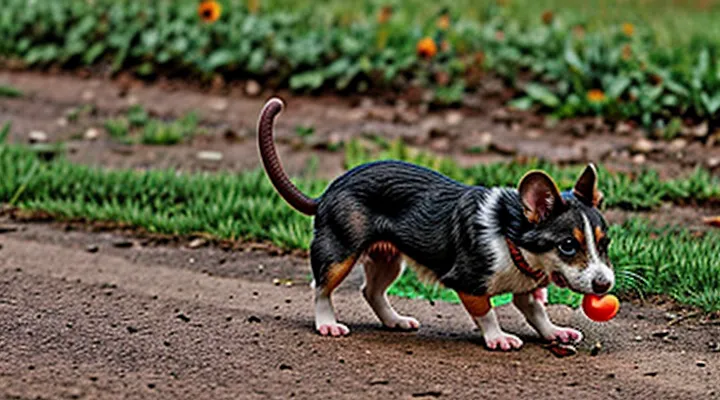
Understanding the Canine Predatory Drive
The Instinctual Nature of Dogs
Ancestral Hunting Behaviors
Ancestral hunting behaviors provide the biological framework that enables canids to capture and consume small vertebrates such as rodents. These behaviors originate from the carnivorous lineage of wolves and retain functional relevance in domestic dogs.
- Predatory drive: innate motivation to chase moving prey, triggered by visual and auditory cues.
- Stalk‑and‑pounce sequence: low‑profile approach followed by rapid acceleration to close distance.
- Bite‑and‑kill technique: precise jaw closure on the neck or spinal region to immobilize the animal.
- Oral processing: dentition adapted for tearing flesh and crushing bone, allowing ingestion of whole prey when size permits.
Genetic studies reveal conserved neural pathways that regulate pursuit, attack, and feeding responses. Hormonal fluctuations, particularly increases in adrenaline and oxytocin during a chase, reinforce the reward circuitry, ensuring repeated execution of the pattern.
Ecological observations confirm that feral and working dogs exploit mouse populations when larger prey are scarce, demonstrating flexibility rooted in ancestral strategy. The ability to digest whole rodents stems from enzymatic profiles inherited from wild ancestors, which efficiently break down protein, fat, and bone material.
Overall, the persistence of these primal hunting mechanisms explains the occurrence of canine consumption of mice in natural settings.
Genetic Predispositions
Genetic predispositions shape the ability of domestic canines to capture and ingest small rodents. Evolutionary inheritance from wolves provides a suite of traits that remain active in modern dogs. These traits include heightened olfactory receptors for detecting prey, neural circuits that trigger pursuit behavior, and digestive enzymes optimized for processing protein‑rich meals.
Key genetic components include:
- Olfactory receptor gene families (e.g., OR5K1, OR9K2) that expand scent detection capacity for mouse pheromones and movement cues.
- Dopaminergic pathway variants (e.g., DRD4, COMT) that modulate reward perception during hunting, reinforcing predatory actions.
- Muscle fiber composition genes (e.g., MYH1, ACTN3) that favor fast‑twitch fibers, enabling rapid bursts of speed required to seize agile prey.
- Digestive enzyme alleles (e.g., AMY2B for amylase, PNLIP for lipase) that complement a high‑protein diet, ensuring efficient nutrient extraction from rodent tissue.
Selective breeding for traits such as heightened prey drive can amplify these genetic factors. Conversely, lineages with reduced hunting instincts often display mutations that down‑regulate the same pathways. Genome‑wide association studies consistently link variations in the listed genes to observable differences in predatory behavior across dog breeds.
Overall, the interplay of sensory, neurological, muscular, and metabolic genes creates a biological framework that permits dogs to successfully hunt and consume mice in natural settings.
Factors Influencing Predation
Breed-Specific Tendencies
Dogs occasionally capture and consume mice; the likelihood varies with breed. Genetic selection for hunting, size, and temperament creates measurable differences in predatory behavior.
High predatory drive appears in breeds originally developed for vermin control or chase work. Typical examples include:
- Jack Russell Terrier, Rat Terrier, and other terrier varieties; small stature, strong prey drive, rapid bite reflex.
- Beagle and other scent hounds; keen nose, persistence in tracking, willingness to engage small mammals.
- German Shorthaired Pointer and English Setter; versatile hunting background, ability to locate and retrieve live prey.
- Border Collie; intense focus, agility, and instinct to chase moving objects.
Breeds with reduced inclination toward mouse predation generally possess a history of companionship or guard functions rather than hunting. Representative examples:
- Labrador Retriever and Golden Retriever; bred for retrieval of waterfowl, less emphasis on small‑prey capture.
- Bulldog and Mastiff families; bulk and low prey drive limit pursuit of agile rodents.
- Cavalier King Charles Spaniel and Bichon Frise; companion selection prioritized temperament over hunting instinct.
Behavioral tendencies correlate with specific traits. High‑energy breeds exhibit rapid response to movement, heightened olfactory sensitivity, and a willingness to kill small animals. Larger, more docile breeds display slower reaction times, diminished interest in tiny prey, and a preference for human‑directed interaction.
Owners should match expectations to breed characteristics. For breeds with strong vermin instincts, secure environments and supervision reduce unintended predation. For low‑drive breeds, exposure to rodents typically results in avoidance rather than pursuit. Understanding these breed‑specific patterns informs responsible care and prevents accidental harm to wildlife.
Individual Temperament and Training
Dogs that instinctively chase and capture small rodents display behavior shaped by innate temperament and learned conditioning. A canine’s natural drive to pursue moving prey varies among individuals; some exhibit strong predatory impulses, while others show minimal interest. Genetic lineage, early socialization, and the presence of a dominant hunting instinct determine the baseline likelihood of a mouse being pursued.
Training can amplify, suppress, or redirect this drive. Consistent reinforcement of desired responses modifies the animal’s reaction to rodent encounters. Effective programs rely on clear cues, predictable outcomes, and gradual exposure to the target stimulus.
Key training components include:
- Cue association: Pair a verbal command (e.g., “leave it”) with a rewarding outcome whenever the dog approaches a mouse.
- Desensitization: Introduce the scent or sight of a mouse at a distance, incrementally decreasing the gap while maintaining compliance.
- Impulse control: Implement “wait” and “stay” exercises to strengthen self‑regulation before any encounter.
- Alternative focus: Teach retrieval or scent‑tracking tasks that channel predatory energy toward sanctioned objects.
Outcome assessment requires observation of the dog’s reaction under controlled conditions. A reduction in chase behavior, combined with reliable response to the release cue, indicates successful temperament modification. Persistent monitoring ensures that any resurgence of predatory interest is addressed promptly through reinforcement of the established training framework.
The Act of Predation: Dog and Mouse
Encounter and Pursuit
Sensory Cues: Sight, Sound, Smell
Dogs locate small rodent prey through a combination of visual, auditory, and olfactory information. Each modality contributes specific data that guides the predator from detection to capture.
- Vision – Motion detection triggers pursuit; contrast between the mouse’s dark body and lighter substrate highlights its outline; depth perception allows the dog to estimate distance and adjust speed.
- Audition – High‑frequency squeaks and rustling sounds travel through vegetation; directional hearing pinpoints the source; sudden silence may indicate the mouse’s concealment, prompting a change in search pattern.
- Olfaction – Volatile compounds from mouse urine, feces, and skin create a scent trail; dogs can follow gradients to locate hidden individuals; scent persistence enables tracking after visual contact is lost.
Integration of these cues creates a rapid response loop: visual confirmation initiates a chase, auditory cues refine the trajectory, and olfactory signals maintain orientation when the mouse retreats into cover. The coordinated use of sight, sound, and smell enables canines to locate and capture rodents efficiently in natural settings.
Stalking and Chasing Techniques
Canine predation on rodents relies on a sequence of precise stalking and chasing behaviors. The predator first establishes a visual and olfactory lock on the target, positioning itself downwind to minimize scent detection. Muscular tension increases while the animal lowers its body, reducing its silhouette against the background. This posture enhances stealth and prepares the limbs for a rapid thrust.
When the mouse is within striking distance, the dog initiates a short, explosive burst. Acceleration peaks within the first half‑second, allowing the predator to close the gap before the prey can react. The chase continues until the mouse either seeks refuge or is overtaken. Successful capture depends on maintaining high speed, precise trajectory adjustments, and continuous sensory feedback.
Key techniques include:
- Silhouette reduction – crouching and aligning with vegetation to avoid visual detection.
- Wind direction exploitation – approaching from downwind to mask scent.
- Rapid burst acceleration – short, high‑intensity sprint to bridge the final distance.
- Trajectory correction – real‑time adjustments based on the mouse’s evasive turns.
- Auditory focus – tracking rustling sounds to anticipate sudden changes in direction.
These methods combine to maximize the likelihood of a successful pursuit, illustrating the efficiency of canine hunting strategies when targeting small mammals.
Capture and Consumption
The Killing Bite
The killing bite is the decisive action a dog uses to subdue a mouse. When a canine encounters a rodent, it typically seizes the prey with its jaws, aligns the teeth to the cervical vertebrae, and applies a rapid, high‑pressure clamp. This maneuver compresses the spinal cord and major blood vessels, causing immediate loss of neural function and hemorrhage. The bite’s force, measured in pounds per square inch, exceeds the structural limits of a mouse’s skull and vertebral column, ensuring rapid incapacitation.
Key physiological elements of the killing bite include:
- Jaw morphology – robust mandible and enlarged canines create a focal point for pressure.
- Muscle activation – coordinated contraction of the temporalis and masseter muscles generates peak force within milliseconds.
- Target selection – instinctual aim at the neck region maximizes damage to vital structures.
Behaviorally, the bite follows a predictable sequence:
- Detection – visual, auditory, or olfactory cues alert the dog to the mouse’s presence.
- Approach – low, stealthy movement reduces the prey’s chance to flee.
- Capture – teeth close on the cervical area, often accompanied by a brief shake to disorient.
- Termination – sustained pressure causes spinal cord disruption and fatal hemorrhage.
Evolutionary pressure has refined this technique in domestic and wild canids, allowing efficient predation on small mammals despite the dog’s primarily omnivorous diet. The killing bite therefore represents a specialized, mechanically optimized response that enables dogs to neutralize rodents quickly and reliably.
Eating Habits and Instinct
Dogs exhibit predatory instincts inherited from their wolf ancestors. When a canine encounters a small rodent, sensory cues—movement, scent, and high‑frequency sounds—trigger a chase response. The chase culminates in capture, after which the dog’s bite delivers a rapid, crushing force that incapacitates the mouse.
The act of consuming the rodent follows a sequence rooted in canine feeding behavior:
- Initial assessment: The dog inspects the prey for viability, often using its nose to detect freshness.
- Masticatory action: Strong incisors and canines tear the soft tissue, while molars grind the remaining flesh.
- Swallowing: Muscular contractions of the pharynx and esophagus transport the chewed material to the stomach.
- Digestive processing: Gastric acids and enzymes break down proteins and fats, allowing nutrient absorption further along the intestines.
Instinctual factors dominate this process. The drive to hunt emerges without training, driven by dopamine release in the brain’s reward circuitry. Oral fixation on moving objects reinforces the behavior, making rodents a frequent target when accessible.
Environmental conditions influence the likelihood of such encounters. Open yards, low vegetation, and the presence of rodent populations increase exposure. Domestic dogs with limited exercise or mental stimulation may display heightened predatory focus, leading to more frequent captures.
Understanding these habits clarifies why dogs sometimes ingest mice despite domestication. The behavior aligns with innate hunting patterns, efficient oral mechanics, and a digestive system capable of processing small vertebrate prey.
Potential Risks and Considerations
Health Implications for the Dog
Parasitic Infections
Dogs that capture and ingest rodents are exposed to a range of parasites that complete part of their life cycle within the prey. When a mouse is swallowed, cysts, larvae, or eggs present in its tissues enter the canine gastrointestinal tract, where they may develop into adult stages or migrate to other organs.
Common parasites transmitted through this route include:
- Taenia spp. (tapeworms): cysticerci in mouse muscle become adult tapeworms in the dog’s intestine, producing eggs that are shed in feces.
- Trichinella spiralis: larvae encysted in mouse muscle are released during digestion, mature in the dog’s small intestine, and can cause systemic infection.
- Sarcoptes scabiei (mange mite): mites residing on mouse skin can transfer to the dog’s skin, leading to dermatitis.
- Capillaria spp.: eggs excreted by infected mice are ingested, allowing the worm to develop in the dog’s colon or urinary tract.
- Hymenolepis diminuta: cysticercoids in mouse intestines develop into adult tapeworms after ingestion.
Physiological consequences for the dog range from mild gastrointestinal irritation to severe malabsorption, anemia, and organ damage. Diagnosis typically relies on fecal flotation, serology, or tissue biopsy, depending on the parasite’s stage.
Preventive measures focus on limiting rodent predation and controlling rodent populations in the environment. Regular deworming protocols, administered according to veterinary guidelines, reduce the risk of establishing infections after accidental ingestion. Monitoring for clinical signs such as weight loss, vomiting, or pruritus enables early intervention and minimizes the spread of parasites to other animals or humans.
Bacterial Contamination
Dogs that capture and ingest rodents are exposed to a complex bacterial load. The gastrointestinal tract of a mouse harbors opportunistic pathogens such as Salmonella spp., Campylobacter jejuni, Yersinia enterocolitica, and Escherichia coli O157:H7. When a canine swallows the animal whole or partially, these microorganisms can survive the acidic stomach environment and colonize the intestinal mucosa, leading to clinical disease.
Key sources of bacterial contamination include:
- Intestinal flora of the mouse – primary reservoir for enteric pathogens.
- External surfaces – fur and paws may carry Staphylococcus aureus or Clostridium perfringens from the environment.
- Environmental exposure – soil and water where the mouse lived often contain Leptospira spp. and Bacillus spores.
Potential health effects for the dog range from mild gastroenteritis to severe systemic infection. Clinical signs may appear within hours to days and include vomiting, diarrhea (sometimes bloody), fever, and lethargy. In rare cases, bacterial translocation can cause septicemia, endocarditis, or renal failure.
Mitigation strategies:
- Immediate veterinary assessment – obtain fecal cultures and blood work to identify the pathogen and guide antimicrobial therapy.
- Supportive care – fluid therapy, antiemetics, and dietary management reduce dehydration and mucosal damage.
- Hygiene measures – wash the animal’s mouth and paws with a mild antiseptic solution after exposure; clean the environment to limit re‑contamination.
- Vaccination and prophylaxis – ensure up‑to‑date rabies, leptospirosis, and canine parvovirus immunizations, which reduce susceptibility to secondary infections.
Monitoring the dog for at least two weeks after the incident is advisable, as some bacterial agents have delayed incubation periods. Early detection and targeted treatment minimize the risk of complications and prevent spread to other animals or humans in the household.
Secondary Poisoning
When a canine ingests a rodent that has accumulated toxic substances, the dog may suffer secondary poisoning. The mouse acts as a vector, transferring chemicals that were originally intended for pest control or that have entered the environment through industrial runoff.
Typical sources of toxins in rodents include:
- Anticoagulant rodenticides applied in residential or agricultural settings.
- Organophosphate or carbamate insecticides present in contaminated habitats.
- Heavy metals such as lead or mercury absorbed from polluted soil or water.
After consumption, the dog can exhibit clinical signs that reflect the specific toxin class:
- Anticoagulant exposure: prolonged bleeding, bruising, hematuria.
- Organophosphate exposure: muscle twitching, salivation, respiratory distress.
- Heavy‑metal poisoning: gastrointestinal upset, neurological deficits, anemia.
Diagnostic confirmation relies on laboratory analysis of blood or urine for the offending compound, complemented by a history of recent rodent consumption. Treatment protocols are toxin‑specific: vitamin K₁ for anticoagulants, atropine and pralidoxime for organophosphates, chelation therapy for heavy metals.
Preventive actions reduce the risk of secondary poisoning:
- Eliminate or secure rodenticide stations to prevent wildlife access.
- Conduct regular environmental assessments for contaminant hotspots.
- Supervise dogs during outdoor activities, especially in areas with known pest‑control measures.
- Provide immediate veterinary care if a dog is observed eating a rodent.
Behavioral Aspects and Prevention
Modifying Predatory Behavior
Dogs that capture rodents exhibit flexible hunting tactics that can be altered through genetic, developmental, and environmental influences. Selective breeding emphasizes traits such as heightened prey drive, sharper bite coordination, and rapid pursuit speed. Early exposure to live prey reinforces chase instincts, while repeated positive reinforcement during capture consolidates successful strategies. Nutritional status also shapes motivation; limited protein intake increases the likelihood of targeting small mammals.
Key mechanisms that modify predatory actions include:
- Genetic selection – breeds with historically high chase propensity retain neural pathways that trigger rapid visual tracking and motor activation.
- Learning experiences – exposure to moving prey during puppyhood strengthens associative memory, leading to quicker decision‑making during hunts.
- Social conditioning – pack dynamics can suppress or amplify individual aggression toward rodents, depending on hierarchy and shared feeding patterns.
- Environmental pressure – scarcity of larger food sources forces adaptation toward smaller, more abundant targets, altering attack angles and capture techniques.
- Human intervention – training programs that reward specific capture behaviors refine precision, reduce unnecessary injury, and improve retrieval efficiency.
Research on canine predation demonstrates that these factors interact to produce observable shifts in hunting style. For instance, dogs raised in urban shelters with limited outdoor activity display reduced pursuit velocity compared with field‑working counterparts, yet can regain competence after structured prey‑simulation exercises. Conversely, wolves that transition to domestic environments often lose the instinctual drive to chase rodents, illustrating the reversibility of predatory traits under sustained environmental change.
Environmental Management Strategies
The predatory interaction between canids and small rodents influences trophic dynamics in many habitats. When dogs capture and consume mice, they can alter rodent population density, affect seed dispersal patterns, and introduce pathogens that circulate between species.
Environmental management must address both ecological balance and public health risks. Effective actions include:
- Restricting free‑roaming canine activity in sensitive ecosystems through fencing or designated zones.
- Implementing regular health screenings and vaccinations for owned and feral dogs to reduce disease transmission.
- Conducting controlled culling or sterilization programs for feral dog populations to limit predation pressure.
- Managing waste and food sources that attract rodents, thereby decreasing the incentive for dogs to hunt them.
- Establishing systematic monitoring of predator‑prey interactions using camera traps and population surveys to inform adaptive management.
These measures aim to sustain native biodiversity, mitigate zoonotic threats, and maintain functional ecosystem processes where canine predation on small mammals occurs.
Natural Ecology and Canine Roles
Dogs in the Ecosystem
Pest Control in Rural Settings
In rural environments, domestic and working dogs frequently encounter small rodents, often killing or consuming them during daily activities. This natural predation directly reduces the population of species that damage stored grain, seed beds, and livestock facilities.
The reduction in rodent numbers achieved by canine predation lessens reliance on chemical rodenticides, thereby decreasing risks of secondary poisoning, resistance development, and environmental contamination. Moreover, the presence of dogs can deter rodent activity through scent and movement, creating a protective perimeter around farms.
Practical steps for incorporating dogs into pest‑management programs include:
- Selecting breeds with strong hunting instincts and appropriate size for the target area.
- Training dogs to respond to specific rodent‑scent cues while avoiding indiscriminate killing of non‑target wildlife.
- Establishing regular health checks to prevent disease transmission between dogs and livestock.
- Documenting capture rates to assess effectiveness and adjust deployment density.
Constraints to consider involve local wildlife protection regulations, the potential for dogs to spread zoonotic agents, and the need for responsible waste disposal of carcasses to avoid attracting secondary scavengers. Balancing these factors ensures that canine predation contributes to sustainable rodent control without compromising animal welfare or biosecurity.
Impact on Local Wildlife Populations
When domestic or feral dogs capture rodents, the immediate removal of individual mice reduces the local rodent density. This predation pressure alters the balance between prey and their natural predators, such as owls, snakes, and small carnivores, by decreasing the food base available to those species.
- Decline in mouse abundance can lead to reduced breeding success of specialist predators that rely heavily on rodents.
- Competing predators may shift their diet toward alternative prey, increasing predation pressure on birds, insects, or amphibians.
- Lower rodent numbers can affect seed dispersal and soil aeration processes, because mice contribute to seed movement and burrowing activities.
- Disease dynamics may change; fewer mice can diminish the reservoir for pathogens like hantavirus, while increased dog‑mouse interactions raise the risk of parasite transmission to canids and potentially to humans.
Long‑term ecosystem monitoring shows that sustained canine predation on rodents can trigger trophic cascades, modify species composition, and influence biodiversity metrics across the affected area. Management strategies that limit free‑roaming dog populations help maintain stable wildlife communities and preserve ecological functions linked to rodent activity.
Human-Animal Interactions
Pet Ownership Responsibilities
Pet owners must recognize that a canine’s natural predatory instinct can lead to the capture of small rodents. Understanding this behavior is essential for responsible care.
First, provide secure containment. A fenced yard, locked gates, and supervised outdoor time prevent unsupervised hunting. Second, ensure regular veterinary examinations. Health checks identify nutritional deficiencies or medical conditions that may intensify prey drive.
Third, supply adequate mental and physical stimulation. Daily walks, interactive toys, and training sessions reduce the impulse to chase wildlife. Fourth, enforce consistent obedience commands such as “leave it” and “come.” Reliable recall limits opportunities for a dog to engage with a mouse.
Fifth, manage the environment. Remove debris, seal compost bins, and control rodent populations in and around the property. Sixth, educate household members and guests about the dog’s instinctual behavior and the need for supervision.
Key responsibilities
- Maintain secure boundaries and supervise outdoor activities.
- Schedule routine veterinary visits and vaccinations.
- Provide daily exercise, enrichment, and obedience training.
- Implement immediate recall commands to intercept predatory actions.
- Reduce rodent access by securing food sources and eliminating shelter.
- Communicate expectations clearly to all individuals interacting with the dog.
By adhering to these measures, owners protect wildlife, safeguard their pet’s health, and uphold ethical stewardship of animal behavior.
Coexisting with Wildlife
Domestic dogs retain instinctive predatory behavior, which can lead to the capture and consumption of small rodents such as mice. This interaction occurs naturally in many environments, influencing local food webs and occasionally bringing domestic animals into direct conflict with wildlife populations.
Effective coexistence with wildlife requires managing dog behavior while preserving ecological balance. Key measures include:
- Secure fencing or enclosed yards to prevent unsupervised roaming.
- Training programs that reinforce recall commands and discourage chase instincts.
- Regular health checks to detect parasites or diseases transmitted through rodent ingestion.
- Habitat modifications, such as removing debris and controlling rodent shelters, to reduce accidental encounters.
- Community guidelines that promote responsible pet ownership and wildlife protection.
Monitoring wildlife activity around residential areas informs adjustments to these measures. Data on rodent density, predator presence, and seasonal patterns allow owners to anticipate risk periods and adapt containment strategies accordingly.
By integrating behavioral control, environmental management, and ongoing observation, humans can minimize harmful predation incidents while respecting the natural role dogs play as opportunistic hunters. This approach sustains both pet welfare and the integrity of local ecosystems.