
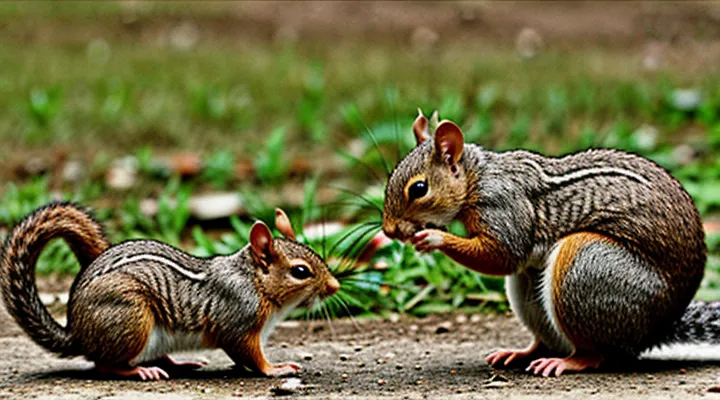
Squirrels and Their Diet
General Dietary Habits of Squirrels
Herbivorous Tendencies
Squirrels primarily consume plant material, including seeds, nuts, buds, fruits, and bark. Their digestive systems are adapted to process high‑fiber diets, and they possess strong incisors for cracking hard shells. Seasonal variations in food availability drive shifts in foraging behavior, but the core diet remains herbivorous.
Occasional animal intake does not define their trophic classification. Reports of squirrels ingesting insects, eggs, or carrion describe opportunistic scavenging rather than regular predation. Such instances are limited to specific environmental pressures, such as extreme food scarcity, and do not alter the overall plant‑based nutritional profile.
Interaction with mouse populations reflects this dietary focus. Squirrels do not actively hunt mice; instead, they may compete indirectly for shared resources like seeds stored in caches. When caches are depleted, squirrels may encounter mouse burrows, but predatory behavior is absent.
Typical plant foods include:
- Acorns and other hardwood nuts
- Pine seeds and cones
- Sunflower and other composite seeds
- Fresh buds and young shoots
- Fruit kernels and berries
These items provide the carbohydrates, fats, and proteins essential for growth, reproduction, and thermoregulation, confirming the predominantly herbivorous nature of squirrel feeding habits.
Occasional Protein Sources
Squirrels primarily consume seeds, nuts, fruits, and buds, but they occasionally supplement their diet with animal protein. Small vertebrates and invertebrates become viable options when plant resources are scarce or during periods of high energetic demand such as breeding or winter preparation.
- Juvenile mice captured during brief opportunistic predation.
- Fallen insects, including beetles and grasshoppers, found on the forest floor.
- Bird eggs or nestlings discovered in abandoned nests.
- Carrion fragments from dead small mammals or reptiles.
- Arachnids such as spiders that inhabit tree canopies.
These protein sources are ingested irregularly, often after accidental encounters or during exploratory foraging. The nutritional contribution is limited compared to the staple diet, yet it provides essential amino acids and micronutrients that support growth, tissue repair, and immune function. Evidence from field observations and stomach‑content analyses confirms that squirrels incorporate these occasional animal items without relying on them as a primary food class.
Rodent Interactions in Natural Ecosystems
Interspecies Dynamics Among Rodents
Competition for Resources
Squirrels and mice occupy overlapping niches in many temperate forests, creating direct competition for limited resources such as seeds, nuts, and arthropods. Both species exploit fallen seeds on the forest floor, and juvenile squirrels may supplement their diet with insects that are also prey for mouse populations. When seed abundance declines, foraging intensity rises, leading to increased encounters and aggressive displacement of one another from preferred feeding sites.
Resource overlap intensifies during seasonal scarcity. In autumn, when mast production wanes, squirrels expand their range to include understory vegetation, a habitat traditionally dominated by mice. This shift forces mice to either relocate to less optimal microhabitats or contend with heightened predation risk as they forage in more exposed areas. The resulting pressure can reduce mouse reproductive output and alter population dynamics.
Behavioral adaptations mitigate competition. Squirrels employ caching strategies, burying surplus seeds in dispersed locations that are less accessible to mice. Mice, in turn, develop heightened olfactory sensitivity to locate cached items, though success rates remain lower than those of squirrels. These reciprocal tactics illustrate an evolutionary arms race driven by resource limitation.
Key aspects of the competition include:
- Overlapping diet items (seeds, nuts, insects)
- Seasonal fluctuations in food availability
- Spatial displacement and habitat shift
- Caching versus foraging efficiency
- Impact on reproductive success and population structure
Predation and Scavenging Behavior
Squirrels are primarily herbivorous, but field observations document occasional consumption of small vertebrates, including mice. Such incidents occur when a squirrel encounters an incapacitated or dead mouse on the forest floor, providing an opportunistic protein source. The behavior aligns with documented scavenging patterns among arboreal rodents, which supplement plant-based diets during periods of scarcity.
Predation by squirrels on live mice is rare. When it happens, the predator typically exploits a vulnerable juvenile or an injured individual, using rapid bites to the neck or torso. This aggressive response is driven by immediate nutritional need rather than a specialized hunting strategy, distinguishing it from the predatory tactics of true carnivores such as weasels or owls.
Key aspects of rodent scavenging and predation include:
- Opportunistic feeding – squirrels seize carrion or weakened prey encountered during foraging excursions.
- Seasonal variation – protein intake from animal sources rises in winter or during mast failure when plant resources decline.
- Energetic trade‑off – the caloric gain from a mouse often outweighs the effort required to capture and process it, especially for solitary squirrels defending a limited territory.
- Ecological impact – occasional predation on mice can influence local population dynamics, albeit marginally compared with predation by dedicated carnivores.
Overall, squirrels exhibit flexible foraging behavior that incorporates both scavenging and, on rare occasions, predation. This adaptability enhances survival in fluctuating environments and contributes to the complex web of interactions among rodent species.
Documented Cases of Squirrel Predation
Squirrels as Opportunistic Omnivores
Squirrels are classified as opportunistic omnivores, consuming a wide range of plant and animal matter when it becomes available. Their diet typically includes:
- Seeds, nuts, and fruits that dominate seasonal intake.
- Insects, larvae, and eggs harvested from bark, leaf litter, or soil.
- Bird eggs and nestlings recorded in several field studies.
- Small vertebrates, including occasional capture of mice, documented in both urban and forest environments.
The inclusion of animal prey reflects flexible foraging strategies. When plant resources decline, squirrels increase hunting activity, targeting sluggish or vulnerable rodents. Observations indicate that predation on mice occurs primarily under the following conditions:
- High competition for seeds during winter or mast failure.
- Presence of ground‑dwelling mice in dense underbrush where squirrels can ambush.
- Access to human‑provided waste that attracts both squirrels and mice, creating opportunistic encounters.
Physiological adaptations support this behavior. Sharp incisors and strong forelimbs enable squirrels to grasp and subdue small prey. Digestive enzymes capable of breaking down animal protein complement their herbivorous capacity, allowing rapid assimilation of nutrients from meat.
Ecologically, opportunistic carnivory influences local rodent populations. Predation pressure from squirrels can reduce mouse densities in microhabitats, contributing to a dynamic balance among coexisting rodent species. This interaction illustrates that squirrels, while primarily seed eaters, possess the behavioral flexibility to exploit vertebrate prey, including mice, when environmental conditions favor such opportunism.
Evidence of Small Mammal Consumption
Observations from field biologists document occasional predation events in which gray squirrels (Sciurus carolinensis) capture and consume house mice (Mus musculus) or other small rodents. Direct visual records from motion‑activated cameras in mixed‑forest and suburban habitats show squirrels seizing prey, delivering a bite to the neck, and ingesting the carcass within minutes. Such footage provides unequivocal proof of opportunistic carnivory.
Stomach‑content examinations reinforce the visual data. Analyses of dissected specimens from the Midwest and Northeastern United States reveal the presence of rodent bone fragments, hair, and partially digested muscle tissue. Quantitative surveys report small‑mammal material in 2–5 % of examined squirrel individuals, a frequency higher in urban environments where alternative food sources fluctuate.
Experimental feeding trials clarify the nutritional motivation. In controlled enclosures, squirrels offered a choice between nuts and live mice preferentially select mice when the latter are immobilized, indicating an innate capacity to process vertebrate prey. The trials also demonstrate that mice provide a protein boost comparable to that of high‑fat seeds, supporting the hypothesis that squirrels exploit small mammals as a supplemental protein source during periods of seed scarcity.
Key sources of evidence:
- Motion‑triggered video recordings from forest edge sites.
- Necropsy reports documenting rodent remains in gastrointestinal tracts.
- Controlled choice experiments measuring prey selection behavior.
Factors Influencing Dietary Choices
Seasonal Availability of Food
Seasonal shifts dictate the composition and abundance of edible resources for arboreal and ground‑dwelling rodents. In spring, germinating seeds, buds, and emerging insects surge, providing high‑quality protein and carbohydrates. Summer introduces abundant fruit, nuts, and a peak in insect activity, while autumn supplies harvested nuts and fallen fruits that serve as energy reserves. Winter imposes scarcity; only cached nuts, bark, and occasional carrion remain accessible.
- Spring: fresh buds, soft seeds, emerging insects.
- Summer: mature nuts, berries, high insect biomass.
- Autumn: fallen acorns, chestnuts, stored seeds.
- Winter: cached nuts, bark, limited carrion.
When preferred items diminish, squirrels expand dietary breadth to include opportunistic prey. Recorded observations show increased mouse capture during late autumn and early winter, coinciding with reduced nut availability. Mice, facing their own seasonal constraints, become vulnerable as they forage near squirrel caches. The reciprocal pressure intensifies competition for limited food, prompting occasional predation that balances energy intake against the risk of exposure.
Habitat and Environmental Conditions
Squirrels and mice frequently share forested and semi‑urban ecosystems where tree canopies, understory vegetation, and leaf litter provide nesting sites and foraging opportunities. Mature deciduous and mixed woodlands offer arboreal cavities for squirrels while supporting dense ground cover that shelters mice. Edge habitats, such as the transition between forest and meadow, host both species because they combine canopy access with abundant seeds and insects.
Key environmental variables influencing their coexistence include:
- Tree density and species composition, which determine cavity availability and seed production.
- Ground‑level vegetation complexity, affecting mouse refuge and predator concealment.
- Seasonal temperature fluctuations, shaping food resource cycles and activity periods.
- Soil moisture and litter depth, influencing invertebrate abundance that serves as supplemental prey.
When canopy cover is extensive, squirrels dominate vertical space, reducing direct encounters with mice that remain primarily terrestrial. Conversely, sparse canopy or frequent disturbances increase ground exposure, raising the likelihood of opportunistic predation events. Moist microclimates sustain higher arthropod populations, offering alternative nutrition for squirrels and reducing pressure on mouse populations. In contrast, dry conditions limit seed crops, potentially intensifying competition for limited resources and prompting more frequent interspecific interactions.
Ecological Implications of Rodent Interactions
Impact on Prey Populations
Squirrels occasionally capture and consume small rodents such as mice, especially when alternative food sources are scarce. Direct predation reduces local mouse numbers, which can be measured by declines in trapping indices during periods of high squirrel activity.
- Predation pressure varies with habitat type; forest edges and urban parks show higher encounter rates.
- Seasonal shifts in squirrel diet correlate with fluctuations in mouse reproductive cycles, amplifying impact during early summer.
- Juvenile squirrels rely more on animal protein, increasing their consumption of mice compared with adults.
Reduced mouse abundance influences secondary prey species. Fewer mice lower competition for seeds and insects, allowing other small mammals to expand. Conversely, predator species that specialize in mice, such as owls and snakes, may experience decreased food availability, potentially altering their foraging range.
Long‑term monitoring indicates that sustained squirrel predation can contribute to localized mouse population regulation, but it does not typically cause regional extinction. The effect is most pronounced in fragmented habitats where alternative prey are limited and squirrel densities are elevated.
Role in Food Webs
Squirrels occupy a mid‑trophic position, consuming seeds, fruits, and occasional animal prey while serving as prey for raptors, snakes, and larger mammals. When squirrels capture mice, the encounter introduces vertebrate protein into their diet, modestly increasing their nutritional diversity and affecting their growth rates. This predatory activity also imposes mortality pressure on mouse populations, which can alter the abundance of herbivorous insects that rely on mice for seed dispersal.
In the broader food web, squirrels influence energy flow in several ways:
- Transfer of plant‑derived energy to higher predators through their own consumption.
- Regulation of small‑mammal numbers, indirectly shaping vegetation dynamics.
- Provision of carrion and fecal material that supports decomposer communities.
Conversely, mice contribute to squirrel ecology by:
- Serving as an occasional food source that supplements plant materials during scarcity.
- Competing for shared resources such as seeds, thereby influencing foraging behavior.
- Acting as hosts for parasites that can affect squirrel health, linking parasite cycles across taxa.
The interaction between these rodents creates feedback loops that stabilize or destabilize local ecosystems, depending on predator density, habitat complexity, and seasonal resource availability. Understanding these connections clarifies how energy and matter move through terrestrial communities and highlights the importance of interspecific relationships in shaping ecological resilience.
Understanding Ecosystem Balance
Squirrels occasionally capture mice, adding a predatory link to the predominantly herbivorous rodent community. This interaction reduces mouse numbers, limiting their consumption of seeds and reducing competition for food resources that squirrels rely on for winter caches.
Predation by squirrels influences mouse population dynamics through direct mortality and indirect effects such as altered foraging behavior. Reduced mouse abundance lessens seed predation pressure, allowing more seeds to germinate and support plant regeneration. Consequently, the vegetative layer benefits from increased recruitment, reinforcing habitat structure for both ground‑dwelling and arboreal species.
Resource overlap creates competition for nuts, acorns, and fallen fruits. Squirrels mitigate this pressure by employing spatial and temporal niche segregation: they harvest in canopy layers early in the season, while mice exploit ground stores later. This partitioning stabilizes food availability across seasons, preventing exhaustive depletion that could trigger population crashes.
Overall ecosystem balance emerges from three interconnected mechanisms:
- Top‑down control: squirrel predation curtails mouse densities, moderating herbivory intensity on seedlings.
- Resource partitioning: differential foraging zones reduce direct competition, maintaining steady seed supplies.
- Trophic cascades: altered seed survival rates affect plant community composition, which in turn shapes habitat complexity for diverse organisms.
These processes collectively sustain biodiversity, regulate energy flow, and preserve functional resilience within the rodent assemblage and the broader forest ecosystem.