
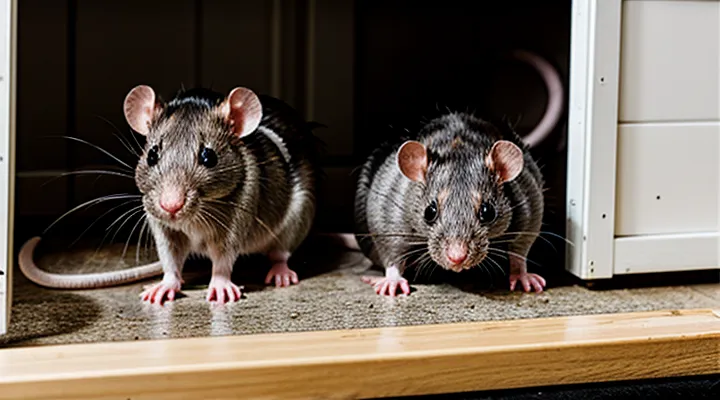
Understanding Rat Biology
The Nature of Rat Fur
Fur Growth Cycle
Rats possess a distinct fur growth cycle that determines the frequency and pattern of hair loss. The cycle consists of three phases:
- Anagen (growth) – cells in the hair follicle proliferate, producing new shaft length. In rats, this phase lasts 2–3 weeks, varying with age and nutrition.
- Catagen (transition) – growth halts, the follicle shrinks, and the lower portion regresses. This short stage (approximately 2–3 days) prepares the follicle for shedding.
- Telogen (rest) – the follicle remains dormant while the old hair is retained. After 4–7 days, the follicle re‑enters anagen, and the old hair is displaced.
Because the telogen period is brief, rats do not exhibit the prolonged, seasonal shedding seen in many mammals. Hair loss appears as isolated clumps rather than a continuous molt, dispelling the common belief that rats shed their coats in bulk. Environmental stressors, hormonal shifts, or health issues can extend the telogen phase, resulting in noticeably increased hair loss.
Understanding the timing of each phase clarifies why regular grooming of pet rats removes loose hairs without indicating a true “shedding season.” Proper diet, stress reduction, and health monitoring keep the cycle within normal limits, preventing excessive hair loss that might otherwise be misinterpreted as a mythic shedding event.
Factors Affecting Fur Health
Rats maintain a coat that reflects overall health; several variables directly influence fur condition and shedding patterns. Nutrition provides the building blocks for keratin production. Deficiencies in protein, essential fatty acids, vitamins A, E, and biotin often result in dull, brittle hair and increased loss. Genetic background determines baseline coat density and growth cycle length; some strains naturally exhibit denser fur and slower turnover. Environmental factors such as ambient temperature and humidity affect the skin’s moisture balance. Low humidity accelerates dryness, prompting premature shedding, while excessive heat can trigger a rapid molt to regulate body temperature.
Stressors—including overcrowding, frequent handling, or abrupt changes in routine—activate the hypothalamic‑pituitary‑adrenal axis, releasing cortisol that disrupts hair follicle cycling. Parasites (mites, fleas) and skin infections create inflammation, leading to localized hair loss. Hygiene practices matter; dirty bedding and accumulated urine increase bacterial load, compromising skin integrity. Age also matters: juveniles grow rapidly, shedding frequently, whereas older rats may experience thinning due to reduced cellular turnover.
Key factors affecting fur health
- Balanced diet rich in protein and essential nutrients
- Genetic predisposition of the specific strain
- Stable temperature and adequate humidity levels
- Minimal chronic stress and consistent handling routine
- Regular parasite control and prompt treatment of skin conditions
- Clean living environment with frequent bedding changes
- Monitoring of age‑related changes and adjusting care accordingly
Understanding these determinants clarifies why some rats appear to shed more than others, separating observable fur loss from myth‑based assumptions. Proper management of each factor sustains a healthy coat and reduces unnecessary shedding.
Debunking the Myth: Do Rats Shed?
Common Misconceptions About Rat Fur Loss
The Difference Between Shedding and Molting
Rats do not shed hair in the same manner as many other mammals. Their fur loss occurs primarily through a process called molting, which involves the replacement of old hair with new growth. Shedding, by contrast, refers to the continuous, often seasonal, loss of individual hairs without a coordinated renewal cycle. Understanding this distinction clarifies common misconceptions about rat grooming and health.
Key differences between shedding and molting in rats:
- Biological trigger – Molting is hormonally driven and usually synchronized across the coat; shedding is a passive response to irritation, stress, or environmental factors.
- Pattern of loss – Molting produces a uniform thinning of the coat that progresses over weeks; shedding results in isolated patches or single hairs falling out.
- Duration – A complete molt may last several weeks to months, while shedding episodes are typically brief, occurring over days.
- Physiological purpose – Molting renews the entire fur layer, supporting temperature regulation and skin health; shedding does not serve a regenerative function, often indicating a reaction to an external stimulus.
Rats experiencing abnormal hair loss that does not follow the described molting pattern should be examined for health issues such as parasites, nutritional deficiencies, or dermatological conditions. Proper identification of the underlying process assists owners and veterinarians in delivering appropriate care.
Why Some Animals Shed And Others Don't
Shedding refers to the periodic loss of hair, feathers, or skin layers that many vertebrates undergo to replace worn structures, regulate temperature, and adapt to environmental changes. The process is governed by hormonal cycles, genetic programming, and external cues such as photoperiod and temperature.
Factors influencing shedding include:
- Hormonal regulation – thyroid hormones and cortisol trigger follicular activity.
- Photoperiod – shorter days stimulate molting in many seasonal mammals.
- Temperature – heat stress accelerates hair turnover in desert‑adapted species.
- Nutritional status – protein deficiency can delay or impair shedding.
Species that retain a continuous coat exhibit a different follicular pattern. Their hair follicles remain in an anagen (growth) phase for prolonged periods, resulting in minimal or absent seasonal shedding. Examples are certain rodents, marine mammals, and some tropical birds, whose habitats provide stable thermal conditions that eliminate the selective pressure for periodic molting.
Rats illustrate the distinction clearly. Their fur does not undergo a pronounced seasonal molt; instead, individual hairs are shed and replaced continuously throughout the year. This steady turnover contradicts the popular belief that rats experience a dramatic shedding event analogous to seasonal fur loss in larger mammals.
Understanding the physiological drivers of shedding clarifies why some animals display conspicuous molt cycles while others maintain a relatively constant coat. The divergence stems from evolutionary adaptations to climate, life history, and metabolic demands rather than a universal shedding mechanism shared by all species.
Reality of Rat Fur Maintenance
Normal Fur Loss in Rats
Seasonal Changes
Rats are often accused of shedding fur seasonally, yet scientific observation shows that their coat changes are driven by temperature and photoperiod rather than a dramatic loss of hair. In cooler months, the undercoat thickens, providing insulation; in warmer periods, the undercoat thins, allowing heat dissipation. The visible effect is a modest increase in loose hairs, not the extensive shedding seen in some other mammals.
Key physiological responses to seasonal variation include:
- Activation of melanocyte‑stimulating hormone, which regulates hair growth cycles.
- Shift from anagen (growth) to telogen (rest) phases as ambient temperature declines.
- Hormonal adjustments that alter the density of guard hairs versus downy fur.
Field studies of laboratory and wild populations confirm that hair loss peaks during the transition from winter to spring, coinciding with the cessation of the thick winter coat. The amount of detached hair remains low, typically less than 5 % of total fur mass, insufficient to support the myth of frequent, noticeable shedding. Consequently, seasonal coat adjustments explain the occasional appearance of hair fragments without implying a dramatic shedding process.
Age-Related Fur Thinning
Rats experience a gradual reduction in coat density as they age, a process distinct from the seasonal shedding often attributed to them. The decline results from decreased activity of hair follicle stem cells, which limits the production of new hair shafts. Older rodents also show a higher proportion of telogen (resting) follicles, extending the interval before regrowth occurs.
Key physiological changes associated with age‑related fur thinning include:
- Reduced keratinocyte proliferation within the follicular matrix.
- Diminished blood flow to the dermal papilla, limiting nutrient delivery.
- Altered hormone levels, particularly lower growth hormone and insulin‑like growth factor‑1, which regulate follicle cycling.
Environmental factors can exacerbate the condition. Chronic exposure to low humidity, inadequate nutrition, or persistent stress elevates cortisol, further suppressing follicular activity. Providing a diet rich in protein, essential fatty acids, and vitamins A and E helps maintain follicle health, though it cannot reverse the intrinsic age‑related decline.
Veterinary observations confirm that older rats may develop visible patches of sparse fur, especially on the back and flanks. These patches do not indicate disease in the absence of lesions, inflammation, or parasite infestation. Routine health checks should focus on skin integrity and overall condition rather than interpreting thinning fur as a sign of shedding pathology.
Abnormal Fur Loss: Causes and Concerns
Parasites and Skin Conditions
Rats do not regularly lose patches of skin as some owners claim. Observations of flaking or crusty fur often stem from external agents rather than a natural shedding process.
Parasites commonly found on laboratory and pet rats include:
- Mites – cause intense itching, red papules, and visible specks moving on the coat.
- Fleas – produce small, dark spots on the skin and occasional blood spots on bedding.
- Lice – generate fine, white nits attached to hair shafts and localized inflammation.
Skin conditions unrelated to parasites appear as:
- Dermatitis – inflammation triggered by irritants, resulting in swelling, redness, and occasional oozing.
- Fungal infections – present as circular, scaly lesions that may expand if untreated.
- Dry or brittle fur – linked to nutritional deficiencies, low humidity, or excessive grooming, leading to flaking that mimics shedding.
Distinguishing factors:
- Parasite activity produces movement, bite marks, or localized hair loss, whereas genuine shedding would involve uniform, gradual hair thinning without accompanying lesions.
- Dermatological disorders generate consistent patterns of redness or scaling, often confined to specific body regions.
Effective management requires:
- Regular health examinations to detect ectoparasites early.
- Prompt treatment with approved acaricides or insecticides when parasites are confirmed.
- Addressing skin disorders through appropriate topical or systemic medications and environmental adjustments such as humidity control and balanced diet.
The evidence confirms that apparent “shedding” in rats is largely attributable to parasites and skin ailments, not to a natural loss of fur.
Nutritional Deficiencies
Rats often lose fur, but the extent of shedding frequently reflects nutritional status rather than mythic expectations. Deficiencies in specific nutrients disrupt the hair growth cycle, leading to premature telogen entry, visible thinning, and irregular patches.
Key dietary gaps that manifest as abnormal shedding include:
- Protein shortage – insufficient amino acids limit keratin synthesis, weakening hair shafts.
- Essential fatty acid deficit – omega‑3 and omega‑6 insufficiency reduces skin oil production, causing dry, brittle fur.
- Vitamin A lack – impairs epidermal cell turnover, resulting in dull coats and increased breakage.
- Biotin (vitamin B7) deficiency – hampers keratin assembly, producing sparse, fragile hair.
- Zinc insufficiency – disrupts follicular matrix function, leading to patchy loss.
Correcting these imbalances restores normal follicular activity. Balanced rodent diets typically contain 18–22 % protein, adequate essential fatty acids, and fortified vitamins and minerals. Supplementation should follow veterinary guidance to avoid excesses that can provoke other health issues.
Empirical observations confirm that rats receiving nutritionally complete feed exhibit regular, low‑volume shedding consistent with healthy molting cycles. Conversely, animals on restricted or homemade diets lacking the listed nutrients display the erratic fur loss often misattributed to mythic shedding patterns.
Stress and Behavioral Issues
Rats rarely lose fur in the dramatic fashion often portrayed in popular media. When a rodent appears to shed, the underlying cause is usually stress‑induced grooming or a health problem, not a natural seasonal molt. Elevated cortisol levels trigger excessive licking, which removes hair and may create visible patches on the coat.
Typical stressors for pet rats include overcrowding, sudden changes in environment, inconsistent handling, and inadequate enrichment. Observable behavioral signs accompany fur loss:
- Repetitive grooming or biting at specific body areas
- Withdrawal from social interaction with cage mates
- Decreased activity, frequent hiding, or lethargy
- Aggressive bites or unusually timid responses to handling
Addressing these issues requires stable housing conditions, regular mental stimulation, and a predictable routine. Providing nesting material, tunnels, and chew toys reduces anxiety, while gradual introduction of new stimuli prevents abrupt cortisol spikes. Monitoring coat condition alongside behavior offers a reliable indicator of a rat’s welfare, allowing timely veterinary assessment when hair loss persists.
Caring for Your Rat's Coat
Promoting Healthy Fur Growth
Diet and Nutrition
Rats shed fur in response to physiological and environmental cues, and diet exerts a measurable influence on this process. Nutrient composition determines skin health, hair growth cycles, and the rate at which old fur is replaced.
Protein provides the amino acids required for keratin synthesis. Diets lacking adequate quality protein can produce brittle hair and irregular shedding patterns. Essential fatty acids, particularly omega‑3 and omega‑6, maintain the moisture balance of the epidermis; deficiency often leads to dry skin and excessive fur loss. Vitamins A, D, and E support epidermal turnover and antioxidant protection, reducing abnormal shedding triggered by oxidative stress.
Key dietary elements affecting rat coat condition:
- High‑quality protein (10–15 % of total calories) from animal sources.
- Balanced omega‑3/omega‑6 ratio (approximately 1:4) through fish oil or flaxseed supplementation.
- Vitamin mix including A, D₃, and E at levels recommended for laboratory rodents.
- Adequate minerals such as zinc and selenium, which participate in hair follicle function.
- Consistent feeding schedule to avoid metabolic fluctuations that can disturb hair cycles.
Excessive carbohydrate intake may elevate insulin levels, indirectly promoting hormonal changes that accelerate the shedding phase. Conversely, over‑supplementation of certain nutrients, especially fat‑soluble vitamins, can induce toxicity, leading to skin lesions and abnormal fur loss.
In practice, evaluating a rat’s diet involves measuring feed composition, monitoring body condition, and observing coat quality. Adjustments should be made gradually, observing the impact on shedding frequency and fur integrity over several weeks.
Grooming Practices
Rats maintain their coats through continuous self‑grooming, a behavior that directly influences the amount of hair observed in their environment. Unlike seasonal shedders, rats do not undergo distinct molting periods; instead, they replace individual hairs as they become worn or damaged. This ongoing process results in a relatively steady, low‑level loss of fur rather than occasional large deposits.
Key aspects of rat grooming:
- Self‑licking: Rats use their tongues to remove loose hairs, debris, and parasites. The action also spreads natural oils that keep the fur pliable.
- Mutual grooming: Social rats frequently clean each other’s heads and backs, distributing oils throughout the colony and reducing localized hair loss.
- Bathing behavior: Rats may briefly roll in dust or water, which assists in dislodging detached hairs but does not produce a noticeable shedding event.
- Health indicators: Excessive fur loss often signals skin infection, nutritional deficiency, or hormonal imbalance, not normal grooming.
Understanding these practices clarifies why the presence of rat hair in a habitat is typically minimal and continuous, dispelling the myth of periodic, heavy shedding. Proper cage hygiene—regular cleaning of bedding and monitoring of grooming health—remains the most effective strategy for managing fur accumulation.
When to Consult a Vet
Signs of Excessive or Abnormal Fur Loss
Rats experiencing abnormal fur loss display distinct physical and behavioral indicators. Visible signs include:
- Localized bald patches, especially on the head, back, or tail base.
- Uniform thinning of the coat, giving a ragged appearance.
- Red or inflamed skin, often accompanied by scabs or crusted lesions.
- Excessive hair shedding in bedding, cages, or surrounding surfaces.
Behavioral clues reinforce visual assessment:
- Persistent scratching or gnawing at the fur.
- Repeated grooming that results in self‑trauma.
- Reluctance to move, indicating discomfort or pain.
These symptoms frequently correlate with underlying conditions such as ectoparasite infestations, fungal infections, nutritional deficiencies, hormonal imbalances, or chronic stress. Prompt veterinary evaluation is essential to identify the cause and implement targeted treatment, preventing further deterioration of the coat and overall health.