
Understanding Reproductive Cycles in Mammals
The Menstrual Cycle in Humans and Primates
Key Characteristics
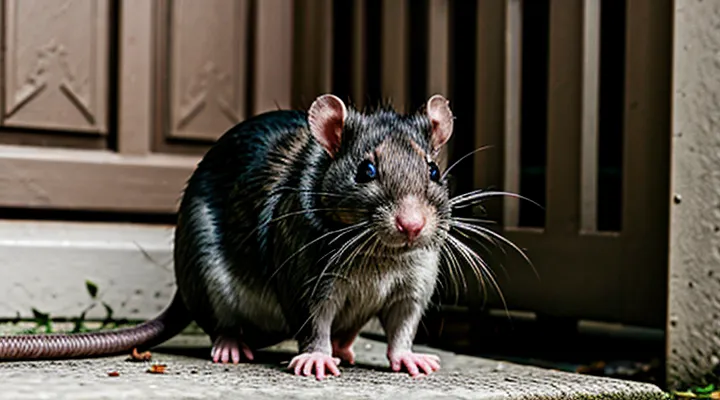
Rats reproduce through an estrous cycle rather than a menstrual cycle; the uterine lining is reabsorbed instead of being shed, and no external bleeding occurs.
- Cycle duration averages 4–5 days in adult females.
- Four sequential phases: proestrus (rising estrogen, follicular development), estrus (peak estrogen, ovulation, sexual receptivity), metestrus (post‑ovulatory rise in progesterone), diestrus (progesterone dominance, luteal maintenance).
- Hormonal profile: estrogen peaks during proestrus and estrus; progesterone rises after ovulation and remains elevated through metestrus and diestrus.
- Vaginal cytology shifts predictably: predominance of nucleated epithelial cells in proestrus, cornified cells in estrus, leukocytes in metestrus and diestrus.
Uterine histology shows a thickened endometrium during proestrus and estrus, followed by stromal remodeling and resorption during metestrus and diestrus; no menstrual sloughing occurs.
Estrous timing governs experimental design: synchronization of mating, drug administration, and physiological measurements requires precise identification of the estrus stage, typically via vaginal smear analysis.
Hormonal Regulation
Rats do not undergo a menstrual cycle; instead, they exhibit an estrous cycle that is governed by a precise hormonal cascade. The hypothalamus releases gonadotropin‑releasing hormone (GnRH) in a pulsatile pattern, which stimulates the anterior pituitary to secrete luteinizing hormone (LH) and follicle‑stimulating hormone (FSH). These pituitary hormones regulate ovarian activity, producing fluctuations in estrogen and progesterone that define the four phases of the estrous cycle: proestrus, estrus, metestrus, and diestrus.
Key aspects of hormonal regulation in this system include:
- GnRH pulsatility – determines the relative secretion of LH and FSH.
- LH surge – triggers ovulation during proestrus.
- FSH rise – supports follicular development and estrogen synthesis.
- Estrogen peak – promotes sexual receptivity and prepares the uterine lining.
- Progesterone increase – follows ovulation, stabilizes the uterine environment for potential implantation.
Feedback mechanisms maintain cycle stability. Rising estrogen exerts positive feedback on GnRH and LH release, while later progesterone provides negative feedback to suppress further GnRH pulses until the next cycle. Disruption of any component—such as altered GnRH frequency or abnormal LH/FSH ratios—can arrest the cycle or produce anovulatory states, underscoring the tightly controlled nature of hormonal regulation in rodent reproductive physiology.
Phases of the Menstrual Cycle
The menstrual cycle consists of a repeatable sequence of physiological events that prepares the uterus for potential implantation. It is divided into four distinct phases, each characterized by specific hormonal patterns and tissue responses.
- Menstrual Phase – Shedding of the functional endometrial lining occurs as estrogen and progesterone levels fall sharply. Bleeding typically lasts 3–7 days.
- Follicular Phase – Rising estrogen stimulates the growth of ovarian follicles. The endometrium regenerates, becoming thicker and more vascularized. This phase spans roughly days 1–14, ending with the surge of luteinizing hormone.
- Ovulation – A brief, mid‑cycle event triggered by the luteinizing hormone peak. The dominant follicle releases a mature oocyte, and estrogen reaches its maximum.
- Luteal Phase – Formation of the corpus luteum elevates progesterone, stabilizing the regenerated endometrium for possible embryo implantation. If fertilization does not occur, progesterone declines, leading back to the menstrual phase. This stage lasts about 14 days.
In rodents, the reproductive cycle differs fundamentally; females exhibit an estrous cycle rather than a menstrual cycle, lacking the endometrial shedding characteristic of the phases described above. Consequently, the question of whether rats possess a menstrual cycle is resolved by recognizing that their reproductive physiology follows a distinct pattern.
The Estrous Cycle in Other Mammals
Definition and Purpose
The inquiry concerns whether rodents experience a menstrual cycle comparable to that of primates. In mammals, a menstrual cycle is a series of hormonal and physiological events that culminate in the shedding of the uterine lining if fertilization does not occur. Rats, however, undergo an estrous cycle, a distinct reproductive pattern in which the endometrium is reabsorbed rather than expelled.
Definition
- Menstrual cycle: cyclic alteration of the endometrium, characterized by menstruation, ovulation, and hormonal fluctuations.
- Estrous cycle: cyclic change in the reproductive tract of non‑menstruating species, marked by phases (proestrus, estrus, metestrus, diestrus) without menstrual bleeding.
Purpose
- Regulate timing of ovulation to maximize reproductive success.
- Coordinate hormonal signals that prepare the uterus for potential implantation.
- In rats, the estrous cycle’s reabsorption mechanism conserves nutrients and maintains uterine integrity, reflecting an adaptation to the species’ reproductive strategy.
Thus, the term “menstrual cycle” does not apply to rats; their reproductive timing is governed by the estrous cycle, which serves the same fundamental biological objectives—synchronizing ovulation with optimal conditions for fertilization and gestation—through a different physiological process.
Stages of the Estrous Cycle
Rats reproduce through an estrous cycle rather than a menstrual cycle. The cycle lasts approximately four to five days and progresses through four distinct stages, each characterized by specific hormonal profiles and physiological signs.
-
Proestrus – Rising estrogen levels stimulate ovarian follicle development. Vaginal cytology shows a predominance of nucleated epithelial cells. This stage prepares the animal for ovulation and typically lasts 12–14 hours.
-
Estrus – Peak estrogen triggers the luteinizing hormone surge, leading to ovulation. Vaginal smears contain mainly cornified epithelial cells, giving a “wet” appearance. Estrus endures 12–14 hours, during which the female is sexually receptive.
-
Metestrus – Post‑ovulatory decline in estrogen and rise in progesterone mark this transitional phase. Cytology reveals a mix of cornified cells and leukocytes. Metestrus lasts about 12 hours.
-
Diestrus – Progesterone dominates, supporting the corpus luteum. Vaginal samples contain primarily leukocytes. This is the longest stage, lasting 48–72 hours, and prepares the uterus for possible implantation.
The rapid succession of these stages explains why rats do not exhibit menstrual bleeding; instead, they shed the uterine lining internally without external discharge. Understanding each phase provides a clear framework for interpreting reproductive status in laboratory and breeding contexts.
Hormonal Control and Behavioral Changes
Rats do not undergo a true menstrual cycle; their estrous cycle is driven by a precise hormonal cascade that governs ovulation and associated behaviors. Estrogen rises sharply during proestrus, triggering a surge of luteinizing hormone (LH) that initiates ovulation. After ovulation, progesterone dominates the metestrus and diestrus phases, suppressing further estradiol release until the next cycle. This hormonal rhythm repeats every four to five days in adult females.
The hormonal fluctuations produce distinct behavioral patterns. During proestrus, females display increased locomotor activity, heightened exploration of novel environments, and a pronounced attraction to male pheromones. In estrus, receptivity peaks, and females readily accept mounting attempts. Metestrus and diestrus are marked by reduced activity, decreased social interaction, and a preference for nesting behavior. Male rats respond to these signals, altering courtship intensity and aggression levels in accordance with the female’s hormonal state.
Key points summarizing hormonal control and behavioral outcomes:
- Estrogen surge → LH peak → ovulation (proestrus)
- Progesterone dominance → suppression of estradiol (metestrus/diestrus)
- Proestrus: elevated locomotion, exploratory drive, male‑attractant behavior
- Estrus: maximal sexual receptivity, increased mating attempts
- Metestrus/diestrus: lowered activity, increased nesting, reduced social contact
Understanding this endocrine‑behavioral link clarifies why rats lack menstruation yet exhibit a tightly regulated reproductive schedule that directly shapes their daily actions.
Rat Reproductive Physiology
The Estrous Cycle in Rats
Duration and Frequency
Rats do not undergo a menstrual cycle; they follow an estrous cycle that repeats regularly. The entire cycle lasts approximately four to five days, divided into distinct phases: proestrus, estrus, metestrus, and diestrus. Each phase has a specific hormonal profile that prepares the animal for possible conception.
- Cycle length: 4 – 5 days total.
- Frequency: Occurs continuously throughout the breeding season, with females capable of entering a new cycle shortly after ovulation.
- Estrus (the fertile window): Lasts about 12 – 14 hours, during which ovulation and mating are most likely.
- Inter‑cycle interval: After estrus, the next proestrus begins within a day, maintaining the rapid turnover of the cycle.
In laboratory settings, researchers monitor these intervals to predict optimal breeding times and to align experimental procedures with specific hormonal states. The short duration and high frequency distinguish rodent reproductive physiology from the monthly menstrual cycles observed in primates.
Hormonal Fluctuations
Rats do not undergo menstruation; instead, they follow an estrous cycle driven by predictable hormonal changes. The cycle lasts approximately four to five days and consists of distinct phases marked by fluctuations in estrogen, progesterone, luteinizing hormone (LH), and follicle‑stimulating hormone (FSH).
- Proestrus: Rapid rise in estrogen prepares the reproductive tract for ovulation; LH surge begins.
- Estrus: Peak LH triggers ovulation; progesterone remains low.
- Metestrus: Post‑ovulatory increase in progesterone supports potential implantation; estrogen declines.
- Diestrus: Sustained progesterone maintains uterine environment; both estrogen and LH return to baseline.
These hormonal patterns differ from the human menstrual cycle, where a prolonged luteal phase and menstrual bleeding follow ovulation. In rats, the absence of endometrial shedding reflects the species‑specific regulation of reproductive hormones. Understanding these fluctuations clarifies why rats cannot be used as direct models for menstrual physiology, despite sharing many endocrine mechanisms with other mammals.
Behavioral Indicators
Rats do not experience a menstrual cycle comparable to that of primates, yet their estrous cycle produces hormonal fluctuations that manifest as distinct behaviors. Observing these patterns provides the most reliable indirect evidence of reproductive status.
Typical behavioral markers include:
- Increased activity in the early proestrus phase, often expressed as heightened exploration of novel environments.
- Elevated aggression toward conspecifics during estrus, especially when a female is presented with a male.
- Receptive posture (lordosis) in females when a male approaches, indicating readiness to mate.
- Frequent scent‑marking and urine deposition, which intensify during the fertile window.
- Changes in nesting behavior, such as more meticulous construction or increased time spent in the nest during diestrus.
These indicators, recorded systematically, allow researchers to infer the timing of hormonal peaks without direct measurement of menstrual-like bleeding, which rats do not exhibit.
Vaginal Cytology as a Diagnostic Tool
Vaginal cytology provides a reliable, non‑invasive means of determining the reproductive phase in laboratory rats, thereby addressing the question of whether these rodents undergo a menstrual‑type cycle. Unlike humans, rats exhibit an estrous cycle that repeats every four to five days; the cycle can be distinguished by characteristic changes in vaginal epithelial cell composition.
During sample collection, a sterile saline wash is applied to the vaginal opening, and the fluid is transferred onto a microscope slide. After rapid staining, the slide reveals one of several dominant cell types:
- Cornified squamous cells: indicate the proestrus or estrus phase, when estrogen peaks and ovulation occurs.
- Nucleated epithelial cells: signify metestrus, reflecting a transition from high to low estrogen levels.
- Leukocytes: dominate during diestrus, the luteal phase when progesterone is prevalent.
The proportion of these cells changes predictably across the cycle, allowing researchers to assign a specific stage with accuracy exceeding 90 % when observations are made at consistent times of day. This precision supports experimental designs that require synchronization of hormonal status, such as studies on fertility, endocrine disruptors, or behavioral assays.
Because the method relies on microscopic identification rather than hormonal assays, it reduces costs and processing time while maintaining high reproducibility. Proper technique—gentle lavage, immediate fixation, and standardized staining—minimizes variability and ensures that the cytological profile reflects the true physiological state of the animal.
In summary, vaginal cytology serves as an essential diagnostic tool for mapping the rapid estrous fluctuations in rats, thereby clarifying that these animals do not experience a menstrual cycle comparable to humans but follow a distinct, regularly observable pattern detectable through cellular analysis.
Distinguishing Between Menstrual and Estrous Cycles
Key Differences
Rats do not undergo a menstrual cycle; their reproductive rhythm follows an estrous pattern. The estrous cycle lacks the endometrial shedding that defines menstruation in primates.
- Cycle length: rats complete a cycle in 4–5 days, whereas the human menstrual cycle averages 28 days.
- Hormonal profile: rats exhibit a brief estrogen surge during proestrus followed by a rapid rise in progesterone; humans display a prolonged luteal phase with sustained progesterone before menstruation.
- Uterine response: rat endometrium remodels without shedding, reabsorbing tissue each cycle; human endometrium is expelled as menstrual blood.
- Visible bleeding: rats show no external bleeding during any phase; humans experience a regular bleed marking the start of a new cycle.
- Reproductive frequency: rats are polyestrous, cycling continuously throughout the year; humans typically have a single menstrual episode per month with seasonal variations.
These distinctions reflect fundamental differences in mammalian reproductive strategies. Understanding them clarifies why rats serve as models for estrous‑related research rather than for studying human menstrual physiology.
Evolutionary Perspectives
Rats reproduce through an estrous cycle rather than a menstrual cycle, a pattern shared by most mammals in the order Rodentia. Evolutionary biology explains this difference by linking reproductive strategy to ecological pressures and phylogenetic history.
The estrous cycle is characterized by a brief period of sexual receptivity (estrus) followed by a phase of luteal hormone secretion without external shedding of the uterine lining. In contrast, a menstrual cycle includes spontaneous decidual breakdown and shedding of the endometrium, which requires substantial energetic investment. For small, short‑lived species such as rats, rapid breeding cycles and high litter numbers favor the more efficient estrous pattern. Energy that would be spent on endometrial regeneration is redirected toward producing multiple offspring within a brief breeding season.
Key evolutionary factors influencing the rat’s reproductive mode include:
- Body size and metabolic rate: Small mammals have high metabolic demands; minimizing costly uterine remodeling conserves resources.
- Predation pressure: Short gestation and frequent litters increase the chance of offspring survival despite high predation risk.
- Phylogenetic inertia: Ancestral rodents evolved estrous cycles before the divergence of primates, which later adopted menstruation as a response to different selective pressures (e.g., prolonged gestation and reduced litter size).
Comparative data show that menstruation appears primarily in primates and a few other lineages where prolonged implantation and extensive maternal investment are advantageous. Rats, lacking these traits, retain the ancestral estrous system, which aligns with their ecological niche and reproductive timetable.
Thus, from an evolutionary standpoint, the absence of a menstrual cycle in rats reflects adaptive optimization for rapid, high‑output reproduction in environments where conserving energy and maximizing offspring number confer survival benefits.
Implications for Research
Rats as Models in Reproductive Biology
Advantages of Using Rats
Rats serve as a primary model for reproductive research because their physiology allows precise manipulation and rapid data collection. Their short gestation period, high litter size, and well‑characterized genome enable large‑scale studies of hormonal regulation, embryonic development, and disease mechanisms that would be impractical in larger mammals.
- Genetic tools: CRISPR, transgenic lines, and knockout strains facilitate direct investigation of genes implicated in reproductive function.
- Cost efficiency: Housing, feeding, and care expenses are substantially lower than for primates or livestock, allowing extensive experimental replicates.
- Ethical accessibility: Regulatory frameworks permit more invasive procedures, providing detailed insight into tissue morphology and molecular pathways.
- Reproductive cycle clarity: Although rats do not experience menstruation, their estrous cycle is regular and easily monitored through vaginal cytology, offering a reliable framework for timing interventions and sampling.
- Translational relevance: Many endocrine and metabolic pathways are conserved between rodents and humans, making findings applicable to human reproductive health, including conditions linked to menstrual irregularities.
The combination of genetic tractability, economical maintenance, and a well‑defined estrous pattern positions rats as an indispensable resource for elucidating the mechanisms underlying female reproductive cycles, even when the specific phenomenon of menstruation is absent in the species.
Research Applications
Research on the presence or absence of a menstrual-like cycle in rats informs several experimental domains. Clarifying rat reproductive physiology enables precise selection of animal models for studies that require cyclic hormonal fluctuations comparable to human menstruation. When rats are shown to lack true menstruation but exhibit estrous cycles, researchers adjust protocols to align hormonal timing with experimental endpoints.
Key applications include:
- Endocrine disruption testing: Accurate mapping of the estrous phase allows toxicologists to schedule exposure and sampling at predictable hormone peaks, improving detection of endocrine‑active compounds.
- Pharmacokinetic and pharmacodynamic studies: Drugs targeting menstrual‑related pathways can be evaluated in rats by correlating dosage schedules with specific estrous stages, enhancing translational relevance.
- Genetic and molecular investigations: Gene‑editing projects that manipulate genes involved in uterine shedding or cyclic remodeling benefit from a clear baseline of rat reproductive cycling.
- Comparative reproductive biology: Data on rat cyclicity provide a reference point for cross‑species analyses, aiding the identification of conserved mechanisms underlying menstrual disorders.
- Behavioral neuroscience: Hormone‑dependent behavioral assays, such as anxiety or pain sensitivity tests, rely on precise knowledge of the estrous timeline to control for hormonal influences.
By integrating detailed cycle characterization into experimental design, scientists increase reproducibility, reduce variability, and strengthen the link between rodent findings and human menstrual health research.
Ethical Considerations
Research on rodent reproductive physiology demands strict adherence to ethical standards. Investigators must demonstrate that the study addresses a genuine scientific gap and cannot be resolved by non‑animal methods. Institutional review boards evaluate the necessity of using rats for this line of inquiry before granting approval.
- Experimental design should employ the smallest number of animals required to achieve statistical validity.
- Procedures must incorporate anesthesia or analgesia to eliminate pain whenever feasible.
- Housing conditions must meet species‑specific enrichment criteria, ensuring normal behavior and welfare.
- Humane endpoints are defined in advance; animals are removed from the study at the first sign of distress or disease.
- Alternatives such as in vitro models, computational simulations, or data from existing literature are considered and, when adequate, replace animal use.
- Documentation of all methods, results, and adverse events is maintained for transparency and reproducibility.
Researchers bear responsibility for ongoing monitoring, prompt reporting of welfare concerns, and compliance with national and international regulations governing animal research. Ethical conduct safeguards both the integrity of scientific findings and the moral obligations owed to laboratory animals.