
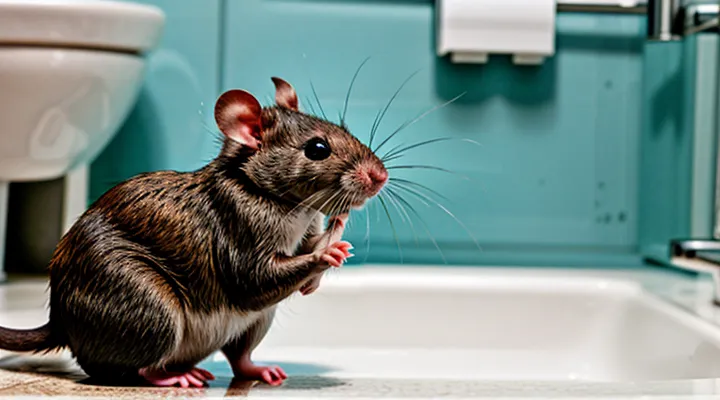
The Surprising Cleanliness of Rats
Grooming Behaviors and Techniques
Self-Grooming Rituals
Rats engage in regular self‑grooming to maintain coat condition and skin health. The behavior occurs several times a day, often after feeding or exposure to dust.
Typical actions include:
- Licking fur with the tongue to remove debris and distribute natural oils.
- Using forepaws to scrape and smooth the hair, especially around the head and neck.
- Chewing at the base of the tail to prevent matting.
- Scratching the back with hind limbs to reach areas the forepaws cannot access.
These routines serve three primary functions:
- Elimination of ectoparasites and loose particles.
- Restoration of the waterproofing layer provided by sebaceous secretions.
- Regulation of body temperature through evaporative cooling.
Young rats begin grooming within the first week of life, copying adult patterns observed in the nest. Adult individuals increase grooming frequency during periods of heightened stress or after contact with contaminated surfaces. Laboratory observations confirm that rats deprived of grooming opportunities develop skin lesions and increased parasite loads, underscoring the necessity of the behavior for overall health.
Mutual Grooming in Colonies
Rats engage in cooperative grooming, a behavior observed throughout colony life. Individuals use their forepaws and teeth to remove debris, parasites, and skin flakes from conspecifics, extending personal hygiene to the group. This activity occurs most frequently during resting periods, when social proximity increases and external threats are low.
Key aspects of mutual grooming include:
- Parasite control: Direct removal of ectoparasites reduces infestation rates for both groomer and recipient.
- Skin health: Elimination of dead cells and secretions prevents buildup that could foster bacterial growth.
- Social bonding: Repeated grooming exchanges reinforce hierarchical relationships and mitigate aggression.
- Disease transmission mitigation: By clearing contaminants before they spread, the colony lowers overall pathogen load.
Observational studies report that dominant rats initiate grooming more often, while subordinates receive the majority of attention. Grooming bouts typically last 5–15 seconds, with intervals of 30–60 seconds between interactions. In dense colonies, the cumulative effect of these short sessions accounts for a measurable reduction in external parasite counts compared with solitary housing.
Laboratory experiments demonstrate that colonies deprived of grooming opportunities exhibit higher incidences of fur loss, skin lesions, and increased stress hormone levels. Reintroduction of grooming partners restores normal grooming frequencies and reverses most adverse health indicators within a week.
Overall, mutual grooming functions as a collective hygiene strategy, enhancing individual well‑being and maintaining colony stability.
Water and Dust Baths
Rats maintain body condition through two distinct grooming strategies: immersion in water and participation in dust baths. Both methods serve specific physiological and behavioral functions.
-
Water immersion occurs when rats encounter a liquid source, such as a bowl, pet water dispenser, or accidental spill. The animal submerges its body, allowing fur to become saturated. After removal, the rat vigorously shakes and rubs its coat against solid surfaces, expelling excess moisture and debris. This process reduces skin irritation, eliminates parasites that cannot survive prolonged wetness, and restores thermoregulation after exposure to heat.
-
Dust bathing involves the rat rolling or burrowing in dry substrate, typically fine sand, corncob bedding, or shredded paper. The animal covers its body with particles, then vigorously flicks and brushes the material off. The dust adheres to oil and loose skin cells, facilitating their removal without water. Additionally, the abrasive action dislodges ectoparasites, such as mites and fleas, and reduces fungal spore load.
Comparative observations indicate that water bathing is less frequent in typical laboratory or domestic settings due to limited access to clean liquid sources, whereas dust bathing is readily performed when appropriate dry material is provided. Both behaviors complement regular self‑grooming, which includes licking and nibbling of fur. Absence of either environmental stimulus can lead to increased parasite burden, skin lesions, and compromised fur integrity. Providing a shallow water dish and a dry dusting substrate ensures that rats can execute both hygiene mechanisms effectively.
Why Rats Prioritize Hygiene
Health Benefits of Regular Grooming
Preventing Parasites and Skin Issues
Rats rely on frequent grooming to remove debris and control microbial load, yet parasites and skin disorders can develop when hygiene breaks down. Effective prevention requires a combination of environmental management, nutritional support, and direct grooming assistance.
Common ectoparasites affecting rats include:
- Mites – cause intense itching and hair loss.
- Fleas – transmit bacterial agents and irritate skin.
- Lice – lead to localized inflammation.
- Ticks – attach to fur and feed on blood, potentially spreading disease.
Internal parasites such as pinworms may also manifest as perianal irritation and coat deterioration.
Preventive actions:
- Maintain a clean cage – change bedding weekly, spot‑clean daily, and disinfect surfaces with a rodent‑safe solution.
- Control humidity – keep relative humidity between 40‑60 % to deter mite proliferation.
- Quarantine newcomers – observe for at least two weeks before integration, treating any detected parasites promptly.
- Provide balanced nutrition – diets rich in omega‑3 fatty acids support skin integrity and immune function.
- Facilitate grooming – offer chew toys and grooming brushes; handle rats gently to allow inspection of the coat and skin.
Skin issues to monitor include dermatitis, fungal infections, dry patches, and excessive scratching. Early signs are redness, scabbing, hair loss, or crust formation. Prompt veterinary evaluation, combined with topical antiseptics or antifungal agents, reduces the risk of secondary infections.
Regular health checks, combined with strict cage hygiene and targeted nutrition, create conditions that minimize parasite infestations and preserve healthy skin in pet rats.
Maintaining Fur and Body Temperature
Rats continuously groom their fur to preserve insulation and regulate body temperature. By removing dirt, parasites, and excess oils, they maintain the integrity of the hair coat, which traps a layer of air close to the skin. This trapped air reduces heat loss in cold environments and prevents overheating when ambient temperatures rise.
The grooming process also distributes sebaceous secretions evenly across the fur. These secretions create a waterproof barrier that limits moisture penetration, preserving the fur’s insulating properties. When moisture accumulates, rats increase licking frequency to dry the coat, thereby restoring thermal efficiency.
Thermoregulatory benefits stem from the relationship between fur condition and metabolic heat production. A well‑kept coat allows rats to rely on passive insulation rather than elevating metabolic rate, conserving energy. Conversely, a matted or dirty coat forces higher metabolic output to maintain core temperature, which can affect growth and reproductive performance.
Key mechanisms include:
- Licking and nibbling: removes debris and aligns hair shafts.
- Cheek pouch cleaning: clears food residues that could spoil fur near the face.
- Self‑rubbing against surfaces: spreads saliva, enhancing waterproofing.
Overall, meticulous fur care directly supports temperature stability, enabling rats to thrive across a broad range of environmental conditions.
Social and Communicative Aspects
Scent Marking and Communication
Rats maintain colony cohesion through a sophisticated system of scent marking that complements their grooming behavior. Specialized glands—such as the flank, dorsal, and preputial glands—produce secretions rich in volatile compounds. When a rat rubs its body against surfaces, it deposits these chemicals, creating a chemical map of territory and social status.
The deposited odors convey multiple messages. They identify the individual, signal reproductive readiness, and indicate hierarchy within the group. Recipients detect the cues with a highly developed olfactory system, allowing rapid assessment of nearby conspecifics without direct contact.
Key functions of scent marking include:
- Territory delineation: marks define the boundaries of a nest or foraging area, reducing accidental incursions.
- Social buffering: shared scents reinforce group identity and reduce aggression during encounters.
- Reproductive signaling: pheromonal patterns fluctuate with estrus cycles, guiding mate selection.
Research demonstrates that disruption of scent trails—through cleaning agents or environmental changes—leads to increased exploratory activity and heightened stress markers, underscoring the integral role of chemical communication in rat hygiene and social stability.
Dominance and Submission Displays
Rats establish social order through a series of dominance and submission signals that directly influence grooming patterns. Dominant individuals often receive grooming from subordinates, while they allocate less time to self‑cleaning. Subordinate rats reciprocate by grooming the dominant’s head, ears, and whiskers, reinforcing hierarchy and reducing the need for personal grooming bouts.
The hierarchy also dictates the frequency of communal cleaning. In stable groups, dominant rats initiate group grooming sessions, prompting subordinates to follow and spread saliva‑borne antimicrobial agents throughout the colony. When a new rat challenges the hierarchy, aggressive displays such as upright posture, tail flicking, and vocalizations interrupt grooming cycles, temporarily increasing the risk of pathogen accumulation.
Key behaviors linking social rank to hygiene:
- Head‑to‑body grooming by subordinates – transfers protective secretions to the dominant’s fur.
- Group grooming initiation – led by the alpha, synchronizes cleaning across the group.
- Aggressive posturing – halts grooming, elevates stress hormones, and can suppress immune function.
- Submission gestures – crouching and tail‑tucking invite grooming from higher‑ranking individuals.
Understanding these displays clarifies why rat colonies maintain relatively low parasite loads despite limited individual cleaning. Social dominance structures allocate grooming responsibilities, ensuring that the most vulnerable members receive the greatest hygienic support.
Factors Influencing Rat Cleanliness
Environmental Impact
Importance of a Clean Habitat
Rats maintain health and prevent disease by keeping their surroundings free of waste, mold, and parasites. A tidy enclosure reduces the risk of respiratory infections, skin irritations, and digestive problems caused by contaminated food or bedding. Regular removal of droppings and soiled material also limits ammonia buildup, which can impair lung function and diminish overall vitality.
Key benefits of a clean habitat include:
- Lower incidence of bacterial and fungal growth.
- Decreased attraction of external pests such as mites and flies.
- Stable temperature and humidity levels, preventing mold proliferation.
- Enhanced effectiveness of grooming behavior, allowing rats to focus on coat maintenance rather than debris removal.
Clean environments also support accurate behavioral observation. When excess waste is eliminated, researchers and caretakers can more readily assess activity patterns, social interactions, and signs of illness, leading to timely interventions.
Maintaining hygiene requires routine tasks: spot‑cleaning daily, full substrate changes weekly, and disinfecting cages and accessories monthly. Using absorbent, dust‑free bedding and providing enclosed food containers further limits contamination sources. Consistent application of these practices sustains optimal health, promotes natural grooming efficiency, and prolongs the lifespan of captive rats.
Effects of Unsanitary Conditions
Rats rely on frequent grooming to control parasites, remove debris, and maintain skin integrity. When environmental cleanliness deteriorates, grooming efficiency declines, leading to measurable health consequences.
- Increased skin lesions: accumulated waste and moisture create breeding grounds for bacteria, resulting in ulcerations and dermatitis.
- Respiratory infections: dust, mold, and fecal particles elevate aerosolized pathogen loads, provoking bronchitis and pneumonia.
- Gastrointestinal disorders: ingestion of contaminated fur or bedding introduces harmful microbes, causing dysbiosis, diarrhea, and malabsorption.
- Reproductive impairment: chronic exposure to unsanitary conditions disrupts hormone balance, reducing fertility and litter viability.
- Behavioral stress: persistent odor and grime elevate cortisol levels, prompting aggression, reduced exploration, and impaired social bonding.
Laboratory studies demonstrate that rats housed in dirty enclosures exhibit a 45 % rise in bacterial colony counts on skin surfaces compared with clean‑housing controls. Parallel field observations report higher prevalence of Leptospira and Salmonella in populations residing in cluttered burrows. These findings underscore the direct link between environmental hygiene and rodent health outcomes, reinforcing the necessity of regular sanitation to support effective self‑maintenance.
Individual Rat Variations
Age and Health Considerations
Rats devote a substantial portion of their daily routine to grooming, yet the efficiency and frequency of this behavior shift noticeably with age and physiological condition. Juvenile rats, typically under eight weeks old, engage in short, frequent grooming bouts that focus on maintaining fur integrity for thermal regulation and social signaling. Their rapid metabolism and high activity levels support swift removal of debris and parasites, reducing the likelihood of skin infections.
Adult rats, ranging from two months to one year, exhibit longer grooming sessions that target both external fur and facial whiskers. At this stage, grooming serves to balance coat health with energy expenditure, as metabolic rates decline relative to juveniles. Healthy adults demonstrate consistent self‑cleaning patterns, whereas individuals with compromised immune function—such as those experiencing respiratory infections, diabetes, or malnutrition—show reduced grooming duration and increased grooming gaps, leading to higher parasite loads and skin lesions.
Senior rats, beyond twelve months, display the most pronounced decline in grooming behavior. Age‑related musculoskeletal degeneration limits reach, and sensory deficits impair detection of contaminants. Consequently, older rats rely more heavily on environmental cleanliness and caretaker assistance to prevent dermatological problems. Common health issues that exacerbate grooming deficiencies include:
- Chronic respiratory disease (e.g., Mycoplasma pulmonis) – impairs stamina for extended grooming.
- Dental malocclusion – restricts ability to grasp fur during cleaning.
- Obesity – reduces mobility, limiting access to rear body regions.
- Arthritis – diminishes joint flexibility, shortening grooming reach.
Monitoring grooming frequency and coat condition provides a practical indicator of a rat’s overall health status. Deviations from age‑appropriate grooming patterns should prompt veterinary evaluation to address underlying medical concerns and adjust husbandry practices accordingly.
Breed-Specific Grooming Habits
Rats exhibit distinct grooming routines that vary between breeds. Understanding these differences clarifies overall rodent cleanliness and informs proper care.
- Fancy rats (Rattus norvegicus domestica): Frequently engage in short, rapid strokes using their forepaws to remove debris from the face and whiskers. Grooming sessions last 5–10 minutes, occurring several times daily. Tail fur receives occasional attention, but the primary focus remains on the head and forelimbs.
- Lab rats (Rattus norvegicus albinos): Prioritize limb cleaning, using hind paws to reach the hindquarters. Their coat, often thinner due to genetic selection, requires less intensive brushing, leading to shorter grooming intervals of 3–5 minutes.
- Wild-type rats (Rattus rattus): Perform extensive full‑body grooming, incorporating both fore‑ and hind‑paw motions. Sessions can extend up to 15 minutes, with emphasis on tail and hind leg fur to remove parasites commonly encountered in outdoor environments.
- Dumbo rats (Rattus norvegicus with enlarged ears): Allocate additional time to ear cleaning, using the thumb and index finger to dislodge dirt from the enlarged pinnae. This habit reduces the risk of ear infections that are more prevalent in this morphology.
Breed-specific grooming patterns reflect adaptations to coat density, ear size, and habitat exposure. Regular observation of these behaviors allows caretakers to detect deviations that may signal health issues, such as skin lesions or ectoparasite infestations. Adjusting environmental enrichment—providing appropriate nesting material and safe grooming surfaces—supports each breed’s natural cleaning routine.
Distinguishing Clean Rats from Pests
Signs of a Healthy, Well-Groomed Rat
Shiny Coat and Alert Demeanor
Rats maintain a glossy fur and a vigilant posture through regular self‑grooming. Each grooming session removes debris, distributes natural oils, and aligns hair fibers, producing a reflective coat that signals physiological well‑being.
Frequent licking of the body and tail spreads sebaceous secretions across the pelage. The forepaws assist in removing tangles and parasites, while the mouth reaches hard‑to‑access areas such as the ears and whisker bases. These actions prevent matting, reduce bacterial load, and preserve the coat’s luster.
A shiny coat reduces the risk of skin infections, which in turn sustains the animal’s energy levels. Healthy skin and fur support rapid sensory response; a well‑maintained coat does not hinder movement, allowing the rat to remain alert and react swiftly to threats.
Typical grooming actions and their outcomes:
- Licking – distributes oils, enhances shine, removes surface contaminants.
- Forepaw nibbling – detangles hair, eliminates ectoparasites, preserves fur integrity.
- Facial grooming – cleans whiskers, maintains tactile sensitivity, contributes to alert behavior.
- Tail cleaning – prevents buildup of waste, retains coat uniformity, aids balance during rapid movements.
Consistent grooming therefore directly produces the characteristic glossy appearance and the heightened alertness observed in healthy rodents.
Absence of Odor
Rats achieve a near‑odorless exterior by combining regular self‑grooming with physiological traits that limit scent production. Their grooming routine removes debris, skin oils, and excretions that could generate detectable smells. Saliva, applied during licking, contains enzymes that break down odor‑causing compounds, while the frequent use of forepaws spreads this cleaning agent across the fur.
Key factors that suppress odor include:
- Frequent licking – eliminates waste particles before they dry and emit volatile compounds.
- Whisker and facial grooming – clears secretions from scent glands located around the nose and cheeks.
- Urinating in designated spots – reduces the spread of urine odor across the body coat.
- Low sebaceous activity – produces less oily residue that bacteria could decompose into malodorous substances.
- Microbial balance – skin flora in rats favor species that do not produce strong odors.
These behaviors create an environment where potential odor sources are constantly removed or neutralized, resulting in the characteristic lack of smell observed in healthy laboratory and wild rodents.
When a Rat's Hygiene Indicates a Problem
Matted Fur and Unkempt Appearance
Rats groom themselves several times a day, using their teeth and forepaws to remove debris and distribute natural oils. When grooming is interrupted or ineffective, fur can become tangled and form mats, giving the animal an unkempt appearance.
Common factors that produce matted fur include:
- Limited access to clean surfaces or grooming tools.
- Overgrown whiskers or fur caused by hormonal imbalances.
- Skin conditions such as dermatitis or fungal infections.
- Poor nutrition that reduces oil production and fur elasticity.
- Stressful environments that suppress normal grooming behavior.
Matted fur poses several health risks. Tight knots pull on the skin, leading to abrasions and inflammation. Accumulated debris creates a habitat for mites and lice, increasing parasite load. Severe matting restricts movement, especially around the hind limbs, and may impair thermoregulation.
Effective prevention and treatment require regular observation and maintenance. Caregivers should:
- Provide nesting material that encourages self‑grooming.
- Offer a balanced diet rich in essential fatty acids.
- Inspect the coat weekly for early signs of tangling.
- Gently separate small mats with a fine‑toothed comb or a damp cloth.
- Seek veterinary assistance for persistent or extensive matting, as underlying health issues may need medical intervention.
Signs of Illness or Distress
Rats maintain their coats through regular self‑grooming, but deviations from normal grooming patterns often signal health problems. Observers should watch for the following indicators:
- Sparse or patchy fur – loss of hair in localized areas or overall thinning suggests skin infection, parasites, or nutritional deficiency.
- Excessive grooming – repetitive licking or nibbling of a single spot can indicate pain, irritation, or external parasites.
- Neglected coat – a dull, unkempt appearance, with visible dirt or debris, points to reduced activity, illness, or stress.
- Bleeding or sores – open wounds, scabs, or crusted lesions on the fur or skin require immediate veterinary assessment.
- Abnormal odor – strong, foul smells from the body or bedding often accompany infections or gastrointestinal issues.
- Changes in behavior – lethargy, reduced exploration, or withdrawal from social interaction frequently accompany discomfort that interferes with grooming.
When any of these signs appear, prompt veterinary evaluation is essential to diagnose underlying conditions and restore the rat’s hygiene routine.