
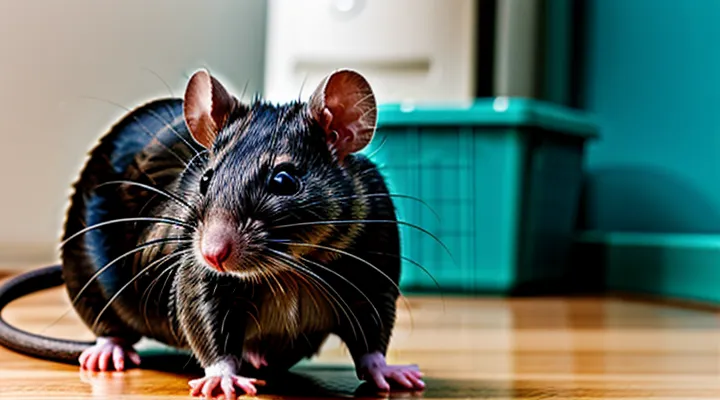
Pet Rat Health: An Overview
Common Rat Ailments
Respiratory Issues
Respiratory disease dominates health concerns for domesticated rats, shaping the decision‑making process around immunization.
Common agents include:
- Mycoplasma pulmonis – primary cause of chronic respiratory infection.
- Streptococcus pneumoniae – secondary bacterial invader.
- Bordetella bronchiseptica – occasional opportunist.
Typical clinical signs are nasal discharge, audible wheezing, labored breathing, and reduced activity. Rapid onset of these symptoms often signals bacterial involvement, while clear, watery secretions suggest a viral component.
Transmission occurs through direct contact, shared bedding, and aerosolized droplets. Overcrowding, abrupt temperature shifts, and high stress levels amplify susceptibility. Quarantine of new arrivals for at least two weeks interrupts pathogen entry.
Preventive strategies focus on husbandry rather than vaccination, because no licensed rat vaccines exist. Effective measures are:
- Daily cleaning of cages and accessories.
- Providing stable ambient temperature (18‑24 °C).
- Limiting group sizes to reduce crowding.
- Maintaining low stress through consistent handling and enrichment.
When respiratory illness develops, veterinary care typically involves targeted antibiotics, supportive fluids, and environmental adjustments such as humidified air. Early intervention shortens disease duration and lowers mortality risk.
In the absence of species‑specific vaccines, controlling respiratory pathogens through rigorous sanitation, stress reduction, and prompt medical treatment remains the primary safeguard for pet rats.
Tumors and Cancers
Pet rats are not routinely immunized against infectious diseases, yet they are prone to neoplastic conditions that owners must recognize. Tumors in rats appear more frequently than infectious outbreaks, and vaccination does not prevent their development.
Common neoplasms include:
- Mammary adenocarcinoma – aggressive, often metastasizes to lungs and liver.
- Fibrosarcoma – originates in connective tissue, can infiltrate surrounding structures.
- Hepatocellular carcinoma – primary liver tumor, associated with chronic liver damage.
- Lymphoma – malignant proliferation of lymphoid cells, may involve spleen, thymus, or peripheral lymph nodes.
Risk factors for these cancers involve genetics, age, diet, and exposure to carcinogens such as certain bedding materials or contaminated food. Early detection relies on regular physical examinations, palpation of subcutaneous masses, and observation of changes in behavior or weight.
Diagnostic protocols typically employ:
- Physical assessment and measurement of suspicious masses.
- Imaging techniques (ultrasound, radiography) to evaluate internal involvement.
- Histopathological analysis of biopsy samples for definitive classification.
Therapeutic options are limited. Surgical excision offers the best chance of local control for accessible tumors, while chemotherapy and radiation are rarely employed due to the small size and rapid metabolism of rats. Palliative care, including analgesics and nutritional support, improves quality of life when curative treatment is unavailable.
Because vaccination does not influence tumor incidence, owners should prioritize routine health monitoring, environmental hygiene, and a balanced diet to mitigate cancer risk in pet rats.
Parasites
Pet rats commonly encounter internal and external parasites that can affect their health and influence vaccination strategies.
- Internal parasites: Hymenolepis nana (dwarf tapeworm), Syphacia muris (mouse pinworm), Trichuris muris (whipworm), Eimeria spp. (coccidia).
- External parasites: Myobia musculi (mouse mite), Demodex spp. (fur mites), fleas, lice.
These organisms cause gastrointestinal distress, weight loss, dermatitis, and immunosuppression. Immunosuppression reduces vaccine efficacy and may increase the risk of adverse reactions. Consequently, parasite control is a prerequisite for successful immunization programs in pet rats.
Effective parasite management includes routine fecal examinations, targeted anthelmintic treatments, regular grooming, and environmental sanitation. Implementing these measures before administering vaccines ensures optimal immune response and minimizes complications.
Understanding Vaccinations
How Vaccines Work
Vaccines protect companion rats by preparing the immune system to recognize specific pathogens without causing disease. The process begins when a vaccine introduces a harmless form of an antigen—often a killed microorganism, a protein fragment, or a genetically engineered component. Immune cells capture the antigen, process it, and display fragments on their surface for recognition by lymphocytes.
- Antigen‑presenting cells activate helper T‑cells.
- Helper T‑cells stimulate B‑cells to produce antibodies specific to the pathogen.
- Some B‑cells differentiate into memory cells that persist long after the initial exposure.
- Memory cells enable a rapid, amplified response if the real pathogen invades, preventing illness or reducing severity.
These mechanisms reduce the need for therapeutic treatment and limit the spread of infectious agents within a household or breeding environment. In rats, common vaccine‑preventable diseases include salmonellosis and certain viral infections; immunization programs target these threats based on veterinary guidelines and risk assessments. By establishing immunological memory, vaccines provide a reliable barrier that maintains the health of pet rats and minimizes zoonotic risks to their owners.
Types of Vaccines
Vaccines available for companion rodents fall into several categories, each defined by the method used to stimulate immunity.
- Live‑attenuated vaccines contain weakened pathogens that replicate briefly, prompting a strong, long‑lasting response. They are rare for rats because the risk of reversion to virulence outweighs benefits.
- Inactivated (killed) vaccines use pathogens rendered non‑viable by heat or chemicals. The immune reaction is weaker than with live strains, requiring booster doses; they are the most common format for experimental rat vaccines against bacterial agents such as Mycoplasma pulmonis.
- Subunit vaccines include only specific proteins or polysaccharides from the target organism. This approach reduces adverse reactions and is employed in research vaccines targeting rat coronavirus or hantavirus antigens.
- Recombinant vector vaccines deliver genetic material encoding protective antigens via harmless carrier viruses or bacteria. They are under investigation for preventing rat hepatitis‑like diseases.
- DNA vaccines introduce plasmids that instruct host cells to produce pathogen proteins, eliciting cellular and humoral immunity. Early trials have examined DNA constructs for Salmonella control in laboratory rats.
Selection of a vaccine type depends on the pathogen’s biology, the safety profile required for a pet, and regulatory approval status. Currently, licensed commercial vaccines for pet rats are limited; most available products are experimental formulations used by veterinary researchers or specialty clinics.
Vaccinations for Pet Rats: The Current Landscape
Availability of Rat Vaccines
Vaccines specifically formulated for pet rats are not widely marketed. Most commercial vaccine manufacturers focus on species with larger veterinary demand, leaving rat immunizations to specialty providers. Availability therefore depends on a few channels:
- Veterinary compounding pharmacies can create off‑label formulations, often adapting vaccines approved for other rodents (e.g., murine coronavirus or Mycoplasma pulmonis vaccines) under a veterinarian’s prescription.
- Research‑oriented suppliers, such as Charles River Laboratories or Envigo, distribute experimental vaccines for laboratory rats. These products may be obtained for pet use only with a veterinary recommendation and adherence to local regulations.
- University veterinary schools sometimes maintain small inventories of rodent vaccines for teaching purposes; requests are evaluated on a case‑by‑case basis.
- Online specialty retailers list rat‑specific immunizations, but supply is irregular and prices are higher than standard small‑animal vaccines.
Regulatory status varies by jurisdiction. In many regions, rat vaccines lack FDA or EMA approval for companion animals, classifying them as investigational or compounded drugs. Veterinarians must assess risk‑benefit ratios before prescribing, and owners should verify the source’s compliance with veterinary pharmacy standards. Consequently, while rat vaccines exist, their distribution is limited to specialized channels rather than mainstream pet‑care outlets.
Diseases Preventable by Vaccination
Pet rats are vulnerable to several viral and bacterial infections that can be controlled through immunization. Effective vaccines reduce morbidity, limit outbreaks in multi‑rat households, and protect public health by preventing zoonotic transmission.
Vaccines commonly recommended for laboratory and pet rodents target the following diseases:
- Rats coronavirus (RCV) – causes respiratory distress, nasal discharge, and weight loss; vaccination lowers incidence and severity.
- Mycoplasma pulmonis – induces chronic respiratory disease; immunization curtails bacterial colonization and secondary infections.
- Salmonella spp. – can lead to septicemia and gastrointestinal upset; vaccination reduces bacterial shedding and zoonotic risk.
- Clostridium difficile – associated with enteric disease; vaccine diminishes toxin production and clinical signs.
- Klebsiella pneumoniae – responsible for pneumonia; immunization decreases bacterial load in the respiratory tract.
Implementing a vaccination schedule, typically beginning at six weeks of age with booster doses, aligns with veterinary guidelines and enhances the overall health of pet rats.
Risks and Benefits of Vaccination
Pet rat owners often evaluate whether immunization is appropriate for their animals. Veterinary vaccines target diseases such as Mycoplasma pulmonis, rat coronavirus, and Salmonella, which can cause severe respiratory or gastrointestinal illness.
Benefits
- Reduced incidence of vaccine‑preventable infections
- Lower mortality rates during outbreaks
- Decreased risk of transmission to other pets or humans
- Shorter recovery periods and reduced need for intensive treatment
Risks
- Localized inflammation or swelling at the injection site
- Transient fever, lethargy, or loss of appetite lasting 24–48 hours
- Rare allergic reactions that may require medical intervention
- Potential interference with ongoing clinical trials or breeding programs
The decision to vaccinate should balance the high protective value against the relatively low frequency of adverse effects. Consultation with a qualified exotic‑animal veterinarian provides the most reliable assessment of individual risk factors and disease exposure.
Expert and Veterinary Opinions
Veterinary specialists generally agree that routine vaccinations are not a standard requirement for domestic rats. The species’ short lifespan and low incidence of vaccine‑preventable diseases reduce the cost‑benefit of immunization programs commonly applied to dogs or cats.
Professional guidelines from the American Veterinary Medical Association and the International Society for Laboratory Animal Sciences emphasize that preventive care for pet rats focuses on sanitation, proper nutrition, and regular health examinations rather than inoculations. When a veterinarian recommends a vaccine, it is typically in response to a confirmed outbreak of a specific pathogen, such as Mycoplasma pulmonis, within a confined population.
Key points from expert statements:
- Vaccines are reserved for research colonies or breeding facilities with documented disease exposure.
- Individual pet rats rarely encounter the pathogens targeted by commercial rodent vaccines.
- Immunization can cause adverse reactions, including injection site inflammation and stress‑induced anorexia.
- Veterinary assessment should prioritize parasite control, environmental enrichment, and early detection of respiratory or gastrointestinal illness.
Maintaining Your Pet Rat's Health
Preventive Care Strategies
Proper Diet
A balanced diet is the primary factor influencing a rat’s immune competence. High‑quality protein from sources such as cooked chicken, eggs, or commercial rat chow provides the amino acids needed for antibody production. Adequate calcium and phosphorus, supplied by plain yogurt, low‑fat cheese, or specialized rodent supplements, support bone health and metabolic processes that affect vaccine efficacy.
Essential vitamins and minerals must be present in each meal. Vitamin C, absent in standard rat diets, should be added through small amounts of fresh bell pepper or fortified supplements to prevent scurvy and enhance leukocyte function. B‑complex vitamins, particularly B12 and folate, are critical for DNA synthesis in rapidly dividing immune cells; they are found in liver, fortified cereals, and commercial mixes.
Fiber contributes to gastrointestinal health, reducing stress‑related immunosuppression. Include a daily portion of timothy hay, plain oats, or shredded wheat. Fresh water must be available at all times; dehydration impairs mucosal barriers and diminishes vaccine response.
Key components of an optimal rat diet
- Protein: 15‑20 % of calories, sourced from lean meats or high‑protein rodent pellets.
- Calcium/phosphorus ratio: approximately 1.2 : 1, achieved with dairy or mineral supplements.
- Vitamins: C (30‑50 mg/kg diet), B‑complex (adequate levels via fortified foods).
- Fiber: 5‑7 % of diet, from hay and whole grains.
- Water: constant access, clean and fresh.
Consistently meeting these nutritional standards reduces susceptibility to infectious diseases, thereby decreasing the frequency of immunizations required for pet rats.
Clean Environment
A well‑maintained habitat significantly lowers the incidence of infectious diseases in companion rats, thereby influencing the need for routine immunizations. Regular removal of waste, disinfection of cage surfaces, and replacement of soiled bedding prevent bacterial and viral proliferation that could otherwise trigger outbreaks requiring vaccine intervention.
Key practices for a sanitary environment include:
- Daily spot‑cleaning to eliminate urine and feces.
- Weekly full cage cleaning with a mild, non‑abrasive disinfectant approved for rodents.
- Use of absorbent, dust‑free bedding changed at least twice a week.
- Provision of fresh water and food in sealed containers to avoid contamination.
- Periodic inspection of ventilation and filtration systems to ensure adequate airflow.
Consistently applying these measures maintains a low pathogen load, reduces stress on the animal’s immune system, and minimizes reliance on preventive vaccinations.
Regular Veterinary Check-ups
Regular veterinary examinations are essential for maintaining the health of pet rats and provide a framework for evaluating vaccination needs. A veterinarian can assess immunity status, identify disease risk, and recommend appropriate preventive measures.
Typical check‑up intervals are:
- Initial exam within two weeks of acquisition.
- Follow‑up visits every six months for adult rats.
- Quarterly examinations for breeding colonies or rats with known health issues.
During each appointment the clinician examines:
- Body condition and weight fluctuations.
- Dental alignment and wear patterns.
- Respiratory sounds and nasal discharge.
- Skin integrity, fur quality, and any lesions.
- Blood work to detect infections, organ function, and antibody levels.
Early detection of conditions such as respiratory infections, gastrointestinal disturbances, or metabolic disorders reduces treatment complexity and improves recovery rates. Regular assessments also allow timely administration of vaccines when indicated, ensuring that immunization schedules align with the individual rat’s health profile.
Recognizing Signs of Illness
Pet rats can develop a range of health problems that may be prevented or mitigated by immunization, making early detection of disease essential. Recognizing abnormal behavior or physical changes enables timely veterinary intervention, which is especially critical when vaccination status is unknown or incomplete.
Key indicators of illness include:
- Reduced activity, lethargy, or reluctance to explore
- Loss of appetite, weight loss, or failure to gain weight
- Respiratory distress such as wheezing, sneezing, or labored breathing
- Discharge from eyes, nose, or ears, especially if thick or colored
- Abnormal stool—diarrhea, blood, or mucus
- Skin lesions, hair loss, or excessive scratching
- Changes in grooming habits or a noticeably unkempt appearance
- Unusual vocalizations, especially high-pitched squeaks indicating pain
When any of these signs appear, isolate the affected rat to prevent potential spread, then consult a veterinarian experienced with rodents. Diagnostic tests may confirm infections that vaccines could have prevented, underscoring the value of a comprehensive immunization program for pet rats. Prompt treatment based on observed symptoms improves recovery odds and reduces the risk of outbreaks within a colony.
When to Seek Veterinary Care
Pet rats are prone to infectious and non‑infectious conditions; timely veterinary intervention prevents complications and supports recovery. Recognizing critical health changes is essential for owners who incorporate immunization into routine care.
- rapid weight loss or inability to maintain body condition
- labored breathing, wheezing, or nasal discharge
- uncontrolled bleeding from any site, including the nose or gums
- purulent or bloody urine, feces, or vaginal secretions
- marked lethargy, unresponsiveness, or loss of coordination
- sudden loss of appetite or refusal to drink water
- skin ulcerations, abscesses, or unexplained hair loss
- aggressive or unusually fearful behavior
- known exposure to sick rodents or contaminated environments
- swelling, hives, or severe itching following a vaccine injection
Immediate veterinary assessment is required for respiratory distress, uncontrolled bleeding, severe swelling, or collapse. Moderate signs such as noticeable lethargy, loss of appetite, or localized swelling should prompt a visit within 24 hours. Routine examinations are advisable after completing a vaccination series or before initiating booster doses to verify proper immune response and overall health.