
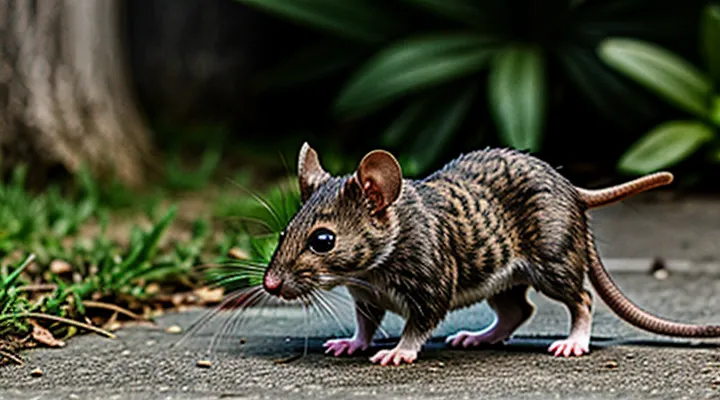
Understanding Rabies
What is Rabies?
Rabies is an acute viral encephalitis caused by members of the Lyssavirus genus, most commonly the rabies virus (Rabies lyssavirus). The pathogen targets the central nervous system, leading to progressive inflammation, dysfunction, and ultimately death if untreated.
Transmission occurs through the saliva of infected mammals, typically via bites, scratches, or mucosal contact with open wounds. Reservoir species vary by region; in many parts of the world, wild carnivores such as bats, foxes, and raccoons maintain the virus, while domestic dogs are the primary source of human cases in areas with low vaccination coverage.
The disease progresses through three clinical phases:
- Prodromal phase: fever, malaise, and localized pain or paresthesia at the exposure site.
- Excitative (furious) phase: agitation, hypersalivation, hydrophobia, aerophobia, and seizures.
- Paralytic (dumb) phase: progressive paralysis beginning at the site of the bite and spreading centripetally, culminating in coma.
Diagnosis relies on detecting viral antigens or nucleic acids in saliva, cerebrospinal fluid, or skin biopsies, often supplemented by serological testing for virus‑specific antibodies.
Post‑exposure prophylaxis (PEP) combines immediate wound cleansing, administration of rabies immunoglobulin for severe exposures, and a series of rabies vaccines on days 0, 3, 7, and 14 (or 28). Timely PEP prevents viral replication and almost eliminates the risk of fatal disease.
Prevention strategies focus on controlling rabies in animal reservoirs through vaccination campaigns, restricting contact with wildlife, and educating the public about safe animal handling. Routine immunization of domestic pets and livestock reduces spill‑over events to humans and other species.
Understanding the virology, transmission routes, clinical presentation, and preventive measures provides a factual basis for evaluating claims about rabies occurrence in specific animals, such as rodents, and dispels misconceptions that arise from anecdotal reports.
How is Rabies Transmitted?
The Rabies Virus
The rabies virus belongs to the genus Lyssavirus within the family Rhabdoviridae. It is an enveloped, single‑stranded RNA virus approximately 180 nm in length, with a helical nucleocapsid and a bullet‑shaped morphology that facilitates attachment to neuronal membranes.
Transmission occurs through the saliva of infected mammals, most commonly via bites. The virus exhibits a broad host range, infecting carnivores, bats, and many placental mammals. Small rodents, including mice, are rarely natural reservoirs; they seldom develop clinical rabies after exposure.
Once introduced, the virus replicates at the wound site before entering peripheral nerves. Retrograde axonal transport carries the pathogen to the central nervous system, where it induces encephalitis. The incubation period varies with species, inoculation site, and viral load, typically spanning weeks to months.
Experimental studies show that laboratory mice can be infected by high‑dose inoculation, producing fatal neurologic disease. However, field observations report an exceedingly low incidence of rabies in wild mouse populations. Natural infections are considered accidental and do not sustain transmission cycles.
Key points about the rabies virus:
- Enveloped, negative‑sense RNA genome.
- Bullet‑shaped virion facilitates neuronal entry.
- Primary transmission via saliva of infected mammals.
- Incubation period: weeks to months, depending on species and exposure.
- High susceptibility in laboratory mice under controlled infection, but negligible occurrence in wild mouse populations.
Understanding the virus’s biology clarifies that mice are not common vectors of rabies, dispelling the misconception that rodent bites frequently pose a rabies risk.
Modes of Transmission
Rabies can reach mice through several well‑documented pathways. Direct exposure to infected saliva is the primary route; a bite or scratch from a rabid animal deposits virus particles into the wound, allowing immediate entry into peripheral nerves. Secondary transmission occurs when mice ingest contaminated material, such as carcasses or droppings that contain viable virus, although this route is less efficient because the virus must survive the gastrointestinal environment. Rarely, aerosolized rabies virus can infect rodents in confined spaces with high viral loads, a scenario documented in laboratory settings but uncommon in natural habitats. Indirect contact via ectoparasites, such as fleas or ticks, does not transmit rabies because the virus does not replicate within these vectors.
- Bite or scratch from a rabid mammal
- Ingestion of infected tissue or fluids
- Inhalation of aerosolized virus in high‑concentration environments
- Contact with contaminated surfaces, followed by self‑inoculation (rare)
Understanding these mechanisms clarifies why rabies cases in mice are exceptionally infrequent. The virus relies on neural pathways for spread, and the brief lifespan and limited social interactions of mice reduce opportunities for successful transmission. Consequently, while mice can become infected, the risk to humans and other animals remains minimal compared with more common reservoirs such as raccoons, bats, and foxes.
Rabies in Wildlife
Common Rabies Vectors
Mammals Prone to Rabies
Mice are rarely implicated in rabies transmission, yet several mammalian groups regularly sustain the virus and pose a public‑health risk. Understanding which species are most susceptible clarifies misconceptions about rodent involvement and guides preventive measures.
Rabies persists primarily in carnivorous and chiropteran mammals. These animals maintain the virus through bite‑induced inoculation, grooming, or aggressive encounters. Their ecological habits—nocturnal activity, territorial aggression, and close contact with humans or domestic pets—facilitate spillover events.
Commonly affected mammals include:
- Bats (particularly insectivorous and fruit‑eating species) – primary reservoir in many regions.
- Raccoons – frequent carriers in North America’s eastern and central zones.
- Skunks – significant vectors across the United States and Canada.
- Foxes – primary source in rural Europe and parts of Asia.
- Coyotes – increasingly reported in western North America.
- Domestic dogs – historically the leading source of human cases worldwide.
- Domestic cats – frequent victims of wildlife bites, occasionally transmitting the virus.
- Wild carnivores such as wolves, jackals, and feral mustelids – occasional carriers in specific locales.
Rodents, including mice, house rats, and squirrels, exhibit low susceptibility. Laboratory studies show that infection in these species often results in rapid death without sufficient viral replication to enable transmission. Consequently, epidemiological data rarely list rodents as rabies reservoirs.
The concentration of rabies in the groups above reflects both biological factors—such as robust neural pathways for viral spread—and behavioral patterns that increase contact rates. Control programs target these species through vaccination of domestic animals, oral bait vaccines for wildlife, and public education on avoiding bites.
By recognizing the mammals most prone to rabies, stakeholders can allocate resources effectively, reduce human exposure, and dispel the myth that common house mice serve as a significant rabies threat.
Geographic Distribution
The presence of rabies in wild rodents, including mice, is extremely limited worldwide. Surveillance data from national health agencies and the World Health Organization show that confirmed cases of rabies infection in mice are rare and usually linked to laboratory exposure rather than natural transmission.
Geographic patterns reflect the overall distribution of rabies reservoirs:
- North America: sporadic reports of laboratory‑derived infections; no evidence of endemic mouse rabies.
- Europe: isolated incidents in research facilities; wild mouse populations are not recognized as carriers.
- Asia: occasional detections in regions with high canine rabies prevalence, but mice are not identified as primary hosts.
- Africa and South America: extensive rabies activity in carnivores and bats; mouse involvement is undocumented in field studies.
The limited geographic occurrence underscores that mice are not a significant vector for rabies in any region. Public health risk assessments therefore focus on established reservoirs such as dogs, bats, and wild carnivores rather than on murine species.
Rabies Prevalence in Mice and Rodents
Historical Data and Research
Historical observations of rabies in rodents date to the late 1800s, when veterinarians reported isolated cases of laboratory mice developing neurologic signs after exposure to infected carnivores. Early necropsies described encephalitic lesions similar to those in classic rabies, yet the incidence remained anecdotal and lacked systematic verification.
Mid‑20th‑century research introduced controlled infection trials. In the 1940s, a series of experiments inoculated Mus musculus with fixed rabies strains; mortality rates hovered between 5 % and 15 % depending on viral dose and route of administration. Subsequent studies in the 1960s refined these findings, demonstrating that peripheral inoculation produced limited viral replication and that mice rarely transmitted the virus to other mammals.
Epidemiological surveys conducted by public‑health agencies in the 1970s and 1980s examined wild rodent populations across North America and Europe. Thousands of trapped mice were tested using fluorescent antibody techniques; the proportion testing positive for rabies virus antigen never exceeded 0.02 %. Parallel serological assessments revealed negligible antibody prevalence, indicating minimal natural exposure.
Recent molecular investigations, employing PCR and next‑generation sequencing, have confirmed the scarcity of rabies virus RNA in field‑collected Mus specimens. A 2015 meta‑analysis of 12 peer‑reviewed studies reported a pooled prevalence of 0.001 % across diverse habitats, reinforcing the view that mice are exceptionally unlikely reservoirs.
Key points derived from the historical record:
- Early case reports were isolated and lacked reproducibility.
- Controlled laboratory infections show low susceptibility and limited transmissibility.
- Large‑scale field surveys consistently document near‑zero prevalence.
- Modern molecular diagnostics corroborate the rarity of natural infection.
Collectively, the evidence base demonstrates that the myth of mice as common rabies carriers is unsupported by empirical data. The species’ role in rabies ecology remains marginal, confined to experimental contexts rather than natural disease cycles.
Low Risk Factors for Mice
Mice rarely serve as carriers of rabies, and several factors keep the risk to humans exceptionally low.
- Small body size limits the volume of saliva that can be transferred during a bite.
- Typical mouse behavior avoids aggressive encounters with larger mammals, reducing exposure opportunities.
- Natural habitats of mice—indoor walls, attics, and fields—are often separated from domestic pets that could act as vectors.
- Laboratory and pet mouse populations are generally screened for pathogens, further lowering infection probability.
- Rabies virus prefers carnivorous and larger mammalian hosts; rodents lack the physiological conditions that support efficient viral replication.
These elements combine to make mouse‑associated rabies transmission an uncommon event, supporting the consensus that mice pose a negligible rabies threat.
Mice and Rabies Risk
Can Mice Carry Rabies?
Theoretical Possibility
Rabies virus primarily infects carnivorous mammals and bats; rodents are not recognized as natural reservoirs. Nevertheless, the virus can enter any mammalian cell that expresses the appropriate receptors, establishing a theoretical route for infection in mice.
Experimental inoculation demonstrates that laboratory mice can develop rabies after direct intracerebral injection, confirming susceptibility under artificial conditions. Field observations rarely document naturally infected mice, and serological surveys of wild rodent populations consistently return negative results, indicating that spontaneous transmission is exceedingly uncommon.
Potential scenarios that could produce a genuine case in wild mice include:
- Direct bite from a rabid predator, delivering virus into oral mucosa or wound.
- Consumption of infected carrion, allowing virus entry through the gastrointestinal tract.
- Exposure to high‑dose environmental contamination, such as saliva on food sources.
Each pathway requires a viral load far above typical environmental levels, making actual occurrence improbable but not biologically impossible.
Practical Rarity
Mice are infrequently identified as sources of rabies infection. Surveillance data from veterinary and public‑health agencies show that confirmed cases of rabies in rodents, including mice, represent a minute fraction of all rabies reports. The low incidence reflects both the biological resistance of small rodents to the virus and the limited interaction between infected carnivores and mouse populations.
Practical rarity can be illustrated by several points:
- National rabies databases list fewer than a handful of mouse cases per decade, compared with thousands of cases in wildlife reservoirs such as raccoons, bats, and foxes.
- Experimental studies demonstrate that mice rarely develop clinical disease after exposure, and when infection occurs, viral replication is typically insufficient to transmit the virus onward.
- Bite incidents involving mice are common, yet documented transmission of rabies from a mouse bite to a human or domestic animal is virtually absent.
Consequently, while theoretical exposure is possible, the probability of acquiring rabies from a mouse bite is negligible in everyday circumstances.
Human Exposure to Mice
Bites and Scratches
Mice bites and scratches raise immediate concern because rabies is a well‑known fatal disease, yet the actual risk from rodent injuries is extremely low. Surveillance data from health agencies show that confirmed rabies cases in mice and other small rodents are virtually nonexistent; the virus is maintained primarily in carnivores such as raccoons, foxes, and bats.
When a mouse bites, the wound typically consists of a small puncture surrounded by minimal tissue loss. Scratches appear as superficial abrasions with occasional tearing of the epidermis. Both injury types can introduce bacterial flora from the animal’s mouth or claws, making infection a more realistic threat than viral transmission.
Effective immediate care reduces complications:
- Flush the area with running water for at least one minute.
- Apply mild soap, avoiding harsh chemicals.
- Use sterile gauze to control bleeding.
- Cover with a clean dressing.
- Observe for redness, swelling, or pus over the next 24‑48 hours.
Medical evaluation is warranted if the wound deepens, shows signs of infection, or if the mouse was observed acting unusually aggressive or appeared sick. Rabies post‑exposure prophylaxis is recommended only when the animal is known to be rabid or when the bite originates from a species with a documented rabies reservoir. In the case of typical mouse injuries, thorough cleaning and monitoring generally suffice.
Other Forms of Contact
Mice rarely serve as rabies vectors, but they can participate in transmission through non‑bite routes. Understanding these pathways helps prevent unnecessary alarm and guides proper handling procedures.
- Contact with saliva on broken skin: Even a minor abrasion exposed to infected mouse saliva may allow viral entry.
- Contaminated fur or bedding: Virus particles can survive briefly on moist fur, nesting material, or cages; handling without gloves transfers risk to hands and subsequently to mucous membranes.
- Aerosol exposure in enclosed spaces: High‑density housing or laboratory settings can generate fine droplets containing virus, which can be inhaled or settle on the respiratory tract.
- Ingestion of contaminated material: Accidental swallowing of infected saliva or tissue fragments poses a theoretical risk, though documented cases are absent.
- Indirect contact via other animals: Predators or scavengers that have fed on infected mice may shed virus in their saliva, creating a secondary exposure route for humans handling those animals.
Preventive measures include wearing disposable gloves, using barrier clothing, disinfecting cages after each use, and ensuring proper ventilation in areas where mice are kept. Regular health monitoring of rodent colonies reduces the chance of unnoticed infection, limiting the relevance of these alternative contact routes.
What to Do if Bitten by a Mouse
Immediate Actions
If a mouse bite or scratch occurs, act without delay. First, separate the animal from people and pets to prevent further contact. Do not attempt to capture it unless trained; use a disposable container or a sturdy box, then place it in a sealed plastic bag.
- Wash the wound thoroughly with running water and mild soap for at least 30 seconds.
- Apply an antiseptic solution (e.g., povidone‑iodine) after cleaning.
- Cover the injury with a sterile dressing to reduce contamination.
- Contact a healthcare professional promptly; request evaluation for rabies prophylaxis even though rodents are rarely vectors.
- Provide the medical provider with details: date and time of exposure, location, and any observable condition of the mouse (e.g., signs of illness, aggression).
Simultaneously, notify local animal control or pest‑management services to handle the mouse safely and to assess the environment for additional rodents. Report the incident to the appropriate public‑health authority, supplying the same exposure information for epidemiological tracking.
Do not rely on home remedies or delayed treatment. Immediate, documented medical assessment and professional animal handling are the only reliable safeguards against potential rabies transmission.
When to Seek Medical Attention
When a mouse bite or scratch occurs, immediate assessment of the wound and the animal’s health status determines whether professional care is required. Rabies transmission from rodents is exceedingly rare, yet documented cases of mouse‑associated rabies exist; therefore, precautionary measures must be based on clear clinical indicators.
Situations that warrant prompt medical evaluation:
- Penetrating bite or deep scratch that breaches the skin.
- Presence of bleeding that does not stop after applying pressure for several minutes.
- Visible signs of infection such as redness, swelling, warmth, or pus.
- Exposure to a mouse that displayed abnormal behavior (aggression, paralysis) or was found dead.
- Uncertainty about the mouse’s vaccination or rabies status, especially in areas with known wildlife cases.
If any of these conditions are observed, a healthcare provider should be consulted without delay. The provider will clean the wound, consider tetanus prophylaxis, and assess the need for rabies post‑exposure prophylaxis (PEP) based on local epidemiology and the circumstances of the encounter.
Key steps after seeking care:
- Report the incident in detail, including date, location, and description of the mouse.
- Follow wound‑care instructions precisely; keep the area clean and covered.
- Complete the full course of any prescribed antibiotics or vaccine series.
- Monitor the wound for changes over the next 48‑72 hours and report worsening symptoms immediately.
Early professional intervention reduces the risk of complications and ensures appropriate use of rabies PEP, which is most effective when administered promptly after exposure.
Debunking Rabies Myths
The «Rabid Mouse» Stereotype
Origin of the Myth
The belief that mice commonly carry rabies dates back to the early 1900s, when newspaper accounts described “rabid rodents” attacking humans. Those stories often confused mouse bites with the symptoms of other zoonoses, such as plague or hantavirus, creating a false association between the small rodent and the viral disease.
Veterinary literature of the era contributed to the myth. Early textbooks listed “rodents” as potential rabies vectors without distinguishing species, and the lack of laboratory confirmation allowed the generic label to persist. Researchers later discovered that the virus requires a specific neuroinvasion pathway that laboratory mice rarely support, but the initial ambiguity remained in popular sources.
Key factors that seeded the misconception include:
- sensational journalism reporting unverified animal attacks;
- folklore portraying rodents as carriers of danger;
- imprecise scientific terminology that grouped all small mammals together;
- limited diagnostic tools that could not reliably detect rabies in field‑caught mice.
Why it Persists
Misinformation about rodents carrying rabies remains widespread because the disease is strongly associated with larger mammals, especially dogs and bats, and the public often extrapolates that risk to all small mammals. Media reports frequently conflate any bite from a wild animal with rabies danger, reinforcing the belief that mice are common vectors.
Several factors sustain the myth:
- Historical anecdotes describing “rabid” rodents, often lacking scientific verification, become part of folklore.
- Visual similarity between mice and other small mammals known to transmit rabies, such as shrews, leads to misidentification.
- Lack of public education on species‑specific rabies prevalence; official health messages focus on high‑risk animals, leaving a knowledge gap about rodents.
- Fear of disease in general amplifies any association between wildlife and infection, regardless of statistical evidence.
Scientific surveillance shows that mice rarely develop rabies; documented cases involve accidental exposure rather than natural infection. The persistence of the misconception stems from cultural transmission, ambiguous terminology in popular sources, and insufficient clarification from veterinary and public‑health authorities. Accurate information dissemination and targeted outreach can dismantle the erroneous link between mice and rabies.
Actual Rabies Risks in Urban and Rural Areas
Focusing on High-Risk Animals
Mice are rarely carriers of the rabies virus; the disease is maintained primarily in certain wildlife species that sustain transmission cycles. Understanding which animals pose the greatest danger clarifies the misconception that rodents frequently spread rabies.
High‑risk mammals include:
- Bats (especially insectivorous and fruit-eating species)
- Raccoons
- Skunks
- Foxes
- Coyotes
- Mustelids such as martens and weasels
- Domestic dogs in regions without vaccination programs
These species exhibit behaviors—aggressive defense of territory, frequent nocturnal activity, and close contact with humans—that increase exposure to the virus. In contrast, mice and other small rodents rarely develop clinical rabies and seldom transmit the virus to humans or larger animals. Laboratory studies show a low infection rate in rodents, and field surveillance rarely isolates rabies from mouse populations.
Transmission to humans typically occurs through a bite or scratch from an infected high‑risk animal. Prompt wound cleaning and post‑exposure prophylaxis remain the standard preventive measures. Veterinary vaccination of dogs and wildlife oral vaccine programs have reduced incidence in many areas, further limiting spillover to low‑risk species.
For individuals encountering wildlife, the safest approach is to avoid direct contact, report aggressive or unusually tame animals to authorities, and seek medical evaluation after any bite, regardless of the species involved. This protocol addresses the true sources of rabies while dispelling the myth that mice are common vectors.
Public Health Recommendations
Mice are rarely implicated in rabies transmission, yet public health agencies advise precautionary measures to prevent potential exposure. Personal protection, environmental control, and prompt medical response form the core of recommended practices.
- Avoid direct contact with wild or feral mice; use gloves when handling trapped specimens.
- Secure food storage and waste disposal to deter rodent infestation in residential and occupational settings.
- Maintain up‑to‑date rodent‑proofing of buildings, sealing entry points and eliminating nesting materials.
- If a bite or scratch occurs, wash the wound with soap and water for at least 15 seconds, then seek medical evaluation without delay.
- Health professionals should assess the animal’s health status, geographic rabies risk, and consider post‑exposure prophylaxis when indicated.
Vaccination of domestic pets remains essential, as they can serve as bridge hosts between wildlife and humans. Regular immunization of dogs and cats reduces overall rabies circulation, indirectly protecting communities from atypical vectors such as rodents.
Surveillance programs must include reporting of any rodent found dead or exhibiting abnormal behavior. Laboratory testing of suspect specimens aids in confirming or dismissing rabies presence, guiding public health response and resource allocation.
Prevention and Safety
Protecting Your Home from Rodents
Exclusion Techniques
Rabies transmission in small rodents is exceptionally rare; scientific surveys repeatedly show that mice and similar species do not serve as reservoirs for the virus. Consequently, the primary preventive measure focuses on preventing rodent presence rather than treating the animals themselves.
- Seal cracks, gaps, and utility openings with steel wool, caulk, or metal flashing.
- Install door sweeps and weather stripping to block entry beneath doors and windows.
- Maintain vegetation at least 18 inches from building foundations; trim overgrown shrubs that provide shelter.
- Store food, grain, and waste in sealed containers; eliminate standing water and spillage.
- Deploy snap or live traps in identified activity zones; release captured mice far from the premises or dispose of them according to local regulations.
- Use metal or concrete barriers around vents, chimneys, and crawl spaces; avoid plastic mesh that rodents can gnaw through.
These methods address the root cause—access to shelter and food—thereby reducing the likelihood of any rodent‑related health concerns. The misconception that mice commonly carry rabies persists in popular narratives, yet epidemiological data confirm that exclusion alone effectively eliminates any realistic threat from these animals.
Sanitation Practices
Sanitation reduces the likelihood of mouse contact with pathogens that could be mistaken for rabies. Regular removal of food residues eliminates attractants, limiting rodent activity in homes and workplaces. Proper waste disposal prevents accumulation of organic material that supports mouse populations.
Effective sanitation includes:
- Immediate cleanup of spills and crumbs on floors, counters, and equipment.
- Storage of food in sealed containers; avoid open packages.
- Daily removal of garbage to sealed bins; disinfect bin interiors weekly.
- Cleaning of pet food dishes and water bowls after each use.
- Routine washing of kitchen utensils, cutting boards, and surfaces with detergent followed by a disinfectant approved for rodent‑related contamination.
Structural measures complement cleaning efforts. Seal cracks, gaps, and openings around doors, windows, and utility penetrations to block entry. Install door sweeps and screen vents. Maintain a tidy exterior by trimming vegetation away from building foundations and keeping compost piles covered.
Monitoring and documentation support ongoing control. Record dates of deep cleaning, waste removal, and any sightings of mice. Review records weekly to identify patterns and adjust sanitation frequency accordingly.
By adhering to these practices, the environment becomes inhospitable to mice, reducing the chance of misinterpreting rodent bites or scratches as rabies exposure and reinforcing the factual understanding that mice are not typical carriers of the virus.
General Rabies Prevention
Vaccinating Pets
Vaccination of dogs and cats remains the most reliable barrier against rabies transmission from wildlife, including rodents that are often mistakenly believed to carry the disease. While laboratory studies show that mice rarely develop rabies naturally, the possibility of exposure through bites from infected wildlife persists, especially in areas where rabies is endemic among raccoons, foxes, or bats. Pet owners should therefore maintain up‑to‑date rabies immunizations to protect both animals and humans.
Key points for responsible pet vaccination:
- Core rabies vaccine administered according to local regulations, typically every one to three years after the initial series.
- Booster schedule aligned with the vaccine manufacturer’s duration of immunity and state or country mandates.
- Record keeping of vaccination dates, vaccine lot numbers, and veterinary contact information.
- Immediate veterinary consultation after any bite or scratch from wildlife, regardless of the animal’s apparent health.
Consistent immunization eliminates reliance on uncertain assumptions about rodent disease status and reduces the public health risk associated with rabies.
Avoiding Wild Animals
Mice are uncommon carriers of rabies, yet contact with any wild mammal can introduce the virus. Preventing encounters with wild animals reduces the likelihood of exposure and eliminates a primary source of infection.
Avoidance strategies focus on habitat control, personal behavior, and sanitation. Removing food sources, sealing entry points, and maintaining clean surroundings discourage rodents and larger wildlife from entering human‑occupied areas. Wearing protective gloves when handling debris or gardening equipment prevents accidental bites or scratches.
Practical measures:
- Store garbage in sealed containers; dispose of waste regularly.
- Trim vegetation away from building foundations to eliminate shelter.
- Install fine‑mesh screens on vents and chimneys.
- Keep pet food indoors or in airtight containers.
- Use traps or humane deterrents only after consulting local wildlife regulations.
- Educate household members, especially children, about the risks of handling unknown animals.
Immediate response to an unexpected bite or scratch includes washing the wound with soap and water, applying an antiseptic, and seeking medical evaluation without delay. Prompt post‑exposure prophylaxis dramatically lowers the chance of disease development.
Consistent application of these precautions creates a barrier between humans and potential rabies vectors, reinforcing public health defenses against the disease.