
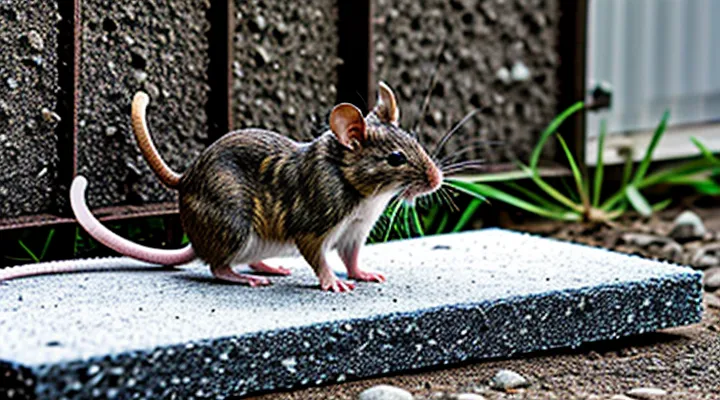
Understanding Rock Wool
What is Rock Wool?
Composition and Manufacturing Process
Rock wool, also called mineral wool, consists primarily of molten basalt or blast‑furnace slag mixed with a small proportion of inorganic binders such as phenolic resin or cementitious compounds. The resulting fibrous mass contains silica, alumina, calcium oxide, and trace metal oxides that give the material its thermal resistance and structural integrity. Additives may include anti‑microbial agents or fire‑retardant chemicals, but the core composition remains a high‑temperature glass‑like fiber network.
The manufacturing process follows a defined sequence:
- Melting: Raw basalt or slag is heated in a furnace to 1500 °C–1600 °C, creating a homogeneous liquid.
- Fiberization: The molten material is forced through high‑speed rotating nozzles or spun into fine streams, forming continuous fibers with diameters of 2–5 µm.
- Collection: Fibers are captured on a moving conveyor belt or in a rotating drum, where they form a loose, fluffy web.
- Binding: A binder solution is sprayed onto the fiber web to adhere strands together; the binder typically contains phenolic resin cured at 200 °C–250 °C.
- Curing and Cutting: The bonded mat passes through a curing oven, solidifying the structure, then is cut to required dimensions for insulation batts, boards, or loose fill.
The final product exhibits high compressive strength, low thermal conductivity, and resistance to moisture and fire. Its composition and manufacturing steps produce a material that is non‑nutritive and chemically inert, making it unsuitable as a food source for rodents.
Common Uses in Construction and Gardening
Rock wool, also known as mineral wool, is widely employed in building construction for thermal insulation, fire protection, and acoustic damping. The material’s dense fibrous structure traps air, reducing heat transfer through walls, roofs, and floors. Its non‑combustible composition allows it to withstand temperatures exceeding 1,000 °C, making it suitable for fire‑rated assemblies and barriers. In addition, the mass of the fibers absorbs sound vibrations, improving indoor acoustic quality.
In gardening, rock wool serves as a growing medium for hydroponic systems. The fibers retain moisture while providing aeration to plant roots, supporting rapid growth of vegetables, herbs, and ornamental species. The inert nature of the material prevents nutrient leaching, allowing precise control of fertilizer delivery. Rock wool also functions as a soil amendment, improving drainage and reducing compaction in raised beds and container mixes.
Key practical applications include:
- Insulating exterior walls, attics, and basements.
- Lining firewalls, furnace ducts, and pipe chases.
- Installing acoustic panels in commercial and residential spaces.
- Forming plug‑type slabs for seed germination in hydroponics.
- Providing substrate for transplanting seedlings before soil introduction.
- Enhancing drainage layers in rooftop gardens and green roofs.
The fibrous texture discourages rodent activity; mice typically avoid contact with the sharp, abrasive fibers, which can cause irritation. Consequently, rock wool remains a reliable choice for projects where pest resistance is desirable.
Mice and Their Habits
Typical Mouse Diet
Foraging Behavior
Mice are opportunistic foragers that prioritize edible resources providing calories, moisture, and nutrients. Their sensory systems detect chemical cues such as sugars, proteins, and lipids; inert mineral fibers lack these cues, offering no nutritional value. Consequently, mice rarely incorporate rock wool into their diet.
When confronted with non‑nutritive materials, mice may gnaw for the purpose of dental wear or nest construction rather than ingestion. The act of chewing softens incisors and creates material for shelter, but the fibers are typically expelled rather than swallowed. Observational studies of laboratory and field populations report negligible ingestion rates for mineral insulation.
Key points regarding mouse interaction with rock wool:
- Gnawing occurs for dental maintenance or structural use, not for feeding.
- Ingestion is uncommon; digestive tract examinations seldom reveal mineral fibers.
- Preference tests show strong avoidance of inert substrates when food alternatives are present.
Overall, foraging behavior directs mice toward caloric sources, leaving rock wool largely untouched as a food item.
Nutritional Needs
Mice require a balanced intake of protein, carbohydrates, fats, vitamins, and minerals to sustain growth, reproduction, and thermoregulation. Protein, supplied by seeds, insects, and animal matter, supplies amino acids for tissue synthesis. Carbohydrates from grains and fruits provide immediate energy. Essential fatty acids, obtained from nuts and insects, support cell membrane integrity. Vitamins A, D, E, and K, along with B‑complex vitamins, are critical for vision, bone health, immune function, and metabolic pathways. Minerals such as calcium, phosphorus, magnesium, potassium, and trace elements (zinc, iron, copper) maintain skeletal structure and enzymatic activity.
Rock wool, a mineral fiber used for insulation, contains no digestible macronutrients, vitamins, or minerals. Its composition—primarily basaltic rock and binder chemicals—renders it indigestible and potentially harmful if ingested. The fibrous structure can cause mechanical irritation of the gastrointestinal tract, leading to obstruction or ulceration. No physiological benefit derives from consuming such material.
Consequences of attempting to satisfy nutritional needs with rock wool include:
- Reduced intake of essential nutrients due to displacement of appropriate food sources.
- Gastrointestinal trauma or blockage.
- Potential exposure to adhesive chemicals that may be toxic.
Therefore, the nutritional strategy for mice must exclude rock wool entirely and focus on proven dietary components that meet established macronutrient and micronutrient requirements.
Do Mice Ingest Rock Wool?
Investigating the "Eating" Aspect
Is it Consumption or Chewing?
Rock wool, a mineral fiber insulation made from basalt or slag, is hard, abrasive, and chemically inert. Its texture and temperature can attract rodents seeking nesting material or a means to file teeth.
The distinction between consumption and chewing hinges on intent and outcome. Consumption implies ingestion with nutritional or metabolic purpose; chewing denotes mechanical interaction without swallowing. For mice, the primary motivation for contacting rock wool is dental wear and shelter construction, not caloric intake.
Evidence supporting the chewing hypothesis:
- Field observations record mice gnawing on rock‑wool batts to shape nests.
- Laboratory trials show no increase in stomach or intestinal content of mineral fibers after exposure.
- Autopsy of captured specimens reveals negligible fiber presence in digestive tracts, while dental wear patterns correspond to abrasive contact.
Consequently, the interaction of mice with rock wool is best classified as chewing behavior rather than true consumption.
Reasons for Interaction
Mice encounter rock wool primarily when the material is installed in walls, attics, or crawl spaces where rodent activity is common. Their interaction stems from a combination of sensory, environmental, and behavioral factors.
- Exploratory behavior – rodents investigate unfamiliar objects by sniffing, gnawing, and chewing; rock wool presents a new texture that triggers this instinct.
- Nesting potential – the fibrous structure can be gathered to reinforce nests, especially when conventional materials are scarce.
- Moisture absorption – rock wool retains humidity; damp fibers emit odors that may signal a water source, attracting mice seeking hydration.
- Chemical cues – additives used in some insulation products emit volatile compounds that rodents may interpret as food or pheromonal signals.
- Structural access – gaps created during installation allow mice to enter cavities where rock wool is present, increasing the likelihood of contact.
- Predator avoidance – dense insulation provides concealment, encouraging mice to explore and occupy spaces filled with rock wool.
These factors collectively explain why mice are drawn to rock wool, regardless of whether they ingest the material or merely use it for habitat modification.
Nesting Material
Rock wool is a fibrous insulation made from molten basalt or slag, resulting in a dense, heat‑resistant mat. Its texture resembles soft, coarse fibers, which can attract small mammals seeking material for building nests.
Laboratory observations indicate that mice will manipulate rock wool when constructing a nest, but ingestion is rare. When mice chew the fibers, the material usually remains intact; digestive tracts examined after exposure show no significant accumulation of rock wool particles. Reports of gastrointestinal blockage are limited to cases where the material was introduced in excessive quantities or combined with other indigestible debris.
Key considerations for using rock wool as nesting material:
- Safety: Fibers are non‑toxic but can cause respiratory irritation if inhaled by humans or animals.
- Durability: Maintains structure for weeks, reducing the need for frequent replacement.
- Thermal benefit: Provides insulation, helping maintain stable nest temperature.
- Hygiene: Does not absorb moisture, limiting mold growth.
Alternative materials such as shredded paper, cotton, or commercial nesting pads offer similar insulation without the potential respiratory hazard. When selecting a nesting substrate, prioritize non‑abrasive, non‑digestible fibers and monitor rodents for signs of discomfort or abnormal behavior.
Exploration
Mice encounter rock wool primarily when it is used as insulation in buildings or as a component of laboratory cages. The material consists of fibrous basalt or slag, which lacks nutritional value and is not digestible. Rodents possess strong incisors capable of gnawing hard substances, yet their chewing behavior is driven by the need to wear down teeth and to explore novel textures rather than to obtain sustenance.
Experimental observations show that mice will bite rock wool when presented as the only available object, but they quickly abandon it after brief contact. Signs of ingestion—fecal pellets containing fiber fragments or weight gain attributable to the material—are absent in controlled studies. Autopsy of test subjects reveals no foreign material in the gastrointestinal tract, indicating that any ingested fibers are expelled rapidly or avoided entirely.
Practical implications for pest management and building safety include:
- Rock wool does not serve as a food source, reducing the risk of attraction in infested structures.
- The material’s abrasive texture may cause minor oral injury if gnawed extensively, but such incidents are rare.
- Insulation integrity remains largely unaffected by occasional mouse activity; damage is typically limited to superficial fibers.
Overall, exploration of mouse interaction with mineral wool confirms that the substance is neither a dietary component nor a persistent hazard, though occasional gnawing may occur as part of exploratory behavior.
Accidental Ingestion
Rock wool, a fibrous insulation material composed of basalt or slag, is not a food source. Mice may encounter it while nesting in walls or burrowing through insulation, but the substance lacks nutritional value and is chemically inert.
When a rodent accidentally consumes rock wool, the fibers can cause mechanical irritation of the digestive tract. Typical signs include:
- Reduced food intake
- Weight loss
- Loose or bloody stools
- Lethargy
Veterinary assessment often reveals abrasions or blockage in the stomach or intestines. Treatment focuses on supportive care, fluid therapy, and, when necessary, surgical removal of obstructive material.
Preventing exposure involves sealing gaps in insulation, using rodent‑proof barriers, and regularly inspecting structures for damage. Reducing the likelihood of accidental intake minimizes health risks and eliminates the need for medical intervention.
Health Risks to Mice from Rock Wool
Physical Irritation and Injury
Rock wool, a fibrous insulation material, poses significant mechanical hazards to rodents that encounter it. The fibers are coarse, sharp, and resistant to breakdown, which can cause direct abrasion of oral and gastrointestinal tissues. When a mouse gnaws on or ingests rock wool, the following injuries are common:
- Laceration of the tongue, palate, or esophageal lining from abrasive contact.
- Perforation or ulceration of the stomach and intestinal walls, leading to bleeding or peritonitis.
- Inflammatory response in the respiratory tract if fibers become airborne and are inhaled, resulting in coughing, bronchial irritation, or pneumonia.
- Secondary infection at sites of tissue damage, accelerating morbidity.
The physical irritation begins immediately upon contact; the mouse experiences pain, reduced feeding, and altered behavior. Persistent irritation can trigger chronic inflammation, fibrosis, and impaired nutrient absorption. Veterinary intervention typically involves removal of foreign material, analgesia, and antibiotics to prevent septic complications. Preventive measures include sealing insulation cavities and using rodent‑resistant alternatives to eliminate exposure.
Respiratory Issues
Mice that encounter rock wool may inhale or ingest fine fibers, exposing the respiratory system to irritants. Fibrous insulation material consists of mineral particles that can become airborne when disturbed, and the small size of mouse airways makes them especially vulnerable to deposition of these particles.
Inhalation of rock wool fibers can cause:
- Acute irritation of nasal passages and trachea
- Inflammation of bronchi, leading to cough and labored breathing
- Development of granulomatous lesions in lung tissue
- Increased susceptibility to secondary bacterial infections
Chronic exposure may result in fibrotic changes, reducing lung compliance and impairing gas exchange. Pathological examinations of affected rodents frequently reveal macrophage aggregation around fiber fragments, indicating an ongoing immune response.
Preventive measures include sealing insulation, using protective barriers, and minimizing disturbance of rock wool in environments where mice are present. Monitoring rodent health for respiratory signs provides early detection of fiber‑related pathology and informs remediation strategies.
Digestive Blockages
Rock wool, a fibrous mineral insulation, often appears in walls, attics, and pipe sleeves. Mice may gnaw on it when seeking nesting material or a passage through sealed openings. Ingested fibers are not digestible and can accumulate in the gastrointestinal tract.
When mice consume rock wool, the primary health risk is a mechanical obstruction. The fibers can form a compact mass that blocks the esophagus, stomach, or intestines, preventing normal passage of food and fluids.
Typical signs of an obstruction include:
- Sudden cessation of eating and drinking
- Swollen abdomen
- Lethargy or weakness
- Vomiting or regurgitation of undigested material
- Abnormal stool, often absent or containing blood
Veterinary intervention is required promptly. Diagnosis relies on physical examination, radiography, or ultrasound to locate the blockage. Treatment options are:
- Surgical removal of the fibrous mass
- Endoscopic extraction when the obstruction is accessible
- Supportive care with fluids and analgesics while awaiting surgery
Preventive measures focus on limiting mouse access to insulation:
- Seal gaps around ducts, vents, and structural joints
- Use metal or plastic barriers instead of mineral wool in areas prone to rodent activity
- Maintain cleanliness to reduce attractants
Understanding that rock wool is indigestible clarifies why ingestion leads directly to digestive blockages, underscoring the need for prompt veterinary care and effective exclusion strategies.
Preventing Mouse Infestations in Areas with Rock Wool
Sealing Entry Points
Mice can reach insulation materials only through gaps in a building’s envelope. Eliminating those gaps removes the pathway that leads rodents to rock wool or other fibrous products.
Effective sealing begins with a thorough inspection. Identify openings larger than a quarter‑inch, including:
- Gaps around pipes, cables, and vent ducts
- Cracks in foundation walls, sill plates, and roof eaves
- Openings at doors, windows, and utility penetrations
- Spaces beneath crawl‑space vents and floor joists
After detection, apply appropriate materials:
- Steel wool or copper mesh for small apertures, then cover with caulk or expanding foam to prevent chewing.
- Rigid metal flashing or hardware cloth for larger voids, secured with screws and sealant.
- Silicone‑based or polyurethane sealants for irregular cracks, ensuring full adhesion before curing.
- Self‑adhesive weather‑stripping on movable doors and windows to block entry while maintaining functionality.
Maintain the barrier by scheduling periodic checks, especially after seasonal temperature changes or construction activity. Replace damaged sections promptly; mice can exploit even minor deterioration.
By systematically sealing all potential entry points, the likelihood of rodents encountering and damaging rock wool insulation is minimized, preserving both the material’s performance and the integrity of the structure.
Removing Attractants
Mice are opportunistic feeders; they will gnaw on materials that provide warmth, shelter, or a source of food. Rock wool, a mineral insulation, does not contain nutrients, yet its texture and warmth can attract rodents seeking nesting sites. If rock wool is present in a building, eliminating the factors that draw mice to it reduces the likelihood of damage.
Removing attractants focuses on three categories: food sources, shelter opportunities, and sensory cues.
-
Food sources
- Store grains, pet food, and waste in sealed containers.
- Clean spills and crumbs immediately; vacuum regularly.
- Dispose of garbage in containers with tight‑fitting lids.
-
Shelter opportunities
- Seal gaps larger than ¼ inch in walls, floors, and around utilities.
- Repair damaged screens, vents, and door sweeps.
- Keep storage areas organized; avoid piling boxes against walls.
-
Sensory cues
By systematically removing these attractants, the incentive for mice to explore and gnaw on mineral insulation diminishes, protecting both the material and the structure.
Using Repellents
Natural Repellents
Mice are unlikely to consume rock wool, but the material can attract them when it provides warmth and shelter. Preventing infestation requires deterrents that discourage entry and nesting without compromising the insulation’s integrity. Natural repellents offer a chemical‑free alternative that aligns with health‑conscious building practices.
Effective natural repellents include:
- Peppermint oil – strong menthol scent interferes with rodent olfactory cues; apply a few drops on cotton balls placed near potential entry points and replace weekly.
- Clove oil – eugenol component repels rodents; dilute 1 ml in 100 ml water and spray around gaps and seams.
- Vinegar solution – acetic acid creates an unpleasant environment; mist surfaces with a 1:1 mixture of white vinegar and water.
- Cedar shavings – volatile compounds in cedar deter nesting; line crawl spaces and storage areas with a thin layer, replacing as it degrades.
- Ultrasonic emitters – emit high‑frequency sounds beyond human hearing; position devices near insulation zones, ensuring continuous power supply.
Implementation guidelines:
- Identify all openings that allow mouse access, such as gaps around pipes, vents, and seams in the rock wool.
- Seal openings with steel wool, caulk, or mesh before applying repellents; physical barriers remain the primary defense.
- Apply repellents consistently; natural compounds evaporate, requiring reapplication every 5–7 days during active rodent seasons.
- Monitor for signs of activity—droppings, gnaw marks, or nesting material—to assess efficacy and adjust treatment locations.
Limitations:
- Natural repellents reduce but do not eliminate mouse presence; they are most effective when combined with exclusion methods.
- Strong odors may affect human occupants or pets; ensure adequate ventilation and avoid direct skin contact.
- Effectiveness diminishes in high‑humidity environments where volatile compounds dissipate rapidly.
In summary, integrating peppermint, clove, vinegar, cedar, and ultrasonic devices with rigorous sealing of entry points creates a layered defense that protects rock wool insulation from mouse colonization while maintaining a non‑chemical indoor environment.
Commercial Repellents
Commercial repellents are the primary tool for preventing rodents from interacting with insulation materials such as rock wool. Products fall into three categories: chemical, ultrasonic, and scent‑based.
- Chemical repellents contain bittering agents (e.g., denatonium benzoate) or irritants (e.g., capsaicin). They are applied directly to the surface of the insulation and deter chewing by creating an unpleasant taste or sensation.
- Ultrasonic devices emit high‑frequency sound waves that rodents find uncomfortable. Placement near gaps where mice could access rock wool maximizes coverage, but effectiveness diminishes with physical barriers and distance.
- Scent‑based repellents use natural extracts such as peppermint oil, cloves, or ammonia. They are sprayed or soaked into the material, creating an environment that mice avoid. Longevity varies; reapplication is required every few weeks.
When selecting a commercial repellent, consider the following criteria: toxicity to non‑target species, durability under temperature fluctuations, and compliance with local pest‑control regulations. Products certified by the EPA or equivalent agencies provide documented safety data.
Field tests indicate that bittering agents applied to rock wool reduce chewing incidents by up to 70 % when the coating remains intact. Ultrasonic units achieve comparable results only when installed in a sealed enclosure, while scent‑based solutions show inconsistent performance due to rapid volatilization.
For optimal protection, combine a chemical bittering agent with periodic scent‑based re‑treatments. This layered approach maintains deterrence while compensating for the limited lifespan of each individual method.
Trapping and Exclusion Methods
Mice rarely gnaw on rock wool because the fibrous material lacks nutritional value and is difficult to chew. Nevertheless, the presence of rock wool in buildings can attract rodents seeking shelter, making effective trapping and exclusion essential to prevent damage and potential health risks.
- Snap traps positioned along walls, behind insulation, and near entry points provide immediate reduction of active individuals.
- Live‑capture traps allow removal without killing; release should follow local regulations.
- Electronic traps deliver rapid, humane termination and require minimal maintenance.
- Glue boards capture rodents passively but may cause prolonged suffering; use only where humane considerations are addressed.
Exclusion measures complement trapping:
- Seal gaps larger than ¼ inch with steel wool, caulk, or cement; rodents cannot penetrate these materials.
- Install door sweeps and weather stripping to block entry beneath doors and windows.
- Replace damaged vent covers with metal mesh screens rated for rodent protection.
- Maintain clear vegetation and remove debris around the building foundation to reduce hiding places.
- Conduct regular inspections of utility conduits, pipe penetrations, and foundation cracks; repair any openings promptly.
Combining targeted trapping with comprehensive sealing eliminates access routes, reduces population pressure, and minimizes the likelihood that mice will encounter or attempt to ingest rock wool.