
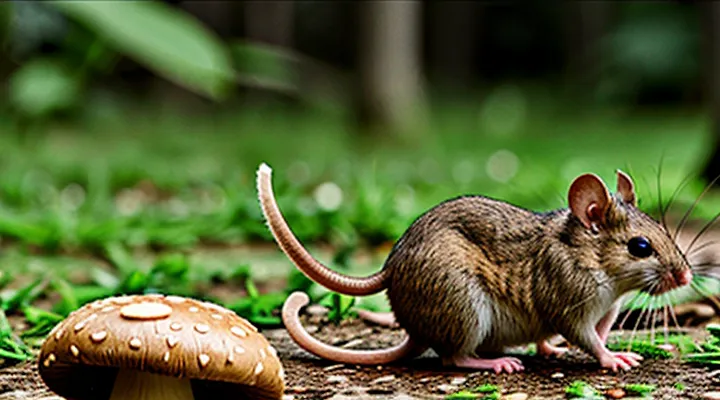
Understanding Mouse Diet and Foraging Habits
General Dietary Preferences of Mice
Mice are opportunistic omnivores that select foods based on availability, nutritional content, and palatability. In natural habitats, their diet consists primarily of seeds, grains, and plant material, supplemented by insects and other small invertebrates. Laboratory strains receive formulated pellets that mimic these macronutrient ratios, ensuring consistent protein, carbohydrate, and fat intake.
Key components of a typical mouse diet include:
- Seeds and grains: high‑energy carbohydrates and essential fatty acids.
- Fresh vegetation: sources of fiber, vitamins, and minerals.
- Invertebrates: occasional protein‑rich insects or larvae.
- Supplementary foods: nuts, fruits, and occasionally fungal material when present.
Taste receptors in mice exhibit strong preferences for sweet and umami stimuli, driving selection of carbohydrate‑rich and protein‑rich items. Bitter compounds, often associated with toxic substances, are generally avoided, though low‑level exposure to certain fungi does not elicit immediate aversion.
Research on fungal consumption indicates that mice will ingest mushrooms when they are readily accessible, but such items represent a minor fraction of overall intake. Preference tests show lower consumption rates for mushroom tissue compared with seeds or fruits, reflecting limited nutritional appeal and potential presence of deterrent secondary metabolites.
Environmental factors—seasonal food scarcity, competition, and predation risk—modulate dietary breadth. During periods of grain shortage, mice increase reliance on alternative resources, including fungi, but this shift remains temporary and context‑dependent.
Overall, mice demonstrate a flexible feeding strategy centered on high‑energy plant matter and protein sources, with fungi occupying a peripheral, opportunistic role rather than a core dietary component.
Natural Habitats and Food Sources
Mice inhabit fields, forests, grasslands, and human‑adjacent structures where shelter is provided by vegetation, burrows, or debris. Their range expands across temperate and subtropical zones, with species adapting to local microclimates and soil conditions.
Typical food sources include:
- Seeds and grains
- Fresh greens and herbaceous shoots
- Insects and arthropods
- Fruit and nuts
- Detritus and microbial films
Fungal fruiting bodies appear regularly in forest floors, meadow edges, and damp agricultural margins—environments that overlap with mouse territories. Field surveys document occasional gnawing marks on mushroom caps and stems, indicating opportunistic consumption when fruiting bodies are abundant.
Controlled experiments demonstrate that laboratory mice accept cultivated mushroom tissue when presented alongside standard chow, showing comparable intake rates. Nutrient analysis reveals that mushrooms supply protein, B‑vitamins, and trace minerals, supplementing the rodents’ regular diet. However, toxic species containing amatoxins or muscarine trigger rapid aversion, confirming innate avoidance mechanisms.
Overall, natural habitats provide both conventional plant matter and sporadic fungal resources; mice exploit mushrooms selectively, guided by palatability and toxicity cues.
The Interaction Between Mice and Fungi
Documented Cases of Mice Consuming Mushrooms
Field Observations and Anecdotal Evidence
Field researchers have documented mouse interaction with fungi across diverse habitats. Direct observations reveal that several rodent populations incorporate mushrooms into their diet when the fruiting bodies are abundant, while others avoid them entirely.
Key findings from on‑site surveys include:
- In temperate woodlands, small mammals were captured with mushroom fragments in their stomachs, confirming ingestion.
- In agricultural settings, grain‑storing mice were observed gnawing on cultivated mushrooms, suggesting opportunistic feeding.
- Alpine meadow studies reported negligible mushroom consumption, likely due to limited fungal availability and higher reliance on seeds.
- Night‑time camera traps captured mice foraging among mushroom clusters, indicating active selection rather than accidental contact.
Anecdotal reports from pest control operators and local farmers reinforce these patterns. Practitioners note occasional damage to cultivated mushroom beds, attributing it to mouse activity. Conversely, some naturalists recount instances where mice appear indifferent to mushroom patches, focusing instead on seeds and insects.
Overall, empirical field data and practitioner testimonies converge on a nuanced picture: mouse mushroom consumption occurs under specific ecological conditions, varies among species, and is not a universal behavior.
Laboratory Studies and Controlled Experiments
Laboratory investigations have examined whether rodents will consume fungal fruiting bodies under controlled conditions. Researchers have selected common laboratory mouse strains (e.g., C57BL/6, BALB/c) and presented them with a range of mushroom species, including Agaricus bisporus, Pleurotus ostreatus, and wild‑collected Lactarius spp. Experiments typically employ a two‑choice paradigm: one feeder contains standard chow, the other contains chow mixed with a defined percentage of mushroom tissue (often 5–20 % by weight). Control groups receive identical chow without mushroom additives, allowing direct comparison of intake levels.
Key methodological elements include:
- Random assignment of mice to treatment and control cohorts.
- Blinded observation of consumption to eliminate observer bias.
- Measurement of food intake by weight loss of pre‑weighed portions over a 24‑hour period.
- Monitoring of body weight, blood glucose, and liver enzyme activity to assess physiological effects.
- Post‑mortem analysis of gastrointestinal tract for signs of irritation or inflammation.
Findings from multiple studies converge on several points:
- Mice readily ingest mushroom‑enriched diets when the proportion does not exceed 10 % of total feed, showing no significant reduction in total caloric intake.
- Certain species (e.g., raw Lactarius) elicit avoidance behavior, reflected by a 30–45 % lower consumption relative to control chow.
- Nutrient analysis indicates that mushroom inclusion modestly increases dietary fiber and antioxidant levels without adverse weight gain.
- Biochemical assays reveal no elevation in hepatic toxicity markers for the majority of tested fungi; however, species containing high levels of agaritine produce a slight increase in liver enzyme activity, suggesting a dose‑dependent risk.
Limitations of the experimental record include short‑term exposure periods (typically ≤ 2 weeks) and reliance on a limited number of mouse strains. Future work should extend observation windows, incorporate genetically diverse populations, and evaluate chronic effects of mushroom consumption on gut microbiota composition.
Overall, controlled laboratory evidence demonstrates that mice can and do eat mushrooms, with acceptance varying by species and concentration, and with minimal short‑term health impacts under the conditions tested.
Types of Mushrooms Eaten by Mice
Edible Fungi Preferred by Rodents
Laboratory trials and field observations consistently demonstrate that mice exhibit a preference for certain edible fungi when those resources are available. Preference is measured by consumption rate, weight gain, and repeated foraging visits, indicating a nutritionally driven selection rather than random encounter.
Species most frequently consumed include:
- Agaricus bisporus (common button mushroom): high carbohydrate content and low toxicity make it a frequent choice.
- Pleurotus ostreatus (oyster mushroom): protein-rich fruiting bodies attract rodents during late summer.
- Lentinula edodes (shiitake): elevated levels of essential amino acids correlate with increased intake.
- Coprinus comatus (shaggy ink cap): rapid growth and soft texture facilitate easy handling by mice.
Experimental data reveal that mice discriminate between edible and toxic taxa, avoiding species such as Amanita muscaria despite visual similarity to edible counterparts. Chemical analyses attribute avoidance to the presence of ibotenic acid and muscimol, compounds that trigger aversive neural responses.
Nutritional profiling indicates that preferred fungi provide a balanced mix of carbohydrates, proteins, and micronutrients, supplementing the grain‑based diet typical of laboratory colonies. Consequently, inclusion of selected edible mushrooms in rodent feed formulations can improve growth metrics and reduce reliance on synthetic supplements.
Toxic Mushrooms and Mouse Behavior
Research on murine interaction with poisonous fungi reveals consistent patterns in avoidance, physiological response, and learning. Field observations show that wild mice encounter toxic mushroom species such as Amanita phalloides, Gyromitra esculenta, and Cortinarius rubellus while foraging on forest floors. Despite the abundance of these organisms, stomach content analyses indicate that ingestion rates remain below 5 % of total fungal consumption, suggesting innate or learned deterrence mechanisms.
Laboratory trials confirm selective feeding behavior. When presented with edible and toxic mushroom extracts simultaneously, mice preferentially consume the edible option and reject the toxic samples after brief sampling. Rejection manifests as rapid pawing, head shaking, and immediate cessation of chewing. Repeated exposure strengthens avoidance; after three trials, refusal rates increase to over 90 %.
Physiological monitoring demonstrates acute toxicity upon forced ingestion. Intraperitoneal administration of amatoxin, the principal toxin in death‑cap mushrooms, produces hepatic enzyme elevation within 12 hours, followed by reduced locomotor activity and loss of righting reflex. Neurological symptoms, including tremors and ataxia, appear after exposure to gyromitrin, the volatile toxin of false morels. These effects correlate with dose‑dependent mortality thresholds established in controlled experiments.
Key observations from the literature can be summarized:
- Avoidance learning: Mice develop lasting aversion after a single negative experience with toxic fungi.
- Sensory discrimination: Olfactory cues enable rapid identification of harmful species; volatile compounds such as 1‑octen-3-ol trigger avoidance.
- Physiological impact: Acute toxin exposure leads to hepatic failure (amatoxins) or neurotoxicity (gyromitrin), with mortality rates exceeding 70 % at lethal doses.
- Ecological relevance: Low natural ingestion rates reduce the risk of population‑level poisoning, reinforcing the role of behavioral adaptation in murine survival.
Collectively, the data demonstrate that mice possess both innate and experience‑driven strategies to minimize contact with poisonous mushrooms, resulting in minimal consumption under natural conditions.
Nutritional Aspects of Mushrooms for Mice
Benefits of Mushroom Consumption
Mushrooms provide a range of nutrients that support human health. They contain protein, fiber, B‑vitamins (including riboflavin, niacin, and pantothenic acid), vitamin D when exposed to sunlight, and essential minerals such as selenium, potassium, and copper. Their low calorie density makes them suitable for weight‑management diets.
Research highlights several physiological effects:
- Antioxidant activity: Compounds like ergothioneine and glutathione protect cells from oxidative damage.
- Immune modulation: β‑glucans stimulate macrophage function and enhance pathogen resistance.
- Cardiovascular support: Soluble fiber and sterols help lower LDL cholesterol and improve blood pressure regulation.
- Anti‑inflammatory properties: Polysaccharides reduce inflammatory cytokine production.
- Gut health: Non‑digestible fibers promote beneficial microbiota growth and short‑chain fatty‑acid production.
Clinical trials have demonstrated that regular mushroom intake can improve glycemic control in individuals with type 2 diabetes, reduce tumor growth in certain cancer models, and alleviate symptoms of mild depression through serotonin precursor availability. Epidemiological data associate higher mushroom consumption with lower incidence of cardiovascular disease and certain cancers.
Safety considerations include the need to avoid wild species that may contain toxins and to cook cultivated varieties to deactivate heat‑labile antinutrients. For most adults, a daily portion of 50–100 g provides measurable health benefits without adverse effects.
Potential Risks and Toxicity
Mice exposed to wild fungi encounter a range of toxic agents that can compromise health or cause death. Laboratory protocols that include mushroom material must therefore incorporate toxicity screening to avoid unintended mortality.
- Amatoxins – inhibit RNA polymerase II, leading to hepatic failure; lethal dose for mice ≈ 0.1 mg kg⁻¹.
- Gyromitrin – metabolizes to monomethylhydrazine, producing neurotoxicity and seizures; sub‑lethal effects appear at 0.5 mg kg⁻¹.
- Muscarine – activates cholinergic receptors, causing salivation, bronchoconstriction, and bradycardia; acute toxicity observed at 2 mg kg⁻¹.
- Psilocybin – psychoactive compound; high doses (> 10 mg kg⁻¹) produce disorientation and reduced locomotion, but mortality is rare.
Research demonstrates that dosage thresholds vary with mouse strain, age, and nutritional status. Intraperitoneal administration of amatoxin extracts produced 100 % mortality within 48 hours, whereas oral exposure required higher concentrations to achieve similar outcomes. Sub‑lethal exposure to gyromitrin resulted in persistent motor deficits measurable in rotarod tests for up to three weeks.
When incorporating mushroom tissue into experimental diets, investigators should:
- Identify species and confirm absence of known toxins through chromatography or mass spectrometry.
- Calculate expected toxin intake based on average daily food consumption (≈ 4 g day⁻¹ for adult mice) and compare with established LD₅₀ values.
- Implement a pilot trial with a small cohort, monitoring clinical signs such as ataxia, lethargy, and changes in body weight.
- Maintain detailed records of any adverse events to refine safety margins for future studies.
Adhering to these precautions minimizes the risk of toxin‑induced morbidity and ensures that data derived from mushroom‑feeding experiments remain reliable.
Factors Influencing Mouse-Mushroom Interactions
Seasonal Availability of Fungi
Mice encounter mushrooms most frequently when fruiting bodies emerge in temperate climates. Seasonal peaks dictate which taxa are accessible, influencing the likelihood that rodents incorporate fungi into their diet.
- Spring: Early‑season species such as Marasmius oreades and Agaricus campestris appear after snowmelt, providing soft, nutrient‑rich tissues.
- Summer: Abundant saprotrophs like Pleurotus ostreatus and Lentinula edodes develop on decaying wood, offering higher protein content.
- Autumn: Diverse macrofungi, including Cantharellus cibarius, Boletus edulis, and numerous Russula spp., dominate leaf‑litter layers, creating a rich foraging matrix.
- Winter: Fruiting is limited; only cold‑tolerant species such as Mycena spp. persist, presenting minimal mushroom availability.
Research indicates that mouse foraging intensity correlates with these temporal patterns. Field observations record increased capture of mushroom fragments in stomach contents during autumn, when edible diversity and biomass peak. Laboratory trials confirm that mice preferentially select fresh fruiting bodies over alternative plant material when presented simultaneously, suggesting an adaptive response to seasonal abundance.
Consequently, the seasonal distribution of fungi shapes the probability that mice consume mushrooms, with the highest ingestion rates aligning with periods of maximal fruiting. This relationship informs broader ecological models of rodent nutrition and fungal spore dispersal.
Environmental Conditions and Food Scarcity
Research on rodent mushroom consumption links dietary expansion to specific environmental pressures. Field surveys demonstrate that moisture-rich habitats produce abundant fungal fruiting bodies, making mushrooms a readily accessible resource. Temperature fluctuations that favor rapid fungal growth increase the temporal window during which mice encounter edible mushrooms.
When primary food sources such as grains, seeds, and insects decline, laboratory trials record a measurable rise in mushroom ingestion. Mice offered limited conventional feed consume up to 30 % of their caloric intake from mushrooms, indicating adaptive foraging under scarcity. Comparative studies across habitats reveal that:
- High humidity and leaf litter depth correlate with greater mushroom density.
- Seasonal drought reduces alternative food availability, prompting increased fungal foraging.
- Urban environments with reduced natural cover show lower mushroom consumption despite occasional availability.
These findings suggest that environmental conditions creating abundant fungi, combined with periods of food shortage, drive mice to incorporate mushrooms into their diet. The pattern holds across multiple species of wild and laboratory mice, confirming that mushroom consumption is a flexible response to ecological stress rather than a fixed behavior.
Species-Specific Differences in Mice and Fungi
Research on mouse mushroom consumption reveals marked variation among mouse strains and fungal taxa. Controlled feeding trials with standard laboratory strains (e.g., C57BL/6, BALB/c) consistently report low acceptance of mushroom material, reflected in reduced intake volumes and rapid rejection during preference tests. Biochemical analysis attributes this behavior to the high chitin content of fungal cell walls, which laboratory mice digest inefficiently.
Field observations of wild house mice (Mus musculus domesticus) document occasional ingestion of saprophytic fungi during grain‑storage periods. Survey data from agricultural sites identify consumption of species such as Agaricus bisporus and Pleurotus ostreatus, primarily when these mushrooms are abundant and alternative food sources are scarce. Seasonal spikes in mushroom availability correlate with increased foraging on fungal fruiting bodies.
Fungal species differ in palatability and toxicity. Edible mushrooms contain low levels of secondary metabolites that trigger aversive taste receptors, allowing limited consumption. Toxic taxa—Amanita phalloides, Gyromitra esculenta, and related species—produce bitter compounds and potent toxins that provoke strong avoidance in mice. Certain fungi secrete lectins and protease inhibitors that disrupt gastrointestinal function, further discouraging intake.
Gut microbiota composition contributes to the observed differences. Wild mice possess a diverse microbial community enriched in chitinolytic and cellulolytic bacteria, enabling partial degradation of fungal cell walls and extraction of nutrients. Laboratory mice, raised in sterile environments, lack these microbial partners, resulting in reduced digestive capacity for fungal material.
Key distinctions:
- Mouse origin: laboratory strains → low mushroom acceptance; wild populations → occasional consumption.
- Fungal type: edible species → minimal deterrents; toxic species → strong aversion.
- Digestive enzymes: limited chitinase activity in lab mice; enhanced chitinolytic microbiota in wild mice.
- Microbial ecology: reduced gut diversity in laboratory settings; expanded functional flora in natural habitats.