
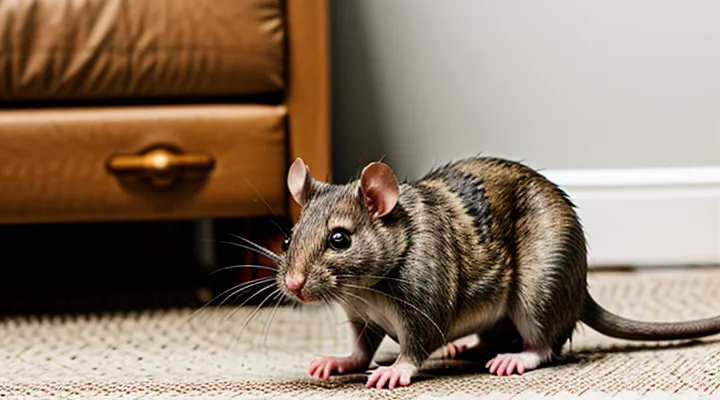
The Natural Scent of Domestic Rats
What is a Rat’s Natural Odor?
Glands and Secretions
Domestic rats produce odors primarily through specialized exocrine structures. The major sources include the preputial glands, which secrete a lipid‑rich fluid used for territorial marking; the Harderian gland, located behind the eye, releasing porphyrin‑containing secretions that may contribute to a faint musky scent; and the anal scent glands, emitting a pungent mixture of fatty acids and volatile compounds during stress or social interactions.
Salivary glands, though primarily involved in digestion, also release enzymes and proteins that can influence overall body odor when saliva contacts the fur. The sebaceous glands distributed across the skin coat emit sebum, a mixture of triglycerides and wax esters, providing a substrate for bacterial degradation and resulting in characteristic smells.
Urine and feces are additional contributors. Urinary metabolites contain ammonia and sulfur‑containing compounds that become noticeable when litter is not regularly changed. Fecal material harbors microbial by‑products such as indole and skatole, adding to the ambient odor in housing environments.
Key glands and their typical secretions:
- Preputial glands – lipid‑rich marking fluid.
- Harderian gland – porphyrin‑laden secretion.
- Anal scent glands – fatty acids, volatile organic compounds.
- Sebaceous glands – sebum (triglycerides, wax esters).
- Salivary glands – enzymes, proteins.
- Urinary tract – ammonia, sulfides.
- Gastrointestinal tract – indole, skatole.
Effective odor management relies on regular cleaning of bedding, prompt removal of waste, and monitoring of glandular health. Abnormal discharge from any gland may indicate infection or hormonal imbalance, warranting veterinary assessment.
Individual Scent Signatures
Domestic rats emit a complex mixture of volatile compounds that constitute a unique chemical profile for each individual. This profile, often referred to as «Individual scent signatures», distinguishes one rat from another even within the same colony.
The signature arises from secretions produced by sebaceous glands, urine, and feces. Specific volatile organic compounds, such as aldehydes, ketones, and fatty acids, combine with major urinary proteins to create a stable yet adaptable scent pattern. Genetic factors determine the baseline composition, while physiological states—stress, illness, reproductive cycle—modify the emitted profile.
Social interactions rely on rapid detection of these chemical cues. Rats assess conspecifics by sampling scent marks on bedding, nesting material, and the environment. Recognition of familiar signatures facilitates group cohesion, hierarchy maintenance, and mate selection. Absence or alteration of a typical signature triggers investigative or aggressive responses.
For caretakers, monitoring scent signatures offers a non‑invasive health assessment tool. Changes in odor intensity or composition can precede observable symptoms, allowing early intervention. Practical applications include:
- Regular inspection of cage bedding for abnormal smells.
- Use of scent‑sensitive detection devices to track volatile changes.
- Correlation of odor shifts with veterinary diagnostics.
Understanding and respecting the individuality of rat scent signatures enhances welfare management and reduces stress for both animals and caregivers.
Factors Influencing Natural Odor
Diet and Metabolism
Diet composition directly shapes the metabolic profile of pet rats, thereby influencing the intensity and character of their body odor. Protein‑rich feeds generate higher levels of nitrogenous waste, such as urea and ammonia, which volatilize from the skin and excreta. Excess dietary fat contributes to the production of short‑chain fatty acids, compounds noted for their pungent scent. Carbohydrate load affects gut microbiota, altering the spectrum of volatile organic compounds emitted through breath and feces.
Metabolic pathways convert ingested macronutrients into energy and waste products. Amino‑acid catabolism releases ammonia, which the liver detoxifies to urea; incomplete conversion leaves trace amounts of volatile nitrogen compounds on the fur. Lipid oxidation yields aldehydes and ketones, detectable as a greasy or sour odor. Fermentation of undigested carbohydrates by intestinal microbes produces short‑chain fatty acids, some of which diffuse through the bloodstream and emerge via the skin.
Feeding strategies that mitigate odor focus on balanced nutrition and hygiene:
- Offer a high‑quality laboratory rodent mash with moderate protein (14–16 % by weight).
- Supplement with fresh vegetables for fiber, reducing carbohydrate fermentation.
- Provide clean, fresh water daily to dilute urinary concentration.
- Avoid high‑fat treats and excessive sugary snacks that elevate fatty‑acid and fermentative by‑products.
- Rotate food batches to prevent rancidity, a source of off‑notes.
Implementing these measures aligns metabolic output with a reduced olfactory footprint, supporting a more pleasant environment for both rats and caregivers.
Hormonal Cycles
Hormonal fluctuations in domestic rats generate measurable changes in body odor. Estrous phases in females alter the composition of vaginal secretions and urinary metabolites, producing distinct scent profiles that peak during proestrus and estrus. Male rats experience periodic rises in testosterone, which modulate sebaceous gland activity and increase the emission of volatile compounds from the preputial gland.
Key effects of hormonal cycles on odor include:
- Increased concentration of pheromonal aldehydes during female receptive periods.
- Elevated levels of androstenone‑derived volatiles in males following testosterone surges.
- Shifts in urinary nitrogenous compounds correlating with luteinizing hormone peaks.
These chemical variations serve as reliable indicators of reproductive status, enabling caretakers to anticipate behavioral changes and adjust husbandry practices accordingly.
Age and Health Status
Domestic rats emit a scent that varies with physiological development and medical condition. Younger animals possess a milder odor due to limited sebaceous activity, while mature individuals produce a more pronounced smell as glandular output increases. Senior rats may exhibit a diminished scent if gland function declines, yet chronic health issues can introduce additional odors.
Health status influences odor through several mechanisms:
- Bacterial or fungal skin infections generate sour or pungent aromas.
- Parasitic infestations, such as mites or lice, contribute greasy or musty smells.
- Metabolic disorders, including diabetes or liver dysfunction, release characteristic sweet or ammonia‑like odors.
- Respiratory infections produce nasal discharge with distinctive foul notes.
- Nutritional deficiencies affect coat quality, potentially enhancing body odor.
Monitoring odor changes offers a non‑invasive indicator of welfare. Persistent or newly emerging smells warrant veterinary assessment to identify underlying pathology. Regular cage cleaning, appropriate humidity control, and balanced nutrition reduce baseline odor and support healthy skin microbiota. Early detection of odor alterations facilitates timely intervention, improving overall care quality for domestic rats.
Care-Related Influences on Rat Odor
The Role of Cage Hygiene
Frequency of Cleaning
Domestic rats emit a scent that originates from urine, feces, and glandular secretions. Accumulation of these residues on bedding, cages, and accessories intensifies the odor and can affect the health of the animal.
Cleaning frequency directly influences odor levels. A practical schedule includes:
- Daily removal of soiled bedding, droppings, and uneaten food.
- Every 24 hours, a thorough wipe of cage walls, water bottle rims, and feeding dishes with a mild, rodent‑safe disinfectant.
- Weekly replacement of the entire bedding substrate and deep cleaning of the cage with hot water and an enzyme‑based cleaner.
- Monthly inspection and cleaning of ventilation openings, toys, and hideouts.
Consistent adherence to this regimen maintains a neutral scent environment, supports respiratory health, and prevents the development of a persistent, unpleasant smell. «Regular cleaning reduces odor» and promotes overall well‑being for both the pet and its caretaker.
Bedding Choices and Absorption
Effective odor management for pet rats hinges on the choice of bedding and its capacity to retain moisture and waste. Absorbent substrates reduce the concentration of volatile compounds released from urine and feces, thereby limiting detectable scent.
Common bedding materials differ markedly in absorption, dust production, and longevity:
- Paper‑based bedding – high absorbency, minimal dust, moderate cost; retains moisture for several days before replacement is required.
- Aspen shavings – moderate absorbency, low aromatic oils, low dust; may require more frequent changes to prevent saturation.
- Corncob pellets – low to moderate absorbency, higher dust levels, inexpensive; prone to rapid breakdown, potentially increasing odor if not refreshed often.
- Hemp fiber – good absorbency, low dust, biodegradable; maintains structural integrity longer than paper but may be pricier.
- Recycled wood pellets – variable absorbency, moderate dust, eco‑friendly; performance depends on compression density.
Selection criteria should prioritize high liquid uptake, low particulate release, and resistance to microbial growth. Regular monitoring of bedding condition—visual assessment of dampness, odor intensity, and presence of clumping—guides timely replacement. Cleaning schedules that combine complete bedding removal with cage sanitization further diminish scent accumulation.
Optimal practice combines a highly absorbent, low‑dust substrate with routine turnover, ensuring that the environment remains dry and odor‑free for the animal’s health and the caretaker’s comfort.
Cage Size and Ventilation
Cage size directly influences the concentration of odor‑producing substances in a rat’s environment. A larger enclosure dilutes waste, urine, and secretions, reducing the intensity of smell that accumulates around the animal. Adequate space also encourages natural behaviors such as grooming and exercise, which help distribute scent particles more evenly and prevent localized hotspots of odor.
Ventilation determines the rate at which volatile compounds are removed from the habitat. Effective airflow accomplishes several objectives:
- Continuous exchange of fresh air lowers humidity, a factor that accelerates bacterial growth and odor formation.
- Passive or forced ventilation disperses ammonia and other waste‑derived gases, preventing their buildup.
- Proper vent placement avoids drafts that might stress the animal while still ensuring sufficient turnover of air.
When cage dimensions and ventilation are optimized together, the overall olfactory profile of a domestic rat colony becomes markedly milder. Small, poorly ventilated enclosures trap waste‑derived smells, while spacious, well‑aerated habitats promote a healthier, less odorous environment.
Diet and Its Impact on Excrement Odor
High-Quality vs. Low-Quality Food
Domestic rats emit a distinct scent that correlates with the nutritional value of their diet. High‑protein, low‑fat formulations reduce volatile waste products, while grain‑heavy, low‑nutrient feeds increase them.
High‑quality food supplies balanced amino acids, essential fatty acids, and adequate fiber. These components support efficient digestion, limiting the production of odor‑producing metabolites. Consistent nutrient ratios maintain stable gut flora, further decreasing malodorous emissions.
Low‑quality food often contains excessive carbohydrates, artificial additives, and insufficient fiber. Rapid fermentation of simple sugars generates increased levels of ammonia and short‑chain fatty acids, both of which contribute to a stronger, less pleasant odor. Nutrient deficiencies impair metabolic pathways, leading to the accumulation of waste compounds.
Key differences in odor impact:
- Protein‑rich diets → lower ammonia levels, milder scent.
- Fiber‑rich diets → improved gut transit, reduced fecal odor.
- High‑sugar, low‑fiber diets → elevated fermentation, stronger odor.
- Presence of preservatives → potential chemical odor contributions.
Hydration Levels
Hydration directly influences the odor profile of pet rats. Adequate water intake dilutes urine concentration, reducing the release of nitrogenous waste that contributes to a pungent scent. Dehydration concentrates these metabolites, intensifying the smell emitted from the animal’s fur and bedding.
Physiological mechanisms link fluid balance to volatile organic compounds. When rats consume sufficient water, renal filtration efficiency improves, leading to lower levels of ammonia and urea in excretions. These substances are primary contributors to the characteristic musky odor associated with rodents. Conversely, limited water availability raises plasma osmolality, prompting the body to conserve water by reabsorbing solutes, which increases the concentration of odor‑producing compounds in urine and sweat glands.
Practical care measures to control odor through hydration:
- Provide fresh water daily; replace at least once every 24 hours.
- Use a leak‑proof bottle to encourage consistent drinking and prevent contamination.
- Monitor consumption; a drop of more than 15 % from baseline may indicate reduced intake.
- Supplement diet with moist foods (e.g., fresh vegetables) to boost overall fluid intake.
- Keep water containers clean; sanitize weekly to avoid bacterial growth that can exacerbate smell.
Maintaining optimal hydration minimizes the emission of odor‑causing metabolites, supporting a cleaner environment and healthier rats.
Grooming and Rat Hygiene
Self-Grooming Habits
Domestic rats engage in frequent self‑grooming, a behavior essential for maintaining coat condition and reducing microbial load. Each grooming session involves licking, nibbling, and scratching, which removes debris, distributes skin secretions, and stimulates circulation. The process also spreads saliva, containing enzymes that break down odor‑producing compounds, thereby limiting scent emission.
Key aspects of the grooming routine include:
- Oral cleaning – the rat uses its tongue to coat fur with saliva, which contains lipase and amylase that degrade fatty acids responsible for strong odors.
- Nasal inspection – periodic sniffing of the fur allows the animal to detect and address localized odor sources.
- Paw washing – forepaws are licked and then used to clean hard‑to‑reach areas, preventing accumulation of waste products.
- Tail grooming – the tail receives special attention, as it can harbor urine residues that contribute to odor if left untreated.
The efficiency of self‑grooming correlates with the animal’s overall scent profile. Rats that groom regularly exhibit lower levels of volatile organic compounds on their fur, resulting in a milder, less detectable odor. Conversely, individuals with insufficient grooming behavior show increased accumulation of sebum, urine traces, and skin microbes, leading to a stronger smell.
Environmental factors influence grooming frequency. Clean cages, low humidity, and adequate nutrition support optimal grooming, while stress, illness, or overcrowding can suppress the behavior, allowing odor‑producing substances to build up. Regular observation of grooming patterns therefore provides a practical indicator of both health status and odor control in pet rats.
Potential for External Contaminants
Domestic rats frequently acquire smells that originate from their environment rather than from the animals themselves. External contaminants can mask or amplify perceived odor, influencing caretaker assessments of hygiene and health.
Common sources of contaminant‑derived odor include:
- Bedding material that retains urine, feces, or moisture; untreated wood shavings, paper pulp, or recycled fiber can release volatile compounds.
- Food residues left on the cage floor; high‑fat or aromatic diets decompose rapidly, producing pungent gases.
- Cleaning agents and disinfectants; strong‑smelling chemicals may linger on surfaces and be transferred to the rat’s fur during grooming.
- Cage construction materials; plastic cages can emit plasticizers, while metal cages may develop rust‑related odors if not properly sealed.
- Ambient room odors; scented candles, incense, or nearby cooking fumes can permeate the enclosure and become associated with the animal.
Mitigation strategies focus on controlling these variables. Selecting low‑dust, absorbent bedding, providing fresh food daily, rinsing the cage with mild, unscented solutions, and maintaining proper ventilation reduce the likelihood of external odor contamination. Regular inspection of cage components for wear or degradation prevents the introduction of material‑derived smells. By managing these factors, caretakers can more accurately assess any genuine scent produced by the rat itself.
Addressing Undesirable Odors
Identifying the Source of Strong Odor
Differentiating Natural from Unnatural Smells
Domestic rats emit a scent derived from physiological processes; distinguishing this intrinsic odor from extraneous aromas is essential for proper care.
The intrinsic odor originates in sebaceous and anal glands, consists of volatile fatty acids, and remains relatively constant across healthy individuals. Its presence can be confirmed by a faint, musky note that persists despite routine cleaning.
Extraneous aromas arise from environmental sources, dietary residues, or pathological conditions. These odors often fluctuate with changes in bedding material, food type, or the onset of respiratory or skin infections.
Key indicators for differentiation:
- Consistency: «natural» odor exhibits minimal variation over time; «unnatural» odor appears suddenly or intensifies after specific events.
- Location: «natural» scent is strongest near the animal’s ventral and perianal regions; «unnatural» scent may be detected on paws, cage corners, or surrounding air.
- Chemical profile: laboratory analysis reveals higher concentrations of isovaleric acid in «natural» odor, whereas synthetic chemicals, mold metabolites, or bacterial by‑products dominate «unnatural» samples.
- Behavioral response: rats typically tolerate their own «natural» scent; avoidance or agitation signals the presence of a foreign odor.
Effective management relies on regular monitoring of scent stability, prompt identification of environmental contaminants, and immediate veterinary assessment when atypical odors emerge.
Health Issues as a Cause
Domestic rats occasionally produce a detectable scent that correlates with underlying health problems rather than normal metabolism. The presence of a strong, unpleasant odor frequently signals a pathological condition that requires veterinary attention.
Common health issues that generate odor include:
- Urinary tract infection: bacterial proliferation creates an ammonia‑like smell, especially around the cage bedding.
- Respiratory infection: nasal discharge and mucosal secretions emit a musty or foul odor.
- Skin infection or dermatitis: bacterial or fungal colonization produces a sour or rancid scent on affected areas.
- Dental disease: overgrown incisors and associated oral infections release a putrid odor from the mouth.
- Gastrointestinal upset: excessive gas and fecal contamination contribute to a pungent environment.
Recognition of these signs involves regular inspection of the animal’s fur, nostrils, and cage hygiene. Any sudden change in odor intensity or character should prompt a veterinary examination. Treatment typically targets the specific infection or condition, supplemented by enhanced cage cleaning, appropriate diet, and environmental enrichment to reduce stress‑related susceptibility. Early intervention prevents progression to more severe systemic disease and restores the animal’s natural, low‑odor profile.
Strategies for Odor Control
Best Practices for Cage Cleaning
Maintaining a rat cage free of unpleasant odors requires systematic cleaning and preventive measures. Regular removal of waste, thorough disinfection, and proper ventilation constitute the core elements of an effective hygiene routine.
• Remove soiled bedding, droppings, and uneaten food daily.
• Replace bedding with a fresh, absorbent substrate each week.
• Wash all accessories (water bottles, food dishes, toys) with hot, soapy water weekly; rinse thoroughly to eliminate residue.
• Disinfect the cage interior using a rodent‑safe solution (e.g., diluted hydrogen peroxide or vinegar) at least once a month; allow complete drying before re‑bedding.
• Inspect ventilation openings; clear blockages to ensure steady airflow.
Avoid scented cleaning agents that may irritate the animals or mask underlying problems. Store cleaning supplies separately from food items to prevent cross‑contamination. Monitor the cage for lingering smells after each cleaning cycle; persistent odor may indicate hidden waste or health issues requiring veterinary assessment. Implementing these practices minimizes odor generation and promotes a healthy environment for pet rats.
Selecting Appropriate Bedding Materials
Choosing bedding for pet rats directly influences the intensity and persistence of their scent. Materials that retain moisture, decompose rapidly, or contain strong fragrances increase odor levels, while absorbent, low‑dust substrates help maintain a neutral environment.
Effective bedding selection follows these criteria:
- High absorbency reduces urine saturation and limits bacterial growth.
- Low dust content prevents respiratory irritation and minimizes airborne particles that carry odor.
- Minimal decomposition rate ensures that organic matter does not produce foul smells over time.
- Absence of added scents eliminates artificial fragrances that may mask but not eliminate natural odor.
Common options and their properties:
- Paper‑based products: excellent absorbency, low dust, slow decomposition; suitable for odor control.
- Aspen shavings: moderate absorbency, low aromatic compounds, minimal dust; acceptable for scent management.
- Coconut fiber: high absorbency but slower breakdown; may require frequent replacement to prevent odor buildup.
- Corncob bedding: good absorbency, moderate dust; can develop a mild earthy smell if not changed regularly.
Maintenance practices reinforce material choice. Daily spot cleaning removes fresh waste before it can ferment. Weekly full substrate replacement eliminates accumulated debris that contributes to odor. Monitoring humidity within the enclosure ensures that bedding remains dry enough to inhibit bacterial proliferation.
Selecting a substrate that aligns with these parameters supports a cleaner, less odorous habitat for domestic rats.
Air Purification and Circulation
Domestic rats can produce a distinctive scent that accumulates in confined living spaces. Effective control of this odor depends on maintaining clean air through filtration and proper airflow.
Odor sources include urine, glandular secretions, and food residues. These compounds become airborne when disturbed, increasing their concentration in stagnant environments. Reducing their presence requires removal from the air and dilution with fresh air.
Recommended purification methods:
- HEPA filters to capture fine particulates and microbial fragments.
- Activated‑carbon media to adsorb volatile organic compounds responsible for the smell.
- Ozone‑free ionizers that neutralize odor molecules without introducing harmful by‑products.
Circulation strategies:
- Positioning floor or ceiling fans to promote uniform air movement across the cage area.
- Integrating the enclosure with the home’s HVAC system, ensuring regular filter replacement.
- Scheduling brief periods of window opening to introduce outdoor air, especially after cleaning sessions.
Consistent application of filtration and circulation minimizes odor buildup, supports respiratory health, and creates a more pleasant environment for both the animal and the caretaker. «Clean air is essential for rodent welfare».
When to Consult a Veterinarian
Persistent or Unusual Odors
Domestic rats can emit odors that persist beyond normal scent markings. Continuous or atypical smells often signal health concerns, environmental issues, or dietary imbalances. Recognizing these signals enables timely intervention and improves animal welfare.
Typical sources of lasting odor include:
- Urine saturation of bedding or cage surfaces.
- Secretions from anal glands, especially when glands become blocked or inflamed.
- Skin infections or fungal growth producing sour or foul notes.
- Dental disease generating breath with a metallic or putrid character.
- Diet rich in strong‑smelling foods, such as high‑protein treats or spoiled pellets.
When odor deviates from the mild musky scent of healthy rodents, it may indicate pathology. Persistent ammonia‑like fumes suggest inadequate cage cleaning or urinary tract infection. A sour or rancid smell from the fur often accompanies dermatitis or yeast overgrowth. Halitosis with a sharp, chemical quality frequently accompanies severe dental malocclusion or oral abscesses. Any sudden change in scent pattern warrants veterinary examination.
Effective control of unwanted odor relies on hygiene, nutrition, and health monitoring. Regular cage cleaning with mild, fragrance‑free disinfectants removes urine residues and reduces bacterial proliferation. Changing bedding material to low‑dust, absorbent substrates limits odor retention. Providing a balanced diet low in excessive fats and proteins prevents gastrointestinal odor spikes. Routine health checks, including oral inspection and skin assessment, detect early signs of infection before odor becomes chronic. Prompt veterinary treatment of identified conditions eliminates the source of the smell and restores a neutral environment.
Behavioral Changes Accompanied by Odor
Domestic rats emit volatile compounds that vary with physiological and emotional conditions. These scents originate from urine, anal gland secretions, and fur, providing a non‑visual cue to the animal’s internal state.
Odor fluctuations often coincide with distinct behavioral patterns. Observable changes include:
- Elevated grooming frequency, frequently directed toward the scented body region.
- Decreased locomotor activity, especially when a pungent odor signals illness or stress.
- Heightened aggression toward conspecifics, commonly linked to dominant individuals releasing stronger odors.
- Increased marking behavior, such as urine or glandular deposits, during reproductive cycles or territorial disputes.
- Altered feeding habits, with reduced intake observed when a foul odor accompanies metabolic disturbances.
Research indicates that stress hormones trigger the release of specific aldehydes and ketones, while reproductive hormones amplify musky components. Pathological conditions, such as respiratory infections, introduce additional sulfur‑rich volatiles that modify both scent and activity levels.
Caretakers can use odor monitoring as an early detection tool. Persistent or atypical smells warrant immediate health assessment, environmental enrichment, or dietary adjustment to mitigate stressors. Regular observation of the associated behaviors enhances the ability to intervene before severe health issues develop.