
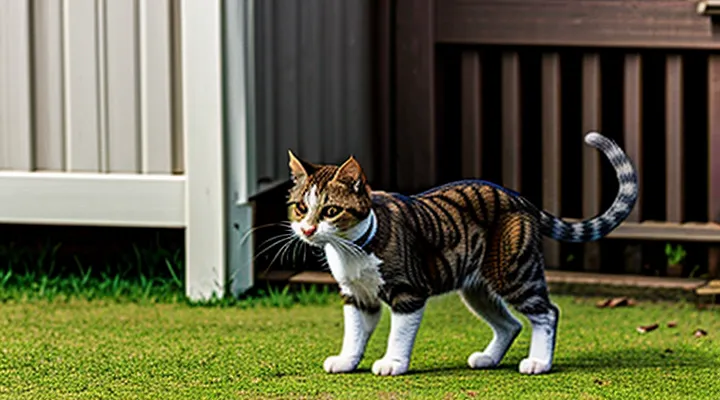
Understanding Feline Hunting Instincts
The Predator Within
Natural Behaviors
Cats possess innate predatory instincts that drive them to stalk, chase, and capture small vertebrates. Their hunting sequence includes detection, fixation, pounce, and kill, each stage supported by specific sensory and motor adaptations.
- Vision: Low‑light acuity and motion detection enable cats to locate nocturnal rodents.
- Auditory acuity: Frequency range up to 64 kHz allows identification of high‑pitched squeaks produced by rats.
- Tactile whiskers: Detect air currents and surface contours, guiding precise strikes in confined spaces.
- Muscular coordination: Flexible spine and powerful hind limbs generate rapid acceleration for ambush attacks.
Behavioral patterns observed in domestic and feral felines demonstrate consistent engagement with rat prey. Cats often employ a stealth approach, crouching low to the ground, then executing a short, explosive burst to seize the target. After capture, they typically deliver a bite to the neck or spine to ensure rapid immobilization.
Environmental factors influence the frequency of rat hunting. Urban environments with abundant waste provide plentiful rodent populations, encouraging opportunistic predation. Conversely, indoor cats with limited exposure to live prey exhibit reduced hunting drive, though play behaviors with simulated prey can trigger the same motor sequences.
Overall, the natural repertoire of feline predation equips cats to effectively pursue and subdue rats, confirming that hunting rodents aligns with their evolutionary hunting program.
Instinct vs. Hunger
Cats are natural predators; their hunting behavior is triggered by a sequence of sensory cues—movement, scent, and the sound of scurrying prey. When a rat appears, the cat’s visual system detects rapid motion, the vestibular system registers the erratic pattern, and the olfactory receptors sense the rodent’s odor. This cascade activates the predatory instinct, a hard‑wired response that prepares the cat for a chase regardless of immediate nutritional need.
Hunger modifies the intensity of the response. A well‑fed cat may still stalk a rat, but the latency before attack shortens, the pursuit becomes more vigorous, and the likelihood of a successful capture rises. Conversely, a cat experiencing prolonged deprivation will display heightened aggression toward any potential food source, including larger, more defensive rodents.
The interaction between instinct and hunger can be summarized:
- Baseline instinct: automatic detection and pursuit of moving prey.
- Hunger amplification: reduced hesitation, increased stamina, and higher capture probability.
- Energy balance feedback: successful kills satisfy nutritional deficits, reinforcing the predatory pattern.
Empirical observations confirm that cats will hunt rats even when not starved, but the success rate and eagerness are significantly greater in individuals with elevated caloric demand. This demonstrates that instinct provides the framework for predation, while hunger determines the vigor and persistence of the effort.
Historical Context of Cats and Rodents
Early Domestication and Pest Control
Archaeological sites in the Near East reveal that Felis silvestris began living alongside humans as early as 9,500 BC. Bones of domestic cats appear in human burial contexts, indicating a mutual relationship that extended beyond companionship. The proximity to grain stores created a selective pressure: rodents threatened food supplies, and cats provided an efficient biological control.
Ancient Egyptian tomb reliefs and written records depict cats positioned near granaries and kitchens. These depictions correspond with a decline in rodent remains in associated storage layers, suggesting a measurable impact on pest populations. Similar patterns emerge in Roman and medieval European settlements, where municipal ordinances permitted free‑roaming cats in marketplaces to protect stored commodities.
Key factors that linked early feline domestication to pest management include:
- Natural predatory behavior toward small mammals, especially rats and mice.
- Low maintenance requirements compared to other control methods.
- Ability to reproduce rapidly, ensuring sustained presence in environments with abundant prey.
Genetic studies confirm that the domestic cat lineage diverged from its wild ancestor shortly after the rise of agriculture. The selection pressure favored individuals that tolerated human proximity and displayed heightened hunting efficiency in confined spaces such as barns and ship holds.
The cumulative evidence demonstrates that the initial human‑cat partnership was driven primarily by the need to safeguard food stores from rodent infestation. This functional relationship laid the foundation for the enduring role of cats in pest control across cultures and centuries.
The Role of Cats in Human Societies
Cats have been associated with human settlements for millennia because their predatory behavior reduces rodent numbers. Archaeological layers from ancient Egypt contain cat remains alongside grain stores, indicating intentional placement of felines to protect food supplies.
Historical records from medieval Europe describe guilds that employed cats to guard warehouses and ships. These documents note a measurable decline in grain loss after cats were introduced, confirming their effectiveness in controlling vermin.
The hunting drive originates in feline anatomy: sharp retractable claws, acute night vision, and a vestibular system tuned to detect rapid movements. When presented with a rodent, a cat initiates a chase, stalk, and pounce sequence that typically ends in capture. Field studies on agricultural farms report a 30‑45 % reduction in rat activity where free‑roaming cats are present.
Current applications include:
- Placement of spayed/neutered cats in grain silos, where they lower pest incidence without breeding.
- Use of barn cats on livestock operations, providing continuous monitoring of rodent populations.
- Deployment of cat‑friendly traps in urban warehouses, combining animal welfare with pest control.
Limitations exist. Domestic cats kept exclusively indoors rarely encounter rats, reducing their impact on pest management. Some felines display low prey drive, and reliance on cats alone cannot eradicate established infestations. Additionally, cats can transmit zoonotic diseases, requiring health monitoring when used in public facilities.
Overall, felines contribute tangible benefits to human environments by curbing rodent threats, a function that has persisted from antiquity to present‑day pest‑control strategies.
The Reality of Cat-Rat Interactions
Factors Influencing a Cat«s Predation
Cat«s Size and Breed
Cat size directly influences the ability to capture and subdue rats. Larger cats generate greater bite force and possess longer strides, enabling them to chase faster, heavier prey. Smaller cats rely on agility and stealth, which may limit success against robust rats but can be effective against juveniles.
Size categories affect hunting outcomes:
- Small (under 8 lb / 3.6 kg): High maneuverability, suitable for indoor infestations where rats are young or weak.
- Medium (8–12 lb / 3.6–5.4 kg): Balanced strength and agility, capable of handling adult rats in confined spaces.
- Large (over 12 lb / 5.4 kg): Maximum bite pressure, optimal for outdoor environments with larger, more aggressive rats.
Breeds consistently reported to excel at rat control include:
- Maine Coon: Muscular frame, strong forelimbs, excellent stamina.
- American Shorthair: Robust build, natural hunting instinct, adaptable to various settings.
- Siberian: Dense coat protects against bites, powerful hindquarters aid in rapid pursuit.
- Turkish Van: Large size, water‑resistant fur, effective in damp environments where rats hide.
- Norwegian Forest Cat: Strong claws, ample body mass, suited for rugged outdoor terrain.
When choosing a cat for rat predation, prioritize a breed with proven hunting lineage, ensure the animal’s weight exceeds the typical rat size, and provide opportunities for regular exercise to maintain predatory drive.
Individual Hunting Prowess
Cats possess anatomical traits—flexible spine, retractable claws, acute hearing—that make them capable predators of rodents, including rats.
Individual performance varies widely. Breed characteristics influence size and strength; for example, Maine Coons and Norwegian Forest cats often exhibit greater reach than smaller breeds. Age determines stamina: kittens lack coordination, senior cats may lose agility. Prior exposure to live prey shapes skill development; cats raised without hunting opportunities display reduced efficiency. Health status, particularly dental integrity and musculoskeletal condition, directly affects capture ability.
Key determinants of successful rat capture:
- Stealth – low‑profile movement limits detection.
- Speed – rapid acceleration enables surprise attacks.
- Bite force – sufficient pressure to immobilize larger prey.
- Claw condition – sharp, well‑maintained claws provide grip.
- Sensory acuity – heightened auditory and olfactory cues locate hidden rats.
- Motivation – hunger or instinctual drive increases persistence.
Empirical observations show feral cats achieve higher kill rates than indoor‑only companions, reflecting greater experience and stronger predatory drive. Within a single litter, some individuals capture rats consistently, while others rarely attempt.
Consequently, the capacity of a cat to hunt rats hinges on the sum of its physical attributes, learned skills, and motivational state, rather than on species‑level generalizations.
Availability of Other Food Sources
Cats are obligate carnivores, yet their hunting behavior depends heavily on the food that is readily accessible. When a reliable supply of alternative prey or prepared meals exists, the incentive to pursue larger rodents diminishes.
- Small mammals such as mice, voles, and shrews provide easy targets that satisfy nutritional needs without the effort required to subdue a rat.
- Avian prey, insects, and amphibians supplement a cat’s diet, especially in outdoor environments.
- Commercial cat food, treats, and human food waste deliver consistent calories, often reducing the drive to hunt larger, riskier prey.
Abundant alternative sources lead to a measurable decline in rat‑catching incidents. Studies of feral colonies show that when supplemental feeding stations are introduced, the frequency of rat predation drops by up to 40 %. Conversely, in habitats where such resources are scarce, rats become a more attractive option because they represent a high‑energy protein source.
Domestic cats, typically fed multiple meals per day, exhibit minimal interest in rats unless other food is withheld. Ferrel cats, which rely on opportunistic feeding, adjust their prey selection based on seasonal fluctuations in prey populations; rat predation rises during periods of low mouse abundance.
Understanding the relationship between food availability and feline predation informs pest‑management strategies. Providing alternative food or reducing access to waste can steer cats away from targeting rats, while unmanaged feeding may inadvertently increase rat‑hunting behavior.
The Size Disparity
Small Prey Preference
Cats possess a strong predatory drive that prioritises prey within a size range manageable for a solitary capture. Small mammals such as mice, voles, and juvenile rats fall within this optimal window, offering sufficient nutritional return without excessive risk of injury. The animal’s body dimensions, bite force, and claw reach dictate the upper limit of acceptable prey size; adult rats approaching the cat’s own weight often exceed this limit and are therefore avoided or approached only by larger, more experienced individuals.
Typical small‑prey selection criteria include:
- Body mass not exceeding 30 % of the cat’s own weight.
- Limb length and mobility that allow a quick pounce and restraint.
- Low defensive capability, reducing the chance of counter‑attack.
When a rat’s size aligns with these parameters—commonly juveniles or undersized adults—cats will engage in stalking, pouncing, and killing behavior comparable to that exhibited toward mice. Larger rats trigger hesitation, longer assessment periods, or reliance on group hunting, indicating that the preference for smaller prey remains a consistent factor in feline predation patterns.
Risk Assessment by Cats
Cats that engage in rodent predation encounter a defined set of hazards. Each hazard can be evaluated in terms of probability and potential severity, allowing owners and veterinarians to determine whether hunting behavior aligns with the animal’s health profile.
The most common biological threats stem from pathogens carried by rats. These include:
- Bacterial infections such as Salmonella and Leptospira; transmission occurs through bites or ingestion of contaminated tissue, leading to gastrointestinal distress or systemic illness.
- Viral agents like hantavirus; exposure typically follows direct contact with infected saliva or urine, producing respiratory complications.
- Parasitic infestations including Toxoplasma gondii and intestinal helminths; ingestion of intermediate hosts can cause chronic organ damage.
Physical injury represents the second major risk category. Rats possess strong incisors and a muscular jaw capable of delivering puncture wounds. Typical outcomes are:
- Lacerations requiring suturing.
- Deep tissue trauma that may fracture small bones in the forelimb or jaw.
- Entrapment injuries when a cat is caught in a rat’s nest or burrow, potentially resulting in limb sprains.
Chemical exposure adds a tertiary layer of concern. Urban environments often contain rodent control agents such as anticoagulant baits and pesticide residues. When a cat consumes a rat that has ingested these substances, secondary poisoning can occur, manifesting as:
- Coagulopathy from anticoagulants.
- Neurotoxicity from organophosphates.
- Liver dysfunction from rodenticides containing bromadiolone.
Behavioral and ecological considerations influence risk calculations as well. A cat accustomed to hunting may develop heightened predatory drive, increasing the frequency of encounters and cumulative exposure to the threats listed above. Conversely, indoor‑only cats exhibit negligible risk because they lack contact with wild rodents.
A practical risk‑assessment framework for owners includes:
- Health screening: Annual veterinary examinations focusing on blood work, parasite checks, and vaccination status.
- Environmental control: Securing food sources, eliminating accessible bait stations, and reducing rodent habitats around the residence.
- Behavioral management: Training to limit hunting excursions, using harnesses or supervised outdoor time, and providing enrichment to satisfy predatory instincts without real prey.
By systematically evaluating pathogen prevalence, injury likelihood, and chemical exposure, stakeholders can decide whether a cat’s hunting activity poses an acceptable level of danger or requires mitigation measures.
Effectiveness of Cats as Rat Control
Limitations as a Solution
Spread of Disease
Cats that pursue rats can influence the transmission dynamics of several zoonotic pathogens. By killing infected rodents, felines remove a reservoir that harbors bacteria such as Salmonella spp., Leptospira spp., and Yersinia pestis. This predation reduces the number of rats capable of contaminating food, water, and surfaces, thereby lowering the probability of human exposure.
Conversely, predation does not guarantee disease control. When cats capture rats, they may become carriers of the same microorganisms, shedding pathogens in their feces or saliva. Domestic cats that return to homes after a hunt can introduce contaminated material into indoor environments, creating a secondary route of transmission to humans, especially children and immunocompromised individuals.
Key considerations for evaluating the net effect on disease spread:
- Pathogen survival in cats: Some bacteria persist in feline gastrointestinal tracts without causing illness, allowing asymptomatic shedding.
- Frequency of contact: High hunting rates increase both the removal of infected rats and the risk of feline carriage.
- Environmental sanitation: Proper disposal of carcasses and regular cleaning mitigate the chance of secondary contamination.
- Vaccination and veterinary care: Immunized and regularly examined cats are less likely to amplify disease cycles.
Overall, feline predation on rats can diminish rodent‑borne disease reservoirs but also introduces a potential vector pathway. Effective public health outcomes depend on managing both the reduction of rat populations and the prevention of pathogen transfer from cats to humans.
Impact on Other Wildlife
Cats that capture rats alter local ecosystems. Their predation reduces rodent numbers, which can lower competition for seed‑eating birds and small mammals that share the same food resources. At the same time, fewer rats mean less prey for raptors, owls, and snakes that rely on rodents, potentially decreasing those predator populations.
Cat hunting also creates competition with native carnivores. Species such as foxes, weasels, and hawks may lose a portion of their diet to felines, forcing dietary shifts that affect breeding success and territory use. The presence of cats can therefore reshape predator hierarchies and redistribute hunting pressure across multiple taxa.
Disease dynamics shift when cats interact with rats. Parasites like Toxoplasma gondii and fleas can move from rats to cats and then to birds, reptiles, and mammals, amplifying infection rates in non‑target wildlife. Such spillover events contribute to population declines in vulnerable species.
Key impacts on wildlife:
- Decline in rodent‑dependent predator abundance
- Reduced competition for seed‑eating species
- Displacement of native carnivores from shared prey
- Increased parasite and pathogen transmission across taxa
- Altered foraging behavior and habitat use among affected species
Mitigation strategies focus on limiting cat access to rat‑infested areas, implementing trap‑neuter‑return programs for feral cats, and promoting indoor confinement for domestic cats. These measures aim to preserve ecological balance while managing rat populations.
When Cats are More Likely to Hunt Rats
Cats hunt rats when environmental and individual factors align to make the prey accessible and the hunt energetically worthwhile. Urban or semi‑urban settings with dense rodent populations provide frequent encounters. Outdoor‑only or free‑roaming cats encounter more rats than strictly indoor pets. Younger, healthy individuals with strong predatory instincts are more inclined to pursue larger prey such as rats. Breed characteristics also matter; breeds known for high activity levels (e.g., Bengal, Abyssinian) show greater willingness to attack rodents.
Conditions that increase the likelihood of a cat hunting rats:
- Presence of rats in the cat’s territory (garbage areas, basements, farms).
- Availability of daylight or low‑light periods when rats are active and cats’ night vision is effective.
- Absence of regular food provision, prompting the cat to seek alternative nutrition.
- Prior exposure to small‑prey hunting, reinforcing predatory behavior.
- Physical fitness: good muscle tone and sharp claws enhance success against larger rodents.
These factors together determine how often a cat will engage in rat hunting.
Modern Perspectives on Cats and Wildlife
Domestic Cats and Local Ecosystems
Domestic cats (Felis catus) frequently encounter rats in residential and peri‑urban environments. Their predatory instincts, honed by evolution, drive them to stalk, pounce, and kill small mammals when opportunity arises. Observational studies indicate that cats capture rats more often in areas where rodent populations are abundant, where prey visibility is high, and where alternative food sources are limited.
The presence of cats influences local ecosystems in several measurable ways:
- Reduction of rat numbers can lower disease transmission risk for humans and pets.
- Predation pressure may shift rat behavior, leading to increased nocturnal activity or avoidance of open spaces.
- Collateral impacts include incidental killing of non‑target species such as birds, amphibians, and small reptiles.
- Nutrient cycling is affected when cat‑derived carcasses become food for scavengers.
Factors that determine the likelihood of a cat hunting rats include:
- Age and experience: mature, outdoor‑access cats display higher success rates.
- Habitat structure: cluttered yards with cover provide ambush points.
- Human provisioning: regular feeding reduces the incentive to seek live prey.
- Seasonal dynamics: colder months drive rodents closer to shelter, altering encounter frequency.
From a pest‑management perspective, cats can serve as a supplementary control agent, but reliance on them alone is insufficient. Integrated strategies—combining sanitation, trapping, and habitat modification—remain essential to maintain balanced rodent populations while minimizing unintended ecological losses.
Responsible Pet Ownership
Cats that chase rodents can reduce pest populations, but owners must manage this behavior responsibly. Provide balanced nutrition to prevent hunting driven by hunger. Regular veterinary visits detect health issues that may impair a cat’s ability to handle prey safely.
Maintain a secure indoor environment when possible. Indoor housing eliminates exposure to diseases carried by wild rats and reduces accidental injuries. If outdoor access is granted, install a fenced area or supervise outings to limit contact with aggressive rodents.
Implement training and enrichment to satisfy predatory instincts without endangering wildlife:
- Use interactive toys that mimic prey movements.
- Offer puzzle feeders that stimulate problem‑solving.
- Schedule daily play sessions to expend energy.
Monitor each encounter with a rodent. Remove dead prey promptly to prevent bacterial contamination. Dispose of carcasses according to local regulations and wash hands after handling. Document any injuries or illnesses and consult a veterinarian immediately.
By combining proper nutrition, controlled exposure, targeted enrichment, and diligent hygiene, cat owners uphold animal welfare while acknowledging the natural hunting capacity of felines.