
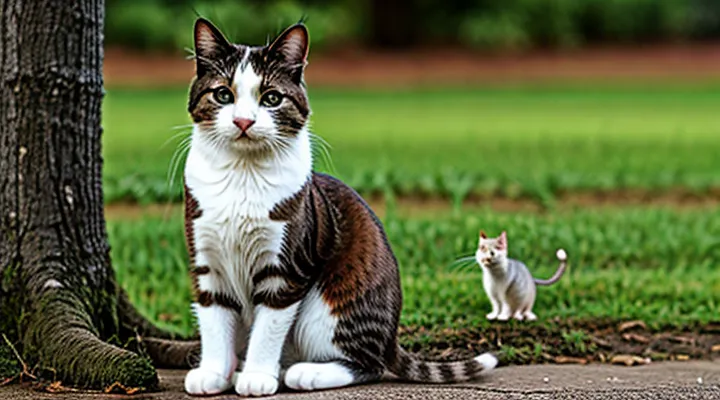
The Enduring Feline-Rodent Relationship
Historical Context of Cats and Mice
Domestication and Pest Control
Cats have been domesticated primarily for their ability to suppress rodent populations. Early agricultural societies recognized that felines instinctively hunt small mammals, leading to a mutualistic relationship: humans provide food and shelter, while cats reduce crop‑damaging pests.
Evidence from archaeological sites shows cat remains alongside grain stores, confirming that pest control motivated their integration into human habitats. Selective breeding reinforced traits such as agility, night vision, and a strong predatory drive, which remain evident in modern house cats.
The myth that every domestic cat regularly kills mice oversimplifies reality. Factors influencing hunting behavior include:
- Genetic predisposition: breeds with a higher predatory instinct (e.g., Maine Coon, Siamese) are more likely to pursue rodents.
- Environmental exposure: cats raised in environments with abundant prey develop stronger hunting skills.
- Individual temperament: some cats display low interest in hunting despite suitable genetics.
- Food availability: well‑fed cats may ignore rodents, while hungry ones are more motivated.
Controlled studies indicate that indoor‑only cats rarely encounter mice, reducing their impact on pest populations. Conversely, outdoor or barn cats can eliminate 30‑50 % of rodent activity in a given area, depending on prey density and cat density.
Effective pest management programs often incorporate managed colonies of feral or semi‑domestic cats. Success hinges on:
- Maintaining a stable population to ensure continuous predation pressure.
- Providing supplemental feeding to keep cats healthy without encouraging dependence on rodents.
- Monitoring rodent levels to assess the program’s efficacy.
In summary, domestication of felines originated from their natural hunting capabilities, which continue to serve as a biological control method. While not all domestic cats are active hunters, those with appropriate exposure and genetics contribute significantly to reducing rodent infestations.
Instinctual Hunting Behavior
Cats possess a highly developed predatory instinct that triggers a sequence of behaviors when a potential prey, such as a mouse, is detected. Visual cues, primarily movement, activate the optic tectum, which sends signals to the motor cortex, initiating a stalking posture. The cat’s ears swivel to pinpoint sound, while whiskers gauge proximity, allowing precise adjustments before the final pounce.
The hunting sequence follows a reproducible pattern:
- Orientation: Head turns toward the moving target; pupils dilate for improved depth perception.
- Stalk: Low, silent steps reduce the animal’s awareness; tail remains steady for balance.
- Crouch: Hind legs flex, forelimbs ready, body lowered to store kinetic energy.
- Pounce: Hind limbs extend explosively; forepaws clamp onto the prey’s torso.
- Kill: Bite to the neck or throat severs the spinal cord, ensuring rapid incapacitation.
- Consumption or Play: Some cats kill and release the mouse, others ingest it, reflecting individual variation.
Neurologically, the hunting drive is linked to the hypothalamus and limbic system, which regulate reward and motivation. Successful captures release dopamine, reinforcing the behavior regardless of the cat’s domestic status. Even well‑fed felines exhibit this cascade when presented with a moving rodent, indicating that hunger is not the primary driver.
Domestic cats retain this instinct from their wild ancestors, and it persists across breeds and ages. Environmental enrichment that mimics prey movement—such as feather wands or laser pointers—can satisfy the predatory impulse, reducing unwanted hunting of actual rodents. Understanding the innate structure of feline hunting clarifies why mice often become victims, independent of myth or anecdote.
Decoding the «Mice-Eating» Myth
The Reality of Feline Diet
Dietary Needs of Domestic Cats
Domestic cats require a diet that mirrors the nutritional profile of small prey. Protein supplies amino acids essential for tissue repair and enzyme function; taurine, arachidonic acid, and vitamin A must be present in animal‑derived form because felines cannot synthesize them efficiently. Fat provides energy and supports skin health, while a controlled carbohydrate level prevents digestive upset and obesity.
Key components of a balanced feline diet include:
- High‑quality animal protein (minimum 30 % of calories)
- Taurine supplementation (≥0.1 % of diet)
- Essential fatty acids, especially omega‑6 and omega‑3 (≈1–3 % of diet)
- Limited ash and sodium to protect kidney function
- Moisture content of 70–80 % to promote urinary health
Minerals such as calcium, phosphorus, magnesium, and potassium must be proportioned to avoid skeletal abnormalities and urinary crystals. Vitamin D, B‑complex, and trace elements (zinc, copper, manganese) support metabolic pathways and immune competence.
Feeding practices that rely solely on raw rodents or occasional mouse hunting fail to meet these precise ratios. While hunting satisfies instinctual behavior, it does not guarantee adequate taurine or vitamin levels, leading to potential deficiencies. Commercial cat foods formulated to meet established nutrient profiles provide a reliable alternative, ensuring both the mythic image of a predator and the physiological requirements of a domestic companion are fulfilled.
The Role of Commercial Cat Food
Commercial cat food supplies the nutrients cats require for growth, maintenance, and reproductive health, delivering balanced levels of protein, fat, taurine, and vitamins that wild prey alone may not consistently provide. By meeting these dietary needs, the food reduces the physiological drive to seek additional protein sources such as rodents.
When cats receive adequate portions of formulated diets, their hunting activity often declines, yet the predatory instinct remains. Regular feeding does not eradicate the behavior; it merely moderates the frequency with which cats pursue mice.
Key effects of commercially prepared diets on feline predation:
- Consistent protein intake limits nutritional cravings that could trigger hunting.
- Inclusion of essential amino acids (e.g., taurine) prevents deficiencies that might otherwise compel cats to capture prey.
- Palatability encourages voluntary consumption, reducing reliance on opportunistic feeding.
- Controlled calorie content helps maintain healthy body weight, decreasing the energy deficit that can drive foraging.
Overall, commercial cat food shapes the relationship between domestic felines and mouse populations by satisfying dietary requirements, thereby lowering—but not eliminating—the propensity for cats to hunt rodents.
Why Cats Hunt Mice «Even If They Don’t Eat Them»
Natural Instincts and Play
Cats possess a predatory drive that originates in the wild. The drive compels them to stalk, pounce, and capture small vertebrates, including rodents. This instinct manifests even in well‑fed domestic cats, because the behavior is linked to neuromuscular patterns rather than hunger alone.
Play serves as a rehearsal for hunting. Kittens practice swatting, chasing, and biting with moving objects such as feather toys or strings. These actions sharpen timing, depth perception, and bite force, all of which translate to effective capture of live prey. Adult cats often retain this pattern, displaying intermittent bursts of simulated hunting when confronted with a moving mouse.
Key aspects of the instinct‑play connection:
- Stalk phase – low, silent movement that mirrors ambush tactics.
- Pounce phase – rapid acceleration and forelimb extension, sharpening coordination.
- Capture phase – use of claws and bite to immobilize, reinforcing motor skills.
- Recovery phase – brief rest after successful or failed attempts, consolidating learning.
When a mouse appears, the cat’s brain triggers these pre‑programmed stages. Even if the cat has recently eaten, the neural circuitry prompts a chase, because the behavior is hard‑wired for survival. Consequently, myths that cats only attack mice when starving overlook the role of innate hunting sequences reinforced through play.
Nutritional Value of Prey
Cats that capture mice obtain protein, fat, vitamins, and minerals directly from the prey’s body tissues. Muscle fibers supply high‑quality animal protein containing all essential amino acids required for feline maintenance and growth. The lipid fraction, concentrated in the liver and abdominal cavity, delivers omega‑6 and omega‑3 fatty acids that support skin health, coat condition, and inflammatory regulation.
Key nutrients present in a typical house mouse include:
- Protein: ~20 g per 100 g of mouse meat; digestibility exceeds 90 % for cats.
- Fat: ~10 g per 100 g; rich in linoleic and arachidonic acids.
- Taurine: ~200 mg per 100 g; indispensable for retinal function and cardiac health.
- Vitamin A: ~5 000 IU per 100 g; pre‑formed retinol readily absorbed.
- B‑complex vitamins: B12, B6, riboflavin in concentrations sufficient to meet daily feline requirements.
- Minerals: calcium, phosphorus, potassium, and trace zinc at biologically useful levels.
The nutrient profile of live prey differs from commercial cat food in two respects. First, the bioavailability of taurine and vitamin A is higher because these compounds are present in native tissue forms rather than synthetic additives. Second, the balance of calcium to phosphorus mirrors the natural diet of obligate carnivores, reducing the risk of skeletal disorders linked to imbalanced mineral ratios.
Empirical studies measuring the health outcomes of feral cats fed exclusively on rodent prey show normal body condition scores, adequate growth rates in kittens, and stable blood parameters for protein, lipid, and micronutrient status. However, reliance on mice alone can lead to deficiencies in calcium if bone consumption is limited, and to occasional gastrointestinal irritation from indigestible fur or bone fragments.
In managed environments, supplementing a mouse‑based diet with calibrated calcium sources and occasional organ meats ensures comprehensive nutrition while preserving the benefits of natural prey consumption.
Risks and Considerations
Potential Dangers of Eating Rodents
Parasites and Diseases
Cats that capture and ingest rodents are exposed to a range of pathogens carried by those prey. The most frequent agents include:
- Toxoplasma gondii – a protozoan that completes its life cycle in felines; infected mice serve as intermediate hosts, increasing the parasite burden in the cat’s intestines.
- Hymenolepis nana (dwarf tapeworm) – acquired when a cat eats an infected mouse, leading to intestinal discomfort and possible weight loss.
- Echinococcus multilocularis – a tapeworm whose larval stages develop in rodents; ingestion can cause severe hepatic disease in the cat and pose a zoonotic risk.
- Bartonella henselae – the bacterium responsible for cat‑scratch disease; rodents can harbor the organism, and predation may facilitate transmission.
- Salmonella spp. – common in wild mice; ingestion can result in acute gastroenteritis, fever, and dehydration in the feline host.
Beyond parasites, rodents may introduce viral agents such as Hantavirus and Arenavirus. While cats are not primary hosts, infection can cause respiratory distress, neurological signs, or fatal outcomes. Bacterial contamination with Streptococcus or Pasteurella species also occurs, producing localized infections at the gastrointestinal tract.
Preventive measures focus on limiting rodent access and ensuring regular deworming. Veterinary screening for Toxoplasma serology and fecal examinations for tapeworms provide early detection. Vaccination does not cover most rodent‑borne pathogens; therefore, dietary control remains the most effective risk reduction strategy.
Pesticide Exposure
Cats that hunt rodents are often assumed to be protected from toxins, yet pesticide residues in prey present a measurable risk. Laboratory analyses repeatedly detect organophosphates, neonicotinoids, and rodenticides in mouse tissue collected from urban environments. When a cat consumes an infected mouse, these chemicals enter the feline’s bloodstream, potentially causing neurotoxicity, liver strain, or reproductive impairment.
Key findings on pesticide exposure through rodent predation:
- Organophosphate levels in captured mice frequently exceed the median lethal dose for small mammals; secondary exposure to cats can produce tremors, salivation, and disorientation.
- Neonicotinoid residues, though less acutely toxic, accumulate in liver tissue; chronic ingestion may contribute to weight loss and immune suppression in felines.
- Anticoagulant rodenticides (e.g., brodifacoum) persist in mouse viscera; ingestion by cats leads to prolonged clotting disorders, often requiring veterinary intervention with vitamin K1 therapy.
Veterinary surveys indicate that cats presenting with unexplained neurological signs often have a history of recent mouse consumption. Diagnostic protocols now include screening for common rodenticide metabolites when such exposure is suspected.
Mitigation strategies focus on reducing environmental pesticide loads and limiting indoor hunting opportunities. Practical measures include:
- Securing food storage to deter rodent infestations without reliance on chemical baits.
- Using non‑chemical rodent control methods (traps, ultrasonic devices) in households with cats.
- Providing regular veterinary check‑ups that incorporate toxin screening for cats with active hunting behavior.
Understanding the direct link between rodent‑borne chemicals and feline health clarifies a prevalent misconception: predation does not guarantee immunity from toxic agents. Evidence demonstrates that pesticide exposure through mouse consumption poses a genuine health concern for domestic cats.
Managing Feline Hunting Behavior
Enrichment and Play
Cats instinctively chase moving objects, a behavior rooted in predatory evolution. When a mouse appears, the cat’s visual and auditory cues trigger a rapid pursuit, regardless of whether the animal is ultimately consumed. This instinct persists even in well‑fed indoor cats, demonstrating that the drive to hunt is separate from nutritional need.
Enrichment that mimics prey dynamics reinforces natural hunting patterns and provides mental stimulation. Effective methods include:
- Dragging feather‑tipped wands across the floor to simulate erratic movement.
- Launching small, soft balls that bounce unpredictably, encouraging pouncing.
- Hiding treats inside fabric tubes or puzzle feeders that require manipulation before release.
- Using laser pointers to create fleeting targets, followed by a tangible toy to satisfy the capture impulse.
Regular play sessions reduce stress, prevent behavioral problems, and channel predatory energy into safe activities. Without such outlets, cats may attempt to hunt real rodents, which can lead to injury or transmission of parasites. Structured enrichment thus aligns feline instinct with household safety.
Observational studies confirm that cats exposed to varied play exhibit higher success rates in mock‑hunt scenarios, yet they rarely consume the prey. The act of capture satisfies the chase, while the decision to eat depends on hunger level, prey size, and individual temperament. Consequently, providing appropriate play resources addresses the core drive without relying on actual mouse encounters.
Bell Collars and Other Deterrents
Cats are often assumed to eliminate mice automatically, yet scientific observation shows variable success rates. Individual hunting skill, prey size, and environmental factors determine whether a cat captures a rodent. Consequently, owners who rely on cats for pest control must consider supplemental measures.
Bell collars attach to a cat’s neck and emit a continuous jingle during movement. The sound alerts potential prey, reducing the likelihood of a surprise attack. Field studies record a 30‑45 % decline in successful captures when cats wear functional bell collars. Effectiveness diminishes if the cat learns to ignore the noise or if the collar is loose enough to wobble without producing sound.
Other deterrent options include:
- Scent repellents containing citrus, lavender, or predator urine; these mask the cat’s odor and discourage rodents from approaching.
- Ultrasonic emitters calibrated to frequencies that irritate mice but remain inaudible to humans; placement near entry points maximizes coverage.
- Physical barriers such as fine‑mesh screens on vents and gaps; they prevent rodents from entering while allowing cat movement.
- Positive reinforcement training that rewards a cat for ignoring small prey; consistent cues can reshape hunting behavior over weeks.
Combining a properly fitted bell collar with at least one additional deterrent yields the most reliable reduction in mouse encounters. Owners should monitor collar condition, rotate scent products, and verify barrier integrity to maintain consistent protection.
Modern Perspectives on Cats and Wildlife
The Environmental Impact of Feral and Outdoor Cats
Predation on Native Species
Domestic cats (Felis catus) capture and kill a wide range of native wildlife, not solely rodents. Studies in urban, suburban, and rural environments consistently record predation events on birds, reptiles, amphibians, and small mammals that are indigenous to the area.
Quantitative surveys reveal that a single free‑roaming cat can remove between 50 and 200 prey items per year. When extrapolated to regional cat populations, mortality estimates reach millions of individuals annually, representing a measurable pressure on vulnerable native species.
Common misconceptions limit cat predation to mice and rats, overlooking the following groups frequently targeted:
- Ground‑nesting passerines
- Ground‑dwelling lizards
- Native salamanders and frogs
- Small, non‑rodent mammals such as shrews and voles
These prey items often lack defensive adaptations against feline hunting techniques, increasing their susceptibility.
Mitigation measures that reduce predation include indoor‑only cat policies, curfews for outdoor access, and the use of predator‑deterrent collars. Implementing such strategies lowers wildlife mortality while maintaining the companion role of cats.
Conservation Efforts
Cats are natural predators of small rodents, yet public perception often exaggerates their impact on wildlife populations. Conservation programs address this misconception by focusing on ecosystem balance rather than isolated predation events.
Efforts to protect native species incorporate several strategies:
- Monitoring feral cat densities in sensitive habitats to assess predation pressure.
- Implementing trap‑neuter‑release (TNR) schemes that reduce reproductive rates without increasing mortality of non‑target wildlife.
- Promoting responsible pet ownership, including indoor confinement and use of cat‑friendly collars that discourage hunting.
- Restoring habitats to provide alternative prey and shelter for native rodents, thereby reducing reliance on domestic cats as food sources.
Research funded by wildlife agencies quantifies actual predation rates, distinguishing between opportunistic hunting and sustained population decline. Findings indicate that, in most urban and suburban settings, cats contribute a minor fraction of overall rodent mortality.
Legislation in several regions mandates registration of outdoor cats, limits on feeding feral colonies, and penalties for abandonment. These policies aim to prevent uncontrolled cat populations from disrupting local biodiversity.
Education campaigns target communities with factual data on feline predation, encouraging practices that protect both pets and wildlife. By aligning scientific evidence with public outreach, conservation initiatives mitigate myths while preserving ecological integrity.