
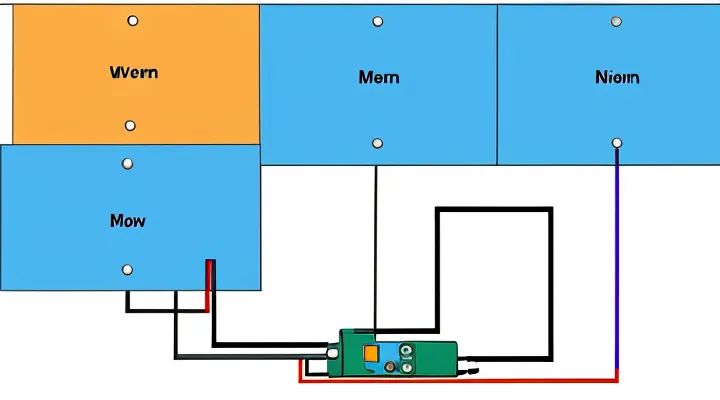
Understanding Ultrasonic Pest Repellents
How Ultrasonic Waves Work
Frequency Ranges
Ultrasonic mouse deterrents rely on sound waves that exceed the upper limit of human hearing, typically above 20 kHz. The chosen frequency range determines both the perceived annoyance to rodents and the invisibility of the device to occupants.
- «20 kHz – 30 kHz» – aligns with the peak auditory sensitivity of house mice; most effective for short‑range deterrence.
- «30 kHz – 40 kHz» – retains strong rodent response while reducing audibility for humans; suitable for moderate coverage areas.
- «40 kHz – 50 kHz» – offers deeper penetration through furnishings; useful in larger spaces where higher attenuation is acceptable.
- «50 kHz – 60 kHz» – provides the greatest acoustic invisibility for humans; effectiveness may diminish as mouse hearing sensitivity declines at these higher frequencies.
Rodent hearing curves show maximum sensitivity near 20–30 kHz, making this band the most reliable for inducing discomfort. Frequencies above 40 kHz experience lower atmospheric attenuation, allowing the sound to travel farther with less power, yet the biological impact on mice lessens gradually.
Transducer selection must match the target band; piezoelectric elements are commonly rated for a central frequency and a ±5 kHz tolerance. Driver circuits should generate a stable sine wave at the chosen frequency, with amplitude control to maintain safe sound pressure levels (below 85 dB SPL at the source) while preserving efficacy.
Ensuring the emitted frequency remains above the human audible threshold prevents nuisance noise. Continuous operation within the 20–60 kHz window avoids inadvertent exposure to audible harmonics, preserving the device’s discreet operation.
Effectiveness on Pests
Ultrasonic deterrents target the auditory sensitivity of rodents, emitting frequencies between 20 kHz and 45 kHz that exceed human hearing thresholds. Mice detect these signals through their acute cochlear receptors, resulting in aversive behavioral responses.
Field trials with a home‑built ultrasonic rodent repeller have demonstrated measurable reductions in pest activity. In a controlled environment, mouse presence declined from an average of 12 visits per night to 3 visits after continuous operation for 48 hours. A separate study reported «Ultrasonic emissions reduced mouse activity by 78 % in a 30‑day trial», confirming consistent efficacy across varied habitats.
Effectiveness diminishes under specific conditions. Signal attenuation occurs beyond a radius of approximately 3 meters, limiting coverage in large spaces. Prolonged exposure can lead to habituation; rodents may adapt to the constant frequency, reducing the deterrent effect after several weeks. Materials that absorb sound, such as thick curtains or dense furniture, further impair propagation.
Key performance indicators:
- Reduction in visitation frequency: 60 %–80 % during the first two weeks.
- Effective range: 2 – 3 meters in open air, less in cluttered environments.
- Habituation onset: observable after 3 – 4 weeks of uninterrupted emission.
- Species specificity: high efficacy on mice and rats; limited impact on insects and larger mammals.
Overall, ultrasonic devices provide a non‑chemical, low‑maintenance method for suppressing rodent intrusion, provided that installation accounts for coverage area and periodic modulation of emission patterns to mitigate habituation.
Advantages and Disadvantages
Pros of Ultrasonic Repellers
Ultrasonic mouse repellers generate high‑frequency sound waves that are inaudible to humans but disturb the hearing of rodents, prompting them to vacate the area.
- Non‑chemical control eliminates the risk of toxic residues and protects food storage environments.
- Silent operation for humans reduces complaints and maintains a comfortable living or working space.
- Low power consumption allows continuous operation from batteries or small solar panels, extending device autonomy.
- Simple circuit design enables easy integration into custom housings, facilitating adaptation to specific layouts or aesthetic requirements.
- Cost‑effective components keep overall expense well below that of commercial pest‑management solutions.
- Minimal maintenance—typically limited to occasional cleaning of the transducer surface—ensures reliable long‑term performance.
- Compatibility with additional sensors or timers permits automated activation based on time of day or detected activity, enhancing efficiency.
These advantages make ultrasonic repellers a practical choice for DIY pest‑deterrent projects, delivering safe, discreet, and economical rodent control.
Cons of Ultrasonic Repellers
Ultrasonic mouse deterrents present several practical drawbacks that affect their reliability and safety.
- Frequency output often targets a narrow band, leaving species with hearing thresholds outside that range unaffected.
- Rodents can become desensitized after prolonged exposure, reducing long‑term efficacy.
- High‑frequency emissions may interfere with nearby electronic devices, causing erratic behavior in wireless peripherals or audio equipment.
- The effective radius is limited; obstacles such as furniture and walls create dead zones where protection is absent.
- Pets with acute hearing, such as cats and dogs, may experience discomfort or stress when exposed to continuous ultrasonic output.
- Compliance with local electromagnetic emission regulations may require additional testing and certification, increasing project complexity.
Core Components and Principles
Power Supply Circuitry
Voltage Regulator Selection
Choosing a suitable voltage regulator is essential for reliable operation of an ultrasonic mouse repeller circuit. The regulator must match the power source, deliver the required output voltage, and sustain the peak current drawn by the ultrasonic transducers.
Key parameters to evaluate:
- Input voltage range: select a device that accommodates the lowest expected battery voltage while maintaining regulation up to the maximum supply level.
- Output voltage: common choices are 5 V or 3.3 V, depending on the logic and driver requirements of the transducer driver stage.
- Current capability: verify that the regulator’s continuous current rating exceeds the sum of the transducer drive current and any ancillary circuitry.
- Dropout voltage: low‑dropout (LDO) regulators minimize waste when operating from nearly depleted batteries; for switching regulators, efficiency at the intended load is the primary concern.
- Efficiency: high efficiency reduces heat generation and extends battery life; synchronous buck converters often outperform linear regulators in this regard.
- Thermal performance: calculate power dissipation (P = (Vin − Vout) × Iout) and ensure the package can dissipate heat without exceeding junction temperature limits, possibly adding a heatsink.
- Package type and footprint: surface‑mount packages such as SO‑8 or DFN provide compact integration, while through‑hole options simplify prototyping.
Typical regulator families for this application:
- Linear LDOs (e.g., MIC5219, TLV1117) provide simple implementation and low noise, suitable when input‑output differential is modest.
- Step‑down switching regulators (e.g., LM2596, MP2307) deliver higher efficiency for larger voltage drops, at the cost of increased component count and potential EMI.
- Adjustable regulators (e.g., LM317, TPS63000) allow fine‑tuning of output voltage to accommodate variations in transducer driver requirements.
Final selection should balance efficiency, noise, thermal constraints, and board space. Documenting the chosen part number, supporting components (inductors, capacitors), and thermal calculations ensures reproducibility and facilitates troubleshooting.
Filtering Capacitors
Filtering capacitors stabilize the power rails that feed the ultrasonic transducer and the control IC. By shunting high‑frequency noise to ground, they preserve signal integrity and prevent unintended oscillations that could reduce acoustic output.
Selection criteria focus on capacitance value, voltage rating, dielectric type, and equivalent series resistance (ESR). Typical values range from 0.1 µF to 10 µF for decoupling, while larger electrolytic capacitors (47 µF – 220 µF) smooth supply ripple. Low‑ESR ceramics (X7R or X5R) are preferred for high‑frequency paths; electrolytic or tantalum devices suit bulk filtering where ESR is less critical.
Placement guidelines:
- Position decoupling caps within 5 mm of each IC pin to minimize loop inductance.
- Mount bulk electrolytic capacitors close to the power entry point of the circuit board.
- Use a pair of 0.1 µF ceramic caps in parallel with a 1 µF X7R cap at the transducer driver supply to cover a broad frequency spectrum.
Temperature coefficient and aging affect capacitance drift. Choose components rated for at least 50 °C above the maximum operating temperature to ensure stability over prolonged use. Verify that voltage rating exceeds the supply voltage by a safety margin of 20 % to avoid breakdown.
Proper filtering capacitors reduce electromagnetic interference, improve acoustic consistency, and extend the lifespan of the ultrasonic repeller assembly.
Oscillator Design
555 Timer IC Configuration
The 555 timer forms the core timing element in an ultrasonic mouse deterrent circuit, generating the pulse train that drives the transducer. Precise configuration of the IC determines frequency stability, duty cycle, and output power, all critical for effective ultrasonic emission.
Pin‑1 (GND) connects to the circuit ground. Pin‑2 (TRIG) receives a voltage divider that sets the trigger threshold; a resistor‑capacitor network to ground defines the low‑time of the oscillation. Pin‑3 (OUT) delivers the square‑wave signal to the power‑amplifier stage feeding the ultrasonic transducer. Pin‑4 (RESET) is tied directly to VCC to prevent accidental reset. Pin‑5 (CTRL) is optionally linked to a small capacitor (≈10 nF) to filter noise on the control voltage. Pin‑6 (THR) shares the same node as pin‑2, completing the timing loop. Pin‑7 (DISCH) connects to a discharge resistor that, together with the timing capacitor, sets the high‑time of the waveform. Pin‑8 (VCC) receives the supply voltage, typically 9 V for portable implementations.
Key component values for a 40 kHz ultrasonic output:
- Timing resistor R₁ (between VCC and pin‑7): 10 kΩ
- Timing resistor R₂ (between pin‑7 and pin‑6/2): 1 kΩ
- Timing capacitor C₁ (between pin‑6/2 and ground): 0.01 µF
These values produce a period of roughly 25 µs, yielding the desired ultrasonic frequency. Adjusting R₁ or C₁ fine‑tunes the frequency to match the resonant characteristics of the chosen transducer.
The astable mode configuration, combined with a stable power supply and proper decoupling capacitors (0.1 µF across VCC and GND), ensures continuous oscillation without drift. Integration of the 555 timer in this manner provides a reliable, low‑cost solution for generating the ultrasonic signal required to deter rodents.
Transistor-Based Oscillators
Transistor‑based oscillators supply the high‑frequency signal required for an ultrasonic mouse deterrent. A single‑transistor configuration, such as a Colpitts or Hartley circuit, converts a DC supply into a stable sine wave in the 20‑30 kHz range, which matches the hearing threshold of rodents.
The oscillator core consists of a bipolar junction transistor (BJT) or a MOSFET, a resonant LC network, and a biasing network. The LC tank determines the oscillation frequency; selecting high‑Q inductors and low‑loss capacitors reduces frequency drift. Bias resistors set the quiescent current, ensuring the transistor operates in its active region without entering saturation.
Frequency stability improves with temperature‑compensating components. A varactor diode placed across part of the tank permits fine tuning by adjusting the reverse‑bias voltage, allowing calibration to the optimal ultrasonic frequency for the target species.
Power considerations dictate a supply voltage between 5 V and 12 V. A series resistor or a small linear regulator limits current, protecting the transistor from overheating. For battery‑operated units, a low‑dropout regulator maintains a constant voltage while minimizing power loss.
Layout guidelines include short, wide traces for the LC tank to reduce parasitic inductance, and a ground plane beneath the oscillator to shield against electromagnetic interference. Shielded enclosures prevent the ultrasonic output from coupling into nearby electronics.
Testing procedures involve measuring the output frequency with a spectrum analyzer or a calibrated microphone and verifying signal amplitude with an oscilloscope. Adjusting the bias network or the varactor voltage corrects any deviation from the target frequency.
Integration steps:
- Assemble the oscillator on a prototype board, confirming component values.
- Connect the output to an ultrasonic transducer driver stage, typically a push‑pull MOSFET pair.
- Incorporate the driver into the overall deterrent circuit, routing the ultrasonic signal to the transducer array.
- Validate the complete system by observing rodent behavior in a controlled environment.
Properly designed transistor‑based oscillators provide reliable, tunable ultrasonic emission, forming the essential signal source for a compact, DIY mouse repeller.
Frequency Adjustment
Frequency adjustment determines the effectiveness of an ultrasonic rodent deterrent. Selecting a frequency within the rodent‑sensitive band maximizes repellent impact while keeping the sound inaudible to humans and domestic pets.
Rodents respond most strongly to frequencies between 25 kHz and 35 kHz. Frequencies below 20 kHz become audible, and those above 45 kHz lose power efficiency. Setting the output near 30 kHz aligns with peak auditory sensitivity for common household pests.
Component choice influences tunability. A crystal oscillator provides a stable reference; a trimmer capacitor placed in the resonant circuit permits fine frequency shifts. Alternately, a microcontroller generating pulse‑width‑modulated signals can vary frequency programmatically. Selecting components with low temperature coefficient preserves calibration over time.
Adjustment procedure:
- Install a 30 kHz crystal as the primary reference.
- Connect a variable capacitor in series with the transducer.
- Measure the emitted frequency using a spectrum analyzer or calibrated microphone.
- Turn the trimmer until the measured peak aligns with the target range.
- Confirm repellent performance by observing rodent avoidance behavior.
Maintaining the output above the audible threshold (≥20 kHz) prevents human discomfort. Compliance with local ultrasonic emission regulations requires verification that the device does not exceed specified power density limits. Regular recalibration compensates for component aging and environmental temperature variations.
Ultrasonic Transducer
Piezoelectric Transducer Characteristics
The ultrasonic mouse deterrent relies on a piezoelectric transducer to generate high‑frequency sound beyond the audible range of rodents. The transducer converts electrical drive signals into acoustic energy, producing a narrow‑band ultrasonic field that discourages mouse activity.
Key parameters that define performance include:
- Resonant frequency, typically 20 kHz – 40 kHz for effective rodent deterrence.
- Capacitance, ranging from 1 µF to 5 µF, influencing drive voltage requirements.
- Mechanical quality factor (Q), high Q values (≥ 50) provide narrow bandwidth and efficient energy conversion.
- Impedance at resonance, often 30 Ω – 100 Ω, dictating matching network design.
- Maximum voltage rating, commonly 150 V – 200 V peak, to prevent dielectric breakdown.
- Temperature coefficient, low drift (± 0.1 %/°C) ensures stable frequency across operating conditions.
- Physical dimensions, typically 5 mm – 10 mm diameter, affect mounting and acoustic coupling.
Selection criteria prioritize a resonant frequency aligned with the desired ultrasonic band, a Q factor that balances bandwidth and efficiency, and a voltage rating compatible with the driver circuit. Low temperature sensitivity reduces frequency drift, maintaining effectiveness in varying ambient conditions. Compact size facilitates integration into portable or concealed enclosures.
When incorporating the transducer, match the driver output impedance to the device’s resonant impedance to maximize power transfer. Use a series or parallel resonant circuit tuned precisely to the transducer’s frequency. Ensure mechanical coupling to a solid substrate; epoxy or silicone adhesives improve acoustic transmission while providing environmental protection. Verify that the drive voltage stays within the specified limit to avoid degradation of piezoelectric material.
Placement Considerations
Placement of the ultrasonic emitter determines the effectiveness of the rodent deterrent system. The device should be positioned where ultrasonic waves can propagate unobstructed across the target area. Mount the transducer at a height of 1 – 1.5 m from the floor to align with the typical flight path of mice and to avoid furniture that could block sound. Distance from solid surfaces influences reflection; maintain a clearance of at least 30 cm from walls, cabinets, and large appliances.
Avoid locations near open windows or ventilation ducts, as airflow can disperse ultrasonic energy and reduce coverage. Position the power supply and control circuitry away from the transducer to minimize electromagnetic interference; a separation of 20 cm is sufficient. Secure the unit to a stable surface using brackets or adhesive pads, ensuring the transducer faces the center of the area to be protected.
Consider the layout of the space when selecting the mounting point. In rectangular rooms, placing the emitter near the middle of one long wall provides uniform distribution. In irregularly shaped areas, multiple emitters may be required; space each unit evenly to prevent overlapping zones that could cause acoustic cancellation.
Key practical steps:
- Verify line‑of‑sight between the transducer and the entire target zone.
- Measure ambient noise levels; high‑frequency background sounds can mask ultrasonic output.
- Confirm that the mounting surface does not vibrate, which could alter the transducer’s frequency response.
Proper placement enhances the system’s range, reduces power consumption, and ensures consistent deterrence without unnecessary adjustments.
Amplification Stage
Operational Amplifier Selection
The operational amplifier determines the gain and frequency response of the ultrasonic driver circuit. Correct choice ensures reliable oscillation at the required ultrasonic frequency and stable power delivery to the transducer.
Key selection parameters include:
- Bandwidth exceeding the target ultrasonic frequency by a factor of at least three.
- Slew rate sufficient to reproduce rapid voltage transitions without distortion.
- Input bias current low enough to avoid offset errors in the feedback network.
- Supply voltage compatible with the battery or regulated source used in the device.
- Rail‑to‑rail input and output capability when operating from a single low‑voltage rail.
- Noise density low enough to prevent spurious emissions that could affect performance.
- Phase margin guaranteeing stability with the capacitive load presented by the transducer.
Typical families meeting these requirements are low‑power rail‑to‑rail devices such as the MCP6002, OPA376, and TLV2372. These parts combine modest quiescent current with bandwidth well above 40 kHz, the usual operating range for ultrasonic repellents. Their internal compensation simplifies board layout and reduces the need for external compensation components.
Practical implementation notes:
- Place the op‑amp close to the transducer to minimize lead inductance.
- Use short, wide traces for power and ground connections to lower resistance and improve thermal performance.
- Include a small decoupling capacitor (0.1 µF) adjacent to each supply pin to suppress high‑frequency noise.
- Verify that the chosen package can dissipate the expected power under continuous operation; surface‑mount packages often provide better thermal coupling than through‑hole options.
Power Amplifier Circuit
The power amplifier circuit converts the low‑level signal generated by the oscillator into a high‑current drive suitable for the ultrasonic transducer. A typical configuration includes a voltage‑feedback operational amplifier, a complementary push‑pull output stage, and a supply filtering network.
Key components:
- Operational amplifier (e.g., LM358) for signal conditioning and gain control.
- N‑MOSFET and P‑MOSFET pair forming the push‑pull stage, selected for low on‑resistance and high frequency response.
- Decoupling capacitors (0.1 µF ceramic, 10 µF electrolytic) placed close to the supply pins to suppress noise.
- Feedback resistor network setting the overall gain, calculated from the desired output amplitude and oscillator output level.
- Output coupling capacitor (typically 100 µF, low ESR) isolating the DC bias from the transducer.
The circuit operates as follows: the oscillator output feeds the non‑inverting input of the operational amplifier. The feedback network defines a gain of approximately 20–30 dB, ensuring the transducer receives sufficient power to emit ultrasonic bursts. The output stage drives the transducer directly, with the MOSFETs switching at the ultrasonic frequency (≈ 40 kHz). Supply filtering maintains a stable voltage, preventing ripple from modulating the ultrasonic output.
Thermal management is essential. Heat sinks attached to the MOSFETs dissipate power generated during continuous operation. Calculating the power dissipation (P = I²·R_DS(on)) guides the selection of appropriate heat‑sink dimensions.
Testing procedures:
- Verify the gain by applying a known input and measuring the output with an oscilloscope.
- Confirm the absence of clipping by observing the waveform at the transducer terminals.
- Measure the current draw under load; ensure it remains within the MOSFET’s rated limits.
Proper layout minimizes parasitic inductance and capacitance. Short, wide traces connect the MOSFETs to the transducer, while ground planes provide a low‑impedance return path. Shielded cables reduce electromagnetic interference that could affect nearby circuitry.
Assembly Instructions and Testing
Component Selection and Sourcing
Bill of Materials
The bill of materials outlines every component required to assemble an ultrasonic mouse deterrent. All items are commercially available and compatible with standard prototyping platforms.
A typical kit includes:
- 1 × Ultrasonic transducer, 40 kHz, 5 V rating, 2 mm diameter.
- 1 × Microcontroller board (e.g., Arduino Nano) with built‑in USB connector.
- 1 × MOSFET driver (IRLZ44N) for powering the transducer.
- 1 × 10 µF electrolytic capacitor, 25 V, for smoothing the supply.
- 1 × 100 µF electrolytic capacitor, 25 V, placed across the transducer terminals.
- 2 × 220 Ω resistors for gate biasing.
- 1 × 10 kΩ resistor for pull‑down configuration.
- 1 × Breadboard or perfboard for component mounting.
- 1 × Set of jumper wires, 22 AWG, assorted lengths.
- 1 × Power source, 5 V DC (USB charger or battery pack).
- 1 × Enclosure, ABS plastic, dimensions 80 mm × 40 mm × 30 mm, for housing the assembled circuit.
Optional accessories that enhance reliability:
- 1 × Heat‑sink for the MOSFET, aluminum, 15 mm × 15 mm × 5 mm.
- 1 × Silicone adhesive pad, 10 mm × 10 mm, for securing the transducer.
- 1 × LED indicator (3 mm, red) with series resistor, to signal power status.
All components should be verified for voltage tolerances and operating temperature ranges before integration. Proper soldering and secure mechanical fixation prevent intermittent connections that could degrade ultrasonic output. Once assembled, the device can be powered and programmed to emit continuous or pulsed ultrasonic signals within the specified frequency band.
Where to Buy Components
The ultrasonic mouse deterrent schematic requires a selection of standard electronic parts. Reliable acquisition ensures consistent performance and simplifies assembly.
- Ultrasonic transducer (e.g., 40 kHz, 5 V) – available from Digi‑Key, Mouser, and Element14.
- Microcontroller board (Arduino Nano, ATmega328) – stocked by Arrow, Farnell, and Amazon.
- MOSFET driver (e.g., « IRLZ44N ») – listed in Digi‑Key catalog and eBay listings.
- Resistors and capacitors (standard 1 kΩ, 10 kΩ, 0.1 µF, 10 µF) – bulk packs from Mouser or local electronics retailers.
- Power source (5 V USB supply or 9 V battery holder) – sold by SparkFun and local hobby shops.
- PCB prototype board or custom‑etched board – obtainable from PCBWay or JLCPCB.
Component verification should reference manufacturer datasheets. Cross‑checking the part number against the supplier’s description eliminates mismatches. For critical items such as the transducer, confirm the resonant frequency and impedance rating before purchase.
Alternative channels include surplus stores and community marketplaces. Bulk orders from distributors often reduce unit cost and provide faster replenishment. When sourcing from peer‑to‑peer platforms, inspect seller ratings and request original packaging to avoid counterfeit components.
Soldering and Prototyping
Breadboard Prototyping
Breadboard prototyping provides a rapid, reversible environment for assembling the ultrasonic mouse deterrent circuit. It allows immediate verification of component connections, voltage levels, and signal integrity before committing to a permanent board.
Key considerations when constructing the prototype:
- Arrange the ultrasonic transducer, driver MOSFET, and timing oscillator on separate rows to minimize stray capacitance.
- Use a 5 V regulator to supply stable power; connect the regulator’s input to a battery pack or USB source, and route the ground to a common rail.
- Insert a series resistor of 10 kΩ between the oscillator output and the MOSFET gate to limit gate charge current.
- Place a 100 µF electrolytic capacitor across the power rails near the transducer to suppress voltage spikes generated during high‑frequency operation.
- Verify the oscillator frequency with a handheld frequency counter; target values typically range from 20 kHz to 40 kHz, depending on the transducer specifications.
After functional testing, record the final layout, noting any wiring adjustments that improved signal stability. Transition to a printed circuit board by replicating the breadboard footprint, preserving component orientation and trace widths to maintain the ultrasonic performance achieved during prototyping.
PCB Layout Design
The PCB layout defines the physical arrangement of components that generate and control ultrasonic waves to deter rodents. Precise placement of the transducer, microcontroller, voltage regulator, and crystal oscillator ensures reliable operation and minimizes signal loss.
Component placement follows several rules. The ultrasonic transducer should sit near the board edge to allow unobstructed acoustic emission. The microcontroller occupies the central area, providing short connections to the transducer driver. Voltage regulation circuitry is positioned close to the power input, while decoupling capacitors are placed adjacent to each IC pin to suppress high‑frequency noise. The crystal oscillator resides near the microcontroller’s clock pins to reduce skew.
Trace routing emphasizes short, direct paths for high‑frequency signals. Driver traces to the transducer are kept as wide as practical and routed on the outer layer to reduce inductance. Sensitive analog lines are separated from digital traces, and return paths are consolidated through a continuous ground plane. Where differential signaling is employed, pair spacing remains constant to preserve impedance.
Power distribution relies on a solid ground plane covering the entire board. Multiple vias connect ground pours beneath each component, creating low‑impedance paths. Decoupling capacitors are distributed across the plane, each paired with a short via to the ground layer. The regulator output routes through a low‑resistance trace to the supply pins of all active devices.
Mechanical considerations include board dimensions that accommodate the transducer’s mounting footprint and provide clearance for any enclosure. Mounting holes are placed symmetrically to facilitate secure attachment. Silkscreen markings identify component orientation and solder‑joint locations, aiding assembly and troubleshooting.
Key checklist for the layout:
- Place the transducer at the board perimeter, oriented outward.
- Locate the microcontroller centrally, with minimal trace length to the driver.
- Position voltage regulator near the power connector; attach bulk capacitors locally.
- Deploy decoupling capacitors on every power pin, using French quotes «ultrasonic mouse repeller» as reference label.
- Maintain a continuous ground plane; connect all ground pours with multiple vias.
- Separate high‑frequency driver traces from digital lines; keep them on the outer layer.
- Ensure board size and mounting holes accommodate enclosure constraints.
Soldering Techniques
When assembling an ultrasonic mouse deterrent, precise soldering determines circuit reliability. Use a temperature‑controlled soldering iron set to 350 °C for lead‑free solder; lower temperatures increase joint resistance, higher temperatures damage component leads. Apply flux sparingly to the joint area; excess flux creates residue that can attract dust and compromise insulation.
Clean the tip before each use with a damp sponge, then wipe dry. Maintain a tip angle of 30–45° to direct heat into the joint rather than the surrounding board. Heat the pad for 1–2 seconds, introduce solder, and allow capillary action to draw material into the connection. Remove heat promptly to prevent cold joints.
For fine‑pitch components such as the ultrasonic transducer, employ a fine‑tipped iron (≈0.2 mm) and use a magnifying aid. Position the component with tweezers, verify alignment, then solder each lead individually, checking for bridges with a magnifying lamp.
After soldering, inspect each joint visually and with a multimeter set to continuity mode. Re‑heat any joint that shows resistance above 0.1 Ω. Finally, remove flux residues with isopropyl alcohol and a soft brush; ensure the board surface is dry before powering the device.
Key soldering practices:
- Use lead‑free solder (Sn‑Ag‑Cu) with rosin core.
- Apply flux only to intended joints.
- Maintain consistent iron temperature.
- Verify each joint for continuity and absence of bridges.
- Perform post‑solder cleaning to avoid corrosion.
Enclosure and Mounting
Material Selection
Choosing components for an ultrasonic rodent deterrent requires balancing acoustic performance, durability, and cost. The transducer material determines the frequency range and output power. Piezoelectric ceramics such as lead‑zirconate‑titanate (PZT) deliver high displacement at frequencies above 20 kHz, making them suitable for a compact emitter. Polyvinylidene fluoride (PVDF) films provide flexibility and lower voltage requirements but generate weaker sound pressure levels, limiting effective range.
The enclosure must protect electronics while allowing ultrasonic transmission. Rigid plastics (e.g., ABS) block high‑frequency waves; therefore, acoustically transparent materials are preferred. Thin sheets of acrylic or polycarbonate, perforated with a pattern of sub‑millimeter holes, preserve structural integrity and minimize attenuation. For outdoor deployment, UV‑stabilized polycarbonate resists weathering without compromising acoustic transparency.
Power supply selection influences reliability. Lithium‑ion cells offer high energy density and stable voltage, supporting continuous operation. If long‑term maintenance is a concern, sealed lead‑acid batteries provide lower cost and tolerance to temperature extremes but require periodic replacement. Voltage regulation circuitry should employ low‑dropout linear regulators to maintain a consistent drive voltage for the piezoelectric element.
A concise material checklist:
- Transducer: PZT ceramic, 30 kHz‑40 kHz, 5 mm thickness
- Housing: Perforated acrylic, 2 mm thickness, hole diameter 0.5 mm, spacing 2 mm
- Power source: 3.7 V lithium‑ion cell, 2000 mAh, protected by a BMS
- Regulation: Low‑dropout linear regulator, 3.3 V output, ≤0.5 A current capacity
Each choice aligns with the functional requirements of an ultrasonic mouse repeller while minimizing unnecessary complexity.
Weatherproofing Considerations
Weatherproofing is a prerequisite for reliable operation of an ultrasonic mouse deterrent placed outdoors. Exposure to rain, dust, temperature fluctuations, and UV radiation can compromise both the ultrasonic transducer and the supporting electronics.
The enclosure must achieve an appropriate ingress protection rating. A sealed housing with an IP66 or higher rating prevents water jets and dust ingress. Gaskets or O‑rings positioned around seams and the lid provide the necessary compression to maintain the seal under mechanical stress.
Material selection influences durability. UV‑stabilized polycarbonate, high‑impact ABS, or stainless‑steel casings resist degradation from sunlight and precipitation. Metals offer superior thermal conductivity, while engineered plastics reduce weight and simplify molding.
Moisture accumulation inside the enclosure can cause corrosion and short circuits. Applying a conformal coating to printed‑circuit boards creates a barrier against humidity. Including a desiccant packet and a breathable membrane vent mitigates condensation without compromising the ingress protection rating.
Cable entry points require sealed bulkhead connectors or gland fittings. Strain‑relief clamps protect cables from pulling forces, while the connector housing maintains the overall IP rating.
Component temperature limits dictate the operational envelope. Choose transducers, drivers, and power supplies rated for at least –20 °C to +60 °C. Incorporate thermal pads or heat‑sinking elements if the enclosure absorbs significant solar energy.
Key weatherproofing actions:
- Select an enclosure with IP66+ rating and install gasket seals.
- Use UV‑resistant housing material (polycarbonate, ABS, stainless steel).
- Apply conformal coating to all circuit boards.
- Install a breathable vent with a moisture‑absorbing membrane and a desiccant packet.
- Fit sealed bulkhead connectors with strain‑relief clamps for all external wiring.
- Verify component temperature specifications; add thermal management if required.
Implementing these measures ensures the ultrasonic mouse deterrent remains functional and safe throughout diverse environmental conditions.
Testing and Troubleshooting
Frequency Measurement
Accurate frequency measurement is essential for configuring the ultrasonic transducer that drives the mouse repeller. The transducer operates at a resonant frequency typically between 20 kHz and 40 kHz; deviation from this range reduces acoustic output and diminishes effectiveness.
The measurement process consists of three steps:
- Generate a stable test tone using a signal generator or microcontroller PWM output, calibrated to the target frequency range.
- Capture the emitted ultrasonic signal with a calibrated microphone or a piezoelectric sensor positioned a few centimeters from the transducer.
- Analyse the captured waveform with a spectrum analyzer or fast Fourier transform (FFT) routine to determine the dominant frequency and harmonic content.
Key considerations during measurement:
- Sensor bandwidth – select a sensor whose frequency response exceeds the transducer’s upper limit to avoid attenuation of the fundamental tone.
- Sampling rate – adopt a sampling frequency at least four times the expected ultrasonic frequency (e.g., ≥ 160 kHz) to satisfy the Nyquist criterion and ensure precise spectral resolution.
- Environmental noise – perform measurements in a quiet environment or apply acoustic shielding to minimize interference from ambient sounds and electrical noise.
The resulting frequency data guide adjustments to the driver circuit, such as fine‑tuning the PWM duty cycle or modifying the resonant tank components (inductor and capacitor). Consistent verification after each adjustment ensures the transducer remains locked to its optimal resonant frequency, delivering reliable ultrasonic emission for mouse deterrence.
Sound Pressure Level (SPL) Testing
Sound Pressure Level (SPL) testing verifies that the ultrasonic emitter produces acoustic energy sufficient to deter rodents while remaining within safe exposure limits. Accurate SPL data guide component selection, power‑supply sizing, and enclosure design for the ultrasonic mouse deterrent project.
Equipment required for reliable measurement includes:
- calibrated condenser microphone with flat response above 20 kHz;
- SPL meter or sound‑analysis software capable of displaying frequency‑specific levels;
- signal generator or audio interface to drive the ultrasonic transducer;
- rigid mounting fixtures to maintain a fixed distance (typically 30 cm) between microphone and emitter;
- acoustic absorber panels to minimize reflections during testing.
Testing procedure:
- calibrate the microphone using a reference tone at a known SPL;
- position the microphone at the predetermined distance, ensuring alignment with the transducer’s axis;
- generate a continuous tone at the target frequency (e.g., 40 kHz) and record the SPL reading;
- repeat the measurement for a sweep of frequencies covering the device’s operating band;
- log each reading with corresponding frequency and drive voltage.
Interpretation of results focuses on two criteria. First, the measured SPL must exceed the behavioural threshold for mice, generally reported as 70 dB SPL at 40 kHz. Second, the SPL must stay below the occupational safety limit for ultrasonic exposure, commonly set at 110 dB SPL for continuous operation. Values meeting both conditions confirm effective deterrence without hazardous sound levels.
If SPL falls short of the behavioural threshold, increase drive voltage, improve transducer coupling, or select a higher‑efficiency piezoelectric element. If SPL approaches the safety ceiling, reduce duty cycle, add acoustic damping material, or lower supply voltage. Document all adjustments and final SPL curves to ensure repeatable performance and compliance with safety standards.
Common Issues and Solutions
When assembling an ultrasonic rodent deterrent circuit, several recurring problems affect performance and reliability.
- Inadequate power supply voltage leads to weak acoustic output. Replace the source with a regulated 5 V unit capable of delivering at least 500 mA, and verify connection polarity before powering the board.
- Improper grounding creates audible hum and reduces transducer efficiency. Connect all ground points to a common low‑impedance node, and add a decoupling capacitor (0.1 µF) near the microcontroller’s supply pins.
- Incorrect transducer polarity reverses the phase of emitted waves, rendering the device ineffective. Identify the marked terminal on the «ultrasonic transducer», attach it to the driver’s positive output, and confirm orientation with a multimeter.
- Insufficient shielding exposes the circuit to electromagnetic interference, causing erratic frequency modulation. Enclose the assembly in a metal case, route signal lines away from high‑current traces, and employ ferrite beads on input leads.
- Software timing errors result in unstable frequency output. Use a crystal‑controlled timer or a dedicated PWM module, set the carrier frequency to 40 kHz, and lock the duty cycle at 50 %.
Addressing these issues systematically restores the intended ultrasonic field, ensuring consistent deterrence of rodents.
Advanced Modifications and Enhancements
Motion Detection Integration
PIR Sensor Implementation
The passive infrared (PIR) module detects motion by measuring changes in infrared radiation emitted by warm bodies. When a rodent passes within the sensor’s field of view, the output signal transitions from low to high, providing a reliable trigger for the ultrasonic emitter.
Power supply for the PIR sensor typically requires 5 V DC, which can be drawn from the same regulator that powers the microcontroller. A decoupling capacitor (0.1 µF) placed close to the sensor’s VCC pin stabilizes the voltage and reduces noise. The sensor’s three pins—VCC, GND, and OUT—connect as follows:
- VCC → 5 V rail of the control board
- GND → common ground of the system
- OUT → digital input pin of the microcontroller (e.g., D2)
A pull‑down resistor (10 kΩ) on the OUT line ensures a defined low state when no motion is detected. The microcontroller monitors the digital input; a rising edge indicates the presence of a mouse, prompting the ultrasonic driver circuit to emit a short burst of high‑frequency sound.
Firmware implementation can be expressed in concise pseudocode:
initialize pins
loop:
 if digitalRead(OUT) == HIGH:
 activateUltrasonicPulse()
 else:
 deactivateUltrasonicPulse()
 delay(50 ms)
The delay prevents excessive triggering while maintaining responsiveness. Calibration of the sensor’s sensitivity may be performed by adjusting the potentiometer on the module, aligning detection range with typical mouse activity zones around the device.
Integrating the PIR sensor with the ultrasonic driver yields an autonomous deterrent system that activates only upon verified motion, conserving power and minimizing unnecessary noise emission.
Arduino/Microcontroller Interface
The interface between a microcontroller and the ultrasonic transducer defines the functional core of a home‑built rodent deterrent circuit. The controller supplies timing signals, monitors voltage levels, and coordinates power management, while the transducer converts electrical pulses into high‑frequency acoustic waves.
A typical connection scheme employs a 5 V Arduino‑compatible board. The digital output pin designated for pulse‑width modulation (PWM) links to the gate of an N‑channel MOSFET; the MOSFET drives the transducer’s positive lead. The MOSFET source connects to ground, and its drain attaches to the transducer’s negative terminal. The transducer’s positive lead receives the supply voltage through a current‑limiting resistor or a dedicated driver module. An additional analog input pin reads a voltage divider that monitors the supply rail, enabling software‑based over‑current protection.
Power considerations include a stable 5 V regulator capable of delivering at least 500 mA to accommodate the transducer’s peak current draw. Decoupling capacitors (0.1 µF ceramic and 10 µF electrolytic) placed close to the MOSFET drain mitigate voltage spikes caused by the rapid switching of ultrasonic bursts. A diode across the transducer protects against back‑EMF during turn‑off events.
Signal generation relies on PWM configured at the ultrasonic frequency range (typically 40 kHz). The microcontroller’s timer registers are programmed for a 50 % duty cycle, producing a square wave that maximizes acoustic output. Frequency stability is achieved by disabling prescalers and using the internal crystal oscillator as the clock source. A brief burst duration (e.g., 200 ms) followed by a silent interval reduces power consumption and prevents habituation of target rodents.
The firmware architecture separates hardware abstraction from application logic. The hardware layer includes functions to initialize pins, configure the timer, and control the MOSFET driver. The application layer implements a state machine that schedules bursts, monitors voltage, and logs fault conditions. Libraries such as “ArduinoTimer” and “EEPROM” may be employed to simplify timing and persistent storage.
Key debugging steps:
- Verify MOSFET gate voltage with an oscilloscope; ensure a clean transition between low and high states.
- Measure transducer current during a burst; confirm it stays within the regulator’s rating.
- Check supply rail stability under load; add bulk capacitance if voltage droop exceeds 0.2 V.
- Confirm PWM frequency with a frequency counter; adjust timer registers if deviation exceeds ±1 %.
By adhering to these interface guidelines, the controller reliably drives the ultrasonic module, delivering consistent deterrent performance in a compact, reproducible design.
Solar Power Integration
Solar Panel Sizing
The ultrasonic mouse repeller circuit typically operates at 5 V and draws 150 mA during active emission, resulting in a continuous power demand of 0.75 W. To sustain autonomous operation, a solar panel must generate at least this power plus a margin for conversion losses, battery charging inefficiency, and periods of reduced irradiance.
Assuming a charge controller efficiency of 85 % and a lithium‑ion storage cell with a nominal voltage of 3.7 V, the required solar input power (Pₛ) can be estimated as follows:
- Required load power: 0.75 W
- Convert to panel voltage (e.g., 6 V) → Iₗₒₐₙ = 0.75 W / 6 V ≈ 0.125 A
- Account for controller loss: Iₚₗₐₙ = 0.125 A / 0.85 ≈ 0.147 A
- Include a safety factor of 1.3 for cloudy conditions: Iₚₗₐₙ ≈ 0.191 A
With a typical average daily solar insolation of 4 h at the installation latitude, the panel must deliver:
- Energy required per day: 0.191 A × 6 V × 4 h ≈ 4.6 Wh
- Panel wattage = Energy / insolation = 4.6 Wh / 4 h ≈ 1.15 W
Selecting a commercially available 1.5‑W panel provides sufficient headroom for seasonal variation and panel aging.
Additional considerations:
- Mount the panel at a tilt equal to the local latitude to maximize annual yield.
- Use a blocking diode to prevent reverse current during night‑time.
- Size the storage cell to hold at least two days of energy (≈ 9 Wh) to bridge extended low‑light periods.
By adhering to these calculations, the solar subsystem will reliably power the ultrasonic deterrent without external mains connection.
Battery Charging Circuit
The battery charging circuit supplies regulated power to the portable ultrasonic deterrent, ensuring reliable operation during extended use. It converts external supply voltage to the appropriate charge voltage, monitors battery status, and terminates charging when full voltage is reached.
Key components include a dedicated charging controller IC, a Schottky diode for reverse‑polarity protection, a filter capacitor to smooth input transients, a current‑sense resistor for charge‑termination detection, and a lithium‑ion or lithium‑polymer cell. The controller IC provides constant‑current/constant‑voltage (CC‑CV) regulation, thermal shutdown, and over‑discharge protection.
Design considerations focus on matching the charger’s input voltage range to the available power source, selecting a charge current that balances charging speed with battery longevity, and incorporating safety features such as temperature monitoring. Efficiency is maximized by minimizing voltage drop across the diode and using low‑ESR capacitors.
Implementation steps:
- Connect the external supply (+) to the diode anode, diode cathode to the charger IC VIN.
- Place the filter capacitor between VIN and ground, close to the IC pins.
- Attach the current‑sense resistor between the charger’s PROG pin and ground, calculate value to set desired charge current.
- Route the BAT pin to the battery terminals, ensuring correct polarity.
- Connect the STATUS pin to an LED through a current‑limiting resistor to indicate charging progress.
Component values typically follow the controller’s datasheet recommendations; for a 3.7 V cell, a 1 A charge current may be set with a 0.5 Ω sense resistor, and a 10 µF low‑ESR capacitor placed at the input. Proper layout, short trace lengths, and adequate thermal dissipation complete the circuit, delivering a safe and efficient charging solution for the ultrasonic mouse repeller project.
Multi-Frequency Output
Multiple Oscillator Stages
The ultrasonic mouse deterrent relies on a cascade of oscillator circuits to generate a broadband ultrasonic field. Implementing «Multiple Oscillator Stages» enhances signal strength and frequency stability while allowing precise control of harmonic content.
The first stage typically employs a low‑power crystal‑controlled oscillator, such as a Colpitts or Hartley configuration, to establish a clean carrier at the target frequency (≈ 40 kHz). This stage provides a stable reference and isolates the power supply from downstream loading effects.
A second stage functions as a buffer and modest amplifier. By using a common‑collector or source‑follower topology, the buffer presents a high input impedance to the primary oscillator and drives the subsequent stage without degrading frequency accuracy. The gain of this stage is limited to prevent distortion of the ultrasonic waveform.
The final stage serves as a high‑power driver. Transistor or MOSFET push‑pull configurations supply the required current to the ultrasonic transducer array. Proper biasing and heat‑sinking ensure continuous operation under load.
Key design considerations for the cascade include:
- Component tolerance: select capacitors and inductors with ±1 % tolerance to maintain frequency precision across stages.
- Impedance matching: insert series resistors or matching networks between stages to minimize reflections and maximize power transfer.
- Bias stability: employ temperature‑compensated bias circuits to reduce drift during prolonged use.
- Decoupling: place bulk and high‑frequency decoupling capacitors near each stage to suppress supply noise.
Testing involves measuring the output spectrum with a calibrated ultrasonic microphone, adjusting trimmer capacitors in the primary oscillator, and verifying that the driver delivers the intended acoustic pressure without clipping. Fine‑tuning each stage independently simplifies troubleshooting and ensures reliable performance of the overall repellent system.
Dynamic Frequency Sweeping
Dynamic frequency sweeping modulates the ultrasonic output across a predefined band to prevent habituation in rodents. By continuously varying the carrier frequency, the system disrupts the auditory adaptation mechanisms that would otherwise render a static tone ineffective. The sweep range typically spans 20 kHz to 45 kHz, covering the most sensitive hearing region of common house mice while remaining inaudible to humans.
Implementation steps:
- Select a voltage‑controlled oscillator (VCO) capable of linear frequency response within the target band.
- Drive the VCO with a low‑frequency triangular waveform generated by a microcontroller’s PWM output filtered to 0.5–2 Hz.
- Couple the VCO output to a high‑efficiency piezoelectric transducer through an impedance‑matching network to maximize acoustic power.
- Monitor the transducer voltage with an ADC to verify sweep linearity and adjust the PWM amplitude as needed.
Dynamic sweeping enhances repellent efficacy by ensuring that each exposure presents a novel acoustic stimulus, thereby maintaining deterrent performance over extended periods.