
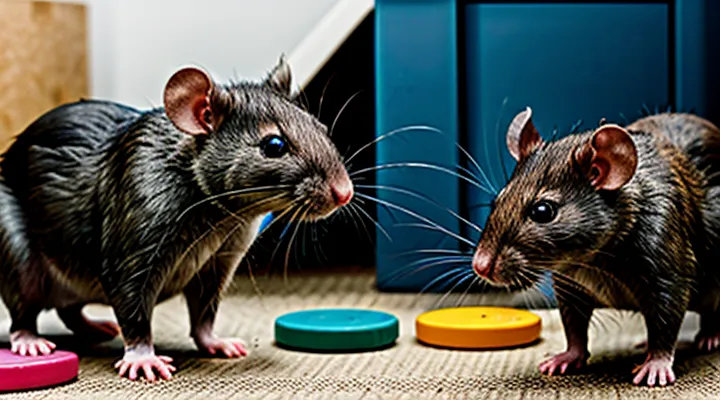
The Importance of Enrichment for Rats
Why Rats Need Stimulation
Preventing Boredom and Stress
Providing varied stimuli reduces inactivity and anxiety in pet rodents. Rotating objects every few days prevents habituation and encourages exploration. Introducing safe chewing materials satisfies natural gnawing instincts and protects cage furnishings.
- Puzzle feeders that require manipulation to release food stimulate problem‑solving skills.
- Tunnels, climbing branches, and hammocks create vertical space, promoting physical exercise.
- Interactive toys such as ball tracks or rolling wheels enable self‑initiated play.
- Scheduled handling sessions reinforce trust and lower stress hormones.
Social enrichment enhances mental health. Housing compatible companions allows grooming and vocal communication, while supervised out‑of‑cage time offers novel environments. Adjusting diet with occasional fresh vegetables or fruit introduces gustatory variety, further preventing monotony.
Consistent observation detects early signs of distress. Indicators include excessive grooming, repetitive pacing, or loss of appetite. Prompt adjustment of enrichment elements restores balance and supports overall well‑being.
Promoting Physical and Mental Health
Physical well‑being of pet rats depends on regular aerobic activity and muscular conditioning. Simple structures such as elevated platforms, tunnels, and chewable ladders create opportunities for climbing, sprinting, and stretching. Incorporating a sturdy wheel with a safe diameter ensures continuous running without joint strain.
Mental resilience relies on cognitive challenges and sensory variety. Puzzle feeders force problem‑solving, while hidden treats encourage foraging instincts. Rotating scent objects—herbs, spices, or safe essential oils—stimulates olfactory exploration and reduces monotony. Introducing novel textures, such as shredded paper or untreated wood, further enriches tactile perception.
Practical DIY projects:
- Platform maze: assemble cardboard sheets into a multi‑level grid; secure with non‑toxic glue; place food rewards at dead ends.
- Foraging ball: drill holes in a plastic sphere, fill with seed mix, seal with a silicone cap; rat manipulates the ball to retrieve food.
- Scent carousel: attach small fabric pouches to a rotating wooden disc; each pouch contains a different herb; rotate daily to present new aromas.
Consistent rotation of these elements prevents habituation and supports cardiovascular health, muscular tone, problem‑solving ability, and emotional stability. «Rats thrive on varied stimulation», and a structured schedule of homemade enrichment sustains both physical vigor and mental acuity.
DIY Entertainment Ideas
Foraging Toys
Toilet Paper Roll Puzzles
Toilet‑paper‑roll puzzles provide a low‑cost, customizable challenge that encourages natural foraging behavior and problem‑solving in pet rodents. The cylindrical shape can be transformed into a series of compartments, tunnels, and reward chambers, offering a versatile platform for enrichment without requiring specialized tools.
Key advantages include stimulation of tactile exploration, promotion of dexterity, and reduction of stereotypic activity. The material is biodegradable, safely disposable after use, and readily available in most households.
Required items:
- Empty toilet‑paper rolls (minimum two per puzzle)
- Cardboard or thin wood for internal dividers
- Non‑toxic adhesive or tape
- Small treats or pellets for rewards
- Scissors or a craft knife
Construction steps:
- Trim one roll lengthwise to create an open sleeve.
- Cut dividers to fit snugly inside the sleeve, forming separate chambers.
- Insert dividers, securing them with adhesive to maintain stability.
- Attach the second roll to the open end, forming a tunnel that leads to the chambers.
- Place treats in the innermost compartment, sealing the entry with a removable flap.
Maintenance guidelines:
- Inspect for sharp edges after each use; smooth any rough cuts.
- Replace rolls periodically to prevent buildup of waste or odor.
- Clean with mild soap and warm water, ensuring thorough drying before reuse.
«Rats demonstrate problem‑solving abilities when presented with manipulable objects», confirming that such puzzles effectively engage cognitive functions while providing enjoyable activity.
Cereal Box Mazes
Cereal box mazes offer a low‑cost, recyclable solution for enriching the environment of pet rodents. The cardboard structure encourages natural foraging behavior, supports physical activity, and provides mental stimulation without requiring specialized equipment.
Materials required include:
- Clean, empty cereal boxes (preferably free‑from plastic liners)
- Non‑toxic adhesive such as water‑based glue or safe tape
- Scissors or a craft knife
- Small wooden or plastic tunnels (optional)
- Natural bedding or shredded paper for lining
Construction proceeds in clear stages. First, flatten the boxes and cut openings of varying sizes to create entry points and exits. Second, assemble sections by overlapping edges and securing them with adhesive, forming a labyrinthine network. Third, insert tunnels or additional chambers to increase complexity. Finally, line the floor with bedding to prevent sharp edges from contacting the animal’s paws.
Safety considerations demand removal of staples, glue residues, and any printed inks that could be ingested. All joints must be firmly bonded to avoid collapse during vigorous exploration. Regular inspection for wear ensures that no splinters develop over time.
Maintenance involves rotating sections weekly to introduce novel pathways, cleaning the interior with a mild soap solution, and allowing complete drying before reuse. Variation can be achieved by adding treats in concealed compartments, integrating chewable wooden blocks, or altering maze height to accommodate climbing behavior.
Paper Bag Adventures
Paper bags provide a versatile platform for creating interactive environments that stimulate a rat’s natural curiosity. The material’s lightweight texture encourages exploration while the enclosed space mimics burrow-like conditions, supporting both physical activity and mental engagement.
Key considerations when integrating paper bags into a rat’s play area include:
- Size selection: Choose bags large enough to allow full-body movement but small enough to fit comfortably within the cage. A 12‑inch height typically offers sufficient room for most domestic rats.
- Structural reinforcement: Reinforce the bag’s opening with a short strip of safe, untreated plywood or a thick cardboard sleeve to prevent tearing during vigorous play.
- Ventilation: Ensure multiple small openings are cut into the sides to maintain airflow and reduce humidity buildup.
Safety guidelines are essential:
- Verify that the bag is made from plain, unprinted paper without inks or adhesives that could be toxic if ingested.
- Inspect the bag regularly for signs of wear, such as frayed edges or loose threads, and replace it promptly.
- Avoid using plastic-coated or waxed paper, as these materials may contain harmful chemicals.
Incorporating paper bags into a rat’s enrichment routine can be achieved through simple activities:
- Tunnel maze: Arrange several bags in a connected series, creating a labyrinth that encourages problem‑solving and navigation.
- Hide‑and‑seek: Place a favorite treat inside a folded bag, prompting the rat to manipulate the material to retrieve the reward.
- Climbing challenge: Secure a bag vertically against the cage wall, allowing the rat to climb and explore an elevated surface.
By adhering to these practical steps, owners can transform an everyday household item into an effective, low‑cost enrichment tool that promotes healthy behavior and enriches the living experience of pet rats.
Climbing and Exploring Structures
Cardboard Castles and Tunnels
Cardboard castles and tunnels provide essential enrichment for pet rats, encouraging natural foraging, climbing, and nesting behaviors. The structures stimulate physical activity, reduce stress, and support cognitive development without requiring specialized equipment.
Materials and construction steps:
- Sturdy corrugated cardboard, free of wax coating or toxic inks.
- Utility knife or scissors for clean cuts.
- Non-toxic adhesive (e.g., water‑based glue) for securing joints.
- Optional natural décor such as untreated wood blocks or shredded paper.
Procedure:
- Measure the intended interior dimensions, allowing at least 5 cm clearance for the animal’s movement.
- Cut panels for walls, floors, and ceilings, ensuring all edges are smooth to prevent injury.
- Assemble the base frame using adhesive, reinforcing corners with additional strips of cardboard.
- Attach walls and roof, leaving one opening for entry; create multiple tunnels by linking smaller sections.
- Secure any decorative elements with minimal glue, avoiding loose parts that could be ingested.
Design considerations focus on safety and versatility. All connections must be sealed to eliminate sharp protrusions. Tunnel diameters should accommodate the rat’s body width while encouraging gentle squeezing, a natural exploratory behavior. Incorporate varied elevations by adding ramps or stacked platforms, promoting vertical movement.
Maintenance involves weekly inspection for wear, replacement of damp or damaged sections, and rotation of the layout to maintain novelty. Cleaning can be performed with a damp cloth; avoid soaking the cardboard, which compromises structural integrity. Regular updates ensure the environment remains stimulating and hygienic.
Fabric Ladders and Hammocks
Fabric ladders provide vertical climbing opportunities that mimic natural arboreal behavior. Constructed from sturdy cotton or linen strips, each rung should measure 2‑3 cm in width and be spaced 4‑5 cm apart to accommodate a rat’s paw span. Secure the strips with non‑toxic, heat‑set glue or double‑sided fabric tape, then attach the ladder to a cage side using stainless‑steel clips to prevent rust. Reinforce attachment points with a small wooden dowel inserted through the fabric and clipped to the cage frame for added stability.
Hammocks create suspended resting zones that encourage relaxation and gentle exercise. Cut a rectangular piece of breathable fleece, dimensions 15 cm × 20 cm, and fold edges inward to form a reinforced hem. Thread a length of nylon cord through the hem, knotting securely on each side. Suspend the cord between two opposite cage bars, ensuring a sag of approximately 5 cm to support the rat’s weight without excessive tension. Use stainless‑steel eye bolts to anchor the cord, avoiding any plastic components that may degrade.
Key considerations for both items:
- Material safety: only use untreated, pet‑grade fabrics; avoid synthetic fibers that shed micro‑particles.
- Load capacity: test each structure with a weight of at least 150 g before introduction.
- Cleaning: remove and wash fabric weekly at 40 °C; inspect for fraying and replace damaged sections immediately.
- Placement: position ladders and hammocks away from food dishes to prevent contamination.
Integrating fabric ladders and hammocks into a rat’s environment enhances locomotor variety and provides comfortable perch options, supporting overall well‑being.
PVC Pipe Playgrounds
PVC pipe playgrounds provide a durable, modular framework for creating engaging environments that stimulate a rat’s natural climbing and tunneling instincts. The material’s lightweight yet sturdy nature allows easy assembly and reconfiguration, enabling continual variation in the enclosure’s layout without extensive renovation.
Key advantages include:
- Resistance to gnawing; PVC’s hardness discourages excessive chewing while remaining safe if small fragments are ingested.
- Compatibility with accessories; connectors, elbows, and tees create three‑dimensional networks that accommodate ladders, ramps, and hideouts.
- Cleanability; smooth surfaces resist waste buildup and can be disinfected with mild solutions without degradation.
Construction guidelines:
- Measure the cage dimensions and plan a network that maximizes vertical and horizontal pathways.
- Cut pipe sections to the desired length, ensuring cuts are smooth to prevent injury.
- Assemble the framework using standard PVC fittings, securing joints with non‑toxic adhesive if additional rigidity is required.
- Integrate enrichment items such as chew blocks, foraging tubes, and nesting material within the pipe network.
- Inspect all connections regularly for wear and replace any compromised components promptly.
Maintenance considerations:
- Perform weekly visual checks for cracks or loose joints.
- Clean interior surfaces with a diluted vinegar solution, rinsing thoroughly to remove residue.
- Rotate sections periodically to maintain novelty and encourage exploration.
When implemented correctly, PVC pipe playgrounds transform a basic cage into a dynamic arena that supports physical activity, mental stimulation, and healthy behaviors in pet rodents.
Chew Toys and Teethers
Untreated Wood Blocks
Untreated wood blocks provide a natural, safe material for constructing rodent enrichment devices. The absence of chemical treatments eliminates the risk of toxic exposure, while the porous surface encourages gnawing, a behavior essential for dental health. The texture offers tactile stimulation that promotes exploratory activity and reduces stress.
Key advantages include:
- Biodegradable composition, reducing environmental impact.
- Compatibility with standard cage dimensions, allowing easy integration.
- Versatility for shaping into tunnels, platforms, or climbing structures.
When preparing blocks for use, observe the following precautions:
- Inspect each piece for splinters or cracks; discard damaged sections.
- Clean with a mild, pet‑safe detergent and rinse thoroughly to remove dust.
- Allow complete drying before placement to prevent mold growth.
- Rotate blocks regularly to maintain novelty and prevent habituation.
Paper Towel Rolls
Paper towel rolls provide an inexpensive, lightweight structure that encourages natural foraging and exploration behaviors in pet rodents. Their cylindrical shape mimics burrow tunnels, while the corrugated material offers a safe surface for gnawing, supporting dental health.
Practical applications include:
- Constructing a series of interconnected tunnels by cutting rolls lengthwise and joining them with non‑toxic tape or safe glue.
- Creating a chew station by inserting a small wooden dowel into the roll’s hollow core, allowing the animal to bite and manipulate the material.
- Designing a simple puzzle feeder: fill a roll with treats, seal the ends, and puncture small entry holes that require the rat to work the roll to retrieve the reward.
- Forming a nesting aid by flattening a roll, layering it with soft bedding, and placing it in a corner of the cage.
Safety considerations require thorough cleaning of each roll before use, removal of any adhesive residue, and regular inspection for wear that could create sharp edges. Only rolls free of scented chemicals or fabric softeners should be employed to prevent respiratory irritation.
Integrating paper towel rolls with other enrichment items, such as climbing ladders or hanging toys, creates a varied environment that sustains interest and promotes physical activity. Routine rotation of rolled structures maintains novelty, encouraging ongoing engagement without additional expense.
Hay and Grass Bundles
Hay and grass bundles form a practical, low‑cost element of homemade rat recreation. Natural fibers satisfy chewing instincts, encourage foraging behavior, and provide a comfortable substrate for nesting.
Choosing appropriate material enhances safety and durability. Opt for pesticide‑free, unscented hay such as timothy, orchard, or meadow varieties; avoid hay treated with herbicides or containing sharp seed heads. Fresh grass clippings from organic gardens serve as supplementary texture, provided they are rinsed and fully dried before use.
Assembly steps
- Gather 2–3 feet of clean hay, trim to uniform length of 4–6 inches.
- Form a loose bundle, securing the base with a non‑toxic twine or biodegradable paper strip.
- Incorporate a thin layer of dried grass between hay strands for added softness.
- Position the bundle in a corner of the cage or attach to a wooden chew stick using the same twine.
Regular upkeep prevents health risks. Inspect bundles daily for mold, frayed twine, or accumulated droppings; replace any compromised sections promptly. Rotate bundles weekly to maintain novelty and reduce wear.
Properly prepared hay and grass bundles enrich the living environment, stimulate natural behaviors, and contribute to overall well‑being of pet rats.
Interactive Games
Treat Dispensing Bottles
Treat dispensing bottles provide an efficient method for delivering small rewards while encouraging natural foraging behavior. The devices can be constructed from readily available materials such as plastic water bottles, PVC tubing, and spring‑loaded valves. Secure the bottle cap with a drill‑made aperture, insert a length of tubing, and attach a one‑way valve that releases a treat when the rat manipulates the lever.
Key design considerations include:
- Material safety: choose food‑grade plastics free of BPA and phthalates.
- Size compatibility: select bottles with a capacity of 250‑500 ml to fit comfortably in a standard cage.
- Dispensing mechanism: calibrate the valve opening to release 1‑3 g of treat per activation, preventing over‑feeding.
Construction steps:
- Clean the bottle thoroughly with mild soap and hot water; rinse and dry completely.
- Drill a 6‑mm hole in the cap, insert the tubing, and seal with silicone sealant.
- Attach a spring‑loaded push‑button valve to the tubing end, ensuring smooth movement.
- Fill the bottle with dried seed mix, mealworms, or other approved treats.
- Secure the cap onto the bottle, test the mechanism, and adjust spring tension if necessary.
Maintenance guidelines:
- Disassemble weekly for cleaning; soak components in a dilute vinegar solution to remove residue.
- Inspect the valve for wear; replace if leakage occurs.
- Rotate treat types to maintain interest and provide balanced nutrition.
Strategic placement within the habitat stimulates activity. Position the bottle near climbing structures or tunnels, allowing the rat to reach the lever from multiple angles. Monitoring interaction frequency offers insight into engagement levels and can inform adjustments to treat size or dispensing rate.
Overall, treat dispensing bottles enhance enrichment by combining mental stimulation with controlled nutrition, supporting healthy, active rodents in a DIY setting.
Hiding Games with Food
Hiding games with food provide a practical method for stimulating a rat’s natural foraging instincts while offering mental challenges that reduce boredom. The activity involves concealing edible items within safe, easily manipulable environments, encouraging the animal to explore, locate, and retrieve the reward.
Key considerations for implementing effective food-hiding exercises:
- Select nutritionally appropriate treats such as small pieces of dried fruit, unsalted nuts, or commercial rodent snacks; avoid high‑fat or sugary options.
- Use materials that are non‑toxic and easy to clean, for example cardboard tubes, paper towel rolls, or wooden blocks with drilled cavities.
- Position hidden items at varying depths and locations; start with shallow placements to build confidence, then increase difficulty by covering treats with shredded paper or nesting material.
- Rotate hiding spots daily to prevent pattern learning and maintain engagement.
- Monitor the rat’s interaction time; sessions lasting five to ten minutes typically yield optimal enrichment without causing stress.
Safety protocols include inspecting all objects for sharp edges, ensuring no small parts can be swallowed, and supervising the initial attempts to confirm the rat can retrieve the treat without injury. Regularly cleaning reusable hiding devices extends their lifespan and maintains hygiene. By integrating these practices, caretakers can create a sustainable, low‑cost enrichment program that leverages the rat’s innate curiosity and problem‑solving abilities.
Simple Agility Courses
Simple agility courses provide rats with opportunities to exercise, explore, and solve problems. Construction requires only basic household items, keeping costs low and preparation quick.
Materials such as cardboard tubes, wooden dowels, plastic lids, and non‑toxic glue create tunnels, bridges, and platforms. All components must be free of sharp edges and securely attached to prevent collapse during use.
Design guidelines include:
- Height of platforms no higher than 6 cm to match the animal’s jumping ability.
- Tunnel diameters between 4 cm and 6 cm to allow comfortable passage.
- Obstacles spaced at intervals of 5–10 cm to encourage continuous movement.
Safety measures involve inspecting the course before each session, removing loose fragments, and supervising the rat at all times. Regular cleaning with mild soap and water eliminates odor buildup and reduces the risk of disease.
Training steps follow a progressive pattern. Begin with a single tunnel, rewarding successful navigation with a small treat placed at the exit. Introduce additional elements one at a time, ensuring the rat masters each before adding the next. Consistent short sessions—5 to 10 minutes—maintain interest without causing fatigue.
Benefits observed include improved coordination, heightened curiosity, and reduced stress levels. The modular nature of simple courses allows owners to rearrange components, creating new challenges that keep the environment stimulating.
By integrating these straightforward constructions into a home setting, rat enthusiasts can deliver engaging, low‑maintenance recreation that aligns with the principles of do‑it‑yourself pet enrichment.
Safety Considerations for DIY Rat Toys
Non-Toxic Materials
Safe Glues and Adhesives
When constructing enrichment items for pet rats, the adhesive chosen must eliminate health risks. Toxic substances, strong fumes, and residue that can be ingested are unacceptable in any project intended for small mammals.
Safety criteria for adhesives include: non‑toxicity when dry and wet, absence of volatile organic compounds, minimal odor, and a cure that does not generate heat. The product should be labeled as safe for food‑contact surfaces or explicitly marketed for animal use.
Recommended options:
- Water‑based PVA glue, low‑odor, dries clear, non‑toxic after curing.
- Silicone sealant, food‑grade, flexible, remains inert once set.
- Plant‑based adhesive sticks, free of formaldehyde and solvents.
- Hot‑glue sticks formulated for low‑temperature applications, ensure the temperature stays below 80 °C to avoid burns.
Application guidelines:
- Apply a thin layer; excess glue can attract moisture and promote mold growth.
- Allow full curing time in a well‑ventilated area before exposing the item to rats.
- Perform a spot test on a small, hidden section to verify that the adhesive does not discolor or become brittle.
- Securely attach all components; loose fragments present choking hazards.
After use, dispose of any leftover adhesive according to local hazardous‑waste regulations, even when the product is labeled non‑toxic. Clean tools promptly with warm water and mild detergent to prevent residue buildup.
Avoiding Small, Chokable Parts
Safety is paramount when constructing homemade enrichment for pet rats. Small components that can detach or break present a choking hazard that can lead to fatal obstruction.
Typical risky elements include:
- Plastic beads larger than a grain of rice but smaller than a rat’s molar cavity.
- Metal screws, nails, or bolts with exposed heads.
- Thin wooden splinters, especially those less than 2 mm in diameter.
- Loose fabric threads or yarn strands.
Preventive measures:
- Select materials that exceed the animal’s jaw width by at least double.
- Secure all fasteners with non‑toxic adhesive or embed them within a solid base.
- Sand wooden surfaces to eliminate splinters and inspect regularly for wear.
- Use reinforced fabric panels, stitching edges with a heavy-duty thread that resists fraying.
Design recommendations emphasize simplicity and durability. Construct toys from solid blocks of untreated hardwood, PVC pipe sections, or thick acrylic sheets. Integrate tunnels, climbing platforms, and chewable blocks without incorporating detachable accessories. Regularly audit each item for emerging cracks or loose parts, replacing compromised pieces immediately.
Regular Cleaning and Replacement
Preventing Mold and Bacteria
Mold and bacterial growth threaten the health of pet rats when do‑it‑yourself play structures are introduced. Moisture accumulation, organic debris, and inadequate ventilation create conditions for microbial colonies.
Key sources include untreated wood, shredded paper, and food remnants left on toys or tunnels. High humidity, infrequent cleaning, and stagnant air accelerate contamination.
Effective prevention requires systematic control:
- Choose non‑porous, kiln‑dried wood or plastic components; avoid untreated lumber and natural fibers that retain moisture.
- Apply pet‑safe antimicrobial sealants to all surfaces before assembly.
- Maintain ambient humidity below 60 % using dehumidifiers or proper airflow.
- Incorporate vent holes or mesh panels in enclosed habitats to promote air exchange.
- Remove food scraps and droppings daily; wipe surfaces with diluted hydrogen peroxide (3 % solution) or veterinary‑approved disinfectant weekly.
- Store spare materials in dry, sealed containers to prevent fungal spores from settling.
Regular inspection supports early detection. Visual checks for discoloration, odor, or slime should be performed each day; any suspect item must be removed and sanitized immediately. Documentation of cleaning dates ensures consistency and accountability.
Adhering to these protocols sustains a safe, hygienic environment for rodents while preserving the creativity of homemade enrichment projects.
Ensuring Durability
Durable rat enrichment requires careful material choice, robust construction, and regular inspection. Selecting components that resist chewing, moisture, and wear extends the functional lifespan of each creation.
- Natural hardwoods such as beech or maple, untreated, provide strength and resist gnawing.
- Polycarbonate sheets offer impact resistance and are easy to clean.
- Food‑grade silicone tubing endures repeated bending without cracking.
- Non‑toxic, low‑odor adhesives maintain bond integrity under humidity.
Construction methods that enhance structural integrity include interlocking joints, reinforced corners, and layered reinforcement. Using mortise‑and‑tenon connections or small metal brackets secures high‑stress points. Applying multiple thin layers of wood glue, rather than a single thick layer, distributes load more evenly. Embedding metal mesh within tunnels prevents collapse under the weight of active rodents.
Maintenance routines focus on early detection of fatigue. Visual inspection each week identifies frayed edges, loose fittings, or discoloration. Simple stress tests—applying gentle pressure at junctions—confirm continued stability. Replacing worn sections promptly preserves overall safety and functionality. Consistent cleaning with mild, animal‑safe detergents prevents material degradation caused by residue buildup.