
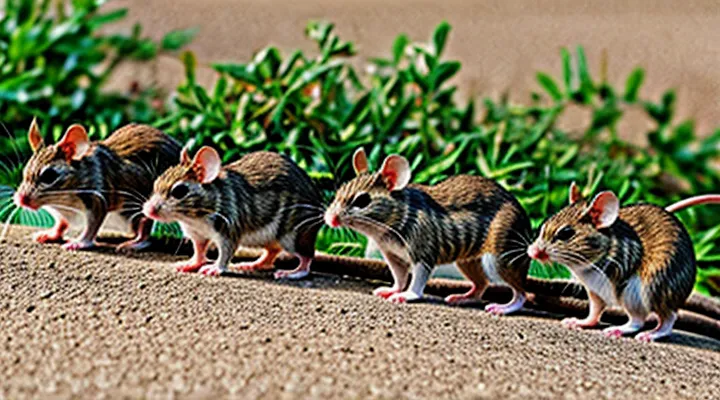
Introduction to the World of Mice
What Defines a Mouse?
General Characteristics
Mice exhibit a compact body plan, typically measuring 6–10 cm in head‑body length and weighing 10–30 g, though some forest-dwelling species reach 20 cm and 60 g. Their fur coloration spans from uniform gray or brown to mottled patterns that provide camouflage in specific habitats. Limbs end in dexterous digits equipped with sharp claws, enabling climbing, burrowing, and precise manipulation of food items.
Key physiological traits include:
- High reproductive capacity: females can produce 5–10 litters per year, each containing 3–12 offspring.
- Rapid growth: newborns attain adult size within 4–6 weeks.
- Omnivorous diet: seeds, insects, fruits, and anthropogenic waste supply energy and nutrients.
- Acute sensory systems: large ears amplify sound, whiskers detect tactile changes, and a keen sense of smell locates food and mates.
- Short lifespan: average 1–2 years in the wild, extended up to 3 years under laboratory conditions.
Taxonomically, mice belong to the family Muridae, subfamily Murinae, encompassing genera such as Mus, Apodemus, and Peromyscus. Each genus displays adaptations to distinct ecological niches, reflected in variations of fur density, tail length, and tail fur coverage. The combination of morphological, reproductive, and behavioral attributes defines the general profile of mouse species across diverse environments.
Habitat and Distribution
Mice occupy a wide range of ecosystems, from temperate forests to arid deserts, and their presence reflects both ecological flexibility and evolutionary adaptation.
Most species prefer environments that provide shelter, food, and protection from predators. Ground‑dwelling forms favor dense underbrush, leaf litter, or rocky crevices, while arboreal varieties exploit tree canopies and shrub layers. Semi‑aquatic mice thrive near freshwater bodies, constructing nests in bank vegetation or burrows with water access.
- Temperate woodlands: Apodemus sylvaticus (wood mouse), Peromyscus maniculatus (deer mouse)
- Grassland steppes: Mus spicilegus (steppe mouse)
- Mediterranean scrub: Mus musculus domesticus (house mouse, wild subspecies)
- Desert margins: Peromyscus eremicus (cactus mouse)
- Tropical rainforests: Pseudomys delicatulus (delicate mouse)
Geographic distribution follows continental patterns. In Europe, native species dominate forests and agricultural landscapes, while the house mouse has expanded globally through human transport. North America hosts a diverse assemblage of Peromyscus species ranging from boreal zones to desert valleys. Asian regions contain several Mus and Apodemus taxa adapted to mountainous and lowland habitats. African mouse populations concentrate in savanna and semi‑arid zones, with isolated island endemics on Madagascar and surrounding archipelagos.
Seasonal migrations are rare; instead, population density fluctuates with resource availability, predator pressure, and climatic conditions. Genetic studies confirm that habitat specialization drives speciation, resulting in the extensive variety observed across the mouse clade.
Common Mouse Species
House Mouse («Mus musculus»)
Physical Description
Mice exhibit a wide range of size, coloration, and anatomical features that facilitate identification across habitats. Adult body length typically spans 6–10 cm, while tail length varies from 5 cm in dwarf species to over 12 cm in larger field varieties. Fur density and hue differ markedly: laboratory strains display uniform gray or white pelage, whereas wild specimens range from sandy brown in desert dwellers to black‑spotted coats in forest populations. Ear size correlates with thermoregulation needs; desert mice possess enlarged, thin membranes, whereas high‑altitude species have compact, fur‑covered ears.
Key physical traits by representative species:
- House mouse (Mus musculus): gray‑brown dorsal fur, pinkish ears, long tail with sparse hair, skull with pronounced rostrum.
- Deer mouse (Peromyscus maniculatus): bicolored fur (dark dorsal, white ventral), large eyes, relatively long hind feet adapted for climbing.
- African pygmy mouse (Mus minutoides): diminutive body (≈3 cm), fine gray fur, short tail, proportionally large head.
- Spiny mouse (Acomys cahirinus): coarse, stiff guard hairs giving a spiny texture, robust hind limbs, tail with a tuft of longer hairs.
- Harvest mouse (Micromys minutus): elongated tail with a tuft, tiny body, fine brown fur, exceptionally large hind feet for arboreal movement.
Skeletal structure reflects ecological niches: elongated metacarpals support gnawing in seed‑eating species, while reinforced lumbar vertebrae provide stability for burrowing taxa. Dental formula remains consistent (1/1 incisors, no canines, 0/0 premolars, 3/3 molars), yet enamel thickness and cusp patterns vary to match diet hardness. These morphological markers, captured in photographic records, enable precise classification and comparative analysis within the mouse assemblage.
Behavior and Social Structure
Mice exhibit a spectrum of behavioral patterns that correspond closely to their ecological niches. Species inhabiting open fields tend to display heightened vigilance, frequent foraging trips, and rapid retreat when predators approach. Forest-dwelling mice favor arboreal movement, use complex burrow networks, and show prolonged periods of nocturnal activity. Desert specialists conserve water by limiting activity to cooler hours and rely on seed caching to survive scarce resources.
Social organization varies among taxa. Some mouse species form stable, monogamous pairs that defend a shared nest, while others assemble large, fluid colonies with hierarchical structures. Dominance hierarchies are commonly established through scent marking, vocalizations, and occasional aggressive encounters. Cooperative breeding occurs in select groups, where non‑reproductive individuals assist in pup care and nest maintenance.
Key behavioral traits across mouse diversity include:
- Territorial marking using urine and glandular secretions
- Grooming rituals that reinforce group cohesion
- Alarm calls that trigger synchronized escape responses
- Seasonal breeding cycles aligned with food availability
Understanding these patterns enhances interpretation of visual documentation, taxonomic identification, and comparative analyses of physiological adaptations.
Habitat and Diet
Mice occupy a broad spectrum of habitats, from temperate woodlands and grasslands to arid deserts and urban structures. Forest-dwelling species such as the wood mouse (Apodemus sylvaticus) prefer dense underbrush and leaf litter, where cover protects against predators. Open-field rodents like the meadow vole (Microtus pennsylvanicus) thrive in tall grasses and agricultural margins, exploiting the abundant seed and herbaceous plant material. Desert-adapted mice, exemplified by the cactus mouse (Peromyscus eremicus), inhabit rocky outcrops and scrub, relying on burrows to escape extreme temperatures. Synanthropic species, including the house mouse (Mus musculus), exploit human-made environments, nesting in buildings, sewers, and storage areas where shelter and food are readily available.
Dietary habits reflect the ecological niches described above. Across the group, mice exhibit omnivorous tendencies, but specific preferences align with habitat resources:
- Forest species: seeds, nuts, fungi, insects, and occasional bird eggs.
- Grassland and agricultural forms: grasses, grains, herbaceous stems, and invertebrates such as beetle larvae.
- Desert specialists: succulent plant tissue, cactus fruit, arthropods, and dried seeds.
- Urban dwellers: processed grains, waste food scraps, pet food, and opportunistic scavenging of insects.
These patterns underscore the adaptability of mouse species to diverse environments, with habitat selection directly influencing dietary composition.
Deer Mouse («Peromyscus maniculatus»)
Distinguishing Features
Mice exhibit a range of physical traits that enable reliable identification across habitats. Distinguishing characteristics include body size, pelage coloration, ear and tail proportions, and cranial features. Each species presents a unique combination of these attributes, allowing observers to separate closely related forms without reliance on genetic analysis.
- House mouse (Mus musculus): average body length 7–10 cm, gray‑brown dorsal fur, pinkish ears, tail length equal to or slightly shorter than head‑body length, prominent whiskers extending beyond the snout.
- Deer mouse (Peromyscus maniculatus): slender build, reddish‑brown dorsal coat, large black eyes, tail longer than body, tufted ears, dorsal stripe often absent.
- White‑footed mouse (Peromyscus leucopus): similar size to deer mouse, white feet and ventral surface, dark dorsal stripe, ears with faint fur lining, tail proportion comparable to body length.
- Alpine vole (Microtus multiplex): compact body, dense gray‑brown fur, short tail less than half body length, reduced ear size, robust hind limbs for burrowing.
- African pygmy mouse (Mus minutoides): diminutive size 3–5 cm, sandy or gray pelage, proportionally large ears, tail longer than body, high‑frequency vocalizations detectable in recordings.
Color patterns provide immediate visual cues: dorsal hues range from gray‑brown to reddish, while ventral surfaces are typically lighter. Ear size correlates with habitat temperature; larger ears appear in species inhabiting warmer regions, facilitating heat dissipation. Tail length serves as a balance indicator: arboreal or semi‑arboreal mice possess longer tails for maneuverability, whereas fossorial species have reduced tails.
Photographic documentation emphasizes these traits. Clear images of the head profile reveal whisker placement and eye size; side views display tail‑to‑body ratios; dorsal shots capture fur texture and coloration. Consistent lighting and scale references, such as a ruler or known object, enhance measurement accuracy for field identification.
Geographical Range
Mice exhibit a broad spectrum of habitats, extending from arctic tundra to tropical rainforests. Their distribution reflects adaptation to diverse climates, vegetation types, and elevation zones.
- House mouse (Mus musculus) – worldwide, especially human settlements across Europe, Asia, North America, Africa, and Oceania.
- Deer mouse (Peromyscus maniculatus) – North America, from southern Canada to northern Mexico; occupies forests, grasslands, and high‑altitude meadows.
- White‑footed mouse (Apodemus sylvaticus) – Europe and western Asia, favoring deciduous woodlands and cultivated fields.
- African pygmy mouse (Mus minutoides) – sub‑Saharan Africa, thriving in savannas, scrublands, and semi‑desert regions.
- Andean mouse (Phyllotis andinus) – Andes mountains, ranging from 2,500 m to 5,000 m elevation across Colombia, Ecuador, Peru, and Bolivia.
- Australian hopping mouse (Notomys spp.) – arid and semi‑arid zones of Australia, including deserts, spinifex grasslands, and coastal dunes.
Geographic limits often correspond to temperature tolerances, precipitation patterns, and availability of food resources. Species confined to islands, such as the Balinese mouse (Mus balbisiana), display restricted ranges due to oceanic barriers, while highly mobile species like the house mouse exploit human transport networks to achieve near‑global presence.
Reproductive Habits
Mice exhibit a broad spectrum of reproductive strategies that reflect their ecological diversity. Species differ in breeding frequency, gestation period, litter size, and parental investment, creating distinct population dynamics across habitats.
Typical rodent reproduction involves a short gestation of 19–23 days, rapid postpartum estrus, and the capacity for multiple litters per year. Litter sizes range from two to twelve pups, with larger litters common in environments offering abundant food and reduced predation risk. Seasonal breeding aligns with climatic conditions; temperate species concentrate births in spring and summer, while tropical species may reproduce year‑round.
- House mouse (Mus musculus): Up to ten litters annually; average litter of 5–7 pups; gestation 19 days; females become fertile within 24 hours after delivering.
- Deer mouse (Peromyscus maniculatus): Two to three litters per year; litters of 3–6 pups; gestation 21–23 days; breeding peaks in early spring and late summer.
- African pygmy mouse (Mus minutoides): Up to six litters annually; litters of 2–5 pups; gestation 19 days; high reproductive rate compensates for short lifespan.
- Spiny mouse (Acomys cahirinus): Three to four litters per year; litters of 2–4 pups; gestation 38 days, the longest among small rodents; extended parental care includes nest building and grooming.
Reproductive output correlates with habitat stability: species in fluctuating environments produce larger, more frequent litters to offset mortality, whereas those in stable niches invest in fewer, better‑cared‑for offspring. Understanding these patterns aids identification, conservation, and management of mouse populations across varied ecosystems.
White-footed Mouse («Peromyscus leucopus»)
Appearance and Size
Mice exhibit a broad spectrum of coat colors, patterns, and body dimensions that reflect their ecological niches and genetic lineages. Laboratory strains such as C57BL/6 display uniform gray fur and a compact frame averaging 20–25 g, while wild species demonstrate greater variability.
-
Coat coloration:
• Dark brown to black in Mus musculus domesticus;
• Light sandy or reddish tones in desert-adapted Peromyscus eremicus;
• Spotted or mottled pelage in forest-dwelling Apodemus sylvaticus. -
Body length (head‑to‑tail):
• 7–10 cm for typical house mouse;
• Up to 12 cm in larger field mice;
• Minimum 5 cm in dwarf species such as Mus minutoides. -
Weight range:
• 10–30 g for most commensal and field varieties;
• 2–5 g for miniature taxa;
• 35–45 g for robust, high‑altitude forms. -
Tail proportion:
• Tail length equal to or slightly longer than body in arboreal species, aiding balance;
• Shorter, thicker tails in burrowing mice, supporting locomotion underground.
Facial features also differ: elongated snouts in desert mice improve heat dissipation, while rounded muzzles in temperate species enhance tactile foraging. Ear size varies from small, tightly folded ears in cold‑climate mice to large, thin membranes in tropical relatives, optimizing thermoregulation.
These physical traits, readily observable in photographic documentation, provide reliable criteria for species identification and comparative studies across the mouse family.
Preferred Habitats
Mice exhibit a wide range of habitat preferences that reflect their taxonomic diversity and ecological adaptations. Each species selects environments that provide shelter, food resources, and protection from predators, shaping distribution patterns across continents.
- Grassland and meadow ecosystems – Species such as the meadow vole (Microtus pennsylvanicus) construct burrows beneath dense herbaceous cover, exploiting abundant seed and insect prey.
- Forest understory and leaf litter – The wood mouse (Apodemus sylvaticus) occupies deciduous and mixed woodlands, nesting in fallen logs and root systems where fungal growth supplies additional nourishment.
- Arid scrub and desert zones – The cactus mouse (Peromyscus eremicus) thrives in xeric habitats, utilizing rocky crevices and sparse vegetation for thermoregulation and water conservation.
- Human‑associated structures – The house mouse (Mus musculus) colonizes buildings, basements, and grain storage facilities, capitalizing on constant food supplies and artificial shelter.
- Wetland margins and riparian corridors – The marsh rice rat (Oryzomys palustris) favors marshes and riverbanks, foraging among emergent plants and aquatic insects.
Habitat selection influences morphological traits, such as limb length for burrowing species or tail fur density for arboreal dwellers. Understanding these preferences enhances field identification, informs conservation strategies, and supports accurate photographic documentation of mouse diversity.
Ecological Role
Mice of different species influence ecosystems through multiple direct and indirect mechanisms. Their foraging behavior alters plant community composition, while burrowing activity modifies soil structure and nutrient cycling.
- Seed predation and dispersal: consumption of seeds reduces recruitment of some plants, whereas transport of seeds to new locations facilitates germination of others.
- Soil engineering: tunnels increase aeration, promote water infiltration, and create microhabitats for invertebrates and microorganisms.
- Trophic support: mice constitute a substantial portion of the diet for raptors, carnivorous mammals, snakes, and amphibians, sustaining predator populations across habitats.
- Pathogen dynamics: host‑pathogen interactions involving mice regulate the prevalence of zoonotic agents, influencing disease transmission patterns within wildlife and, occasionally, to humans.
These functions integrate mouse diversity into nutrient flow, energy transfer, and community resilience, shaping the stability and productivity of terrestrial ecosystems.
Field Mouse («Apodemus sylvaticus»)
Identifying Traits
Identifying traits are the primary means of distinguishing mouse taxa within the broader spectrum of rodent diversity. Morphological markers provide the most reliable evidence because they are observable in photographs and can be correlated with scientific nomenclature.
- Head shape: triangular versus rounded cranial profile.
- Ear size and fur coverage: large, sparsely haired ears versus small, densely furred ears.
- Tail length relative to body: proportionally longer than body length, equal, or shorter.
- Dorsal coloration: uniform gray, speckled brown, or distinct stripe patterns.
- Ventral hue: pure white, pinkish, or pigmented.
- Hind foot dimensions: elongated with a well‑developed hallux versus compact with reduced digits.
- Whisker length and arrangement: long, widely spaced whiskers versus short, densely packed vibrissae.
These characteristics enable precise classification without recourse to genetic analysis, allowing field observers to assign correct species names based solely on visual and physical evidence. Accurate documentation of each trait supports comparative studies across habitats and contributes to a comprehensive understanding of mouse variability.
Diet and Foraging
Mice exhibit a remarkable range of dietary habits that reflect their ecological niches and morphological adaptations. Herbivorous species such as the meadow vole consume grasses, seeds, and tender shoots, while omnivorous members like the house mouse exploit grains, insects, and human‑derived scraps. Carnivorous specialists, for example the African pygmy mouse, incorporate arthropods and small vertebrates into their intake.
Foraging strategies correspond to the available resources and predator pressures. Species inhabiting open fields employ rapid, low‑profile movements to graze on scattered seeds, often using scent cues to locate hidden grains. Forest‑dwelling mice navigate dense understory, relying on tactile whisker feedback to extract seeds from leaf litter and to capture insects concealed in bark crevices. Nocturnal foragers such as the deer mouse extend their activity into twilight, utilizing acute hearing to detect rustling prey and employing memory of cache sites to retrieve stored food.
Key dietary components across the spectrum include:
- Seeds and nuts (primary energy source for many granivorous mice)
- Fresh vegetation (leafy shoots, grasses, and herbaceous stems)
- Invertebrates (beetles, larvae, spiders)
- Fungi and spores (selected by forest‑dwelling species)
- Anthropogenic waste (processed grains, crumbs, and refuse)
Adaptations that support these feeding behaviors encompass dental morphology (high‑crowned incisors for gnawing), digestive enzyme variation (enhanced cellulase activity in herbivores), and metabolic flexibility (ability to switch between carbohydrate‑rich and protein‑rich diets). Consequently, the foraging ecology of each mouse species contributes directly to its role within broader ecosystems, influencing seed dispersal, insect population control, and nutrient cycling.
Life Cycle
Mice exhibit a rapid, multistage life cycle that underlies the observable variation among species, photographs, and taxonomic designations. Reproduction begins with a gestation period of 19–21 days, after which a litter of 3–12 neonates emerges. Newborns are altricial, blind, hairless, and dependent on maternal care for thermoregulation and nutrition.
The developmental sequence continues as follows:
- Pup stage (0–3 weeks): Eyes open, fur appears, and the first teeth erupt. Weight typically doubles each week.
- Juvenile stage (3–6 weeks): Weaning occurs, locomotor skills mature, and social hierarchies within litters become apparent.
- Subadult stage (6–10 weeks): Sexual maturity is reached; males develop testes, females exhibit estrous cycles.
- Adult stage (10 weeks onward): Reproductive competence stabilizes, lifespan averages 1–2 years in the wild, extending to 3–4 years under laboratory conditions.
Each phase presents distinct morphological and behavioral markers that assist researchers in correlating visual records, species names, and characteristic traits across the broad spectrum of mouse diversity.
Less Common and Exotic Mouse Varieties
Harvest Mouse («Micromys minutus»)
Unique Nesting Habits
Mice exhibit a remarkable range of nest-building strategies that reflect adaptations to habitat, predator pressure, and social structure. These constructions differ in material selection, architecture, and placement, providing insight into species ecology.
The house mouse (Mus musculus) typically creates shallow depressions in stored grain or soft debris, lining the cavity with shredded paper, fabric fibers, or dried plant matter. The nest serves as a thermoregulatory chamber and a concealed site for reproduction.
The deer mouse (Peromyscus maniculatus) constructs deeper, dome‑shaped nests from fine grasses, moss, and leaf litter. Nests are often situated in concealed crevices beneath rocks or within hollow logs, offering protection from aerial predators.
The wood mouse (Apodemus sylvaticus) builds multi‑chambered nests using twigs, bark strips, and moss. Structures are placed in dense underbrush or within abandoned burrows, facilitating communal rearing of offspring.
The harvest mouse (Micromys musculus) produces spherical nests suspended from tall grasses or reeds. The nest consists of tightly woven stems and leaves, anchored to vegetation that sways with wind, reducing ground‑based predator access.
The African pygmy mouse (Mus musculoides) assembles nests from dry grasses and sand, often lining the interior with animal hair or spider silk. Nests are located in shallow burrows or beneath rocks in arid environments, enhancing moisture retention.
Key characteristics of these nests include:
- Material diversity: plant fibers, animal hair, spider silk, inorganic debris.
- Structural variation: shallow depressions, domes, multi‑chambered complexes, suspended spheres.
- Site selection: ground litter, rock crevices, hollow logs, tall vegetation, burrows.
- Social function: solitary use versus communal rearing, predator avoidance, microclimate regulation.
Understanding these nesting patterns contributes to a comprehensive view of mouse biodiversity, linking morphological traits to behavioral ecology.
Size and Agility
Mice exhibit a broad spectrum of body dimensions that directly affect their locomotor capabilities. Small species, such as the African pygmy mouse, weigh about 5 g and measure roughly 6 cm in total length, while larger representatives, like the South American giant mouse, reach 50 g and 12 cm.
- African pygmy mouse: 5 g, 6 cm
- Common house mouse: 20 g, 9 cm
- South American giant mouse: 50 g, 12 cm
Size influences stride length, muscular power, and balance. Species under 8 cm typically display rapid acceleration, achieving sprint speeds of 13 km h⁻¹ in short bursts. Their proportionally long tails provide counter‑balance during vertical climbing, allowing ascent on substrates as thin as 2 mm. Larger mice possess greater absolute force, enabling them to traverse broader gaps and sustain longer runs, though peak acceleration declines to 8 km h⁻¹.
Morphological data derived from photographic records confirm these trends. Images capture limb‑to‑body ratios, tail curvature, and foot pad size, all correlating with observed agility. Nomenclature often reflects size characteristics; for example, “pygmy” denotes diminutive stature, whereas “giant” signals the upper extreme of the size range.
The interaction between body size and movement efficiency determines habitat exploitation, predator avoidance, and foraging strategies across the mouse clade.
Spiny Mouse («Acomys»)
Defensive Mechanisms
Mice exhibit a range of defensive strategies that correspond to the extensive variety of species within the group. Physical adaptations include rapid sprinting, keen reflexes, and the ability to squeeze through narrow openings, allowing escape from predators and hostile environments. Several species possess specialized skin structures, such as the stiff hairs of spiny mice, which deter bite attacks.
Behavioral defenses rely on nocturnal activity patterns, reduced visibility, and sophisticated burrowing systems that provide shelter and concealment. Alarm vocalizations and scent marking alert conspecifics to danger, enhancing group vigilance. Some rodents display tail autotomy, shedding a portion of the tail to distract pursuers while the animal retreats.
Chemical defenses involve the secretion of pungent urine or glandular compounds that deter predators and signal territorial boundaries. Elevated stress hormone levels trigger heightened alertness and rapid decision‑making during encounters with threats.
Collectively, these mechanisms illustrate how the morphological, physiological, and behavioral traits of diverse mouse species function together to reduce predation risk and improve survival prospects.
Species Diversity
Mouse species exhibit remarkable variation in size, habitat preference, and physiological adaptations. Mus musculus, the common house mouse, thrives in human‑occupied environments worldwide, displaying high reproductive rates and rapid genetic turnover. Peromyscus maniculatus, the deer mouse, occupies North American forests and grasslands, distinguished by nocturnal activity, larger ears, and a diet that includes seeds and insects. Apodemus sylvaticus, the wood mouse, inhabits European woodlands, characterized by a longer tail relative to body length and proficient climbing abilities.
Species differentiation extends to reproductive strategies, sensory capabilities, and disease vector potential. Mus spretus, confined to the Mediterranean basin, exhibits lower fecundity but greater resistance to certain viral infections. Rattus norvegicus, though commonly called a rat, shares many ecological niches with larger mouse species, demonstrating robust burrowing behavior and tolerance of polluted water sources. Micromys minutus, the Eurasian harvest mouse, is the smallest of the group, with a body mass under 5 g, specialized for dense grass habitats and capable of vertical leaps exceeding its body length.
Key characteristics that define mouse species diversity include:
- Geographic range: from arid deserts (e.g., Pseudomys australis) to alpine tundra (e.g., Ochotona princeps relatives).
- Morphology: tail length, ear size, fur coloration, and skull shape.
- Diet: granivorous, omnivorous, insectivorous, or specialized herbivory.
- Reproductive output: litter size, gestation period, and breeding seasonality.
- Disease susceptibility: carrier status for hantaviruses, leptospirosis, and other zoonoses.
Grasshopper Mouse («Onychomys»)
Predatory Behavior
Mice are traditionally classified as prey, yet numerous species demonstrate active predation that shapes their ecological niches. Across the spectrum of mouse diversity, predatory habits range from occasional opportunism to specialized hunting techniques.
- Opportunistic carnivory: individuals capture insects, arachnids, and eggs when available, supplementing plant‑based diets.
- Specialized predation: species such as the African pygmy mouse focus on termites, employing rapid strikes and precise bite placement.
- Ambush strategy: rodents position themselves near burrow entrances, seizing passing invertebrates with minimal movement.
- Cooperative hunting: limited observations reveal pairs or small groups coordinating attacks on larger prey, such as beetle larvae.
Morphological traits support these behaviors. Enlarged incisors function as both gnawing tools and killing implements; auditory and olfactory receptors detect prey vibrations and chemical cues; muscular forelimbs generate swift, forceful strikes. Behavioral adaptations include heightened vigilance, nocturnal activity patterns, and learned prey‑handling sequences.
Predatory actions exert measurable effects on ecosystem dynamics. Insect populations experience direct suppression, altering pollination and decomposition processes. Mice acting as predators contribute to energy transfer across trophic levels, influencing predator–prey equilibria and habitat structure.
Understanding the predatory dimension of mouse species enriches assessments of their biological variation, informs field identification through behavioral observation, and highlights their role as both consumers and competitors within diverse environments.
Vocalizations
Mouse vocal communication exhibits considerable variation across taxa, reflecting ecological niches and social structures. Ultrasonic calls dominate laboratory strains, typically ranging from 30 kHz to 110 kHz, and serve functions such as pup‑maternal bonding, territorial advertisement, and courtship. Wild species, including Peromyscus and Apodemus, produce lower‑frequency chirps and squeaks audible to the human ear, often associated with predator alerts and aggressive encounters.
Key vocalization categories include:
- Pup isolation calls – high‑pitch, repetitive bursts emitted when pups are separated from the dam.
- Male courtship trills – complex sequences with frequency modulation, triggered by female proximity.
- Aggressive growls – broadband, lower‑frequency sounds produced during territorial disputes.
- Alarm chirps – short, sharp pulses emitted upon detection of predators.
Acoustic signatures aid taxonomic discrimination when combined with visual documentation and nomenclatural records. Spectrographic analysis provides quantitative parameters—peak frequency, duration, and bandwidth—that differentiate species and subspecies. For example, Mus musculus domesticus exhibits a dominant peak near 70 kHz, whereas Mus spretus shows a broader band centered around 55 kHz.
Field recordings require calibrated microphones capable of capturing ultrasonic ranges, coupled with software that extracts temporal and spectral features. Integrating these data with photographic archives and systematic naming enhances comprehensive profiling of mouse diversity, supporting both research and conservation initiatives.
Distinguishing Mice from Similar Rodents
Mice vs. Rats
Size and Proportions
Mice display a remarkable range of body dimensions, reflecting adaptations to diverse habitats. Adult house mouse (Mus musculus) typically measures 70–100 mm in head‑body length, with a tail of comparable length; weight averages 15–30 g. Field mouse (Apodemus agrestis) reaches 90–130 mm in body length, tail extending 80–110 mm, and weighs 20–35 g. The larger deer mouse (Peromyscus maniculatus) attains 80–120 mm body length, tail 70–100 mm, and a mass of 12–30 g. In contrast, the tiny pygmy mouse (Baiomys taylori) remains under 60 mm in body length, tail 50–70 mm, and weighs less than 8 g.
Proportional relationships influence locomotion and foraging. Tail length often matches or exceeds body length, providing balance during rapid scurrying and vertical climbing. Hind‑foot size correlates with jumping ability; species that exploit open ground possess elongated hind limbs, whereas arboreal forms exhibit shorter, robust feet for grip. Skull dimensions vary with dietary specialization: granivorous species feature broader rostra, while insectivorous mice have narrower, elongated snouts.
Key size metrics across representative species:
- Head‑body length: 55–130 mm
- Tail length: 45–130 mm (generally 0.9–1.2 × body length)
- Body mass: 5–35 g
- Hind‑foot length: 8–14 mm
Understanding these measurements clarifies how morphological variation supports ecological niches, predator avoidance, and reproductive strategies within the mouse family.
Tail Characteristics
Mouse tails exhibit considerable variation that reflects evolutionary adaptation across species. Length ranges from less than half the body length in dwarf varieties to longer than the torso in arboreal forms, providing distinct mechanical advantages. Surface texture differs markedly: some species possess sparsely haired, scaly tails suited for heat dissipation, while others display dense fur that enhances insulation and tactile sensitivity.
Key morphological traits include:
- Proportion: Ratio of tail length to body length, influencing balance and maneuverability.
- Pigmentation: Uniform coloration, dorsal-darkening, or ventral-light patterns that aid camouflage.
- Hair density: Sparse versus dense fur, correlating with habitat temperature and humidity.
- Prehensility: Presence of muscular control and flexible vertebrae enabling grasping in climbing species.
Functional outcomes align with ecological niches. Long, lightly furred tails improve aerial stability for ground-dwelling mice, whereas short, heavily furred tails reduce heat loss in cold environments. Prehensile tails support arboreal locomotion, allowing secure attachment to branches. Pigment variations contribute to predator avoidance by matching local substrate colors. These characteristics collectively inform identification, classification, and conservation strategies for diverse mouse populations.
Mice vs. Voles
Body Shape and Ears
Body shape among mouse taxa ranges from slender, elongated forms to compact, robust builds. Species inhabiting open fields often exhibit a streamlined torso, reduced abdominal girth, and long hind limbs that enhance sprint speed. In contrast, forest-dwelling rodents display a broader chest, shorter limbs, and a more rotund abdomen, supporting climbing agility and greater fat reserves for variable food supply.
- Sculptor mouse (Sculptorus murinus): narrow head, tapered body, tail length equal to body length.
- Meadow mouse (Prairieus sylvestris): elongated torso, thin waist, hind‑foot length 30 % of body length.
- Rock mouse (Lithomys cavernicola): stout body, wide ribcage, short tail, limb proportion 0.25 × body length.
Ear morphology provides critical taxonomic signals. Ears may be proportionally large, facilitating thermoregulation in arid habitats, or reduced, minimizing heat loss in cold environments. Surface texture varies from smooth, hair‑less membranes to densely furred edges that protect against debris. The attachment point shifts along the skull: some species have ears positioned near the crown, while others mount them low on the temporal region, influencing auditory range and directional hearing.
- Large‑eared desert mouse (Arida auriculata): ear length 45 % of head width, thin cartilage, minimal fur.
- Furred‑ear mountain mouse (Alpina pilosa): short ears, dense hair covering, rounded tip.
- Mid‑size forest mouse (Sylvatica mediumus): moderate ear length, semi‑transparent membrane, sparse marginal hair.
These morphological patterns correlate with ecological niches, allowing precise identification across photographic records, nomenclatural listings, and species descriptions.
Lifestyle Differences
Mice exhibit marked lifestyle variation across the broad spectrum of species documented through photographs, taxonomic labels, and morphological data. Each species adapts its daily routine, habitat use, and social organization to distinct ecological pressures.
- Habitat preference: forest floor dwellers, arid‑zone burrowers, and human‑associated indoor populations occupy separate niches.
- Activity pattern: nocturnal foragers, crepuscular explorers, and rare diurnal species follow different light cycles.
- Diet composition: seed specialists, insect predators, omnivorous scavengers, and pollen feeders rely on specific food resources.
- Social structure: solitary territorial individuals, small family groups, and large communal colonies display contrasting interaction patterns.
- Reproductive strategy: species with rapid, continuous breeding cycles differ from those with seasonal, limited litters.
Forest floor dwellers construct extensive tunnel networks, exploit leaf litter, and synchronize breeding with spring moisture. Arid‑zone burrowers maintain deep caches of seeds, limit surface activity during peak heat, and produce small litters timed with brief rainy periods. Indoor populations exploit human food waste, exhibit reduced wariness of humans, and achieve higher reproductive rates due to stable temperature and abundant shelter. Nocturnal foragers rely on olfactory cues, while diurnal species possess enhanced visual acuity for daylight hunting.
These lifestyle distinctions correlate directly with observed morphological traits, such as limb length, fur density, and cranial shape, reinforcing the link between ecological niche and species‑specific behavior.
Conservation Status and Human Interaction
Mouse Populations and Ecosystems
Role in Food Chains
Mice occupy a mid‑level trophic position, converting plant biomass into animal protein that supports a wide range of predators. Herbivorous species such as the house mouse (Mus musculus) and the deer mouse (Peromyscus maniculatus) consume seeds, grasses, and insects, thereby linking primary production to higher trophic levels. Their rapid reproductive cycles sustain predator populations even when alternative prey are scarce.
Predators dependent on murine prey include raptors (e.g., owls, hawks), carnivorous mammals (e.g., foxes, weasels), and reptilian hunters (e.g., snakes). Seasonal fluctuations in mouse abundance directly affect predator breeding success, clutch size, and juvenile survival rates. In ecosystems where mouse density spikes, predator numbers often increase, leading to top‑down regulation that can suppress rodent populations and limit vegetation overgrazing.
Variations among mouse species influence food‑chain dynamics:
- Habitat specialization: Forest‑dwelling species provide food for arboreal predators; field species support ground‑based hunters.
- Diet breadth: Omnivorous mice introduce animal matter into the chain, while strictly granivorous mice channel only plant material.
- Activity patterns: Nocturnal mice align with night‑active predators; diurnal species match daytime hunters.
Through these mechanisms, mice function as essential conduits of energy and nutrients, shaping predator demographics and maintaining ecological balance.
Pest Status and Management
Mice constitute a widespread agricultural and urban pest, capable of causing structural damage, contaminating food supplies, and transmitting zoonotic pathogens. Species diversity influences pest potential; commensal house mice (Mus musculus) and the invasive roof rat (Rattus norvegicus) exhibit high reproductive rates and close association with human habitats, while field mice (Apodemus sp.) generally remain peripheral to human environments but can become problematic when habitats overlap.
Effective control relies on integrated measures that address population dynamics, habitat conditions, and species‑specific behavior. Recommended actions include:
- Sanitation and exclusion: Seal entry points, eliminate standing water, and store food in rodent‑proof containers to reduce attractants.
- Environmental modification: Remove debris, trim vegetation near buildings, and manage waste to limit shelter and foraging areas.
- Population monitoring: Deploy tracking tiles or motion‑activated cameras to assess activity levels and identify dominant species.
- Mechanical control: Install snap traps or electronic devices calibrated for target species size; position devices along established runways.
- Chemical intervention: Apply anticoagulant baits in accordance with regulatory guidelines, rotating active ingredients to mitigate resistance.
- Biological approaches: Encourage natural predators such as barn owls or employ rodent‑specific viruses where legally permissible.
Regular evaluation of infestation indices guides adjustments in strategy, ensuring that management remains proportionate to the species present and the severity of damage. Coordination among property owners, pest‑control professionals, and public health agencies enhances compliance with safety standards and reduces the likelihood of pesticide overuse.
Photography and Identification Techniques
Capturing Mouse Images
Ethics of Wildlife Photography
Wildlife photography involving mice must balance visual documentation with the welfare of the animals and their ecosystems. Ethical practice begins with minimizing disturbance; photographers should keep distance sufficient to avoid altering natural behavior, use silent shutters, and refrain from baiting or luring subjects.
Proper identification and accurate labeling of species are essential for scientific value. Misidentifying individuals or employing deceptive editing undermines data reliability and can propagate misinformation about mouse diversity.
Legal compliance is non‑negotiable. Photographers need permits for protected habitats, must respect property rights, and follow regulations governing the capture, storage, and distribution of images.
Equipment choices affect ethical outcomes. Infrared or low‑light lenses reduce the need for flash, which can startle or disorient nocturnal rodents. When flash is unavoidable, diffused lighting and brief exposure limit stress.
Ethical guidelines for mouse photography:
- Maintain a minimum observation distance that prevents behavioral interference.
- Avoid physical contact, traps, or food incentives that could alter natural foraging patterns.
- Use non‑invasive lighting; prioritize ambient or natural illumination.
- Record metadata (location, date, species) accurately; attach it to each image.
- Obtain necessary permits; respect protected areas and private land.
- Disclose any image manipulation that could affect scientific interpretation.
- Store and share images responsibly, ensuring they are not used to facilitate illegal wildlife trade.
Adhering to these principles ensures that visual records contribute meaningfully to the study of mouse variation while preserving the integrity of the subjects and their habitats.
Field Identification Tips
Tracks and Signs
Tracks and signs provide the most reliable field evidence for distinguishing mouse species when photographs alone are insufficient.
Mouse footprints measure 2–4 mm in length, display four toe marks and a small, central heel pad. The spacing between prints varies with gait: a rapid run produces a short stride, while a cautious movement leaves a longer interval. Hind‑foot prints often overlap fore‑foot prints, creating a characteristic “double‑track” pattern unique to each species’ size and locomotion style.
Additional indicators include:
- Fresh gnaw marks on seeds, grains, or wood, typically 1–2 mm wide with sharp, clean edges.
- Droppings, cylindrical, 3–6 mm long, dark brown to black, often found along runways or near feeding sites.
- Nests constructed from shredded material, lined with soft fibers; nest shape and location differ among species.
- Scent markings left by dorsal glands, detectable by a faint musky odor on surfaces traversed by the animal.
These physical traces allow researchers to corroborate visual records, assign accurate species identification, and map distribution patterns across habitats. By integrating track dimensions, gnaw‑mark morphology, and associated signs, the full spectrum of mouse diversity can be documented with precision.
Behavioral Cues
Behavioral cues provide reliable indicators for distinguishing mouse taxa, supporting visual identification, taxonomic nomenclature, and morphological descriptions. Researchers rely on observable actions to infer ecological adaptations and social structures across the wide range of species.
Key cues include:
- Scent marking – urine or glandular secretions deposited on objects; pattern intensity varies among forest‑dwelling and grassland species.
- Ultrasonic vocalizations – frequency ranges differ between nocturnal foragers and diurnal relatives; recordings assist in species verification when visual data are limited.
- Grooming sequences – duration and body region focus correlate with parasite load and habitat humidity; species inhabiting arid zones exhibit brief, targeted grooming.
- Tail posture – elevated, stiff tails signal territorial aggression in aggressive competitors, while relaxed tails indicate submissive or exploratory behavior.
- Whisker movement – amplitude and rhythm reflect tactile exploration; larger‑eared species display broader sweeps during nocturnal navigation.
These behaviors, documented alongside photographic evidence and scientific names, enable precise classification and enrich comparative studies of mouse diversity.