
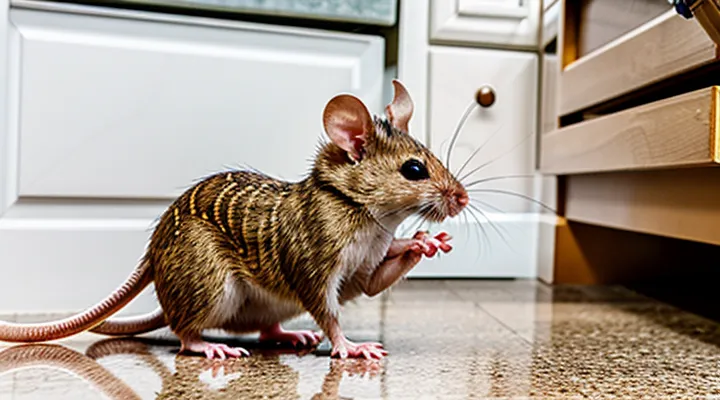
Understanding the Threat: Mice and Cockroaches
The Dangers Posed by Mice
Health Risks Associated with Mice
Mice transmit a range of pathogens that can cause serious illness in humans. Direct contact with rodent urine, feces, saliva, or bite wounds introduces infectious agents into the body. Indirect exposure occurs when contaminants contaminate food, water, or surfaces, creating a persistent health hazard.
Key health risks include:
- Hantavirus pulmonary syndrome, contracted through inhalation of aerosolized rodent droppings.
- Leptospirosis, a bacterial infection spread via contact with urine‑contaminated water or soil.
- Lymphocytic choriomeningitis virus (LCMV), transmitted through bites or handling of infected mice.
- Salmonella and other food‑borne bacteria, resulting from consumption of food tainted by droppings.
- Plague, caused by Yersinia pestis, historically linked to rodent reservoirs.
- Allergic reactions and asthma exacerbations triggered by rodent dander and droppings.
These diseases may present with fever, respiratory distress, gastrointestinal symptoms, or neurological impairment, and some can be fatal without prompt medical treatment. Additionally, rodent activity can compromise structural integrity, leading to mold growth and secondary respiratory issues.
Effective pest control measures—such as sealing entry points, eliminating food sources, and applying appropriate disinfectants—reduce rodent populations and limit exposure to the identified health threats. Continuous monitoring and prompt remediation of infestations are essential components of a comprehensive public‑health strategy.
Property Damage Caused by Mice
Mice compromise structural integrity, electrical systems, and stored goods through persistent gnawing and nesting behavior. Their incisors continuously grow, prompting them to chew on wood, insulation, and plastic, which weakens beams, walls, and ducts. Damage to wiring creates short circuits and fire hazards, while compromised insulation reduces energy efficiency and raises heating costs. Food supplies suffer contamination from urine, feces, and saliva, leading to spoilage and health risks.
Typical manifestations of mouse‑induced damage include:
- Chewed wooden framing, baseboards, and furniture.
- Severed or exposed electrical cords and cables.
- Damaged HVAC ducts and insulation material.
- Contaminated pantry items and stored products.
- Burrowed holes in walls and floors that facilitate further infestation.
Addressing these issues requires immediate removal of rodents, sealing of entry points, and restoration of compromised structures. Reinforcing vulnerable areas with chew‑resistant materials and installing protective barriers around wiring reduce the likelihood of recurrence. Regular monitoring and prompt repair of any new damage sustain the effectiveness of pest‑control programs.
The Dangers Posed by Cockroaches
Health Risks Associated with Cockroaches
Cockroaches carry bacteria, viruses, and parasites on their bodies and in their feces, directly contaminating food, surfaces, and utensils. Common pathogens include Salmonella, E. coli, Shigella, and Campylobacter, each capable of causing gastrointestinal illness with symptoms such as vomiting, diarrhea, and abdominal cramps.
Allergenic proteins present in cockroach saliva, droppings, and body fragments trigger immune responses in susceptible individuals. Exposure frequently leads to asthma exacerbations, allergic rhinitis, and dermatitis, particularly among children and urban residents.
Cockroach infestations increase the risk of secondary infections. Their movement through waste and sewage introduces Helicobacter pylori and Staphylococcus aureus into household environments, raising the likelihood of respiratory and skin infections.
Key health hazards associated with cockroaches:
- Foodborne disease outbreaks
- Asthma attacks and allergic reactions
- Gastrointestinal infections
- Secondary bacterial contamination of living spaces
Effective pest management, combined with rigorous sanitation, reduces these risks by limiting cockroach access to food, water, and shelter, thereby protecting public health.
Property Damage Caused by Cockroaches
Cockroaches compromise structural integrity through their feeding habits. They gnaw on wood, insulation, and wiring, creating tunnels that weaken frameworks and increase fire risk.
- Wood and drywall – saliva contains enzymes that break down cellulose, accelerating rot and facilitating mold growth.
- Electrical systems – excrement and body fragments attract dust, forming conductive paths that can short circuits and overload circuits.
- Plumbing – insects hide in pipe joints, depositing debris that clogs drainage and promotes corrosion.
Their excrement, shed skins, and dead bodies contaminate surfaces, leading to staining and corrosion of metal fixtures, upholstery, and painted finishes. Acidic droppings erode finishes, while the presence of allergens forces premature replacement of carpets and linens.
In addition, cockroach activity encourages secondary infestations. Their waste provides a nutrient source for fungi and bacteria, which further degrade building materials and compromise indoor air quality. The combined effect shortens the lifespan of components and raises repair costs, underscoring the need for effective pest control measures.
Identifying Infestation Signs
Recognizing Mouse Infestation
Droppings and Urine Stains
Droppings and urine stains left by rodents and cockroaches pose significant health hazards and must be addressed promptly during pest‑elimination efforts. Their presence indicates active infestation, potential bacterial contamination, and the risk of allergic reactions.
Identifying contamination:
- Small, dark, pellet‑shaped feces signal mouse activity; cockroach droppings appear as fine, black specks resembling coffee grounds.
- Shiny, wet patches on surfaces or fabrics suggest fresh urine; dried stains may turn brown or yellow.
Health implications:
- Rodent feces can harbor Hantavirus, Salmonella, and Leptospira; cockroach droppings may contain allergens that exacerbate asthma.
- Urine contains ammonia and pathogens that irritate skin, eyes, and respiratory passages.
Preparation for cleaning:
- Seal off the area, wear disposable gloves, N‑95 respirator, and eye protection.
- Ventilate the space, but avoid creating air currents that disperse particles.
- Remove visible debris with a disposable cloth or vacuum equipped with a HEPA filter; discard the vacuum bag safely.
Disinfection protocol:
- Apply an EPA‑registered disinfectant effective against viruses and bacteria, following the manufacturer’s contact time. Common choices include a 1 % bleach solution (1 part sodium hypochlorite to 9 parts water) or quaternary ammonium compounds.
- Saturate the contaminated surface, allow the solution to remain for the required period, then wipe clean with a fresh disposable wipe.
- For porous materials (carpet, upholstery) that cannot be fully saturated, consider professional steam cleaning or disposal.
Post‑treatment measures:
- Wash hands thoroughly after removing protective gear.
- Store cleaning materials in sealed containers to prevent re‑contamination.
- Conduct a follow‑up inspection to confirm that no fresh droppings or stains appear, indicating successful eradication of the pest source.
Gnaw Marks and Damage
Gnaw marks appear as clean, crescent‑shaped cuts on wood, plastic, or insulation, typically ¼‑inch wide. Mice leave parallel rows of such bites while cockroaches produce irregular chew marks on cardboard, paper, and soft plastics. Recognizing the shape and location of these marks distinguishes rodent activity from insect damage.
Damage extends beyond visible bites. Mice gnaw through structural elements, compromising wall studs, floor joists, and electrical wiring, which raises fire risk. Cockroach chewing weakens packaging, contaminates food stores with saliva and feces, and accelerates deterioration of fabrics and upholstery. Both pests introduce pathogens that multiply in the debris they create.
Early identification of gnaw marks triggers timely intervention, preventing extensive repair costs and health hazards. Inspection should focus on concealed areas such as behind appliances, under sinks, and within attic spaces where rodents and insects hide.
- Seal cracks and gaps larger than ¼ inch with steel wool or caulk.
- Remove food residues and store products in airtight containers.
- Install bait stations or traps near identified chew sites.
- Conduct regular visual checks of wiring, insulation, and stored goods.
- Engage licensed pest‑control professionals for comprehensive eradication and sanitation.
Nests and Runways
Mice and cockroaches create nests and runways to protect themselves and move between food sources. Nests are clusters of soft material, insulation, paper, or debris where the insects or rodents rest, reproduce, and store food. Runways are flattened, often greasy paths that connect entry points, water sources, and food storage areas, providing a discreet travel route.
Detecting these structures requires systematic inspection. Look for shredded paper, droppings, gnaw marks, and greasy lines along walls, under appliances, behind cabinets, and in attic corners. Follow each visible line to its origin; the point where it terminates usually leads to a nest.
Elimination strategy:
- Remove all food residues and standing water; deprive pests of sustenance.
- Disassemble cabinets and appliances to expose hidden nests; discard contaminated material.
- Apply an appropriate residual insecticide or rodenticide directly onto runways and inside nests, following label directions.
- Seal entry gaps with steel wool, caulk, or metal mesh to prevent re‑establishment.
- Install traps along identified runways to capture remaining individuals.
- Conduct a follow‑up inspection after 48‑72 hours to verify that runways are no longer active and nests are absent.
Consistent monitoring and prompt removal of nests and runways reduce the likelihood of reinfestation and support long‑term pest‑free conditions.
Recognizing Cockroach Infestation
Droppings and Smear Marks
Droppings and smear marks are primary indicators of rodent and cockroach activity. Their presence confirms infestation, signals potential disease transmission, and guides targeted treatment. Rodent feces appear as small, dark pellets, typically 5‑7 mm long, while cockroach excrement consists of fine, black specks often found near food sources. Smear marks—dark streaks left by grooming or urine—appear on walls, cabinets, and appliances, revealing movement pathways.
Health risks stem from pathogens carried in feces and urine. Rodent droppings may contain Hantavirus, Salmonella, and Leptospira; cockroach residues can harbor Salmonella, E. coli, and allergenic proteins. Direct contact or aerosolization of dried particles during cleaning poses infection hazards. Protective equipment—gloves, N‑95 respirator, and eye protection—is mandatory before any removal work.
Effective decontamination follows a systematic protocol:
- Ventilate the area for at least 15 minutes, then seal off the space to prevent spread of particles.
- Wet the droppings and smear marks with a disposable cloth soaked in a 10 % bleach solution; the liquid prevents dust formation.
- Allow the bleach to act for 10 minutes, then scrape the material into a biohazard bag.
- Disinfect the cleaned surface with a EPA‑registered product labeled for rodent and cockroach pathogens; follow the manufacturer’s contact time.
- Dispose of all contaminated materials in a sealed, puncture‑resistant container and wash hands thoroughly after removing protective gear.
Regular inspection of hidden zones—under appliances, behind cabinets, and in crawl spaces—reduces the likelihood of unnoticed deposits. Prompt removal of droppings and smear marks eliminates food sources for pests, interrupts breeding cycles, and minimizes health threats, thereby supporting comprehensive pest‑elimination strategies.
Odor and Shed Skins
Odor and shed skins serve as primary indicators of rodent and cockroach activity, guiding effective sanitation measures. Detectable scent often results from urine, feces, and glandular secretions; these residues attract additional insects and compromise food safety. Shed exoskeletons and hair provide tangible evidence of infestation density and location, allowing targeted treatment.
When planning eradication, follow these steps:
- Conduct a thorough visual inspection, focusing on corners, behind appliances, and pantry shelves where skins and droppings accumulate.
- Collect samples of odor‑producing material and shed skins for laboratory analysis if species identification is uncertain.
- Apply enzymatic cleaners to neutralize organic odors; these agents break down proteins and lipids, eliminating the chemical cues that lure pests.
- Use insecticidal dust or gel baits in cracks and crevices identified by skin fragments; the residue remains effective even after the initial odor dissipates.
- Seal entry points and remove clutter that can harbor shed skins, reducing hiding places and preventing re‑infestation.
Regular monitoring of odor levels and periodic removal of shed skins maintain a hostile environment for both mice and cockroaches, ensuring long‑term control.
Sightings and Egg Cases
Identifying active infestations relies on clear evidence of animal presence and reproduction. Detecting droppings, gnaw marks, tracks, or egg cases confirms that treatment must target both adult pests and their offspring.
Mouse evidence includes:
- Dark, pellet‑shaped droppings, typically 3–5 mm long, found along walls, behind appliances, or near food sources.
- Fresh gnaw marks on wiring, furniture, or packaging, indicating recent activity.
- Visible footprints in dusty areas, often accompanied by urine stains that fluoresce under ultraviolet light.
Cockroach reproduction is signaled by oothecae, the protective egg cases. These appear as:
- Brown, capsule‑shaped structures measuring 1–2 cm, commonly attached to the undersides of appliances, in cracks, or in concealed pantry corners.
- Clusters of oothecae near water sources, such as under sinks or behind refrigerators, where humidity supports development.
- Dislodged cases that have hatched, leaving behind shed exoskeletons and small, white nymphs.
Prompt removal of identified droppings, gnawed material, and egg cases reduces the breeding pool. After collection, sanitize surfaces with an appropriate disinfectant, then apply targeted baits or insecticides to eliminate remaining individuals and prevent re‑infestation. Continuous monitoring for new sightings ensures that control measures remain effective over time.
Disinfection and Elimination Strategies
General Principles of Pest Control
Prevention and Sanitation
Effective pest control begins with rigorous sanitation. Removing food sources, water, and shelter deprives rodents and cockroaches of the conditions they need to thrive. Store dry goods in sealed containers, clean spills promptly, and eliminate standing water in sinks, pet dishes, and leaky pipes.
Maintain a clutter‑free environment. Stack boxes and papers away from walls, keep storage areas organized, and discard cardboard boxes after use. Regularly inspect and repair cracks, gaps, and openings in walls, floors, and foundations to block entry points.
Implement a systematic cleaning schedule:
- Sweep and vacuum daily to remove crumbs and debris.
- Mop floors with a disinfectant solution weekly.
- Empty trash cans frequently and use lids that seal tightly.
- Wash dishes immediately; avoid leaving food residue in sinks.
- Clean behind appliances, under furniture, and in utility rooms at least once a month.
Combine sanitation with preventive measures such as installing door sweeps, sealing utility penetrations, and using bait stations in concealed locations. Consistent application of these practices reduces the likelihood of infestation and supports any chemical treatment employed to eradicate existing pests.
Integrated Pest Management
Integrated Pest Management (IPM) provides a structured framework for reducing mouse and cockroach populations while minimizing reliance on chemicals. The approach combines scientific monitoring, preventive measures, and targeted interventions to achieve long‑term suppression.
Key components of IPM include:
- Inspection and identification – systematic surveys determine species, infestation levels, and entry points.
- Sanitation – removal of food residues, clutter, and water sources eliminates resources that sustain pests.
- Exclusion – sealing cracks, installing door sweeps, and repairing vent screens prevent ingress.
- Physical and mechanical control – traps, bait stations, and glue boards capture individuals without widespread pesticide use.
- Biological control – deployment of predatory insects or microorganisms that naturally limit cockroach colonies.
- Chemical control – selective, low‑toxicity products applied only after non‑chemical options have been exhausted and according to a documented schedule.
Implementation proceeds through a cyclical process: assess the site, establish baseline data, apply preventive actions, introduce controls as needed, and evaluate outcomes. Data from sticky traps, motion sensors, or visual counts feed back into decision‑making, allowing adjustments to treatment frequency and method selection.
For rodent management, emphasis on exclusion and trapping reduces the need for rodenticides, which pose secondary‑poisoning risks. Cockroach programs prioritize sanitation and gel baits placed in concealed harborages; these baits deliver insecticide directly to the colony while limiting exposure to non‑target organisms.
Effective IPM relies on documentation, staff training, and compliance with regulatory standards. Continuous monitoring ensures that interventions remain proportionate, cost‑effective, and aligned with public‑health objectives for pest‑free environments.
Specific Strategies for Mice
Trapping Methods
Effective pest control relies on precise deployment of traps designed for rodents and cockroaches. Selecting the appropriate device, positioning it correctly, and maintaining a clean environment maximize capture rates and reduce the need for chemical interventions.
- Snap traps – steel bar mechanisms that deliver a rapid lethal strike to mice. Ideal for concealed pathways such as wall voids, baseboard gaps, and behind appliances. Bait with high‑fat foods (peanut butter, cheese) to increase attraction.
- Live‑catch traps – wire cages with a trigger plate that closes when a mouse enters. Use for humane removal; release captured animals at least one mile from the property to prevent re‑infestation.
- Electronic traps – battery‑powered units that emit a high‑voltage shock upon contact. Provide instant kill, reusable design, and reduced risk of secondary poisoning.
- Glue boards – adhesive sheets placed along travel routes of mice. Offer silent capture but require frequent inspection to prevent suffering and secondary contamination.
- Bait stations – sealed containers holding anticoagulant or non‑anticoagulant rodenticide. Combine with trapping to monitor activity; ensure stations are tamper‑resistant to protect children and pets.
Cockroach trapping focuses on monitoring and reducing population density without spreading insecticides:
- Sticky traps – laminated cards coated with a non‑drying adhesive. Position in corners, under sinks, and behind toilets. Traps reveal infestation levels through captured specimens.
- Pheromone traps – lure devices that emit synthetic sex attractants. Capture adult males, allowing assessment of breeding activity and effectiveness of sanitation measures.
- Baited gel traps – gelatinous attractants placed in crevices. Gel contains insect growth regulators or slow‑acting poisons, providing delayed mortality that limits avoidance behavior.
- Bucket traps – modified containers filled with a mild detergent solution and a piece of food as bait. Cockroaches fall in and drown; easy to clean and reuse.
Placement guidelines apply to all trap types: locate devices along walls, near entry points, and in dark, moist areas where rodents and cockroaches seek shelter. Space traps 10–15 cm apart for mice and 30–45 cm apart for cockroaches to prevent competition and maximize coverage. Replace or reset traps every 24–48 hours, record capture counts, and adjust positioning based on observed activity.
Integrating trapping with rigorous sanitation—removing food residues, sealing cracks, and eliminating standing water—creates an environment hostile to pests. Continuous monitoring through trap data informs targeted interventions and minimizes reliance on broad‑spectrum disinfectants.
Baits and Rodenticides
Baits and rodenticides constitute the primary chemical strategy for reducing mouse populations in residential and commercial settings. They deliver toxic agents directly to the target organism, minimizing the need for extensive physical removal.
Effective rodent baits fall into two categories: anticoagulant and non‑anticoagulant formulations. Anticoagulants, such as brodifacoum, diphacinone and bromadiolone, disrupt blood clotting, leading to fatal hemorrhage after multiple feedings. Non‑anticoagulant options include zinc phosphide, which releases phosphine gas upon ingestion, and cholecalciferol, which causes hypercalcemia and organ failure.
Key considerations when deploying baits:
- Placement: locate stations along walls, behind appliances, and near known activity zones; rodents prefer concealed routes.
- Density: distribute one bait station per 50–100 sq ft in heavily infested areas; reduce spacing as activity declines.
- Tamper resistance: use sealed containers to protect children, pets and non‑target wildlife.
- Rotation: alternate active ingredients every 4–6 weeks to prevent resistance development.
- Monitoring: inspect stations daily, record consumption, and replace depleted units promptly.
Safety protocols require personal protective equipment during handling, thorough hand washing after each visit, and strict adherence to label instructions. Disposal of unused bait must follow local hazardous waste regulations to avoid environmental contamination.
Integration with other control measures—such as exclusion of entry points, sanitation improvements, and mechanical traps—enhances overall efficacy and reduces reliance on chemical agents alone.
Exclusion Techniques
Effective pest management relies on preventing rodents and cockroaches from entering a building. Exclusion techniques focus on sealing all potential pathways and reinforcing structural barriers.
Identify and repair gaps larger than ¼ inch in walls, foundations, floors, and ceilings. Use steel wool, copper mesh, or silicone caulk to fill cracks. Install door sweeps on exterior doors and ensure thresholds sit flush against the floor. Fit weather‑stripping around windows and interior doors to eliminate gaps. Replace damaged or missing screens on vents, utility openings, and chimney flues with metal mesh that resists chewing.
Maintain a continuous barrier by:
- Conducting quarterly inspections of the building envelope.
- Applying expanding foam or mortar to newly discovered openings.
- Keeping exterior vegetation trimmed at least 12 inches from the structure to reduce bridge access.
- Installing self‑closing trash containers and sealed food storage to remove attractants.
These measures create a hostile environment for both rodents and insects, reducing reliance on chemical controls and supporting long‑term sanitation.
Specific Strategies for Cockroaches
Baits and Gels
Baits and gels provide targeted control for rodent and cockroach infestations. They deliver a measured dose of toxicant that is ingested by the pest, reducing the need for widespread chemical spraying.
Common formulations include:
- Rodent blocks: hardened matrices containing anticoagulants; suitable for placement in concealed channels and wall voids.
- Rodent gels: semi‑fluid concentrates applied to cracks, behind appliances, and in floor joists; effective where space limits block use.
- Cockroach baits: attractant‑laden tablets or granules containing insect growth regulators or neurotoxicants; placed near food sources, waste bins, and under sinks.
- Cockroach gels: viscous pastes applied in crevices, behind cabinets, and along baseboards; maintain contact with hiding spots.
Proper deployment follows a few principles:
- Identify high‑traffic zones by observing droppings, gnaw marks, or shed skins.
- Position baits or gels at least 2 inches from walls to allow pests to approach without immediate detection.
- Replace products according to manufacturer expiration dates or when consumption falls below 30 % of the original amount.
- Keep baits out of reach of children and non‑target animals; use tamper‑resistant containers where required.
Safety considerations demand strict adherence to label instructions, use of personal protective equipment during handling, and proper disposal of empty containers to prevent accidental exposure. When integrated with sanitation and exclusion measures, baits and gels become a reliable component of an overall pest‑management strategy.
Insecticides and Sprays
Insecticides and sprays constitute the primary chemical approach for controlling mouse and cockroach infestations. Formulations fall into three categories: contact powders, aerosol foggers, and liquid concentrates. Contact powders, such as diatomaceous earth and boric acid, adhere to surfaces and cause desiccation or metabolic disruption upon ingestion. Aerosol foggers disperse fine particles throughout enclosed spaces, reaching hidden crevices where rodents and insects hide. Liquid concentrates, typically based on pyrethroids or neonicotinoids, are applied directly to entry points, nesting sites, and food‑storage areas.
Effective deployment requires precise targeting and adherence to label instructions. Recommended steps include:
- Identify active zones—gaps, pipes, and dark corners.
- Clean the area to remove food residues that could dilute the product.
- Apply the chosen formulation at the manufacturer‑specified rate.
- Seal entry points after treatment to prevent re‑infestation.
- Monitor activity for at least 72 hours; repeat application if pests persist.
Safety measures protect occupants and pets. Use gloves and respiratory protection when handling powders or foggers. Ensure ventilation during and after aerosol applications. Store products in locked containers away from children. Disposal follows local hazardous‑waste regulations to avoid environmental contamination.
Selecting the appropriate insecticide depends on the pest species, infestation level, and environmental constraints. Pyrethroid sprays excel against cockroaches, offering rapid knockdown, while boric‑acid baits prove effective for mouse control due to their slow‑acting toxicity. Combining multiple formulations can address mixed infestations, provided compatibility is verified. Proper rotation of active ingredients mitigates resistance development, sustaining long‑term efficacy.
Environmental Control
Effective pest reduction for rodents and cockroaches relies on altering the environment to remove conditions that support their survival and reproduction. Environmental control targets food sources, shelter, water, and entry points, creating an inhospitable setting that forces populations to decline.
Sanitation eliminates attractants. Prompt removal of food residues, sealing of containers, and regular cleaning of kitchen surfaces cut off nourishment. Structural adjustments close off nesting sites; sealing cracks, repairing damaged screens, and installing door sweeps block access routes. Moisture regulation reduces water availability; fixing leaks, using dehumidifiers in damp areas, and ensuring proper drainage prevent the humid microclimates favored by cockroaches. Waste management confines garbage in sealed bins, empties receptacles frequently, and stores waste away from building perimeters. Landscaping control trims vegetation, removes debris, and keeps grass trimmed to reduce outdoor shelter.
Practical implementation:
- Conduct a thorough inspection to identify entry points, water leaks, and food accumulation zones.
- Apply sealants or metal mesh to gaps larger than ¼ inch in walls, foundations, and utility penetrations.
- Install automatic traps in high‑traffic corridors and near suspected harborages; monitor and replace as needed.
- Schedule weekly deep‑cleaning of food preparation areas, focusing on behind appliances and under countertops.
- Maintain humidity below 50 % in basements and crawl spaces using ventilation fans or dehumidifiers.
- Store dry goods in airtight containers; avoid leaving pet food out overnight.
- Position waste containers at least 3 feet from building walls and equip them with tight‑fitting lids.
Consistent application of these measures reduces habitat suitability, limits population growth, and enhances the efficacy of any chemical interventions used alongside.
Professional Pest Control Services
When to Call the Experts
Professional assessment becomes essential when self‑applied measures fail to reduce rodent or cockroach activity. Persistent sightings, damage to wiring or food packaging, and droppings in inaccessible areas indicate that the infestation has exceeded the capacity of over‑the‑counter products.
- Infestation spreads beyond a single room or cabinet.
- Structural damage appears, such as gnawed insulation or compromised flooring.
- Health risks emerge, including allergens, pathogens, or allergic reactions.
- Attempts to seal entry points prove ineffective after multiple tries.
- The problem recurs despite regular cleaning and bait placement.
Engaging licensed pest‑control specialists provides access to advanced baits, targeted chemical applications, and integrated monitoring systems. Experts can identify hidden harborages, implement exclusion techniques, and ensure compliance with safety regulations. Prompt intervention limits property damage, reduces disease exposure, and prevents the infestation from establishing a permanent foothold.
What to Expect from Professional Services
Professional pest‑control providers begin with a thorough on‑site inspection. Technicians identify entry points, assess infestation severity, and document evidence such as droppings, gnaw marks, or nests. The inspection forms the basis for a customized treatment plan that specifies the type and placement of baits, traps, and residual sprays appropriate for both rodents and cockroaches.
The service includes:
- Application of EPA‑registered products formulated for indoor and perimeter use, applied according to label directions.
- Installation of tamper‑resistant bait stations and mechanical traps positioned to intercept activity corridors.
- Safety precautions to protect occupants, pets, and food preparation areas, including clear labeling and temporary access restrictions where necessary.
- A scheduled follow‑up visit within 7‑14 days to evaluate efficacy, replenish baits, and adjust tactics if the population persists.
- Written guarantee outlining performance expectations, warranty periods, and conditions for re‑treatment at no additional cost.
- Proof of licensure, insurance, and compliance with local health regulations, ensuring accountability and legal protection.
Clients receive a detailed report summarizing findings, actions taken, and recommendations for long‑term prevention, such as sealing cracks, improving sanitation, and implementing routine monitoring. This documentation supports ongoing pest‑management decisions and facilitates communication with property managers or landlords.
Benefits of Professional Disinfection
Professional pest‑control disinfection delivers results that DIY methods cannot match. Trained technicians assess infestation levels, select chemicals with proven efficacy against rodents and cockroaches, and apply them according to safety regulations. This precision eliminates hidden colonies and prevents re‑infestation.
Key advantages include:
- Higher elimination rates – specialized formulas penetrate nests and cracks where over‑the‑counter products fail.
- Reduced health hazards – experts handle toxic agents, minimizing exposure for occupants and pets.
- Regulatory compliance – treatments meet local health and environmental standards, avoiding legal penalties.
- Long‑term cost efficiency – thorough eradication lowers repeat service expenses and property damage.
- Documentation and warranty – detailed reports provide evidence of action taken and support warranty claims.
In addition, professional teams use equipment such as foggers and heat treatments that distribute agents uniformly, ensuring no area is missed. Their experience with species‑specific behavior allows targeted interventions, shortening the time required to achieve a pest‑free environment.
Post-Elimination Measures
Cleaning and Sanitization
Effective cleaning eliminates food residues and shelter that attract rodents and cockroaches. Remove crumbs, spills, and pet food promptly; store dry goods in sealed containers; and discard garbage daily in tightly closed bins.
Sanitization reduces bacterial growth and prevents insects from establishing colonies. Apply an EPA‑registered sanitizer to countertops, floors, and appliance exteriors after cleaning; allow the recommended contact time before wiping dry.
Routine maintenance supports long‑term pest suppression:
- Sweep and mop high‑traffic areas at least once daily.
- Vacuum upholstery and cracks where insects hide.
- Inspect and clean behind refrigerators, stoves, and dishwashers weekly.
- Use a steam cleaner on grout and tile to destroy eggs and larvae.
Document cleaning schedules, record product concentrations, and verify compliance with local health regulations. Consistent execution creates an environment hostile to mice and cockroaches, enhancing overall pest‑management effectiveness.
Preventing Reinfestation
After a thorough pest‑elimination treatment, the greatest threat to lasting success is a new invasion. Reinvasion occurs when food, shelter, or entry points remain accessible, allowing surviving or incoming rodents and cockroaches to re‑establish colonies.
Seal all potential ingress routes. Apply steel‑wool or copper mesh to gaps around pipes, vents, and utility openings. Install weather‑stripping on doors and windows. Repair cracked foundation walls and damaged floorboards promptly.
Maintain a strict sanitation regime. Store dry goods in sealed containers. Remove food debris from countertops, floors, and behind appliances daily. Dispose of garbage in containers with tight‑fitting lids and empty them regularly.
Implement a continuous monitoring system. Place passive sticky traps along walls, under sinks, and near known travel paths. Rotate bait stations every 30 days, using products with differing active ingredients to prevent resistance. Record trap counts and locations to identify emerging hotspots.
Schedule periodic professional inspections. Certified technicians can detect hidden infestations, assess structural vulnerabilities, and apply targeted residual treatments. A bi‑annual review reduces the likelihood of unnoticed re‑colonization.
Key actions to prevent reinfestation
- Close entry points with durable materials.
- Enforce daily cleaning of food‑prep areas.
- Store waste in sealed bins; empty frequently.
- Deploy and rotate traps and baits on a fixed schedule.
- Arrange regular expert evaluations.
Consistent execution of these measures sustains the effects of the initial disinfection and keeps rodent and cockroach populations at bay.
Monitoring and Maintenance
Effective pest control does not end with the initial application of disinfectants; continuous observation and upkeep are essential to prevent reinfestation. Regular monitoring identifies new activity before populations reach damaging levels, allowing timely corrective actions.
Key monitoring techniques include:
- Visual inspection of walls, floors, and concealed areas for droppings, gnaw marks, or live insects.
- Placement of bait stations and glue traps to capture specimens and quantify activity.
- Use of electronic motion sensors or infrared cameras in high‑risk zones to detect nocturnal movement.
- Recording temperature and humidity, factors that influence rodent and cockroach proliferation.
Maintenance actions derived from monitoring data consist of:
- Sealing cracks, gaps, and utility penetrations with steel wool, caulk, or metal flashing to block entry.
- Removing food residues, grease, and standing water that attract pests.
- Rotating chemical agents and reapplying disinfectants according to manufacturer‑specified intervals to avoid resistance.
- Scheduling periodic deep cleaning of ducts, cabinets, and storage areas to eliminate hidden sources.
- Updating a log that tracks inspection dates, findings, and remedial measures for accountability.
Integrating real‑time monitoring results with a structured maintenance calendar ensures that each detected breach triggers a predefined response, sustaining a pest‑free environment over the long term.