
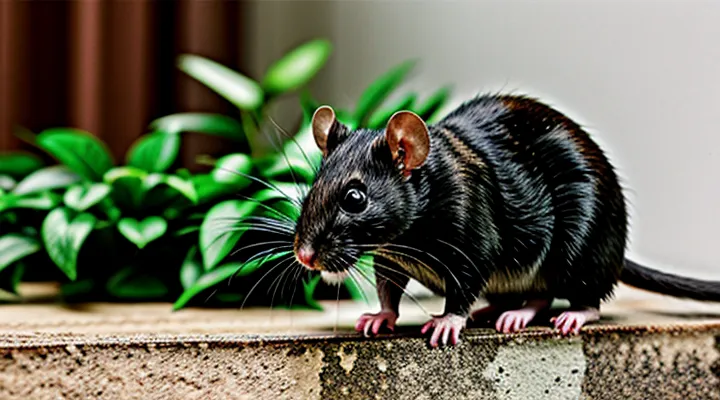
Understanding the Health of Decorative Rats
Common Health Challenges
Respiratory Issues
Respiratory disorders are among the most frequent health challenges in ornamental rats, encompassing bacterial, viral, and fungal agents that compromise the upper and lower airways. Common pathogens include Mycoplasma pulmonis, Streptococcus spp., and Pneumocystis spp., each capable of producing inflammation, mucus accumulation, and impaired gas exchange.
Affected animals typically exhibit nasal discharge, audible breathing, reduced activity, weight loss, and occasional coughing. In severe cases, dyspnea, cyanosis, and lethargy may develop, indicating the need for immediate veterinary intervention.
Prevention relies on environmental control and husbandry practices:
- Maintain temperature between 18‑24 °C and relative humidity below 60 %.
- Ensure cage ventilation without drafts; replace bedding weekly with low‑dust, absorbent material.
- Implement a quarantine period of at least two weeks for new arrivals, during which health monitoring and diagnostic testing occur.
- Provide a balanced diet rich in vitamin C and antioxidants to support mucosal immunity.
- Conduct regular cleaning of feeding dishes, water bottles, and enrichment items to limit microbial load.
Treatment protocols combine antimicrobial therapy, supportive care, and symptom management:
- Administer a macrolide (e.g., azithromycin) or tetracycline derivative based on culture sensitivity; dose according to body weight, typically for 10‑14 days.
- Use a fluoroquinolone (e.g., enrofloxacin) when Mycoplasma infection is confirmed, monitoring for potential side effects.
- Provide humidified air or a warm water vapor chamber to ease airway obstruction.
- Offer supplemental nutrition via syringe or high‑calorie gel to counteract anorexia.
- Monitor respiratory rate and temperature daily; adjust therapy if clinical signs persist or worsen.
Early detection, rigorous sanitation, and targeted pharmacological intervention together reduce morbidity and improve survival rates in decorative rats suffering from respiratory ailments.
Skin Conditions
Skin conditions are frequent health concerns in ornamental rodents and can compromise welfare and appearance. Prompt identification, preventive measures, and appropriate therapy reduce morbidity and prevent secondary complications.
Typical dermatological problems include:
- Bacterial dermatitis – erythema, crusting, and purulent discharge; often follows trauma or poor hygiene.
- Mange (Sarcoptes scabiei) – intense itching, hair loss, and papular lesions; highly contagious among cage mates.
- Fungal infections (e.g., Trichophyton spp.) – circular alopecic patches with scaling; thrive in damp bedding.
- Alopecia – excessive grooming or hormonal imbalance; results in bare spots and skin irritation.
- Ulcerative lesions – pressure sores on bony prominences; develop from inadequate nesting material or immobilization.
Prevention relies on environmental control and husbandry standards:
- Maintain dry, clean bedding; replace weekly to limit microbial growth.
- Provide enrichment that encourages natural grooming without excessive friction.
- Quarantine new arrivals for at least four weeks; perform visual skin inspection before integration.
- Implement a regular cleaning schedule for cages, feeding dishes, and water bottles.
- Monitor colony density; overcrowding increases stress and parasite transmission.
Treatment protocols should be evidence‑based and species‑specific:
- Topical antiseptics (e.g., chlorhexidine solution) applied to affected areas after gentle cleansing.
- Systemic antibiotics (e.g., enrofloxacin) for confirmed bacterial involvement; dosage adjusted to body weight.
- Acaricidal therapy (e.g., ivermectin) for confirmed mange; repeat dosing at 7‑day intervals.
- Antifungal agents (e.g., terbinafine) administered orally or topically for dermatophyte infections; treatment duration 4–6 weeks.
- Supportive care – analgesics for pain relief, wound dressings for ulcers, and nutritional supplements rich in omega‑3 fatty acids to promote skin integrity.
Regular health checks enable early detection of cutaneous abnormalities. Documentation of lesion progression, response to therapy, and environmental changes supports ongoing management and reduces recurrence.
Tumors and Cancers
Tumors and cancers represent a major health concern for ornamental rats, affecting longevity and breeding value. Early detection and targeted management improve outcomes and reduce spread within colonies.
Common neoplasms include fibrosarcoma, mammary adenocarcinoma, lymphoma, and hepatic carcinoma. Benign growths seldom progress, while malignant forms invade surrounding tissue and metastasize rapidly.
Risk factors comprise hereditary predisposition, high‑fat diets, chronic irritation from cages, and exposure to oncogenic viruses. Environmental stressors such as poor ventilation and excessive humidity increase incidence.
Visible signs often involve abdominal distension, palpable subcutaneous masses, unexplained weight loss, and reduced activity. Sudden onset of respiratory distress may indicate thoracic involvement.
Diagnostic protocol starts with thorough physical examination, followed by imaging (ultrasound or radiography). Fine‑needle aspiration provides cytological insight; definitive classification requires histopathological assessment of excised tissue.
Prevention measures
- Maintain a balanced diet low in saturated fats and enriched with antioxidants.
- Provide clean, well‑ventilated housing with regular bedding replacement.
- Screen breeding stock for familial tumor history; exclude affected individuals.
- Implement strict quarantine for new arrivals to limit viral transmission.
- Conduct routine health checks quarterly, focusing on palpation of common tumor sites.
Treatment options
- Surgical excision with clear margins for accessible masses.
- Chemotherapeutic regimens (e.g., cyclophosphamide, doxorubicin) adapted to rodent metabolism.
- Localized radiation therapy for non‑resectable tumors.
- Palliative care including analgesics, anti‑inflammatory agents, and nutritional support.
Prognosis depends on tumor type, stage at diagnosis, and treatment aggressiveness. Early-stage malignant tumors respond better to combined surgery and chemotherapy, while advanced disease often warrants humane euthanasia to prevent suffering.
Dental Problems
Dental problems are common in decorative rats due to continuous tooth growth. Overgrown incisors can cause malocclusion, ulceration of the oral mucosa, and difficulty eating. Early detection relies on regular oral inspection and observation of feeding behavior. Signs include uneven tooth length, drooling, weight loss, and reluctance to gnaw.
Prevention focuses on maintaining proper tooth wear and oral hygiene. Recommended practices:
- Provide a constant supply of safe, chewable materials such as untreated wood blocks, mineral chews, and sisal ropes.
- Offer a balanced diet rich in fiber; fresh vegetables and high‑quality pellets encourage natural gnawing.
- Conduct weekly visual checks of the incisors, noting any asymmetry or overgrowth.
- Keep the cage environment clean to prevent bacterial buildup that can exacerbate oral infections.
When dental issues arise, treatment should be prompt and systematic. Steps include:
- Restrain the rat gently and examine the mouth with a bright light and magnification.
- Trim overgrown incisors using a specialized rodent dental file or rotary cutter, ensuring the cut follows the natural curvature.
- Apply a topical antiseptic spray to any ulcerated tissue to reduce infection risk.
- Provide soft, easily chewable foods for several days to allow healing.
- Schedule a follow‑up examination within a week to verify proper tooth alignment and assess recovery.
Long‑term management combines consistent wear sources, regular health monitoring, and immediate correction of any abnormalities. This approach minimizes the incidence of dental disease and supports the overall well‑being of ornamental rats.
Parasitic Infections («Internal» and «External»)
Parasitic infections represent a frequent health challenge for ornamental rodents, affecting both internal systems and external surfaces. Prompt identification and targeted intervention reduce morbidity and support colony stability.
Internal parasites commonly encountered include:
- Rodent pinworms (Syphacia spp.) – cause perianal itching and weight loss.
- Tapeworms (Hymenolepis spp.) – produce intermittent diarrhea and abdominal distension.
- Protozoa such as Giardia and Coccidia – lead to watery stools and dehydration.
- Lungworms (Angiostrongylus spp.) – result in respiratory distress and reduced activity.
Diagnosis relies on fecal flotation, direct smear, and, when necessary, necropsy. Effective pharmacological options comprise:
- Fenbendazole (50 mg/kg oral, daily for 5 days) for most nematodes.
- Pyrantel pamoate (5 mg/kg oral, single dose) for pinworms.
- Metronidazole (25 mg/kg oral, twice daily for 7 days) for Giardia.
- Albendazole (10 mg/kg oral, single dose) for tapeworms.
Preventive measures include routine fecal examinations, scheduled deworming cycles, and strict quarantine of new arrivals for a minimum of 30 days.
External parasites affecting decorative rats encompass:
- Ear mites (Psoroptes cuniculi) – induce head scratching and crusted ear canals.
- Fur mites (Myobia musculi) – produce hair loss and skin irritation.
- Fleas (Ctenocephalides felis) – cause pruritus and secondary skin infections.
- Lice (Polyplax spp.) – lead to localized alopecia and anemia in severe infestations.
Visual inspection of coat and ear canals, combined with skin scrapings, confirms presence. Recommended treatments are:
- Selamectin (0.2 mg/kg topical, weekly for 3 weeks) for mites and fleas.
- Ivermectin (0.2 mg/kg subcutaneous, single dose) for severe mite burdens.
- Imidacloprid‑containing spot‑on products (dose per label) for flea control.
Environmental management is critical: replace bedding weekly, clean cages with a diluted bleach solution (1 %), and maintain low humidity to deter mite proliferation. Regular health monitoring, coupled with immediate therapeutic response, sustains the wellbeing of decorative rat populations.
Neurological Disorders
Neurological disorders represent a major health concern for decorative rats, affecting mobility, behavior, and survival. Early identification and targeted management reduce morbidity and improve welfare.
Common conditions:
- Spontaneous epilepsy
- Degenerative cerebellar ataxia
- Peripheral neuropathy associated with vitamin deficiencies
- Encephalitic infections (e.g., Listeria, viral agents)
- Traumatic brain injury from cage hazards
Etiology frequently involves genetic predisposition, nutritional imbalances, infectious agents, and environmental stressors. Inbreeding practices heighten susceptibility to inherited neuropathies, while diets lacking essential fatty acids or B‑vitamins predispose to peripheral nerve degeneration.
Prevention measures:
- Maintain genetically diverse breeding colonies
- Provide balanced diets rich in omega‑3 fatty acids, thiamine, and vitamin B12
- Implement strict biosecurity to limit pathogen exposure
- Ensure cage designs eliminate sharp edges and excessive heights
- Conduct routine neurological examinations during health checks
Treatment protocols:
- Anticonvulsants (e.g., phenobarbital, levetiracetam) for seizure control, with plasma level monitoring
- Vitamin supplementation (thiamine, B‑complex) for deficiency‑related neuropathies
- Antimicrobial therapy guided by culture and sensitivity for infectious encephalitis
- Physical therapy and environmental enrichment to support motor recovery
- Analgesics and anti‑inflammatory agents for traumatic injuries, administered according to weight‑based dosing
Continuous observation of gait, reflexes, and behavioral patterns enables timely adjustment of therapeutic regimens. Prognosis varies with disease etiology; genetic disorders often progress despite intervention, whereas infectious and nutritional conditions respond favorably to appropriate treatment.
Prevention Strategies
Environmental Management
Cage Hygiene
Effective cage hygiene prevents the spread of pathogens among ornamental rats and supports recovery from illness. Regular removal of waste, thorough disinfection, and proper environmental management form the core of disease control.
- Clean the cage daily: discard soiled bedding, wipe surfaces, and replace food and water containers.
- Perform a deep clean weekly: empty the cage, scrub all surfaces with a detergent, rinse, and apply a rodent‑safe disinfectant (e.g., diluted hydrogen peroxide or a veterinary‑approved sanitizer).
- Use absorbent, low‑dust bedding that can be changed completely every 2–3 days; avoid wood shavings that release aromatic compounds.
- Ensure water bottles and food dishes are sanitized each cleaning cycle; replace plastic components showing wear.
- Maintain adequate ventilation to reduce humidity and limit mold growth; monitor temperature to stay within the species‑specific comfort range.
- Separate new or sick animals in a quarantine cage with identical hygiene standards before introduction to the main enclosure.
Consistent monitoring of cage conditions—checking for ammonia odor, droplet buildup, or visible contamination—allows rapid correction before health issues develop. Implementing these practices reduces infection risk and promotes optimal recovery for decorative rats undergoing treatment.
Optimal Temperature and Humidity
Optimal temperature and humidity are critical parameters for maintaining the health of ornamental rats and reducing the incidence of infectious and metabolic disorders. Consistent environmental conditions support immune function, skin integrity, and respiratory health, thereby minimizing the need for therapeutic interventions.
- Temperature: 68–74 °F (20–23 °C) for adult rats; juveniles tolerate 70–76 °F (21–24 °C) without stress.
- Relative humidity: 45–55 % to prevent desiccation of mucous membranes and inhibit fungal growth.
- Night‑time temperature drop: 2–4 °F (1–2 °C) mimics natural diurnal variation, promoting circadian rhythm stability.
Management practices that sustain these parameters include:
- Calibrated thermostats linked to heating elements with automatic shut‑off.
- Hygrometers paired with humidifiers or dehumidifiers, adjusted daily based on readings.
- Insulated enclosures that reduce external temperature fluctuations.
- Regular ventilation to exchange stale air while preserving humidity levels.
Deviations from the recommended range correlate with specific disease patterns: temperatures above 78 °F (26 °C) increase the risk of heat‑related stress and bacterial overgrowth; humidity below 40 % predisposes to respiratory irritation and ectoparasite infestations. Maintaining the outlined conditions therefore constitutes a primary preventive measure and simplifies treatment protocols when illnesses arise.
Ventilation
Adequate airflow lowers the concentration of airborne pathogens that commonly affect ornamental rats, such as Streptobacillus moniliformis and respiratory viruses. Fresh air dilutes aerosolized droplets, decreasing the likelihood of infection spread among housed animals.
Proper ventilation also regulates humidity, preventing the growth of mold and dust mites, both of which can irritate the respiratory tract and predispose rats to secondary bacterial infections. Maintaining relative humidity between 40 % and 60 % creates an environment unfavorable to fungal spores and minimizes mucus membrane inflammation.
Key ventilation practices for rat enclosures:
- Install adjustable vents or small fans to ensure continuous air exchange without creating drafts that chill the animals.
- Position cages away from direct airflow that could lower body temperature; indirect circulation provides uniform temperature distribution.
- Use air filters rated for particulate removal (HEPA or equivalent) when recirculating indoor air to capture dust, dander, and microbial particles.
- Monitor indoor CO₂ levels; values above 800 ppm indicate insufficient ventilation and correlate with increased respiratory stress.
Consistent airflow supports the effectiveness of therapeutic measures, such as nebulized antibiotics or humidified oxygen therapy, by delivering medication evenly and preventing re‑accumulation of contaminants. In breeding or show environments, integrating these ventilation controls reduces outbreak risk and facilitates rapid recovery when disease occurs.
Nutritional Considerations
Balanced Diet
A balanced diet for ornamental rats must supply adequate protein, fiber, fats, vitamins, and minerals in proportions that match their metabolic demands. High‑quality rodent pellets should form the staple, complemented by fresh vegetables, limited fruits, and occasional protein sources such as boiled egg or lean meat. Water must be available at all times and changed daily.
Proper nutrition reduces the incidence of respiratory infections, gastrointestinal disturbances, and dermatological problems. Specific dietary measures include:
- Fiber‑rich vegetables (e.g., kale, carrot) to promote gut motility and prevent enteritis.
- Vitamin C‑rich foods (e.g., bell pepper) to support immune function and aid recovery from skin lesions.
- Calcium‑phosphate balance through fortified pellets to maintain skeletal health and avoid metabolic bone disease.
- Low‑fat, low‑sugar treats to prevent obesity‑related cardiovascular strain.
During treatment, dietary modifications support therapeutic outcomes. Protein intake should be increased to facilitate tissue repair, while fiber is emphasized to counteract constipation caused by certain medications. Hydration formulas or electrolyte solutions may be added when dehydration is a risk. Gradual reintroduction of regular foods prevents relapse of digestive upset.
Vitamin and Mineral Supplements
Vitamin and mineral supplementation provides targeted nutritional support for ornamental rats facing health challenges. Proper supplementation compensates for deficiencies common in captive environments and enhances physiological resilience during disease management.
Key vitamins for rat health include:
- Vitamin A – supports ocular health and epithelial integrity; deficiency predisposes to respiratory and skin disorders.
- Vitamin D3 – regulates calcium metabolism; insufficiency leads to skeletal abnormalities and weakened immunity.
- Vitamin E – antioxidant protecting cell membranes; reduces oxidative stress in inflammatory conditions.
- B‑complex (B1, B2, B6, B12, niacin, folate) – co‑factors in energy production and nervous system function; deficits manifest as lethargy and neuropathy.
Critical minerals encompass:
- Calcium – bone formation, muscle contraction, nerve transmission.
- Phosphorus – synergistic with calcium for skeletal development.
- Magnesium – enzymatic reactions, cardiovascular stability.
- Zinc – wound healing, immune cell activity.
- Selenium – selenoprotein synthesis, antioxidant defense.
- Iron – hemoglobin synthesis; required in controlled amounts to avoid toxicity.
Supplement selection and administration guidelines:
- Choose products formulated specifically for rodent species; avoid generic pet blends with inappropriate ratios.
- Calculate dosage based on body weight (approximately 30–40 g per adult decorative rat); typical recommendations range from 0.5–1 mg of vitamin D3 per kilogram and 10–20 mg of calcium per kilogram daily.
- Incorporate supplements into a balanced base diet of high‑quality pellets and fresh vegetables; do not rely on supplements as sole nutrient source.
- Monitor clinical signs (coat condition, activity level, stool consistency) and perform periodic blood panels to verify serum levels and adjust dosages.
When integrated with preventive health programs and therapeutic regimens, appropriate vitamin and mineral supplementation reduces the incidence of metabolic disorders, accelerates recovery from infections, and supports overall vitality in decorative rats.
Fresh Water Access
Fresh water availability directly influences the health of ornamental rats. Access to uncontaminated water reduces the incidence of gastrointestinal infections, urinary tract disorders, and dehydration‑related complications.
Contaminated water serves as a vector for pathogens such as Salmonella, E. coli, and parasites. Regular testing for microbial load, pH balance, and mineral content prevents exposure. Water that exceeds 100 CFU/mL of coliform bacteria warrants immediate replacement and sterilization of the delivery system.
Recommended practices:
- Use filtered or boiled water cooled to room temperature.
- Replace water daily; clean bottles or bowls with mild detergent and rinse thoroughly.
- Store spare water in sealed containers to avoid aerosol contamination.
- Monitor intake; a decrease of more than 20 % over 24 hours signals potential illness.
During therapeutic interventions, adequate hydration supports drug absorption and organ function. Intraperitoneal or oral medications should be administered with fresh water available to encourage voluntary intake. In cases of acute diarrhoea or renal stress, supplement with electrolyte‑balanced solutions under veterinary guidance.
Routine Health Checks
Daily Observation
Daily observation supplies the most reliable early‑warning system for health issues in ornamental rats. Consistent monitoring captures subtle changes that precede overt disease, allowing swift preventive action or targeted therapy.
A practical observation routine includes two checks per day—morning and evening—and records the following parameters:
- Activity level: agility, willingness to explore, signs of lethargy.
- Food and water intake: quantity consumed, reluctance to eat or drink.
- Fur condition: smoothness, matting, loss of sheen, excessive grooming.
- Respiratory sounds: presence of wheezing, labored breathing, nasal discharge.
- Excreta: consistency, color, frequency of stool and urine, presence of blood or mucus.
- Body temperature: measured rectally or via infrared, noting deviations from the normal range (37.5–38.5 °C).
- Skin and eyes: lesions, swelling, discharge, pupil size, and reactivity.
Document observations in a dedicated log, assigning date, time, and any environmental factors (temperature, humidity, cage cleaning). Immediate response guidelines include:
- If appetite drops below 70 % of normal intake for 12 hours, initiate fluid supplementation and veterinary consultation.
- Persistent respiratory noise warrants isolation, humidified environment, and antimicrobial evaluation.
- Sudden coat deterioration or skin lesions require topical treatment and possible parasitic screening.
Integrating daily records with preventive protocols—regular sanitation, balanced nutrition, and routine vaccinations—optimizes disease management. When treatment is prescribed, reference the observation log to assess efficacy, adjust dosages, and determine the point of recovery. Continuous, structured observation thus underpins both prevention and therapeutic success for decorative rats.
Regular Veterinary Check-ups
Regular veterinary examinations form the cornerstone of health management for ornamental rats. Early detection of pathogens, parasites, and metabolic disorders reduces morbidity and limits the spread of contagious conditions within a breeding colony.
A typical check‑up includes:
- Physical inspection of coat, eyes, ears, and oral cavity for lesions or discharge.
- Palpation of the abdomen to assess organ size and detect masses.
- Weight measurement and body condition scoring to identify under‑ or overweight trends.
- Fecal analysis for helminths, coccidia, and bacterial overgrowth.
- Blood sampling for complete blood count, serum chemistry, and serologic testing for common viral agents.
- Urinalysis to monitor renal function and detect urinary tract infections.
- Vaccination status verification and administration of recommended immunizations.
- Review of diet, housing, and enrichment practices to ensure compliance with preventive guidelines.
Scheduling examinations at four‑week intervals for juvenile rats and biannual appointments for adults maintains continuous monitoring. Owners should report any changes in appetite, activity level, respiratory sounds, or grooming behavior promptly, as these signs often precede overt disease. Consistent veterinary oversight enables timely therapeutic intervention, supports longevity, and safeguards the aesthetic value of decorative rat populations.
Isolation of New Rats
Introducing newly acquired ornamental rats into an existing population requires a strict isolation period to prevent the spread of infectious agents. Isolation creates a controlled environment where health status can be assessed without exposing resident animals to unknown pathogens.
A standard quarantine protocol includes:
- Separate enclosure with dedicated ventilation and sanitation supplies.
- Minimum duration of 30 days, extended if clinical signs appear.
- Daily visual inspection for respiratory distress, skin lesions, or abnormal behavior.
- Bi‑weekly collection of fecal and oral swabs for microbiological analysis.
- Weekly weight measurement and feed intake recording.
During quarantine, supportive care should follow veterinary guidelines: balanced nutrition, environmental enrichment, and stress minimization. Any detected illness mandates immediate veterinary intervention and possible extension of the isolation period.
Only after negative laboratory results and consistent normal clinical observations should the rat be transferred to the main colony. Transfer must occur under aseptic conditions, with thorough cleaning of all equipment used during quarantine. Continuous monitoring for at least two weeks post‑integration ensures early detection of delayed infections.
Treatment Approaches
General Principles
Early Detection
Early detection of health problems in ornamental rats relies on systematic observation and timely diagnostic procedures. Owners should record daily behaviors, noting changes in appetite, grooming, activity level, and respiratory patterns. Deviations such as reduced food intake, excessive scratching, or labored breathing warrant immediate veterinary consultation.
Diagnostic methods that facilitate prompt identification include:
- Physical examination focusing on coat condition, eye clarity, and abdominal palpation.
- Non‑invasive imaging (e.g., digital radiography) to reveal skeletal or pulmonary abnormalities.
- Laboratory analysis of fecal samples for parasitic ova and bacterial cultures.
- Blood work evaluating complete blood count, liver enzymes, and renal function.
Implementing a routine health‑check schedule enhances detection efficiency. A baseline assessment at acquisition followed by monthly examinations during the first six months, then quarterly reviews, provides reliable trend data. Any emergence of clinical signs between visits should trigger an unscheduled assessment.
Environmental monitoring supports early identification as well. Maintaining optimal temperature, humidity, and cage hygiene reduces stress‑related disease expression, making subtle pathological changes more apparent. Recording environmental parameters alongside animal observations creates a comprehensive dataset for early intervention.
Prompt recognition of disease markers enables targeted treatment, minimizes progression, and improves overall welfare of decorative rats.
Veterinary Consultation
Veterinary consultation for ornamental rats provides a systematic approach to identifying, preventing, and managing health problems specific to these small mammals. During the initial appointment, the practitioner conducts a physical examination, records weight, assesses coat condition, and evaluates behavior for signs of stress or illness. Diagnostic tools may include fecal analysis, radiography, and blood sampling to detect infections, parasites, or metabolic disorders common in captive rodent populations.
Key elements of the consultation include:
- Preventive assessment – vaccination status (where applicable), parasite control schedule, and environmental risk review.
- Health education – guidance on proper diet, enrichment, cage hygiene, and handling techniques to reduce injury and disease exposure.
- Treatment planning – selection of antimicrobial, anti‑inflammatory, or supportive therapies based on laboratory results and clinical judgment.
- Follow‑up protocol – timing of re‑examinations, monitoring of treatment response, and instructions for emergency care.
Effective communication between owner and veterinarian ensures early detection of conditions such as respiratory infections, skin lesions, or gastrointestinal disturbances, thereby improving prognosis and minimizing the need for intensive interventions. Regular consultations integrate preventive measures with targeted therapy, establishing a comprehensive health management program for decorative rats.
Adherence to Treatment Plans
Adherence to prescribed treatment regimens determines the success of therapeutic interventions for ornamental rodents suffering from infectious, metabolic, and dermatological conditions. Consistent administration of medications, dietary modifications, and environmental controls reduces disease progression and prevents secondary complications.
Key factors influencing compliance include the caretaker’s understanding of dosage requirements, the frequency and route of delivery, the animal’s tolerance to handling, housing conditions, and the financial burden of long‑term therapy. Complexity of the schedule often correlates with missed doses, while limited access to veterinary guidance can lead to misinterpretation of instructions.
Practical measures to improve adherence:
- Provide written dosing charts with exact times and quantities.
- Use automated dispensers or timed feeders for oral medications and supplements.
- Schedule routine reminders via calendar alerts or mobile applications.
- Conduct brief training sessions to demonstrate proper handling techniques.
- Offer cost‑effective medication alternatives when feasible.
Monitoring involves maintaining detailed treatment logs, periodic veterinary examinations, and laboratory assessments to verify therapeutic levels. Adjustments to dosage or delivery method should be made promptly based on objective findings.
Failure to follow the prescribed plan often results in disease relapse, emergence of drug‑resistant strains, and increased morbidity, ultimately raising the overall cost of care and compromising animal welfare.
Specific Treatments
Antibiotics for Bacterial Infections
Antibiotic therapy is the primary intervention for bacterial infections in ornamental rats, addressing pathogens that compromise respiratory, gastrointestinal, and skin health.
Effective agents include:
- Enrofloxacin – broad‑spectrum fluoroquinolone, suitable for gram‑negative and some gram‑positive organisms.
- Trimethoprim‑sulfamethoxazole – combination that targets a wide range of bacteria, often used for urinary and respiratory infections.
- Amoxicillin‑clavulanate – β‑lactam with β‑lactamase inhibitor, effective against many streptococci, staphylococci, and Haemophilus species.
- Doxycycline – tetracycline class, indicated for intracellular pathogens such as Mycoplasma spp.
- Metronidazole – anaerobic coverage, useful for gastrointestinal clostridial infections.
Dosage calculations must reference the animal’s current body weight, typically expressed in milligrams per kilogram. Oral administration is preferred for stable patients; subcutaneous or intramuscular routes are reserved for severe cases or when oral intake is impaired. Treatment duration generally spans 7–14 days, extending to 21 days for chronic infections, with adjustments based on clinical response.
Empirical prescribing should be limited. Whenever possible, obtain culture and sensitivity results to select the narrowest effective agent, thereby reducing the emergence of resistant strains. Rotate classes of antibiotics in recurrent cases and avoid repeated courses of the same drug without microbiological justification.
Monitoring includes daily assessment of appetite, activity, and respiratory rate, alongside periodic weight checks. Observe for adverse reactions such as gastrointestinal upset, nephrotoxicity, or hypersensitivity. If side effects develop, modify the regimen promptly and consider alternative agents.
Adherence to precise dosing, targeted selection, and vigilant observation ensures optimal outcomes for bacterial diseases affecting decorative rats.
Antiparasitic Medications
Antiparasitic medications are essential components of health management for ornamental rats, addressing internal and external parasites that compromise welfare and can transmit disease. Effective control relies on accurate diagnosis, appropriate drug selection, correct dosing, and regular monitoring.
Commonly used agents include:
- Ivermectin – broad‑spectrum nematocide; oral dose 0.2 mg/kg every 30 days for gastrointestinal roundworms; contraindicated in pregnant females.
- Fenbendazole – effective against pinworms, tapeworms, and coccidia; 50 mg/kg orally for three consecutive days; safe for breeding stock.
- Praziquantel – targets cestodes; 5 mg/kg orally as a single dose; often combined with fenbendazole for mixed infections.
- Selamectin – topical formulation controlling mites, lice, and some nematodes; 0.2 mg/kg applied to the dorsal neck region monthly; requires careful skin preparation.
- Oxantel pamoate – specific for pinworms; 5 mg/kg orally once; limited to confirmed pinworm infestations.
Dosage calculations must consider the animal’s weight to the nearest gram; overdosing increases neurotoxicity risk, while underdosing promotes resistance. Administration routes—oral gavage, mixed in feed, or topical spot‑on—should match the drug’s pharmacokinetic profile and the owner’s handling capability.
Safety measures include:
- Pre‑treatment fecal flotation or PCR to identify parasite species.
- Baseline health assessment to detect hepatic or renal impairment.
- Post‑treatment fecal examination 7–10 days after the final dose to confirm eradication.
- Record‑keeping of drug batch numbers, dates, and observed side effects.
Resistance management involves rotating drug classes every 6–12 months when parasite prevalence persists, and integrating environmental sanitation—regular cage cleaning, bedding replacement, and quarantine of new arrivals.
Overall, a systematic antiparasitic protocol, grounded in precise diagnostics and disciplined drug administration, sustains the health of decorative rats and reduces the likelihood of secondary infections.
Surgical Interventions
Surgical procedures become necessary when medical therapy fails to resolve severe conditions in ornamental rats. Common indications include obstructive gastrointestinal lesions, neoplastic growths, traumatic injuries, and reproductive disorders that threaten life or welfare.
Pre‑operative assessment requires a complete physical exam, hematology, and imaging when feasible. Body condition scoring guides anesthetic dosing; small rodents tolerate inhalant agents such as isoflurane delivered via a precision mask. Fluid therapy is initiated before induction to counteract the species’ propensity for rapid dehydration.
Typical interventions are:
- Exploratory laparotomy – evaluates abdominal masses, permits intestinal resection, and allows placement of temporary feeding tubes.
- Tumor excision – involves wide local margins for cutaneous or subcutaneous neoplasms; histopathology confirmation follows.
- Orthopedic fixation – employs miniature plates or intramedullary pins for fractures of the femur, tibia, or forelimb bones.
- Ovariohysterectomy – eliminates reproductive pathologies and reduces the risk of uterine disease in breeding colonies.
Intra‑operative technique emphasizes minimal tissue handling and hemostasis to limit postoperative edema. Suturing uses absorbable monofilament material (e.g., 5‑0 poliglecaprone) for internal layers and non‑absorbable nylon for skin when rapid wound inspection is required.
Post‑operative care includes:
- Continuous monitoring of temperature, respiration, and pain levels; buprenorphine or meloxicam provides analgesia.
- Soft, high‑calorie diet offered within a few hours to promote gut motility.
- Daily wound inspection; sutures are removed after 7–10 days, depending on healing progress.
- Prophylactic antibiotics (enrofloxacin or trimethoprim‑sulfamethoxazole) administered for 5 days to prevent infection.
Complications most frequently encountered are hypothermia, hemorrhage, and postoperative ileus. Early detection through vigilant observation and prompt intervention reduces mortality.
When surgical intervention is performed under strict aseptic conditions, with appropriate anesthetic protocols and diligent postoperative management, recovery rates improve markedly, providing an effective solution for severe health challenges in decorative rats.
Pain Management
Effective pain control is essential for the health and welfare of ornamental rodents suffering from disease. Accurate assessment begins with observation of posture, grooming, activity level, and vocalizations. Scoring systems adapted for small mammals, such as a 0‑4 scale for facial expression and movement, provide objective data for treatment decisions.
Pharmacologic options include:
- Opioids (e.g., buprenorphine, fentanyl) administered subcutaneously or orally, dosed according to body weight and species‑specific metabolism.
- Non‑steroidal anti‑inflammatory drugs (e.g., meloxicam, carprofen) for mild to moderate discomfort, with careful monitoring of renal function.
- Local anesthetics (e.g., lidocaine, bupivacaine) applied to surgical sites or infiltrated around wounds to reduce peripheral nociception.
- Adjunctive agents such as gabapentin or amantadine for neuropathic pain, titrated gradually to avoid sedation.
Non‑pharmacologic measures complement drug therapy:
- Environmental enrichment that reduces stress and encourages natural behaviors, thereby lowering pain‑related tension.
- Soft bedding and temperature‑controlled habitats to prevent pressure ulcers and muscular strain.
- Gentle handling techniques that minimize abrupt movements and allow the animal to habituate to caretakers.
Monitoring protocols require daily documentation of pain scores, food and water intake, and weight changes. Adjustments to analgesic regimens should be made promptly if scores rise above the predetermined threshold. When long‑term therapy is necessary, rotate drug classes to mitigate tolerance and assess organ function through periodic blood work.
By integrating precise evaluation, tailored medication, and supportive husbandry, pain can be effectively managed, improving recovery outcomes and overall quality of life for decorative rats affected by illness.
Supportive Care
Supportive care mitigates the impact of illness in ornamental rodents by maintaining physiological stability, reducing stress, and promoting recovery. Adequate hydration prevents dehydration caused by fever, diarrhea, or reduced intake; administer sterile electrolyte solutions subcutaneously or via a small-bore syringe when oral consumption is insufficient. Nutritional support supplies essential calories and micronutrients; offer easily digestible, high‑protein foods such as boiled egg whites, soft pelleted diets, or specialized rodent formulas, and supplement with vitamin C and B‑complex complexes if appetite remains low.
Environmental management reduces secondary complications. Keep the cage at 18‑22 °C, maintain humidity between 45‑55 %, and ensure ventilation without drafts. Provide nesting material that is clean, dust‑free, and replaced regularly to prevent secondary infections. Minimize handling to essential procedures; when necessary, use gentle restraint and warm hands to avoid hypothermia.
Pain and inflammation control contributes to comfort and mobility. Administer non‑steroidal anti‑inflammatory drugs (e.g., meloxicam 0.2 mg/kg subcutaneously once daily) or opioids (e.g., buprenorphine 0.05 mg/kg intramuscularly) according to veterinary guidelines. Monitor for adverse effects such as gastrointestinal upset or sedation.
Monitoring protocols detect early deterioration. Record body weight, temperature, respiratory rate, and stool consistency at least twice daily. Observe for signs of dyspnea, lethargy, or abnormal behavior, and adjust supportive measures promptly.
Key supportive interventions:
- Fluid therapy: isotonic saline, balanced electrolyte solutions, warmed to body temperature.
- Nutritional enrichment: soft foods, supplemental vitamins, high‑calorie treats.
- Environmental control: temperature, humidity, clean bedding, low‑stress handling.
- Analgesia: appropriate NSAIDs or opioids, dosage tailored to weight.
- Continuous observation: systematic recording of vital parameters.
Effective supportive care, combined with targeted antimicrobial or antiparasitic treatment, enhances survival rates and reduces convalescence time in decorative rat populations.
Post-Treatment Recovery
Monitoring Progress
Effective monitoring of health outcomes in ornamental rodents requires systematic data collection, objective analysis, and timely adjustments to care protocols. Establish baseline parameters for each animal, including weight, coat condition, activity level, and laboratory values relevant to common infections and metabolic disorders. Record observations consistently, using standardized forms or digital platforms that support trend visualization.
Key components of a robust monitoring program:
- Schedule weekly physical examinations and monthly laboratory panels.
- Log treatment regimens, dosage changes, and administration routes for each case.
- Compare current metrics against baseline and historical trends to identify deviations.
- Apply statistical thresholds (e.g., 10 % weight loss, elevated white‑blood‑cell count) to trigger intervention alerts.
- Review aggregate data quarterly to evaluate the efficacy of preventive measures and therapeutic protocols.
Feedback loops integrate findings into preventive strategies. When an emerging pattern indicates reduced vaccine effectiveness, adjust immunization schedules or supplement with targeted prophylaxis. Document all modifications and reassess outcomes in subsequent monitoring cycles to ensure continuous improvement in disease management for decorative rats.
Nutritional Support
Nutritional support is a cornerstone in managing health challenges that affect ornamental rats. Adequate diet supplies the substrates required for immune competence, tissue repair, and metabolic balance, thereby reducing the incidence and severity of common ailments.
Key nutrients and their functions:
- Protein (18‑25 % of diet): Provides amino acids for antibody synthesis and wound healing. Sources include high‑quality rodent pellets, boiled eggs, and lean meat.
- Vitamin C (30‑60 mg/kg body weight): Enhances leukocyte activity and collagen formation. Fresh bell peppers and leafy greens are practical carriers.
- Vitamin E (15‑30 IU/kg): Protects cell membranes from oxidative damage. Sunflower seeds and fortified feeds are reliable options.
- B‑complex vitamins: Support enzymatic reactions in energy production and nerve function. Whole‑grain cereals and commercial supplements fulfill this need.
- Minerals (calcium, phosphorus, zinc, selenium): Maintain skeletal integrity, enzymatic activity, and antioxidant defenses. Balanced mineral blocks or fortified pellets prevent deficiencies.
- Essential fatty acids (omega‑3, omega‑6): Modulate inflammation and promote skin health. Small amounts of fish oil or flaxseed oil are sufficient.
Practical feeding guidelines:
- Offer fresh, species‑appropriate pellets as the primary ration; replace with fresh water daily.
- Supplement with a variety of vegetables (e.g., carrots, broccoli) and limited fruit to provide vitamins and fiber.
- Introduce protein treats no more than twice weekly to avoid excess fat accumulation.
- Monitor body condition scores weekly; adjust portions to maintain optimal weight.
- Conduct periodic blood tests to verify nutrient levels, especially during recovery from illness.
When disease manifests, modify the diet to support specific therapeutic goals. For respiratory infections, increase protein and vitamin C to boost immune response. In cases of skin lesions, raise vitamin E and essential fatty acids to accelerate tissue regeneration. Always coordinate dietary changes with veterinary treatment plans to ensure comprehensive care.
Stress Reduction
Stress in ornamental rats directly influences susceptibility to respiratory, gastrointestinal, and skin disorders. Elevated cortisol impairs immune function, accelerates bacterial colonization, and disrupts digestion, creating a feedback loop that worsens health outcomes.
Effective stress mitigation relies on environmental, behavioral, and medical strategies. Consistent cage layout, nesting material, and chewable objects provide sensory stimulation and reduce anxiety. Maintaining a quiet area away from household traffic limits auditory disturbances. Daily handling sessions, performed gently and at predictable times, habituates rats to human contact and lowers fear responses. Pairing solitary individuals with compatible conspecifics satisfies social needs and stabilizes hormonal balance.
Nutritional support contributes to resilience. Diets rich in omega‑3 fatty acids, vitamin C, and antioxidants counteract oxidative stress. Regular provision of fresh water and clean bedding prevents irritants that could trigger agitation.
When environmental measures are insufficient, pharmacological interventions may be required. Low‑dose benzodiazepine analogs or selective serotonin reuptake inhibitors, prescribed by a qualified veterinarian, alleviate chronic anxiety. Herbal preparations containing valerian or chamomile can be used adjunctively, provided dosage is calibrated for small mammals.
Monitoring indicators such as grooming frequency, activity patterns, and fecal consistency enables early detection of stress‑related decline. Prompt adjustment of husbandry practices or medical therapy prevents progression to overt disease.