
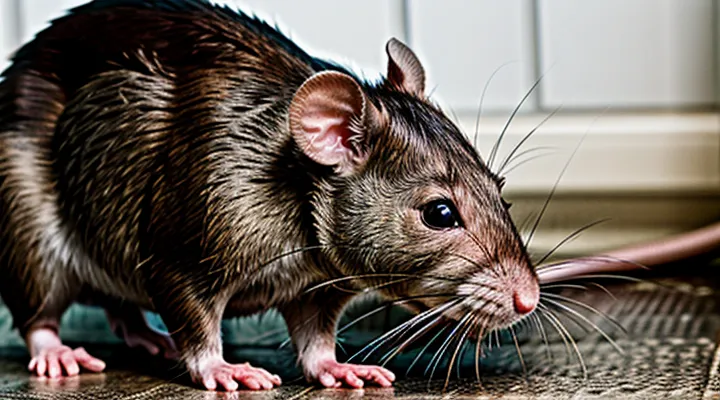
Common Rat Diseases
Respiratory Diseases
Mycoplasma pulmonis
Mycoplasma pulmonis is a cell‑wall‑deficient bacterium that colonises the respiratory tract of laboratory and pet rats. Transmission occurs primarily through direct contact, aerosolised droplets, and contaminated bedding; vertical transmission from dam to offspring is also documented. The organism induces chronic respiratory disease characterized by nasal discharge, sneezing, dyspnoea, and interstitial pneumonia. Secondary bacterial or viral infections frequently exacerbate clinical severity.
Diagnostic procedures include:
- Clinical observation: persistent upper‑respiratory signs in a colony.
- Culture: growth on specialized mycoplasma media under microaerophilic conditions; colonies appear as “fried‑egg” morphology.
- Polymerase chain reaction (PCR): species‑specific primers amplify M. pulmonis DNA from nasal swabs or lung tissue, providing rapid confirmation.
- Serology: enzyme‑linked immunosorbent assay (ELISA) detects antibodies, useful for herd screening but limited by cross‑reactivity.
Effective treatment relies on antimicrobial agents capable of penetrating the cell membrane. Recommended regimens are:
- Tilmicosin – administered in feed or water at 10 mg kg⁻¹ daily for 7–10 days.
- Enrofloxacin – 10 mg kg⁻¹ orally or subcutaneously every 24 hours for 5 days.
- Doxycycline – 5 mg kg⁻¹ orally twice daily for 10 days, reserved for cases with documented susceptibility.
Therapeutic success is enhanced by supportive care: humidified environments, nutritional supplementation, and removal of infected individuals from the main colony to reduce pathogen load.
Prevention strategies focus on biosecurity and colony management:
- Quarantine new arrivals for a minimum of four weeks with PCR screening.
- Maintain low humidity and regular cage cleaning to limit aerosol formation.
- Use mycoplasma‑free breeding stock and avoid overcrowding.
- Implement routine health monitoring using PCR or ELISA to detect subclinical carriers.
Accurate diagnosis and prompt antimicrobial therapy, combined with strict husbandry protocols, are essential for controlling Mycoplasma pulmonis‑associated respiratory disease in rat populations.
Bacterial Pneumonia
Bacterial pneumonia in rats manifests as inflammation of the pulmonary parenchyma caused primarily by opportunistic gram‑negative organisms such as Klebsiella pneumoniae, Pseudomonas aeruginosa, and Streptococcus spp. Infection follows inhalation of contaminated aerosols, aspiration of upper‑respiratory secretions, or hematogenous spread from systemic bacteremia. Stressors—overcrowding, poor ventilation, and immunosuppression—facilitate colonization and disease progression.
Clinical presentation includes rapid, shallow breathing, audible crackles, nasal discharge, lethargy, and reduced food intake. Advanced cases may develop cyanosis, fever, and weight loss. Observations of altered posture, such as hunched thorax, assist early recognition.
Diagnostic procedures
- Thoracic radiography: identifies alveolar infiltrates, consolidation, and pleural effusion.
- Hematology: neutrophilic leukocytosis with left shift suggests bacterial involvement.
- Microbial culture: tracheal wash or lung tissue homogenate plated on selective media for species identification and antimicrobial susceptibility testing.
- PCR assays: detect specific bacterial DNA when culture yields low colony counts.
Therapeutic protocol
- Empirical broad‑spectrum antibiotics (e.g., enrofloxacin, doxycycline) initiated promptly; adjust based on susceptibility results.
- Supportive care: warm, humidified environment, fluid therapy to counter dehydration, and nutritional supplementation.
- Anti‑inflammatory agents (e.g., meloxicam) administered to reduce pulmonary edema and discomfort.
- Isolation of affected individuals prevents nosocomial transmission.
Prevention relies on strict biosecurity: maintain optimal cage density, ensure adequate air exchange, implement routine health monitoring, and vaccinate against common respiratory pathogens where available. Regular sanitation of bedding and equipment reduces environmental bacterial load, decreasing the incidence of pneumonia outbreaks in laboratory and breeding colonies.
Viral Infections
Viral infections are a frequent cause of morbidity and mortality in laboratory and pet rats. Common agents include rat coronavirus (RCV), Sendai virus, hantavirus, rat parvovirus, and rat rotavirus. Each virus presents a distinct pattern of clinical signs, tissue tropism, and epidemiology.
Typical manifestations range from respiratory distress, nasal discharge, and sneezing (RCV, Sendai) to hemorrhagic fever and renal involvement (hantavirus). Gastrointestinal signs such as watery diarrhea and weight loss predominate with rotavirus infection. Subclinical carriers often spread the agents through aerosol, fecal‑oral, or direct contact routes.
Accurate diagnosis relies on laboratory techniques:
- Polymerase chain reaction (PCR) for viral genome detection in respiratory swabs, feces, or tissue homogenates.
- Enzyme‑linked immunosorbent assay (ELISA) to identify specific antibodies or antigens.
- Immunohistochemistry and in‑situ hybridization for localization of viral particles in histological sections.
- Virus isolation in cell culture when viable virus is required for further study.
Therapeutic options are limited. Supportive care—fluid therapy, temperature regulation, and nutritional support—improves survival in most cases. Antiviral agents such as ribavirin have demonstrated activity against certain paramyxoviruses but lack approval for routine use in rats. Prevention remains the most effective strategy:
- Quarantine new arrivals and screen with PCR or ELISA before integration.
- Maintain strict barrier facilities, including HEPA filtration and regular disinfection with agents effective against enveloped and non‑enveloped viruses.
- Implement vaccination programs where commercial vaccines exist, for example, in breeding colonies at risk for Sendai virus.
Monitoring programs that combine regular serological testing with environmental sampling detect outbreaks early, enabling rapid containment and reducing the impact of viral diseases on rat colonies.
Skin Conditions
Mites and Lice
Mites and lice are common ectoparasites that compromise rat welfare and can trigger secondary infections. Infestations manifest as excessive scratching, hair loss, crusted skin patches, and visible insects on the fur. In severe cases, anemia and weight loss may develop.
Diagnosis relies on direct observation and microscopic examination. The recommended procedure includes:
- Collecting a sample of fur and skin debris using a fine comb.
- Placing the material on a glass slide with saline solution.
- Examining the slide under 10‑40× magnification to identify adult parasites, nymphs, or eggs.
Effective treatment combines chemical and environmental measures. Preferred acaricides and insecticides for rats are:
- Ivermectin administered orally at 0.2 mg/kg, repeated after 7 days.
- Selamectin applied topically at 0.2 mg/kg, with a second dose after 10 days.
- Fipronil spray for bedding and cage surfaces, applied according to manufacturer guidelines.
Environmental control includes thorough cleaning of cages, replacement of bedding, and regular washing of accessories in hot water. Isolation of affected individuals prevents spread to the colony.
Monitoring after therapy should continue for at least three weeks, with weekly skin examinations and repeat microscopy to confirm parasite eradication. If recurrence occurs, re‑treatment with an alternative drug class is advised.
Ringworm
Ringworm in rats is a superficial dermatophytosis caused primarily by Trichophyton mentagrophytes and Microsporum canis. The fungi colonize keratinized tissue, producing contagious skin lesions that may spread rapidly within a colony.
Affected animals exhibit focal alopecia, erythema, fine scaling, and crusted plaques, most often on the head, neck, and dorsal trunk. Lesions may be pruritic but can also appear without obvious irritation, complicating early detection.
Diagnostic confirmation relies on:
- Direct microscopic examination of hair or skin scrapings after potassium hydroxide preparation, revealing hyaline hyphae and arthroconidia.
- Fluorescent Wood’s lamp assessment, which may highlight infected areas for certain species.
- Fungal culture on Sabouraud dextrose agar to identify the specific dermatophyte.
- Polymerase chain reaction assays for rapid species-level identification when available.
Therapeutic measures include both topical and systemic antifungal agents. Recommended options are:
- Topical – miconazole or clotrimazole cream applied twice daily to lesions for 2–4 weeks.
- Systemic – itraconazole (5 mg/kg orally once daily) or terbinafine (30 mg/kg orally once daily) for 3–6 weeks, adjusted according to clinical response and laboratory monitoring.
- Adjunctive – antiseptic baths with chlorhexidine (0.05 %) or povidone‑iodine (1 %) to reduce environmental spore load.
Effective control demands strict hygiene and environmental management. Isolate infected individuals, clean cages with a 10 % bleach solution or a veterinary‑grade disinfectant (e.g., Virkon S), and replace bedding regularly. Routine health surveillance and prompt treatment of new cases limit colony‑wide outbreaks and reduce zoonotic transmission risk to personnel.
Abscesses
Abscesses are localized collections of pus within the subcutaneous tissue or internal organs of rats, typically resulting from bacterial invasion following trauma, bite wounds, or surgical procedures. Staphylococcus aureus, Streptococcus spp., and mixed anaerobic flora are the most frequent isolates.
Clinical manifestations include swelling with firm margins, heat, pain on palpation, erythema, and possible fever. Systemic signs such as lethargy, anorexia, and weight loss may accompany severe infections.
Diagnosis relies on a combination of physical examination and laboratory techniques. Palpation confirms the presence of a fluctuant mass; ultrasonography or radiography delineates depth and involvement of surrounding structures. Fine‑needle aspiration provides material for cytology and bacterial culture, enabling identification of the causative organism and antimicrobial susceptibility.
Treatment protocol comprises:
- Surgical or percutaneous drainage to evacuate purulent material.
- Empirical broad‑spectrum antibiotic therapy, adjusted according to culture results; agents such as enrofloxacin, marbofloxacin, or amoxicillin‑clavulanate are commonly effective.
- Analgesia with non‑steroidal anti‑inflammatory drugs to alleviate pain.
- Wound care, including regular cleaning, sterile dressing, and monitoring for recurrence.
- Supportive measures such as fluid therapy and nutritional supplementation in cases with systemic involvement.
Prompt intervention and targeted antimicrobial therapy reduce morbidity and promote rapid resolution of abscesses in laboratory and pet rat populations.
Tumors and Cancers
Mammary Tumors
Mammary tumors are among the most frequent neoplasms reported in laboratory and pet rats, with incidence rates ranging from 10 % to 25 % in breeding colonies. They arise primarily from the epithelial cells of the mammary ducts and are strongly influenced by hormonal status, genetic background, and exposure to environmental carcinogens. Female rats develop tumors earlier and more often than males, reflecting the estrogen‑dependent nature of the disease.
Clinical presentation includes palpable masses in the thoracic or abdominal mammary chains, occasional ulceration, and weight loss in advanced cases. Tumors may be solitary or multiple, and rapid growth often signals malignancy. Routine health monitoring should incorporate weekly physical examinations to detect early lesions.
Diagnostic workflow consists of:
- Palpation and measurement of mass dimensions.
- High‑resolution ultrasound to assess internal architecture and vascularity.
- Fine‑needle aspiration for cytological evaluation, distinguishing epithelial from stromal components.
- Histopathological examination of excised tissue, providing definitive grading and identification of metastatic potential.
- Thoracic radiography or computed tomography when pulmonary involvement is suspected.
Therapeutic options are selected based on tumor size, grade, and the animal’s overall condition:
- Surgical excision – complete resection with clean margins remains the treatment of choice for localized tumors; postoperative wound care reduces infection risk.
- Chemotherapy – protocols employing doxorubicin, cyclophosphamide, or carboplatin are applied for high‑grade or incompletely resected lesions; dosing follows established rodent oncology guidelines.
- Radiation therapy – external beam radiation provides local control for residual disease after surgery, though access may be limited.
- Hormonal therapy – anti‑estrogen agents such as tamoxifen have demonstrated efficacy in slowing progression of hormone‑sensitive tumors.
Prognosis correlates with tumor grade and completeness of removal; well‑differentiated, fully excised tumors yield survival times exceeding 12 months, whereas metastatic or high‑grade cancers often result in shorter lifespans.
Preventive measures include maintaining a stable hormonal environment, minimizing exposure to known carcinogens, and implementing regular health surveillance in breeding programs. Early detection through systematic palpation and imaging markedly improves therapeutic outcomes.
Pituitary Tumors
Pituitary adenomas are among the most frequent endocrine neoplasms in laboratory rats, affecting both sexes and a wide age range. Tumor growth disrupts hormone secretion, leading to clinical syndromes such as hyperprolactinemia, acromegaly‑like enlargement, and adrenal cortical hyperplasia. Lesions are typically macroadenomas that compress adjacent hypothalamic structures, causing neurological signs and altered metabolic status.
Diagnostic procedures rely on a combination of clinical observation, laboratory testing, and imaging.
- Clinical assessment: weight gain, coat changes, polyuria, polydipsia, and reduced fertility.
- Hormone profiling: elevated serum prolactin, growth hormone, or ACTH levels detected by immunoassays.
- Imaging: high‑resolution magnetic resonance or micro‑computed tomography visualizes pituitary enlargement and mass effect.
- Histopathology: post‑mortem examination confirms adenoma type, cellular morphology, and proliferative index using Ki‑67 staining.
Therapeutic strategies focus on tumor reduction, hormonal normalization, and symptom relief.
- Pharmacological intervention: dopamine agonists (e.g., bromocriptine) suppress prolactin secretion; somatostatin analogs (e.g., octreotide) inhibit growth hormone release.
- Surgical removal: transcranial or transsphenoidal excision performed under stereotaxic guidance, suited for accessible macroadenomas.
- Radiation therapy: targeted stereotactic radiosurgery delivers precise doses to residual tumor tissue, minimizing collateral damage.
- Supportive care: fluid therapy, electrolyte management, and dietary adjustments address secondary metabolic disturbances.
Prognosis depends on tumor type, size, and response to treatment. Early detection through routine hormone screening and imaging improves outcomes, allowing effective control of endocrine imbalance and preservation of reproductive function. Continuous monitoring of hormone levels post‑therapy is essential to detect recurrence and adjust management protocols.
Lymphoma
Lymphoma is the most common hematopoietic malignancy in laboratory and pet rats, arising from uncontrolled proliferation of lymphoid cells. It affects both sexes and all ages, with a higher incidence in animals older than six months. Clinical presentation varies from subtle weight loss and lethargy to palpable abdominal masses, splenomegaly, and respiratory distress caused by mediastinal involvement. Laboratory findings often include anemia, lymphocytosis, or atypical lymphoblasts in peripheral blood.
Diagnosis relies on a combination of minimally invasive and definitive techniques.
- Fine‑needle aspiration of enlarged nodes or masses provides cytologic material for preliminary assessment.
- Histopathologic examination of biopsy specimens confirms cell type, grade, and immunophenotype (B‑cell vs. T‑cell) using immunohistochemistry markers such as CD3 and CD79a.
- Imaging modalities, including high‑resolution ultrasound and radiography, locate internal lesions and guide sampling.
- Flow cytometry of blood or tissue extracts quantifies clonal populations and assists in treatment planning.
Therapeutic options are limited by the rat’s size and tolerance to drugs. Conventional protocols employ cyclophosphamide, vincristine, and prednisolone in low‑dose regimens administered intraperitoneally or subcutaneously. Doxorubicin may be added for aggressive disease, while lomustine offers oral convenience for chronic management. Radiation therapy is feasible for localized tumors but requires specialized equipment. Supportive care includes fluid therapy, nutritional supplementation, and analgesia to improve quality of life.
Prognosis depends on tumor stage, histologic grade, and response to chemotherapy. Early‑stage, low‑grade B‑cell lymphomas respond favorably, with median survival extending beyond six months under continuous treatment. Advanced, high‑grade T‑cell forms often progress rapidly despite intervention, limiting survival to a few weeks. Regular monitoring through physical examination and repeat imaging is essential to adjust therapy and detect relapse.
Digestive Issues
Diarrhea
Diarrhea in laboratory and pet rats constitutes a frequent clinical problem that can rapidly compromise welfare and experimental outcomes. Prompt identification of underlying causes and implementation of targeted therapy are essential.
Etiology includes infectious agents (e.g., Clostridium perfringens, Salmonella spp., Giardia duodenalis), dietary imbalances (excessive fiber, sudden changes, low‑quality feed), stressors (overcrowding, temperature fluctuations), and parasitic infestations (Hymenolepis nana). Nutritional deficiencies, particularly of vitamin A or zinc, may predispose to intestinal inflammation.
Clinically, affected rats present with watery or semi‑liquid feces, increased frequency of defecation, perianal staining, and varying degrees of dehydration. Weight loss, lethargy, and abdominal distension may accompany severe cases. Rectal palpation often reveals soft, pliable colon walls without palpable masses.
Diagnostic work‑up proceeds as follows:
- Detailed history focusing on recent diet changes, cage sanitation, and exposure to other animals.
- Physical examination assessing hydration status, body condition, and abdominal tenderness.
- Fecal smear and flotation to detect parasites, bacterial overgrowth, or protozoal cysts.
- Culture of fecal material for pathogenic bacteria when bacterial etiology is suspected.
- Blood chemistry to evaluate electrolyte disturbances and renal function.
- Radiography or ultrasound if obstruction or neoplasia is considered.
Therapeutic measures prioritize fluid replacement and correction of electrolyte loss. Subcutaneous or oral administration of balanced electrolyte solutions restores hydration. Antimicrobial therapy is indicated for bacterial infections; choices include enrofloxacin or trimethoprim‑sulfamethoxazole, selected based on sensitivity testing. Antiparasitic agents such as fenbendazole are effective against most helminths and protozoa. Supportive care includes provision of easily digestible, high‑energy diet and maintenance of a stable environment.
Prevention relies on strict hygiene protocols, gradual dietary transitions, and routine health monitoring. Quarantine of new arrivals for at least two weeks, regular cage cleaning, and avoidance of overcrowding reduce transmission risk. Periodic fecal screening detects subclinical carriers, enabling early intervention before outbreaks occur.
Megacolon
Megacolon in rats is a pathological enlargement of the colon that results from impaired motility, chronic obstruction, or neurogenic dysfunction. The condition leads to accumulation of fecal material, distension of the intestinal wall, and secondary complications such as perforation or septic peritonitis.
Clinical presentation includes progressive abdominal swelling, reduced fecal output, hard or watery stools, and signs of discomfort such as hunched posture or decreased activity. Palpation often reveals a tense, fluid‑filled abdomen, while radiographic imaging shows a markedly dilated colon with air‑fluid levels.
Diagnosis relies on a combination of physical examination, imaging, and laboratory analysis. Plain radiographs or fluoroscopy confirm colonic dilation; contrast studies delineate obstruction sites; complete blood counts and serum chemistry identify inflammatory or metabolic disturbances associated with the disease.
Therapeutic interventions aim to relieve obstruction, restore motility, and prevent infection. Options include:
- Surgical resection of the affected colon segment with primary anastomosis or stoma formation.
- Manual decompression via rectal tube or colonoscopic evacuation when obstruction is partial.
- Pharmacologic agents such as prokinetics (e.g., cisapride) and antispasmodics (e.g., hyoscine) to enhance peristalsis.
- Broad‑spectrum antibiotics to address secondary bacterial translocation.
- Supportive care comprising fluid therapy, electrolyte correction, and analgesia.
Prognosis depends on the underlying cause, timeliness of intervention, and postoperative management. Early detection and prompt surgical correction improve survival rates, whereas delayed treatment often results in irreversible intestinal damage and high mortality.
Dental Problems
Dental health is a critical factor in the overall welfare of laboratory and pet rats. The continuously growing incisors require regular wear; any imbalance leads to malocclusion, overgrowth, or periodontal disease.
Clinical manifestations include:
- Uneven gnawing or inability to grasp food
- Facial swelling or discharge
- Weight loss despite adequate feeding
- Excessive salivation or drooling
- Visible changes in tooth length or alignment
Diagnosis relies on direct inspection under light, often after brief sedation. Palpation of the mandible and maxilla detects irregularities. Radiographic imaging, preferably using a low‑dose dental X‑ray, reveals root integrity, pulp exposure, and bone involvement. Microbial cultures from abscesses identify secondary infections.
Treatment protocols consist of:
- Manual trimming of overgrown incisors with a rotary burr or specialized rodent dental forceps, performed under anesthesia to prevent stress.
- Orthodontic correction using lightweight wire or plastic appliances for severe malocclusion; adjustment intervals range from 3 to 7 days.
- Surgical drainage of abscesses, followed by targeted antibiotic therapy (e.g., enrofloxacin or amoxicillin‑clavulanate) based on culture sensitivity.
- Analgesic management with non‑steroidal anti‑inflammatory drugs (e.g., meloxicam) to alleviate postoperative pain.
- Nutritional modification, introducing hard pellets and safe chew toys to promote natural tooth wear.
Preventive measures focus on providing a diet that includes high‑fiber components and durable objects for gnawing. Routine visual checks during colony health assessments enable early detection of dental anomalies, reducing the need for invasive interventions.
Other Health Concerns
Kidney Disease
Kidney disease in rats manifests as progressive loss of renal function, often resulting from chronic inflammation, toxins, genetic predisposition, or age‑related degeneration. Primary clinical signs include polydipsia, polyuria, weight loss, lethargy, and abdominal distension due to fluid accumulation. Hematuria and proteinuria may appear in advanced stages.
Diagnostic approach relies on systematic evaluation:
- Urinalysis: assesses specific gravity, presence of protein, glucose, blood, and casts.
- Blood chemistry: measures blood urea nitrogen, creatinine, electrolytes, and acid‑base balance.
- Imaging: ultrasonography visualizes renal size, echogenicity, and possible obstructive lesions.
- Histopathology: confirms glomerular or tubular damage through biopsy or necropsy samples.
Therapeutic strategies focus on slowing progression and managing symptoms:
- Fluid therapy: isotonic crystalloids administered subcutaneously or intravenously to correct dehydration and maintain perfusion.
- Dietary modification: reduced protein and phosphorus intake, increased omega‑3 fatty acids to diminish inflammatory burden.
- Pharmacologic agents: ACE inhibitors or angiotensin receptor blockers to lower intraglomerular pressure; loop diuretics for edema control; renal protectants such as N‑acetylcysteine to mitigate oxidative stress.
- Antibiotics: employed when bacterial infection contributes to renal pathology, guided by culture and sensitivity results.
- Supportive care: analgesics for pain, anti‑emetics for nausea, and monitoring of electrolyte levels to prevent complications.
Prevention emphasizes environmental control, proper nutrition, and routine health screening. Regular urine and blood tests enable early detection, allowing timely intervention before irreversible damage occurs.
Heart Disease
Heart disease in laboratory rats presents a significant obstacle to experimental validity and animal welfare. Cardiac pathology manifests as myocardial infarction, cardiomyopathy, arrhythmia, or congestive heart failure, each identifiable through specific clinical and laboratory signs.
Diagnosis relies on a combination of non‑invasive and invasive techniques.
- Electrocardiography (ECG) detects rhythm disturbances, ST‑segment changes, and conduction blocks.
- Echocardiography measures ventricular dimensions, wall thickness, and ejection fraction, providing real‑time functional assessment.
- Blood analysis quantifies cardiac biomarkers such as troponin I, brain natriuretic peptide (BNP), and creatine kinase‑MB.
- Post‑mortem histopathology evaluates myocardial fibrosis, necrosis, and inflammatory infiltrates.
Treatment protocols are adapted from human cardiology but calibrated for rodent physiology. Pharmacological interventions include:
- Beta‑adrenergic antagonists (e.g., propranolol) to reduce myocardial oxygen demand and control arrhythmias.
- ACE inhibitors (e.g., enalapril) to lower afterload and mitigate ventricular remodeling.
- Diuretics (e.g., furosemide) for fluid overload in congestive states.
- Antiplatelet agents (e.g., aspirin) to limit thrombus formation after ischemic injury.
Supportive measures involve dietary sodium restriction, controlled environmental temperature, and exercise limitation to reduce cardiac stress. In severe cases, surgical options such as coronary artery ligation or implantation of telemetry devices enable continuous monitoring and intervention.
Preventive strategies focus on genetic screening of breeding colonies, avoidance of high‑fat diets, and minimization of stressors that exacerbate cardiovascular risk. Regular health checks incorporating the diagnostic tools listed above allow early detection and timely therapeutic action, preserving experimental integrity and animal health.
Arthritis
Arthritis in laboratory rats presents as joint swelling, reduced mobility, and altered gait. Clinical observation should focus on asymmetry between forelimbs and hindlimbs, decreased weight‑bearing, and spontaneous pain behaviors such as licking or guarding.
Diagnosis relies on a combination of physical examination, imaging, and laboratory analysis.
- Palpation of synovial joints to detect effusion and warmth.
- Radiography or micro‑CT to identify osteophyte formation, joint space narrowing, and subchondral bone sclerosis.
- Magnetic resonance imaging for soft‑tissue assessment, including synovial membrane thickening.
- Synovial fluid aspiration for cytology, revealing increased leukocytes and protein content.
- Serum biomarkers such as C‑reactive protein, serum amyloid A, and cartilage oligomeric matrix protein to support inflammatory status.
Treatment protocols aim to reduce inflammation, preserve joint structure, and restore function.
- Non‑steroidal anti‑inflammatory drugs (e.g., meloxicam, carprofen) administered orally or subcutaneously at species‑specific dosages.
- Disease‑modifying agents, including glucocorticoid injections (triamcinolone acetonide) for acute flare‑ups, and disease‑modifying antirheumatic drugs (e.g., methotrexate) for chronic cases.
- Nutritional supplements rich in omega‑3 fatty acids and glucosamine to support cartilage health.
- Physical therapy, comprising passive range‑of‑motion exercises and controlled treadmill activity, to maintain muscle tone and joint flexibility.
- Environmental modifications, such as softened bedding and easy‑access feed stations, to minimize mechanical stress on affected joints.
Regular monitoring of pain scores, weight, and locomotor performance is essential to adjust therapeutic regimens and prevent secondary complications, including muscle atrophy and reduced reproductive capacity.
Diagnosis of Rat Diseases
Recognizing Symptoms
Behavioral Changes
Behavioral alterations serve as early indicators of pathological conditions in laboratory rats and provide essential data for therapeutic evaluation. Subtle shifts in activity, social interaction, and response to stimuli often precede overt physiological signs, allowing clinicians to initiate diagnostic procedures promptly.
Typical manifestations include:
- Reduced locomotor activity or prolonged immobility in open‑field tests.
- Decreased nesting material use, reflecting compromised motivation.
- Altered grooming patterns, either excessive or deficient.
- Increased aggression or, conversely, withdrawal from conspecifics.
- Impaired performance in maze or operant conditioning tasks, suggesting cognitive deficits.
These observations correlate with specific disease categories. Neuroinflammatory disorders frequently produce hypoactivity and diminished exploratory behavior, while metabolic disturbances may trigger hyperphagia followed by lethargy. Infectious agents often induce anorexia and social isolation, whereas neoplastic growth can impair motor coordination and cause abnormal postural reflexes.
Accurate documentation of behavioral changes enhances diagnostic accuracy and guides treatment selection. Quantitative scoring systems, video tracking, and standardized test batteries enable reproducible assessments across studies. Integration of behavioral data with histopathology, imaging, and biochemical markers yields a comprehensive view of disease progression and therapeutic response in rodent models.
Physical Signs
Physical examination remains the primary method for identifying disease in laboratory and pet rats. Observable abnormalities provide immediate clues that guide further diagnostic steps and therapeutic decisions.
Common external manifestations include:
- Weight loss or failure to gain weight despite adequate feeding.
- Abnormal posture such as hunched back, kyphosis, or reluctance to move.
- Respiratory alterations: nasal discharge, audible wheezing, or labored breathing.
- Dermatologic changes: alopecia, erythema, ulcerations, or scabs, often indicating underlying infection or metabolic disorder.
- Ocular signs: corneal opacity, conjunctival swelling, or discharge.
- Oral abnormalities: drooling, tooth overgrowth, or gingival inflammation, which may reflect nutritional deficiencies or systemic disease.
- Gastrointestinal signs: palpable abdominal distension, fecal abnormalities (diarrhea, blood), or reduced fecal output.
Internal assessment, through palpation, can reveal organ enlargement, fluid accumulation, or masses. Temperature measurement, though technically demanding in small rodents, provides additional data for detecting fever or hypothermia.
Integrating these physical indicators with laboratory findings accelerates accurate diagnosis and informs appropriate treatment protocols, reducing morbidity and improving outcomes in rat populations.
Veterinary Examination
Physical Check-up
A thorough physical examination is the cornerstone of identifying health problems in laboratory rats and guiding therapeutic decisions. The practitioner should follow a systematic sequence to ensure consistency and completeness.
- Body weight and condition: Record weight on a calibrated scale; compare to species‑specific growth curves. Assess body condition score by palpating the ribs, spine, and lumbar fat pads.
- Temperature: Measure core temperature rectally with a calibrated digital thermometer; normal range is 37.5 °C – 38.5 °C.
- General appearance: Observe posture, activity level, grooming, and coat quality. Note any alopecia, dermatitis, or ectoparasites.
- Respiratory assessment: Listen with a small animal stethoscope for rate, rhythm, and adventitious sounds. Count breaths per minute; normal adult rate is 70–150.
- Cardiovascular evaluation: Auscultate heart beats for rhythm and murmurs; record pulse at the femoral artery. Normal heart rate is 250–400 beats per minute.
- Abdominal palpation: Gently palpate for organ enlargement, masses, or fluid accumulation. Note any pain response.
- Oral cavity and teeth: Inspect incisors and molars for overgrowth, malocclusion, or lesions. Examine gums for discoloration or ulceration.
- Ocular and auditory inspection: Check for conjunctival redness, discharge, cataracts, or otic debris. Use an otoscope for ear canal evaluation.
- Dermatological check: Examine skin for erythema, ulceration, scabs, or parasites. Perform a brief skin scrape if dermatitis is suspected.
- Neurological screening: Perform righting reflex, grip strength, and tail pinch tests to detect motor or sensory deficits.
- Fecal and urinary output: Collect fresh droppings and urine for gross appearance and odor; screen for blood, mucus, or abnormal consistency.
Documentation should include quantitative data (weight, temperature, heart and respiratory rates) and qualitative observations (coat condition, lesion description). Deviations from normal parameters prompt targeted diagnostic testing, such as hematology, microbiology, or imaging, and inform the selection of appropriate therapeutic interventions. Regular implementation of this protocol enhances early disease detection, improves animal welfare, and supports reliable experimental outcomes.
Diagnostic Tests
Diagnostic testing in laboratory and pet rats provides objective data for identifying infectious, metabolic, neoplastic, and toxic conditions. Accurate interpretation requires proper sample collection, preservation, and timely submission to a qualified laboratory. Blood specimens should be drawn from the lateral tail vein or saphenous vein, anticoagulated with heparin for hematology and clotting tubes for serum biochemistry. Tissue samples for culture or molecular assays must be aseptically obtained and stored at appropriate temperatures to prevent degradation.
Common diagnostic modalities include:
- Complete blood count (CBC): evaluates leukocyte differentials, anemia, and thrombocytopenia; patterns often suggest bacterial infection, parasitism, or marrow suppression.
- Serum chemistry panel: measures liver enzymes, renal parameters, electrolytes, and glucose; deviations indicate organ dysfunction or systemic disease.
- Polymerase chain reaction (PCR): detects pathogen-specific nucleic acids in blood, feces, or tissue; highly sensitive for viral agents such as rat coronavirus and bacterial agents like Salmonella spp.
- Serology (ELISA, IFA): quantifies antibodies against hantavirus, Leptospira, and other zoonotic pathogens; useful for exposure assessment and vaccine efficacy monitoring.
- Microbial culture: isolates aerobic and anaerobic bacteria from respiratory secretions, urine, or wound exudates; susceptibility testing guides antimicrobial selection.
- Parasitology: fecal flotation and direct smear identify helminths, protozoa, and ectoparasite eggs; quantitative counts aid in treatment planning.
- Imaging (radiography, ultrasound): visualizes pulmonary infiltrates, abdominal masses, and skeletal lesions; complements laboratory findings for neoplastic or traumatic conditions.
- Histopathology: examines fixed tissue sections for cellular architecture, inflammation, and neoplasia; definitive for tumor grading and chronic disease characterization.
Interpretation of results must consider species-specific reference ranges and the rat’s age, sex, and breeding status. Correlating laboratory data with clinical signs—such as weight loss, respiratory distress, or gastrointestinal disturbances—enhances diagnostic accuracy. Repeating tests after therapeutic intervention provides objective measures of treatment efficacy and disease progression.
Quality assurance practices, including internal controls, proficiency testing, and strict chain-of-custody documentation, ensure reliability of diagnostic outcomes. Integration of these methods forms a comprehensive approach to managing health disorders in rats, supporting both research integrity and animal welfare.
Common Diagnostic Tools
X-rays
X‑ray imaging provides rapid visualization of skeletal and thoracic structures in laboratory rats, supporting the identification of fractures, pulmonary infiltrates, and neoplastic masses. Standard practice employs a digital radiography system with a source‑to‑animal distance of 10–15 cm and exposure parameters of 30–45 kVp and 0.1–0.2 mA, adjusted for the animal’s weight to limit ionizing dose while preserving image quality.
Interpretation focuses on:
- Bone integrity: detection of cortical disruptions, dislocations, and osteolytic lesions.
- Thoracic cavity: assessment of lung fields for consolidations, pleural effusion, and mediastinal enlargement.
- Abdominal silhouette: identification of calcified foreign bodies or mass effect.
Radiographic findings guide therapeutic decisions, such as surgical stabilization of fractures, antimicrobial therapy for pneumonia, or referral for histopathology when neoplastic changes are suspected. Follow‑up imaging monitors disease progression and treatment response, documenting changes in lesion size or bone healing.
Radiation safety protocols require lead shielding for personnel, anesthesia to reduce motion artifacts, and record‑keeping of cumulative exposure for each animal. Calibration of equipment and routine quality control ensure consistent image resolution and accurate diagnostic performance.
Blood Tests
Blood tests provide quantitative data essential for evaluating rat health when infectious, metabolic, or neoplastic conditions are suspected. Samples are typically obtained from the lateral tail vein, saphenous vein, or cardiac puncture under anesthesia, with anticoagulant selection (EDTA for complete blood count, heparin for plasma chemistry) guided by the intended assays.
Key components of a rat hematology panel include:
- Red blood cell count, hemoglobin concentration, hematocrit – assess anemia or polycythemia.
- White blood cell differential (neutrophils, lymphocytes, monocytes, eosinophils, basophils) – indicate infection, inflammation, or stress.
- Platelet count – detect thrombocytopenia or thrombocytosis.
A plasma chemistry profile evaluates organ function and metabolic status. Typical analytes are:
- Glucose – monitor hypoglycemia or hyperglycemia.
- Blood urea nitrogen and creatinine – reflect renal clearance.
- Alanine aminotransferase, aspartate aminotransferase – indicate hepatic injury.
- Electrolytes (sodium, potassium, chloride) – reveal electrolyte disturbances.
- Total protein and albumin – assess protein loss or dehydration.
Interpretation links laboratory findings to therapeutic decisions. Elevated neutrophils with a left shift suggest bacterial sepsis, prompting antimicrobial selection based on culture and sensitivity. Lymphopenia may accompany viral infections, guiding supportive care and isolation measures. Abnormal liver enzymes direct the use of hepatoprotective agents and adjustment of potentially toxic drugs. Renal impairment, identified by increased BUN and creatinine, necessitates dosage modification of renally excreted medications and fluid therapy. Regular monitoring of blood parameters tracks disease progression and treatment efficacy, allowing timely intervention adjustments.
Fecal and Urine Analysis
Fecal and urine analysis provide essential diagnostic data for identifying infectious, metabolic, and renal disorders in laboratory and pet rats. Samples are collected non‑invasively; feces are gathered from the cage floor or directly from the rectum, while urine is obtained using metabolic cages or gentle bladder expression. Proper handling includes immediate refrigeration and prompt laboratory processing to prevent bacterial overgrowth and metabolite degradation.
Key parameters evaluated in fecal examinations:
- Parasite eggs, cysts, and trophozoites (e.g., Syphacia muris, Eimeria spp.).
- Bacterial overgrowth, detected by Gram staining or culture.
- Fecal occult blood, indicating gastrointestinal ulceration or neoplasia.
- Consistency and moisture content, reflecting diet absorption and gut motility.
Urine analysis focuses on:
- Specific gravity, assessing renal concentrating ability.
- pH, which may shift with dietary changes or urinary tract infection.
- Protein, glucose, and ketone bodies, indicating renal dysfunction, diabetes mellitus, or starvation.
- Microscopic sediment, revealing crystals, cells, or pathogens such as Pseudomonas spp.
Interpretation of abnormal results guides therapeutic decisions. Positive parasite findings warrant anthelmintic or coccidiostat treatment, with dosage adjusted for the animal’s weight and health status. Hematuria or bacteriuria prompts antimicrobial selection based on culture sensitivity. Elevated protein or reduced specific gravity suggests renal insufficiency; supportive care includes fluid therapy, dietary modification, and monitoring of renal biomarkers.
Routine fecal and urine screening, combined with clinical observation, enhances early detection of disease, reduces morbidity, and improves outcomes in rat populations.
Biopsies
Biopsies provide definitive tissue confirmation of pathological processes in laboratory rats, enabling precise identification of neoplastic, inflammatory, and infectious lesions. Tissue samples are obtained through percutaneous needle aspiration, core needle extraction, or surgical excision, each method selected according to lesion size, location, and the need for histological architecture.
Key procedural considerations include:
- Anesthesia: inhalational agents (isoflurane) or injectable combinations (ketamine‑xylazine) ensure immobilization and analgesia.
- Sterile technique: gloves, gowns, and disinfected instruments prevent iatrogenic contamination.
- Sample handling: immediate fixation in 10 % neutral‑buffered formalin preserves cellular detail; for molecular assays, snap‑freezing in liquid nitrogen is required.
- Hemostasis: electrocautery or pressure application reduces postoperative bleeding.
Diagnostic value derives from microscopic evaluation of cellular morphology, immunohistochemical markers, and, when indicated, polymerase‑chain‑reaction detection of viral or bacterial DNA. Results guide therapeutic decisions such as antimicrobial selection, chemotherapy protocols, or surgical resection margins.
Post‑biopsy care involves monitoring for infection, providing analgesics (e.g., buprenorphine), and documenting wound healing. Properly executed biopsies reduce reliance on empirical treatment, improve experimental reproducibility, and enhance animal welfare in disease‑focused studies.
Treatment of Rat Diseases
Medical Interventions
Antibiotics
Antibiotic therapy is a central component of managing bacterial infections in laboratory rats. Selection is guided by the identified pathogen, susceptibility profile, and the pharmacokinetic properties of the drug in this species.
-
Broad‑spectrum agents
Enrofloxacin (5–10 mg/kg, oral or subcutaneous, q24 h) – effective against Gram‑negative rods and some Gram‑positive cocci.
Trimethoprim‑sulfamethoxazole (30 mg/kg, oral, q12 h) – covers many Enterobacteriaceae and Staphylococcus spp. -
Gram‑positive targeting
Penicillin G (100 000 IU/kg, intraperitoneal, q8 h) – high activity against Streptococcus and Clostridium species.
Vancomycin (20 mg/kg, intravenous, q12 h) – reserved for resistant enterococci and staphylococci. -
Anaerobic coverage
Metronidazole (50 mg/kg, oral, q12 h) – indicated for Bacteroides and other obligate anaerobes.
Dosage must reflect the animal’s weight and health status; adjustments are required for neonates, pregnant females, or rats with hepatic impairment. Administration routes include oral gavage, subcutaneous injection, intraperitoneal injection, and, when feasible, intravenous infusion. Drug stability in water or feed should be verified before incorporation.
Susceptibility testing, preferably by broth microdilution, informs drug choice and detects emerging resistance. Routine monitoring of clinical response, body weight, and hematologic parameters identifies therapeutic failure or adverse reactions. Common side effects include gastrointestinal disturbance (enrofloxacin, trimethoprim‑sulfamethoxazole), nephrotoxicity (vancomycin), and neurotoxicity (high‑dose fluoroquinolones).
Resistance management requires limiting prophylactic use, rotating classes when possible, and adhering to established breakpoints. Documentation of treatment regimens and outcomes supports reproducibility and informs institutional antimicrobial stewardship policies.
Anti-inflammatories
Anti-inflammatory drugs are a primary component of therapeutic regimens for rats presenting with inflammatory disorders. Effective control of pain, swelling, and tissue damage reduces morbidity and supports recovery from infectious, neoplastic, or traumatic conditions.
Common pharmacologic classes include non‑steroidal anti‑inflammatory drugs (NSAIDs), glucocorticoids, and cyclo‑oxygenase‑2 (COX‑2) selective inhibitors. Typical agents and recommended dosing ranges are:
- Meloxicam – 0.2–0.4 mg/kg subcutaneously, once daily for up to five days.
- Carprofen – 5 mg/kg orally, once daily; may be continued for two weeks under monitoring.
- Dexamethasone – 0.1 mg/kg intramuscularly, single dose; repeat every 24 h if needed, not exceeding three doses.
- Celecoxib – 10 mg/kg orally, twice daily; reserved for cases requiring COX‑2 selectivity.
Diagnosis of inflammation relies on clinical observation (edema, erythema, reduced mobility) and laboratory parameters such as elevated plasma fibrinogen, C‑reactive protein, or leukocyte counts. Imaging modalities (ultrasound, radiography) assist in localizing lesions before initiating therapy.
Treatment protocols emphasize accurate dosing, appropriate route of administration, and regular assessment of therapeutic response. Adjustments are made based on pain scores, reduction in swelling, and normalization of inflammatory markers. Early detection of adverse effects—including gastric ulceration, renal impairment, and immunosuppression—guides discontinuation or substitution of agents.
Long‑term anti‑inflammatory use requires periodic hepatic and renal function tests, especially with NSAIDs. Combination therapy with antibiotics or chemotherapeutic agents mandates vigilance for drug interactions that may alter plasma concentrations. Proper management of anti‑inflammatory therapy contributes to improved outcomes in rat disease models and laboratory colonies.
Pain Management
Effective pain control is a critical component of rat disease management. Accurate assessment begins with species‑specific pain scales, such as the Rat Grimace Scale, which quantifies facial expressions, and observational checklists that record changes in grooming, posture, and activity. Baseline behavior should be recorded before intervention to distinguish pathological pain from normal variability.
Analgesic selection depends on pain intensity, duration, and the underlying pathology. Common agents include:
- Non‑steroidal anti‑inflammatory drugs (NSAIDs) – meloxicam (0.2 mg/kg, subcutaneously, q24 h) and carprofen (5 mg/kg, oral, q24 h) reduce inflammatory pain with minimal sedation.
- Opioids – buprenorphine (0.05 mg/kg, subcutaneously, q12 h) provides moderate to severe analgesia; fentanyl patches (0.018 mg/kg/24 h) deliver continuous relief for prolonged procedures.
- Local anesthetics – bupivacaine (0.5 %, 0.1 mL per site, infiltrative) offers short‑term block for surgical incisions.
- Adjuncts – gabapentin (30 mg/kg, oral, q8 h) addresses neuropathic components; dexmedetomidine (0.02 mg/kg, intraperitoneal) adds sedative analgesia when combined with other agents.
Dosage adjustments are necessary for young, aged, or compromised rats. Renal or hepatic impairment warrants reduced NSAID dosing, while opioid tolerance may develop after repeated administration, requiring rotation of drug classes.
Monitoring protocols should include:
- Re‑evaluation of pain scores at least every 4 hours during the acute phase.
- Observation for adverse effects such as gastrointestinal ulceration (NSAIDs) or respiratory depression (opioids).
- Documentation of drug plasma concentrations when high‑risk agents are used, ensuring therapeutic levels without toxicity.
When analgesics are combined, synergistic effects can lower individual drug doses, minimizing side effects. However, interactions—particularly between NSAIDs and opioids—must be reviewed to avoid unexpected sedation or gastrointestinal complications.
In summary, a structured approach that integrates validated pain assessment tools, evidence‑based pharmacologic regimens, and vigilant monitoring ensures humane and effective management of pain in rats undergoing disease treatment.
Antiparasitics
Parasitic infestations are a frequent health concern in laboratory and pet rats, requiring prompt identification and targeted therapy.
Rats commonly host internal parasites such as Trichuris muris, Syphacia muris, Hymenolepis nana, and Giardia duodenalis, as well as external parasites including Myobia musculi and Demodex spp.
Diagnosis relies on fecal flotation or sedimentation for ova and cysts, direct microscopic examination of skin scrapings for ectoparasites, and molecular assays (PCR) for species‑specific confirmation. Repeated sampling improves detection of intermittent shedding.
Antiparasitic agents employed in rats include:
- Benzimidazoles (e.g., fenbendazole, albendazole) – oral administration, 50 mg/kg for 3 days, effective against most nematodes and cestodes.
- Macrocyclic lactones (e.g., ivermectin, selamectin) – subcutaneous or topical, 0.2 mg/kg single dose, active against nematodes and ectoparasites.
- Pyrantel pamoate – oral, 10 mg/kg, rapid action against hookworms and Trichuris.
- Praziquantel – oral, 25 mg/kg, specific for tapeworms.
- Nitroscanate – oral, 20 mg/kg, broad spectrum against nematodes and cestodes.
Treatment protocols typically start with a single dose, followed by a second dose after 7–10 days to eliminate residual stages. Post‑treatment fecal analysis confirms clearance; persistent infection may indicate resistance, necessitating drug rotation or combination therapy.
Safety considerations include species‑specific toxicity thresholds: ivermectin exceeds 0.4 mg/kg may cause neurotoxicity, while fenbendazole is well tolerated up to 500 mg/kg. Pregnant or lactating females require dose adjustments or alternative agents to avoid embryotoxic effects. Monitoring for adverse reactions (e.g., lethargy, anorexia) during the first 48 hours post‑administration is essential.
Effective control integrates accurate diagnostics, appropriate drug selection, correct dosing, and vigilant observation, thereby minimizing parasitic burden and preserving the health of rat colonies.
Surgical Procedures
Tumor Removal
Tumor excision in laboratory rats constitutes a critical component of disease management programs. Prior to surgery, a thorough evaluation includes physical examination, imaging (ultrasound, MRI) to determine tumor size, location, and vascular involvement, and histopathological confirmation via fine‑needle aspiration or core biopsy. Anesthesia protocols typically combine inhalational agents (isoflurane) with analgesics (buprenorphine) to maintain stable physiological parameters throughout the procedure.
The operative technique follows a stepwise approach:
- Sterile skin incision over the tumor margin, preserving surrounding tissue integrity.
- Sharp dissection to isolate the mass while maintaining hemostasis with cautery or ligatures.
- En bloc removal with a margin of at least 2 mm of normal tissue to reduce recurrence risk.
- Closure of the fascia and skin using absorbable sutures and, if necessary, skin staples.
Postoperative care emphasizes pain control, infection prevention, and monitoring for complications. Analgesic regimens continue for 48–72 hours; prophylactic antibiotics are administered for 24 hours unless culture results dictate otherwise. Daily observation records wound appearance, body weight, and activity level. Early detection of seroma, dehiscence, or tumor regrowth prompts immediate intervention.
Common complications include hemorrhage, wound infection, and recurrence. Hemorrhage is mitigated by meticulous intra‑operative hemostasis and postoperative monitoring of hematocrit. Infection rates decline with aseptic technique, appropriate antibiotic selection, and regular wound cleaning. Recurrence is minimized by achieving adequate surgical margins and confirming complete excision through intra‑operative frozen sections when available.
Alternative treatments—radiotherapy, chemotherapy, or cryoablation—serve cases where surgery is contraindicated or residual disease persists. Selection of adjunctive therapy depends on tumor histotype, grade, and the animal’s overall health status. Integration of surgical removal with these modalities enhances long‑term disease control in rat colonies.
Abscess Drainage
Abscess formation is a frequent complication in laboratory and pet rats, often resulting from bite wounds, dental disease, or post‑surgical infection. Prompt evacuation of purulent material prevents tissue necrosis, reduces systemic spread, and improves survival rates.
Indications for drainage include:
- Visible swelling with fluctuant consistency
- Heat, erythema, or pain on palpation
- Fever or leukocytosis indicating systemic involvement
- Failure of conservative therapy after 24–48 hours
The procedure follows a sterile protocol:
- Restrain the animal in a dorsal recumbent position; apply a mild anesthetic such as isoflurane to ensure immobility and analgesia.
- Prepare the site with povidone‑iodine or chlorhexidine; cover surrounding fur with a sterile drape.
- Insert a 22‑ gauge needle or a small scalpel blade into the abscess cavity, advancing toward the deepest point while avoiding vital structures.
- Apply gentle suction with a syringe or allow passive drainage; collect pus for microbiological culture.
- Irrigate the cavity with sterile saline until effluent appears clear; consider adding a dilute antiseptic solution if culture results indicate resistant organisms.
- Place a small Penrose drain or a sterile gauze wick if continuous outflow is expected; secure with a loose suture to prevent tissue strangulation.
- Close the incision with absorbable sutures only if the cavity is fully collapsed; otherwise leave open for secondary healing.
Post‑procedure management includes:
- Administration of a broad‑spectrum antibiotic (e.g., enrofloxacin 10 mg/kg subcutaneously once daily) pending culture results.
- Analgesia with meloxicam 0.2 mg/kg orally every 24 hours for 2–3 days.
- Daily inspection of the drain site, replacement of dressings, and monitoring for re‑accumulation or secondary infection.
- Nutritional support with a high‑calorie diet to promote wound healing.
Potential complications are limited to hemorrhage, inadvertent injury to adjacent organs, and formation of a chronic sinus tract. Early detection of these events through regular observation minimizes morbidity. Proper technique and diligent aftercare ensure successful resolution of abscesses in rat patients.
Dental Extractions
Dental extractions are a common therapeutic intervention in laboratory and pet rats suffering from oral pathology. Malocclusion, dental abscesses, fractured incisors, and progressive enamel loss frequently compromise feeding and weight maintenance, necessitating removal of the affected tooth or root segment.
Clinical assessment begins with visual inspection of the incisors and molars, supplemented by palpation of the maxillary and mandibular arches. Radiography, preferably using a high‑resolution micro‑CT unit, confirms the extent of bone involvement and identifies hidden root fragments. Anesthesia is achieved with inhalational isoflurane or injectable ketamine‑xylazine, maintaining a surgical plane throughout the procedure.
The extraction technique follows a standardized sequence:
- Position the rat in dorsal recumbency, secure the head with a soft bite block.
- Apply a sterile peri‑incisional antiseptic solution.
- Use a fine‑point forceps to grasp the crown, applying gentle traction while simultaneously loosening the periodontal ligament with a micro‑elevator.
- If resistance persists, perform a controlled osteotomy with a low‑speed micro‑drill to expose the root apex.
- Extract the tooth in one piece, avoiding fracture of the root.
- Irrigate the socket with sterile saline, then place a resorbable gelatin sponge to control bleeding.
- Close the mucosal incision with a single absorbable suture if required.
Post‑operative care includes analgesia with buprenorphine (0.05 mg/kg subcutaneously every 12 hours for 48 hours) and monitoring of food intake. Soft, high‑calorie diet pellets should be provided for the first 24 hours to reduce chewing stress. Antibiotic therapy, such as enrofloxacin (10 mg/kg subcutaneously once daily for five days), is indicated when infection is confirmed or prophylactically in immunocompromised subjects.
Complications arise primarily from incomplete removal, leading to retained root fragments, or from infection of the extraction site. Early detection of swelling, purulent discharge, or decreased appetite warrants immediate veterinary evaluation. Proper technique and diligent postoperative observation minimize these risks, resulting in rapid restoration of normal feeding behavior and weight gain.
Supportive Care
Nutritional Support
Nutritional support is a fundamental component of managing rat health problems. Adequate diet supplies energy, supports immune function, and facilitates tissue repair, thereby influencing disease outcomes.
Assessment begins with a physical examination and body‑condition scoring. Laboratory data—blood glucose, serum albumin, electrolytes, and vitamin levels—guide the selection of appropriate feeds and supplements. Caloric intake should match the increased metabolic demand of infection or inflammation; typical requirements range from 12 to 15 kcal g⁻¹ body weight, adjusted upward for fever or wound healing.
Key dietary elements include:
- Protein: 20–25 % of total calories; high‑quality sources such as casein or soy isolate promote wound closure and antibody production.
- Fat: 5–10 % of calories; inclusion of omega‑3 fatty acids (e.g., fish oil) modulates inflammatory pathways.
- Carbohydrate: Complex starches provide sustained glucose, preventing hypoglycemia during acute illness.
- Vitamins: Vitamin C and E reduce oxidative stress; B‑complex vitamins support metabolic pathways.
- Minerals: Calcium, phosphorus, and magnesium maintain bone integrity; zinc and selenium are essential for immune competence.
Supplementation strategies depend on the specific pathology. For gastrointestinal disorders, highly digestible, low‑fiber formulas reduce motility disturbances. In cases of anemia, iron‑rich diets combined with vitamin B12 improve hematologic parameters. When renal dysfunction is present, protein restriction to 15 % of calories and reduced phosphorus intake mitigate uremic progression.
Feeding protocols should be consistent: offer measured portions twice daily, monitor intake, and record any refusals. Rapid weight loss (>5 % body weight in 48 h) warrants immediate adjustment of caloric density or the addition of enteral feeding tubes. Regular re‑evaluation—weekly body‑condition scoring and monthly blood panels—ensures that nutritional interventions remain aligned with the evolving clinical picture.
Environmental Adjustments
Effective environmental management reduces the incidence and severity of rat illnesses by eliminating stressors and limiting pathogen exposure. Maintaining consistent temperature, humidity, and ventilation prevents respiratory and dermatological conditions that often accompany fluctuating climates. Clean bedding, regular cage sanitation, and proper waste disposal remove reservoirs of bacteria, fungi, and parasites, directly impacting diagnostic outcomes and therapeutic success.
Optimal housing design supports immune competence. Provide sufficient space per animal to avoid overcrowding, which predisposes colonies to transmissible infections. Incorporate enrichment items that encourage natural behaviors, thereby decreasing chronic stress that can mask clinical signs and interfere with treatment efficacy. Ensure that all materials are non‑toxic, autoclavable, and free of contaminants that could confound laboratory results.
Key environmental adjustments include:
- Temperature control within 20–24 °C and relative humidity between 40–60 %.
- Daily removal of soiled bedding and weekly deep cleaning of cages.
- Installation of high‑efficiency particulate air (HEPA) filters to reduce airborne pathogens.
- Allocation of at least 0.1 m² floor space per rat to prevent crowding.
- Provision of chewable, nest‑building, and climbing devices made from sterilizable, non‑allergenic materials.
Stress Reduction
Stress levels directly influence disease manifestation and therapeutic response in laboratory rats. Elevated glucocorticoids suppress immune function, alter metabolic pathways, and modify behavioral readouts, which can mask clinical signs and compromise diagnostic precision. Likewise, stress‑induced physiological variability reduces reproducibility of pharmacological interventions, leading to inconsistent treatment outcomes.
Effective stress mitigation integrates environmental, handling, and procedural controls:
- Provide nesting material, shelters, and chewable objects to satisfy natural behaviors.
- Maintain stable temperature (20‑24 °C) and humidity (45‑55 %) with minimal fluctuations.
- Limit exposure to high‑frequency noise and sudden lighting changes; use dim, consistent illumination.
- House rats in compatible groups to preserve social structure, unless isolation is scientifically justified.
- Implement gentle, consistent handling techniques: use cupped hands, avoid tail lifts, and allow acclimatization periods before procedures.
- Schedule routine health assessments during the animals’ active phase to reduce circadian disruption.
- Apply analgesic and anesthetic protocols that include pre‑emptive dosing to blunt stress‑related pain responses.
Implementing these measures improves the reliability of disease detection and enhances the efficacy of therapeutic regimens. Reduced stress correlates with lower baseline cortisol, clearer symptom presentation, and more predictable drug metabolism, thereby supporting accurate diagnosis and optimal treatment in rat disease research.
Preventative Measures
Proper Husbandry
Proper husbandry directly reduces the incidence of infectious, metabolic, and neoplastic disorders in laboratory rats. Consistent environmental control, nutrition, health monitoring, and stress mitigation create conditions that limit disease emergence and facilitate early diagnosis.
Environmental parameters must remain within defined limits. Temperature should be maintained at 20–26 °C, relative humidity at 30–70 %, and ventilation rates sufficient to achieve at least 10 air changes per hour. Cages require weekly cleaning with disinfectant solutions that do not leave toxic residues; bedding material should be changed at least twice weekly to prevent ammonia buildup.
Nutritional management includes providing a certified rodent diet that meets the species’ protein, fat, vitamin, and mineral requirements. Water must be supplied ad libitum from an autoclaved or filtered system, with daily inspection for contamination. Feeding schedules should be regular to avoid overconsumption and obesity.
Health surveillance relies on systematic observation and documentation. Daily visual checks for coat condition, ocular discharge, respiratory sounds, and behavior identify early signs of disease. All new arrivals undergo a minimum 14‑day quarantine, during which health status is recorded and diagnostic sampling performed if abnormalities appear.
Stress reduction strategies enhance immune competence. Environmental enrichment—such as nesting material, tunnels, and chewable objects—should be provided in each cage. Handling techniques must be gentle, using restraint methods that minimize corticosterone spikes. Group housing, when compatible, promotes social stability and lowers aggression‑related injuries.
Implementing these husbandry practices creates a baseline of health that simplifies diagnostic interpretation and improves therapeutic outcomes for rat disease investigations.
Regular Vet Check-ups
Regular veterinary examinations are essential for maintaining rat health and preventing disease progression. Veterinarians assess physical condition, behavior, and organ function, enabling early identification of infections, metabolic disorders, and neoplasia. Early detection reduces treatment complexity, shortens recovery time, and improves survival rates.
Key components of a routine check‑up include:
- Comprehensive physical inspection (coat quality, eye clarity, dental alignment, respiratory sounds).
- Weight measurement and body condition scoring to detect malnutrition or obesity.
- Palpation of the abdomen for masses, organ enlargement, or pain.
- Evaluation of gait and mobility to uncover musculoskeletal or neurological issues.
- Fecal analysis for parasites and bacterial overgrowth.
- Blood sampling for complete blood count, biochemical profile, and serology when indicated.
- Urinalysis to screen for renal disease and urinary tract infections.
Recommended frequency varies with age and health status. Juvenile rats benefit from monthly examinations during the first three months; adult rats should be evaluated at least biannually, while geriatric individuals require quarterly visits. Any deviation from normal behavior—lethargy, loss of appetite, abnormal droppings, or respiratory distress—warrants immediate veterinary attention, regardless of schedule.
Documentation of findings creates a longitudinal health record, facilitating trend analysis and tailored therapeutic plans. Vaccination schedules, parasite prophylaxis, and dietary adjustments are incorporated based on veterinary recommendations. Consistent monitoring ensures that emerging conditions are addressed promptly, preserving the well‑being of the animal and reducing the need for extensive interventions.
Quarantine Protocols
Quarantine isolates newly acquired or symptomatic rats to prevent pathogen spread and to allow accurate diagnosis. Facilities must include a dedicated, ventilated room with negative pressure relative to adjacent spaces. All equipment entering the area should be disinfected and stored separately.
Key elements of an effective quarantine protocol:
- Admission screening – Visual inspection for clinical signs, weight loss, and abnormal behavior; collection of baseline samples (blood, feces, nasal swabs) for laboratory analysis.
- Isolation period – Minimum 30 days, extended if any diagnostic test returns positive or if clinical signs appear during observation.
- Personal protective equipment – Gloves, laboratory coat, shoe covers, and a face mask worn by all personnel entering the quarantine zone; equipment decontamination after each use.
- Environmental controls – Daily cleaning with an approved rodent‑safe disinfectant; bedding changed every 48 hours; waste autoclaved before disposal.
- Health monitoring – Daily health checks recorded in a log; weekly serology or PCR testing for common rat pathogens (e.g., Mycoplasma pulmonis, Sendai virus, rat coronavirus).
- Record keeping – Detailed entry forms documenting source, health status, test results, and any treatments administered; retention of records for at least six months after release.
Release criteria require two consecutive negative test results, no observable clinical signs for the final 14 days, and confirmation that all quarantine measures have been fully complied with. Failure to meet any criterion mandates continuation of isolation and reassessment.
Implementing these steps ensures containment of infectious agents, supports accurate disease diagnosis, and facilitates safe integration of rats into colony or experimental populations.