
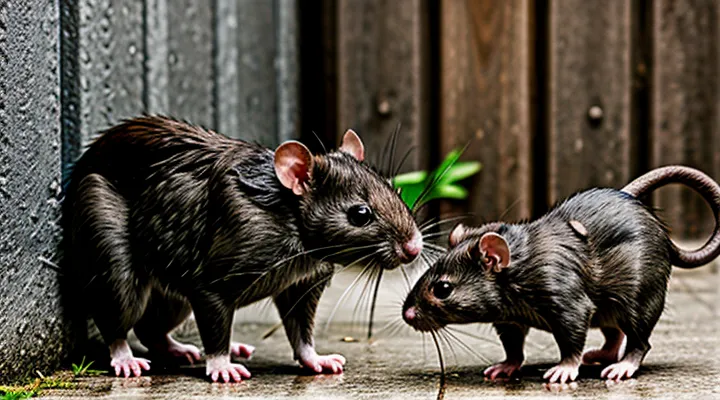
«Introduction to Rat Biology»
«General Rat Characteristics»
«Common Species of Rats»
Rats most frequently encountered in laboratory and urban environments belong to the genus Rattus. The two species that dominate research and pest management are the Norway rat (Rattus norvegicus) and the black rat (Rattus rattus). Both species exhibit pronounced sexual dimorphism, making knowledge of their biology essential for comparative studies of male and female phenotypes.
Rattus norvegicus (Norway rat)
- Large body size, robust skull, and short tail.
- Predominantly brown or gray pelage with a lighter ventral surface.
- High tolerance for cold climates; common in sewers, basements, and agricultural settings.
- Males typically weigh 300–500 g; females 250–350 g, reflecting consistent size differences across populations.
Rattus rattus (Black rat)
- Slender body, longer tail, and agile climbing ability.
- Darker, glossy coat with a pointed snout.
- Prefers warm, tropical, and subtropical regions; frequently found in attics and roof spaces.
- Males average 150–250 g; females 120–200 g, maintaining a clear sexual size gap.
Rattus exulans (Polynesian rat)
- Smallest of the three, weighing 40–70 g.
- Gray‑brown fur, short tail relative to body length.
- Distributed across Pacific islands, often introduced by human activity.
- Sexual dimorphism less pronounced but males remain marginally larger.
Rattus argentiventer (Ricefield rat)
- Medium size, reddish‑brown dorsal fur, lighter ventral side.
- Inhabits rice paddies and wet agricultural fields in Southeast Asia.
- Males reach 250–350 g; females 200–300 g, providing another example of consistent male‑female size disparity.
Understanding the taxonomy and morphological traits of these common rat species establishes a foundation for interpreting sex‑specific physiological and behavioral variations observed in experimental and field contexts.
«Lifespan and Habitat»
Rats exhibit measurable differences in longevity that correlate with sex. Laboratory data show that female rats typically outlive males by 10–20 % under identical conditions. In controlled environments, average lifespans are:
- Females: 24–30 months
- Males: 20–24 months
The disparity arises from hormonal influences on metabolism, immune function, and susceptibility to age‑related diseases. Male rats display higher incidence of cardiovascular pathology and renal deterioration, contributing to earlier mortality. Female rats benefit from estrogen‑mediated protection against oxidative stress, which prolongs cellular integrity.
Habitat utilization also reflects sex‑specific patterns. Both sexes occupy similar ecological niches—sewers, agricultural fields, and urban structures—but behavioral allocation diverges:
- Territory establishment: males defend larger perimeters, often overlapping with neighboring males; females maintain smaller, resource‑rich core areas.
- Nesting sites: females preferentially select concealed, low‑predation locations for offspring rearing; males occupy more exposed sites that facilitate mate searching.
- Foraging routes: males travel greater distances to secure diverse food sources, whereas females concentrate activity near established caches to reduce exposure.
These distinctions influence population dynamics, reproductive success, and disease transmission within rat communities. Understanding sex‑related lifespan and habitat characteristics assists in designing effective control strategies and interpreting experimental outcomes.
«Physical Differences»
«Size and Weight»
«Average Body Length»
Body length differs consistently between sexes in laboratory rats. Measurements are usually taken from the tip of the nose to the base of the tail (snout‑to‑anus) or to the end of the tail (total length). Male rats exceed females by a measurable margin across most strains.
- Sprague‑Dawley: males 20‑22 cm (snout‑to‑anus), females 18‑20 cm.
- Wistar: males 21‑23 cm, females 19‑21 cm.
- Long‑Evans: males 19‑21 cm, females 17‑19 cm.
These values represent averages for adult animals aged 10‑12 weeks, when growth has plateaued. Younger rats show smaller differences; older rats may converge as body mass increases with age.
Sexual dimorphism in length results from genetic regulation of growth hormones, differential lean tissue deposition, and strain‑specific breeding selection. Nutritional status can modulate absolute size but does not eliminate the male‑female gap.
When planning experiments that involve spatial measurements, dosing calculations, or cage allocation, researchers must account for the longer average length of males to avoid systematic bias and ensure appropriate equipment sizing.
«Weight Range»
Body mass distinguishes male and female rats throughout development and adulthood. Adult males consistently exceed females in weight, a pattern evident across most laboratory strains.
- Sprague‑Dawley: males 300–500 g, females 250–350 g.
- Wistar: males 320–540 g, females 260–380 g.
- Long‑Evans: males 280–460 g, females 230–340 g.
Weight ranges reflect strain genetics, age, and nutritional regimen. Juvenile rats reach sexual dimorphism around post‑natal day 60; before that, weight differences are minimal. Environmental factors such as cage density and enrichment can shift absolute values by 5–10 %. Health status, including parasitic load or metabolic disease, produces deviations beyond typical ranges.
Experimental protocols must account for sex‑specific mass when calculating drug dosages, caloric intake, and physiological measurements. Ignoring these differences risks inaccurate dosing and confounded results.
«External Anatomy»
«Genitalia»
Male rats possess a pair of testes located in the scrotum, each connected to an epididymis where sperm mature. The vas deferens transports sperm to the seminal vesicles and prostate before ejaculation through a protruding penis equipped with a preputial gland that secretes pheromonal cues. The penis is externally visible and retractable, with a glans covered by a thin skin fold.
Female rats have paired ovaries that release oocytes into the oviducts (fallopian tubes). The oviducts converge on a bicornuate uterus, which empties into a short cervix and a vaginal canal ending at the vulva. External genitalia consist of a modest vulvar opening, lacking a protruding organ analogous to the male penis. The vagina is relatively short and functions primarily as a conduit for copulation and parturition.
Key anatomical contrasts:
- Gonads: testes (external) vs. ovaries (internal).
- External organ: penis with preputial gland vs. vulva without protruding structure.
- Sperm transport: vas deferens and seminal vesicles vs. oviducts and uterus for ova.
- Size: male genitalia larger and more conspicuous; female genitalia smaller and concealed.
These distinctions underpin the reproductive strategies of each sex, influencing mating behavior, hormone secretion, and offspring production.
«Mammary Glands»
Mammary glands in rats are fully developed only in females, where they consist of multiple lobulo‑alveolar units capable of producing milk. In males, the glandular tissue remains rudimentary, consisting of a small ductal epithelium without alveolar differentiation.
Female development is driven by estrogen and progesterone, which stimulate ductal branching and alveolar proliferation during puberty and pregnancy. Testosterone suppresses these processes in males, maintaining the gland in a quiescent state.
Structural differences include:
- Number of ducts: females possess a branched ductal tree; males retain a single, short duct.
- Alveolar formation: present and functional in females; absent in males.
- Secretory activity: active milk synthesis in lactating females; none in males.
Histological examination frequently uses mammary tissue to assess endocrine disruption. Female glands display dense epithelial layers and abundant lipid droplets during lactation, whereas male tissue shows sparse epithelium and minimal stromal reaction.
«Hair Coat and Coloration»
The hair coat of laboratory rats exhibits measurable sexual dimorphism. Males generally present a denser, longer pelage that reaches full development earlier in puberty, while females display a finer, shorter coat that matures more gradually. Pigmentation patterns also diverge: males often retain darker dorsal coloration extending to the ventral surface, whereas females frequently show a lighter ventral region with a sharper contrast between dorsal and ventral hues.
- Coat density: higher in males, lower in females.
- Hair length: males possess longer guard hairs; females have shorter, softer underfur.
- Onset of full coat: male maturation peaks around post‑natal day 30; female maturation extends to day 45.
- Dorsal pigmentation: males commonly exhibit uniform dark brown to black; females may display a lighter brown or gray with distinct ventral pallor.
- Hormonal influence: testosterone correlates with increased melanin deposition and follicle size; estrogen associates with reduced melanin synthesis and finer hair shafts.
These attributes provide reliable phenotypic markers for sex identification in breeding colonies and experimental groups.
«Skeletal and Muscular Structure»
«Bone Density»
Bone density varies markedly between male and female laboratory rats, reflecting hormonal and genetic influences that shape skeletal development and maintenance. Males typically exhibit higher peak bone mass, larger cortical thickness, and greater trabecular connectivity than females. These differences emerge during puberty, when testosterone stimulates periosteal expansion and enhances mineral deposition, while estrogen in females promotes endosteal remodeling and limits excessive bone growth.
Key physiological factors
- Sex hormones: Testosterone accelerates osteoblast activity and suppresses osteoclast-mediated resorption; estrogen balances formation and resorption, preserving microarchitecture but resulting in lower overall density.
- Growth patterns: Male rats attain larger body size and longer femoral length, providing a mechanical stimulus that reinforces bone strength.
- Genetic regulators: Sex‑linked expression of genes such as Sost and RANKL modulates signaling pathways that dictate bone turnover rates.
Experimental observations
- Dual‑energy X‑ray absorptiometry (DXA) consistently records higher areal bone mineral density (aBMD) in adult male rats across multiple strains.
- Micro‑computed tomography (µCT) reveals greater trabecular number and thickness in males, whereas females display higher trabecular separation.
- Histomorphometric analysis shows increased osteoblast surface and reduced osteoclast number in male specimens, correlating with superior bone formation indices.
Implications for research
- Sex‑specific baseline values are essential when evaluating pharmacologic agents targeting osteoporosis or fracture healing.
- Failure to account for these differences may confound interpretation of skeletal outcomes, especially in studies employing mixed‑sex cohorts.
- Age‑matched comparisons should incorporate hormonal status, as ovariectomy in females rapidly diminishes bone density to levels comparable with aged males.
Overall, male rats maintain superior bone density through combined effects of anabolic hormones, larger skeletal geometry, and distinct gene expression patterns, while female rats exhibit a bone phenotype characterized by lower density but enhanced remodeling efficiency.
«Muscle Mass Distribution»
Male rats possess greater total muscle mass than females, reflecting larger body size and higher circulating testosterone. This systemic difference manifests in distinct regional patterns:
- Hindlimb muscles (e.g., gastrocnemius, quadriceps) show the largest proportional disparity; male hindlimb mass can exceed female values by 30‑40 %.
- Forelimb musculature (e.g., biceps brachii, triceps brachii) exhibits a smaller but measurable gap, typically 15‑20 % greater in males.
- Trunk and axial muscles (e.g., erector spinae, abdominal wall) display minimal sex-specific variation; absolute mass aligns with overall body weight rather than hormonal status.
Fiber composition contributes to the distribution profile. Males contain a higher proportion of type IIb fast‑twitch fibers in locomotor muscles, supporting rapid burst activity. Females retain a relatively larger share of type I oxidative fibers, favoring endurance. Hormonal regulation underlies these shifts: testosterone stimulates hypertrophy of fast‑twitch fibers, while estrogen promotes oxidative capacity and limits excessive growth.
Age modifies the pattern. During puberty, male muscle mass expands rapidly, reaching peak values by 10 weeks of age. Female growth plateaus earlier, resulting in a persistent, though reduced, mass advantage for males throughout adulthood. In senescence, both sexes experience muscle loss, yet the relative distribution remains consistent, with hindlimb muscles retaining the greatest sex-related gap.
Overall, muscle mass distribution in rats follows a hierarchy: hindlimb > forelimb > trunk, with each tier showing a sex-dependent magnitude driven by hormonal milieu, fiber-type composition, and developmental timing.
«Behavioral Differences»
«Social Behavior»
«Dominance Hierarchies»
Male rats organize into linear dominance hierarchies that regulate access to resources, mating opportunities, and social stability. Female rats also form hierarchies, but their structure and determinants differ markedly from those of males.
In males, hierarchy rank correlates strongly with territorial aggression, testosterone levels, and body weight. High‑ranking individuals display frequent mounting, scent marking, and overt fights to establish and maintain status. Subordinate males experience chronic stress, reduced gonadal hormone secretion, and limited reproductive success.
In females, hierarchy formation relies more on affiliative interactions, such as allogrooming and cooperative nesting. Estradiol fluctuations influence aggression peaks during estrus, yet overall aggression remains lower than in males. Dominant females secure priority access to nesting sites and food, while subordinates gain indirect benefits through group cohesion and reduced exposure to male aggression.
Key distinctions include:
- Hormonal drivers: Testosterone dominates male rank acquisition; estradiol and progesterone modulate female aggression.
- Behavioral expression: Males use overt combat; females employ subtle social cues and affiliative behaviors.
- Stability: Male hierarchies shift rapidly after resident removal or introduction of unfamiliar males; female hierarchies exhibit greater persistence across estrous cycles.
- Reproductive impact: Male rank directly predicts mating frequency; female rank influences litter size and pup survival through resource allocation.
Understanding these sex‑specific patterns clarifies how dominance hierarchies contribute to broader physiological and behavioral differences between male and female rats.
«Group Dynamics»
Research on rodent social organization reveals distinct patterns of interaction that depend on sex. Male rats typically form stable hierarchies dominated by a single alpha individual, while females establish more fluid networks in which dominance is shared among several members. These configurations affect aggression, resource allocation, and stress physiology.
In mixed‑sex groups, males often assume protective roles, positioning themselves near food sources or nesting sites. Females, conversely, prioritize grooming and nest construction, reinforcing cohesion through affiliative behaviors. The resulting structure combines hierarchical control by males with cooperative substructures led by females.
Key observations include:
- Dominance stability: male hierarchies persist longer than female ones, which reorganize more frequently.
- Aggressive encounters: males display higher frequencies of overt aggression; females resolve conflicts primarily through submissive postures and scent marking.
- Stress markers: cortisol levels rise sharply in subordinate males after rank challenges, whereas subordinate females exhibit modest hormonal changes.
- Reproductive influence: presence of estrous females can temporarily suppress male aggression, altering group spacing and access to resources.
Understanding these sex‑specific dynamics informs experimental design, improving interpretation of behavioral outcomes and enhancing welfare protocols for laboratory colonies.
«Reproductive Behavior»
«Mating Rituals»
Rats exhibit a set of sexually dimorphic behaviors that coordinate successful reproduction. Male and female individuals engage in distinct actions that signal readiness, assess compatibility, and facilitate copulation.
Males initiate courtship by depositing urine and glandular secretions on the substrate, creating a chemical trail that conveys dominance and health status. They emit ultrasonic vocalizations (USVs) in the 50‑80 kHz range, which attract females and stimulate arousal. Upon locating a receptive female, the male approaches with rapid whisker movements, performs a series of mounting attempts, and adjusts grip to maintain balance on the female’s back. Successful copulation requires the male to sustain thrusts for approximately 30 seconds, after which a brief refractory period follows.
Females display receptivity only during the proestrus and estrus phases of the estrous cycle. Hormonal fluctuations trigger a lordosis posture: the hindquarters elevate, the tail lifts, and the back arches, providing the male with access to the genital opening. Females also release volatile pheromones that enhance male USVs and modulate male aggression. After mating, females emit a brief ultrasonic “post‑copulatory” signal that reduces further male advances, allowing the female to focus on gestation.
Key distinctions in mating rituals
- Chemical communication: males rely on urine and glandular secretions; females emit estrus‑specific pheromones.
- Acoustic signals: male USVs attract and stimulate; female post‑copulatory calls suppress additional mounting.
- Physical posture: males perform mounting and thrusting; females adopt lordosis to facilitate intromission.
- Temporal pattern: male activity peaks continuously during a female’s fertile window; female receptivity is confined to a limited estrous interval.
These coordinated behaviors ensure that each sex contributes specific cues and actions, resulting in efficient mate selection and successful reproduction.
«Parental Care»
Parental behavior in rats shows clear sex‑specific patterns. Female rats (dams) initiate and sustain most caregiving activities, while males contribute only under limited circumstances.
The primary differences are:
- Nursing: Only lactating females provide milk; males never engage in this function.
- Nest construction: Females build and maintain nests throughout gestation and early post‑natal days; males may assist in nest building when both parents are present, but their involvement is sporadic.
- Pup retrieval: Dams retrieve displaced pups with high frequency and low latency; males display slower, less consistent retrieval, often abandoning pups when left alone.
- Grooming: Females groom pups continuously, promoting thermoregulation and hygiene; male grooming occurs primarily during brief joint care periods and is less thorough.
- Protective aggression: Females exhibit strong defensive behavior toward intruders near the nest; males show variable aggression, sometimes increasing when the litter is present, but generally lower than females.
Hormonal regulation underlies these behaviors. Elevated prolactin and oxytocin levels in females correlate with heightened maternal care, whereas male rats rely on testosterone-driven territorial aggression rather than direct offspring interaction. Environmental factors, such as litter size and resource availability, can modulate male participation, but the baseline sex difference remains robust across laboratory strains.
«Aggression and Territoriality»
«Inter-Male Aggression»
Inter‑male aggression in laboratory rats is a well‑characterized behavior that reflects underlying neurobiological and hormonal mechanisms. Adult male rats typically establish dominance hierarchies through bouts of fighting that involve biting, wrestling, and chasing. The intensity and frequency of these encounters increase after puberty, coinciding with a surge in circulating testosterone.
Key determinants of aggression include:
- Testosterone levels: Elevated plasma testosterone correlates with higher attack rates and shorter latency to initiate combat.
- Social environment: Group housing promotes hierarchy formation, whereas isolation reduces aggressive encounters but may heighten stress‑induced aggression upon re‑exposure.
- Genetic background: Certain inbred strains (e.g., Sprague‑Dawley) display more pronounced aggressive bouts than others (e.g., Long‑Evans).
- Previous experience: Prior victories enhance future aggression (the “winner effect”), while defeats produce submissive behavior (“loser effect”).
Neurochemical pathways mediate these behaviors. The medial amygdala and ventromedial hypothalamus contain androgen‑sensitive neurons that project to brainstem nuclei controlling motor output. Activation of vasopressin receptors within the lateral septum amplifies aggressive responses, whereas serotonergic signaling in the dorsal raphe nucleus exerts inhibitory control.
Experimental manipulation of these systems provides insight into sex‑specific differences. Female rats generally exhibit low levels of inter‑sex aggression, and when aggression is induced (e.g., through androgen treatment), the pattern resembles that of males but with reduced intensity. This disparity underscores the role of gonadal hormones in shaping the behavioral phenotype.
Understanding inter‑male aggression aids in interpreting broader physiological and psychological studies, including stress responses, social cognition, and the impact of environmental enrichment on rodent welfare.
«Female Territorial Defense»
Female rats display a focused pattern of territorial defense that differs markedly from male counterparts. While males often patrol larger ranges and engage in overt aggression to secure mating opportunities, females concentrate their efforts on protecting nesting sites and food stores essential for offspring survival. This behavior emerges primarily during the estrous cycle, when hormonal fluctuations heighten vigilance and responsiveness to intruders.
Key characteristics of female territorial defense include:
- Rapid detection of unfamiliar scents or sounds within the home cage.
- Immediate approach and physical confrontation, frequently involving lunges, biting, and wrestling.
- Use of ultrasonic vocalizations to warn rivals and recruit conspecifics.
- Maintenance of a stable microenvironment through frequent grooming and nest construction.
Neuroendocrine mechanisms underlying these actions involve elevated estrogen levels that sensitize olfactory pathways, while oxytocin modulates social recognition and aggression thresholds. Studies that compare male and female rats must account for these sex-specific defensive strategies, as they influence stress responses, learning tasks, and drug efficacy assessments.
«Learning and Cognition»
«Problem-Solving Abilities»
Research on rodent cognition consistently shows that male and female rats differ in problem‑solving performance across a range of tasks. Male subjects typically achieve higher scores in maze navigation that requires rapid spatial learning, whereas females excel in tasks demanding flexible strategy shifts after rule changes. These patterns emerge early in development and persist into adulthood, reflecting underlying neurobiological divergence.
Key observations include:
- Males display faster acquisition of fixed‑route mazes, linked to greater dorsal hippocampal activation.
- Females achieve superior performance in reversal learning, associated with heightened prefrontal cortex engagement.
- Hormonal fluctuations in females modulate performance on tasks requiring attentional set‑shifting, with estrus phases enhancing flexibility.
- Neurotransmitter profiling reveals sex‑specific ratios of dopamine to serotonin in regions governing executive function, influencing task outcomes.
The documented disparities suggest that experimental designs involving cognitive testing must account for sex as a biological variable. Ignoring these differences can obscure true effects of pharmacological or genetic manipulations on problem‑solving abilities.
«Memory Retention»
Research on rodent cognition consistently shows that male and female rats differ in how long they retain learned information. In spatial tasks such as the Morris water maze, females often exhibit faster acquisition but display a steeper decline in performance after a 24‑hour delay, whereas males maintain relatively stable retention across the same interval. Hormonal cycles contribute to this pattern: elevated estradiol levels during the proestrus phase enhance consolidation, yet the subsequent drop in progesterone correlates with reduced retrieval efficiency.
In object‑recognition paradigms, male rats generally outperform females after longer retention intervals (48–72 hours). This advantage aligns with higher expression of hippocampal NMDA receptor subunits in males, which support synaptic plasticity during delayed recall. Conversely, females show superior performance when the retention interval is brief (1–2 hours), suggesting a bias toward short‑term memory processes mediated by prefrontal circuits.
Key factors influencing sex‑specific memory retention include:
- Gonadal hormone fluctuations (estradiol, progesterone, testosterone) affecting synaptic remodeling.
- Differential activation of hippocampal versus prefrontal networks during encoding and retrieval.
- Strain‑dependent baseline performance; outbred strains exhibit larger sex gaps than inbred lines.
- Age interactions; aging amplifies male advantages in long‑term retention while diminishing female short‑term benefits.
Methodologically, controlling for estrous stage, using matched training intensities, and reporting both male and female data are essential for accurate interpretation of sex‑related memory differences in rats.
«Physiological and Biological Differences»
«Hormonal Profiles»
«Testosterone Levels»
Testosterone is the principal androgen in rodents, circulating in the bloodstream and acting on androgen‑responsive tissues. In rats, the hormone originates primarily from the testes in males and the ovaries and adrenal cortex in females, with markedly different concentrations.
Male rats maintain serum testosterone between 2–5 ng mL⁻¹ in adulthood, whereas females typically exhibit 0.1–0.4 ng mL⁻¹. Values fluctuate with age and strain, but the male–female ratio consistently exceeds fivefold.
During development, a neonatal testosterone surge occurs in males within the first 24 hours after birth, supporting masculinization of the brain and peripheral organs. Pubertal elevation follows, reaching adult plateau around post‑natal day 45. Females display only a modest increase at puberty, insufficient to drive male‑typical morphological changes.
Elevated testosterone in males promotes:
- Growth of the seminal vesicles and prostate
- Development of the levator ani and other musculature
- Aggressive and sexual behaviors
- Enhanced anabolic metabolism
In females, low testosterone levels permit ovarian follicle maturation and limit masculinized behavior. Exogenous testosterone administration to females induces prostate‑like tissue formation, increased aggression, and altered estrous cyclicity, confirming the hormone’s dose‑dependent effects.
Research protocols must account for diurnal variation (peak levels in the early dark phase), stress‑induced suppression, and assay sensitivity. Common measurement techniques include enzyme‑linked immunosorbent assay (ELISA) and liquid chromatography‑tandem mass spectrometry (LC‑MS/MS); the latter provides superior specificity for low female concentrations.
Accurate interpretation of sex‑specific testosterone data requires precise timing, consistent handling, and awareness of strain‑dependent baseline differences.
«Estrogen and Progesterone Levels»
Estrogen concentrations in female rats vary dramatically across the estrous cycle. During proestrus, plasma estradiol rises to levels 5–10 ng mL⁻¹, declines sharply in estrus, and remains low in diestrus. Progesterone follows a complementary pattern: basal levels are below 1 ng mL⁻¹ in proestrus, peak at 10–15 ng mL⁻¹ in metestrus, then fall to near‑baseline in diestrus. The cyclic surge of both hormones regulates ovulation, uterine preparation, and sexual receptivity.
Male rats maintain relatively constant, low concentrations of these steroids. Typical estradiol values range from 0.2 to 0.5 ng mL⁻¹, reflecting peripheral conversion of testosterone by aromatase. Progesterone rarely exceeds 0.3 ng mL⁻¹, indicating minimal adrenal or gonadal synthesis. Hormone levels in males show little diurnal variation and are not linked to reproductive cycles.
Key comparative points:
- Female estradiol: 5–10 ng mL⁻¹ (proestrus) vs. male estradiol: ≤0.5 ng mL⁻¹.
- Female progesterone: 10–15 ng mL⁻¹ (metestrus) vs. male progesterone: ≤0.3 ng mL⁻¹.
- Female hormones fluctuate weekly; male hormones remain stable over weeks.
- Hormonal peaks in females correspond with ovulatory events; male levels support baseline reproductive physiology.
Measurement techniques commonly employed include radioimmunoassay (RIA) and enzyme‑linked immunosorbent assay (ELISA). Sample collection timing must align with the estrous stage to capture peak concentrations in females, whereas male sampling can be performed at any point without cycle‑related bias.
These quantitative differences underpin sex‑specific physiological processes, influence behavioral phenotypes, and must be accounted for in experimental designs involving rodent models.
«Metabolism and Energy Expenditure»
«Basal Metabolic Rate»
Basal metabolic rate (BMR) measures the energy expended by a rat at rest, in a post‑absorptive state, within a thermoneutral environment. Sex‑related variations in BMR are consistently reported across laboratory strains.
Male rats typically exhibit higher absolute BMR than females. The disparity aligns with greater lean body mass and larger organ size in males, which raise total energy demand. When expressed per gram of body weight, the difference narrows but often remains detectable, indicating intrinsic metabolic differences beyond simple scaling.
Hormonal milieu modulates BMR. Testosterone enhances mitochondrial activity and up‑regulates uncoupling proteins, contributing to elevated heat production in males. Estrogen exerts a suppressive effect on oxidative metabolism, resulting in a modest reduction of BMR during the estrous cycle. Studies show a 5–10 % dip in female BMR during proestrus compared with diestrus.
Key observations:
- Absolute BMR: males ≈ 15–20 % higher than females in adult Sprague‑Dawley rats.
- Mass‑adjusted BMR: males retain a 3–5 % advantage after normalizing for body weight.
- Testosterone administration to ovariectomized females raises BMR to levels comparable with intact males.
- Estradiol replacement in ovariectomized females lowers BMR relative to vehicle‑treated controls.
These findings illustrate that basal metabolic rate constitutes a measurable physiological marker of sex differences in rats, reflecting both anatomical scaling and endocrine regulation.
«Fat Storage Patterns»
Male rats accumulate a larger proportion of adipose tissue in the abdominal cavity, whereas females store a greater fraction of fat beneath the skin. This sexual dimorphism appears early in development and persists throughout adulthood.
Visceral fat in males is concentrated around the mesenteric and perirenal regions, leading to higher levels of circulating free fatty acids. Female rats exhibit a predominance of subcutaneous deposits on the dorsal and inguinal areas, which are associated with lower lipolytic activity.
Estrogen promotes the expansion of subcutaneous depots by up‑regulating lipogenic enzymes and suppressing visceral fat growth. Testosterone enhances visceral adipogenesis through activation of androgen receptors and stimulation of adipocyte differentiation in the intra‑abdominal compartment.
These divergent storage patterns affect insulin sensitivity, inflammatory status, and susceptibility to diet‑induced obesity. Males develop insulin resistance more rapidly under high‑fat feeding, while females maintain glucose tolerance longer but show greater weight gain when estrogen signaling is disrupted.
Key distinctions:
- Visceral vs. subcutaneous dominance: males > visceral, females > subcutaneous.
- Hormonal drivers: estrogen → subcutaneous, testosterone → visceral.
- Metabolic outcomes: males – higher free fatty acid flux, earlier insulin resistance; females – delayed metabolic impairment, increased overall adiposity when estrogen is low.
Understanding these sex‑specific fat distribution patterns is essential for designing rodent studies that accurately reflect physiological and pathological processes.
«Disease Susceptibility»
«Common Health Issues in Males»
Male rats exhibit a distinct profile of health problems that differ from those observed in females. The most frequently reported conditions include:
- Testicular neoplasms: benign and malignant growths often appear in middle‑aged individuals, detectable by palpation or ultrasound.
- Coagulating gland inflammation: analogous to human prostatitis, this condition causes swelling, reduced libido, and altered seminal fluid composition.
- Urinary tract obstruction: mineral deposits or urethral strictures impede flow, leading to bladder distension and renal compromise.
- Metabolic syndrome: excessive weight gain predisposes to insulin resistance, dyslipidemia, and cardiovascular strain.
- Skin lesions: male rodents are prone to ulcerative dermatitis linked to grooming aggression and hormonal fluctuations.
These ailments arise from a combination of hormonal influences, anatomical features, and behavioral patterns unique to the male sex. Early detection through regular physical examinations, imaging, and laboratory testing improves therapeutic outcomes. Treatment protocols typically involve surgical removal of neoplasms, anti‑inflammatory agents for glandular inflammation, catheterization or surgery for urinary blockages, dietary management for metabolic disorders, and topical or systemic antibiotics for skin infections.
«Common Health Issues in Females»
Female rats exhibit a distinct set of health problems that differ from those observed in males. Reproductive organ pathology dominates the clinical picture. Mammary gland neoplasia appears frequently, especially in older or hormonally stimulated individuals; tumors may be palpable, ulcerated, or cause weight loss. Uterine disorders, including endometrial hyperplasia and pyometra, present with abdominal distension, vaginal discharge, and lethargy. Ovarian cysts can disrupt estrous cycles, leading to irregular bleeding and reduced fertility.
Urinary tract infection occurs with higher incidence in females due to a shorter urethra. Symptoms include dysuria, hematuria, and decreased water intake. Early detection relies on urinalysis and bacterial culture.
Metabolic disturbances manifest as obesity and insulin resistance, often linked to high‑fat diets. Affected rats display increased body condition scores, hyperglycemia, and impaired glucose tolerance. Osteoporosis emerges in aging females, characterized by reduced bone mineral density and increased fracture risk; densitometry confirms the diagnosis.
Pregnancy complications, such as dystocia and fetal resorption, add to the health burden. Monitoring includes palpation, ultrasound, and observation of maternal behavior.
Preventive strategies focus on balanced nutrition, regular health examinations, and timely spaying to reduce hormone‑driven disease. Early intervention improves outcomes and extends lifespan.
«Response to Stress»
«Physiological Stress Responses»
Physiological stress responses differ markedly between male and female rats. Baseline glucocorticoid levels are typically higher in females, leading to a more pronounced corticosterone surge after acute stressors. This elevation influences feedback inhibition of the hypothalamic‑pituitary‑adrenal (HPA) axis, resulting in prolonged recovery periods for females compared with males.
Cardiovascular reactions also show sex specificity. Male rats exhibit greater tachycardic responses to restraint stress, while females display modest heart rate increases but higher peripheral vascular resistance. These patterns correspond to divergent autonomic balance: sympathetic dominance in males versus mixed sympathetic‑parasympathetic activity in females.
Immune modulation under stress varies by sex. Studies consistently report:
- Enhanced splenic lymphocyte apoptosis in males after chronic unpredictable stress.
- Sustained elevation of circulating pro‑inflammatory cytokines (IL‑6, TNF‑α) in females during repeated stress exposure.
- Differential expression of heat‑shock proteins, with females showing higher Hsp70 induction, suggesting superior cellular protection mechanisms.
Neurochemical adaptations further distinguish the sexes. Male rats present increased dopamine turnover in the prefrontal cortex following stress, whereas females demonstrate heightened serotonin turnover in the hippocampus. These neurotransmitter shifts align with observed behavioral phenotypes: males tend toward heightened aggression, while females display increased anxiety‑like responses.
Metabolic adjustments also reflect sex‑linked divergence. Under stress, males preferentially mobilize glycogen stores, leading to rapid glucose spikes. Females rely more on lipolysis, resulting in gradual rises in free fatty acids and sustained energy availability.
Overall, the constellation of endocrine, cardiovascular, immune, neurochemical, and metabolic responses underscores inherent biological differences that shape how male and female rats cope with stress.
«Behavioral Stress Coping Mechanisms»
Male rats typically exhibit more active coping strategies, such as increased locomotion and escape attempts, when confronted with acute stressors. Female rats more often display passive coping, characterized by reduced movement and heightened immobility, especially during prolonged stress exposure.
Both sexes employ hormonal modulation to regulate stress responses. Elevated testosterone in males enhances sympathetic activation, promoting fight‑or‑flight behaviors. Estradiol in females facilitates hypothalamic‑pituitary‑adrenal axis attenuation, supporting conservation‑oriented responses.
Key behavioral mechanisms observed across sexes include:
- Risk assessment – males increase exploratory sniffing; females prioritize shelter seeking.
- Social buffering – females show stronger affiliative contact with conspecifics, reducing cortisol spikes; males rely less on peer interaction.
- Conditioned avoidance – males learn escape routes more rapidly; females exhibit slower acquisition but higher retention of avoidance memory.
Neurobiological substrates differ as well. Male rodents demonstrate greater amygdala activation during stress, whereas females display enhanced prefrontal cortex engagement, correlating with distinct coping patterns and resilience outcomes.
«Implications for Research and Pet Ownership»
«Research Considerations»
«Sex-Specific Drug Responses»
Sex-specific drug responses in rats arise from distinct hormonal environments, divergent expression of metabolizing enzymes, and variable receptor densities. Male rodents typically exhibit higher levels of hepatic cytochrome P450 isoforms that accelerate clearance of lipophilic compounds, whereas females often display enhanced glucuronidation capacity, extending the half‑life of certain drugs. These pharmacokinetic differences intersect with sex-dependent pharmacodynamic profiles; estrogen modulates opioid receptor coupling, while testosterone influences dopamine transporter activity, producing opposite potency curves for the same agent.
Key observations include:
- Analgesics: Morphine produces greater antinociception in females at low doses, yet higher doses yield comparable effects across sexes due to receptor desensitization.
- Psychostimulants: Amphetamine induces larger locomotor activation in males, reflecting heightened dopaminergic responsiveness.
- Anxiolytics: Benzodiazepine‑induced sedation is more pronounced in females, correlating with increased GABA‑A receptor subunit expression.
- Chemotherapeutics: Doxorubicin clearance is faster in males, resulting in lower systemic exposure and reduced cardiotoxicity markers relative to females.
Experimental designs must incorporate sex as a biological variable. Recommended practices are:
- Randomize animals by sex and balance group sizes.
- Monitor the estrous cycle in females to account for hormonal fluctuations that affect drug metabolism.
- Report sex‑specific data alongside pooled results, enabling meta‑analysis of sex differences.
Understanding these disparities refines dose selection, improves reproducibility, and enhances translational relevance to human therapeutics, where analogous sex-dependent pharmacological patterns have been documented.
«Experimental Design»
The experimental design must isolate sex as the primary independent variable while controlling extraneous influences. Selecting a homogeneous rat strain, matching ages, and confirming health status reduces genetic and developmental variability. Random assignment of individuals to male and female groups, combined with a priori power analysis, ensures sufficient sample size to detect biologically relevant effects.
Key procedural elements include:
- Housing conditions standardized for cage size, bedding, temperature, and light‑dark cycle.
- Diet identical across groups, with nutrient composition and feeding schedule fixed.
- Environmental enrichment provided equally to prevent differential stress responses.
Measurement protocols require blinding of observers to animal sex to eliminate bias. Repeated assessments at predetermined intervals capture temporal patterns without inflating Type I error. Behavioral tests, physiological recordings, and biochemical assays should be calibrated and validated before data collection.
Statistical evaluation employs factorial designs that treat sex and any secondary factor (e.g., treatment, time) as fixed effects. Mixed‑effects models accommodate repeated measures and random subject variability. Post‑hoc contrasts clarify specific male‑female differences while controlling familywise error rate.
Documentation of all procedures, deviations, and raw data supports reproducibility and facilitates meta‑analysis across laboratories.
«Pet Ownership Considerations»
«Housing Requirements»
Rats require environments that accommodate physiological and behavioral distinctions between the sexes. Male rats typically display higher levels of territorial aggression, necessitating larger cages and careful grouping strategies. Female rats are generally more tolerant of cohabitation, allowing higher density when enrichment is adequate.
- Cage dimensions: Minimum floor area of 1 ft² per male; 0.8 ft² per female is sufficient if social stability is confirmed.
- Bedding depth: At least 2 inches for both sexes; males may benefit from deeper layers to reduce stress during territorial disputes.
- Enrichment: All rats need chewable objects and nesting material; females often show increased nest‑building activity, so provide extra nesting fibers.
- Group composition: Males should be housed singly or in stable, same‑sex groups with established hierarchies; females can be kept in larger mixed‑age groups when monitoring for pregnancy.
- Ventilation and humidity: Maintain 40‑60 % relative humidity and continuous airflow; males may be more sensitive to ammonia buildup due to higher urine output.
Properly calibrated housing minimizes aggression in males and supports reproductive cycles in females, leading to healthier colonies and more reliable experimental outcomes.
«Social Needs»
Male rats exhibit distinct patterns of social interaction that differ from those of females, reflecting underlying neuroendocrine mechanisms. In group housing, males typically establish hierarchical structures through aggressive encounters, while females form affiliative networks based on grooming and communal nesting.
- Males prioritize dominance rank; higher‑ranking individuals receive preferential access to resources and mating opportunities.
- Females emphasize cooperative behaviors; littermates and cage mates engage in mutual grooming, which reduces stress hormones.
- Male social bonds are transient, often dissolving after successful mating or territorial disputes.
- Female bonds persist across reproductive cycles, supporting pup rearing and shared vigilance against predators.
Hormonal profiles contribute to these differences. Testosterone spikes in males correlate with increased aggression and competition, whereas estrogen and progesterone fluctuations in females enhance affiliative tendencies and maternal care. Neurochemical studies show elevated vasopressin activity in male hypothalamic circuits linked to aggression, while oxytocin pathways dominate female social cognition.
Environmental factors modulate expression of social needs. Enriched cages with nesting material amplify female cooperative grooming, whereas limited space intensifies male aggression and hierarchy instability. Pair‑housing male rats without visual barriers often leads to chronic stress markers, while same‑sex female pairs maintain stable cortisol levels.
Understanding these sex‑specific social requirements informs experimental design, cage enrichment, and welfare protocols. Providing hierarchical stability for males and opportunities for communal nesting for females aligns housing conditions with innate social drives, reducing stress‑related artifacts in research outcomes.
«Neutering and Spaying Benefits»
Neutering male rats and spaying female rats eliminate reproductive hormone cycles, leading to more stable behavior and reduced aggression. The procedure removes the testes or ovaries, which stops the production of sex steroids that drive territorial marking, mounting, and estrus-related vocalizations. Consequently, animals exhibit consistent activity patterns and lower incidence of fighting in group housing.
Health advantages include a marked decline in hormone‑dependent tumors. In males, the removal of testes prevents testicular neoplasms and reduces the risk of prostate enlargement. In females, spaying eliminates the possibility of uterine infections, ovarian cysts, and mammary gland tumors, which are highly prevalent in intact individuals. Longevity improves as the physiological burden of reproductive cycles disappears, and metabolic efficiency increases because energy previously allocated to gamete production is redirected toward growth and tissue maintenance.
Key benefits can be summarized:
- Decreased aggression and territorial behaviors
- Elimination of estrus cycles and associated stress responses
- Prevention of reproductive‑organ cancers and infections
- Lower likelihood of urinary tract complications in males and pyometra in females
- Extended lifespan and improved overall health metrics
Implementing sterilization in laboratory colonies standardizes experimental variables, ensuring that hormonal fluctuations do not confound behavioral or physiological studies. This uniformity enhances data reliability and reduces the need for additional controls related to sex‑specific endocrine effects.