
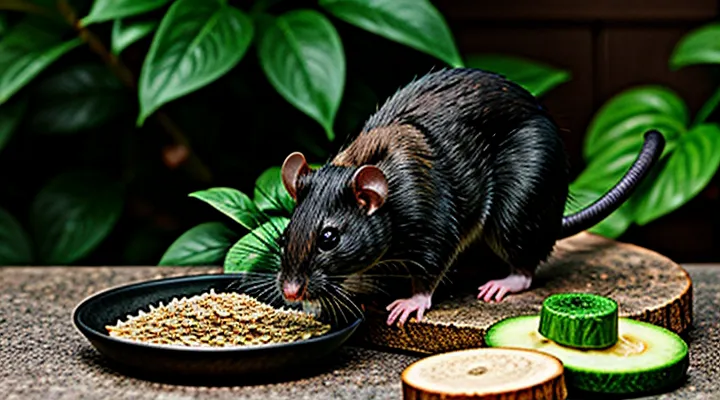
Nutritional Needs of Decorative Rats
Essential Macronutrients
Proteins
Proteins supply the amino acids necessary for tissue repair, muscle development, and immune function in ornamental rats. A balanced protein intake supports the glossy coat and active demeanor prized in show‑quality specimens.
Recommended protein levels range from 18 % to 22 % of total caloric intake for adult decorative rats. Juvenile individuals may require up to 24 % to accommodate rapid growth. Excess protein can strain renal function; therefore, precise formulation is essential.
Common protein sources suitable for these rodents include:
- Cooked lean chicken breast, shredded into small pieces
- Hard‑boiled egg, finely chopped (limit to one whole egg per week)
- Low‑fat cottage cheese, crumbled
- High‑quality commercial rat pellets with verified protein content
- Small amounts of cooked fish such as whitebait or salmon (remove bones)
When incorporating animal‑based proteins, ensure they are thoroughly cooked to eliminate pathogens. Raw meat should be avoided unless sourced from a trusted, pathogen‑free supplier and handled under strict hygienic conditions.
Supplementary plant proteins, such as soy isolate or pea protein powder, may be added to achieve target percentages without overloading animal fats. Limit legumes to avoid excessive fiber, which can interfere with nutrient absorption.
Monitoring body condition score weekly helps adjust protein levels. A healthy decorative rat maintains a smooth, dense fur coat, steady weight, and energetic behavior. Adjust portions if weight gain exceeds 2 % per month or if coat quality deteriorates.
Fats
Fats supply concentrated energy and provide essential fatty acids that rats cannot synthesize. Adequate fat intake supports coat shine, skin health, and normal hormone function. Excessive fat leads to obesity and hepatic strain; balance is critical for ornamental rodents.
Recommended fat sources include:
- Small amounts of unsaturated oils (e.g., flaxseed, canola, olive) mixed into fresh vegetables.
- Finely chopped nuts such as almonds or walnuts, limited to 1–2 g per day.
- Commercial rodent pellets formulated with balanced lipid content (approximately 5–7 % of total calories).
Safe inclusion rates range from 2 % to 5 % of the overall diet on a caloric basis. Monitor body condition weekly; adjust portions if weight gain exceeds 5 % over a month.
Foods to avoid:
- Butter and margarine, which contain saturated fats and trans‑fatty acids.
- Fried snacks, processed chips, and high‑fat human treats.
- Avocado flesh, which contains persin toxic to many rodents.
Signs of fat imbalance:
- Rapid weight increase, reduced mobility, or difficulty grooming.
- Enlarged liver on palpation, lethargy, or abnormal stool consistency.
Maintain a varied diet, rotate fat sources, and keep daily fat contributions within the recommended range to preserve the aesthetic appearance and health of decorative rats.
Carbohydrates
Carbohydrates supply the primary energy needed for the active metabolism of ornamental rats. They support muscular activity, thermoregulation, and normal brain function. Excessive intake can lead to obesity and dental problems, so balance with protein and fat sources is essential.
Suitable carbohydrate ingredients include:
- Whole grain oats, uncooked or lightly toasted
- Cooked brown rice, cooled before serving
- Small portions of whole wheat pasta, plain and al dente
- Fresh vegetables such as carrots, sweet potatoes, and peas, offered in moderate quantities
Each carbohydrate source should be introduced gradually to monitor tolerance and prevent digestive upset. Fiber content in whole grains and vegetables aids gastrointestinal health, while simple sugars found in fruit should be limited to occasional treats. Regular assessment of body condition and weight ensures the carbohydrate portion remains appropriate for the rat’s activity level and aesthetic goals.
Key Micronutrients
Vitamins
Vitamins are indispensable components of a balanced diet for ornamental rats, supporting vision, immune function, and metabolic processes. Rats cannot synthesize most vitamins, so the diet must provide them in adequate quantities.
Key vitamins and practical food sources include:
- Vitamin A – carrot slices, sweet potato, kale; essential for retinal health.
- Vitamin D3 – fortified rodent pellets, occasional exposure to safe sunlight; aids calcium absorption.
- Vitamin E – sunflower seeds, wheat germ; protects cell membranes from oxidative damage.
- Vitamin K – leafy greens such as spinach, broccoli; necessary for blood clotting.
- B‑complex (B1, B2, B3, B5, B6, B7, B9, B12) – whole grains, beans, eggs; facilitate energy metabolism and nerve function.
- Vitamin C – small amounts of orange segments or strawberries; rats can produce it internally, but supplemental sources help during stress or illness.
Recommended daily intake ranges from 0.02 mg to 0.05 mg per gram of body weight for fat‑soluble vitamins and 0.1 mg to 0.3 mg per gram for water‑soluble B vitamins. Over‑supplementation of fat‑soluble vitamins can cause toxicity; monitor intake and prefer natural food sources over concentrated pills.
Signs of deficiency are observable: night blindness indicates insufficient vitamin A; bone deformities suggest low vitamin D3; poor coat condition and increased susceptibility to infection point to inadequate vitamin E or B‑complex levels. Prompt dietary adjustment or veterinary‑guided supplementation corrects these issues.
Minerals
Minerals are indispensable components of a balanced feeding program for ornamental rats. They support skeletal strength, nerve transmission, enzyme function, and overall metabolic health.
Key minerals and their dietary sources include:
- Calcium: offered through plain, unsalted cheese, fortified rodent blocks, or a small amount of powdered milk.
- Phosphorus: found in raw egg yolk, fish flakes, and commercial rat pellets with balanced calcium‑phosphorus ratios.
- Magnesium: supplied by leafy greens such as kale, spinach, and a pinch of magnesium‑rich mineral supplement.
- Potassium: abundant in banana slices, sweet potatoes, and low‑sodium broth.
- Sodium: required in trace amounts; a pinch of sea salt mixed into water or a tiny piece of unsalted cheese satisfies the need.
- Iron: delivered through cooked lentils, lean meat, or a specialized rodent iron supplement.
- Zinc: present in pumpkin seeds, small quantities of meat, and fortified rodent blocks.
- Copper and manganese: supplied by whole grains, nuts, and commercial mineral mixes.
Recommended daily intake ranges (per 100 g of body weight) are approximately 0.4 mg calcium, 0.3 mg phosphorus, 0.05 mg magnesium, 1 mg potassium, 0.02 mg sodium, 0.15 mg iron, 0.03 mg zinc, and trace levels of copper and manganese. Adjustments may be necessary for individual health status, age, or breeding condition.
Regular monitoring of waste and coat condition can reveal mineral deficiencies early. If signs such as brittle nails, dull fur, or abnormal behavior appear, re‑evaluate the mineral composition of the diet and consider a veterinary‑approved supplement.
Recommended Food Types
Commercial Rat Food
Pellets vs. Mixes
Pellet diets provide a consistent nutrient profile, calibrated for laboratory‑grade rodents. Each serving delivers precise ratios of protein, fiber, fat, and essential vitamins, reducing the risk of nutritional imbalances. The dry, compressed form limits spoilage, simplifies storage, and minimizes waste. Commercial pellets are typically fortified with calcium and trace minerals, supporting dental health and skeletal strength in ornamental rats.
Mixed diets combine commercial pellets with fresh vegetables, fruits, grains, and occasional protein sources such as boiled egg or cooked lean meat. This approach introduces dietary variety, encourages natural foraging behaviors, and supplies phytonutrients absent from standard pellets. Fresh components must be rotated regularly to prevent bacterial growth and to maintain balanced macro‑ and micronutrient intake.
Key considerations
- Nutrient consistency – Pellets guarantee uniform composition; mixes require careful formulation.
- Digestive health – High‑fiber vegetables in mixes aid gastrointestinal motility; pellets may contain lower fiber levels.
- Dental wear – Hard pellets promote chewing; fresh produce provides additional texture but may be softer.
- Storage and shelf life – Pellets resist moisture and last months; fresh items need refrigeration and frequent replacement.
- Cost and preparation – Pellets involve a single purchase; mixes demand ongoing buying of produce and time for preparation.
Choosing between pellets and mixes depends on the owner’s ability to manage fresh food hygiene, the rat’s preference for variety, and the desire for precise nutritional control. A balanced regimen often incorporates a base of high‑quality pellets supplemented with measured portions of fresh produce, ensuring both stability and enrichment in the diet.
Choosing Quality Brands
When selecting commercial food for ornamental rats, prioritize brands that demonstrate consistent quality control and transparent ingredient sourcing. Reliable manufacturers provide detailed product specifications, including protein percentages, fiber content, and the origin of each component. Look for formulations that meet the specific nutritional demands of small rodents: high‑quality animal protein, limited simple sugars, and adequate levels of essential vitamins and minerals such as vitamin E, B‑complex, and calcium.
Key criteria for evaluating brands:
- Ingredient clarity – full disclosure of each ingredient, avoiding vague terms like “animal digest.”
- Protein source – named animal proteins (e.g., chicken meal, salmon) rather than generic “meat by‑product.”
- Fiber balance – inclusion of soluble and insoluble fibers (e.g., beet pulp, oat bran) to support digestive health.
- Additive policy – minimal artificial colors, flavors, or preservatives; natural antioxidants preferred.
- Regulatory compliance – certifications from recognized bodies (e.g., AAFCO, EU pet food standards) and evidence of batch testing.
- Customer feedback – consistent positive reports from rat owners regarding palatability and health outcomes.
Choose products that align with these standards to ensure decorative rats receive a diet that promotes vitality, coat quality, and long‑term well‑being.
Fresh Foods
Vegetables
Vegetables supply essential vitamins, minerals, and fiber for ornamental rats, complementing protein‑rich pellets and occasional fruit. Include a variety of textures and colors to encourage natural foraging behavior and support digestive health.
- Dark leafy greens: kale, spinach, romaine lettuce – offer calcium, vitamin K, and antioxidants. Provide 1–2 tablespoons per rat, shredded to prevent choking.
- Root vegetables: carrots, beetroot, sweet potato – deliver beta‑carotene and potassium. Offer small, cooked cubes (no added salt) up to 1 tablespoon daily.
- Cruciferous options: broccoli florets, cauliflower, Brussels sprouts – supply vitamin C and phytonutrients. Limit to a few bite‑size pieces three times a week to avoid gas.
- Mild cucumbers and zucchini – high water content, low calories. Serve raw, sliced thin, up to 2 tablespoons per day.
- Bell peppers (red, yellow, orange) – rich in vitamin C and carotenoids. Offer ½ piece weekly, seeded and diced.
Preparation guidelines: wash all vegetables thoroughly, remove pesticide residues, and trim tough stems. Serve raw unless the texture is too fibrous; in such cases, steam briefly without oil or seasoning. Remove uneaten portions after two hours to prevent spoilage.
Portion control: total vegetable intake should not exceed 10 % of the rat’s daily caloric intake. Adjust amounts based on age, activity level, and body condition. Regularly monitor weight and stool consistency; excess moisture or fiber may cause diarrhea, while insufficient fiber can lead to impaction.
Integrating vegetables into the decorative rat feeding regimen ensures balanced nutrition, promotes oral health, and enriches the animal’s environment without compromising the primary diet of high‑quality pellets.
Fruits
Fruits can enrich the diet of decorative rats when offered correctly. They supply natural sugars, vitamins, and fiber that support energy levels, immune function, and digestive health. Select varieties that are low in acidity and free of seeds or pits that could cause obstruction.
- Apple (core removed, thin slices)
- Blueberries (whole, rinsed)
- Pear (skin removed if waxed, cut into small cubes)
- Strawberries (hull removed, quartered)
- Kiwi (peeled, chopped)
Each fruit portion should not exceed one teaspoon for a small rat or two teaspoons for a larger specimen. Introduce new items gradually, observing for signs of diarrhea or reduced appetite. Remove any uneaten fruit after 30 minutes to prevent spoilage.
Excessive fruit intake can lead to obesity, dental wear, and gastrointestinal upset. Balance fruit servings with a staple diet of high‑quality pellets, fresh vegetables, and occasional protein treats. Regular monitoring of weight and coat condition ensures that fruit contributions remain beneficial without compromising overall nutrition.
Grains and Seeds
Grains and seeds supply essential carbohydrates, fiber, and healthy fats that support the energy demands of ornamental rats. They complement protein sources and enrich the texture of a balanced feeding program.
-
Rolled oats – high‑fiber, low‑fat, suitable for daily inclusion.
-
Brown rice – complex carbohydrate, provides steady glucose release.
-
Barley – rich in beta‑glucan, promotes gut health.
-
Quinoa – complete amino acid profile, occasional treat.
-
Sunflower seeds – dense in vitamin E and linoleic acid, limit to 5 % of total diet.
-
Pumpkin seeds – source of magnesium and zinc, suitable for weekly rotation.
-
Millet – easy to digest, useful for variety in daily meals.
Portion control matters: 1–2 teaspoons of mixed grains per rat per day, plus ½ teaspoon of seeds, adjusted for activity level and body condition. Overfeeding leads to obesity and digestive upset.
Prepare grains by rinsing, then cooking or steaming without added salt or sugar; cool before serving. Seeds should be raw, unsalted, and stored in airtight containers at 4 °C to prevent mold growth. Discard any grain that shows discoloration or a sour odor.
Regular monitoring of weight and coat condition confirms that the grain‑seed component meets nutritional needs without adverse effects.
Lean Proteins
Lean proteins provide the amino acids necessary for muscle maintenance, coat health, and overall vitality in ornamental rats. High‑quality sources include skinless chicken breast, turkey fillet, lean beef cuts such as sirloin, and white‑fish fillets like cod or tilapia. Egg whites offer a complete protein without the fat found in yolks.
When incorporating lean proteins, follow these guidelines:
- Cook all meat thoroughly to eliminate pathogens; avoid raw or undercooked portions.
- Remove visible fat, skin, and connective tissue before serving.
- Cool cooked protein to room temperature before adding to the cage.
- Offer 5–10 g of protein per 100 g of body weight per day, divided into two meals.
- Store leftovers in airtight containers in the refrigerator for no more than 24 hours.
Nutrient composition of typical lean protein options:
- Chicken breast (cooked): 31 g protein, 3 g fat, 165 kcal per 100 g.
- Turkey fillet (cooked): 29 g protein, 2 g fat, 150 kcal per 100 g.
- Sirloin beef (cooked, trimmed): 28 g protein, 5 g fat, 170 kcal per 100 g.
- Cod (cooked): 24 g protein, 1 g fat, 105 kcal per 100 g.
Supplementary considerations:
- Rotate protein types weekly to prevent nutrient imbalances and reduce the risk of food aversion.
- Monitor body condition; excessive protein can lead to weight gain, while deficiency may cause hair loss and reduced activity.
- Avoid processed meats, cured products, and those containing added sugars or spices, as these introduce unhealthy additives.
Providing varied, properly prepared lean proteins supports the aesthetic appearance and health of decorative rats, aligning with the nutritional objectives of their specialized diet.
Dairy Products (in moderation)
Dairy products can be incorporated into the diet of ornamental rats when offered sparingly. Small amounts supply calcium, high‑quality protein, and essential fatty acids, contributing to bone health and coat condition.
Lactose‑intolerant individuals may experience diarrhea, gas, or weight gain if dairy is over‑provided. Adult rats typically produce limited lactase, making moderation critical to avoid gastrointestinal distress.
Recommended practice:
- Choose low‑fat options such as plain yogurt, cottage cheese, or skim milk.
- Limit servings to ½ teaspoon of soft cheese or 1 ml of yogurt per rat, no more than three times weekly.
- Avoid flavored, sweetened, or highly processed dairy items that contain added sugars or artificial additives.
Observe each rat after introduction. Symptoms of intolerance include loose stools, reduced activity, or abnormal fur condition. If any sign appears, discontinue dairy and consult a veterinarian.
Balanced inclusion of dairy, adhering to the outlined portions and frequency, supports nutritional diversity without compromising health.
Foods to Avoid
Toxic Foods
Feeding ornamental rats requires strict avoidance of foods that can cause acute or chronic toxicity. Recognizing hazardous items prevents health crises and supports the animal’s longevity.
- Chocolate and cocoa products – contain theobromine and caffeine, which cause rapid heart rate, seizures, and potentially fatal cardiac arrhythmia.
- Citrus peels and seeds – high acidity and essential oils irritate the gastrointestinal tract and can lead to liver stress.
- Raw beans (especially kidney beans) – contain lectins that damage intestinal lining and may trigger vomiting and diarrhea.
- Avocado flesh and pit – persin toxin induces respiratory distress and myocardial damage.
- Onion, garlic, and chives – sulfur compounds cause hemolytic anemia by damaging red blood cells.
- Alcohol and caffeinated beverages – depress central nervous system function, resulting in disorientation, hypothermia, and possible death.
- Artificial sweeteners (e.g., xylitol) – provoke rapid insulin release, leading to hypoglycemia and liver failure.
- High‑salt snacks – cause electrolyte imbalance, dehydration, and renal overload.
- Fruit pits and stone fruits – contain cyanogenic glycosides that release cyanide upon digestion.
Excluding these items from the diet eliminates the primary sources of toxic exposure and sustains the health of decorative rats.
High-Sugar and High-Fat Foods
High‑sugar and high‑fat foods pose serious health risks for ornamental rats. Excessive glucose leads to rapid blood‑sugar spikes, insulin resistance, and dental decay. Elevated fat intake promotes obesity, hepatic steatosis, and cardiovascular strain. Both categories accelerate metabolic disorders and shorten lifespan, undermining the aesthetic and functional goals of keeping decorative rodents.
Key physiological impacts include:
- Weight gain and reduced mobility
- Hyperglycemia and impaired glucose tolerance
- Lipid accumulation in liver and arteries
- Increased susceptibility to infections due to immune suppression
- Dental erosion from sugary residues
To maintain optimal condition, limit or eliminate the following items:
- Candied fruit, chocolate, and sugary cereals
- Commercial pastries, cookies, and cake frosting
- Processed snack chips, fried nuts, and fatty meats
- High‑calorie spreads such as peanut butter with added sugars
Acceptable alternatives provide balanced nutrition without excessive sugars or fats:
- Fresh vegetables (broccoli, kale, carrots) in moderate portions
- Low‑fat protein sources (boiled egg whites, lean cooked chicken)
- Whole‑grain grains (small amounts of oatmeal or brown rice)
- Small pieces of fruit with low glycemic index (blueberries, strawberries)
Monitoring body condition score weekly and adjusting portion sizes ensures decorative rats remain healthy, active, and visually appealing.
Processed Human Foods
Processed human foods can be incorporated into a decorative rat’s diet, but only when nutritional value, sodium content, and additive profile are carefully evaluated. Safe options provide protein, vitamins, or fiber without excessive salt, sugar, or preservatives; unsafe items pose digestive, renal, or metabolic risks.
Safe processed foods include:
- Cooked, unseasoned chicken or turkey breast, shredded into bite‑size pieces.
- Plain, low‑fat cottage cheese or yogurt without added fruit, providing calcium and probiotics.
- Whole‑grain pasta or rice, boiled and cooled, offering carbohydrates and minimal sodium.
- Unsalted, plain popcorn kernels (air‑popped), delivering fiber and low‑calorie bulk.
- Small amounts of plain, baked sweet potato or pumpkin puree, supplying beta‑carotene and fiber.
Avoid processed items that contain:
- High levels of salt (e.g., chips, pretzels, cured meats).
- Added sugars or artificial sweeteners (e.g., candy, flavored yogurts, diet sodas).
- Preservatives, dyes, or flavor enhancers (e.g., processed cheese spreads, seasoned nuts).
- Fatty or fried foods (e.g., French fries, doughnuts) that increase obesity risk.
- Toxic ingredients such as onion, garlic, or chocolate derivatives present in many seasoned products.
When introducing any processed human food, limit portions to no more than 5 % of total daily intake and monitor the rat for changes in stool consistency, weight, or behavior. Gradual incorporation allows assessment of tolerance and prevents sudden dietary shocks. Regular veterinary consultation ensures that processed supplements complement a balanced base diet of high‑quality rodent pellets, fresh vegetables, and occasional fruits.
Feeding Schedule and Portion Control
Daily Feeding Routine
A well‑structured feeding schedule is essential for maintaining the health and coat quality of ornamental rats. Provide three meals per day, spaced roughly 8 hours apart, to align with their natural foraging behavior and metabolic rate.
-
Morning meal (6–8 AM): Offer 1 – 1.5 tablespoons of a high‑protein pellet formulated for small mammals. Complement with a handful of fresh leafy greens such as kale or romaine lettuce. Ensure water is available in a clean bottle.
-
Midday snack (12–2 PM): Supply a small portion (approximately ¼ cup) of mixed vegetables—carrots, bell peppers, or broccoli—cut into bite‑size pieces. Include a few pieces of fruit (e.g., apple or berries) no more than twice a week to prevent excess sugar.
-
Evening meal (6–8 PM): Repeat the morning pellet portion. Add a source of healthy fats, such as a teaspoon of unsalted sunflower seeds or a few pieces of hard‑boiled egg. Provide fresh water again.
Monitor intake daily; adjust portion sizes if weight changes exceed ± 5 % of the target range (typically 120–180 g for adult decorative rats). Rotate vegetable varieties weekly to supply a broad spectrum of vitamins and minerals. Supplement with a calcium‑phosphorus ratio‑balanced mineral block twice a week, especially during growth phases or breeding periods.
Maintain a consistent routine, record feeding times, and observe behavior for signs of digestive upset. Consistency supports optimal coat condition, energy levels, and overall vitality.
Monitoring Weight and Health
Monitoring weight and health is essential for maintaining the vitality of ornamental rats. Regular weighing provides a quantitative baseline; record the mass at least twice weekly during dietary transitions and weekly once a stable regimen is established. Use a digital gram scale with a minimum capacity of 250 g and a precision of 0.1 g to detect subtle fluctuations.
Key health indicators include:
- Body condition score (BCS): assess muscle and fat deposits by feeling the lumbar vertebrae and rib cage; a score of 3–4 on a 5‑point scale denotes optimal condition.
- Coat quality: a glossy, smooth coat reflects adequate nutrition and hydration; dullness or patchiness may signal deficiencies.
- Activity level: consistent exploration and grooming suggest well‑balanced energy intake; lethargy or excessive grooming can precede health issues.
- Fecal consistency: firm, well‑formed pellets indicate proper digestive function; loose or sticky stools require dietary adjustment.
When weight deviates by more than 5 % from the established baseline, evaluate the current feed composition. Increase protein or fiber content if the rat loses mass; reduce high‑fat treats if it gains excess weight. Adjust portion sizes proportionally, ensuring that the total caloric intake aligns with the animal’s activity level and metabolic rate.
Document all measurements, observations, and diet modifications in a dedicated log. Correlating data over time enables early detection of nutritional imbalances, supports proactive health management, and ensures that decorative rats remain vibrant and long‑lived.
Special Dietary Considerations
Pregnant or Nursing Rats
Pregnant and nursing decorative rats require elevated energy and nutrient intake to support fetal development and milk production. Their diet must supply additional calories, protein, and essential micronutrients beyond the baseline requirements for adult rats.
- Energy: increase daily caloric provision by 15‑25 % compared to non‑reproductive individuals.
- Protein: target 20‑25 % of total diet weight; high‑quality animal‑based proteins improve growth outcomes.
- Fats: include 5‑7 % of diet as healthy fats to boost caloric density and aid absorption of fat‑soluble vitamins.
Core components of an appropriate regimen include:
- Premium rodent pellets formulated for growth or breeding, providing balanced macronutrients and fortified with vitamins and minerals.
- Fresh vegetables such as kale, spinach, and carrots, offered in moderation to supply fiber, vitamins A and C, and antioxidants.
- Protein supplements like boiled egg white, cooked chicken breast, or low‑fat cottage cheese, introduced in small, frequent portions.
- Calcium source (e.g., crushed egg shells or calcium‑enriched mineral blocks) to meet the heightened demand for skeletal development and milk secretion.
- Vitamin D3 supplementation when exposure to natural sunlight is limited, ensuring proper calcium metabolism.
- Omega‑3 fatty acids from fish oil or flaxseed oil, supporting neural development of offspring.
Maintain continuous access to clean, fresh water; increase bottle size or provide multiple watering stations to accommodate higher fluid loss. Monitor body condition weekly; a gradual weight gain of 1‑2 g per day signals adequate nutrition, while rapid excess indicates over‑feeding. Adjust portions promptly if weight deviates from the expected trajectory.
By adhering to these guidelines, caretakers ensure that pregnant or lactating decorative rats receive the precise nutritional support needed for healthy reproduction and offspring vitality.
Young Rats (Pups)
Feeding young decorative rats requires attention to nutritional completeness, digestibility, and gradual transition to adult diets. At birth, pups rely exclusively on their mother’s milk, which supplies antibodies, essential fatty acids, and protein needed for rapid growth. If maternal care is unavailable, a commercial rodent milk replacer formulated for neonates should be offered in small, frequent volumes (approximately 2 ml per 10 g of body weight, administered every 2–3 hours).
Weaning begins around day 21 and should proceed over a 7‑ to 10‑day period. Introduce soft, high‑protein foods while maintaining milk intake to prevent digestive upset. A typical weaning schedule includes:
- Day 21‑24: Mix 75 % milk replacer with 25 % softened kitten or rabbit chow; feed 4–5 ml per pup twice daily.
- Day 25‑28: Adjust to 50 % milk replacer and 50 % softened chow; increase to 6–8 ml per feeding.
- Day 29‑35: Eliminate milk replacer, provide exclusively softened high‑protein chow (minimum 18 % protein, 5 % fat) in 10 ml portions three times daily.
After weaning, a balanced adult diet for decorative rats should consist of:
- Commercial pellet or block formulated for rats, meeting AAFCO nutrient profiles.
- Fresh vegetables (e.g., carrot, broccoli, kale) offered daily in limited quantities to provide vitamins and fiber.
- Occasional protein treats such as boiled egg, cooked chicken, or mealworms, limited to 5 % of total caloric intake.
- Fresh water available at all times; replace daily to ensure cleanliness.
Monitor growth by weighing pups weekly; a healthy increase of 2–3 g per day indicates adequate nutrition. Observe stool consistency and activity level; signs of diarrhea, lethargy, or weight loss require immediate dietary adjustment and veterinary consultation.
Elderly Rats
Elderly decorative rats require a diet that compensates for reduced metabolism, dental wear, and declining organ function. Protein should remain a core component, but sources must be easily digestible. Offer cooked chicken, boiled eggs, or low‑fat cottage cheese in small portions twice daily. Fiber intake helps maintain gastrointestinal motility; include finely chopped leafy greens such as romaine lettuce, kale, and parsley, as well as a modest amount of rolled oats or barley.
- Hydration: Provide fresh water at all times; supplement with a few drops of electrolyte solution during hot weather or after illness.
- Dental care: Soft foods prevent excessive chewing strain. Soak pellets in warm water for 5–10 minutes before serving, or replace standard pellets with a formulated senior mix that contains reduced hardness.
- Vitamins and minerals: Add a calibrated dose of a rodent‑specific multivitamin containing vitamin E, B‑complex, and calcium. Monitor calcium‑phosphorus ratio to avoid renal stress.
- Avoidances: Eliminate high‑fat treats, raw nuts, and sugary fruits that can exacerbate obesity and hepatic load. Remove hard seeds and dried beans that pose choking hazards.
Meal frequency should shift from three daily servings in younger rats to two smaller meals, spaced 8–10 hours apart, to match slower digestive rates. Observe body condition weekly; a slight loss of body mass may indicate insufficient caloric intake, while excess weight suggests over‑feeding. Adjust portions accordingly and consult a veterinarian specialized in small mammals if weight fluctuations exceed 5 % of body weight within a month.
Rats with Health Issues
Rats with health problems require a diet that addresses specific physiological challenges while maintaining the aesthetic qualities valued in decorative breeding. Nutrient density, texture, and moisture content become critical factors for compromised dental, digestive, or respiratory systems.
For rodents experiencing dental wear or malocclusion, soft foods reduce chewing stress. Offer finely shredded pellets, soaked oatmeal, and pureed commercial rat mash. Include calcium‑rich vegetables such as steamed broccoli or kale, which support tooth regeneration without excessive fiber that could irritate sensitive gums.
Digestive disorders benefit from a balance of fermentable fibers and easily digestible proteins. Provide:
- Cooked quinoa or brown rice, cooled to room temperature
- Small portions of lean chicken breast, boiled and shredded
- Low‑sugar fruit purees (apple or pear, skin removed)
- Probiotic supplements formulated for rodents, mixed into wet mash
Respiratory conditions improve with reduced dust and allergens. Replace dry, dusty bedding with paper‑based alternatives and feed moist, grain‑free formulas that minimize airborne particles. Limit high‑fat treats, as excess fat can exacerbate obesity‑related breathing difficulties.
When selecting treats, prioritize items that supply vitamins and minerals without overloading calories. Acceptable options include:
- Fresh, washed spinach leaves, chopped
- Soft cheese cubes (low‑sodium) for calcium
- Small pieces of boiled egg white for protein
Avoid:
- Raw nuts, which pose choking hazards and high fat content
- Sugary cereals, which can trigger gastrointestinal upset
- Citrus fruits, which may irritate the stomach lining
Regular monitoring of weight, stool consistency, and coat condition informs necessary adjustments. Replace any food that causes regurgitation, diarrhea, or loss of fur sheen within 24 hours. Consistency in feeding schedule and portion control supports recovery and maintains the visual standards expected of ornamental rats.
Hydration: The Importance of Water
Water Bottle vs. Bowl
Providing reliable hydration is a core component of any feeding plan for ornamental rats. Two common delivery methods are sealed water bottles and open water bowls; each presents distinct functional attributes.
A sealed bottle attaches to the cage wall, dispenses water through a sipper tube, and prevents accidental spills. The design limits bacterial growth by keeping the water away from bedding and food. Replacement of the bottle’s inner reservoir is straightforward, and the tube can be sterilized regularly. Drawbacks include the need for precise positioning to avoid chewing damage, occasional blockage of the sipper, and reduced visibility of water volume.
An open bowl rests on the cage floor, offering immediate visual confirmation of water level. The shallow depth encourages natural drinking behavior and simplifies cleaning with standard cage-wash procedures. However, the bowl’s exposure increases the risk of contamination from bedding, food debris, and urine, requiring more frequent water changes. Spillage may wet the cage substrate, promoting mold growth.
Comparison summary
- Hygiene: Bottle > Bowl
- Ease of monitoring: Bowl > Bottle
- Spill risk: Bottle < Bowl
- Installation complexity: Bottle > Bowl
Choose a bottle for high‑traffic setups, multi‑rat colonies, or environments where moisture control is critical. Opt for a bowl when rats display difficulty using sipper tubes, when frequent visual checks are preferred, or when the cage design does not accommodate bottle mounting. Regularly rotate water sources to prevent habituation and maintain optimal health.
Ensuring Fresh Water Supply
Water is a fundamental requirement for ornamental rats, supporting digestion, kidney function, and thermoregulation. Access to clean, cool water reduces the risk of urinary tract infections and promotes overall health.
- Choose containers made of stainless steel or heavy‑duty plastic with a secure lid to prevent contamination.
- Position bottles at a height that allows easy reach without strain.
- Replace water daily; increase frequency in hot weather or if the bottle shows signs of cloudiness.
- Clean bottles with mild, unscented detergent, rinse thoroughly, and sanitize with a dilute vinegar solution weekly.
Monitor consumption by observing the level of water left after 24 hours. A decrease of more than 30 % may indicate illness or a leak. Check for signs of dehydration, such as sunken eyes, reduced skin elasticity, and lethargy; intervene immediately with fresh water and veterinary advice.