
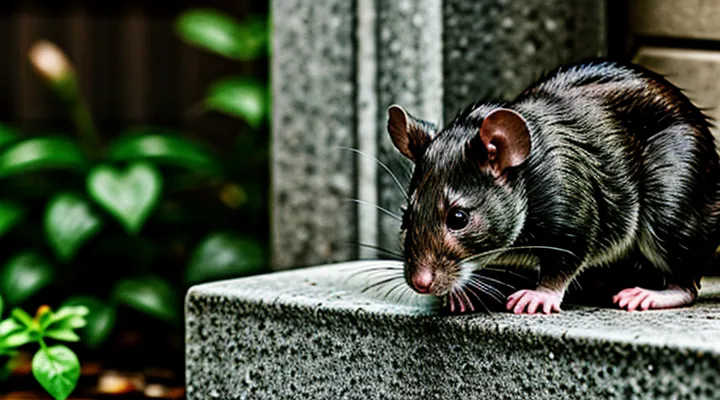
Understanding Rat Depression
What is Depression in Rats?
Behavioral Manifestations
Rats exhibiting depressive-like states display a consistent set of behavioral alterations that serve as reliable indicators for researchers. These manifestations include diminished interest in rewarding stimuli, decreased spontaneous movement, reduced social engagement, and abnormal self‑care patterns.
- Anhedonia: lower consumption of sweet solutions in preference tests, reflecting loss of pleasure.
- Psychomotor retardation: reduced distance traveled and slower rearing in open‑field arenas.
- Social withdrawal: fewer initiations of contact during paired‑interaction assays.
- Altered grooming: either excessive or markedly reduced self‑grooming bouts, indicating stress‑related dysregulation.
- Cognitive bias: impaired performance in tasks that require learning or memory, such as the novel object recognition test.
Quantitative assessment relies on standardized paradigms. The sucrose preference test measures hedonic capacity; the open‑field and locomotor activity chambers evaluate motor activity; the social interaction test quantifies affiliative behavior; and the elevated plus maze provides data on anxiety that often co‑occurs with depressive phenotypes.
Recognition of these behavioral signatures enables early intervention strategies. Environmental enrichment, chronic low‑dose antidepressant administration, and targeted neurobiological modulation have demonstrated efficacy in reversing or mitigating the observed deficits. Continuous monitoring of the outlined behaviors therefore forms a cornerstone of preventive research aimed at reducing the burden of depressive disorders in rodent models and, by extension, informing translational approaches for human mental health.
Physiological Indicators
Physiological indicators provide objective evidence of depressive states in laboratory rats and serve as essential metrics for evaluating preventive interventions.
- Reduced body weight and diminished gain despite ad libitum feeding.
- Decreased consumption of standard chow and water, often accompanied by altered preference for sucrose solutions.
- Lowered spontaneous locomotor activity measured in open‑field or wheel‑running tests.
- Elevated plasma corticosterone reflecting hyperactivity of the hypothalamic‑pituitary‑adrenal axis.
- Increased heart‑rate variability and altered electrocardiographic intervals detectable via telemetry.
- Dysregulated core body temperature and peripheral vasomotor responses.
- Decreased concentrations of serotonin, dopamine, and norepinephrine in prefrontal cortex and hippocampus.
- Up‑regulated pro‑inflammatory cytokines such as interleukin‑6 and tumor‑necrosis factor‑α.
- Reduced brain‑derived neurotrophic factor levels in limbic structures.
- Abnormal electroencephalographic rhythms, particularly reduced theta power during resting states.
Measurement protocols combine invasive and non‑invasive techniques. Blood sampling quantifies corticosterone, cytokines, and neurotrophic factors; microdialysis monitors extracellular neurotransmitters; implantable telemetry devices record cardiovascular and thermoregulatory parameters; and high‑resolution imaging assesses structural brain changes. Behavioral assays correlate physiological data with observable depressive‑like behaviors, ensuring comprehensive phenotyping.
Integration of these indicators enables early detection of depressive pathology, informs the timing of pharmacological or environmental interventions, and validates the efficacy of preventive strategies aimed at mitigating mental health disorders in rodent models.
Animal Models of Depression
Chronic Mild Stress Model
The chronic mild stress (CMS) model subjects rats to a series of unpredictable, low‑intensity stressors over several weeks. Stressors include food or water deprivation, altered light cycles, cage tilting, and mild social isolation. The schedule varies daily, preventing habituation and maintaining a sustained state of mild adversity.
Behavioral outcomes of CMS are consistent with depressive‑like phenotypes. Rats display reduced sucrose consumption, indicating anhedonia, and show decreased locomotor activity in open‑field tests. Forced‑swim assessments reveal prolonged immobility, reflecting behavioral despair. Cognitive deficits emerge in novel object recognition tasks, suggesting impaired memory function.
Physiological markers align with the behavioral profile. CMS rats exhibit elevated corticosterone levels, altered monoamine neurotransmission, and reduced hippocampal neurogenesis. These changes provide measurable endpoints for evaluating therapeutic interventions.
The model’s relevance to preventive research lies in its ability to simulate the gradual onset of depressive symptoms. Early‑stage interventions, such as environmental enrichment or prophylactic pharmacology, can be introduced before full behavioral expression, allowing assessment of preventive efficacy.
Advantages of CMS include:
- High translational validity due to similarity with human chronic stress exposure.
- Reproducibility across laboratories when stressor schedules are standardized.
- Compatibility with multiple outcome measures (behavioral, biochemical, neuroanatomical).
Limitations involve:
- Requirement for extended experimental periods, increasing resource consumption.
- Sensitivity to variations in animal strain, age, and housing conditions.
- Potential for individual variability in stress susceptibility, necessitating larger sample sizes.
In summary, the chronic mild stress model provides a robust framework for investigating depressive‑like states in rats, identifying early biomarkers, and testing preventive strategies aimed at mitigating the progression of mood disturbances.
Learned Helplessness Model
The learned helplessness paradigm provides a reproducible method for inducing depressive‑like behavior in laboratory rats. Animals are first subjected to an unavoidable aversive stimulus, such as inescapable foot shocks. Subsequent exposure to a controllable situation reveals a persistent failure to attempt escape, indicating a loss of agency that parallels aspects of human depression.
Key characteristics of the model include:
- Behavioral deficits: diminished exploratory activity, reduced sucrose consumption, increased immobility in the forced‑ swim test.
- Neurochemical alterations: elevated corticosterone, decreased serotonin turnover, dysregulated dopamine pathways.
- Neuroanatomical changes: reduced hippocampal neurogenesis, altered prefrontal cortex connectivity.
These observable signs serve as benchmarks for evaluating preventive interventions. Strategies that mitigate the development of helplessness in rats encompass:
- Environmental enrichment: provision of nesting material, tunnels, and social companions reduces stress reactivity and restores normal reward processing.
- Pharmacological prophylaxis: chronic low‑dose administration of selective serotonin reuptake inhibitors or novel glutamatergic modulators attenuates the emergence of depressive‑like behavior when introduced before stress exposure.
- Behavioral training: teaching rats to control a lever or wheel during early stress sessions preserves contingency learning, thereby preventing the onset of helplessness.
By systematically measuring the outlined behavioral and physiological markers, researchers can assess the efficacy of these preventive measures, advancing translational insight into depression and its early‑stage mitigation.
Social Defeat Stress Model
The social defeat stress model induces depressive‑like phenotypes in laboratory rats by exposing them to repeated aggressive encounters with dominant conspecifics. After a brief period of physical confrontation, the test animal is confined behind a perforated barrier, allowing sensory contact without further physical harm. This protocol reliably produces persistent reductions in sucrose consumption, decreased locomotor activity, and heightened immobility in forced‑swim tests, mirroring core symptoms of anhedonia and behavioral despair.
Key methodological elements include:
- Daily exposure sessions lasting 5–10 minutes over 10‑14 days.
- Use of a resident‑intruder paradigm with well‑characterized aggressor strains.
- Post‑defeat isolation to prevent social buffering.
- Behavioral assessments conducted 24 hours after the final defeat episode.
Neurobiological correlates observed in this model involve hypoactivity of the mesolimbic dopamine pathway, elevated corticosterone levels, and increased expression of inflammatory cytokines in the prefrontal cortex and hippocampus. These changes align with biomarkers identified in human depressive disorders, supporting translational relevance.
The model’s reproducibility and face validity make it a valuable platform for testing prophylactic interventions. Pharmacological agents that modulate glucocorticoid signaling, serotonergic transmission, or neuroinflammatory pathways have demonstrated efficacy in reversing defeat‑induced deficits, providing insight into preventive strategies for mood disorders.
Identifying Signs of Depression in Rats
Behavioral Changes
Anhedonia: Reduced Pleasure
Anhedonia, the diminished capacity to experience pleasure, serves as a core indicator of depressive-like states in laboratory rodents. Researchers assess this symptom through behavioral paradigms that quantify reward-seeking and consumption.
- Sucrose preference test: Reduced intake of a sweet solution relative to water signals loss of hedonic drive.
- Progressive ratio operant task: Lower breakpoints when rats press a lever for a food pellet reflect decreased motivation.
- Social interaction assay: Decreased time spent engaging with conspecifics indicates blunted social reward.
- Novelty-induced exploration: Shortened investigation of new objects or environments suggests attenuated curiosity and pleasure.
Neurobiological correlates include hypoactivity of mesolimbic dopamine pathways, diminished expression of brain‑derived neurotrophic factor in the nucleus accumbens, and altered serotonergic signaling. These changes can be quantified with microdialysis, immunohistochemistry, and gene‑expression profiling.
Preventive interventions target the same circuits. Chronic administration of selective serotonin reuptake inhibitors restores sucrose preference and lever‑pressing rates. Environmental enrichment—providing varied toys, nesting material, and social housing—normalizes dopamine turnover and elevates reward‑related behavior. Early-life stress mitigation, through controlled handling and gradual exposure to mild stressors, reduces the incidence of anhedonic responses in adulthood.
Accurate detection of reduced pleasure and implementation of pharmacological or environmental countermeasures enhance the validity of rodent models for studying depressive pathology and facilitate translation to human mental‑health strategies.
Altered Social Interaction
Altered social interaction is a reliable indicator of depressive-like states in laboratory rats. Depressed animals display a consistent reduction in initiations of contact, shorter durations of grooming exchanges, and increased latency to approach unfamiliar conspecifics. These behavioral shifts mirror the social withdrawal observed in human mood disorders and serve as a measurable endpoint for experimental interventions.
Typical manifestations include:
- Decreased frequency of nose‑to‑nose investigations.
- Shortened periods of mutual huddling or nesting.
- Heightened avoidance of novel peers during open‑field encounters.
- Lower scores in dominance hierarchies when tested in resident‑intruder paradigms.
Researchers quantify these changes using standardized assays:
- Social preference test – measures time spent near a familiar versus an unfamiliar rat.
- Three‑chamber apparatus – records entries and dwell time in compartments containing a social stimulus.
- Resident‑intruder assay – evaluates aggressive and submissive responses during brief encounters.
Data derived from altered social interaction inform preventive strategies for mood disorders. By linking specific neurochemical alterations (e.g., reduced serotonergic signaling) with observable social deficits, investigators can target pharmacological or environmental interventions that restore normal social behavior, thereby reducing the risk of chronic depressive phenotypes.
Changes in Locomotor Activity
Depressive-like states in laboratory rodents are frequently identified through alterations in spontaneous movement. Reduced travel distance, lower velocity, and fewer rearing events are consistently recorded in models that mimic chronic stress or learned helplessness. Conversely, some protocols reveal hyperactivity during the initial phase of stress exposure, reflecting an adaptive agitation that later gives way to hypoactivity as the condition stabilizes.
Measurement of locomotor output relies on standardized arenas equipped with infrared beams or video‑tracking software. Typical parameters include:
- Total distance traveled per session
- Average speed across defined zones
- Frequency of vertical rearing and grooming bouts
- Time spent in peripheral versus central regions
These metrics provide quantitative markers that correlate with neurochemical alterations, such as decreased dopamine turnover in the nucleus accumbens and elevated corticosterone levels. Pharmacological agents that restore monoaminergic balance, including selective serotonin reuptake inhibitors and atypical antidepressants, commonly normalize the reduced movement patterns observed in depressed rats.
Longitudinal monitoring of locomotor activity enables early detection of behavioral decline, allowing researchers to intervene with preventive strategies before full‑blown depressive phenotypes emerge. By integrating activity data with physiological readouts, investigators can assess the efficacy of novel compounds and environmental enrichments designed to mitigate stress‑induced behavioral deficits.
Sleep Disturbances
Sleep disturbances constitute a reliable indicator of depressive-like states in rodent models. Experimental rats display reduced total sleep time, shortened rapid eye movement (REM) periods, and increased sleep fragmentation. These alterations are measurable with electroencephalographic recordings and motion-sensitive cages, providing quantitative markers for depressive phenotypes.
Typical manifestations include:
- Decreased REM latency, reflecting premature onset of REM episodes.
- Lower REM bout duration, indicating instability of sleep architecture.
- Elevated wakefulness during the dark phase, suggesting circadian misalignment.
- Increased number of microarousals, evidencing disrupted continuity.
Interventions that restore normal sleep patterns correlate with amelioration of depressive behaviors. Pharmacological agents such as selective serotonin reuptake inhibitors normalize REM suppression, while environmental enrichment reduces sleep fragmentation. Chronotherapy—adjusting light-dark cycles—has been shown to realign circadian rhythms and improve both sleep quality and affective measures.
Monitoring sleep parameters therefore offers a dual function: diagnostic clarification of depressive-like conditions and evaluation of preventive strategies aimed at mental health preservation in laboratory rats.
Changes in Grooming Habits
Observations of grooming behavior provide a reliable metric for assessing depressive-like states in laboratory rats. Experimental models consistently show a decline in self‑grooming frequency and total grooming time when subjects experience chronic stress or pharmacologically induced depression. The reduction is quantifiable through video tracking or direct observation, with typical baseline grooming bouts lasting 30–45 seconds decreasing to under 15 seconds in affected animals. Additionally, the sequential pattern of grooming actions—face washing, body licking, and tail cleaning—often becomes fragmented, indicating impaired behavioral organization.
Alterations in grooming serve both diagnostic and preventive functions. Researchers employ the following criteria to identify depressive phenotypes:
- Frequency of grooming bouts per hour falls below 40 % of control values.
- Cumulative grooming duration drops below 20 % of baseline measurements.
- Sequential grooming phases exhibit interruptions exceeding three consecutive pauses longer than 5 seconds.
Implementing environmental enrichment, such as nesting material and social housing, restores grooming activity to near‑normal levels within two weeks. Antidepressant administration (e.g., selective serotonin reuptake inhibitors) similarly normalizes grooming patterns, supporting its use as a behavioral endpoint in therapeutic trials. Monitoring grooming thus offers an objective, non‑invasive approach to detect early signs of depressive conditions and evaluate preventative interventions in rodent models.
Physiological and Biochemical Markers
Weight Fluctuations
Weight fluctuations serve as a primary physiological marker in rodent models of depressive-like behavior. Depressed rats frequently exhibit reduced food intake, leading to measurable body‑mass decline within days of stress exposure. Conversely, some subjects develop hyperphagic responses, resulting in rapid weight gain that accompanies altered metabolic signaling. Both patterns correlate with elevated corticosterone levels and dysregulated hypothalamic‑pituitary‑adrenal axis activity.
Researchers monitor body weight daily, calculating percentage change relative to baseline to differentiate acute stress effects from chronic depressive phenotypes. A sustained loss exceeding 10 % of initial mass typically signals severe anhedonia and impaired reward processing, while a gain of similar magnitude may indicate compensatory overeating linked to emotional dysregulation.
Interventions aimed at preventing mental health deterioration in rats target these weight trends. Pharmacological agents such as selective serotonin reuptake inhibitors normalize appetite and stabilize body‑mass trajectories. Environmental enrichment—enhanced nesting material, voluntary wheel access, and social housing—reduces stress‑induced weight loss by promoting natural foraging and activity patterns. Nutritional modulation, including balanced macronutrient diets and timed feeding schedules, mitigates hyperphagic spikes and supports metabolic homeostasis.
Implementing a systematic weight‑tracking protocol, combined with behavioral assays (e.g., sucrose preference, forced‑swim test), enables early detection of depressive states. Prompt therapeutic adjustments based on weight data improve outcome measures and facilitate translational insights into human mood disorders.
Hormonal Imbalances
Hormonal disturbances are a primary physiological correlate of depressive-like behavior in laboratory rats. Elevated corticosterone concentrations, a hallmark of chronic stress, consistently coincide with reduced sucrose preference and increased immobility in forced‑swim tests. Simultaneously, dysregulation of the hypothalamic‑pituitary‑thyroid axis manifests as lowered triiodothyronine levels, which amplify anxiety‑related responses and impair reward processing.
Key endocrine alterations observed in depressive phenotypes include:
- Hypercortisolemia: persistent rise in plasma corticosterone, suppresses neurogenesis in the hippocampus.
- Hypothyroidism: decreased thyroxine and triiodothyronine, disrupts synaptic plasticity.
- Altered sex steroid balance: reduced testosterone in males and estradiol fluctuations in females, affect motivation and stress resilience.
- Dysbiotic leptin signaling: diminished leptin sensitivity, contributes to anhedonia and altered feeding behavior.
- Insulin resistance: elevated fasting glucose and insulin, linked to impaired cognitive performance.
Preventive strategies target these hormonal pathways. Chronic administration of glucocorticoid receptor antagonists normalizes corticosterone spikes and restores behavioral baselines. Thyroid hormone supplementation, calibrated to avoid hyperthyroidism, improves locomotor activity and reduces despair‑like responses. Selective estrogen receptor modulators mitigate female‑specific depressive signs without disrupting reproductive cycles. Leptin analogs and insulin‑sensitizing agents, when combined with environmental enrichment, lower the incidence of depressive markers.
Effective intervention requires regular monitoring of serum hormone panels alongside behavioral assays. Early detection of endocrine shifts permits timely pharmacological or lifestyle adjustments, reducing the progression from subclinical stress responses to full depressive phenotypes in rodent models.
Neurotransmitter Dysregulation
Neurotransmitter dysregulation underlies behavioral phenotypes observed in rodent models of depressive-like states. Chronic stress protocols, chronic mild stress, and learned helplessness induce measurable alterations in monoaminergic pathways.
- Serotonin (5‑HT) levels decline in the dorsal raphe nucleus, correlating with reduced sucrose preference and increased immobility in forced‑ swim tests.
- Dopamine transmission diminishes in the nucleus accumbens, contributing to anhedonia and decreased locomotor activity.
- Norepinephrine release drops in the locus coeruleus, affecting arousal and stress reactivity.
Glutamate–GABA balance shifts toward excitatory dominance in the prefrontal cortex and hippocampus, fostering neuronal hyperactivity and synaptic remodeling. Elevated extracellular glutamate triggers calcium‑dependent toxicity, while reduced GABAergic inhibition impairs inhibitory tone.
Altered neuropeptide signaling, particularly decreased brain‑derived neurotrophic factor (BDNF) expression, accompanies these neurotransmitter changes, reinforcing maladaptive plasticity.
Targeted pharmacological interventions that restore monoamine concentrations or modulate glutamatergic transmission demonstrate rapid reversal of depressive-like behaviors, supporting preventive strategies that address neurotransmitter homeostasis before chronic pathology develops.
Collectively, precise quantification of serotonin, dopamine, norepinephrine, glutamate, and GABA levels in specific brain regions provides a mechanistic framework for evaluating therapeutic efficacy and for designing preventive measures against mood disturbances in preclinical research.
Immune System Alterations
Research on depressive-like conditions in rodents consistently reports alterations in immune function. Chronic stress exposure elevates pro‑inflammatory cytokines such as interleukin‑1β, tumor necrosis factor‑α, and interleukin‑6 in both central nervous tissue and peripheral blood. These mediators correlate with behavioral indices of anhedonia and reduced locomotion.
Peripheral immune cells display a shift toward a pro‑inflammatory phenotype. Flow cytometry analyses reveal increased CD11b⁺ monocytes and a higher proportion of CD4⁺ T‑cells expressing activation markers. Splenic macrophages produce greater quantities of nitric oxide and reactive oxygen species, contributing to systemic oxidative stress.
Within the brain, microglial cells adopt an activated morphology, up‑regulating major histocompatibility complex class II and releasing cytokines that influence synaptic plasticity. Astrocytic expression of glial fibrillary acidic protein rises, indicating gliosis that may disrupt neurovascular coupling.
Key immune alterations associated with depressive phenotypes in rats:
- Elevated circulating IL‑1β, TNF‑α, IL‑6
- Increased CD11b⁺ monocyte count and activated CD4⁺ T‑cell ratio
- Enhanced microglial MHC‑II expression and cytokine release
- Astrocytic gliosis marked by GFAP up‑regulation
- Heightened oxidative markers in peripheral macrophages
Targeting these immune disruptions—through anti‑inflammatory agents, cytokine antagonists, or lifestyle interventions that modulate stress responses—offers a viable route for preventing depressive manifestations in the rodent model, providing translational insight for human mental‑health strategies.
Preventing Mental Health Issues in Rats
Environmental Enrichment Strategies
Social Housing Considerations
Social housing profoundly influences the expression of depressive-like behaviors in laboratory rats and the effectiveness of preventive interventions. Group composition, environmental enrichment, and stability of the social environment determine stress levels that can mask or exacerbate depressive phenotypes.
Key considerations for housing design include:
- Group size: Small groups (3‑5 animals) maintain manageable social hierarchies while preventing isolation stress. Larger groups increase competition and aggression, potentially confounding behavioral readouts.
- Sex and strain: Same‑sex cohorts avoid breeding and hormonal fluctuations; strain‑specific social dynamics must be accounted for, as some lines exhibit heightened territoriality.
- Hierarchy monitoring: Regular observation of dominance interactions identifies individuals subjected to chronic subordination, a known risk factor for depressive-like states.
- Cage enrichment: Nesting material, shelters, and objects for manipulation reduce boredom and promote natural behaviors, mitigating baseline anxiety that could interfere with depression assessments.
- Stability: Minimizing cage changes, transfers, and introductions preserves a consistent social milieu, limiting acute stress spikes that alter neurochemical markers.
- Health surveillance: Early detection of injuries or illness prevents secondary stressors that could bias experimental outcomes.
Implementing these practices standardizes the social environment, enhances reproducibility, and supports the reliability of interventions aimed at preventing depressive disorders in rodent models.
Providing Stimulating Environments
Providing rats with stimulating environments reduces the frequency and intensity of depressive-like behaviors observed in laboratory settings. Enriched cages mitigate anhedonia, lower immobility in forced‑swim tests, and restore normal exploratory activity. Continuous exposure to varied stimuli prevents the neural and hormonal dysregulation associated with chronic stress models.
Key components of an effective enrichment protocol include:
- Social housing of two or more animals per cage to maintain natural interaction.
- Rotating novel objects (e.g., tunnels, chew blocks) to encourage curiosity and problem‑solving.
- Structural complexity such as platforms, ladders, and nesting material to promote physical activity.
- Sensory variation through changes in lighting, sound, and olfactory cues.
- Access to a larger arena or maze on a regular schedule to enhance spatial learning.
Implementation of these elements creates a dynamic habitat that sustains motivation, supports neuroplasticity, and lowers the incidence of depressive phenotypes in rodent research.
Nutritional Interventions
Nutritional strategies have been employed to attenuate depressive-like phenotypes in rodent models, offering a translational bridge to mental‑health prevention research. Controlled feeding regimens allow precise manipulation of macro‑ and micronutrient profiles, enabling assessment of behavioral and neurobiological outcomes.
Key dietary components identified in experimental studies include:
- Omega‑3 polyunsaturated fatty acids – supplementation reduces immobility in forced‑swim and tail‑suspension tests, correlates with elevated hippocampal brain‑derived neurotrophic factor.
- Tryptophan‑rich sources – increase serotonergic turnover, improve sucrose‑preference scores, and normalize hypothalamic‑pituitary‑adrenal axis activity.
- B‑vitamin complex (B6, B12, folate) – corrects hyperhomocysteinemia, supports methylation pathways, mitigates anhedonia.
- Antioxidant‑rich foods (vitamin E, polyphenols) – lower oxidative stress markers, preserve neuronal integrity in prefrontal cortex.
- Prebiotic fibers – modulate gut microbiota composition, enhance short‑chain fatty‑acid production, indirectly influence mood‑related circuits.
Implementation protocols emphasize gradual dietary introduction, maintenance of isocaloric conditions, and verification of nutrient bioavailability through plasma assays. Outcome measures typically combine behavioral tests (e.g., open‑field, novelty‑suppressed feeding) with molecular analyses (gene expression, cytokine profiling) to capture both symptom expression and underlying mechanisms.
Collectively, these interventions demonstrate reproducible reductions in depressive indicators while highlighting metabolic pathways amenable to preventive approaches in laboratory rodents.
Stress Reduction Techniques
Minimizing Handling Stress
Handling stress is a major confounding factor in rodent models of depressive-like behavior. Excessive tactile stimulation, abrupt restraint, and unpredictable interactions elevate corticosterone levels, mask subtle phenotypes, and compromise experimental reproducibility. Systematic reduction of handling stress therefore strengthens both welfare and data integrity.
Effective strategies include:
- Gradual habituation: expose animals to experimenter presence for several minutes daily before any procedure.
- Soft‑touch techniques: use cupped hands, tunnel or tube transfer, and avoid tail lifts whenever possible.
- Consistent personnel: assign a limited number of trained staff to interact with each cohort, minimizing inter‑operator variability.
- Environmental control: conduct handling in low‑noise, low‑light conditions; maintain stable temperature and humidity.
- Minimal restraint: employ brief, gentle restraint only when essential, and release animals immediately after the required task.
Implementation requires documented training protocols, regular competency assessments, and logbooks tracking exposure duration and method for each animal. Incorporating these measures into standard operating procedures reduces acute stress responses, lowers baseline anxiety, and yields clearer interpretation of depressive indicators such as sucrose preference, forced‑ swim immobility, and social withdrawal.
Predictable Routines
Predictable daily routines reduce stress‑induced behaviors in laboratory rats and support preventive strategies for depressive phenotypes. Consistent scheduling of feeding, handling, and environmental changes creates a stable context that limits the emergence of anhedonia, reduced locomotion, and altered sucrose preference—key indicators of depressive states.
- Fixed feeding times synchronize circadian rhythms, stabilizing cortisol‑like hormone levels.
- Regular handling sessions habituate animals to human contact, decreasing anxiety during experimental procedures.
- Scheduled light‑dark cycles maintain melatonin production, preventing disruptions associated with mood dysregulation.
- Repetitive enrichment rotations (e.g., tunnel, nesting material, chew toys) provide predictable novelty, preserving exploratory drive without causing overstimulation.
Implementation of these routines in rodent facilities yields measurable improvements in behavioral assays, confirming their role in mitigating depressive signs and enhancing overall mental health outcomes for the subjects.
Noise and Light Control
Effective management of auditory and visual stimuli is essential for reliable assessment of depressive-like states in laboratory rodents. Excessive noise can activate the hypothalamic‑pituitary‑adrenal axis, elevate corticosterone levels, and mask subtle behavioral changes such as reduced sucrose preference or altered locomotion. Similarly, uncontrolled lighting disrupts circadian rhythms, interferes with the dark‑phase preference of rats, and confounds measurements of anhedonia and immobility in forced‑swim tests.
Key practices for environmental control include:
- Acoustic isolation: Install sound‑attenuating chambers; maintain background noise below 40 dB SPL; schedule procedures during quiet periods.
- Light regulation: Use dim, red‑shifted illumination during the dark cycle; implement programmable timers to ensure consistent light‑dark cycles (12 h / 12 h); shield cages from external daylight.
- Monitoring: Equip rooms with calibrated sound level meters and lux meters; record readings continuously to detect deviations.
- Standardization: Apply identical stimulus conditions across experimental groups; document any temporary disturbances (e.g., equipment maintenance).
Adhering to these protocols reduces stress‑induced variability, enhances reproducibility, and supports preventive strategies aimed at minimizing depressive phenotypes in rodent models.
Pharmaceutical and Therapeutic Approaches
Antidepressant Medications
Antidepressant agents are routinely employed in rodent models to evaluate therapeutic efficacy against depressive-like behavior. Administration routes include oral gavage, intraperitoneal injection, and subcutaneous delivery, each providing distinct pharmacokinetic profiles that influence behavioral outcomes. Dosage regimens are calibrated to achieve plasma concentrations comparable to those observed in clinical settings, allowing translational interpretation of results.
Behavioral assays such as the forced swim test, sucrose preference test, and tail‑suspension test quantify the impact of medication on immobility time, anhedonia, and despair‑related responses. Reductions in immobility duration and restoration of sucrose consumption signal antidepressant activity, while unchanged or exacerbated measures suggest limited efficacy or adverse effects. Repeated testing across multiple time points captures both acute and chronic drug effects, facilitating assessment of preventive potential.
Neurochemical analyses complement behavioral data by measuring monoamine levels, receptor expression, and downstream signaling pathways. Selective serotonin reuptake inhibitors elevate extracellular serotonin, tricyclic compounds increase norepinephrine and serotonin availability, while atypical agents modulate glutamate transmission. Correlating these biochemical shifts with behavioral improvements strengthens mechanistic understanding of drug action.
Commonly investigated antidepressants in rat studies:
- Fluoxetine – selective serotonin reuptake inhibitor; improves sucrose preference and reduces immobility.
- Imipramine – tricyclic agent; enhances norepinephrine and serotonin signaling; effective in forced swim test.
- Venlafaxine – serotonin‑norepinephrine reuptake inhibitor; demonstrates dose‑dependent behavioral recovery.
- Ketamine – NMDA receptor antagonist; produces rapid antidepressant effects observable within hours.
- Bupropion – norepinephrine‑dopamine reuptake inhibitor; modest impact on anhedonia measures.
Cognitive Behavioral Therapy Analogs
Cognitive‑behavioral therapy (CBT) analogs provide experimental platforms for modifying depressive‑like behavior in laboratory rodents. These protocols translate core CBT principles—cognitive restructuring and behavioral activation—into measurable interventions that can be applied to rats exhibiting anhedonia, reduced locomotion, or increased immobility in forced‑ swim tests.
Environmental enrichment serves as a primary analog. Continuous access to novel objects, tunnels, and social companions reduces stress hormone levels and restores exploratory activity. Structured enrichment schedules mimic behavioral activation by prompting regular engagement with rewarding stimuli.
Operant conditioning paradigms replace negative thought patterns with reinforced positive actions. Rats learn to press levers for sucrose rewards contingent on specific cues; extinction of non‑rewarded responses diminishes perseverative avoidance behaviors. Progressive ratio schedules increase effort thresholds, encouraging persistence despite initial failure.
Pharmacological pairing enhances CBT analog efficacy. Low‑dose selective serotonin reuptake inhibitors administered alongside enrichment accelerate recovery of sucrose preference and normalize cortical activity patterns. The combination mirrors clinical practice where medication supports cognitive restructuring.
Monitoring outcomes requires objective metrics:
- Frequency of lever presses during reinforcement sessions.
- Time spent exploring novel objects in a three‑chamber arena.
- Immobility duration in forced‑ swim trials before and after intervention.
- Serum corticosterone concentrations as a physiological stress indicator.
Data consistently show that rats receiving CBT‑like interventions display reduced depressive‑like signs, increased interaction with rewarding stimuli, and normalized neuroendocrine profiles. These findings validate CBT analogs as translational tools for testing preventive strategies against mood disorders in animal models.
Novel Treatment Modalities
Recent investigations have shifted toward innovative interventions that directly modify neural circuits underlying depressive-like states in laboratory rodents. These approaches aim to reduce observable behavioral deficits and to inform preventive strategies for mental health disorders.
- Optogenetic stimulation of prefrontal‑striatal pathways restores reward‑seeking behavior and normalizes immobility in forced‑swim tests.
- Chemogenetic activation of ventral hippocampal neurons using designer receptors produces rapid anxiolytic effects and diminishes anhedonia.
- Selective inhibition of microglial inflammatory mediators, administered via intraventricular infusion, lowers cytokine levels and improves sucrose preference scores.
- CRISPR‑based epigenetic editing of the Bdnf promoter enhances transcriptional activity, resulting in sustained reductions in depressive phenotypes.
- Fecal microbiota transplantation from resilient donor rats reshapes gut flora, correlating with decreased stress‑induced corticosterone spikes.
- Low‑intensity, focal transcranial magnetic stimulation applied to the medial prefrontal cortex modulates synaptic plasticity and reduces latency to grooming in open‑field assessments.
Empirical data demonstrate that each modality produces statistically significant improvements across multiple behavioral paradigms, including sucrose preference, tail‑suspension, and novelty‑suppressed feeding tests. Dose‑response curves reveal optimal efficacy at sub‑therapeutic concentrations, minimizing off‑target effects.
Successful integration of these treatments requires precise targeting, validated delivery vectors, and adherence to animal‑welfare protocols. Replication across independent laboratories confirms robustness, supporting their translation to preclinical pipelines aimed at early intervention in mood disorders.