
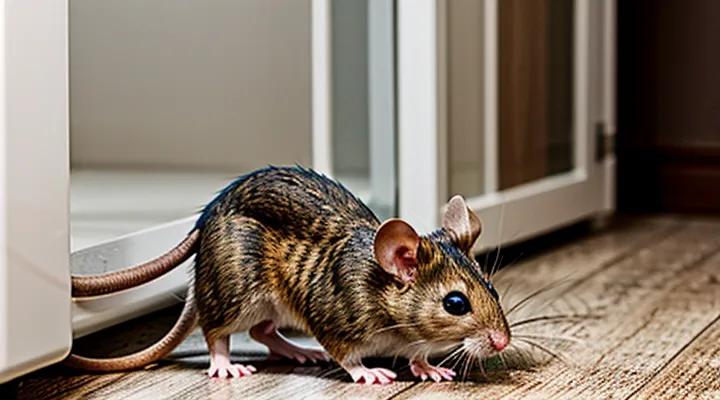
Health Risks from Mice
Disease Transmission
Hantavirus Pulmonary Syndrome
Hantavirus Pulmonary Syndrome (HPS) is a severe respiratory illness transmitted by rodents that inhabit residential spaces. The disease originates from hantavirus strains carried primarily by the deer mouse, a common indoor pest. Human infection occurs when aerosolized particles containing the virus are inhaled, typically during cleaning of contaminated areas; direct contact with urine, feces, or saliva also presents a risk.
Early clinical manifestations include fever, muscle aches, and fatigue, progressing within days to shortness of breath, coughing, and rapid deterioration of lung function. Key symptoms are:
- Fever and chills
- Myalgia and headache
- Nausea, vomiting, or abdominal pain
- Sudden onset of cough and dyspnea
- Low blood pressure and rapid heart rate
Laboratory confirmation relies on serologic testing for hantavirus-specific antibodies and polymerase‑chain‑reaction assays. No antiviral therapy is approved; supportive care in an intensive‑care setting, particularly mechanical ventilation, constitutes the primary treatment. Reported mortality rates range from 30 % to 40 %.
Preventive actions for households focus on minimizing rodent exposure and containments:
- Seal entry points such as cracks, gaps, and utility openings.
- Maintain clean, clutter‑free environments to deter nesting.
- Store food in sealed containers and dispose of waste regularly.
- Use protective gloves and masks when handling debris or cleaning suspected contamination.
- Employ traps or professional pest‑control services to reduce rodent populations.
Adherence to these measures substantially lowers the likelihood of HPS emergence within domestic settings.
Salmonella
Mice commonly carry the bacterium «Salmonella», which can contaminate residential environments through urine, feces, and saliva. When rodents gnaw on packaging, infiltrate pantry items, or leave droppings on food preparation surfaces, the pathogen gains access to human food chains. Ingesting contaminated food or water may lead to salmonellosis, characterized by gastrointestinal distress, fever, and dehydration. Vulnerable groups include children, the elderly, and individuals with weakened immune systems.
Preventive actions:
- Seal entry points such as cracks, gaps around pipes, and vent openings to block rodent access.
- Store dry goods in airtight containers made of metal or thick plastic.
- Maintain a regular cleaning schedule that removes rodent droppings and urine with disposable gloves and disinfectants effective against bacterial contamination.
- Set traps or employ professional pest‑control services to reduce mouse populations promptly.
- Inspect and discard any food items that show signs of rodent damage or contamination.
Lymphocytic Choriomeningitis (LCMV)
Lymphocytic choriomeningitis virus (LCMV) is an arenavirus for which the common house mouse (Mus musculus) serves as the principal reservoir. Transmission to humans occurs through inhalation of aerosolised rodent urine, feces or saliva, direct contact with contaminated surfaces, bites, or vertical passage from an infected mother to the fetus.
Infection may be asymptomatic, but clinical manifestations include febrile illness, aseptic meningitis, encephalitis, and, in pregnant women, congenital infection leading to severe neurodevelopmental damage. Immunocompromised individuals experience higher morbidity and prolonged disease courses.
Residential mouse infestations elevate exposure risk because indoor activities generate dust that can carry viral particles. Reducing this hazard requires systematic control measures:
- Seal cracks and gaps in walls, floors, and foundations to prevent entry.
- Store food in airtight containers; promptly clean spills.
- Employ snap traps or live‑catch traps; avoid glue boards that increase aerosolisation of contaminants.
- Conduct cleaning with wet methods; refrain from dry sweeping or vacuuming without HEPA filtration.
- Wear disposable gloves and masks when handling droppings or nests; disinfect surfaces with bleach‑based solutions.
- Engage licensed pest‑management professionals for severe infestations.
Diagnosis relies on serologic testing for LCMV‑specific IgM/IgG antibodies and polymerase chain reaction detection of viral RNA. No antiviral therapy is approved; treatment is supportive, focusing on symptom management and, when indicated, management of intracranial pressure.
LCMV contributes to the broader spectrum of rodent‑associated health threats in domestic settings. Effective surveillance, public education on preventive practices, and prompt pest control are essential components of risk mitigation.
Rat-Bite Fever
Rat‑Bite Fever (RBF) is a bacterial infection transmitted primarily by the bite or scratch of an infected rodent, most often the common house mouse. The causative agents, Streptobacillus moniliformis in North America and Spirillum minus in Asia, proliferate in the oral and gastrointestinal tracts of rodents. When a mouse penetrates skin, bacteria enter the bloodstream, initiating systemic illness.
Typical clinical presentation includes:
- Sudden fever and chills
- Headache and muscle aches
- Red‑purple rash on the extremities, often appearing 2–5 days after exposure
- Joint pain or swelling, sometimes accompanied by arthritis
Laboratory confirmation relies on blood cultures, polymerase chain reaction, or serologic testing for specific antibodies. Early identification is essential because untreated RBF can progress to complications such as endocarditis, meningitis, or septicemia.
Standard therapeutic regimen consists of a 10‑day course of oral doxycycline or a 7‑day course of intravenous penicillin G for severe cases. Prompt administration reduces mortality to less than 5 %. Supportive care includes antipyretics and analgesics to manage fever and pain.
Prevention focuses on minimizing rodent contact within residential environments:
- Seal entry points, including cracks around doors, windows, and utility lines.
- Maintain cleanliness by storing food in airtight containers and promptly disposing of waste.
- Employ traps or professional pest‑control services to reduce mouse populations.
- Educate household members about the risks of handling rodents without protective gloves.
Understanding the link between domestic rodent infestations and RBF informs targeted public‑health measures, reducing the incidence of this potentially serious infection.
Leptospirosis
Leptospirosis is a bacterial disease caused by pathogenic Leptospira species. The infection is zoonotic, affecting both animals and humans.
Mice serve as natural reservoirs for Leptospira. They excrete the organisms in urine, which can contaminate floors, countertops, food containers, and standing water within a residence. The bacteria survive in moist environments for weeks, increasing the likelihood of human exposure.
Transmission in a domestic setting occurs through:
- Direct contact with contaminated urine or surfaces.
- Inhalation of aerosolized droplets.
- Ingestion of food or water tainted by urine.
Human infection typically begins with nonspecific symptoms such as fever, headache, muscle pain, and chills. Severe cases may progress to renal failure, meningitis, pulmonary hemorrhage, or liver dysfunction.
Households with active mouse infestations show a higher incidence of leptospirosis. The risk is amplified in kitchens, basements, and areas with poor sanitation.
Preventive actions include:
- Seal cracks and gaps to block rodent entry.
- Deploy traps or professional pest‑control services.
- Keep indoor spaces dry; promptly eliminate standing water.
- Store food in sealed containers; clean up spills immediately.
- Remove droppings and urine using gloves and masks; disinfect affected areas with a bleach solution (1 part bleach to 10 parts water).
- Dispose of contaminated materials in sealed bags.
If exposure is suspected, seek medical evaluation without delay. Diagnostic methods comprise serology (microscopic agglutination test) and polymerase‑chain‑reaction assays. Early antibiotic therapy—commonly doxycycline or penicillin—reduces disease severity and duration.
Allergic Reactions and Asthma
Mice infestations introduce allergens that can provoke severe respiratory responses. Their urine, droppings, and shed skin contain proteins capable of sensitizing occupants. When inhaled, these particles trigger immune reactions that manifest as allergic rhinitis, conjunctivitis, or acute asthma attacks.
Key mechanisms include:
- IgE-mediated sensitization – repeated exposure leads to antibody production that binds to mast cells, causing histamine release.
- Airway inflammation – allergen particles irritate bronchial lining, resulting in edema, mucus overproduction, and bronchoconstriction.
- Exacerbation of pre‑existing asthma – low‑level exposure may increase frequency of nighttime symptoms and reliance on rescue inhalers.
Risk factors for heightened response are:
- Presence of children or individuals with a family history of atopy.
- Poor ventilation that allows allergen accumulation.
- Use of carpeting or upholstered furniture that traps droppings.
Effective control measures focus on reducing allergen load:
- Seal entry points to prevent rodent ingress.
- Employ integrated pest management to eliminate populations without relying on chemical sprays that may aggravate respiratory conditions.
- Conduct thorough cleaning of contaminated areas using HEPA‑filtered vacuums and wet wiping to avoid aerosolization.
- Replace or deep‑clean textiles that have absorbed droppings.
Monitoring involves periodic indoor air sampling for rodent allergens and routine assessment of respiratory symptoms. Prompt medical intervention, including antihistamines or inhaled corticosteroids, may be required for acute episodes. Continuous mitigation of rodent‑derived allergens reduces the likelihood of chronic asthma development and improves overall indoor air quality.
Property Damage by Mice
Structural Damage
Gnawing on Wood and Wires
Mice constantly gnaw on wood and electrical cables, creating direct threats to residential safety. Their incisors, continuously growing, compel the rodents to chew any accessible material, including framing members, floorboards, and insulation. Repeated bites compromise the integrity of structural components, leading to weakened load‑bearing capacity and potential collapse of walls or ceilings.
When wires are targeted, the consequences extend beyond physical damage. Insulation stripped by gnawing exposes conductive cores, increasing the likelihood of short circuits. Overheating of compromised conductors can ignite surrounding materials, turning a minor breach into a rapid fire hazard. Moreover, damaged wiring may disrupt household appliances, causing malfunction or complete failure.
Key risks associated with this behavior include:
- Deterioration of load‑bearing wood, reducing overall structural stability.
- Exposure of live conductors, creating electrical faults.
- Elevated fire probability due to heat buildup and ignitable debris.
- Interruption of power supply, affecting essential devices and safety systems.
Preventive measures focus on sealing entry points, employing rodent‑resistant materials, and installing monitoring devices that detect early signs of gnawing activity. Prompt remediation of identified damage restores both structural soundness and electrical safety, mitigating the hazards posed by these persistent pests.
Insulation Damage
Mice gnaw on fiberglass, mineral wool, and foam insulation, creating holes that allow heat to escape and cold to infiltrate. Their sharp incisors cut fibers, reducing the material’s ability to trap air and diminishing its thermal resistance. Repeated chewing enlarges gaps, compromising the integrity of walls, ceilings, and attics.
Consequences of compromised insulation include:
- Increased energy consumption for heating and cooling.
- Elevated indoor humidity, fostering mold growth.
- Reduced structural stability where insulation supports wall framing.
Mitigation measures:
- Seal entry points with steel‑wool and caulk to prevent rodent access.
- Install metal or cement‑based barriers beneath insulation layers.
- Use rodent‑resistant insulation products that incorporate hard‑shell coatings.
- Conduct regular visual inspections of attics and crawl spaces for signs of gnawing or droppings.
Contamination of Food and Surfaces
Droppings and Urine
Rodent droppings and urine introduce a range of health hazards inside residential environments. The particles are small enough to become airborne, facilitating inhalation and direct contact with skin or eyes. Pathogenic microorganisms commonly associated with these excretions include hantavirus, salmonella, leptospira and various strains of Escherichia coli, each capable of causing severe respiratory, gastrointestinal or renal illnesses.
Typical contamination effects are:
- Airborne spread of viral particles during cleaning or disturbance of nests.
- Surface contamination of food preparation areas, leading to ingestion of bacterial agents.
- Attraction of secondary pests, such as flies and beetles, which can further transport pathogens.
- Persistent odor and staining that indicate ongoing infestation and compromise indoor air quality.
Effective mitigation requires prompt removal of all visible excreta, thorough disinfection of affected zones with EPA‑approved agents, and sealing of entry points to prevent re‑infestation. Regular monitoring of droppings density serves as an early indicator of population growth and allows timely intervention before health risks intensify.
Nesting Materials
Mice construct nests using a variety of household items, creating pathways for disease transmission, fire ignition, and structural deterioration. The selection of materials reflects availability and the rodent’s need for insulation and camouflage.
- Soft fabrics: clothing, towels, and upholstery fibers become breeding grounds for bacteria and allergens.
- Paper products: shredded documents, newspaper, and cardboard absorb moisture, fostering mold growth.
- Organic debris: insulation wool, cotton, and dried plant matter retain heat, encouraging rapid population expansion.
- Construction remnants: drywall scraps, wood shavings, and foam pieces compromise wall integrity and may conceal entry points.
Contamination arises when rodents introduce pathogens onto these substrates, contaminating food surfaces and air quality. Combustible fibers increase the risk of fire, especially when positioned near electrical wiring or heating elements. Structural compromise occurs as nests displace insulation, weaken joints, and attract secondary pests such as insects.
Prevention focuses on eliminating access to «nesting materials». Secure storage of fabrics and paper, seal gaps in walls and floors, and remove debris promptly. Regular inspection of attics, basements, and crawl spaces identifies concealed nests before they cause damage. Professional rodent exclusion combined with diligent housekeeping reduces the hazards associated with rodent habitation in residential environments.
Prevention and Control Measures
Sealing Entry Points
Sealing entry points blocks the primary route rodents use to access indoor spaces, thereby reducing the risk of contamination, structural damage, and disease transmission.
Identify gaps larger than a quarter‑inch in foundations, walls, utility penetrations, and roof eaves. Inspect around doors, windows, and vents for cracks or deteriorated weatherstripping.
Apply durable materials such as steel wool, copper mesh, or expanding foam to fill cavities, then cover with cement, metal flashing, or caulking. For larger openings, install rigid metal plates or hardware cloth secured with screws.
Regularly review sealed areas after seasonal changes, heavy rain, or construction activity. Reapply sealant where wear appears, and replace damaged weatherstripping promptly.
Implementing these measures creates a continuous barrier, limiting rodent ingress and mitigating associated hazards.
Proper Food Storage
Proper food storage is a critical control measure against rodent activity in residential environments. Food left uncovered or stored in easily accessible containers provides an attractive resource that encourages mice to enter and remain in the home. By eliminating this food source, the likelihood of infestation decreases dramatically.
Effective storage practices include:
- Use containers made of hard plastic, glass, or metal with airtight seals; avoid flimsy lids that can be chewed through.
- Keep pantry shelves clear of crumbs and spills; wipe surfaces regularly with a damp cloth.
- Store bulk items such as grains, cereals, and pet food in small, resealable bags placed inside the primary airtight containers.
- Position food storage units away from walls and baseboards, creating a gap that hinders mice from climbing directly onto them.
- Rotate stock frequently; discard expired products that may become soft or moldy, attracting pests.
Additional measures reinforce these practices:
- Install child‑proof latch mechanisms on pantry doors to prevent accidental opening.
- Use metal shelving instead of wooden boards, as metal is less prone to gnawing damage.
- Conduct routine inspections of containers for signs of wear, tearing, or rodent activity, replacing compromised units promptly.
Implementing these strategies creates an environment where food is inaccessible to mice, reducing the risk of contamination, disease transmission, and property damage. «Secure storage eliminates the primary incentive for rodents to inhabit the dwelling».
Trapping and Baiting
Trapping and baiting constitute the primary means of reducing rodent incursions within domestic environments. Effective implementation curtails health hazards, structural compromise, and food contamination caused by these pests.
Key practices for successful control:
- Choose snap traps, electronic devices, or live‑catch models based on target location and occupancy considerations.
- Position traps along walls, behind appliances, and near known gnawing sites; align bait faces outward to encourage contact.
- Employ high‑protein baits such as peanut butter, dried fruit, or commercial rodent attractants; avoid scented chemicals that may deter non‑target species.
- Secure traps out of reach of children and pets; use protective barriers or bait stations where necessary.
- Inspect traps daily; remove captured rodents promptly, seal in disposable containers, and discard according to local regulations.
- Rotate trap locations periodically to prevent habituation; combine with exclusion measures like sealing entry gaps and maintaining cleanliness.
Adhering to these protocols maximizes capture rates while minimizing accidental exposure, thereby preserving residential integrity and occupant safety.
Professional Pest Control
Professional pest‑control services address the health and structural risks that rodents create in residential environments. Mice carry pathogens capable of contaminating food, surfaces and air, and their gnawing behavior compromises insulation, wiring and building integrity. Infestations also generate allergens that exacerbate respiratory conditions.
Effective control relies on systematic assessment, targeted treatment and ongoing monitoring. Certified technicians conduct thorough inspections to locate entry points, nesting sites and activity trails. Integrated pest‑management (IPM) principles guide the selection of low‑toxicity baits, traps and exclusion methods, minimizing exposure to non‑target organisms and residents.
Typical components of a professional mouse‑management program include:
- Detailed site survey and risk evaluation
- Sealing of structural gaps and utility penetrations
- Placement of bait stations and snap traps in accordance with safety standards
- Application of rodenticide formulations with controlled release mechanisms
- Regular follow‑up visits to verify trap success and adjust interventions
Successful implementation reduces disease transmission, prevents property damage and ensures compliance with health‑safety regulations. Continuous professional oversight maintains low rodent activity levels and protects occupants’ well‑being.
Signs of a Mouse Infestation
Droppings and Urine Stains
Mice leave fecal pellets and urine marks throughout living spaces. Droppings are small, dark, and often found near food storage, insulation, or concealed corners. Urine stains appear as yellow‑brown rings on surfaces, frequently accompanied by a strong, ammonia‑like odor.
Health risks stem from pathogens carried in rodent excreta. Bacteria such as Salmonella and Leptospira can survive for weeks in dried droppings, entering the human body via inhalation of dust or accidental ingestion. Viral agents, including hantavirus, are transmitted when aerosolized particles are inhaled. Direct contact with urine may cause skin irritation or allergic reactions.
Structural concerns arise when urine seeps into wood, drywall, or upholstery. The liquid’s acidity degrades materials, leading to rot, mold growth, and compromised integrity of building components.
Effective mitigation requires prompt identification and thorough sanitation:
- Locate all droppings and urine stains; use a flashlight to reveal hidden deposits.
- Wear disposable gloves and a particulate‑filter respirator before handling contaminated material.
- Remove solid waste with a damp paper towel; place in a sealed bag for disposal.
- Apply an EPA‑approved disinfectant to the affected area; allow the recommended contact time.
- Wash surfaces with hot water and detergent; rinse thoroughly.
- Replace or treat porous items (carpet, insulation) that cannot be fully decontaminated.
Regular inspection and sealing of entry points reduce the likelihood of new excreta deposition, protecting occupants from the outlined hazards.
Gnaw Marks
Gnaw marks indicate active rodent presence and signal structural compromise. Mice continuously sharpen incisors by biting, leaving characteristic V‑shaped gouges on wood, plastic, and insulation. These openings allow further infiltration of pests and facilitate the spread of contaminants.
Typical locations and implications:
- Baseboards and crown molding: breaches expose hidden cavities where mice nest and deposit urine.
- Electrical wiring sheathing: abrasion can strip insulation, increasing short‑circuit risk and fire hazard.
- Furniture legs and pantry containers: damage creates entry points for food contamination and bacterial growth.
Early identification of gnaw marks enables prompt remediation, preventing escalation of health risks and costly repairs. Regular inspection of vulnerable surfaces reduces the likelihood of extensive damage caused by these small mammals.
Nests
Mouse nests constitute compact shelters built from shredded paper, fabric, insulation, and other soft materials. The structures provide warmth, protection, and a base for breeding, enabling rapid population growth within residential spaces.
Common sites include wall cavities, behind appliances, under flooring, in attics, and within stored boxes. These areas offer concealment, stable temperature, and proximity to food sources, allowing nests to remain undetected for extended periods.
Nests harbor allergens such as rodent dander, urine, and feces, which can trigger respiratory irritation and exacerbate asthma. Pathogenic microorganisms thrive in the organic debris, increasing the risk of disease transmission to occupants.
Structural damage arises from gnawing behavior focused on nest reinforcement and entry points. Insulation removal reduces thermal efficiency, while compromised wiring creates fire hazards. Accumulated debris may attract insects, further degrading the building fabric.
Preventive measures:
- Seal gaps larger than ¼ inch around doors, windows, and utility penetrations.
- Store food in airtight containers and maintain regular cleaning of crumbs and spills.
- Install metal or cement barriers around potential entry zones.
- Conduct periodic inspections of attics, basements, and wall voids for nesting material.
- Engage professional pest‑control services for targeted removal and exclusion strategies.
Unusual Noises
Mice activity generates a range of atypical sounds that can signal structural intrusion and health risk. These noises often occur at night when rodents are most active, and they may be mistaken for building settling or plumbing issues, delaying appropriate response.
Typical unusual noises include:
- Scratching on walls, ceilings or stored materials, resembling light tapping;
- Rattling of small objects as mice gnaw on insulation, wiring or food containers;
- High‑pitched squeaking emitted during mating or territorial disputes;
- Soft thumping when mammals move through attic insulation or crawl spaces;
- Repetitive rustling of shredded paper or fabric left in hidden corners.
Detecting these sounds early enables prompt inspection, prevents electrical damage, and reduces the likelihood of contaminating food supplies with rodent droppings. Immediate action, such as sealing entry points and employing humane traps, mitigates the broader hazards associated with rodent presence in residential environments.
Sightings
Mice leave distinct evidence that signals potential health and structural threats. Recognizing these indicators enables timely intervention before damage escalates.
Typical sightings include:
- Small droppings, approximately ¼ inch long, dark‑brown and concentrated near food sources or along walls.
- Gnaw marks on wooden structures, insulation, or plastic containers, often showing clean, parallel cuts.
- Tracks in dusty areas, visible as four‑toed prints with a narrow heel pad.
- Nests built from shredded paper, fabric, or insulation, commonly hidden in concealed spaces such as attics, wall voids, or behind appliances.
- Scratching noises, especially at night, emanating from concealed cavities.
Each sign correlates with specific risks: droppings can transmit pathogens; gnawing compromises wiring and structural integrity; nests attract parasites; and audible activity indicates active foraging, increasing the likelihood of food contamination. Prompt identification of these sightings reduces the probability of extensive infestations and associated hazards.