
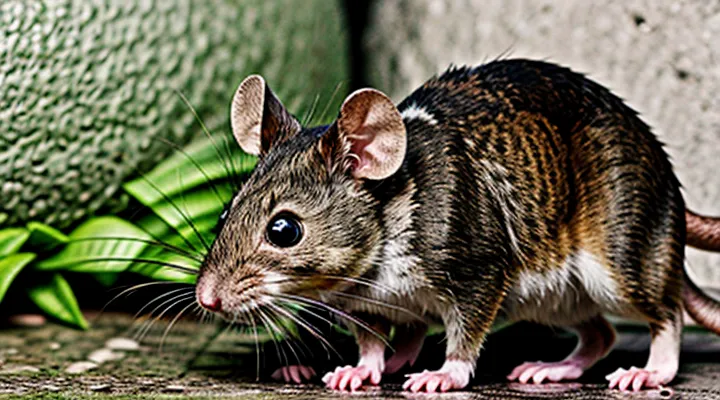
Understanding the Risk of Mouse Bites
Types of Mice and Associated Dangers
Common House Mouse («Mus musculus»)
The common house mouse (Mus musculus) is a small rodent found worldwide in residential, commercial, and agricultural buildings. Adults measure 6–10 cm in body length, possess a pointed snout, and exhibit rapid breeding cycles that enable populations to expand quickly when food and shelter are available.
Bites typically occur when a mouse feels threatened, is cornered, or attempts to defend a nest. The incisors deliver a puncture wound 1–2 mm in diameter, often accompanied by a brief, sharp pain and minimal bleeding. Because mice are nocturnal and hide in concealed areas, bites may be unexpected and go unnoticed until symptoms develop.
Pathogens that can be transmitted through mouse saliva or associated wound contamination include:
- Hantavirus (causing hemorrhagic fever with renal syndrome)
- Leptospira spp. (causing leptospirosis)
- Bartonella spp. (causing cat‑scratch disease‑like illness)
- Streptobacillus moniliformis (causing rat‑bite fever, occasionally reported from mouse bites)
- Various Staphylococcus and Streptococcus species (causing secondary bacterial infections)
Clinical manifestations range from localized redness, swelling, and purulent discharge to systemic signs such as fever, malaise, headache, and organ‑specific complications (e.g., renal failure in hantavirus infection). Delayed treatment increases the risk of severe disease and prolonged recovery.
Preventive actions focus on eliminating mouse access and reducing contact:
- Seal cracks and gaps larger than 1 mm in walls, floors, and foundations.
- Store food in airtight containers; clean spills promptly.
- Install and maintain traps or electronic deterrents in infested areas.
- Reduce clutter and remove nesting materials such as paper, fabric, and insulation.
- Conduct regular inspections of attics, basements, and crawl spaces.
If a bite occurs, immediate steps are essential: wash the wound thoroughly with soap and water, apply an antiseptic, and cover with a sterile dressing. Seek medical evaluation within 24 hours to assess infection risk, receive appropriate antibiotics, and obtain guidance on tetanus immunization or rabies prophylaxis if indicated. Prompt professional care minimizes complications and supports swift recovery.
Deer Mouse («Peromyscus maniculatus»)
Deer mice (Peromyscus maniculatus) are widespread across North America, occupying forests, grasslands, and human‑occupied structures. Their small size, nocturnal habits, and propensity to enter homes increase the likelihood of direct contact with people.
Bites occur when a mouse feels threatened, is cornered, or is handled without protective gloves. The animal’s sharp incisors can penetrate skin quickly, delivering a puncture that may be difficult to see beneath fur and debris.
The primary health concern linked to deer‑mouse bites is the transmission of hantavirus, the agent of hantavirus pulmonary syndrome (HPS). Other bacterial agents, such as Streptococcus and Staphylococcus species, can also enter the wound, leading to secondary infections.
Symptoms of hantavirus infection typically appear 1–3 weeks after exposure and include fever, muscle aches, shortness of breath, and rapid progression to respiratory failure. Bacterial wound infections may present with redness, swelling, pus formation, and fever within days.
Preventive actions:
- Seal entry points in buildings (cracks, vents, gaps).
- Store food in airtight containers; eliminate rodent attractants.
- Maintain clean, clutter‑free storage areas to reduce shelter.
- Use traps or professional pest control when infestations are detected.
- Wear thick gloves and protective clothing when handling rodents or cleaning contaminated sites.
If a bite occurs, wash the area promptly with soap and running water for at least 30 seconds. Apply a sterile dressing and seek medical evaluation without delay. Physicians may prescribe prophylactic antibiotics and order laboratory testing for hantavirus antibodies if exposure risk is high. Early diagnosis and supportive care are critical for reducing morbidity and mortality.
White-footed Mouse («Peromyscus leucopus»)
White‑footed mice (Peromyscus leucopus) are small, nocturnal rodents common throughout eastern North America. They inhabit forests, gardens, and human structures, often seeking shelter in basements, attics, and crawl spaces. Their opportunistic diet includes seeds, insects, and small vertebrates, which brings them into close contact with domestic environments.
Biting incidents are rare but can occur when a mouse feels threatened or is trapped. A bite typically punctures the skin with a shallow wound that may bleed briefly. The primary health concern stems from the mouse’s potential to transmit pathogens, most notably the bacterium Borrelia burgdorferi (Lyme disease) and the hantavirus species associated with rodent reservoirs. Transmission requires the bite to break the skin, allowing saliva or contaminated tissue to enter the bloodstream.
Symptoms that may develop after a bite include:
- Redness or swelling at the puncture site
- Fever, chills, or headache within 2‑14 days
- Muscle aches, joint pain, or fatigue
- In severe cases, respiratory distress or renal complications (hantavirus)
Prompt medical evaluation is advised if any of these signs appear.
Preventive measures reduce the likelihood of bites and disease exposure:
- Seal entry points around foundations, doors, and windows.
- Maintain a clean interior with no food residues or clutter that attracts rodents.
- Use traps or professional pest‑control services when infestations are detected.
- Wear thick gloves when handling trapped mice or cleaning areas where they have been active.
If a bite occurs, clean the wound with soap and water, apply an antiseptic, and seek professional healthcare promptly. Early diagnosis and treatment improve outcomes for bacterial infections and viral illnesses linked to white‑footed mouse encounters.
Why Mouse Bites are Dangerous
Bacterial Infections
Mouse bites can introduce a range of pathogenic bacteria into human tissue, leading to infections that may progress rapidly if untreated. The most frequently encountered organisms include:
- Streptobacillus moniliformis – causes rat‑bite fever; symptoms appear within 2‑14 days and may include fever, rash, and arthritis.
- Pasteurella multocida – produces cellulitis and abscesses; onset typically occurs within 24 hours.
- Bartonella henselae – associated with cat‑scratch disease but also reported after rodent bites; may cause lymphadenopathy and fever.
- Leptospira interrogans – transmitted through contaminated saliva; can lead to leptospirosis with renal and hepatic involvement.
Infection risk rises with deep puncture wounds, delayed wound cleaning, and immunocompromised status. Prompt debridement and irrigation reduce bacterial load. Empirical antibiotic therapy often starts with a broad‑spectrum agent such as amoxicillin‑clavulanate; adjustment follows culture results. For suspected rat‑bite fever, doxycycline or penicillin remains effective. Monitoring for systemic signs—fever, chills, joint pain—guides escalation to intravenous treatment.
Prevention relies on minimizing exposure to wild rodents, using protective gloves when handling animals, and maintaining proper sanitation in areas prone to infestation. Vaccination does not cover these bacterial agents; therefore, education on safe handling practices and immediate medical evaluation after a bite constitute the primary defense against severe outcomes.
Viral Transmissions
Mouse bites represent a direct pathway for several zoonotic viruses. Bite wounds introduce saliva, blood, and tissue fragments into the human body, creating conditions for viral entry and replication.
- Hantavirus: transmitted through rodent saliva; symptoms include fever, muscle aches, and respiratory distress; mortality can exceed 30 % in severe cases.
- Lassa virus: rare in mouse bites but documented in regions with high rodent exposure; leads to hemorrhagic fever, organ failure, and high fatality rates.
- Rat bite fever (caused by Streptobacillus spp. and Spirillum spp., often co‑transmitted with viral agents): produces rash, fever, and arthritis.
Transmission efficiency depends on bite depth, viral load in the rodent’s oral cavity, and host immune status. Incubation periods vary from a few days (hantavirus) to several weeks (Lassa). Early symptoms often mimic common infections, delaying diagnosis.
Immediate measures after a bite include thorough irrigation with antiseptic solution, medical evaluation, and laboratory testing for specific viral markers. Prophylactic antiviral therapy is limited; supportive care remains the primary intervention. Long‑term risk reduction focuses on rodent control, protective equipment for handling rodents, and public education about bite avoidance.
Parasitic Risks
Mouse bites can introduce a range of parasites that survive in the oral cavity or migrate through tissue after the wound closes. These organisms may cause gastrointestinal, dermatological, or systemic illness, often with delayed onset that complicates diagnosis.
Common parasitic agents associated with rodent bites include:
- Hymenolepis spp. (dwarf tapeworms) – larvae enter the bloodstream, later developing in the intestines; symptoms: abdominal pain, diarrhea, weight loss.
- Trichinella spiralis – muscle‑invasive nematode; early signs mimic flu, followed by muscle soreness and swelling.
- Toxoplasma gondii – protozoan that can disseminate to the brain and eyes; may produce fever, lymphadenopathy, or visual disturbances.
- Sarcoptes scabiei – mite that burrows into skin around the bite site, causing intense itching and secondary bacterial infection.
- Fleas and ticks – ectoparasites carried on the mouse’s fur; can transmit Bartonella, Rickettsia, and other agents, though not true parasites of the bite wound itself.
Treatment protocols depend on the identified organism. Anthelmintics such as albendazole or praziquantel address tapeworm and roundworm infections; antiprotozoal therapy (e.g., pyrimethamine‑sulfadiazine) targets Toxoplasma; topical scabicides eliminate mite infestations. Prompt medical evaluation, wound cleaning, and laboratory testing are essential for accurate therapy.
Prevention focuses on minimizing exposure: avoid handling wild rodents, wear protective gloves when necessary, and ensure pets are treated for ectoparasites. Immediate thorough irrigation of any bite with antiseptic solution reduces parasite load before professional care is sought.
Immediate Actions and Medical Treatment
First Aid for a Mouse Bite
Cleaning the Wound
A mouse bite can introduce bacteria and viruses directly into tissue; prompt wound care reduces the likelihood of serious infection.
First, wash hands thoroughly with soap and water. Then, irrigate the puncture with clean, running water for at least one minute, using a gentle stream to flush out debris. Apply a mild antiseptic—such as povidone‑iodine or chlorhexidine—around the edges of the wound. Press a sterile gauze pad to control bleeding, maintaining pressure for several minutes until bleeding stops. Finally, cover the area with a sterile, non‑adhesive dressing and secure it with medical tape.
- Seek professional medical evaluation within 24 hours, especially if the bite is deep, shows signs of redness, swelling, or pus, or if the victim has not received a tetanus booster within the past five years.
- Document the incident, noting the date, time, and circumstances, to assist healthcare providers in assessing risk for rodent‑borne diseases.
- Follow any prescribed antibiotic regimen precisely; do not discontinue treatment early, even if symptoms improve.
Consistent monitoring for fever, increasing pain, or spreading redness is essential; any deterioration warrants immediate medical attention.
Applying Antiseptic
A mouse bite introduces bacteria directly into skin tissue; immediate antiseptic treatment reduces infection risk.
Choose an antiseptic with proven efficacy against common rodent pathogens. Effective options include povidone‑iodine, chlorhexidine gluconate, and alcohol‑based solutions with at least 70% ethanol. Avoid products containing irritants that may exacerbate tissue damage.
Apply the antiseptic using the following procedure:
- Rinse the wound with clean running water for 30 seconds to remove debris.
- Pat the area dry with a sterile gauze pad; do not rub.
- Dispense a sufficient amount of antiseptic onto a sterile swab or gauze.
- Gently press the swab against the wound for 10–15 seconds, ensuring full coverage of the bite margins.
- Allow the antiseptic to air‑dry before applying a sterile dressing.
Repeat the cleaning and antiseptic application every 4–6 hours for the first 24 hours, then monitor for signs of infection such as redness, swelling, or pus. Seek medical attention if symptoms progress.
Bandaging
When a mouse bite penetrates the skin, immediate bandaging reduces bleeding, protects the wound from contaminants, and facilitates proper healing.
First‑aid steps:
- Apply direct pressure with sterile gauze until bleeding stops, typically 2–5 minutes.
- Clean the area using mild soap and running water; avoid harsh antiseptics that may damage tissue.
- Pat the site dry with a clean cloth.
- Place a non‑adhesive dressing over the wound, then secure a sterile gauze pad with a breathable adhesive bandage.
Key considerations:
- Choose a bandage size that fully covers the bite without excessive overlap, preventing friction.
- Change the dressing at least once daily or sooner if it becomes wet, soiled, or loosened.
- Inspect the wound for signs of infection—redness spreading beyond the margins, swelling, warmth, pus, or increased pain.
If any infection indicators appear, seek medical evaluation promptly; antibiotics may be required to counter bacterial pathogens commonly transmitted by rodents. Proper bandaging, combined with vigilant monitoring, minimizes complications and supports recovery after a mouse bite.
When to Seek Medical Attention
Signs of Infection
A mouse bite can transmit bacteria and viruses; infection may develop within hours to days. Recognizing early symptoms enables prompt medical intervention and reduces complications.
- Redness spreading outward from the wound
- Swelling that increases in size or becomes tender
- Warmth localized to the bite area
- Persistent or worsening pain
- Pus or other discharge, possibly with foul odor
- Fever, chills, or elevated body temperature
- Swollen lymph nodes near the bite site
- General malaise, fatigue, or unexplained weakness
Presence of any of these signs warrants immediate evaluation by a healthcare professional. Early antibiotic therapy often prevents severe tissue damage and systemic illness.
Symptoms of Disease
A mouse bite can introduce bacterial pathogens that produce recognizable clinical manifestations. Prompt identification of these signs enables early treatment and reduces the likelihood of severe complications.
Common symptoms following a mouse bite include:
- Redness and swelling around the puncture site
- Pain that intensifies over several hours
- Warmth and tenderness of the surrounding tissue
- Pus or other discharge from the wound
- Fever exceeding 38 °C (100.4 °F)
- Chills and shivering
- Muscle aches and joint pain
- Headache or dizziness
- Nausea, vomiting, or abdominal discomfort
- Unexplained fatigue or malaise
If any of these signs develop after exposure, immediate medical evaluation is required. Healthcare providers may prescribe antibiotics, administer tetanus prophylaxis, and monitor for systemic infection. Early intervention limits tissue damage and prevents progression to more serious conditions such as sepsis or tetanus.
High-Risk Individuals
Individuals with compromised immune systems face the greatest danger from mouse bites. Conditions such as HIV/AIDS, chemotherapy, organ transplantation, or long‑term corticosteroid therapy reduce the body’s ability to fight infections, making even minor wounds prone to severe bacterial or viral complications.
People with chronic skin disorders, including eczema or psoriasis, are more susceptible to secondary infections after a bite. Open lesions or broken skin provide direct pathways for pathogens carried in mouse saliva, increasing the likelihood of cellulitis, abscess formation, or systemic spread.
Children under five years old constitute a vulnerable group. Their smaller body mass amplifies the impact of blood loss, and their developing immune systems may not contain bacterial invasion effectively. Additionally, toddlers often engage in exploratory behavior that raises the chance of contact with rodents in domestic settings.
Elderly individuals experience heightened risk due to age‑related immune decline and the prevalence of comorbidities such as diabetes or peripheral vascular disease. Impaired wound healing and reduced sensation in extremities can delay detection and treatment of bite injuries.
Occupational exposure adds another layer of risk. Workers in research laboratories, pest control, grain storage facilities, or veterinary clinics encounter mice frequently. Lack of protective equipment or inadequate hygiene practices can lead to repeated bites and cumulative infection risk.
Summary of high‑risk categories:
- Immunocompromised patients (e.g., HIV/AIDS, chemotherapy recipients)
- Individuals with chronic dermatologic conditions
- Young children (≤5 years)
- Older adults with comorbidities
- Professionals with regular mouse contact
Prompt medical evaluation, appropriate wound care, and prophylactic antibiotics where indicated are essential measures for these groups to mitigate the severe outcomes associated with mouse bites.
Medical Treatment Options
Antibiotics
Mouse bites introduce a range of bacteria that can cause rapid tissue damage and systemic infection. Immediate medical evaluation is necessary to assess wound depth, contamination level, and tetanus status.
Antibiotic therapy targets the most likely organisms, including Pasteurella multocida, Streptococcus species, Staphylococcus aureus, and Bordetella bronchiseptica. Empiric treatment typically involves a β‑lactam agent with adequate gram‑negative coverage; alternatives are required for β‑lactam‑allergic patients.
- First‑line: Amoxicillin‑clavulanate, 875 mg/125 mg every 12 hours for 5–7 days.
- Penicillin‑allergy: Doxycycline 100 mg orally twice daily, or a fluoroquinolone such as ciprofloxacin 500 mg twice daily, provided local resistance patterns permit.
- Severe infection: Intravenous ceftriaxone 1–2 g daily, combined with metronidazole 500 mg every 8 hours if anaerobic involvement is suspected.
Selection should consider patient age, renal function, and drug interactions. When possible, obtain a wound culture before initiating therapy; adjust the regimen according to susceptibility results.
Duration of treatment depends on clinical response. Superficial wounds often resolve with a 5‑day course, whereas deeper or necrotic injuries may require 10‑14 days and possible surgical debridement.
Follow‑up within 48 hours evaluates wound healing, signs of systemic infection, and adverse drug reactions. Prompt modification of therapy prevents complications such as cellulitis, abscess formation, or septicemia.
Antivirals
Mouse bites pose a direct threat not only through bacterial infection but also through viruses that rodents can transmit. Certain rodent‑borne viruses, such as lymphocytic choriomeningitis virus (LCMV) and hantavirus, may enter the bloodstream when a mouse’s teeth breach skin, leading to systemic illness. Prompt identification of viral exposure is essential for effective medical response.
Antiviral therapy for rodent‑derived infections relies on agents with proven activity against the specific pathogen. Ribavirin, a nucleoside analogue, demonstrates in‑vitro inhibition of hantavirus replication and is employed in severe cases under strict monitoring. Favipiravir, a broad‑spectrum polymerase inhibitor, shows efficacy against LCMV in experimental models and is considered when ribavirin is contraindicated. For emerging or less‑characterized rodent viruses, clinicians may resort to off‑label use of nucleoside analogues such as acyclovir or ganciclovir, guided by susceptibility data.
Key clinical considerations include:
- Initiation of antiviral treatment within 48 hours of bite exposure to maximize viral suppression.
- Adjusted dosing for patients with renal or hepatic impairment to avoid toxicity.
- Monitoring for hematologic side effects, particularly hemolytic anemia associated with ribavirin.
- Awareness of documented resistance mutations in hantavirus strains, prompting alternative regimens when treatment failure occurs.
Preventive measures focus on minimizing bite incidents through rodent control and safe handling practices. When exposure does occur, immediate wound cleansing, tetanus prophylaxis, and laboratory testing for viral markers guide the decision to start antiviral therapy. Early, targeted treatment reduces the likelihood of severe complications such as encephalitis or hemorrhagic fever.
Tetanus Prophylaxis
A mouse bite can introduce Clostridium tetani spores into the skin, creating a legitimate tetanus risk. Immediate cleaning of the wound with soap and running water reduces bacterial load and should be performed within minutes of the incident. After thorough irrigation, assess the patient’s tetanus immunization history: a full primary series plus a booster within the past ten years is considered protective.
If the individual has completed the primary series but has not received a booster in the last ten years, administer a tetanus toxoid-containing vaccine (Td or Tdap) as soon as possible. For patients whose immunization status is unknown or who have received fewer than three doses of tetanus vaccine, give both the tetanus toxoid vaccine and tetanus immune globulin (TIG) to provide passive and active protection.
When TIG is indicated, the recommended dose is 250 IU intramuscularly, preferably at a site distant from the vaccine injection. Record the administration site and monitor for local reactions. Provide analgesics for pain control and advise the patient to keep the wound covered with a sterile dressing, changing it daily.
Schedule a follow‑up visit within 48 hours to evaluate wound healing and confirm that no signs of tetanus, such as muscle rigidity or spasms, have emerged. If the patient shows any symptoms suggestive of tetanus, initiate antimicrobial therapy with metronidazole and consider intensive care support.
Key points for tetanus prophylaxis after a mouse bite:
- Clean wound promptly with soap and water.
- Verify vaccination record; give booster if >10 years since last dose.
- Use TIG when immunization is incomplete or unknown.
- Administer TIG (250 IU) separate from vaccine injection.
- Monitor wound and systemic signs; arrange early follow‑up.
Preventing Mouse Bites and Infestations
Reducing Mouse Exposure
Securing Food and Water Sources
Mice are attracted to unsecured food and water, increasing the likelihood of bites and disease transmission. Preventing access to these resources removes the primary incentive for rodents to enter human habitats.
Store all consumables in airtight containers made of metal or heavy‑wall plastic. Label containers with expiration dates and rotate stock to eliminate stale items that may draw pests.
Maintain a clean environment by promptly cleaning spills, crumbs, and pet food residues. Use a damp mop rather than sweeping, which can disperse particles and hide them in crevices.
Implement a routine inspection schedule:
- Check seals on pantry doors, cabinets, and refrigerator drawers weekly.
- Verify that outdoor trash cans have tight‑fitting lids and are positioned away from building entrances.
- Inspect pet feeding stations daily, removing uneaten food after each meal.
- Test water dispensers for leaks and refilling mechanisms, ensuring no standing water remains.
Eliminate standing water sources by repairing leaks, draining condensation trays, and storing water containers with sealed tops. Regularly sanitize water bowls and replace water in outdoor feeders at least twice daily.
By systematically securing food and water, the attraction for mice diminishes, directly reducing the risk of bites and associated health hazards.
Sealing Entry Points
Mice enter homes through gaps as small as a quarter‑inch. Unsealed openings allow rodents to explore kitchens, pantries, and sleeping areas where they may bite exposed skin or contaminate food. Preventing these incursions begins with systematic sealing of all potential entry points.
Identify and repair every opening in the building envelope. Typical sites include:
- Gaps around utility pipes, cables, and vent ducts
- Cracks in foundation walls and basement floors
- Spaces beneath doors and windows, especially where weather‑stripping is missing or damaged
- Openings in attic insulation, roof eaves, and chimney flues
- Holes in siding, soffits, and fascia boards
Use materials that resist gnawing. Steel wool, copper mesh, or heavy‑duty silicone sealant should be applied before covering with cement, caulk, or metal flashing. For larger gaps, install hardware cloth with a ¼‑inch mesh and secure it with screws. After sealing, inspect the exterior quarterly to confirm that repairs remain intact and that no new gaps have formed.
By eliminating access routes, the likelihood of mouse bites drops dramatically, reducing both direct injury and the secondary health risks associated with rodent‑borne pathogens.
Maintaining Cleanliness
Maintaining a clean environment reduces the likelihood of mouse encounters that can lead to bites and disease transmission. Rodents are attracted to food residues, standing water, and clutter; eliminating these attractants removes the primary incentive for mice to enter living spaces.
Regular sanitation procedures include:
- Storing all food in sealed containers made of glass, metal, or heavy‑duty plastic.
- Disposing of garbage daily in bins with tight‑fitting lids.
- Cleaning countertops, floors, and appliances after each use to remove crumbs and spills.
- Sweeping and vacuuming behind appliances, under furniture, and in storage areas where debris accumulates.
- Repairing leaks promptly to eliminate water sources.
Structural upkeep further supports cleanliness. Seal cracks and gaps around doors, windows, and utility entries with steel wool or caulk. Install door sweeps to block entry points. Keep basements, attics, and crawl spaces well‑ventilated and free of insulation materials that can serve as nesting sites.
Implementing a routine inspection schedule enhances early detection. Check for droppings, gnaw marks, and nesting material weekly. When evidence appears, intensify cleaning efforts in the affected area and consider professional pest control to prevent escalation.
By rigorously removing food, water, and shelter, the risk of a mouse bite diminishes, protecting health and preserving the integrity of the household environment.
Safe Interaction with Wild Animals
Avoiding Direct Contact
Mouse bites pose a genuine health threat, transmitting bacteria and parasites that can cause infection, allergic reactions, or disease. Reducing exposure is the most reliable method to prevent these outcomes.
Effective avoidance of direct contact relies on consistent practices:
- Seal entry points such as gaps around doors, windows, and utility lines to block access.
- Store food in airtight containers; remove crumbs and spills promptly.
- Keep workspaces and living areas clean, disposing of waste in sealed bins.
- Use gloves when handling materials that may harbor rodents, including insulation, debris, or stored supplies.
- Install and maintain traps or electronic deterrents in areas with known activity, checking them regularly.
By implementing these measures, individuals minimize the chance of a bite and the associated medical complications.
Educating Children and Pets
Teaching children and pets about the risks associated with mouse bites reduces the likelihood of injury and disease transmission. Young learners need clear instructions on how to recognize mice, avoid contact, and report sightings. Simple rules such as “do not touch wild animals,” “inform an adult if a mouse is seen,” and “keep food sealed” create predictable behavior patterns. Reinforce these guidelines through regular reminders and visual cues placed near food storage areas.
Pet owners must understand that dogs and cats may instinctively chase rodents, exposing themselves to bites that can introduce pathogens. Training sessions should include commands like “leave it” and “stay,” taught consistently in calm environments. Provide pets with safe toys and enrichment activities to satisfy predatory urges without encouraging pursuit of real mice. Regular veterinary checks help detect bite‑related infections early.
Key points for both children and pet caregivers:
- Identify mouse‑infested zones and keep them clean.
- Store food in airtight containers.
- Seal entry points such as gaps around doors, windows, and utilities.
- Teach immediate hand‑washing after any potential exposure.
- Report unusual behavior in pets to a veterinarian promptly.
By embedding these practices into daily routines, families create a protective barrier against the hazards posed by rodent bites.
Professional Pest Control
Mouse bites pose a direct health threat. Rodent saliva and oral bacteria can cause cellulitis, tetanus, and transmission of hantavirus or leptospirosis. Immediate infection risk increases with deep puncture wounds or delayed wound care.
Professional pest control mitigates these hazards through systematic elimination and prevention. Certified technicians assess infestation levels, identify entry points, and implement targeted eradication. Their expertise reduces reliance on DIY traps, which often fail to address hidden nests and may increase human‑mouse contact.
Key components of a professional service include:
- Inspection of structural vulnerabilities (e.g., gaps around pipes, foundation cracks).
- Application of rodent‑specific baits and traps positioned to avoid accidental exposure.
- Installation of exclusion barriers (metal flashing, sealed vents) to block future ingress.
- Ongoing monitoring and maintenance visits to confirm eradication and adjust strategies.
Choosing a provider requires verification of licensing, adherence to Integrated Pest Management (IPM) principles, and documented success rates. Clients benefit from reduced exposure to pathogens, lower property damage, and compliance with health‑safety regulations.