
Choosing the Perfect Name for Your Rat
Factors to Consider When Naming Your Rat
Rat's Personality
Rats display a distinct set of behavioral traits that make them engaging companions and guide the selection of fitting monikers. Their innate curiosity, strong social bonds, and high problem‑solving ability create a personality profile that differs markedly from other small pets.
- Curious: Frequently investigates new objects, explores tunnels, and manipulates toys.
- Social: Forms tight hierarchies, enjoys grooming partners, and seeks human interaction.
- Intelligent: Learns tricks, solves puzzles, and adapts quickly to routine changes.
- Playful: Engages in rapid scurrying, chasing, and gentle wrestling.
- Adventurous: Shows confidence in unfamiliar environments and tackles obstacles.
- Mischievous: Chews on cords, hides items, and tests boundaries.
- Affectionate: Nests close to owners, accepts handling, and seeks physical contact.
Name suggestions that reflect each trait:
- Curiosity: Scout, Pixel, Quill
- Sociality: Buddy, Mingle, Pip
- Intelligence: Einstein, Nova, Cipher
- Playfulness: Zippy, Jinx, Bubbles
- Adventurous spirit: Rogue, Trail, Echo
- Mischief: Bandit, Rascal, Whisk
- Affection: Cuddle, Snug, Honey
Choosing a name aligned with a rat’s characteristic behavior reinforces the bond and highlights the animal’s unique personality.
Rat's Appearance
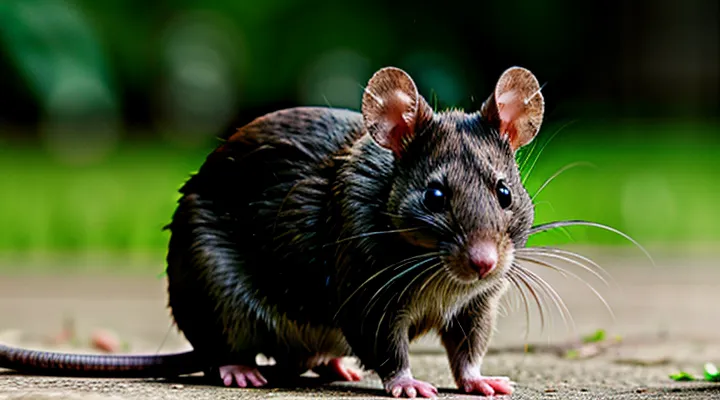
Rats are small mammals typically measuring 6–9 inches in body length, with tails that add another 6–8 inches. Their weight ranges from 150 g to 300 g, depending on breed and diet. The fur coat varies widely: common colors include black, brown, white, and agouti, while patterns such as “Siamese” (dark points on ears, tail, and nose) and “Himalayan” (pale body with darker extremities) are also frequent. Some individuals display a “dumbo” phenotype, characterized by enlarged, low‑set ears that give a distinctive silhouette.
Key visual traits useful for naming include:
- Coat hue – dark, light, mixed, or spotted; names may reference shade (e.g., “Shadow,” “Snowflake”).
- Pattern – striped, patchy, or solid; names can echo pattern (e.g., “Tiger,” “Marble”).
- Tail length and shape – long, short, or curled; names such as “Whip” or “Loop” reflect this.
- Ear size – standard or oversized; “Dumbo” or “Flap” suit the latter.
- Facial markings – prominent whiskers, eye color, or nose spots; “Whisker,” “Sapphire,” or “Dot” are appropriate.
Understanding these physical attributes helps owners choose names that reflect a rat’s unique look, reinforcing the bond between pet and caretaker.
Your Personal Interests
Choosing a name for a pet rat can reflect the owner’s hobbies, passions, and cultural references. Aligning the name with personal interests creates a memorable bond and makes the pet’s identity feel purposeful.
If you enjoy cinema, consider titles or characters that convey personality traits:
- Gizmo – nod to classic sci‑fi gadgets
- Marlon – homage to a legendary actor
- Pixel – reference to digital animation
Music lovers may prefer rhythm‑inspired monikers:
- Jazz – smooth, improvisational vibe
- Bassist – playful nod to low‑frequency sound
- Tempo – conveys energy and movement
Readers and gamers can draw from literature and virtual worlds:
- Gandalf – wise, mystical figure
- Zelda – iconic heroine of adventure games
- Quill – evokes the act of writing
Science enthusiasts often favor terms that hint at discovery:
- Neuron – suggests curiosity and intelligence
- Quark – tiny yet fundamental particle
- Helix – symbol of genetic intrigue
Travel aficionados might select names linked to geography or exploration:
- Atlas – world‑carrying symbolism
- Sahara – evokes vast desert landscapes
- Nova – bright, fleeting phenomenon
By matching a rat’s name to a personal interest, the owner reinforces their own identity while providing the pet with a distinctive, meaningful label. This approach streamlines the naming process and enhances the overall pet‑owner relationship.
Creative Naming Categories
Food-Inspired Names
Sweet Treats
When selecting a name for a pet rat, many owners draw inspiration from food items that evoke a sense of sweetness. This approach creates memorable, playful identifiers while reflecting the animal’s gentle disposition. Sweet-themed names also resonate with the small, delicate nature of rats, making the moniker both fitting and endearing.
Using confectionery references provides a broad palette of possibilities. Classic desserts, candy varieties, and bakery goods translate well into short, pronounceable names that suit a rat’s size and vocal range. The association with treats can reinforce positive reinforcement during training, as the name itself suggests a reward.
Typical sweet-inspired options include:
- Chocolate
- Cupcake
- Fudge
- Macaron
- Muffin
- Honey
- Caramel
- Marshmallow
- Brownie
- Candy
- Lollipop
- Jellybean
Each term stands alone as a clear, distinctive label. Owners can match a name to the rat’s coat color, temperament, or favorite snack, ensuring the choice feels personal and appropriate. By leveraging familiar sweet treats, the naming process becomes straightforward and enjoyable, yielding names that are both catchy and affectionate.
Fruits and Vegetables
Choosing a name that reflects a rat’s lively personality can be as simple as borrowing from the world of produce. Fruit‑based names convey sweetness, vibrancy, and a touch of playfulness, while vegetable‑inspired options suggest earthiness and resilience.
- Apple – crisp, familiar, easy to call.
- Berry – versatile, works for both male and female.
- Cherry – bright and memorable.
- Mango – exotic, warm‑toned.
- Peach – soft‑sounding, gentle.
- Plum – short, sharp, distinctive.
Vegetable names add a rustic charm and often hint at a rat’s sturdy nature.
- Carrot – bright, energetic.
- Kale – strong, modern.
- Pepper – spicy, lively.
- Radish – crisp, quick‑sounding.
- Turnip – solid, grounded.
- Zucchini – playful, elongated.
When selecting a produce‑inspired moniker, consider pronunciation ease, the animal’s coloration, and the owner’s personal affinity for the fruit or vegetable. A well‑chosen name reinforces the bond between pet and keeper while highlighting the rat’s unique character.
Savory Snacks
Savory snack terminology offers a rich source of memorable names for pet rodents, combining familiar flavors with distinctive sound patterns that suit small, curious companions. Selecting a name from this culinary niche reinforces the pet’s personality while providing an easy reference for owners and visitors.
- Cheddar Crunch
- Pepperoni Puff
- Bacon Bite
- Sausage Snap
- Nacho Nibble
- Barbecue Bites
- Chili Chip
- Gouda Gobble
When choosing a snack-inspired name, consider the following criteria:
- Pronounceability – ensure the name can be spoken clearly during handling.
- Size relevance – match the snack’s perceived texture or bite size with the rat’s stature.
- Dietary neutrality – avoid names that could imply feeding the animal inappropriate foods.
- Uniqueness – prefer less common snack titles to reduce confusion in multi‑pet households.
Applying these guidelines produces names that are both flavorful and functional, enhancing the bond between owner and pet while reflecting a playful culinary theme.
Pop Culture Names
Movie and TV Characters
Choosing a name from a film or television personality gives a rat a memorable identity while reflecting the owner’s pop‑culture interests. The following selections combine recognizability with traits that suit a small, agile pet.
- Gizmo – the mischievous mogwai from Gremlins; its curious nature matches a rat’s exploratory behavior.
- Rizzo – the street‑wise rat in The Muppet Show; an obvious homage that highlights the animal’s own species.
- Stitch – the chaotic alien in Lilo & Stitch; perfect for a rat that constantly gets into trouble.
- Jaq – one of the mice in Cinderella; a subtle nod to the rodent world while remaining elegant.
- Chewie – short for Chewbacca from Star Wars; suitable for a rat with a surprisingly loud squeak.
- Dobby – the loyal house‑elf from Harry Potter; ideal for a rat that forms a strong bond with its caretaker.
- Marty – the adventurous zebra from Back to the Future; fits a rat that loves to explore new tunnels.
- Eleven – the telekinetic heroine from Stranger Things; works for a rat that seems to anticipate movements.
- Walter – the cunning mouse from The Secret of NIMH; reflects intelligence and resourcefulness.
- Tyrion – the sharp‑tongued dwarf from Game of Thrones; appropriate for a rat with a bold personality.
These options demonstrate how cinematic and televised characters can inspire distinctive, fitting names for pet rats.
Book Characters
Literary works provide a rich source of distinctive names for pet rodents, allowing owners to reflect a character’s traits in their animal’s identity. Selecting a name from a well‑known book can convey intelligence, bravery, or mischief, qualities often seen in rats.
- Frodo – evokes perseverance and modest bravery from Tolkien’s saga.
- Gatsby – suggests charm and ambition, recalling Fitzgerald’s enigmatic protagonist.
- Scout – captures curiosity and moral clarity found in Harper Lee’s narrator.
- Hermione – conveys cleverness and resourcefulness, echoing Rowling’s scholarly witch.
- Atticus – represents integrity and calm authority, drawn from Lee’s moral compass.
- Bilbo – reflects adventurous spirit and wit, inspired by Tolkien’s reluctant hero.
- Hester – suggests resilience and defiance, derived from Hawthorne’s complex heroine.
- Moby – conveys relentless determination, referencing Melville’s legendary whale.
When choosing a literary name, consider the animal’s demeanor, the length of the name for ease of vocalization, and the cultural recognition of the reference. A concise, memorable name enhances training consistency and strengthens the bond between owner and pet.
Video Game Characters
When selecting a name for a pet rat, drawing from iconic video game personalities provides memorable, distinctive options. Familiarity with gaming lore ensures the name carries recognizability without requiring elaborate explanation.
Consider characters whose traits align with the typical behavior of rats—curiosity, agility, and resilience. Names such as Samus (from Metroid), Kirby, Cortana, Ganon, Zelda, Sonic, Aloy, Marth, Rex (from Star Fox), and Lara (from Tomb Raider) reflect a range of genders and play styles, making them suitable for various pet personalities.
Benefits of video‑game‑inspired names include:
- Immediate association for fellow gamers.
- Easy pronunciation and short length, ideal for frequent calling.
- Potential for themed accessories or habitats that echo the source game.
When finalizing the choice, verify that the name does not duplicate commands or in‑game alerts, which could cause confusion during training. A well‑chosen moniker rooted in gaming culture enhances the bond between owner and rat while showcasing the owner’s interests.
Mythological and Legendary Names
Gods and Goddesses
Mythological deities offer memorable, distinctive names for pet rodents, combining cultural depth with playful flair.
Rats exhibit agility, curiosity, and cleverness; these traits correspond to several gods and goddesses known for speed, wisdom, or trickery.
- Hermes – messenger of the gods, swift and cunning.
- Anansi – West African spider deity, master of stories and wit.
- Loki – Norse figure of mischief, adaptable and inventive.
- Maat – Egyptian goddess of balance, reflecting a rat’s precise movements.
- Kitsune – Japanese fox spirit, renowned for shape‑shifting and intelligence.
- Cernunnos – Celtic horned god, evoking a rat’s keen senses.
- Mimir – Norse keeper of wisdom, suitable for a perceptive pet.
- Eos – dawn goddess, ideal for a lively, early‑rising rat.
- Hecate – goddess of crossroads, fitting for an exploratory rodent.
- Puck – mischievous fairy from English folklore, mirroring a rat’s playful nature.
Choosing a deity name adds narrative richness while highlighting the animal’s personality.
Creatures and Heroes
Rats often receive names drawn from the worlds of mythic beasts and celebrated champions, reflecting their adventurous spirit and clever nature. Selecting a moniker from these realms adds character depth and strengthens the bond between owner and pet.
- Mythic beasts: Chimera, Hydra, Fenrir, Pegasus, Kraken, Cerberus
- Legendary warriors: Achilles, Beowulf, Gilgamesh, Leonidas, Ragnar, Boudica
- Comic‑book champions: Flash, Daredevil, Storm, Wolverine, Katana, Rogue
- Folklore heroes: Robin Hood, Maid Marian, King Arthur, Lancelot, Merlin, Guinevere
Choosing a name from these categories conveys a narrative quality, positioning the rat as a miniature embodiment of bravery, mystery, or supernatural power. The resulting identity supports training, enriches social interaction, and provides a memorable reference for all who encounter the pet.
Humorous and Witty Names
Puns and Wordplay
Puns and clever wordplay make memorable names for pet rodents, turning a simple label into a playful reference that reflects the animal’s personality and the owner’s sense of humor. The compact size, quick movements, and occasional mischievous behavior of a rat lend themselves to linguistic twists that highlight these traits without resorting to generic descriptors.
Choosing a pun‑based name involves pairing a familiar term with a rat‑related cue, creating a double meaning that is instantly recognizable. This technique strengthens the bond between owner and pet, as the name becomes a conversation starter and a reminder of the animal’s unique quirks.
- Cheddar Cheese‑Whiz (cheese reference + “whiz” for speed)
- Squeak‑y Baka (play on “squeaky” and Japanese “baka” for “silly”)
- Rat‑tician (political “politician” + rat)
- Nibbles McGee (classic “McGee” pattern + nibbling habit)
- Tail‑Spin (reference to a sudden turn and a rat’s tail)
- Whisker‑Wit (combination of whiskers and wit)
- Rodent‑Riddle (riddle implying mystery)
- Scam‑per (play on “scamper” and “amp” for energy)
- Cheese‑Cue (pun on “cheese cue” and “cheque”)
- Gnaw‑torious (blend of “gnaw” and “notorious”)
Each entry demonstrates how a single word or phrase can be reshaped to evoke humor, relevance, and a hint of the pet’s character, providing a ready‑made toolkit for owners seeking a name that stands out.
Irony and Sarcasm
Irony and sarcasm sharpen the impact of a rat’s name, turning a simple label into a witty commentary. When a tiny, whiskered companion carries a name that mocks expectations, the owner gains a conversational hook and the pet acquires a memorable identity.
- Sir Squeaks-a-Lot – contrasts the noble “Sir” with the typical rodent sound, highlighting the absurdity of regal titles for a squeaking animal.
- Whiskerless Wonder – implies a lack of whiskers while the rat’s most prominent feature is precisely that trait, creating a sarcastic inversion.
- Cheese Connoisseur – suggests refined palate, yet rats are stereotypically driven by cheap cheese, exposing the gap between pretension and reality.
- Tiny Titan – juxtaposes “Titan,” a symbol of massive power, with the rat’s diminutive size, delivering a tongue‑in‑cheek exaggeration.
- Mighty Mouse (Rat Edition) – borrows a famous cartoon hero, then subverts it by applying the name to a different species, generating ironic humor.
Employing such names leverages sarcasm to reinforce the owner’s sense of humor while reinforcing the rat’s distinct personality. The approach invites laughter, fosters bond, and distinguishes the pet within any collection of rodent appellations.
Unique and Exotic Names
International Names
Choosing a name from another language can give a pet rat a distinctive identity while reflecting the owner's appreciation for global cultures. International names often carry meanings related to size, speed, curiosity, or affection—traits commonly associated with rats.
- Japanese: Momo (peach), Kaito (sea‑fighter), Yuki (snow)
- Italian: Lupo (wolf), Bella (beautiful), Nero (black)
- Arabic: Sami (elevated), Layla (night), Zayd (growth)
- Swedish: Viktor (winner), Elsa (pledged to God), Nils (victory of the people)
- Hindi: Mitra (friend), Tara (star), Rohan (ascending)
- Portuguese: Luz (light), Bruno (brown), Gaia (earth)
Each name is short enough for easy recall and pronunciation, making daily interaction with the rat straightforward. Selecting a name from a specific language can also provide an opportunity to learn about its cultural background, enriching the pet‑owner relationship.
Nature-Inspired Names
Nature‑inspired names suit rats because they echo the animal’s quick movements, earthy colors, and instinctive curiosity. Selecting a name drawn from plants, animals, weather, or celestial phenomena creates a clear connection between the pet’s traits and the natural world.
Common categories and representative examples include:
- Flora: Fern, Basil, Willow, Sage, Clover
- Fauna: Finch, Otter, Badger, Lynx, Sparrow
- Weather: Zephyr, Storm, Mist, Aurora, Thunder
- Celestial: Orion, Luna, Nova, Eclipse, Vega
When choosing a name, consider the rat’s coat hue, activity level, and temperament. A dark‑coated rat may suit “Midnight” or “Raven,” while a lively individual fits “Sprout” or “Bolt.” Consistency between the name and observable characteristics enhances recall and strengthens the bond between owner and pet.
Naming Tips and Best Practices
Short and Sweet Names
Choosing a name that is brief yet memorable helps a rat respond quickly to calls and strengthens the bond between owner and pet. Short names typically consist of one or two syllables, making them easy to pronounce and recognize. They also suit the lively personality of most domesticated rodents, allowing the animal to associate the sound with positive interactions.
Consider the following options, each limited to two syllables or fewer:
- Pip
- Nix
- Zed
- Lux
- Mox
- Jax
- Taz
- Vee
- Koi
- Bix
These selections combine clarity with a playful edge, fitting the broader aim of providing distinctive, appealing monikers for pet rats.
Easy to Pronounce Names
Choosing a name that rolls off the tongue reduces daily friction when calling a pet rat. Short syllable counts, clear vowel–consonant patterns, and familiar phonemes make pronunciation effortless for owners and visitors alike.
Consider names that meet these criteria:
- Milo
- Nix
- Pip
- Luna
- Zed
- Coco
- Finn
- Bix
- Oreo
- Jax
Each option contains one or two simple syllables, avoids complex clusters, and remains distinct enough for a rat to recognize. Selecting from this set ensures swift, confident communication during feeding, handling, and training sessions.
Testing the Name
Choosing a name for a pet rat involves more than initial inspiration; it requires practical verification to ensure suitability. Begin by pronouncing the chosen word aloud. A name that sounds harsh or resembles a command may cause confusion during training sessions. Verify that the name does not contain syllables that could be mistaken for “no,” “stop,” or similar cues.
Next, assess the rat’s response. Introduce the name in a calm environment and observe any signs of recognition—head turns, ear pivots, or increased alertness. Conduct several short trials spaced throughout the day, noting consistency in the animal’s reaction.
Consider the length and complexity of the name. Short, two‑syllable options typically facilitate quicker learning and reduce the risk of mispronunciation. Record the name’s spelling to avoid accidental variations in written communication with veterinarians or pet‑care services.
Finally, evaluate the name’s uniqueness within your household. Avoid duplicates of existing pet names to prevent mixed signals. A brief checklist can streamline the process:
- Clear, non‑command sound
- Positive behavioral response
- Two‑syllable or shorter structure
- Consistent spelling
- Distinct from other pet names
Completing these steps confirms that the selected name is functional, recognizable, and appropriate for everyday interaction with your rat companion.