
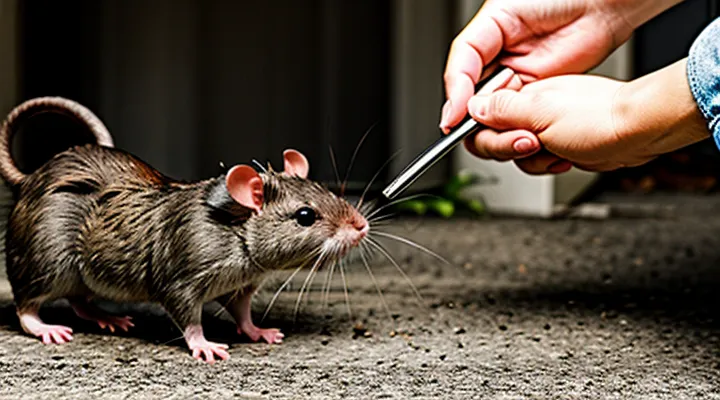
The Nature of Rat Infestations in Contractual Settings
Factors Contributing to Infestations
Rats thrive when environmental conditions favor reproduction, shelter, and food availability. Poor waste management creates abundant refuse that sustains large populations, while cluttered structures offer nesting sites protected from disturbance. Inadequate building maintenance—cracked walls, unsealed entry points, and deteriorated roofing—facilitates ingress and establishes permanent habitats.
Key contributors to infestations include:
- Accumulated organic waste left exposed or stored improperly.
- Water sources that remain stagnant or leak, providing hydration.
- Structural defects that allow rodents to enter and hide.
- Dense vegetation or debris surrounding premises, creating external cover.
- Insufficient sanitation protocols, such as irregular cleaning schedules.
Seasonal patterns also affect activity levels; warmer months accelerate breeding cycles, increasing population pressure. Urban density intensifies competition for resources, prompting rats to exploit adjacent properties and spread infestations rapidly. Addressing these factors requires systematic assessment of waste handling, building integrity, and environmental hygiene to prevent and control rat presence effectively.
Risks Associated with Untreated Infestations
Untreated rat infestations pose immediate and long‑term threats that compromise public health, property integrity, and operational stability. Rodents serve as vectors for pathogens, directly contaminating food supplies and surfaces, which can trigger outbreaks of leptospirosis, salmonellosis, and hantavirus. Their gnawing behavior weakens structural elements, including wiring, insulation, and support beams, leading to fire hazards and costly repairs.
Key risks include:
- Transmission of zoonotic diseases to humans and livestock.
- Damage to building infrastructure and electrical systems.
- Contamination of stored goods, resulting in product loss and recall obligations.
- Escalation of infestation levels, increasing control difficulty and expense.
- Violation of health‑code regulations, exposing businesses to fines and legal action.
- Diminished employee morale and consumer confidence due to perceived unsanitary conditions.
Prompt intervention, guided by evidence‑based eradication protocols, prevents these outcomes and safeguards economic and reputational assets.
Integrated Pest Management (IPM) for Contractual Rat Control
Principles of IPM in Rat Eradication
Integrated Pest Management (IPM) provides a systematic framework for reducing rat populations while minimizing environmental impact and non‑target damage. The approach relies on scientific assessment, strategic planning, and continuous evaluation.
- Accurate monitoring: Deploy bait stations, tracking tunnels, and visual inspections to quantify infestation levels and locate activity hotspots. Data collection occurs at regular intervals to detect trends.
- Action thresholds: Define numeric limits—such as the number of captures per station per week—below which intervention is unnecessary. Thresholds guide decision‑making and prevent excessive pesticide application.
- Cultural and mechanical controls: Eliminate food sources, seal entry points, and install physical barriers. Regular waste management and structural repairs reduce habitat suitability.
- Biological considerations: Assess predator presence and potential for natural regulation. Encourage habitats for owls, feral cats, or other rat predators where appropriate.
- Chemical control as last resort: Apply rodenticides only after other tactics have been exhausted and when monitoring indicates that thresholds have been exceeded. Use licensed products, adhere to label rates, and implement bait containment to protect non‑target species.
- Evaluation and adaptation: Review post‑treatment data to verify effectiveness, adjust thresholds, and refine tactics. Documentation supports compliance with contractual obligations and regulatory standards.
By integrating these principles, contracted rat control programs achieve consistent reductions in rodent activity, maintain compliance with safety regulations, and sustain long‑term efficacy. Continuous feedback loops ensure that each component of the IPM strategy remains aligned with the specific conditions of the serviced site.
Developing a Comprehensive IPM Plan
A comprehensive Integrated Pest Management (IPM) plan provides the framework for systematic rat control in contractual service agreements. The plan must align with client expectations, regulatory requirements, and the operational realities of the serviced facilities.
The plan consists of several interrelated elements:
- Baseline assessment – Conduct initial surveys to identify infestation levels, entry points, and environmental conditions that favor rodent activity. Record data in a standardized format for future comparison.
- Action thresholds – Define numeric limits for acceptable rodent activity based on health risk, product damage, and contractual penalties. Thresholds trigger escalation to more intensive measures.
- Cultural controls – Modify sanitation practices, waste management, and building maintenance to eliminate food sources and shelter. Enforce strict housekeeping schedules and seal structural gaps.
- Mechanical controls – Install traps and exclusion devices in strategic locations identified during the baseline assessment. Select trap types (snap, electronic, live‑catch) according to site-specific constraints and humane considerations.
- Biological controls – Where permissible, introduce natural predators or repellents that reduce rodent populations without compromising safety or compliance.
- Chemical controls – Apply rodenticides only when monitoring indicates that non‑chemical methods are insufficient. Use bait stations with tamper‑resistant designs, rotate active ingredients to prevent resistance, and document all applications.
- Monitoring and evaluation – Perform regular inspections, update activity logs, and compare results against action thresholds. Adjust tactics based on trend analysis and client feedback.
Documentation is essential. Each step, from initial survey to post‑treatment verification, must be recorded in a centralized database accessible to all stakeholders. Reports should include date, location, method employed, and outcome metrics.
Training ensures consistent execution. Personnel receive instruction on identification of signs, proper placement of devices, safe handling of chemicals, and data entry procedures. Ongoing competency assessments maintain high performance standards.
By integrating these components, the IPM plan delivers measurable reductions in rodent activity, fulfills contractual obligations, and supports long‑term prevention. Continuous refinement based on empirical data sustains effectiveness across varied environments.
Non-Chemical Control Methods
Exclusion and Sanitation Strategies
Exclusion and sanitation form the foundation of any comprehensive rat management program. By eliminating access routes and reducing attractants, these tactics diminish population growth and limit contact with human environments.
Key exclusion actions include:
- Sealing cracks, gaps, and utility penetrations with steel wool, cement, or metal flashing.
- Installing door sweeps and weather stripping on all exterior doors.
- Reinforcing building foundations with concrete or metal barriers.
- Installing rodent‑proof vent covers and chimney caps.
- Conducting regular inspections to identify and repair new openings.
Sanitation measures focus on removing resources that sustain rodents:
- Storing all food in sealed, rodent‑impermeable containers.
- Disposing of waste in tightly lidded bins and removing bins from building perimeters.
- Maintaining clean work and storage areas by sweeping debris and promptly cleaning spills.
- Managing compost and organic waste with covered containers and frequent turnover.
- Controlling water sources by fixing leaks and eliminating standing water.
Effective implementation requires coordinated scheduling of exclusion repairs and sanitation audits, followed by systematic documentation of completed actions. Continuous monitoring detects breaches early, allowing rapid remediation and sustaining long‑term control outcomes.
Trapping Techniques
Effective trapping remains a cornerstone of any comprehensive rat control strategy. Selecting the appropriate trap type, placement, and bait directly influences capture rates and reduces population pressure.
- Snap traps: metal cages with a spring‑loaded bar; ideal for indoor use where rapid kill and minimal maintenance are required. Position near walls, behind appliances, and along known runways. Use a small amount of high‑protein bait to trigger the mechanism quickly.
- Live‑catch traps: wire cages with a trigger plate; suitable for areas where humane removal is mandated. Place in secluded corners, set bait such as peanut butter or dried fruit, and check at least twice daily to prevent stress and disease spread.
- Glue boards: adhesive surfaces mounted on flat panels; useful for monitoring activity levels and detecting low‑level infestations. Deploy along baseboards and under furniture, replace when saturated or after a capture.
- Electronic traps: battery‑powered devices delivering a high‑voltage shock; effective for both indoor and outdoor settings. Position near burrow entrances or feeding sites, and program automatic shut‑off after each kill to conserve power.
Bait selection must match local rat preferences and seasonal availability. Protein‑rich substances (e.g., canned fish, meat scraps) outperform carbohydrate sources during breeding periods, while grain mixtures attract foraging individuals in cooler months. Rotate bait types weekly to prevent habituation.
Trap density influences success. A minimum of one trap per 10 square meters in high‑traffic zones ensures coverage, while peripheral zones may require a trap every 20 square meters. Over‑crowding can cause trap avoidance; adjust spacing based on observed activity patterns.
Regular inspection is essential. Remove dead or captured rats promptly, clean traps with a mild disinfectant, and replace bait to maintain attractiveness. Document capture numbers, locations, and dates to identify hotspots and evaluate the effectiveness of the trapping regimen.
Integration with other control measures—such as exclusion, sanitation, and population monitoring—enhances overall efficacy. Traps provide immediate reduction, while complementary actions prevent reinfestation and sustain long‑term results.
Chemical Control Methods
Rodenticide Selection and Application
Effective rodenticide selection begins with a clear assessment of target species, infestation severity, and environmental constraints. Choose chemicals that demonstrate high acute toxicity to rats while exhibiting low toxicity to non‑target wildlife, domestic animals, and humans. Prioritize products with proven efficacy in the specific habitat—urban, agricultural, or industrial—and verify that the active ingredient is approved for use in the jurisdiction. Consider resistance history; if previous treatments have employed anticoagulants, rotate to a different mode of action to prevent tolerance buildup.
Key criteria for evaluating rodenticides:
- Active ingredient toxicity profile (LD₅₀, secondary poisoning risk)
- Formulation type (bait block, pellet, liquid) matched to feeding behavior
- Residual activity duration appropriate for the control timeline
- Legal status and label restrictions for the intended environment
- Compatibility with integrated pest management practices
Application must follow strict protocols to maximize impact and minimize collateral damage. Deploy baits in sealed stations or tamper‑proof containers placed along established runways, near burrows, and at points of food access. Maintain bait density at recommended levels (typically 0.5–1 g per square meter) and refresh supplies according to label-specified re‑baiting intervals. Record placement coordinates, bait type, and exposure dates to enable post‑treatment evaluation. Ensure all personnel wear protective equipment and that disposal of unused bait complies with hazardous waste regulations. Continuous monitoring after deployment confirms mortality rates and informs any necessary follow‑up actions.
Safety Protocols for Rodenticide Use
Effective rat eradication programs require strict adherence to safety protocols when handling rodenticides. Proper procedures protect personnel, prevent accidental exposure, and limit environmental contamination.
- Wear appropriate personal protective equipment, including gloves, goggles, and respiratory protection, as specified by the product label.
- Store rodenticides in locked, clearly marked containers away from food, feed, and water sources.
- Verify product identity and expiration date before each use; do not substitute unapproved chemicals.
- Apply bait or liquid formulations only in designated areas using calibrated equipment to avoid overspray or drift.
- Install physical barriers such as bait stations or tamper‑resistant containers to restrict access by non‑target species and children.
- Prepare a spill response kit containing absorbent materials, neutralizing agents, and disposal bags; clean spills immediately following containment procedures.
- Document all applications, including date, location, product type, concentration, and personnel involved; retain records for regulatory inspection.
Training programs must cover these protocols, reinforce proper disposal of unused product, and require periodic competency assessments. Compliance with local regulations and manufacturer guidelines ensures that rodenticide use remains effective while minimizing health and ecological risks.
Monitoring and Post-Eradication Management
Surveillance and Re-infestation Prevention
Effective surveillance must continue after the initial rat eradication phase. Persistent observation detects residual activity before populations rebound, allowing rapid response.
- Visual inspections of known pathways and nesting sites
- Motion‑activated cameras positioned at entry points
- Electronic bait stations that record removal events and transmit data in real time
- Geographic information system (GIS) layers mapping infestation hotspots
- Automated sensor networks measuring temperature, humidity, and waste levels that influence rodent behavior
Integrating these data streams creates a real‑time map of rodent presence. Alerts trigger targeted interventions, reducing the window between detection and action.
Re‑infestation prevention relies on eliminating access and sustaining unfavorable conditions for rats. Key measures include:
- Sealing gaps, vents, and utility openings larger than ¼ inch
- Implementing rigorous waste management to remove food sources
- Establishing quarantine zones for incoming materials and equipment
- Conducting regular sanitation audits and documenting compliance
- Training personnel on identification of signs and proper reporting procedures
Scheduled audits, documented in a centralized log, verify that exclusion, sanitation, and monitoring protocols remain effective. Continuous review of audit results guides adjustments to the surveillance system, ensuring long‑term suppression of rat activity.
Documentation and Reporting
Effective documentation is the foundation of any rat eradication contract. Precise records capture project scope, responsibilities, timelines, and resource allocation, enabling stakeholders to verify compliance and assess performance.
- Project charter outlining objectives, geographic boundaries, and target population density.
- Detailed work plan specifying methods, equipment, and personnel assignments.
- Risk assessment identifying hazards, mitigation measures, and contingency actions.
- Procurement log documenting suppliers, quantities, and delivery dates.
- Financial ledger recording budgets, expenditures, and invoicing milestones.
Reporting procedures translate documented data into actionable insights. Regular submissions provide transparent updates, facilitate decision‑making, and support regulatory audits.
- Weekly field report summarizing trap deployment, capture counts, and environmental conditions.
- Incident report describing deviations, equipment failures, or unexpected wildlife interactions.
- Progress summary issued monthly, comparing actual outcomes against projected targets and highlighting corrective actions.
- Final eradication report presenting comprehensive analysis, including statistical validation of population reduction, methodology effectiveness, and cost‑benefit evaluation.
Compliance hinges on secure storage and systematic retrieval of records. Digital archiving with version control preserves document integrity, while standardized naming conventions streamline access. Retention schedules align with contractual obligations and legal requirements, ensuring that all evidence remains available for future reference or dispute resolution.
Legal and Regulatory Compliance
Relevant Regulations and Standards
Regulatory compliance defines the scope, methods, and accountability of contracted rat control programs. Federal statutes, state statutes, and industry standards intersect to shape permissible practices, safety requirements, and performance metrics.
Key regulations governing contractual pest‑management services include:
- Federal Insecticide, Fungicide, and Rodenticide Act (FIFRA). Requires registration of all rodenticides, mandates label compliance, and restricts use to qualified applicators.
- Environmental Protection Agency (EPA) Worker Protection Standard (WPS). Sets exposure limits, personal protective equipment (PPE) specifications, and training obligations for pesticide handlers.
- Occupational Safety and Health Administration (OSHA) 29 CFR 1910.132–1910.138. Governs hazard communication, PPE, and medical surveillance for personnel involved in rodenticide application.
- State pesticide licensing statutes. Each jurisdiction issues licenses for applicators and may impose additional record‑keeping or notification rules.
- National Integrated Pest Management (IPM) guidelines. Encourage non‑chemical tactics, monitoring protocols, and threshold‑based interventions as primary control measures.
- ISO 45001 (Occupational Health and Safety Management) and ISO 14001 (Environmental Management). Provide frameworks for systematic risk assessment, continual improvement, and compliance documentation in pest‑control contracts.
- American National Standards Institute (ANSI) Standard A136.1 (Safety Requirements for Pesticide Application). Details equipment safety, storage, and disposal procedures.
- Local health department ordinances. Often stipulate reporting frequencies, bait placement restrictions, and public notification requirements for rat eradication projects.
Contract documents must reference the applicable statutes, specify the responsible licensed applicator, outline required training, and embed audit mechanisms to verify adherence. Documentation typically includes:
- License numbers and expiration dates for each technician.
- Copies of pesticide labels and safety data sheets (SDS) for all products used.
- Records of PPE issuance, exposure monitoring, and incident reporting.
- Verification that bait stations meet local placement guidelines and are inspected on a defined schedule.
Failure to align contractual terms with these regulations exposes clients to legal liability, jeopardizes worker safety, and undermines program effectiveness. Integrating the cited standards into the procurement, execution, and evaluation phases ensures that rat control operations remain lawful, safe, and measurable.
Ethical Considerations in Rat Control
Ethical evaluation is a prerequisite for any program aimed at eliminating rodent populations. Decision‑makers must balance public health goals with responsibilities toward animal welfare, ecological integrity, and societal values.
Key ethical factors include:
- Humane treatment – methods should minimize pain, distress, and suffering. Lethal techniques must be vetted for rapid, painless outcomes; non‑lethal alternatives such as exclusion, habitat modification, and fertility control should be prioritized when feasible.
- Non‑target protection – control actions must avoid harming birds, mammals, reptiles, and beneficial insects. Devices and poisons require precise deployment, bait stations, and species‑specific attractants to reduce collateral impact.
- Environmental impact – chemical agents can contaminate soil, water, and food chains. Evaluation of persistence, bioaccumulation, and secondary poisoning is essential before approval.
- Legal compliance – regulations governing animal cruelty, pesticide use, and wildlife protection dictate permissible practices. Documentation of compliance and monitoring ensures accountability.
- Community consent – affected residents should receive transparent information about methods, risks, and expected outcomes. Informed participation builds trust and enhances program legitimacy.
Implementing ethical standards demands systematic risk assessment, selection of the least harmful effective method, and continuous monitoring of outcomes. Reporting mechanisms must capture adverse events and allow timely adjustments. Integration of humane principles with technical effectiveness yields sustainable rat management while upholding societal and ecological obligations.