
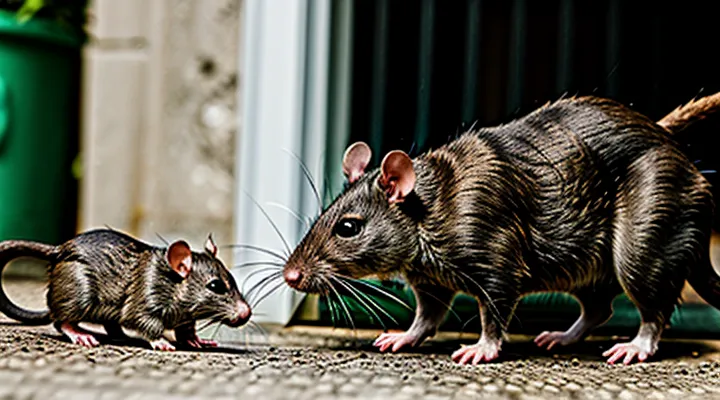
The Importance of a Complete Diet for Rats
Why a Balanced Diet Matters
Nutritional Needs of Pet Rats
Pet rats require a balanced diet that supplies energy, protein, fiber, vitamins, and minerals in proportions that support rapid growth, reproduction, and high activity levels. Energy derives primarily from carbohydrates; grains, rolled oats, and wheat bran provide a steady supply. Protein should represent 15‑20 % of the diet, sourced from animal‑derived meals, soy, or insect protein, to sustain muscle development and fur quality. Adequate fiber—approximately 5‑7 %—promotes gastrointestinal motility and prevents hairball formation; insoluble fiber from cellulose or beet pulp is most effective.
Essential micronutrients include:
- Vitamin A for vision and epithelial health
- Vitamin D3 for calcium absorption and bone strength
- Vitamin E as an antioxidant protecting cell membranes
- B‑complex vitamins for metabolic processes
- Calcium and phosphorus in a 1.2:1 ratio to maintain skeletal integrity
- Trace minerals such as zinc, copper, manganese, and selenium for enzyme function
Water must be continuously available, clean, and free of contaminants; dehydration can impair kidney function within days. Commercial complete feeds are formulated to meet these specifications, but owners may supplement with fresh vegetables (e.g., carrots, leafy greens) and occasional protein treats (hard‑boiled egg, cooked chicken) to enhance variety and enrich enrichment. Any additions should not exceed 10 % of total intake to avoid nutritional imbalance.
When evaluating complete rat diets, prioritize products that list a precise nutrient profile, guarantee a minimum of 15 % protein, and include a balanced vitamin‑mineral premix. Verify that the ingredient list avoids excessive filler grains and artificial additives, which can dilute nutritional value and increase the risk of digestive upset. Selecting a diet that aligns with these criteria ensures that pet rats receive the nutrients necessary for optimal health, longevity, and behavioral vitality.
The Dangers of Incomplete Diets
Incomplete diets deprive rats of essential nutrients, leading to rapid physiological decline. Deficiencies in protein, vitamins, and minerals disrupt growth, immune function, and reproductive health.
Key health problems caused by nutrient gaps include:
- Stunted skeletal development and bone fragility.
- Hair loss, skin lesions, and poor coat condition.
- Reduced fertility, smaller litter sizes, and increased neonatal mortality.
- Weakened immunity, higher susceptibility to respiratory and gastrointestinal infections.
- Metabolic disorders such as fatty liver disease and renal stress.
Rats possess high metabolic rates; even short‑term dietary gaps produce measurable blood chemistry changes. Persistent imbalances accelerate organ degeneration and shorten lifespan.
A balanced formulation designed for laboratory and pet rats supplies calibrated ratios of amino acids, essential fatty acids, calcium, phosphorus, and micronutrients. Selecting such a product eliminates the need for supplemental guessing and ensures consistent intake across all life stages.
Regular monitoring of body condition, coat quality, and reproductive performance provides immediate feedback on diet adequacy. When anomalies appear, immediate dietary correction prevents irreversible damage.
Understanding Complete Rat Feeds
Types of Complete Feeds
Pellets/Blocks
Pellets and blocks represent a single‑ingredient formulation designed to meet all nutritional requirements of pet rats. The product is compact, dry, and typically molded into uniform shapes that resist spoilage.
Nutrient composition of these feeds includes balanced levels of protein, fat, fiber, vitamins, and minerals. Manufacturers calculate ratios to align with the dietary standards established for laboratory and companion rodents, ensuring consistent intake of essential amino acids, calcium, phosphorus, and trace elements.
Advantages
- Stable shelf life; low moisture content prevents mold growth.
- Precise dosage; each pellet or block delivers a known amount of nutrients.
- Reduced waste; rats consume the material directly, minimizing leftovers.
Disadvantages
- Limited variety; lack of fresh ingredients may decrease enrichment value.
- Hard texture; some individuals may struggle with chewing, especially older or dental‑compromised rats.
- Potential for overconsumption; palatable formulation can lead to obesity if not monitored.
Practical considerations
- Size selection should match the species’ dentition; smaller pellets suit young rats, while larger blocks suit adults.
- Store in a cool, dry environment; airtight containers preserve freshness.
- Cost per kilogram often undercuts mixed‑ingredient diets, but the initial purchase price may appear higher due to packaging density.
Choosing pellets or blocks hinges on balancing nutritional completeness, ease of handling, and the specific preferences of the rat population under care.
Muesli/Mixes
Muesli and mixed feeds constitute a popular category of complete rat nutrition. They combine grains, seeds, dried fruits, and protein sources in a single product, offering a balanced profile of carbohydrates, fiber, and essential amino acids.
Key characteristics of muesli blends:
- Macronutrient balance – typically 45‑55 % carbohydrates, 15‑20 % protein, and 5‑10 % fat, providing energy without excess calories.
- Fiber content – inclusion of oats, barley, or wheat bran supports gastrointestinal motility and prevents hairball formation.
- Vitamin and mineral fortification – commercial mixes often contain added vitamin A, D, E, B‑complex, calcium, and phosphorus to meet the specific requirements of laboratory‑bred or pet rats.
- Palatability – varied textures and flavors encourage consistent intake, reducing the risk of selective feeding.
When evaluating a specific blend, consider the following criteria:
- Ingredient provenance – prioritize products using whole‑grain, non‑GMO components and minimal artificial additives.
- Protein source quality – look for soy, peas, or insect‑derived meals with a balanced amino‑acid profile; avoid blends relying heavily on low‑quality meat by‑products.
- Nutrient density – verify that the formulation meets the National Research Council’s recommended daily allowances for rats, particularly calcium‑phosphorus ratio (approximately 1.2 : 1).
- Shelf stability – airtight packaging and low moisture content prevent rancidity and preserve vitamin potency.
Potential drawbacks include:
- Caloric density – high‑energy mixes can contribute to obesity if not portion‑controlled.
- Allergen risk – seeds such as sunflower or nuts may trigger sensitivities in some individuals.
- Variability between batches – inconsistent grinding or mixing may alter nutrient uniformity.
In practice, a measured portion of muesli, supplemented with fresh vegetables and occasional protein treats, delivers a well‑rounded diet. Regular monitoring of body condition and fecal consistency confirms that the chosen blend meets the animal’s physiological needs.
Key Ingredients to Look For
Protein Sources
Protein provision is a critical factor when evaluating complete rat feeds. The source of protein determines amino‑acid balance, digestibility, and overall health outcomes for laboratory and pet rodents.
-
Animal‑derived proteins
- Soy‑free casein: high biological value, rich in essential amino acids, low in antinutrients.
- Egg white powder: rapid absorption, excellent for growth phases, limited fat content.
- Fish meal: abundant in taurine and omega‑3 fatty acids, suitable for breeding colonies.
- Meat hydrolysates: pre‑digested, minimal allergenicity, high palatability.
-
Plant‑derived proteins
- Soy isolate: cost‑effective, complete amino‑acid profile after processing, potential phytoestrogen content.
- Pea protein: moderate digestibility, low allergen risk, high lysine levels.
- Lentil flour: good source of branched‑chain amino acids, higher fiber content may affect intake.
- Alfalfa meal: provides protein and calcium, suitable for juvenile diets, lower protein density.
Selection criteria include crude protein percentage, digestibility rating (e.g., PDCAAS), presence of limiting amino acids, and any supplemental nutrients required for specific life stages. Cost considerations and batch‑to‑batch consistency also influence the final choice. Balancing animal and plant proteins can optimize nutritional completeness while managing expense and potential allergens.
Fiber Content
Fiber content determines gastrointestinal transit time, stool consistency, and nutrient absorption in laboratory and pet rats. Adequate fiber prevents constipation, reduces the risk of cecal enlargement, and supports a balanced gut microbiota.
Typical commercial complete feeds provide fiber ranging from 5 % to 12 % of the diet on a dry‑matter basis. Lower values suit young, rapidly growing animals that require higher energy density. Higher values benefit adult or breeding colonies where digestive health and weight management are priorities.
Key considerations when evaluating fiber levels:
- Source: cellulose, wood pulp, oat hulls, and beet pulp each contribute distinct soluble and insoluble fractions.
- Soluble vs. insoluble ratio: soluble fiber (e.g., beet pulp) enhances fermentation, producing short‑chain fatty acids; insoluble fiber (e.g., cellulose) adds bulk and promotes motility.
- Particle size: coarse particles increase chewing activity and stimulate salivation, which aids digestion.
- Consistency across batches: stable fiber percentages ensure reproducible experimental outcomes.
Recommended fiber ranges for specific applications:
- Weanlings (3–4 weeks) – 5 %–7 % total fiber, predominantly insoluble, to maintain high caloric intake.
- Adult maintenance – 8 %–10 % total fiber, balanced soluble/insoluble mix, to support gut health.
- Breeding colonies – 10 %–12 % total fiber, higher soluble component, to mitigate weight gain and improve reproductive performance.
When selecting a complete feed, verify the analytical report for precise fiber composition, confirm the presence of both soluble and insoluble fractions, and match the percentage to the intended life stage and health objectives of the rats.
Vitamins and Minerals
Vitamins and minerals are critical components of a balanced rat diet. Adequate levels support growth, reproduction, immune function, and skeletal health.
-
Vitamin A – promotes retinal health and epithelial integrity.
-
Vitamin D₃ – regulates calcium absorption and bone mineralization.
-
Vitamin E – protects cell membranes from oxidative damage.
-
Vitamin K – required for blood clotting factors.
-
B‑complex (B₁, B₂, B₆, B₁₂, niacin, pantothenic acid, folic acid) – involved in energy metabolism, nervous system function, and red blood cell formation.
-
Vitamin C – antioxidant; rats synthesize it but supplemental sources can aid stress resistance.
-
Calcium – essential for bone structure and muscle contraction.
-
Phosphorus – partners with calcium for skeletal development; ratio of Ca:P should approximate 1:1 to 1.5:1.
-
Magnesium – cofactor for enzymatic reactions, supports neuromuscular activity.
-
Potassium – maintains cellular electrolyte balance.
-
Sodium – required for nerve impulse transmission; excess can lead to hypertension.
-
Zinc – crucial for DNA synthesis, immune response, and wound healing.
-
Iron – component of hemoglobin and myoglobin; deficiency causes anemia.
-
Copper – participates in iron metabolism and antioxidant enzymes.
-
Selenium – component of glutathione peroxidase, protects against oxidative stress.
-
Manganese – involved in bone formation and metabolism of carbohydrates, amino acids, and cholesterol.
When selecting a complete rat feed, verify the guaranteed analysis for each vitamin and mineral. Prefer sources with high bioavailability, such as chelated minerals or natural premixes. Ensure the calcium‑to‑phosphorus ratio falls within recommended limits; deviation can impair bone development. Check for excess levels that may cause toxicity, particularly for fat‑soluble vitamins (A, D, E, K) and trace minerals (copper, zinc).
Choose formulations that meet the National Research Council (NRC) nutrient recommendations for laboratory rats. If the feed lacks a specific nutrient, supplement with a calibrated additive rather than relying on ad‑hoc ingredients. Regularly review batch analysis reports to confirm consistency across production runs.
Choosing the Right Complete Feed
Factors to Consider
Age of Your Rat
Rats experience rapid physiological changes from birth to senior years, and their dietary requirements shift accordingly. Selecting an appropriate complete diet must reflect these developmental stages to support growth, maintenance, and health.
- Newborn (0‑3 weeks) – Require high‑protein, easily digestible formulas; milk replacers or specialist starter pellets provide essential amino acids and fats.
- Juvenile (3‑12 weeks) – Need balanced protein (18‑20 %), moderate fat, and sufficient calcium‑phosphorus ratio for skeletal development; quality pellets or lab blocks meet these criteria.
- Adult (3‑18 months) – Benefit from stable protein levels (15‑18 %), controlled calories, and fiber to prevent obesity; standard maintenance pellets or formulated mixes are suitable.
- Senior (18 months +) – Require reduced calories, increased fiber, and supplemental antioxidants; senior‑specific pellets or blends enriched with joint‑support nutrients are advisable.
Feed types should align with the age group. Starter formulas are indispensable for neonates, while pelleted diets offer consistency for juveniles and adults. Senior rats may tolerate softer kibble or moistened pellets, facilitating ingestion of fiber‑rich ingredients. Fresh vegetables and occasional protein treats can complement the base diet but must not exceed 10 % of total intake.
Regular assessment of body condition, coat quality, and activity level informs adjustments. If weight gain exceeds expectations, reduce caloric density or switch to a lower‑fat formulation. Conversely, weight loss in seniors may necessitate increased calories or added supplements. Consistent monitoring ensures the chosen diet remains optimal throughout the rat’s lifespan.
Activity Level
Rats that are highly active require diets with elevated energy density to sustain prolonged movement and exploratory behavior. Such feeds typically contain higher percentages of digestible carbohydrates and fats, providing rapid caloric availability. Protein levels should remain sufficient to support muscle maintenance, but excess protein can be metabolized into energy, contributing to the overall caloric load.
Rats with sedentary tendencies benefit from lower-energy formulations that prevent weight gain while still delivering essential nutrients. These diets often feature increased fiber content to promote gastrointestinal health and satiety, helping to regulate intake without excess calories. Fat levels are moderated to align with reduced metabolic demand.
Key considerations for matching feed to activity level:
- Caloric density (kcal/g) – higher for active rats, lower for less active individuals.
- Fat proportion – 5‑7 % for active, 3‑5 % for sedentary.
- Fiber content – 5‑7 % for low‑activity diets, 3‑5 % for high‑activity diets.
- Protein range – 18‑22 % for both groups, ensuring muscle support without unnecessary excess.
- Feeding frequency – multiple small meals for active rats to maintain energy; once‑ or twice‑daily portions for less active rats to limit overconsumption.
Selecting a feed that aligns with the rat’s typical activity pattern optimizes growth, health, and body condition, reducing the risk of obesity or nutrient deficiency.
Special Dietary Needs «e.g., allergies, health conditions»
Rats with food sensitivities or chronic conditions need a formulated diet that eliminates trigger ingredients while providing balanced nutrients. Identify allergens present in standard formulations—commonly wheat, soy, and certain animal proteins—and select a feed that replaces them with hypoallergenic alternatives such as rice, peas, or insect‑derived meals.
- Wheat‑free: eliminates gluten‑related reactions.
- Soy‑free: reduces risk of protein‑induced dermatitis.
- Low‑fat: helps manage obesity and fatty liver disease.
- Reduced‑phosphorus: supports renal function in kidney‑compromised animals.
Health conditions dictate specific nutrient adjustments. For rats prone to dental overgrowth, include hard pellets that promote natural wear. Animals with renal insufficiency require reduced protein levels and increased omega‑3 fatty acids to mitigate inflammation. Diabetic or overweight rats benefit from feeds with a low glycemic index and added fiber to stabilize blood glucose.
When evaluating products, examine the guaranteed analysis for protein, fat, fiber, and mineral content. Verify the absence of identified allergens on the ingredient list. Conduct a short‑term trial—monitor weight, coat condition, and stool consistency—to confirm tolerance. Consult a veterinarian for diagnostic testing and to confirm that the chosen formulation meets the individual’s medical requirements.
Reputable Brands and Formulations
Researching Manufacturer Quality
When evaluating rat nutrition products, the credibility of the producer determines the reliability of the formulation. Conduct a systematic review of each company’s credentials before committing to a brand.
- Verify that the manufacturer holds recognized certifications (e.g., ISO 9001, GMP). These standards confirm adherence to documented quality‑management procedures.
- Examine the origin of raw materials. Suppliers that disclose sourcing locations and provide certificates of analysis demonstrate traceability and reduce the risk of contaminants.
- Look for evidence of independent testing. Laboratories that publish batch‑specific results for nutrient composition, microbial load, and toxin levels add a layer of verification beyond internal audits.
- Assess the transparency of the production process. Detailed descriptions of formulation methods, ingredient ratios, and shelf‑life assessments indicate a commitment to consistency.
- Review the company’s recall history. A clean record suggests effective monitoring, while frequent recalls may signal systemic flaws.
- Consider feedback from professional users. Veterinarians and laboratory animal facilities often share performance data that can highlight strengths or deficiencies not evident in marketing materials.
Collect the information in a comparative matrix to identify manufacturers that consistently meet the above criteria. Prioritizing producers with robust certification, documented testing, and clear supply‑chain visibility reduces uncertainty and supports optimal health outcomes for laboratory and pet rats.
Reading Product Labels
When evaluating a complete rat feed, the label supplies the only reliable data for comparison. Start with the guaranteed analysis, which quantifies protein, fat, fiber, and moisture percentages. These figures reveal the diet’s capacity to meet the animal’s growth, reproduction, and health needs. Look for a protein level between 14 % and 18 % for adult rats and up to 20 % for breeding or growing individuals; excessive protein can strain kidneys, while insufficient protein impairs growth.
The ingredient list follows a descending order of weight. Prioritize feeds that list high‑quality animal proteins (e.g., dried whey, fish meal) before plant‑based fillers such as corn or wheat. Identify any added vitamins and minerals, ensuring the presence of calcium, phosphorus, and vitamin D3 at levels that support bone development. Verify that the label includes a statement of compliance with recognized pet‑food standards (e.g., AAFCO) or a laboratory analysis report.
Key label components to examine:
- Guaranteed analysis (protein, fat, fiber, moisture)
- Ingredient hierarchy (animal protein first, minimal filler)
- Vitamin and mineral profile (calcium, phosphorus, vitamin D3, etc.)
- Nutritional adequacy statement or certification
- Expiration date and batch number for freshness tracking
Consistent scrutiny of these elements enables an informed selection of the most suitable complete feed for rats.
Consulting with a Veterinarian
When deciding on a nutritionally complete rat diet, professional veterinary guidance is essential. A veterinarian can assess the animal’s health status, age, and activity level, then recommend a formulation that meets specific macro‑ and micronutrient requirements.
Key reasons to involve a veterinarian include:
- Identification of dietary sensitivities or allergies that could affect feed tolerance.
- Evaluation of body condition to prevent obesity or undernutrition.
- Adjustment of nutrient ratios for breeding, growth, or senior rats.
- Advice on supplement use, ensuring compatibility with the base feed.
During the consultation, provide the vet with the current brand and batch information, the rat’s medical history, and any observed behavioral or physiological changes. Request clarification on ingredient quality, calcium‑phosphorus balance, and the presence of essential vitamins such as A, D, and E.
The veterinarian may also suggest periodic health checks to monitor the effectiveness of the chosen diet, allowing timely modifications based on weight, coat condition, and overall vitality.
Transitioning and Feeding Practices
Introducing a New Feed
Gradual Transition Methods
When introducing a new complete rat diet, a step‑by‑step transition minimizes digestive upset and encourages acceptance. Begin by mixing the new feed with the current ration at a ratio of 75 % familiar feed to 25 % new feed for three to five days. Observe pellet consumption and stool consistency; if rats readily eat the mixture and stools remain normal, increase the proportion of the new feed.
Progress to a 50 % / 50 % blend for another three to five days. During this phase, monitor weight and behavior, ensuring no signs of reduced appetite or lethargy. If any adverse reactions appear, extend the current ratio period before advancing.
Complete the switch by offering 75 % new feed and 25 % old feed for an additional two to three days. Finally, provide 100 % of the new formulation. Throughout the process, maintain consistent feeding times and avoid introducing other food items, which could confound the rats’ adaptation.
Key considerations for a successful transition:
- Use a feed with similar texture and particle size to the previous diet to reduce rejection.
- Ensure the new formulation meets the same nutritional specifications (protein, fat, fiber, vitamins, and minerals) to prevent deficiencies during the change.
- Keep water availability constant; dehydration can exacerbate digestive disturbances.
- Record daily feed intake and body weight to detect subtle issues early.
If the rats consistently consume the new diet without health concerns after the final stage, the transition is complete and the selected complete feed can be maintained as the sole source of nutrition.
Monitoring for Digestive Issues
Monitoring digestive health is essential when evaluating a complete rodent diet. Regular observation of stool consistency, frequency, and odor provides immediate indicators of gastrointestinal function. Sudden changes—such as loose, watery feces or hardened, dry pellets—signal potential intolerance to a specific feed formulation.
Effective monitoring includes:
- Daily stool assessment: Record appearance and volume each morning.
- Weight tracking: Weigh rats weekly; a rapid decline may reflect malabsorption.
- Behavioral cues: Note reduced activity, hunched posture, or excessive grooming of the abdomen.
- Food intake logs: Measure daily consumption; decreased appetite often precedes digestive distress.
When abnormalities persist for more than 48 hours, compare the current feed’s protein, fiber, and fat ratios with the species‑specific nutritional requirements. Adjust the diet by selecting a formulation with higher fiber content or lower crude protein, and observe the response for another 72 hours. If symptoms continue, consult a veterinarian to rule out underlying pathology.
Proper Storage and Portion Control
Maintaining Freshness
Freshness directly influences the nutritional value of complete rat feed. Diminished quality reduces essential protein, vitamins, and minerals, compromising growth and health.
Store feed in a dry, cool environment. Ideal temperature ranges between 10 °C and 20 °C; humidity should stay below 60 %. Direct sunlight and heat sources accelerate oxidation and mold growth.
Select containers that provide airtight seals. Plastic bins with gasket lids, metal tins with tight-fitting caps, or vacuum‑sealed bags prevent exposure to air and moisture. Avoid open bags or cardboard boxes that allow ingress of contaminants.
Implement a systematic rotation. Place newly purchased feed at the back of the storage area and move older stock forward. Record delivery dates on each container; discard any product exceeding the manufacturer’s recommended shelf life.
Identify spoilage promptly. Visible mold, off‑color, clumping, or rancid odor indicate loss of freshness. Conduct a simple smell test before each refill; a sour or stale scent signals degradation.
Practical steps for maintaining freshness
- Keep storage area sealed and insulated.
- Use opaque, airtight containers.
- Label each batch with purchase date.
- Rotate stock using a first‑in‑first‑out method.
- Inspect feed weekly for visual or olfactory changes.
- Discard any feed past its expiration date.
Preventing Overfeeding
Choosing a balanced rat diet requires careful control of portion size to avoid excess caloric intake. Overfeeding leads to obesity, reduced lifespan, and increased susceptibility to disease. The following measures help maintain appropriate energy consumption.
- Determine the rat’s weight and activity level; calculate daily caloric needs based on established guidelines for laboratory or pet rodents.
- Use a calibrated scoop or scale to dispense the exact amount of feed each day.
- Divide the daily ration into two or three smaller meals to encourage steady intake rather than large binges.
- Monitor body condition weekly; adjust portions promptly if weight gain exceeds 5 % of ideal body mass.
Select feeds that list precise nutrient percentages and avoid formulas with added sugars or high-fat supplements unless a specific health condition warrants them. Record feeding times and quantities in a log to identify patterns that may indicate overconsumption.
Regular veterinary checks provide objective assessments of weight and body condition, confirming that the chosen diet supports healthy growth without excess energy.
Supplementing with Fresh Foods «in moderation»
Fresh foods can enhance a rat’s diet when they complement a nutritionally complete commercial mix. The base feed supplies essential protein, fats, vitamins, and minerals; fresh items add variety, fiber, and phytonutrients that the standard formula may lack.
Moderation prevents digestive upset, nutrient imbalances, and rapid spoilage. Excess fruit sugars overload the liver, while large vegetable portions displace the balanced nutrients of the formulated feed. Fresh ingredients also decay quickly, creating a breeding ground for harmful bacteria if left uneaten.
Guidelines for safe supplementation:
- Offer only 5–10 % of the total daily intake in fresh form.
- Select low‑sugar fruits (e.g., apple slices, berries) and non‑starchy vegetables (e.g., broccoli, spinach, carrots).
- Wash all produce thoroughly to remove pesticide residues.
- Cut items into bite‑size pieces to reduce choking risk.
- Remove uneaten portions within two hours to avoid spoilage.
Implementing these steps ensures that fresh foods enrich the rat’s palate without compromising the nutritional integrity of the primary diet. Regular monitoring of body condition and stool quality confirms that the supplementation level remains appropriate.