
Origins and Development
Common Rats
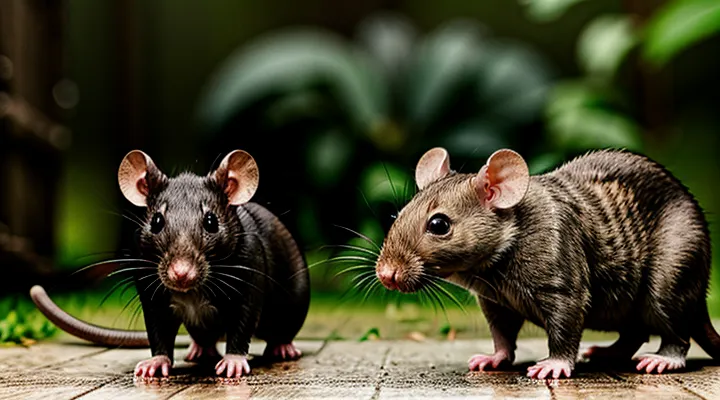
Common rats belong primarily to two species: the brown rat (Rattus norvegicus) and the black rat (Rattus rattus). Both species are members of the Muridae family, exhibit high adaptability, and have established global populations through commensal relationships with humans.
Physical characteristics differentiate the species. Brown rats average 250–300 g, with a robust body, coarse brown fur, a blunt snout, and a tail shorter than the head‑body length. Black rats weigh 150–200 g, possess a slender build, finer grayish fur, a pointed snout, and a tail longer than the head‑body length. Ear size, skull morphology, and dental patterns also vary, providing reliable identification criteria.
Habitat preferences reflect ecological flexibility. Brown rats thrive in burrows, sewers, and ground‑level structures, favoring temperate climates. Black rats occupy higher elevations, attics, and canopy levels, showing greater tolerance for tropical environments. Both species exploit human‑made environments, leading to worldwide distribution.
Diet consists of omnivorous opportunism. Common rats consume grains, fruits, insects, carrion, and anthropogenic waste. Their dentition allows efficient processing of diverse food sources, supporting rapid population growth in resource‑rich settings.
Reproductive capacity drives population dynamics. Females reach sexual maturity at 5–6 weeks, produce litters of 6–12 offspring, and can breed year‑round under favorable conditions. Gestation lasts approximately 21 days, and weaning occurs at 3 weeks, enabling multiple generations annually.
Scientific and public‑health relevance stems from extensive use as model organisms and disease reservoirs. Laboratory strains derived from common rats provide controlled platforms for toxicology, genetics, and neurobehavioral research. In the wild, they transmit pathogens such as Leptospira spp., hantaviruses, and Yersinia pestis, underscoring the need for monitoring and control measures.
Dumbo Rats
Genetic Mutation
Genetic mutation underlies the distinctive ear morphology of the Dumbo strain, setting it apart from standard laboratory rats. The mutation involves a single‑gene alteration that affects cartilage development, resulting in enlarged, low‑set ears. In contrast, common rats possess the wild‑type allele, producing normal ear size and placement.
Key genetic characteristics:
- Mutation type – a recessive loss‑of‑function allele on chromosome 4; homozygosity yields the Dumbo phenotype.
- Inheritance pattern – Mendelian recessive; heterozygous carriers appear phenotypically normal but transmit the allele to offspring.
- Molecular effect – disrupted expression of the Fgf9 signaling pathway, which regulates auricular cartilage growth.
- Phenotypic consequences – increased ear surface area improves thermoregulation but may affect auditory canal morphology.
- Research relevance – the mutation provides a model for studying craniofacial development and gene‑therapy approaches targeting cartilage disorders.
Overall, the Dumbo strain’s genetic mutation creates a clear biological divergence from typical rats, offering both practical advantages for specific experimental designs and insight into the genetic control of ear development.
Breeding History
The domestic Norway rat (Rattus norvegicus) entered scientific breeding programs in the early 1900s, when laboratory researchers required a reproducible model for physiology and genetics. Selective lines were established at the University of Chicago (1910) and the Wistar Institute (1911), focusing on rapid growth, uniform size, and predictable reproductive cycles. By the 1930s, the Long‑Evans and Sprague‑Dawley strains emerged, each emphasizing coat color variation and disease susceptibility for specific experimental needs. Continuous outcrossing and inbreeding produced genetically stable colonies that remain the standard reference for biomedical research.
Dumbo rats, a fancy‑rat variety distinguished by enlarged, low‑set ears, originated in the 1990s within the pet‑breeding community. Early breeders crossed standard domesticated rats with spontaneous ear‑mutation carriers, selecting for the “dumbo” phenotype while preserving temperament and health. The first documented line, “Dumbo Classic,” achieved stable ear morphology by 1998. Subsequent generations introduced coat‑color patterns (e.g., agouti, sable) and refined body conformation, resulting in several recognized strains sold by specialty pet suppliers.
Key distinctions in breeding objectives:
- Common laboratory strains: prioritize genetic uniformity, short gestation, high litter size, and disease model relevance.
- Dumbo strains: prioritize aesthetic traits (ear size, coat color), docile behavior, and suitability for companion animals.
Milestones
- 1910 – First laboratory rat colony (University of Chicago).
- 1930 – Development of Long‑Evans and Sprague‑Dawley strains.
- 1995 – Identification of spontaneous ear‑mutation in pet rats.
- 1998 – Stabilization of the Dumbo phenotype in a breeding line.
- 2005 – Commercial availability of multiple Dumbo color varieties.
Physical Characteristics
Ear Placement and Shape
Common Rat Ears
Common rats possess upright, relatively small ears positioned on the sides of the head. The pinna is thin, covered with short hair, and measures approximately 1.5–2 cm in length for adult individuals. The cartilage structure provides flexibility while maintaining a streamlined profile that minimizes interference during navigation through narrow passages.
The auditory system of common rats operates across a broad frequency spectrum, typically from 250 Hz to 80 kHz, with peak sensitivity around 8–20 kHz. The cochlear hair cells exhibit high density, enabling detection of ultrasonic vocalizations used in social communication. Ear canal morphology supports efficient sound transmission, while the tympanic membrane remains thin to reduce acoustic impedance.
Key distinctions from the larger, lower‑set ears of the Dumbo variety include:
- Size: common rat ears are roughly half the surface area of Dumbo ears.
- Position: situated laterally rather than ventrally, affecting sound localization cues.
- Fur density: less dense hair covering reduces thermal insulation but enhances tactile sensitivity.
These anatomical features contribute to the common rat’s agility in confined environments and its capacity for precise acoustic discrimination.
Dumbo Rat Ears
Dumbo rats possess markedly enlarged, low‑set ears that differ from the modest, laterally positioned pinnae of standard laboratory rats. The ear cartilage in Dumbo specimens extends outward, creating a broad, floppy silhouette that covers a larger surface area.
Key anatomical features of Dumbo rat ears:
- Length: up to 30 mm from base to tip, roughly 1.5 times the length of common rat ears.
- Width: increased lateral spread, providing a surface area of 2–3 cm².
- Cartilage composition: dense, pliable tissue that retains shape without rigid support.
- Vascularization: dense capillary network enhances thermoregulation and auditory sensitivity.
Functional consequences include heightened acoustic detection at low frequencies, improved heat dissipation in warm environments, and a propensity for ear‑related health issues such as dermatitis or alopecia if hygiene is neglected. Breeders often select for these traits to accentuate the distinctive appearance, while researchers monitor ear health to prevent confounding variables in experimental protocols.
Head Shape
The head of a standard laboratory rat is elongated, with a pronounced snout and relatively narrow cranial width. The skull exhibits a high, angular profile that supports strong jaw muscles and a forward‑facing visual field. In contrast, the Dumbo rat possesses a markedly broader skull, reduced snout length, and a flattened cranial dome. The enlarged cranial width accommodates the distinctive, low‑set ears that give the breed its name, while the shortened muzzle lessens the length of the oral cavity.
Key morphological distinctions:
- Cranial width: standard rat – narrow; Dumbo rat – wide.
- Snout length: standard rat – long; Dumbo rat – short.
- Skull profile: standard rat – high, angular; Dumbo rat – low, rounded.
- Ear placement: standard rat – lateral on head; Dumbo rat – low on the sides of a broad skull.
Body Proportions
Body proportions distinguish the typical laboratory rat from the Dumbo phenotype. The standard specimen exhibits a compact skull, modest auricular dimensions, and a proportionally long tail. The Dumbo variant presents enlarged ears, a slightly broader cranium, and a tail length comparable to that of the common form.
- Head length: common rat ≈ 3 cm; Dumbo rat ≈ 3.2 cm.
- Ear height: common rat ≈ 1.5 cm; Dumbo rat ≈ 3 cm.
- Body length (nose to base of tail): common rat ≈ 20 cm; Dumbo rat ≈ 19 cm.
- Tail length: both forms ≈ 20 cm, with similar tapering.
- Forelimb-to-hindlimb ratio: common rat ≈ 1:1.1; Dumbo rat ≈ 1:1.0, reflecting a slightly more balanced limb arrangement.
These measurements illustrate that the primary morphological divergence lies in auricular enlargement and minor cranial expansion, while overall body and tail dimensions remain largely consistent between the two types.
Coat Types and Colors
Coat characteristics provide a clear point of distinction between standard laboratory rats and the dumbo phenotype.
Ordinary rats exhibit three primary coat textures:
- Short, dense fur – smooth to the touch, minimal shedding.
- Slicked coat – hairless or nearly hairless, glossy skin.
- Rex – curly, plush fur that lies close to the body.
Dumbo rats display the same three textures, but the genetic mutation influencing ear size also affects the hair follicle pattern, resulting in subtle variations:
- Short, dense fur – often slightly thicker around the enlarged ears.
- Slicked coat – frequently accompanied by a thinner layer of skin over the ears.
- Rex – curls may appear more pronounced on the head and ear region.
Color palettes overlap extensively. Both groups can present solid hues (black, white, brown, gray), agouti patterns, and spotted or piebald markings. Dumbo rats, however, display a higher incidence of atypical combinations such as “blaze” (white facial mask) and “capped” (white head with darker body), likely linked to the same genetic pathways that produce ear enlargement.
Overall, coat type and coloration remain reliable criteria for differentiating between the two rat categories while highlighting the genetic interplay that shapes their external appearance.
Temperament and Behavior
Activity Levels
The analysis focuses on locomotor behavior of standard laboratory rats compared with the Dumbo strain, emphasizing quantitative measures of activity.
Standard rats display high nocturnal movement, frequent wheel running, and extensive exploration in open‑field arenas. Typical daily distance covered in a cage ranges from 200 to 300 m, with peak bursts during the first two hours of darkness. Home‑cage video tracking records an average of 1,500 ± 200 beam breaks per hour.
Dumbo rats exhibit reduced overall locomotion. Wheel‑running sessions average 30 % shorter duration, and open‑field travel distances fall between 120 and 180 m per day. Beam‑break counts decline to roughly 900 ± 150 per hour, indicating a calmer activity profile.
Key contrasts:
- Night‑time activity: standard rats ≈ 70 % of total daily movement; Dumbo rats ≈ 45 %.
- Wheel‑running time: standard rats ≈ 2 h/day; Dumbo rats ≈ 1.2 h/day.
- Open‑field exploration: standard rats travel ~250 m; Dumbo rats travel ~150 m.
- Beam‑break frequency: standard rats ~1,500/h; Dumbo rats ~900/h.
Socialization Needs
Common pet rats thrive on continuous social contact. They form stable hierarchies, share nests, and engage in mutual grooming. Regular interaction reduces stress hormones and supports normal growth.
Dumbo rats, a phenotype distinguished by enlarged ear pinnae, display comparable social instincts. Their temperament tends toward calmness, yet they still require companionship to prevent isolation‑induced anxiety.
Key distinctions in socialization needs:
- Group size: Standard rats function well in groups of three or more; Dumbo rats can remain content in pairs, though a trio further stabilizes hierarchy.
- Handling frequency: Both types benefit from daily gentle handling; Dumbo rats often tolerate longer sessions without signs of agitation.
- Enrichment: All rats need climbing structures, chew toys, and nesting material; Dumbo rats favor softer bedding to accommodate sensitive ear cartilage.
Owner guidelines:
- Provide at least two rats of the same phenotype to ensure mutual grooming and hierarchy formation.
- Conduct 10‑15 minutes of handling each day, extending to 20 minutes for Dumbo rats once trust is established.
- Rotate enrichment items weekly to maintain novelty and prevent boredom.
- Monitor vocalizations and grooming patterns; excessive self‑grooming or silence may indicate social deficit.
Adhering to these parameters sustains healthy social development in both conventional and ear‑enlarged rat varieties.
Trainability
Common rats display rapid acquisition of operant tasks, often mastering simple lever‑press or maze challenges within a few sessions. Their high motivation for food rewards and strong exploratory drive contribute to consistent performance across diverse training protocols.
Dumbo rats, characterized by enlarged, low‑set ears, exhibit comparable learning curves for basic conditioning but show reduced responsiveness to auditory cues. Studies indicate that visual or tactile signals produce more reliable task engagement in this strain, reflecting a sensory bias linked to their ear morphology.
Key differences in trainability:
- Learning speed – Both strains reach criterion on simple tasks in 2‑4 days; common rats marginally outperform Dumbo rats by 0.5‑1 day on auditory‑based paradigms.
- Cue preference – Common rats respond effectively to auditory, visual, and olfactory cues; Dumbo rats prefer visual or tactile stimuli, with auditory cue success rates 15‑20 % lower.
- Motivation consistency – Food‑restricted common rats maintain stable response rates across sessions; Dumbo rats show greater variability, with occasional drops in trial completion when only auditory reinforcement is used.
- Stress tolerance – Both strains tolerate handling, but Dumbo rats demonstrate slightly higher cortisol spikes during novel apparatus exposure, potentially affecting initial training phases.
Optimizing training for Dumbo rats involves substituting or supplementing auditory signals with bright visual markers or textured surfaces, thereby aligning the protocol with their sensory strengths and achieving performance comparable to that of common rats.
Vocalizations
Rats rely on acoustic signals to convey emotional state, environmental threats, and social intentions. Vocal output spans the ultrasonic range (≈20–100 kHz) and includes audible components (≈1–10 kHz). Emission patterns are linked to specific behaviors such as exploration, aggression, mating, and distress.
Common laboratory rats (Rattus norvegicus) produce a repertoire dominated by short ultrasonic calls (USVs) of 30–80 kHz, lasting 10–100 ms. Frequency-modulated “trill” calls appear during play and courtship, while flat‑tone calls accompany mild stress. Audible squeaks (≈2–5 kHz) emerge in severe pain or predator exposure, with peak amplitudes up to 80 dB SPL.
Dumbo rats, a phenotypic variant characterized by enlarged pinnae, exhibit a vocal profile shifted toward lower ultrasonic frequencies (≈25–60 kHz) and a higher incidence of audible distress calls. Ear enlargement enhances low‑frequency sound detection, correlating with increased production of 3–6 kHz squeaks during acute stress. Ultrasonic calls tend to have longer durations (up to 200 ms) and reduced frequency modulation compared with typical rats.
Key comparative observations:
- Frequency range: common rats → 30–80 kHz; Dumbo rats → 25–60 kHz (ultrasonic) and more frequent 3–6 kHz audible calls.
- Call duration: common rats → 10–100 ms; Dumbo rats → up to 200 ms for ultrasonic calls.
- Modulation: common rats display rapid frequency sweeps; Dumbo rats produce flatter, less modulated tones.
- Contextual use: both strains emit ultrasonic calls during social interaction, but Dumbo rats rely more heavily on audible distress signals under threat.
These distinctions reflect morphological adaptations in the auditory apparatus and suggest divergent communication strategies within the two rat populations.
Health and Lifespan
Common Health Issues
Respiratory Problems
Respiratory health varies noticeably between typical laboratory rats and the dwarf‑ear strain known as Dumbo rats. Structural differences in the skull and nasal passages create distinct airflow dynamics, influencing susceptibility to disease.
The common rat possesses a compact cranial cavity and relatively narrow nasal meatus, which limits particle clearance and predisposes the animal to upper‑airway infections. Dumbo rats exhibit an expanded skull vault and broader nasal openings, facilitating more efficient ventilation but also exposing the lower respiratory tract to ambient irritants.
Typical respiratory conditions observed in these groups include:
- Bacterial pneumonia – higher incidence in standard rats due to reduced clearance.
- Viral bronchitis – similar rates across both strains, though clinical severity may differ.
- Mycoplasma‑related chronic rhinitis – more prevalent in common rats.
- Allergic airway inflammation – reported more frequently in Dumbo rats, likely linked to heightened sensitivity of enlarged nasal mucosa.
Management strategies focus on environmental control, prophylactic vaccination, and targeted antimicrobial therapy. Maintaining low humidity, regular cage cleaning, and filtered airflow reduce pathogen load for both strains. When infection is confirmed, broad‑spectrum antibiotics effective against Streptococcus and Klebsiella species are recommended for common rats, while macrolide agents are preferred for Dumbo rats with Mycoplasma involvement. Monitoring respiratory rate and auscultation findings at least twice weekly enables early detection of compromise.
Tumors
Tumors are a frequent pathological finding in laboratory rodents, and their occurrence differs between standard laboratory rats and the Dumbo phenotype.
In common rat strains, spontaneous tumor incidence averages 15‑20 % by two years of age, with a predominance of pituitary adenomas, mammary fibroadenomas, and leukemias. In Dumbo rats, overall incidence rises to 25‑30 %, driven primarily by an elevated rate of hepatic hemangiosarcomas and subcutaneous fibrosarcomas.
Key factors influencing these variations include:
- Genetic background: Dumbo rats carry a mutation affecting ear cartilage development that is linked to altered angiogenic signaling, predisposing them to vascular tumors.
- Hormonal profile: Elevated serum estrogen levels in Dumbo females correlate with increased mammary tumor frequency.
- Lifespan: Slightly extended longevity in the Dumbo line allows additional time for tumor development.
Tumor latency also diverges: median onset of hepatic lesions occurs at 14 months in Dumbo rats versus 18 months in common strains, whereas pituitary adenomas appear later in Dumbo animals (≈20 months).
These disparities affect experimental design. Studies involving carcinogenic agents must adjust dosage and observation periods to account for the higher baseline tumor burden in Dumbo rats. Conversely, the Dumbo model provides a sensitive system for investigating vascular tumor biology and hormone‑driven neoplasia.
Genetic Predispositions
Dumbo Rat Specific Concerns
Dumbo rats possess distinct anatomical features that create specific health and husbandry considerations. Their enlarged, low‑set ears are prone to moisture accumulation, which can lead to fungal or bacterial infections if not regularly inspected and kept dry. Ear cartilage is thinner than in standard laboratory rats, making it more vulnerable to trauma; handling should avoid excessive pressure or pulling on the pinnae.
Thermoregulation differs because the enlarged ear surface dissipates heat more efficiently. In warm environments Dumbo rats may experience rapid body‑temperature loss, requiring ambient temperatures to be maintained between 18 °C and 22 °C with adequate bedding insulation. Conversely, in cold settings the ears can become chilled, increasing the risk of peripheral vasoconstriction and reduced circulation.
Dental health remains a concern, as the same diet suitable for common rats applies, but the altered skull shape can affect bite alignment. Regular monitoring of incisor length and provision of chewable enrichment prevent malocclusion.
Respiratory sensitivity is heightened due to the proximity of the ears to the nasopharyngeal passages. Dust‑free bedding, low‑odor food, and well‑ventilated cages reduce the incidence of upper‑respiratory infections.
Breeding Dumbo rats demands attention to litter size and maternal care. The mother’s ear size may interfere with nest construction, necessitating supplemental nesting material to ensure pup warmth and protection.
Key concerns for Dumbo rats
- Ear hygiene and infection prevention
- Temperature management to avoid hypothermia or overheating
- Gentle handling to protect delicate ear cartilage
- Monitoring dental alignment and providing appropriate chew items
- Maintaining low‑dust, well‑ventilated housing for respiratory health
- Adjusting nesting resources for successful breeding
Addressing these factors ensures the welfare of Dumbo rats and supports reliable comparative studies with standard rat strains.
Average Lifespan
Common rats (Rattus norvegicus) typically live 2–3 years under laboratory conditions, extending to 4 years in optimal captive environments. Dumbo rats, a morphological variant of the same species, display a comparable lifespan, generally ranging from 2.5 to 4 years when provided with standard care.
Key factors influencing longevity for both types include:
- Genetic background: inbred strains may experience reduced lifespan relative to outbred populations.
- Environmental conditions: temperature stability, humidity control, and low stress levels contribute to lifespan extension.
- Nutrition: balanced diets fortified with essential vitamins and minerals support health and delay age‑related decline.
- Health management: routine veterinary monitoring and prompt treatment of respiratory or neoplastic disorders improve survival rates.
Statistical surveys of laboratory colonies report average lifespans of 2.8 years for common rats and 3.1 years for Dumbo rats, reflecting a marginal but consistent advantage for the latter, likely attributable to selective breeding for reduced stress susceptibility.
Care Requirements
Enclosure Needs
Space Recommendations
When assessing housing for standard laboratory rats and the ear‑tailed variety, spatial allocation directly influences health, behavior, and experimental reliability.
- Minimum floor area per animal: 0.08 m² for standard rats, 0.10 m² for ear‑tailed rats.
- Cage height: at least 0.30 m for both, with a supplemental platform for ear‑tailed rats to accommodate their larger ear folds.
- Enrichment density: one enrichment item per 0.04 m² for standard rats; increase to 0.05 m² for ear‑tailed rats to prevent entanglement.
Additional recommendations for ear‑tailed rats:
- Provide a smooth, low‑friction substrate to reduce ear‑fold irritation.
- Install a removable side panel to allow easy cleaning of the area surrounding the ears.
- Ensure ventilation flow exceeds 30 ft³/min per cage to prevent moisture buildup in the ear folds.
For standard rats:
- Use a bedding depth of 2–3 cm to support natural burrowing.
- Incorporate a chewable object of diameter ≥5 cm to satisfy gnawing behavior.
- Maintain a temperature gradient of 20–24 °C throughout the cage interior.
Comparative analysis shows ear‑tailed rats require a 25 % larger floor space and specific design adjustments to accommodate their distinctive morphology, while standard rats thrive under conventional spatial standards. Adhering to these specifications ensures optimal welfare and data consistency across both groups.
Enrichment
Enrichment for laboratory rodents consists of environmental modifications that stimulate natural behaviors and improve physiological and psychological health. Both standard rats and the ear‑folded Dumbo strain benefit from enrichment, yet their anatomical and behavioral traits require distinct approaches.
Physical enrichment for common rats emphasizes vertical space; sturdy platforms, ladders, and hanging tubes accommodate their strong climbing instinct. Dumbo rats, bearing broader ears and a slightly altered center of gravity, prefer low‑to‑ground structures and wide, stable platforms that prevent ear injury. Materials should be chew‑resistant yet safe, such as untreated hardwood blocks, to satisfy gnawing urges in both strains.
Social enrichment relies on group housing, which reduces stress and promotes grooming. Typical rats thrive in groups of three to five individuals; Dumbo rats display similar social preferences but may be more sensitive to aggressive hierarchies, suggesting smaller, stable cohorts to minimize conflict.
Cognitive enrichment involves problem‑solving tasks that encourage exploration and learning. Effective items include:
- Food‑dispensing puzzles that require manipulation to access treats.
- Maze sections attached to the cage floor, offering route choices.
- Novel objects rotated weekly to prevent habituation.
Implementation guidelines:
- Introduce one enrichment type at a time to assess acceptance.
- Monitor individual health and behavior for signs of injury or stress.
- Adjust size and placement of items according to the specific morphology of each strain.
By tailoring physical, social, and cognitive components to the distinct characteristics of common and Dumbo rats, enrichment programs achieve optimal welfare outcomes across both populations.
Diet
Common rats (Rattus norvegicus) and Dumbo rats share the same basic nutritional requirements: protein 15‑20 % of total calories, fat 5‑10 %, carbohydrates 60‑70 %, and essential vitamins and minerals. Standard laboratory or pet formulations supply these nutrients in pelleted form, supplemented with occasional fresh produce.
Dumbo rats, a phenotypic variant distinguished by enlarged ear pinnae, exhibit the same macronutrient needs but display a tendency toward lower activity levels. Consequently, they are more susceptible to weight gain when fed diets high in fat or sugar. Managing caloric density and monitoring portion size reduces obesity risk.
Key dietary considerations:
- Protein source: both groups benefit from animal‑based proteins (e.g., whey, soy isolate); Dumbo rats tolerate soy slightly better due to reduced gastrointestinal irritation.
- Fat content: keep total fat below 8 % for Dumbo rats; common rats tolerate up to 10 % without adverse effects.
- Fiber: provide 2‑3 % insoluble fiber to promote gut motility; Dumbo rats may require the higher end of this range.
- Fresh foods: limit fruits to ≤10 % of daily intake for Dumbo rats to avoid excess sugars; common rats can receive up to 15 %.
- Water: ensure constant access to clean water; Dumbo rats often drink slightly more, reflecting increased body mass.
Overall, both rat types thrive on a balanced, commercially prepared pellet diet supplemented with controlled portions of fresh vegetables and limited fruit. Adjustments to fat and sugar levels accommodate the reduced activity profile of Dumbo rats, preventing metabolic disorders.
Grooming
Common rats and Dumbo rats maintain coats through regular self‑cleaning, yet the pattern and focus of their grooming differ noticeably. Standard laboratory or pet rats spend most of their grooming time on the head, forelimbs, and ventral surface, using rapid forepaw strokes to remove debris and distribute skin oils. Their ear pinnae are small and lie close to the skull, allowing quick access with the forepaws.
Dumbo rats possess enlarged, low‑set ears that extend sideways. The size and position of these ears create a distinct grooming requirement: the animal must rotate its head and employ the hind limbs to reach the outer ear margins. Consequently, Dumbo rats allocate a larger proportion of grooming time to ear cleaning, often producing more visible ear wax and fur accumulation around the ear base.
Typical grooming routine for both types includes:
- Short, repetitive forepaw sweeps across the face and whisker pads.
- Lateral strokes along the flanks to remove loose hair.
- Targeted hind‑limb motions for ear and lower‑body cleaning.
- Post‑grooming stretching to realign the spine and facilitate blood flow.
Differences in grooming efficiency affect coat condition. Common rats usually exhibit a uniform, glossy fur coat with minimal matting. Dumbo rats may develop uneven fur density near the ears if cleaning is insufficient, leading to localized tangles. Regular observation of grooming behavior provides early indicators of health issues such as dermatitis, ectoparasite infestation, or dental problems in both strains.
Veterinary Care
Veterinary care for standard laboratory rats and the ear‑folded variant known as Dumbo rats requires attention to species‑specific anatomy, common health issues, and preventive protocols.
Both groups share basic needs such as regular physical examinations, vaccination schedules where applicable, and parasite control. However, the enlarged pinnae of Dumbo rats affect ear hygiene; routine cleaning of the ear folds prevents moisture buildup and secondary infections. In contrast, common rats rarely need targeted ear maintenance.
Nutrition management also differs. Dumbo rats tend to have a slightly lower metabolic rate, so caloric intake should be adjusted to avoid obesity, while common rats generally tolerate standard rodent chow without modification. Monitoring body condition scores at each visit helps identify early weight changes in both types.
Common health concerns include respiratory infections, skin lesions, and dental overgrowth. Dental care for both requires periodic trimming of incisor length, but the softer facial musculature of Dumbo rats may predispose them to facial swelling if dental issues are left untreated. Early detection through oral inspection reduces the risk of severe complications.
Preventive measures can be summarized:
- Quarterly health check‑ups with complete physical assessment.
- Ear fold cleaning for Dumbo rats at least twice weekly.
- Tailored feeding plans based on body condition scoring.
- Dental examinations and prophylactic trimming every 6–8 weeks.
- Parasite prophylaxis following regional guidelines.
Emergency care protocols remain identical: rapid assessment of respiratory distress, wound management, and pain control using approved analgesics. Documentation of breed‑specific observations improves treatment outcomes and informs future veterinary guidelines.
Suitability as Pets
For First-Time Owners
First‑time rat owners need clear data on the practical differences between standard laboratory‑type rats and the Dumbo variety. Both species are suitable pets, but their physical traits, behavior patterns, and husbandry requirements diverge in ways that affect daily care.
- Ear morphology: Standard rats have proportionally small ears; Dumbo rats possess enlarged, low‑set ears that increase susceptibility to ear infections and require regular cleaning.
- Size and weight: Dumbo rats typically reach 250‑300 g, slightly larger than the 200‑250 g range of common rats, influencing cage space and feeding amounts.
- Temperament: Standard rats exhibit higher activity levels and stronger exploratory drive; Dumbo rats are generally calmer and more tolerant of handling, making them favorable for beginners seeking a gentle companion.
- Health considerations: Dumbo rats display a higher incidence of respiratory issues linked to their facial structure; standard rats are prone to fewer breed‑specific ailments but may develop tumors common to the species.
- Lifespan: Both groups average 2‑3 years, with careful diet and environment extending longevity.
- Cost: Initial purchase price for Dumbo rats often exceeds that of standard rats by 15‑30 %, while ongoing expenses (food, bedding, veterinary care) remain comparable.
Effective care for either type includes a solid‑bottom cage of at least 450 sq in., daily fresh water, a balanced pellet diet supplemented with vegetables, and routine health checks. Selecting a breed should align with the owner’s willingness to manage ear hygiene, monitor respiratory health, and accommodate the animal’s activity level.
For Experienced Owners
Experienced rat keepers require precise data when choosing between standard laboratory‑type rats and the Dumbo phenotype. The following points summarize the most relevant distinctions for informed decision‑making.
- Ear morphology – Standard rats possess upright ears; Dumbo rats have laterally‑extended, low‑set ears that affect temperature regulation and increase susceptibility to ear mites.
- Temperament – Dumbo rats generally display calmer, more docile behavior, making them suitable for handling sessions that demand low stress. Standard rats tend toward higher activity levels and may be more exploratory.
- Grooming needs – The flattened ear structure of Dumbo rats hinders natural airflow, requiring weekly ear cleaning to prevent wax buildup. Standard rats maintain ear hygiene through self‑grooming.
- Health considerations – Dumbo rats exhibit a higher incidence of spinal deformities and ear infections; routine veterinary checks every six months are advisable. Standard rats show fewer congenital issues but remain prone to respiratory infections common to the species.
- Breeding implications – Breeding Dumbo rats demands careful selection to avoid compounding ear and skeletal defects; litter sizes average three to four pups. Standard rats breed more robustly, with litters of six to eight pups and lower genetic complication rates.
- Enclosure design – Dumbo rats benefit from increased vertical space to accommodate ear positioning and reduce stress on the spine; a cage height of at least 18 inches is recommended. Standard rats thrive in horizontally expansive setups with ample climbing structures.
- Dietary preferences – Both types accept a balanced rodent blend, but Dumbo rats may require slightly higher calcium intake to support bone health; supplement with calcium‑rich vegetables twice weekly. Standard rats maintain normal calcium levels on standard diets.
- Handling technique – Secure the Dumbo rat by supporting the base of the ears and the torso to prevent ear strain. Standard rats can be lifted by the base of the tail with minimal risk.
Overall, the choice hinges on the owner’s capacity to address the specific health monitoring, enclosure modifications, and handling nuances associated with each phenotype.
Interaction with Other Pets
Both standard laboratory‑derived rats and the Dumbo variety are frequently housed alongside other companion animals. Their capacity to coexist depends on species‑specific behavior, cage design, and supervision.
Common rats exhibit a high degree of curiosity and tend to explore new environments quickly. When introduced to dogs or cats, they may display defensive posturing, especially if the larger animal shows predatory interest. Proper enclosure placement—out of reach of paws and claws—reduces stress and prevents accidental injury.
Dumbo rats, distinguished by enlarged, low‑set ears, often demonstrate a calmer demeanor. Their reduced startle response makes them less likely to react aggressively toward unfamiliar pets. Nevertheless, they remain prey animals and require the same protective barriers as their conventional counterparts.
Key interaction factors:
- Size of enclosure: Both types need secure, ventilated cages positioned on sturdy surfaces; larger cages allow retreat space when other pets are present.
- Supervised introductions: Short, controlled meetings under direct observation prevent escalation.
- Species compatibility: Small, non‑predatory companions (e.g., guinea pigs, hamsters) can share a room if cages are separated; predatory species (e.g., cats, certain dog breeds) demand constant barrier enforcement.
- Noise tolerance: Dumbo rats generally tolerate lower ambient noise, reducing anxiety during nearby pet activity.
- Handling frequency: Regular, gentle handling conditions both rat types to accept human presence, which indirectly eases interactions with other animals.
Overall, Dumbo rats present a marginal advantage in mixed‑pet households due to their subdued temperament, yet both groups require diligent cage security and careful introduction protocols to ensure harmonious coexistence.
Family Environment Considerations
When evaluating the suitability of a household for either standard laboratory rats or the Dumbo variety, several environmental factors require precise attention.
Housing space must accommodate the larger ear structure of Dumbo rats, which can affect their ability to navigate narrow openings. Minimum cage dimensions of 45 × 30 × 20 cm provide adequate room for both groups, but an additional 10 % of floor area is advisable for Dumbo individuals to reduce the risk of ear injury.
Social composition influences stress levels. Both types thrive in small groups of three to five animals; however, Dumbo rats display heightened sensitivity to aggressive interactions, making careful monitoring of hierarchy essential. Introducing new members should follow a staggered acclimation process lasting 48 hours, during which visual contact precedes direct contact.
Environmental enrichment must address species‑specific behaviors. Effective items include:
- Chew‑able wooden blocks to support dental health.
- Multi‑level platforms that allow Dumbo rats to rest without pressure on the ears.
- Nesting material such as shredded paper for temperature regulation and comfort.
Dietary considerations remain consistent across the two groups, with a balanced pellet base supplemented by fresh vegetables. Water should be supplied via sipper tubes to prevent spillage that could compromise the bedding.
Health surveillance should include regular ear examinations for Dumbo rats to detect early signs of infection or debris accumulation. Routine veterinary checks every six months ensure early detection of respiratory or skin conditions common to both varieties.
By adhering to these parameters, caretakers can create a stable, low‑stress environment that supports the physical and behavioral well‑being of both common and Dumbo rats.
Summary of Key Differences
This summary outlines the principal distinctions between typical laboratory rats and the Dumbo rat phenotype, noted for its pronounced, low‑set ears.
- Ear morphology – Standard rats possess small, rounded ears positioned laterally; Dumbo rats display enlarged, floppy ears that extend outward and downward.
- Auditory capacity – The enlarged pinnae of Dumbo rats enhance low‑frequency sound detection, while common rats exhibit a broader frequency range without the same low‑frequency emphasis.
- Breeding considerations – Dumbo rats require careful selection for ear size and are prone to ear‑related infections; conventional rats breed readily without special health monitoring for ear conditions.
- Temperament – Dumbo rats often show calmer, more docile behavior, whereas standard rats tend toward higher activity levels and exploratory aggression.
- Health concerns – Ear cartilage in Dumbo rats is susceptible to trauma and fungal growth; common rats rarely encounter ear‑specific ailments but may develop general rodent health issues such as respiratory infections.
- Research applications – Dumbo rats are favored in studies of auditory processing and genetic ear development; typical rats serve as general models for physiology, toxicology, and behavior.