
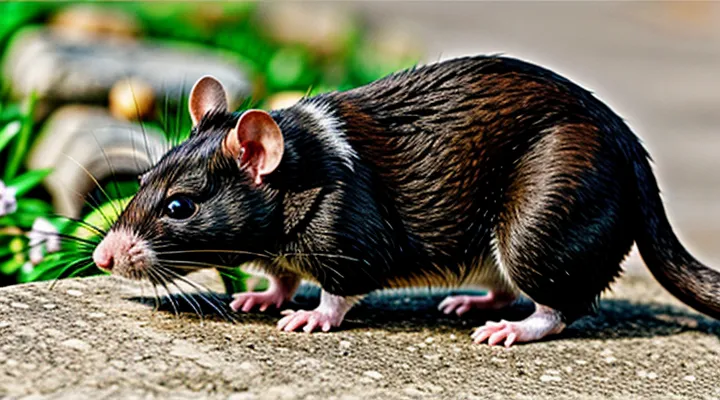
Understanding Pet Rat Breeds
Why Breed Matters for Pet Owners
Pet rat owners benefit from understanding breed distinctions because each variety presents a unique set of characteristics that influence care, behavior, and compatibility with owners.
First, physical traits such as size, coat texture, and coloration affect housing requirements and grooming routines. Larger breeds may need more spacious cages, while hairless types demand specialized skin care to prevent dryness and infection.
Second, temperament varies noticeably across breeds. Some lines are known for calm, inquisitive behavior suitable for novice keepers, whereas others display high activity levels and require extensive enrichment to avoid stress‑related issues.
Third, health predispositions differ. Certain genetic lines carry a higher incidence of respiratory problems, dental malocclusion, or skin conditions. Early identification of a breed’s common ailments enables proactive veterinary monitoring and diet adjustments.
Fourth, breeding goals shape social dynamics. Rats from lines selected for friendliness often integrate easily with existing colony members, reducing aggression and facilitating group housing.
Key considerations for owners:
- Evaluate cage dimensions and accessories based on expected adult size.
- Match temperament to the owner’s experience level and lifestyle.
- Research breed‑specific health alerts and schedule regular check‑ups.
- Choose a breed whose social traits align with the intended colony structure.
By aligning these factors with personal circumstances, owners can provide optimal environments, minimize health risks, and foster rewarding interactions with their pet rats.
Key Characteristics Differentiating Breeds
Pet rats are selectively bred for distinct physical and behavioral traits, allowing owners to choose varieties that match specific preferences. The primary differentiators among popular breeds include size, coat texture, coloration, temperament, and health predispositions.
- Size: Dwarf varieties, such as the Dumbo and the Hairless, typically weigh 150‑200 g, whereas standard breeds like the Classic and the Black Hood range from 250‑300 g. Size influences enclosure dimensions and dietary requirements.
- Coat texture: Smooth‑coated rats (Classic, Black Hood) possess short, glossy fur that sheds minimally. Rex rats feature a plush, velvety coat due to a mutation affecting hair length. Dumbo rats have a softer, slightly longer coat, while Hairless rats lack fur entirely, requiring careful temperature regulation.
- Coloration and markings: Breeds display a spectrum of patterns—solid (e.g., Black Hood), bicolor (e.g., Agouti), and patterned (e.g., Satin, which combines sheen with specific hue). Color genetics affect susceptibility to certain skin conditions; for instance, albino rats lack melanin and are prone to eye irritation.
- Temperament: Behavioral tendencies vary; Dumbo rats are noted for docile, affectionate interactions, making them suitable for handling novices. Standard breeds often exhibit higher activity levels and curiosity, demanding more enrichment. Hairless rats may be more cautious due to heightened sensory perception.
- Health considerations: Coat type influences grooming frequency and skin health. Rex and Hairless rats require regular inspection for dermatitis, while smooth‑coated rats benefit from occasional brushing to prevent matting. Genetic predispositions, such as a higher incidence of respiratory issues in densely furred breeds, guide veterinary monitoring.
Understanding these characteristics enables precise selection of a rat breed that aligns with an owner’s environment, handling experience, and care capacity.
Standardized Rat Breeds
Fancy Rats: The Umbrella Term
Dumbo Rats: The Iconic Ears
Dumbo rats are distinguished by their exceptionally large, low‑set ears that fold forward, giving the breed its characteristic silhouette. The ear mutation is autosomal recessive, meaning both parents must carry the gene for offspring to display the trait. Breeders often pair standard‑eared rats with Dumbo carriers to maintain genetic diversity while producing the desired phenotype.
Key attributes of Dumbo rats include:
- Broad, velvety ears that extend beyond the cheekbones
- Rounded head shape that complements the ear placement
- Calm temperament that many owners associate with the breed
- Slightly higher susceptibility to ear infections if hygiene is neglected
Health considerations focus on maintaining clean ear canals. Regular inspection, gentle cleaning with a cotton swab moistened in saline solution, and prompt veterinary attention at signs of redness or discharge reduce infection risk. The ear structure does not affect hearing ability; auditory function remains comparable to other domestic rats.
Popularity stems from the breed’s striking appearance and approachable demeanor, making it a frequent choice for first‑time rat owners and exhibition participants alike. Proper socialization and a balanced diet support the breed’s overall well‑being, aligning with the standards expected of common pet rat varieties.
Physical Traits of Dumbo Rats
Dumbo rats are distinguished primarily by their ear placement, which sits low on the skull near the cheekbones rather than atop the head. This anatomical variation gives the breed a characteristic “elephant‑ear” silhouette and contributes to a broader auditory field. The ears are typically larger and more pliable than those of standard rats, often covering a significant portion of the head when at rest.
Additional physical attributes include:
- Compact, muscular body measuring 6–9 inches (15–23 cm) from nose to base of tail.
- Short, dense fur that may appear glossy; common color patterns are black, white, agouti, and sable.
- Rounded eyes set wide apart, providing a broad visual range.
- Tail length proportionate to body size, usually 5–7 inches (12–18 cm), with a smooth, hair‑free surface.
- Slightly broader skull and more pronounced cheekbones, enhancing facial volume.
These traits collectively define the breed’s appearance and influence handling considerations within the broader discussion of popular pet rat varieties.
Temperament of Dumbo Rats
Dumbo rats are recognized for a consistently gentle disposition. They tend to remain calm in new environments, display low levels of aggression, and adapt quickly to household activity. Their sociability extends to both human handlers and fellow rodents, making them reliable companions in multi‑rat households.
Key temperament characteristics include:
- High tolerance for handling; they often seek contact and remain steady during routine care.
- Reduced territorial behavior; conflicts with other rats are uncommon compared to many standard varieties.
- Persistent curiosity; they explore enrichment items without excessive skittishness.
- Steady emotional response; stress signs appear later than in more reactive breeds, allowing owners to manage situations with minimal disruption.
When contrasted with other popular pet rat breeds, Dumbo rats exhibit a smoother blend of docility and inquisitiveness. Their propensity for calm interaction supports novice owners and contributes to stable group dynamics, reinforcing their reputation as one of the most approachable choices among common pet rat varieties.
Top-Eared Rats: The Classic Look
Top‑eared rats, often referred to as classic or standard rats, display ears that sit high on the skull and extend to the sides of the head. The ear placement gives the animal a balanced silhouette, while the body remains medium‑sized, typically 8–10 inches in length and weighing 300–500 g. Coat texture is smooth, and accepted color patterns include agouti, black, albino, and various brindles.
The breed traces its development to early laboratory stock imported to the United States in the early 1900s. Selective breeding emphasized robust health, docile temperament, and a moderate size suitable for household environments. Owners report consistent interaction, low aggression, and adaptability to handling, factors that sustain the variety’s prominence in the pet market.
Key physical characteristics include:
- Ears: large, rounded, positioned high on the skull.
- Head: broad with a pronounced snout.
- Body: muscular, with a straight spine and a short, thick tail.
- Coat: short, glossy, without hair deficiencies.
- Lifespan: 2–3 years with proper care.
Essential care elements consist of spacious cages allowing vertical movement, a diet rich in high‑quality rodent pellets supplemented with fresh vegetables, and regular access to chewable objects to prevent dental overgrowth. Health monitoring should focus on respiratory signs, skin lesions, and dental wear; early veterinary intervention reduces morbidity. Routine cleaning of bedding and cage components minimizes odor and pathogen buildup.
When contrasted with dwarf, hairless, or rex varieties, top‑eared rats retain the following advantages:
- Greater body mass supports easier handling.
- Standard ear size reduces susceptibility to ear infections common in breeds with folded or reduced ears.
- Uniform coat simplifies grooming and reduces shedding concerns.
Overall, the classic look of top‑eared rats provides a reliable foundation for first‑time owners and experienced breeders seeking a well‑balanced, resilient pet.
Varieties of Top-Eared Rats
Top‑eared rats represent a distinct phenotypic group within the domestic rat population, defined by ears that stand erect rather than fold forward. The trait results from a specific genetic mutation affecting cartilage structure and is inherited as an autosomal recessive allele.
- Standard Top‑Eared (ST) – Typical coloration, upright ears of moderate size; most common form among top‑eared lines.
- Dumbo Top‑Eared (DTE) – Enlarged, rounded ears that extend further from the head; retains the upright posture while offering a more pronounced silhouette.
- Hairless Top‑Eared (HTE) – Absence of fur across the body; ear shape identical to the standard type, providing a clear view of the ear cartilage.
- Rex Top‑Eared (RTE) – Curly, plush coat combined with erect ears; the rex mutation affects hair texture without altering ear orientation.
- Satin Top‑Eared (SATE) – Highly reflective, silky coat; ears remain upright, giving a sleek appearance.
Breeders must verify the presence of the recessive allele in both parents to achieve consistent top‑ear expression. Health monitoring focuses on ear cleanliness and the prevention of otitis, as the upright position may predispose individuals to debris accumulation. Proper diet, regular cage sanitation, and routine veterinary checks support the longevity of each variety.
Common Coat Types in Top-Eared Rats
Top‑eared rats, a popular variety among companion rodents, display several distinct coat types that affect grooming, health considerations, and aesthetic appeal.
- Standard (short, smooth) coat – dense, glossy fur that lies flat against the body; requires routine brushing to remove loose hairs and prevent matting.
- Satin coat – similar length to the standard coat but with a silky, reflective sheen; shedding is comparable to the standard type, and the texture may feel softer to the touch.
- Rex coat – characterized by short, wavy or curly fur that creates a plush surface; the curl pattern reduces the likelihood of hairball formation but may trap debris, necessitating more frequent cleaning.
- Hairless (nude) coat – a lack of fur exposing smooth skin; skin is prone to dryness and temperature fluctuations, so environmental humidity and temperature must be carefully regulated, and a mild moisturizer may be applied as needed.
- Dwarf coat (shortened growth) – a genetic mutation resulting in markedly shorter hair; the coat is easy to maintain, yet the underlying skin can be more sensitive to irritation.
Each coat type influences handling techniques. Smooth and satin coats allow a secure grip without slipping, while rex and dwarf coats may require a gentler approach to avoid pulling on curls. Hairless rats demand direct skin contact, making the use of gloves advisable for individuals with sensitive skin. Understanding these variations enables owners to select a top‑eared rat whose coat aligns with their care capacity and visual preferences.
Hairless Rats: A Unique Appearance
Care Considerations for Hairless Rats
Hairless rats belong to the group of widely kept domestic rats and require distinct management because they lack the protective fur coat typical of other varieties. Their exposed skin makes them vulnerable to temperature fluctuations, dehydration, and skin irritation, demanding precise environmental control and attentive husbandry.
- Temperature: maintain ambient temperature between 70 °F and 78 °F (21 °C–26 °C); avoid drafts and direct sunlight. Supplemental heat sources, such as low‑wattage ceramic heaters, may be necessary in cooler climates.
- Humidity: keep relative humidity at 40 %–60 % to prevent skin drying while discouraging mold growth. Use a hygrometer to monitor levels regularly.
- Skin care: apply a veterinarian‑approved emollient or mineral oil to dry patches no more than once daily; inspect for abrasions, redness, or signs of infection during each handling session.
- Diet: provide a balanced rat chow supplemented with fresh vegetables and occasional protein sources; include a small amount of omega‑3‑rich oil to support skin health. Ensure constant access to clean, fresh water; consider a water bottle with a drip‑proof nozzle to avoid spills that could soak the skin.
- Handling: use gentle, gloved contact to reduce friction; support the body fully and avoid gripping the tail. Limit handling sessions to 5–10 minutes until the animal becomes accustomed to human interaction.
- Health monitoring: schedule veterinary check‑ups every 3–4 months; watch for respiratory symptoms, skin lesions, or abnormal behavior. Early detection of infections, such as dermatitis or respiratory disease, improves treatment outcomes.
- Enrichment: provide textured, non‑fabric toys (e.g., chew blocks, tunnels made of untreated wood) that do not trap moisture against the skin. Rotate enrichment items weekly to stimulate mental activity without compromising hygiene.
Consistent application of these practices sustains the well‑being of hairless rats, aligning their care with the standards expected for all popular pet rat breeds.
Temperament of Hairless Rats
Hairless rats, often referred to as “nude” rats, display a temperament that distinguishes them from fur‑bearing counterparts while retaining many of the species’ typical social traits. They are generally curious, actively explore new objects, and readily engage with human handlers. Their lack of fur makes them more sensitive to temperature fluctuations, so they seek warm environments and may curl tightly to conserve heat, a behavior that can be misinterpreted as shyness. When provided with adequate warmth and gentle handling, hairless rats become confident and display frequent grooming of their peers, indicating strong social bonds.
Key aspects of their behavior include:
- Affectionate interaction – they often approach hands, nuzzle, and accept petting for extended periods.
- Playful activity – they chase toys, navigate mazes, and exhibit rapid bursts of movement similar to other domestic rats.
- Territorial awareness – they mark familiar spaces with scent glands and may show mild resistance to unfamiliar rats introduced without gradual acclimation.
- Stress sensitivity – sudden temperature drops, loud noises, or abrupt handling can trigger defensive postures, such as rearing or freezing.
Owners who maintain stable ambient temperatures, provide nesting material that offers insulation, and introduce new companions gradually will find hairless rats to be sociable, intelligent, and highly interactive pets. Their temperament, while requiring careful environmental management, aligns with the broader expectations for domestic rat varieties.
Less Common and Emerging Breeds
Satin Rats: The Shimmering Coat
Distinctive Features of Satin Rats
Satin rats are distinguished primarily by their glossy, smoothly textured fur, which reflects light with a subtle sheen. The coat lacks the typical wiry feel of standard varieties, giving the animal a sleek appearance that many owners find aesthetically appealing. This unique pelage results from a specific genetic mutation affecting hair structure, and it is inherited as an autosomal recessive trait.
Key physical characteristics include:
- Medium size, averaging 250‑300 grams, comparable to other domestic strains.
- Broad head and rounded ears that complement the polished coat.
- Wide range of color patterns, such as solid, agouti, and roan, each retaining the satin sheen.
Temperamentally, satin rats display a calm disposition and are generally sociable with both humans and conspecifics. Their reduced grooming requirements stem from the coat’s low propensity to mat, though regular brushing prevents oil buildup and maintains sheen. Health considerations focus on monitoring for skin irritations, as the smoother fur can trap moisture more readily than coarse hair.
Breeding programs emphasize careful pair selection to preserve the satin phenotype while avoiding inbreeding depression. Genetic testing confirms carrier status, ensuring that litters retain the desired coat quality without compromising overall vigor.
Popularity and Availability
The following analysis addresses the demand and market presence of the most frequently kept pet rat varieties.
- Fancy Rat (standard coloration, broad genetic pool)
- Dumbo Rat (large, low-set ears)
- Rex Rat (curly fur)
- Hairless Rat (minimal hair, skin-sensitive)
- Satin Rat (glossy coat)
Availability depends on distribution channels. Retail pet shops commonly stock Fancy and Dumbo rats, often sourced from local breeding facilities. Specialized breeders focus on Rex, Hairless, and Satin lines, offering animals through direct contact, breed‑specific clubs, and reputable online platforms. Geographic concentration varies: urban areas with higher pet‑ownership rates present greater stock, while rural regions rely on mail‑order services.
Demand fluctuations influence supply. High visibility on social media, participation in rodent‑exhibition events, and seasonal pet‑adoption drives increase orders for distinctive coat types such as Rex and Hairless. Regulatory restrictions on breeding practices, import limits, and health‑screening requirements can reduce the number of breeders able to provide certain strains, thereby affecting local market density.
Overall, the most popular varieties maintain consistent presence in mainstream outlets, whereas niche breeds rely on dedicated breeding networks and online marketplaces to meet collector interest.
Rex Rats: The Curly Coat
Types of Rex Coats
Rex coat results from a recessive gene that alters hair texture, producing a short, velvety curl distinct from the smooth fur of typical pet rats. Breeders recognize several variants, each defined by curl density, length, and sheen.
- Standard Rex – Short, dense curls cover the entire body; texture feels like fine plush. Coat length remains comparable to smooth varieties, while curl tightness creates a uniform, matte appearance.
- Long Rex – Extension of the standard gene with additional growth cycles yields longer, looser curls. The fur may reach 1–2 cm, retaining the plush feel but adding a flowing silhouette.
- Satin Rex – Combination of satin and rex mutations; curls are present but each hair exhibits a glossy, reflective surface. The interplay of curl and sheen produces a semi‑shiny, tactile coat.
- Harlequin Rex – Rare pattern where rex texture appears alongside stark color patches; curls remain consistent across colored and white sections, offering visual contrast without altering texture.
Each variant influences grooming requirements: tighter curls trap debris, demanding regular brushing; longer curls may require gentle detangling to prevent matting. Understanding these distinctions assists owners in selecting rats whose coat characteristics align with handling preferences and maintenance capabilities.
Temperament and Health Notes
Pet rats are prized for their intelligence, social nature, and adaptability. Each popular variety displays distinct behavioral tendencies and health considerations that influence care requirements.
-
Standard Fancy (including colors and patterns)
Temperament: Curious, interactive, readily bonds with humans when handled regularly. Demonstrates moderate activity levels and enjoys enrichment toys.
Health: Generally robust; prone to respiratory infections if humidity is high, and occasional dental overgrowth requiring regular chew items. -
Dumbo (large, low-set ears)
Temperament: Gentle, often more tolerant of handling than other varieties. Shows strong affinity for companionship, both with humans and other rats.
Health: Susceptible to ear infections due to reduced ear canal ventilation; routine cleaning and monitoring essential. -
Rex (curly coat)
Temperament: Playful, inquisitive, may be slightly more skittish than smooth‑coated rats but becomes confident with consistent interaction.
Health: Coat can trap debris, increasing risk of skin irritation and fungal issues; regular grooming reduces complications. -
Hairless (Satin) rat
Temperament: Affectionate, seeks warmth and contact; tolerates handling well when accustomed early.
Health: Lacks protective fur, making it vulnerable to temperature fluctuations and skin dryness; maintain ambient temperature above 68 °F (20 °C) and apply mild moisturizer if skin appears dry. -
Dwarf (e.g., “Mini” or “Giant” dwarf)
Temperament: Energetic, agile, often more territorial; benefits from early socialization to prevent aggression.
Health: Smaller body size predisposes to metabolic stress; monitor weight closely and provide a diet high in protein and low in excess fats.
Across all varieties, common health concerns include respiratory disease (Mycoplasma, Sendai virus), gastrointestinal blockage from ingesting non‑food items, and dental malocclusion. Preventive measures—clean cages, balanced nutrition, regular veterinary examinations, and enrichment that encourages natural foraging—mitigate these risks and support optimal temperament development.
Manx Rats: The Tailless Variety
Genetic Background of Manx Rats
Manx rats are distinguished by a natural mutation that eliminates the caudal vertebrae, producing a short or absent tail. The trait follows an autosomal recessive inheritance pattern; two copies of the mutant allele are required for full expression, while heterozygous individuals display a normal tail length but carry the gene.
The mutation originates from a single‑gene deletion on chromosome 1 that disrupts the development of the axial skeleton. Molecular analysis identifies the affected locus as the T (tailless) gene, which encodes a protein involved in vertebral segmentation. Sequencing of breeding colonies confirms a consistent 8‑base‑pair deletion that creates a frameshift, rendering the protein nonfunctional.
Breeding programs for Manx rats began in the early 1990s, when a few tailless founders were introduced into domestic colonies. Controlled matings have maintained the recessive allele while preserving overall genetic health. Outcrosses with standard‑tailed strains are employed periodically to reduce inbreeding depression, then backcrossed to re‑establish the tailless phenotype.
Key genetic features of the Manx breed:
- Autosomal recessive inheritance of the T mutation.
- Homozygous individuals exhibit complete or partial tail loss.
- Heterozygous carriers retain normal tail morphology but contribute to allele propagation.
- Genetic screening via PCR reliably detects the 8‑bp deletion.
- Managed outcrossing maintains heterozygosity and mitigates deleterious recessive effects.
Considerations for Owning Manx Rats
Manx rats are a distinctive variety among popular pet rat breeds, recognized for their naturally short or absent tails and a calm disposition. Their genetic profile includes a recessive mutation that eliminates tail development, which can affect balance and spinal health. Prospective owners must verify that the breeder provides health certificates confirming the absence of related spinal defects.
- Housing: Provide a spacious cage with multiple levels and secure ramps to compensate for reduced tail balance; mesh flooring should be avoided to prevent foot injuries.
- Nutrition: Offer a balanced diet of high‑quality rat pellets supplemented with fresh vegetables; monitor calcium intake to support bone strength, especially in tail‑less individuals.
- Social needs: Maintain at least one compatible companion, as Manx rats exhibit strong social bonds; introduce new rats gradually to prevent aggression.
- Health monitoring: Conduct weekly checks for signs of spinal curvature, gait abnormalities, or tail‑related injuries; schedule veterinary examinations with a practitioner experienced in exotic rodents.
- Enrichment: Incorporate chew toys, tunnels, and climbing structures to encourage natural foraging behavior and prevent boredom.
Choosing a Manx rat requires diligence in selecting a reputable source, establishing a safe environment, and committing to regular health assessments. Access to specialized veterinary care and reliable information on breed‑specific traits ensures the long‑term welfare of these tail‑deficient rodents.
Choosing the Right Pet Rat
Factors to Consider Before Adoption
Lifestyle Compatibility
Pet rats thrive when their breed characteristics align with the owner’s daily routine, housing constraints, and interaction preferences. Matching a rat’s temperament, activity level, and care requirements to a household’s lifestyle reduces stress for both animal and keeper.
Rats that exhibit calm, sociable behavior, such as the Standard and Dumbo varieties, adapt well to environments where owners spend limited time at home. Their modest exercise needs can be satisfied with a standard-sized cage and a few daily play sessions. In contrast, the energetic Rex and Himalayan strains benefit from owners who provide multiple enrichment stations, frequent handling, and extended out‑of‑cage time. These breeds show higher levels of curiosity and require more complex toys to prevent boredom.
Families with children should prioritize breeds known for tolerance of rough handling. The Standard and Dumbo rats possess sturdy constitutions and tend to recover quickly from accidental pinches. Their docile nature supports supervised interaction without extensive training. For senior citizens or individuals seeking low‑maintenance companionship, the smaller, less active Standard rats demand fewer daily cleaning cycles and minimal space, fitting comfortably in compact living quarters.
Breed‑specific lifestyle compatibility
- Standard (Short‑haired)
- Suitable for apartments, limited caretaker time, and novice owners.
- Low grooming demand; moderate cage size sufficient.
- Dumbo (Large‑ear)
- Ideal for families with children; gentle disposition.
- Requires slightly larger cage to accommodate ear size, but otherwise low maintenance.
- Rex (Curly‑haired)
- Best for active households; high curiosity drives need for varied enrichment.
- Regular grooming recommended to prevent matting.
- Himalayan (Color‑point)
- Fits owners who can allocate daily interaction and structured play.
- Sensitive to temperature fluctuations; stable indoor climate essential.
Selecting a breed that mirrors the owner’s schedule, space availability, and interaction style promotes healthier rats and more satisfying pet ownership.
Health and Longevity
Pet rats thrive when owners address core health determinants that directly affect lifespan. Proper nutrition forms the foundation; a balanced diet of high‑quality laboratory rat chow supplemented with fresh vegetables, limited fruit, and occasional protein sources prevents obesity and nutrient deficiencies. Clean, well‑ventilated cages with regular bedding changes reduce respiratory irritation and limit exposure to pathogens such as Mycoplasma pulmonis.
Routine veterinary oversight is essential. Annual health examinations, parasite screenings, and prompt treatment of common ailments—including respiratory infections, skin lesions, and dental overgrowth—extend longevity. Vaccination is not standard for rats, but prophylactic measures such as quarantine of new arrivals and strict hygiene protocols mitigate disease transmission.
Genetic factors influence lifespan across popular varieties. Standard Fancy rats typically live 2–3 years, with some individuals reaching 4 years under optimal care. Dumbo rats, characterized by low ear placement, share similar longevity but may experience increased ear infections if hygiene lapses. Hairless (e.g., Bald) and Rex strains possess comparable lifespans but require meticulous skin care to prevent dermatitis and temperature stress.
Key practices that consistently improve rat health:
- Provide 0.5–1 cup of fresh water daily; use a sipper bottle to maintain cleanliness.
- Offer 1–2 hours of supervised out‑of‑cage exploration to encourage physical activity and mental stimulation.
- Monitor weight weekly; a sudden loss of 5 % body mass signals potential illness.
- Replace bedding material every 2–3 days; select dust‑free substrates to protect respiratory health.
- Schedule veterinary visits at least once per year, with additional checks for any behavioral or physical changes.
By adhering to these evidence‑based guidelines, owners can maximize the lifespan of their pet rats, achieving the upper range of expected longevity for each breed.
Where to Find Reputable Breeders
Finding reliable rat breeders requires systematic research and verification. Start by consulting official rodent‑breeder associations, which maintain member lists that adhere to health‑screening standards and ethical breeding protocols. Contact the national laboratory animal association or the regional small‑animal breeders’ council for referrals to accredited producers of popular pet rat varieties.
Utilize specialized online directories that filter listings based on user reviews, veterinary endorsements, and compliance with breeding guidelines. Verify each entry by checking for:
- Health certificates covering common ailments such as respiratory infections and mites.
- Documentation of genetic testing for coat‑color and pattern traits.
- Evidence of a clean, well‑ventilated facility with separate quarantine areas.
- Transparent policies on return, spay/neuter, and lifetime support.
Veterinary professionals often know reputable sources. Request recommendations from a small‑animal veterinarian who has experience with rodents; they can confirm a breeder’s track record and advise on local options.
Attend regional pet expos or rodent‑focused shows. These events provide direct interaction with breeders, allowing observation of animal condition, housing standards, and breeder knowledge. Prepare questions about lineage, health history, and socialization practices before committing.
Finally, conduct a site visit. A reputable breeder will welcome inspection, demonstrate record‑keeping, and allow interaction with the rats. Assess the animals for alertness, clean fur, and absence of discharge. Only after confirming these criteria should you proceed with a purchase, ensuring the new pet rat originates from a responsible and health‑focused breeding program.