
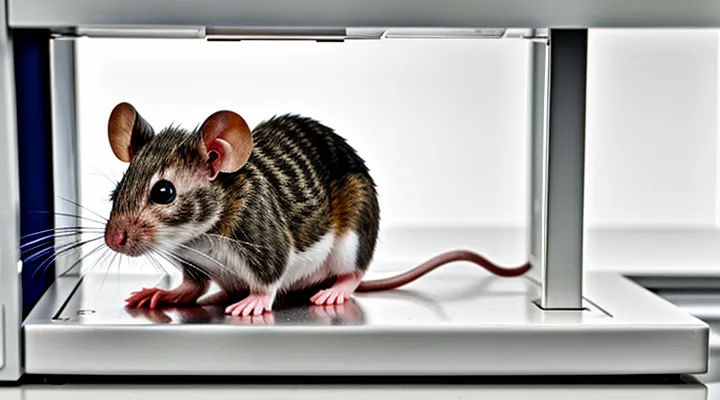
The Rise of the Laboratory Mouse in Research
Historical Context of Model Organisms
The use of model organisms dates to the 19th‑century experiments that established the principle of biological generalization. Early researchers selected species with short life cycles, simple anatomy, and ease of maintenance, allowing rapid observation of genetic and developmental processes.
Fruit flies (Drosophila melanogaster) provided the first systematic framework for inheritance studies, while the nematode Caenorhabditis elegans offered a transparent body suitable for cellular lineage mapping. These invertebrates demonstrated that a single species could generate insights applicable to broader biological questions.
Mammalian models entered the laboratory setting in the early 20th century, driven by the need to explore complex physiology and disease mechanisms. The domesticated mouse, particularly strains lacking pigmentation, emerged as a valuable platform because its genome could be manipulated with precision, and its phenotypic uniformity reduced experimental variability.
The colorless laboratory mouse, a strain engineered to lack melanin, enables direct visualization of internal structures without invasive procedures. Its genetic tractability, combined with a well‑characterized background, supports studies ranging from neurobiology to immunology. The historical progression from simple invertebrates to sophisticated mouse models explains the current preference for this pigment‑deficient rodent in contemporary biomedical research.
Advantages of Mouse Models in Biomedical Research
Mouse models provide a genetically tractable platform for investigating disease mechanisms. Their short reproductive cycles and well‑characterized genome enable rapid generation of transgenic, knockout, and conditional lines, which accelerates hypothesis testing. Physiological parameters such as metabolism, immune response, and organ development closely resemble those of humans, allowing extrapolation of experimental outcomes.
Key advantages include:
- High reproducibility of experimental results due to standardized breeding practices.
- Cost‑effectiveness compared with larger mammals, facilitating large‑scale studies.
- Compatibility with a wide range of analytical techniques, from imaging to omics profiling.
- Ability to model complex genetic backgrounds and polygenic diseases.
- Ethical acceptability under established animal welfare guidelines, supporting responsible research.
These attributes make mouse models indispensable for preclinical validation of therapeutics, biomarker discovery, and mechanistic exploration of human pathology.
The Peculiarities of the «Colorless» Mouse
Genetic Basis of Albinism in Mice
The lack of pigment in laboratory mice results from mutations that disrupt melanin synthesis pathways. Primary genes implicated include Tyrosinase (Tyr), which encodes the rate‑limiting enzyme in melanin production; Oca2, responsible for melanosomal pH regulation; and Slc45a2, a transporter essential for melanosome maturation. Additional contributors such as Mitf and Slc24a5 modulate transcriptional networks and ion exchange, respectively, influencing pigment deposition. Mutations in these loci produce a phenotype characterized by white fur and pink eyes, commonly referred to as albinism.
Researchers select this phenotype because the absence of coat color eliminates visual interference in experiments requiring optical imaging, fluorescence detection, or behavioral tracking. The genetic background of albino strains is well characterized, facilitating reproducible cross‑breeding and gene‑editing strategies. Moreover, the defined mutations provide a clear genetic marker for assessing gene‑targeting efficiency and for studying the role of melanin‑related pathways in disease models.
Specific Strains and Their Origins
The use of albino, hair‑less laboratory mice provides a uniform genetic background that simplifies experimental interpretation. Researchers select distinct strains according to the physiological traits required for their studies.
- «C57BL/6» – originated from the Bagg albino stock in the 1920s; widely used for immunology and metabolic research because of its well‑characterized genome.
- «BALB/c» – derived from a British colony established in 1913; favored for oncology and infectious disease models due to its Th2‑biased immune response.
- «CD‑1» – outbred strain created in the United Kingdom in the 1940s; employed when genetic variability is desired, such as toxicology testing.
- «129Sv» – produced from a Swiss colony in the 1950s; commonly used for embryonic stem cell work because of high germ‑line transmission rates.
- «NOD» – developed at the National Institutes of Health in the 1970s; selected for type‑1 diabetes research because of spontaneous autoimmune β‑cell destruction.
Each strain’s provenance traces back to early breeding programs that isolated specific phenotypes. The original colonies were maintained through successive generations, preserving the genetic signatures that define modern research models. Understanding these origins enables precise alignment of mouse genetics with experimental objectives.
Why Albinism is Desirable for Laboratory Studies
Reduced Pigmentation and its Impact on Imaging Techniques
Optical Clarity for In Vivo Studies
The albino laboratory mouse provides unparalleled optical transparency, enabling direct observation of cellular processes without the interference of melanin pigments. Absence of pigment reduces light scattering, allowing deeper tissue penetration and higher signal‑to‑noise ratios in live imaging experiments.
Optical clarity facilitates the use of advanced intravital techniques. Two‑photon excitation, confocal microscopy, and optical coherence tomography benefit from reduced background absorption, resulting in sharper images of vascular networks, neuronal circuits, and tumor microenvironments. The model also diminishes autofluorescence, improving quantification of fluorescent reporters.
Key advantages of the transparent mouse for in vivo studies:
- Enhanced imaging depth up to several millimeters in brain and organ tissue.
- Superior resolution of subcellular structures owing to minimal light diffusion.
- Consistent fluorescence intensity across specimens, supporting longitudinal experiments.
- Compatibility with multimodal imaging platforms without the need for additional clearing procedures.
Consequently, researchers select the pigment‑deficient mouse to obtain high‑fidelity visual data, accelerate translational discoveries, and reduce the number of animals required for statistically robust outcomes.
Minimizing Interference in Fluorescent Assays
The colorless mouse model provides a biologically neutral background that reduces background fluorescence, thereby improving signal‑to‑noise ratios in assays that rely on fluorescent reporters. Endogenous pigments such as melanin and hemoglobin absorb and scatter excitation and emission light; their absence in albino or genetically engineered transparent strains eliminates this source of optical interference.
Key strategies for minimizing assay interference when using this model include:
- Selecting excitation wavelengths that avoid residual autofluorescence from tissue components; near‑infrared probes further diminish background signals.
- Employing spectral unmixing algorithms calibrated with control samples from the same strain to separate true reporter emission from any remaining tissue autofluorescence.
- Using tissue‑clearing techniques compatible with the transparent phenotype to enhance light penetration without introducing exogenous scattering agents.
- Validating probe specificity in the colorless background before scaling experiments, ensuring that observed fluorescence originates exclusively from the intended molecular target.
By integrating these practices, researchers achieve more reliable quantitative measurements, facilitating the interpretation of cellular dynamics and molecular interactions in vivo. The inherent lack of pigment in the model eliminates a major confounding factor, allowing fluorescent assays to reach their theoretical sensitivity limits.
Standardized Genetic Background and Reproducibility
The use of a mouse strain with a uniform genetic composition ensures that experimental variables are limited to the intervention under study. By eliminating background genetic diversity, researchers can attribute observed phenotypes directly to the manipulation rather than to hidden allelic differences.
Reproducibility across laboratories depends on the ability to obtain animals with identical genotypes. Standardized colonies, maintained through rigorous breeding protocols, provide a consistent platform for replication. When multiple groups employ the same genetic baseline, comparative analysis becomes statistically robust and conclusions gain broader validity.
Key advantages of this approach include:
- Predictable baseline physiology, reducing the need for extensive control groups.
- Streamlined interpretation of gene‑function studies, as confounding modifiers are minimized.
- Facilitation of meta‑analyses, because data from disparate studies share a common genetic reference.
Adherence to a defined genetic background thus underpins the reliability of findings and supports the selection of the colorless laboratory mouse as a preferred model for biomedical research.
Avoiding Confounding Factors from Coat Color Variations
The presence of pigment in laboratory rodents introduces measurable variability that can obscure experimental outcomes. Melanin affects visual perception, thermoregulation, and stress‑related behavior, creating hidden sources of bias when coat color differs among test groups.
Pigment‑related confounders include:
- Differential heat absorption leading to temperature gradients across cages.
- Variable reflectance that alters visibility of subtle phenotypic markers under standard lighting.
- Distinct grooming patterns influencing skin microbiota and wound healing rates.
- Hormonal fluctuations triggered by coat‑color‑dependent stress responses.
Mitigation strategies focus on eliminating pigment influence and controlling associated environmental factors:
- Employ albino or genetically engineered pigment‑free mouse strains as the baseline model.
- Standardize illumination intensity and spectrum to reduce visual bias.
- Maintain uniform ambient temperature and humidity to counteract thermoregulatory differences.
- Conduct assessments blind to animal identity, ensuring observer impartiality.
- Verify genotype and coat‑color status through molecular screening before experimental allocation.
By removing melanin‑derived variability, researchers achieve greater reproducibility and clearer interpretation of physiological and molecular data. «Absence of pigment eliminates a class of hidden variables that can otherwise compromise the validity of experimental conclusions».
Ethical Considerations and Animal Welfare
Housing and Care for Albino Mice
Albino laboratory mice require standardized housing to ensure reproducible experimental outcomes. Cages should be made of transparent polycarbonate, provide at least 75 cm² floor space per mouse, and include a filter top to maintain sterile conditions. Bedding material must be low‑dust, absorbent, and free of aromatic compounds; corncob or paper‑based substrates meet these criteria.
Environmental parameters must remain within strict limits. Temperature is maintained at 20–26 °C, relative humidity at 30–70 %, and a 12‑hour light/dark cycle with light intensity not exceeding 150 lux. Ventilation rates of 10–15 air changes per hour prevent accumulation of ammonia and pathogens.
Nutritional management follows a defined regimen. Standard rodent chow supplies balanced protein, carbohydrate, and fat content; water is provided ad libitum via an autoclavable bottle system. Supplementary enrichment, such as nesting material and shelters, reduces stress and promotes natural behaviors.
Health monitoring encompasses daily visual inspection for signs of distress, weekly weight measurement, and periodic veterinary assessment. Quarantine of new arrivals for a minimum of two weeks prevents introduction of infectious agents. Record‑keeping of cage changes, diet modifications, and environmental readings supports compliance with institutional animal care guidelines.
Impact of Albinism on Natural Behavior and Vision
Albinism eliminates melanin production, resulting in a lack of pigmentation in the skin, fur, and ocular structures. The absence of pigment directly influences visual acuity and circadian regulation, which in turn shapes natural behavior patterns.
Visual deficits arise from reduced retinal pigmentation, leading to increased light scattering and decreased contrast sensitivity. Albino mice exhibit heightened susceptibility to photic stress, altered pupillary reflexes, and impaired depth perception. These changes affect exploratory activity, predator avoidance, and foraging efficiency under varying illumination conditions.
Behavioral consequences extend beyond vision. The deficiency of melanin disrupts melanocortin signaling pathways that modulate anxiety, aggression, and social interaction. Observations include:
- Decreased avoidance of brightly lit environments, reflecting reduced photophobia.
- Altered grooming sequences, linked to sensory feedback anomalies.
- Modified nesting preferences, favoring darker, enclosed spaces when available.
Physiological adaptations compensate for visual limitations. Enhanced reliance on olfactory and tactile cues supports navigation and food acquisition. Neuroplastic changes in the visual cortex demonstrate reorganization to process lower-quality visual input.
The combination of predictable visual impairment and distinct behavioral phenotypes provides a controlled platform for studying gene‑environment interactions, neurodevelopmental disorders, and therapeutic interventions targeting sensory processing.
Future Directions in Mouse Model Development
CRISPR/Cas9 and Advanced Genetic Engineering
The albino laboratory mouse provides a uniform genetic background that simplifies the interpretation of genome‑editing outcomes. CRISPR/Cas9 introduces targeted double‑strand breaks with high efficiency, enabling rapid generation of knockout, knock‑in, and conditional alleles. In this model, the absence of pigmentation eliminates optical interference in imaging studies, allowing precise visualization of fluorescent reporters inserted via homology‑directed repair.
Advanced engineering techniques extend CRISPR capabilities:
- Base editors convert single nucleotides without creating double‑strand breaks, reducing off‑target insertions in the colorless mouse genome.
- Prime editing inserts larger DNA fragments while preserving genomic integrity, facilitating the study of complex disease‑related loci.
- Multiplexed guide RNAs permit simultaneous modification of several genes, accelerating the creation of polygenic disease models.
The combination of a genetically homogenous mouse strain and refined CRISPR tools yields reproducible phenotypes, essential for translational research. High‑throughput screening pipelines exploit the model’s compatibility with automated phenotyping platforms, delivering large datasets for genotype‑phenotype correlation.
Regulatory considerations benefit from the model’s well‑characterized background. Established breeding colonies and standardized housing conditions streamline ethical review and reduce variability across laboratories, supporting collaborative projects that rely on precise genetic manipulation. «The reproducibility afforded by this system underpins the reliability of preclinical findings», reinforcing its status as a preferred choice for cutting‑edge genetic studies.
The Evolving Role of Albino Models in Specific Research Fields
The albino laboratory mouse remains a standard model because its lack of pigment simplifies visual and molecular analyses. In immunology, the absence of melanin reduces background fluorescence, allowing precise flow‑cytometry measurements of immune cell populations. Genetic research benefits from the uniform coat color, which facilitates the identification of spontaneous mutations and the tracking of engineered alleles introduced by CRISPR‑Cas9. Neuroscience experiments exploit the transparent cranial window provided by the unpigmented skull, improving in‑vivo imaging of neuronal activity with two‑photon microscopy.
Recent developments have expanded the applications of albino models:
- Gene‑editing platforms generate disease‑specific knock‑in lines without interference from coat‑color genes, accelerating preclinical testing of targeted therapies.
- High‑resolution optical coherence tomography leverages the clear ocular media of albino mice to assess retinal degeneration in ophthalmic studies.
- Metabolic investigations employ albino strains to monitor glucose uptake using fluorescent tracers, where pigment‑related absorption would otherwise distort quantitative data.
Oncological research also gains from the model’s visual clarity. Tumor xenografts implanted subcutaneously are readily visualized, supporting real‑time evaluation of tumor growth and response to immunotherapies. Furthermore, the albino background permits the use of bioluminescent reporters without signal attenuation, enhancing the detection of metastatic spread in live animals.
The evolving role of albino models reflects integration with advanced imaging, genome‑editing, and high‑throughput screening technologies. Their consistent phenotype continues to provide a reliable platform for reproducible experiments across diverse biomedical fields.