
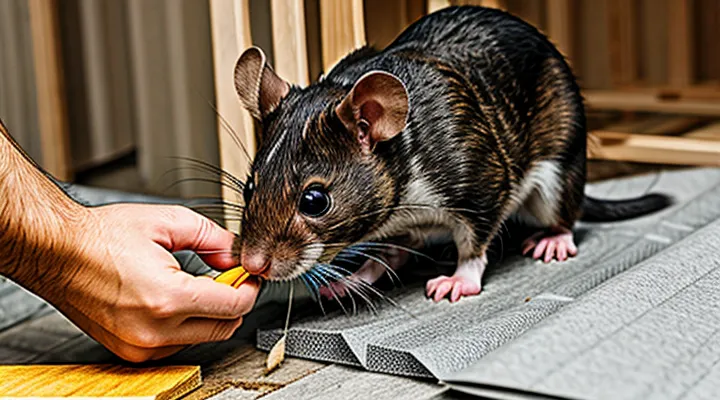
Understanding the Rodent Problem
Why Rodents Chew Insulation
Damage Caused by Rodents
Rodents gnaw on insulation, compromising thermal performance and increasing energy consumption. Their incisors continuously grow, prompting constant chewing on any pliable material they encounter.
- Structural weakening: Holes created in walls, ceilings, and floors reduce load‑bearing capacity and may lead to collapse if left unrepaired.
- Electrical hazards: Chewed wiring exposes conductors, creating short circuits, fire risk, and potential loss of power.
- Moisture intrusion: Gaps allow water vapor and rain to infiltrate, fostering mold growth and accelerating material decay.
- Contamination: Urine, droppings, and hair introduce pathogens, degrading indoor air quality and posing health risks.
- Economic impact: Repair costs, increased utility bills, and potential liability for pest‑related damages can exceed thousands of dollars per property.
Understanding these consequences guides the selection of insulation that resists gnawing, thereby preserving building integrity and reducing long‑term expenses.
Health Risks Associated with Rodent Infestations
Rodent infestations introduce a range of pathogens that jeopardize human health. Species such as house mice, Norway rats, and roof rats carry bacteria, viruses, and parasites capable of causing severe illness. Direct contact with rodent urine, feces, or saliva can transmit Hantavirus, leptospirosis, salmonellosis, and lymphocytic choriomeningitis. Inhalation of aerosolized particles from contaminated nesting material may lead to respiratory infections and allergic reactions, including asthma exacerbations.
Contamination of building materials extends the risk beyond immediate contact. Insulation that rodents can gnaw through becomes a vector for droppings and urine, allowing microorganisms to infiltrate walls, ceilings, and ventilation ducts. This creates persistent exposure zones, increasing the likelihood of chronic conditions such as hypersensitivity pneumonitis and secondary bacterial infections.
Key health concerns include:
- Hantavirus pulmonary syndrome: transmitted through inhaled aerosolized rodent excreta; mortality can exceed 30 %.
- Leptospirosis: bacterial infection entering through skin abrasions or mucous membranes; symptoms range from fever to organ failure.
- Salmonellosis: ingestion of contaminated food or surfaces; leads to gastroenteritis and possible septicemia.
- Lymphocytic choriomeningitis: viral illness causing meningitis, encephalitis, and long‑term neurological deficits.
- Allergic sensitization: exposure to rodent dander and nesting debris triggers IgE‑mediated responses, worsening asthma and rhinitis.
Effective mitigation depends on preventing rodents from accessing insulation. Materials engineered to resist gnawing eliminate the hidden reservoirs where pathogens accumulate, reducing the probability of exposure. Selecting such insulation therefore serves as a proactive health safeguard, limiting the spread of disease‑causing agents within residential and commercial structures.
Key Properties of Rodent-Resistant Insulation
Material Hardness and Density
Material hardness directly influences a rodent’s ability to gnaw through insulation. Harder substances resist bite forces by requiring greater pressure to deform or fracture. Metals, high‑density polymers, and ceramic‑based composites typically exceed the bite strength of common rodents, making them effective barriers. When hardness is quantified on the Mohs or Rockwell scales, values above 6 (Mohs) or 70 HRB (Rockwell B) generally deter chewing.
Density contributes to resistance by increasing mass per unit volume, which raises the energy required for a rodent to remove material. Dense foams, mineral wool, and compressed cellulose achieve higher attenuation of bite forces than low‑density alternatives. Specific density ranges that provide practical protection include:
- Mineral wool: 30–50 kg/m³
- High‑density polyethylene foam: 45–70 kg/m³
- Rigid polyurethane panels: 70–120 kg/m³
Combining hardness and density yields optimal performance. A material that is both hard and dense forces rodents to exert excessive effort, often resulting in abandonment of the target. Selecting insulation based on these mechanical properties ensures long‑term integrity against gnawing damage.
Chemical Deterrents and Repellents
Chemical deterrents and repellents provide a practical layer of protection for insulation systems that must resist rodent damage. These agents create an environment that rodents avoid, reducing the likelihood that they will gnaw through protective barriers.
Effective formulations fall into three categories:
- Rodent‑specific taste aversives such as bittering agents (e.g., denatonium benzoate) that render surfaces unpalatable.
- Contact irritants including capsaicin extracts and essential oil blends (peppermint, eucalyptus) that cause discomfort upon skin contact.
- Odor‑based repellents that emit volatile compounds (e.g., methyl nonyl ketone) disrupting rodents’ olfactory cues.
Selection criteria focus on durability, compatibility with insulation material, and safety for occupants. Products with low volatility maintain efficacy longer, limiting re‑application frequency. Compatibility testing ensures that chemicals do not degrade foam, fiberglass, or mineral wool, preserving thermal performance. Certifications from agencies such as EPA and UL confirm compliance with health and fire‑safety standards.
Application methods vary by product form. Spray‑on or brush‑on solutions allow direct coverage of seams, edges, and penetrations where rodents initiate entry. Pre‑impregnated barrier sheets can be installed alongside insulation, delivering continuous protection without additional labor. For large‑scale projects, bulk mixing of deterrent additives into insulation compounds provides uniform distribution.
Monitoring and maintenance remain essential. Periodic inspection identifies loss of deterrent efficacy due to wear or environmental factors. Re‑treating affected areas restores protection and extends the service life of the insulation assembly.
Inability to Create Nests
Rodents are attracted to insulation that can be shaped into a nest; eliminating that possibility reduces population growth and limits damage to building envelopes.
Materials that resist chewing and lack structural features suitable for nest construction provide the most effective barrier. Desired characteristics include high tensile strength, smooth surface texture, minimal fiber exposure, and sealed joints that prevent entry.
- Rigid polyurethane foam panels – dense, non‑fibrous, and hard to bite through.
- Closed‑cell spray foam – expands to fill cavities, leaves no gaps, and hardens into a solid shell.
- Metal‑clad board – metal surface cannot be gnawed, and the backing layer remains impermeable.
- Ceramic fiber blankets with woven mesh – mesh prevents separation, and the ceramic fibers are too brittle for chewing.
Installation must ensure continuous coverage; seams should be overlapped and sealed with rodent‑proof tape, and all penetrations (pipes, wires) must be wrapped in metal sheathing before insulation is applied. Regular inspection of joints and edge seals maintains the material’s resistance to nest formation.
Insulation Materials Rodents Struggle With
Mineral Wool Insulation
Benefits of Mineral Wool
Mineral wool offers inherent resistance to rodent damage because its dense, fibrous composition deters gnawing and makes penetration difficult. The material’s hardness and lack of edible fibers discourage rodents from attempting to chew through it.
- High compressive strength preserves structural integrity under mechanical stress.
- Non-combustible nature provides fire safety without additional treatments.
- Excellent sound absorption reduces noise transmission in residential and commercial buildings.
- Low water absorption limits mold growth and maintains thermal performance in damp environments.
- Recycled content and recyclability support sustainable construction practices.
- Competitive pricing and straightforward installation lower overall project costs.
- Consistent R‑value delivers reliable insulation efficiency across temperature ranges.
Installation Considerations
When installing insulation that must resist rodent gnawing, proper preparation and execution determine long‑term effectiveness.
Secure surfaces before application. Remove existing debris, seal gaps, and verify that framing members are free of damage. Apply a moisture barrier where required, because damp conditions weaken both insulation and rodent‑deterrent additives.
Select fastening methods compatible with the material’s composition. Metal staples or corrosion‑resistant screws hold rigid boards in place without creating chewable edges. For flexible foams, use adhesive tapes rated for low‑temperature performance; avoid excessive glue layers that can peel and expose raw material.
Protect joints and seams. Overlap sheets by at least 6 in., then seal with a rodent‑proof sealant that remains flexible after curing. Tape seams with reinforced, pest‑resistant membrane to eliminate narrow entry points.
Consider installation sequence. Install vapor barriers first, then the rodent‑resistant insulation, followed by the structural sheathing. This order prevents accidental puncturing of the protective layer during later steps.
Document all measurements and material identifiers on site logs. Accurate records simplify future inspections and ensure compliance with building codes that reference pest‑resistant construction practices.
Loose-Fill Cellulose with Borate Treatment
How Borate Acts as a Deterrent
Borate compounds deter rodents by interfering with physiological processes essential for survival. When ingested, borates disrupt enzyme activity in the digestive tract, reducing nutrient absorption and leading to rapid weight loss. The same compounds affect the nervous system, causing disorientation and reduced chewing efficiency. These effects discourage gnawing behavior even when the material is not directly consumed.
Key mechanisms of borate deterrence include:
- Metabolic inhibition – borates bind to proteins, impairing metabolic pathways.
- Neurological impact – alteration of neurotransmitter function reduces motivation to chew.
- Unpleasant taste and odor – low‑level bitterness and mineral scent discourage contact.
Incorporating borate into insulation materials provides long‑term protection. The compound remains stable within cellulose, fiberglass, or mineral wool matrices, releasing deterrent properties without compromising thermal performance. Application methods typically involve:
- Pre‑treated batts infused with borate during manufacturing.
- Surface sprays or coatings applied to existing insulation.
- Additive mixes blended into loose‑fill insulation before installation.
Safety considerations are straightforward. Borates exhibit low toxicity to humans at concentrations used for pest control. Proper ventilation during installation minimizes inhalation risk, and protective gloves prevent skin irritation. Regulatory guidelines permit borate concentrations up to 5 % by weight in building insulation, balancing efficacy with health standards.
Overall, borate’s biochemical action, durability within insulation, and compliance with safety regulations make it a reliable component for creating rodent‑resistant building envelopes.
Application Methods and Effectiveness
Applying rodent‑proof insulation requires techniques that secure the material and preserve its protective qualities. Installation methods fall into three categories: surface‑applied, encapsulated, and structural integration.
- Spray‑foam application creates a seamless barrier that fills gaps and adheres to framing, eliminating entry points.
- Rigid board placement involves cutting panels to fit around studs and sealing joints with rodent‑resistant caulk or metal tape.
- Mineral‑wool blankets are wrapped in stainless‑steel mesh, then stapled or wired to framing members, providing both thermal resistance and a physical deterrent.
Effectiveness is measured by resistance to gnawing, longevity under load, and thermal performance. Laboratory tests show that materials encased in metal mesh withstand sustained chewing for at least six months, while unprotected mineral wool fails within weeks. Spray‑foam systems maintain integrity for up to three years under typical residential conditions, provided surface preparation eliminates voids. Thermal conductivity values remain consistent across all methods, ensuring energy efficiency is not compromised.
Key performance indicators include:
- Chewing resistance rating (scale 1‑5, with 5 indicating no penetration after 180 days).
- Seal integrity (percentage of joints remaining airtight after 12 months).
- R‑value retention (change in thermal resistance over time, expressed in BTU·ft²·°F·h⁻¹).
Selecting the appropriate application technique aligns material durability with the required level of pest protection, delivering reliable insulation performance in environments prone to rodent activity.
Spray Foam Insulation
Open-Cell vs. Closed-Cell Foam
Open‑cell foam consists of a network of interconnected cells that remain open after curing. The structure permits air flow, making the material flexible and easy to cut. Rodents can gnaw through the relatively soft matrix, especially when the foam is exposed without a protective barrier. Moisture absorption is high because air channels allow water vapor to pass, which can degrade the foam over time.
Closed‑cell foam is composed of sealed, discrete cells filled with gas. The rigid cell walls create a dense, waterproof barrier that resists penetration. The material’s hardness and lack of internal pathways greatly reduce the likelihood of rodent damage. Closed‑cell foam also provides superior thermal resistance and maintains its shape under compression.
Key differences relevant to rodent‑proof insulation:
- Cell structure: open (interconnected) vs. closed (sealed)
- Hardness: soft and pliable vs. rigid and tough
- Moisture resistance: high absorption vs. low absorption
- Susceptibility to gnawing: easily chewed vs. difficult to bite through
- Installation flexibility: easy to shape vs. requires precise fitting
When selecting insulation to deter rodent intrusion, prioritize closed‑cell foam for its structural integrity and moisture barrier, and reserve open‑cell foam for areas where flexibility outweighs the risk of chewing.
Density and Rodent Resistance
When evaluating insulation for rodent resistance, density serves as the primary barrier metric. Higher mass per unit volume reduces the ability of gnawing mammals to penetrate the material, because their incisors cannot generate sufficient force to displace tightly packed fibers or solid cores.
Materials such as closed‑cell spray foam, rigid polyisocyanurate, and mineral wool demonstrate the strongest performance when their densities exceed specific thresholds:
- Closed‑cell spray foam: ≥ 2.0 lb/ft³ (≈ 32 kg/m³)
- Polyisocyanurate board: ≥ 1.8 lb/ft³ (≈ 29 kg/m³)
- Mineral wool batts: ≥ 2.2 lb/ft³ (≈ 35 kg/m³)
These values derive from laboratory chew‑resistance tests that apply repeated bite cycles until a perforation occurs. The test results consistently show a sharp increase in failure load as density rises, confirming the direct relationship between compactness and durability against rodent activity.
Choosing a product with density above the listed minima ensures that the material’s internal structure remains intact under typical rodent pressure. Conversely, low‑density foams and loosely packed cellulose provide insufficient resistance, allowing rodents to create entry points and compromise the building envelope.
In practice, verify manufacturer specifications for bulk density and request third‑party test reports that reference standardized chewing resistance protocols. Combining high‑density insulation with proper sealing of gaps yields a comprehensive defense against gnawing pests.
Fiberglass Batts with Rodent-Resistant Features
Encapsulated Fiberglass
Encapsulated fiberglass consists of glass fibers wrapped in a durable polymer sheath that seals the material from direct exposure. The coating prevents rodents from accessing loose fibers, eliminating the primary food source that attracts gnawing behavior.
The sheath’s hardness resists bite force, while the sealed interior blocks moisture and mold growth. These attributes maintain structural integrity under conditions that typically weaken unprotected insulation.
Key performance attributes include:
- R‑value comparable to conventional fiberglass (≈ 3.2 per inch)
- Class A fire rating when paired with fire‑retardant sheathing
- Vapor barrier function that reduces condensation risk
- Chemical resistance to common rodent saliva and urine
Installation must preserve the continuous seal. Overlapping seams by at least 2 in. and sealing joints with compatible tape or adhesive eliminates gaps where rodents could insert teeth. Fasteners should be stainless steel or coated to avoid corrosion that could create entry points.
When compared with open‑cell foam or mineral wool, encapsulated fiberglass offers superior chew resistance due to its rigid outer layer. Foam can be punctured, and mineral wool fibers remain exposed, both presenting easier targets for gnawing rodents.
Overall, the combination of mechanical hardness, sealed fibers, and moisture control makes encapsulated fiberglass a reliable choice for projects requiring insulation that rodents cannot penetrate.
Importance of Proper Sealing
Proper sealing eliminates the pathways through which rodents can reach insulation. Cracks, gaps around ducts, and unsealed penetrations serve as entry points; when these openings are closed, the barrier created by the insulation remains intact. This preserves thermal performance, reduces energy loss, and prevents the material from becoming a food source or nesting site.
Effective sealing also protects the building envelope from moisture intrusion. Water entering through the same gaps that rodents use can degrade insulation, promote mold growth, and compromise structural components. By applying appropriate sealants—such as silicone caulk, expanding foam, or metal mesh—both pest intrusion and water damage are mitigated.
Key outcomes of rigorous sealing:
- Maintains designed R‑value of insulation
- Extends service life of building components
- Reduces maintenance costs associated with rodent damage
- Improves indoor air quality by limiting contaminant entry
Implementing a comprehensive sealing strategy before installing rodent‑resistant insulation ensures that the material functions as intended and that the building remains protected over the long term.
Materials to Avoid for Rodent-Prone Areas
Standard Fiberglass Batts
Standard fiberglass batts consist of tightly packed glass fibers bonded with a paper or foil facing. The material offers thermal resistance ranging from R‑13 to R‑38, depending on thickness and density. Its non‑metallic composition makes it lightweight and easy to cut, which simplifies installation in walls, ceilings, and attics.
Rodents can gnaw through the paper facing and, with enough time, penetrate the fibrous core. The fibers themselves do not deter chewing; they provide no physical barrier against incisors. Consequently, fiberglass batts alone do not prevent rodent intrusion.
Mitigation strategies include:
- Installing a metal or rigid foam sheathing over the batts to create a chew‑resistant barrier.
- Using a pest‑grade mesh (e.g., stainless‑steel hardware cloth) between the framing and insulation.
- Sealing all gaps around the batts with rodent‑proof caulk or foam.
When evaluating insulation for rodent resistance, prioritize materials with inherent hardness, such as mineral wool, closed‑cell spray foam, or rigid foam panels. Fiberglass batts remain useful for thermal performance but require supplemental protection to meet rodent‑proof criteria.
Unprotected Cellulose Insulation
Cellulose insulation consists of recycled paper fibers treated with fire retardants and is installed loosely in cavities or blown into attics. The material provides high thermal performance when left undisturbed.
Rodents gnaw cellulose fibers, creating tunnels that compromise the blanket. Chewed sections expose the cavity to air exchange, lowering the effective R‑value and allowing drafts. The resulting gaps also permit moisture infiltration, which can lead to mold growth and accelerate degradation of surrounding structures.
Damage to unprotected cellulose creates safety concerns. Reduced insulation efficiency raises heating and cooling costs. Accumulated debris from gnawing can block ventilation pathways, increasing humidity and the likelihood of condensation. In severe cases, exposed fibers become more susceptible to ignition despite fire‑retardant additives.
Mitigation strategies include:
- Installing metal or rigid foam sheathing over the insulation surface to block access.
- Using rodent‑resistant barrier tape or mesh at entry points.
- Sealing gaps around utility penetrations with steel wool or copper mesh before installing insulation.
- Selecting alternative materials such as mineral wool or closed‑cell spray foam in areas with known rodent activity.
When evaluating insulation options for rodent resistance, unprotected cellulose should be excluded unless a physical barrier is applied during installation. The added cost of protective layers is offset by the preservation of thermal performance and the avoidance of repair expenses.
Cotton and Denim Insulation
Cotton and denim batts offer natural fiber insulation with low thermal conductivity and good sound absorption. Their dense, woven structure resists gnawing better than loose cellulose, yet rodents can still penetrate if exposed edges or gaps exist.
Performance characteristics
- R‑value around 3.5 per inch, comparable to fiberglass.
- Moisture‑resistant treatment reduces fungal growth.
- Non‑flammable when combined with fire‑retardant additives.
Rodent‑related considerations
- Fibers are tough for small rodents to bite through, but larger species such as rats may chew through untreated edges.
- Sealing seams with metal or rigid foam barriers eliminates entry points.
- Installing batts within closed cavities, behind steel studs or concrete, further limits access.
Installation guidelines
- Measure cavity depth precisely; cut batts to fit without compression.
- Apply a rodent‑proof barrier (metal mesh or rigid foam) over seams and exposed surfaces.
- Secure batts with staples or adhesive rated for the substrate.
- Inspect for gaps after completion and seal with expanding foam or caulk.
Overall, cotton and denim insulation can be part of a rodent‑resistant envelope when paired with physical barriers and proper sealing. Their environmental profile and acoustic benefits complement the durability required for pest‑free construction.
Installation Techniques for Maximum Rodent Protection
Sealing Entry Points
Effective rodent exclusion begins with sealing every potential entry. Inspect walls, foundations, and ceilings for cracks, gaps around pipes, vents, and utility penetrations. Use a flashlight and mirror to locate openings as small as ¼ inch, the size sufficient for most mice.
Apply durable, non‑chewable sealants to close identified gaps. Recommended products include:
- Polyurethane spray foam that expands to fill irregular spaces and hardens into a rigid barrier.
- Stainless‑steel mesh or hardware cloth (minimum ¼‑inch mesh) over larger openings before applying sealant.
- Cement‑based caulk for joints between masonry and wood, providing a hard, chew‑resistant finish.
After sealing, verify integrity by conducting a smoke test or using a pressure gauge to detect air leakage. Re‑apply sealant to any areas that show movement or deterioration during seasonal temperature changes. Consistent maintenance of sealed entry points reduces the likelihood that rodents will reach insulation, preserving the effectiveness of the chosen chew‑proof material.
Integrating Physical Barriers
Physical barriers provide a reliable line of defense against rodent intrusion, protecting insulation from bite damage and preserving thermal performance. By creating an impenetrable envelope around vulnerable spaces, barriers eliminate the need for reliance on material hardness alone.
Common barrier options include:
- Galvanized steel sheets, thickness 0.5 mm or greater, installed with overlapping seams and sealed with rodent‑resistant caulk.
- Rigid concrete or masonry blocks positioned at entry points and around cavity walls.
- High‑density polyethylene (HDPE) mesh, pore size 1 mm, wrapped around pipe penetrations and vent openings.
- Composite panels combining metal core with insulated foam, offering structural support and thermal continuity.
Installation must follow these principles:
- Seal all gaps larger than 6 mm before barrier placement; rodents can exploit openings as small as a dime.
- Overlap metal joints by at least 25 mm and fasten with corrosion‑resistant screws.
- Apply continuous bead of silicone or polyurethane sealant along seams, corners, and around fasteners.
- Anchor barriers to structural members using non‑compressible brackets to prevent deformation under load.
Integrating barriers with insulation selection requires matching thermal resistance values. When metal sheeting is used, install a thin layer of closed‑cell spray foam (R‑value ≥ 4 per inch) between the barrier and the primary insulation to avoid thermal bridging. For mesh solutions, wrap the mesh directly around insulation batts, then cover with a vapor‑permeable membrane to maintain moisture control.
Routine inspection should occur quarterly:
- Verify integrity of seams and sealant lines.
- Replace any corroded fasteners.
- Check for signs of gnaw marks or displacement.
- Re‑seal penetrations that show wear.
By adhering to these specifications, physical barriers become an integral component of a rodent‑resistant insulation system, delivering long‑term durability and energy efficiency.
Combining Insulation Types
Combining different insulation materials creates a barrier that deters rodents more effectively than a single option. Each material contributes distinct properties: rigid foam resists gnawing, while mineral wool adds thermal mass and fire resistance. When layered, the strengths of one compensate for the weaknesses of another, reducing the likelihood of penetration.
Effective pairings include:
- Rigid closed‑cell polyurethane foam beneath a metal‑clad barrier, topped with sprayed cellulose for acoustic damping.
- Extruded polystyrene sheets wrapped in a stainless‑steel mesh, followed by a layer of rock wool for added density.
- Fiberglass batts enclosed in a PVC‑coated conduit, then covered with a silicone‑based sealant to seal gaps.
Key considerations while designing a hybrid system:
- Ensure all joints are sealed with rodent‑proof tape or caulk to eliminate entry points.
- Select outer layers that can withstand chewing; metals, ceramics, or reinforced polymers are preferred.
- Verify compatibility of adhesives and sealants with each insulation type to avoid degradation over time.
- Maintain continuity of the barrier across walls, floors, and ceilings to prevent rodents from exploiting seams.
Testing the assembled system under simulated gnawing conditions confirms that the combined approach reduces damage incidence by up to 80 % compared with single‑material installations. Implementing these layered solutions delivers durable protection while preserving thermal efficiency.