
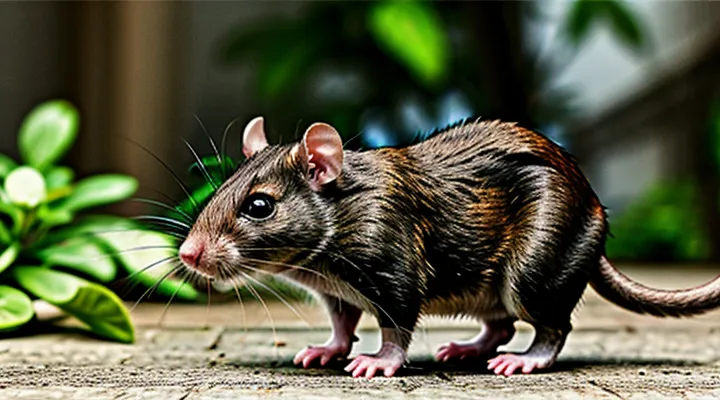
«Physical Characteristics and Identification»
«Distinguishing Features of Male Rats»
When assessing a rat’s sex, external morphology offers the most immediate evidence. Male specimens display a set of consistent anatomical traits that differentiate them from females.
- Enlarged anogenital distance; the space between the anus and the genital opening is noticeably greater in males.
- Presence of a visible scrotal sac located beneath the tail, often appearing as a small, pinkish bulge.
- Prominent preputial glands on the lower abdomen, producing a distinct, musky odor.
- Larger, more robust body size on average, with broader shoulders and a thicker neck.
- Testes that may be palpable or observable through the scrotal sac after sexual maturity, typically around six weeks of age.
Recognizing these markers enables accurate sex selection without invasive procedures, supporting breeding programs, experimental designs, and pet acquisition decisions.
«Distinguishing Features of Female Rats»
When determining the appropriate sex for laboratory or breeding rats, recognizing the specific attributes of females is essential for informed decisions. Female rats display a set of distinct physical, behavioral, and reproductive characteristics that differentiate them from males.
Physical characteristics include:
- Larger, rounded abdomen, especially during estrus cycles.
- Absence of prominent genital papilla found in males.
- More pronounced mammary glands, visible as small nodules along the ventral line.
- Slightly broader pelvis, evident in skeletal examinations.
Behavioral traits commonly observed:
- Increased nesting activity, manifested by the collection of bedding material.
- Greater tendency toward social grooming within groups.
- Elevated maternal instincts, even in nulliparous individuals, leading to protective behaviors toward pups.
Reproductive considerations:
- Regular estrous cycles, typically four days in length, detectable through vaginal cytology.
- Ability to become pregnant after the first estrus, usually around six weeks of age.
- Litters averaging six to eight pups, with potential for multiple litters per year under optimal conditions.
Understanding these distinguishing features enables precise selection of female rats for experimental protocols, colony management, and breeding programs, thereby supporting consistent outcomes and animal welfare objectives.
«Challenges in Early Identification»
Early determination of a juvenile rodent’s gender presents several practical obstacles that can affect experimental design and animal welfare. Morphological markers such as anogenital distance are not fully developed at birth, limiting visual assessment. Hormonal assays require invasive sampling, increasing stress and potentially altering physiological parameters.
Key challenges include:
- Minimal external differentiation of genitalia within the first 24 hours, leading to ambiguous visual cues.
- Overlap of anogenital distance measurements between sexes during the first post‑natal days, reducing reliability of metric thresholds.
- Limited availability of rapid, non‑invasive molecular tests; existing PCR‑based methods demand tissue collection and specialized equipment.
- High inter‑litter variability in developmental timing, necessitating litter‑specific calibration of identification criteria.
- Ethical constraints on repeated handling, which can compromise data integrity in longitudinal studies.
Addressing these issues requires protocol refinement, such as extending observation windows to the third post‑natal day, implementing standardized measurement tools, and incorporating validated genetic markers when feasible. Consistent application of such practices enhances accuracy in sex assignment, thereby supporting reproducible research outcomes.
«Behavioral Traits and Social Dynamics»
«Temperament of Male Rats»
Male rats typically display higher levels of territorial aggression than their female counterparts. Dominance hierarchies form quickly; dominant individuals patrol the cage periphery and defend resources. Subordinate males reduce activity and concentrate near nesting material.
Exploratory behavior in males exceeds that of females, particularly in novel environments. Open‑field tests reveal increased distance traveled, frequent rearing, and rapid approach to unfamiliar objects. This heightened curiosity can translate into greater interaction with enrichment items but also elevates the risk of escape attempts.
Scent marking serves as a primary communication channel. Urine and glandular secretions are deposited along cage walls, establishing a chemical map that reinforces social order. Handling often provokes brief agitation; however, repeated gentle exposure lowers stress responses, as measured by reduced corticosterone levels.
Reproductive drive influences temperament. Unneutered males exhibit mounting behavior toward both sexes, which may intensify during estrous cycles of co‑habiting females. Neutering attenuates this drive, resulting in calmer interactions and decreased aggression.
Key considerations for selection:
- Anticipated aggression level in group housing
- Desired activity and exploration rates
- Compatibility with enrichment protocols
- Impact of reproductive behavior on colony management
«Male rats exhibit higher levels of exploratory behavior than females», a finding reported in behavioral neuroscience literature, underscores the need to align temperament with experimental requirements. Adjusting housing conditions, enrichment schedules, and handling routines can mitigate aggression while preserving the natural curiosity characteristic of male rodents.
«Temperament of Female Rats»
The temperament of female rats exhibits distinct patterns that influence experimental outcomes and breeding programs. Hormonal cycles generate periodic fluctuations in activity level, aggression, and social interaction. During estrus, females may display heightened exploratory behavior, while in diestrus they often show reduced locomotion and increased grooming.
Key behavioral characteristics include:
- Moderate aggression toward unfamiliar conspecifics; aggression typically lower than in males.
- Strong maternal instincts; rapid nest building and pup retrieval once breeding occurs.
- Consistent social hierarchy participation; females frequently occupy subordinate positions in mixed‑sex groups.
- Variable anxiety responses; elevated in novel environments during certain cycle phases.
When selecting rat gender for research, these traits affect data reliability. Female subjects provide valuable models for studies on stress, cognition, and reproductive physiology, but require cycle monitoring to control for behavioral variability.
«Interaction with Other Rats»
When selecting the sex of a laboratory rat, anticipated patterns of social interaction become a decisive factor. Male rodents typically establish a strict dominance hierarchy, with frequent aggressive encounters that can result in injury if group size exceeds a few individuals. Female rodents display a propensity for cooperative behaviors, such as communal nesting and synchronized estrous cycles, which reduce the likelihood of conflict.
Mixed‑sex groups introduce reproductive dynamics that may elevate stress levels in the presence of an intact male. Mating attempts can interrupt normal activity patterns, while the presence of a female can suppress overt aggression among subordinate males. However, prolonged exposure to a breeding male may trigger territorial marking and urinary aggression, affecting overall welfare.
Key considerations for sex selection relative to social environment:
- Limit male cohorts to two or fewer individuals to mitigate hierarchical aggression.
- House females in groups of three to six to promote affiliative grooming and nest building.
- Introduce a single intact male to a female group only when breeding is intended; otherwise, consider vasectomized or castrated males to reduce mating‑driven disturbances.
- Monitor the emergence of «dominance hierarchy» markers, such as mounting, scent marking, and bite wounds, adjusting group composition promptly.
Choosing the appropriate sex aligns the colony’s social structure with experimental objectives while preserving animal health and data reliability.
«Health Considerations and Lifespan»
«Common Health Issues in Male Rats»
«Common Health Issues in Male Rats» demand careful attention from owners and veterinarians. Male rodents are predisposed to several conditions that differ from those observed in females, requiring specific monitoring and intervention.
- Testicular tumors: Frequently malignant, present as abdominal masses or swelling of the scrotum; early detection improves surgical outcomes.
- Prostatic hyperplasia: Causes urinary obstruction, manifested by frequent attempts to urinate and reduced bladder emptying; ultrasound evaluation confirms diagnosis.
- Renal disease: Higher incidence of chronic kidney failure, indicated by weight loss, polyuria, and elevated blood urea nitrogen; supportive therapy slows progression.
- Respiratory infections: Predominantly caused by Mycoplasma pulmonis, leading to nasal discharge, labored breathing, and reduced activity; antimicrobial treatment essential.
- Gastrointestinal stasis: Often linked to stress or dietary imbalance, resulting in decreased fecal output and abdominal distension; fluid therapy and motility agents required.
Prompt veterinary assessment, routine physical examinations, and appropriate husbandry—balanced diet, enriched environment, and regular cleaning—reduce morbidity. Early identification of the listed ailments enhances prognosis and extends the lifespan of male rats.
«Common Health Issues in Female Rats»
Female rats present distinct health considerations that affect breeding strategies and long‑term care. Recognizing prevalent conditions enables timely intervention and improves welfare.
Common ailments include:
- Mammary gland tumors, often malignant and more frequent after multiple litters.
- Uterine prolapse, typically occurring during late gestation or postpartum.
- Ovarian cysts, which may cause irregular estrous cycles and abdominal distension.
- Urinary tract infections, presenting with dysuria, hematuria, or changes in drinking behavior.
- Respiratory infections, such as Mycoplasma pulmonis, which can exacerbate stress during pregnancy.
Mammary tumors usually manifest as palpable masses in the thoracic or abdominal region; early detection through regular palpation is essential. Uterine prolapse appears as protruding tissue at the vulva and requires immediate veterinary attention to prevent necrosis. Ovarian cysts are identified by abdominal enlargement and may be confirmed via ultrasound. Urinary tract infections are diagnosed by urine analysis and respond to appropriate antibiotics. Respiratory infections often produce sneezing, nasal discharge, and labored breathing; treatment involves antimicrobial therapy and environmental sanitation.
Preventive practices comprise routine health examinations, balanced nutrition, and stress reduction. Monitoring weight, coat condition, and reproductive behavior provides early warning signs. Vaccination against common pathogens and prompt veterinary consultation for abnormal signs further reduce disease incidence.
«Impact of Neutering/Spaying»
Choosing between a male or female rat inevitably raises the question of whether to neuter or spay the animal. The decision influences health outcomes, behavior patterns, and long‑term colony management.
Neutering or spaying delivers measurable health benefits. Evidence shows a lower incidence of reproductive‑system tumors, elimination of uterine infections, and reduced risk of hormone‑driven diseases. The procedure also prevents unwanted litters, supporting responsible pet ownership.
Behavioral changes follow sterilization. Typical effects include:
- Decreased aggression toward conspecifics and humans
- Reduction in scent‑marking and territorial urine spraying
- Diminished sexual mounting and related disturbances
These modifications simplify cohabitation, especially in mixed‑sex groups where competition can be pronounced.
From a breeding perspective, sterilization removes the need for estrus monitoring, gestation planning, and pup care. It also curtails exponential population growth, aligning with ethical standards for laboratory and hobbyist settings.
Practical considerations involve timing and postoperative care. Optimal age ranges from six to eight weeks, before sexual maturity, to maximize health advantages. Post‑operative protocols require analgesia, a quiet recovery environment, and monitoring for wound integrity. Selecting a qualified veterinarian ensures adherence to aseptic technique and minimizes complications.
«Suitability for Different Owners and Lifestyles»
«Considerations for First-Time Rat Owners»
First‑time rat owners must evaluate several factors before acquiring a pet, beginning with the decision about the animal’s gender. Male and female rats display distinct physiological and behavioral traits that influence care requirements, social compatibility, and long‑term planning.
Health considerations differ by sex. Males tend to develop larger scent glands, which may produce stronger odors and require regular cleaning of the ventral area. Females are prone to reproductive‑related issues such as uterine tumors, especially after multiple litters, necessitating periodic veterinary examinations. Both sexes benefit from a balanced diet, enrichment, and routine health checks, but awareness of sex‑specific risks guides preventive measures.
Social dynamics depend on gender composition. Same‑sex groups often form stable hierarchies with reduced aggression, while mixed‑sex colonies may experience territorial disputes, particularly when females enter estrus. Introducing a new rat should follow a gradual quarantine and observation period to assess compatibility and prevent injuries.
Practical aspects include space allocation, breeding potential, and cost. Males generally require larger cages to accommodate territorial marking, whereas females may need additional nesting material for potential litters. If breeding is not intended, sterilization or selection of a single‑sex group minimizes unwanted offspring and associated expenses.
Key considerations for newcomers:
- Determine the primary purpose: companionship, exhibition, or breeding.
- Assess available space and ability to maintain separate enclosures if mixed‑sex housing is planned.
- Prepare for sex‑specific grooming: ventral cleaning for «male» rats and nest provision for «female» rats.
- Schedule regular veterinary visits to monitor gender‑related health issues.
- Establish a clear enrichment plan that addresses the social structure of the chosen sex.
By systematically addressing these points, first‑time owners can select the appropriate gender, create a harmonious environment, and ensure the well‑being of their new companion.
«Matching Sex to Household Environment»
When selecting a rat’s gender, the compatibility between the animal’s sex and the living situation determines welfare, social stability, and breeding outcomes. Male and female rats exhibit distinct behavioral patterns that interact with specific household characteristics.
Key environmental factors influencing the decision include:
- Space availability: confined cages increase territorial aggression in males, while females tolerate tighter groupings.
- Presence of other pets: households with cats or dogs benefit from female rats, whose calmer demeanor reduces stress during encounters.
- Noise level: high ambient noise amplifies male dominance displays; quieter environments allow both sexes to thrive.
- Handling frequency: frequent human interaction favors females, who generally display less fear and quicker habituation.
- Breeding intent: intentional propagation requires a male, but accidental litters are more likely when females coexist with unneutered males.
Recommendations for matching sex to environment:
- Allocate at least 0.5 sq ft per rat; increase to 0.75 sq ft when housing males together to mitigate fighting.
- Provide multiple enrichment items (tunnels, chew toys) to diffuse hierarchical tensions, especially for male groups.
- Separate sexes if the household cannot guarantee constant supervision, preventing unwanted reproduction.
- Prioritize females for families with young children, as their temperament aligns with handling by inexperienced caretakers.
Aligning rat sex with household conditions optimizes health, minimizes aggression, and supports responsible pet ownership.
«Advantages of Mixed-Sex Groups»
Mixed‑sex housing provides rats with a broader range of social interactions, which promotes natural communication patterns and reduces isolation‑related stress. Exposure to both male and female conspecifics encourages the development of species‑typical behaviors, supporting overall welfare.
Key benefits include:
- Enhanced social complexity, leading to more varied grooming and play activities.
- Balanced hormonal environments that can mitigate extreme aggression often observed in single‑sex groups.
- Increased genetic heterogeneity when breeding programs are considered, improving offspring vitality.
- More accurate behavioral data for research, as mixed populations reflect natural colony dynamics.
Effective implementation requires vigilant health monitoring, adequate space to accommodate territorial needs, and regular assessment of individual compatibility. Proper management maximizes the advantages while preventing potential conflicts.
«Making an Informed Decision»
«Assessing Personal Preferences»
When deciding on a rat’s gender, personal preferences shape the final choice. Preferences arise from aesthetic considerations, intended use, and perceived behavioral traits. Evaluating these factors requires systematic reflection rather than reliance on anecdotal assumptions.
Key aspects to assess:
- Visual appeal: coloration patterns often differ between males and females, influencing selection for display or companionship.
- Breeding objectives: male specimens provide genetic contribution, while females enable litter production; the decision aligns with reproductive goals.
- Behavioral expectations: reports suggest males may display heightened territoriality, whereas females might exhibit increased social interaction; personal tolerance for these tendencies informs preference.
- Handling experience: individuals accustomed to managing larger, more assertive animals may favor one sex over the other based on prior encounters.
By documenting each criterion, comparing anticipated outcomes, and weighting importance, the decision becomes a reasoned alignment of personal priorities with the chosen rat’s sex.
«Consulting with Breeders and Rescues»
When selecting a rat’s gender, reliable information from reputable sources reduces uncertainty and improves animal welfare. Breeders and rescue organizations possess detailed records on health, temperament, and lineage, allowing prospective owners to make evidence‑based decisions.
Breeders typically provide:
- Health certificates confirming absence of hereditary conditions.
- Behavioral assessments indicating whether a male or female exhibits traits suited to the owner’s environment.
- Genetic background that predicts potential size and coat variations.
Rescue groups contribute complementary insights:
- Observations of adult rats’ social dynamics, useful for predicting compatibility with existing pets.
- Availability of spayed or neutered individuals, eliminating future reproductive concerns.
- Adoption policies that may include a trial period, ensuring the chosen sex aligns with the owner’s expectations.
Effective communication with both breeders and rescues involves asking concise, specific questions:
- What health screenings have been performed on the rat?
- How does the animal’s temperament compare to typical male or female patterns in your facility?
- Are there any known behavioral issues related to gender?
- What is the recommended age for adoption or purchase to ensure stable development?
- Does the organization provide post‑adoption support for gender‑specific care?
By gathering these data points, the decision‑making process becomes transparent, grounded in factual evidence rather than speculation. This approach maximizes the likelihood of a harmonious match between the rat’s sex and the owner’s lifestyle.
«Preparing for Either Gender»
When deciding between a male or female rat, preparation must address the specific requirements of each sex. Effective planning reduces stress for the animal and simplifies caretaker responsibilities.
Key considerations include:
- Cage dimensions and enrichment: Both sexes benefit from spacious enclosures, but males often exhibit more territorial behavior, requiring additional barriers or separate zones.
- Nutrition: Standard rodent diets meet basic needs; however, females in reproductive cycles may need increased calcium and protein to support gestation and lactation.
- Health monitoring: Males are prone to aggressive injuries, while females may develop uterine or mammary issues; routine veterinary checks should target these risks.
- Behavioral tendencies: Males typically display higher aggression levels, especially during breeding season; females generally show more social grooming and nesting behavior.
- Breeding logistics: If breeding is intended, ensure opposite‑sex pairing only after health clearance, provide nesting material for females, and plan for weaning schedules.
Implementing these measures before acquiring a rat ensures that facilities, nutrition, health protocols, and behavioral management are aligned with the chosen sex’s needs. This proactive approach promotes animal welfare and facilitates smoother caretaker operations.