
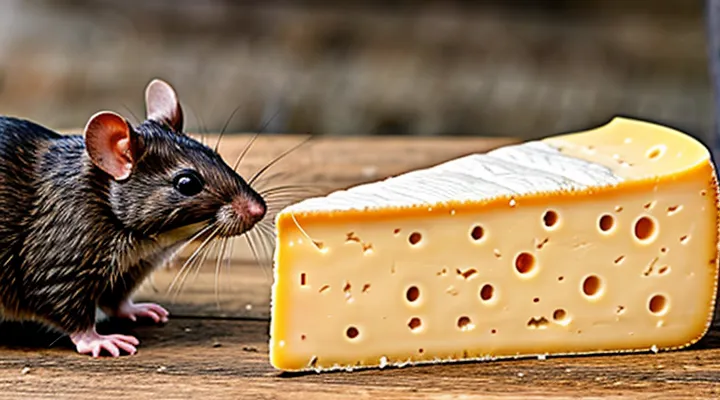
Understanding Dumbo Rats' Dietary Needs
General Nutritional Requirements
Dambo rats require a balanced diet that supplies essential nutrients in proportion to their metabolic demands. Protein should constitute 14–16 % of the total caloric intake, sourced from high‑quality animal or plant proteins. Fat levels need to remain between 4–6 % of calories to provide energy without promoting obesity. Dietary fiber, at 2–4 % of the diet, supports gastrointestinal motility and prevents hairball formation. Calcium and phosphorus must be present in a 1:1 to 1.5:1 ratio to maintain skeletal health; excess calcium can lead to urinary calculi. Vitamin A, D, E, and K, along with the B‑complex group, are required in microgram quantities for vision, bone metabolism, antioxidant protection, and energy conversion. Trace minerals such as zinc, copper, manganese, and selenium are vital for enzymatic function and immune competence. Continuous access to fresh water is indispensable for hydration and renal function.
Cheese offers high protein and calcium but also delivers saturated fat and sodium far above recommended levels for these rodents. Occasional, small portions (no more than 5 % of daily caloric intake) can be tolerated if the overall diet remains low in fat and salt. Regular feeding of cheese is inadvisable because it disrupts the nutrient balance outlined above and increases the risk of obesity, dental disease, and renal stress.
Foods to Avoid
Cheese can be a tempting supplement for Dambo rats, but several common foods must be excluded to maintain health and prevent digestive problems.
- Processed meats (e.g., ham, bacon, sausage). High fat and sodium levels strain the liver and kidneys.
- Citrus fruits and juices. Acidity irritates the stomach lining and can cause diarrhea.
- Raw beans and legumes. Contain lectins that are toxic to rodents unless thoroughly cooked.
- Chocolate and caffeinated products. Theobromine and caffeine are cardiotoxic to rats.
- Salty snacks (pretzels, chips). Excess sodium leads to dehydration and electrolyte imbalance.
- Dairy products with high lactose (milk, ice cream). Adult rats lack sufficient lactase, resulting in bloating and loose stools.
- Sugary treats (candy, fruit-flavored gels). Promote obesity and dental decay.
Avoiding these items reduces the risk of metabolic disorders, gastrointestinal upset, and organ damage, allowing any cheese offered to serve as a controlled source of protein and calcium without compromising overall nutrition.
The Role of Cheese in a Rat's Diet
Nutritional Composition of Cheese
Macronutrients
Cheese can supply the three macronutrient categories required for a balanced diet in dambo rats: protein, fat, and carbohydrate. Its nutrient profile varies by type, but most varieties contain high-quality protein, moderate fat, and minimal carbohydrate.
- Protein: 20–30 % of total weight; includes essential amino acids such as lysine, methionine, and tryptophan. Adequate protein supports tissue growth, enzymatic activity, and immune function.
- Fat: 25–35 % of total weight; predominantly saturated and monounsaturated fatty acids. Fat provides dense energy, aids in the absorption of fat‑soluble vitamins, and contributes to coat condition.
- Carbohydrate: 1–5 % of total weight; primarily lactose. Lactose may be poorly digested by adult dambo rats, potentially causing gastrointestinal upset.
Protein should represent 15–20 % of the animal’s total daily caloric intake when cheese is included. Excess protein can strain renal function; insufficient protein limits growth and repair. Fat contribution from cheese must not exceed 10 % of total calories, as high saturated fat intake can lead to obesity and hepatic lipid accumulation. Carbohydrate from lactose should be limited to less than 2 % of total calories to avoid fermentative disturbances in the gut microbiota.
A practical inclusion rate is 5–10 % of the overall diet weight, adjusted according to individual health status and age. Monitor body condition, stool consistency, and blood parameters regularly to detect adverse effects promptly. If signs of lactose intolerance appear, replace cheese with low‑lactose alternatives or provide lactase supplements.
Micronutrients
Cheese provides a range of micronutrients that can influence the health of Dambo rats when incorporated into their feeding regimen.
Vitamin A supports visual function and epithelial maintenance; deficiency can lead to impaired night vision and skin lesions. In cheese, retinol concentrations vary by type, with hard cheeses generally offering higher levels.
B‑complex vitamins, especially riboflavin (B2) and cobalamin (B12), participate in energy metabolism and red blood cell formation. Cheese supplies measurable amounts, though the overall contribution depends on portion size and the baseline dietary intake of these rats.
Vitamin D facilitates calcium absorption and bone mineralization. Certain cheeses, particularly those fortified, can deliver up to 15 µg (600 IU) per 100 g, a modest source compared to sunlight exposure but useful in indoor housing conditions.
Minerals present in cheese include calcium, phosphorus, zinc, and selenium. Calcium and phosphorus maintain skeletal integrity; an optimal Ca:P ratio of approximately 1.2:1 is desirable for rodents. Zinc is essential for enzyme function and immune competence, while selenium acts as an antioxidant cofactor.
Potential concerns arise from the high sodium and saturated‑fat content of many cheeses. Excess sodium may predispose rats to hypertension, and excessive saturated fat can promote obesity and hepatic lipid accumulation. Balancing cheese portions with low‑sodium, low‑fat options mitigates these risks while preserving micronutrient benefits.
Practical guidelines for inclusion:
- Limit cheese to no more than 5 % of total daily caloric intake.
- Choose low‑salt varieties (e.g., cottage cheese, mozzarella) to reduce sodium load.
- Monitor body weight and serum mineral levels regularly to detect imbalances.
- Complement cheese with a base diet rich in fiber, protein, and essential fatty acids to ensure comprehensive nutrition.
When administered within these parameters, the micronutrient profile of cheese can enhance the nutritional completeness of Dambo rat diets without compromising metabolic health.
Potential Benefits of Cheese for Rats
Source of Protein
Cheese provides a high‑quality protein that is readily digestible for many small mammals. In the case of Dambo rats, the protein content of typical cheese varieties ranges from 20 % to 30 % by weight, comparable to that of insect larvae and commercial rodent pellets.
Potential benefits include:
- Rapid amino‑acid absorption supporting muscle maintenance and growth.
- Supply of essential amino acids such as lysine and methionine, which are often limiting in grain‑based diets.
Potential drawbacks include:
- Elevated fat and sodium levels that can lead to obesity or renal strain if offered in excess.
- Presence of lactose, which many adult rodents lack the enzymes to metabolize, resulting in gastrointestinal upset.
A balanced approach recommends:
- Offering cheese as an occasional supplement, not exceeding 5 % of total daily caloric intake.
- Selecting low‑fat, low‑salt varieties to minimize adverse health effects.
- Monitoring individual rats for signs of intolerance, such as soft stools or reduced activity, and adjusting the diet accordingly.
Enrichment and Treat Value
Cheese offers a distinct sensory experience for Dambo rats, providing a strong aroma and a smooth texture that differ from typical grain‑based foods. The novelty stimulates exploratory behavior, encouraging the animals to investigate new items and thereby enhancing environmental enrichment. Because cheese is high in fat and protein, it can serve as an occasional high‑value reward that reinforces training or encourages interaction with enrichment devices.
Key considerations for using cheese as a treat:
- Nutritional impact – Fat content ranges from 20 % to 35 % of calories; excessive intake may lead to obesity or liver strain. Limit portions to 1–2 g per 100 g of body weight weekly.
- Lactose tolerance – Adult Dambo rats possess limited lactase activity; small amounts (≤0.5 g) are generally tolerated, while larger doses can cause gastrointestinal upset.
- Variety of textures – Soft cheeses (e.g., mozzarella) melt quickly, offering a different tactile stimulus than hard cheeses (e.g., cheddar), which require more chewing effort.
- Integration with enrichment – Embedding cheese cubes in foraging puzzles or attaching thin slices to chew toys increases engagement time and promotes natural foraging patterns.
- Monitoring – Record weight, coat condition, and stool consistency after each cheese exposure to detect adverse effects promptly.
Potential Risks and Drawbacks
High Fat Content
Cheese typically contains 20–35 % fat by weight, with variations among varieties: soft cheeses average 20 %, semi‑hard 25 %, and hard cheeses exceed 30 %. Saturated fatty acids dominate the profile, accompanied by modest amounts of cholesterol and caloric density of 300–400 kcal per 100 g.
Dambo rats possess a digestive system adapted to moderate lipid intake; excessive fat accelerates weight gain, hepatic lipid accumulation, and can impair glucose regulation. Their small gastrointestinal tract limits the volume of high‑fat foods that can be processed without adverse effects.
Guidelines for incorporating cheese into a dambo rat’s diet:
- Limit cheese to no more than 5 % of total daily caloric intake.
- Offer cheese no more than three times per week to avoid chronic fat overload.
- Prefer low‑fat or reduced‑fat formulations (≤15 % fat) when possible.
- Monitor body weight and coat condition weekly; adjust portions if rapid weight gain or lethargy appear.
- Provide fresh water constantly to aid digestion of the added fat.
Adhering to these parameters ensures that the nutritional benefits of cheese—protein, calcium, and vitamin B12—are available without compromising the health of dambo rats.
High Sodium Content
Cheese contains sodium concentrations that exceed the tolerable intake for small rodents. A typical cheddar slice provides 600–800 mg of sodium per 28 g, while a dambo rat’s daily allowance should not surpass 50 mg. Excess sodium elevates blood pressure, promotes fluid retention, and can impair renal function in these animals.
Key physiological effects of high sodium exposure:
- Increased osmotic load leading to dehydration despite higher water intake.
- Hypertensive stress on the cardiovascular system, accelerating age‑related decline.
- Disruption of electrolyte balance, causing muscle tremors and reduced locomotor activity.
Guidelines for incorporating cheese into a dambo rat’s diet:
- Limit cheese to no more than 0.5 g per week, ensuring total sodium intake remains below 50 mg.
- Choose low‑sodium varieties, such as fresh mozzarella or cottage cheese, which contain 100–150 mg per 28 g portion.
- Supplement with fresh water at all times to counteract potential diuretic effects.
Regular monitoring of body weight, urine output, and blood pressure is essential when cheese is offered. If signs of hypertension or dehydration appear, discontinue cheese immediately and consult a veterinary specialist.
Lactose Intolerance
Lactose intolerance refers to the inability to digest lactose, the sugar found in milk and dairy products, due to insufficient activity of the enzyme lactase in the small intestine. In mammals, lactase production typically declines after weaning; the residual capacity varies among species and individuals.
Dambo rats, like most rodent species, exhibit low baseline lactase activity. Experimental measurements show that adult individuals retain less than 10 % of the lactase levels observed in neonates. Consequently, ingestion of lactose‑containing foods can lead to osmotic diarrhea, abdominal distension, and altered gut microbiota.
When evaluating cheese as a component of a Dambo rat’s diet, the following points are critical:
- Lactose content – Soft cheeses contain up to 5 % lactose; aged varieties may drop below 1 %.
- Digestive response – Observe fecal consistency and behavior for 24 hours after exposure.
- Gradual introduction – Start with a minimal amount (≈0.1 g per 100 g body weight) and increase only if no adverse signs appear.
- Alternative sources of protein and calcium – Use soy‑based or plant‑derived products that provide comparable nutrients without lactose.
If symptoms appear at any stage, discontinue dairy and replace with lactose‑free alternatives. Regular monitoring ensures that dietary choices support health without triggering intolerance‑related complications.
Additives and Preservatives
Cheese intended for Dambo rats often contains additives and preservatives that influence nutritional value, shelf life, and safety. Understanding these components is essential for evaluating the suitability of cheese as a dietary supplement for this species.
Common additives include:
- Flavor enhancers such as monosodium glutamate (MSG) and yeast extracts; they intensify taste but may provoke digestive irritation in sensitive rodents.
- Colorants like annatto or beta‑carotene; they improve visual appeal without providing nutritional benefits and can accumulate in tissues if used excessively.
- Emulsifiers (e.g., lecithin, mono‑ and diglycerides); they stabilize texture, but high concentrations may interfere with lipid metabolism.
Preservatives employed to extend cheese freshness comprise:
- Sodium nitrate/nitrite; effective against bacterial growth but linked to methemoglobinemia in small mammals at elevated doses.
- Potassium sorbate; inhibits mold and yeast, generally recognized as safe when limited to 0.1 % of product weight.
- Calcium propionate; prevents spoilage, yet excessive intake can disrupt calcium balance in rodents.
Regulatory limits for these substances are defined by food safety authorities. For example, the maximum allowable sodium nitrite in cheese is 120 mg/kg, and potassium sorbate should not exceed 1 g/kg. Exceeding these thresholds raises the risk of toxic reactions, including gastrointestinal distress, altered blood chemistry, and impaired growth.
When selecting cheese for Dambo rats, prioritize products with:
- Minimal additive profile—ideally only natural emulsifiers and low‑level flavor agents.
- Preservatives within established safety margins.
- Transparent ingredient labeling that specifies exact concentrations.
Laboratory analyses confirm that cheese lacking excessive additives and containing preservatives at regulated levels does not compromise the health parameters of Dambo rats when offered in moderation. Continuous monitoring of feed composition ensures compliance with nutritional standards and prevents inadvertent exposure to harmful substances.
Guidelines for Feeding Cheese to Dumbo Rats
Types of Cheese to Consider
Low-Fat Options
Low‑fat cheese can be incorporated into the diet of Dambo rats when it meets specific nutritional criteria. The primary considerations are reduced saturated fat, limited sodium, and high protein content that supports growth and maintenance without contributing excess calories.
A suitable low‑fat cheese should contain:
- ≤ 20 % milk fat
- Sodium under 150 mg per 30 g serving
- Protein at least 7 g per 30 g
- No added sugars or artificial flavorings
Examples that satisfy these parameters include part‑skim mozzarella, reduced‑fat cottage cheese, and low‑fat Swiss. Each provides a concentrated source of casein and calcium while keeping caloric density modest.
When offering low‑fat cheese, observe the following protocol:
- Introduce a single 5‑gram piece and monitor for digestive upset or changes in stool consistency for 48 hours.
- If tolerated, increase the portion gradually to a maximum of 10 grams three times per week.
- Maintain a balanced base diet of high‑fiber pellets, fresh vegetables, and occasional protein treats; cheese should never exceed 5 % of total caloric intake.
Potential benefits of limited low‑fat cheese consumption include enhanced calcium absorption, reinforcement of dental health, and stimulation of natural foraging behavior. Risks arise from over‑supplementation, which can lead to obesity, renal strain, or electrolyte imbalance due to residual sodium.
In practice, veterinarians recommend rotating low‑fat cheese varieties to prevent nutrient monotony and to provide a broader amino acid profile. Regular health checks should include weight tracking and kidney function assessment to ensure the dietary addition remains safe.
Low-Sodium Options
Low‑sodium cheese can be a viable supplement for dambo rats when introduced gradually and monitored for tolerance. The primary considerations are sodium content, protein quality, and fat proportion, which must align with the species’ metabolic limits.
Key criteria for selecting suitable cheese:
- Sodium ≤ 0.1 g per 100 g (approximately 40 mg per ounce).
- Protein ≥ 20 % of total weight, providing essential amino acids.
- Fat ≤ 15 % of total weight to avoid excessive caloric density.
- Absence of added preservatives or strong flavor enhancers that could stress the gastrointestinal tract.
Examples that meet these standards:
- Fresh mozzarella made from low‑salt milk, trimmed to 0.08 g sodium per 100 g.
- Cottage cheese labeled “reduced‑sodium,” containing 0.09 g sodium per 100 g and high casein protein.
- Soft goat cheese with a sodium level of 0.07 g per 100 g, offering digestible fats and minimal lactose.
- Ricotta produced under low‑salt protocols, delivering 0.05 g sodium per 100 g and a smooth texture suitable for small rodents.
Implementation guidelines:
- Offer cheese as a treat, not a staple, limiting portions to 1–2 g per individual per day.
- Observe for signs of salt intolerance, such as increased thirst, lethargy, or digestive upset.
- Rotate cheese types to prevent nutrient imbalances and maintain palate interest.
- Combine with a balanced base diet of high‑fiber pellets, fresh vegetables, and occasional protein sources.
When these parameters are respected, low‑sodium cheese can enrich the diet of dambo rats, contributing protein and calcium without compromising sodium homeostasis.
Types of Cheese to Avoid
Moldy Cheeses
Moldy cheeses contain Penicillium or other mold cultures that develop during ripening. The molds produce enzymes that break down proteins and fats, creating the characteristic flavor and texture. Nutrient composition includes high levels of protein, calcium, and saturated fat, together with variable salt content.
Potential hazards for Dambo rats stem from several factors. Mycotoxins produced by some molds can cause liver damage or immunosuppression. Elevated salt may lead to hypertension or renal stress. The high fat load can promote obesity and hepatic lipidosis. Additionally, the strong odor may stimulate binge eating, increasing the risk of gastrointestinal upset.
Guidelines for evaluating moldy cheese as a dietary component for Dambo rats:
- Verify that the cheese originates from a reputable source with controlled ripening conditions.
- Conduct a microscopic or laboratory test for known mycotoxins if large quantities are planned.
- Limit portions to less than 5 % of total daily caloric intake, balancing with low‑fat, low‑salt rodent feed.
- Monitor individual rats for signs of digestive distress, weight change, or behavioral alteration after introduction.
- Prefer cheeses with milder molds (e.g., soft white-rind varieties) over blue‑veined types that contain higher concentrations of active Penicillium cultures.
Research on rodent tolerance to moldy dairy products remains limited. Until systematic studies confirm safety, moldy cheeses should be treated as an occasional treat, not a staple, and introduced only after veterinary consultation.
Highly Processed Cheeses
Highly processed cheeses are manufactured by blending natural cheese with emulsifiers, stabilizers, salts, and flavor enhancers. The production process reduces moisture, extends shelf life, and creates a uniform texture that melts consistently. For dambo rats, these characteristics translate into specific nutritional and health considerations.
The primary concerns stem from the additive profile. Emulsifiers such as sodium phosphate and carrageenan are not metabolized by rodents and may irritate the gastrointestinal tract. High sodium concentrations, often exceeding 1 g per 100 g of product, can predispose rats to hypertension and renal strain. Preservatives, including sorbic and benzoic acids, have been linked to liver enzyme elevation in small mammals when consumed regularly. Fat content in processed cheeses ranges from 20 % to 35 %, providing dense caloric intake that may lead to rapid weight gain if not strictly controlled.
Potential benefits are limited. Processed cheese supplies readily digestible protein (approximately 10 %–12 % by weight) and calcium, both essential for bone development. However, the bioavailability of calcium is reduced by the presence of phosphates, diminishing its nutritional value compared to natural cheese varieties.
Feeding guidelines:
- Offer no more than 0.5 g of processed cheese per 100 g of body weight per week.
- Rotate with low‑sodium, low‑fat natural cheeses to ensure a balanced amino acid profile.
- Monitor water intake, as elevated salt levels increase thirst and risk of dehydration.
- Observe for signs of digestive upset, such as loose stools or reduced appetite, and discontinue use immediately if symptoms appear.
In summary, highly processed cheeses can be included in a dambo rat’s diet only as an occasional supplement, with strict portion control and vigilant health monitoring. Preference should be given to natural, low‑sodium cheese options to meet protein and calcium needs while minimizing exposure to additives and excess sodium.
Portion Control and Frequency
Occasional Treat
Cheese can be offered to dambo rats, but only as an infrequent supplement. Their natural diet consists mainly of grains, seeds, vegetables, and protein sources such as insects. These foods supply the fiber, vitamins, and minerals required for healthy digestion and dental maintenance.
Cheese contains high levels of lactose, saturated fat, and sodium. Adult rodents lack significant lactase activity, making lactose digestion inefficient. Excess fat and salt can strain the liver and kidneys, and may promote obesity if consumed regularly.
- Offer cheese no more than once a week.
- Limit portion to a pea‑sized cube (approximately 0.5 g).
- Choose low‑salt, low‑fat varieties such as fresh mozzarella or mild cheddar.
- Observe the animal for signs of digestive upset (diarrhea, bloating) after each feeding.
- Provide fresh water immediately to aid lactose processing.
If the rat tolerates the occasional serving without adverse reactions, cheese may serve as a source of protein and enrichment. Persistent inclusion or large amounts should be avoided to prevent metabolic complications.
Small Quantities
Cheese can be offered to Dambo rats, but only in limited portions. The high fat and lactose content of most cheeses presents a risk of digestive upset if the animal consumes more than a trace amount. A serving of 0.5 g to 1 g per rat, equivalent to a tiny crumb, supplies a modest source of protein and calcium without overwhelming the gut flora.
Key considerations for small‑quantity feeding:
- Choose low‑lactose varieties such as hard cheddar, Parmesan, or Swiss; soft, fresh cheeses contain the highest lactose levels.
- Introduce the cheese gradually, observing the rat for signs of diarrhea, bloating, or reduced appetite.
- Limit frequency to once or twice a week; daily exposure can lead to weight gain and nutrient imbalance.
- Balance the cheese with a diet rich in high‑fiber pellets, fresh vegetables, and clean water to maintain overall health.
When these precautions are observed, a minute amount of cheese serves as an occasional enrichment rather than a dietary staple.
Observation and Monitoring
Digestive Issues
Cheese provides protein and fat, but dambo rats possess a short, simple gastrointestinal tract optimized for high‑fiber, low‑fat diets. Their enzymatic profile includes limited lactase activity, making lactose a common source of irritation.
Lactose intolerance manifests as rapid fermentation in the colon, producing gas and acidity that can disrupt normal motility. Excess dietary fat may overwhelm bile secretion, leading to steatorrhea and inflammation of the intestinal lining.
Typical indicators of digestive distress after cheese consumption include:
- Loose, watery stools
- Visible mucus or blood in feces
- Abdominal swelling or audible rumbling
- Reduced food intake and lethargy
Management strategies focus on minimizing risk while allowing occasional cheese exposure:
- Offer only minimal portions (no more than 1 g per 100 g body weight) and observe response.
- Select aged or lactose‑free varieties that contain less residual lactose.
- Pair cheese with high‑fiber foods such as timothy hay to balance nutrient absorption.
- Monitor stool consistency daily; discontinue cheese if adverse signs appear.
Implementing these precautions helps prevent chronic gastrointestinal upset and supports overall health in dambo rats.
Allergic Reactions
Allergic reactions are a primary concern when considering dairy products for dambo rats. These rodents can develop immune-mediated responses to proteins found in cheese, leading to acute and chronic health issues.
Typical clinical signs include:
- Respiratory distress (rapid breathing, wheezing)
- Dermatological manifestations (itching, redness, hair loss)
- Gastrointestinal upset (vomiting, diarrhea)
- Anaphylactic shock in severe cases (collapse, loss of consciousness)
The immune response is triggered by IgE antibodies that recognize casein and whey proteins. Sensitization may occur after a single exposure or develop gradually with repeated feeding. Laboratory confirmation involves serum-specific IgE testing or skin prick assays adapted for small mammals.
Management strategies:
- Immediate cessation of cheese intake upon symptom onset.
- Administration of antihistamines (e.g., diphenhydramine) under veterinary supervision.
- In severe reactions, emergency treatment with epinephrine and supportive care.
- Gradual re‑introduction of alternative protein sources to assess tolerance.
Preventive measures include:
- Conducting a trial feeding of a minimal cheese quantity and observing for reactions.
- Selecting low‑casein cheese varieties, though risk reduction is not guaranteed.
- Providing a balanced diet that meets nutritional requirements without dairy reliance.
Veterinary guidance is essential for diagnosis, treatment, and formulation of a safe diet plan for dambo rats that excludes allergenic dairy components.