
The Allure of Miniature Wonders
Why Small Mice Captivate Us
Their Natural Charm
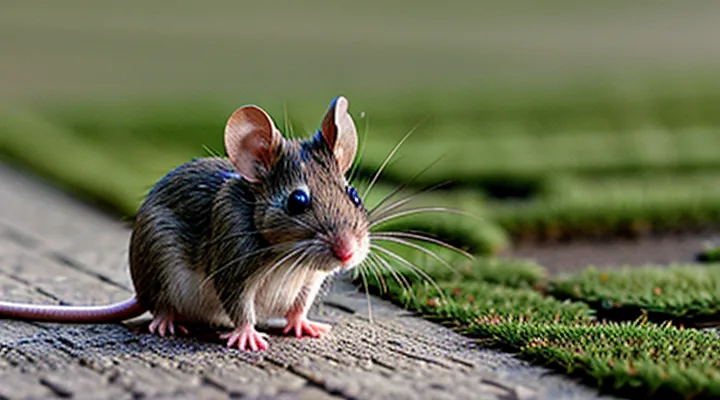
Photographs of a diminutive mouse reveal a subtle elegance that stems from its innate characteristics. The creature’s compact body, soft fur, and delicate whiskers create a visual balance, allowing the eye to focus on fine details without distraction. Light interacting with the mouse’s fur highlights texture, while the animal’s natural posture—often curled or inquisitively upright—conveys a sense of calm confidence.
Key elements that contribute to this allure include:
- Proportional harmony – the mouse’s small size juxtaposed with its expressive facial features generates a pleasing ratio that draws attention.
- Textural contrast – smooth skin against coarse fur, accentuated by natural lighting, enhances depth and realism.
- Behavioral authenticity – candid moments of foraging, grooming, or exploring preserve the subject’s genuine demeanor, reinforcing viewer connection.
- Environmental integration – surroundings such as leaf litter, grain, or soft bedding provide context, emphasizing the mouse’s role within its habitat.
These factors collectively establish a natural charm that persists across varied photographic settings, ensuring each image maintains both aesthetic integrity and biological relevance.
The Unexpected Appeal in Photography
Photographs that feature a diminutive rodent capture attention because they invert typical size hierarchies, presenting an ordinary creature in a dramatic visual context. The juxtaposition of delicate anatomy against expansive backgrounds forces viewers to reassess familiar spatial relationships.
Key attributes that generate this appeal include:
- Extreme close‑up framing that reveals fur texture and whisker definition.
- Use of shallow depth of field to isolate the subject from distracting elements.
- Natural or soft artificial lighting that emphasizes subtle tonal gradients.
- Composition that places the mouse near the image edge, creating a sense of movement or vulnerability.
The emotional impact stems from instinctive curiosity about small life forms and the implicit invitation to protect or observe. When a viewer recognizes the subject’s fragility, a brief empathetic response arises, enhancing engagement without reliance on overt narrative cues.
Technical execution reinforces the effect. High‑resolution sensors capture minute details; macro lenses provide the necessary magnification; and careful exposure control prevents loss of highlight detail in the animal’s eyes. Together, these practices convert a modest subject into a compelling visual study that challenges expectations and expands the scope of photographic interest.
Capturing the Moment
Essential Photography Gear
Camera Selection
When capturing detailed images of a tiny mouse, the camera must provide true macro performance, high resolution, and reliable low‑light handling. Full‑frame or APS‑C bodies equipped with at least a 20‑megapixel sensor deliver sufficient detail to preserve the subject’s delicate features. In‑camera image stabilization compensates for the slight movements inevitable when photographing a live animal.
Key specifications to evaluate:
- Macro lens with a minimum 1:1 reproduction ratio; focal lengths between 90 mm and 105 mm allow comfortable working distance.
- Fast, silent autofocus system; focus points covering the central area reduce hunting for the subject.
- ISO range extending to 6400 without excessive noise; high ISO capability preserves exposure when ambient light is limited.
- High‑resolution electronic viewfinder; real‑time magnification assists precise framing at close range.
A mirrorless platform offers compact ergonomics and electronic depth‑of‑field preview, which helps verify focus before capture. When a dedicated macro lens is unavailable, a high‑quality extension tube set can achieve comparable magnification, provided the camera supports live view focus confirmation. Selecting a model that meets these criteria ensures consistently sharp, expressive images of the small rodent.
Lens Choices for Macro Shots
Capturing detailed, captivating images of a tiny mouse demands lenses that deliver high magnification, sharp edge‑to‑edge resolution, and reliable focusing performance at close distances.
- 100 mm f/2.8 Macro (Canon EF, Nikon F, Sony E mounts) – 1:1 reproduction ratio, long working distance reduces disturbance of the subject, image‑stabilized versions aid handheld shots.
- 60 mm f/2.8 Macro – Compact form factor, suitable for tight indoor spaces, provides a 1:1 ratio with slightly shorter working distance.
- 180 mm f/3.5 Macro – Extreme working distance, ideal for shy animals; maintains 1:1 magnification while keeping the camera well away from the mouse.
- Tilt‑Shift Macro (e.g., 90 mm f/2.8 TS‑E) – Controls plane of focus, useful for extending depth of field without stacking images, especially when background blur must be minimized.
- Zoom Macro (e.g., 70‑200 mm f/2.8) with macro capability – Versatile focal range, offers macro performance at 0.5× and full‑frame coverage for composition flexibility.
Select a lens whose focal length matches the shooting environment: longer focal lengths for outdoor or larger enclosures, shorter lenses for confined habitats. Pair the chosen macro lens with a fast, high‑resolution sensor and use manual focus with focus peaking or magnified live view to achieve precise subject placement. Employ a tripod or a macro rail to eliminate camera shake, and consider a dedicated macro flash or continuous LED ring light to provide even illumination without startling the mouse.
Lighting Techniques
Lighting determines the mood, texture, and three‑dimensional appearance of a tiny mouse captured on camera. Proper illumination separates the animal from its background, highlights fur details, and prevents harsh shadows that can obscure facial features.
- Soft natural light: Position the subject near a large window with indirect sunlight; use a sheer curtain to diffuse harsh rays.
- Reflectors: Place white foam board or a reflector opposite the light source to bounce fill light onto the opposite side of the mouse, reducing contrast.
- Side lighting: Angle a lamp or LED panel to the side of the subject to emphasize whiskers and the contour of the ears.
- Backlighting: Position a light behind the mouse to create a subtle rim that isolates the silhouette, especially effective when the background is dark.
- Off‑camera flash with diffuser: Mount a flash unit away from the lens, attach a softbox or diffuser, and adjust power to avoid overexposure while freezing motion.
Control exposure by selecting a low ISO (100–200) to preserve color fidelity, and use a wide aperture (f/2.8–f/4) to achieve shallow depth of field, drawing attention to the mouse’s eyes. A tripod stabilizes the camera during longer exposures when natural light is limited. When using artificial light, set the white balance to match the source (daylight, tungsten, or LED) to maintain accurate fur tones.
Consistent lighting practice yields images that convey the gentle personality of the small creature while retaining sharp detail and natural coloration.
Setting the Scene
Natural Environments
Captivating images of a tiny rodent often rely on authentic natural settings to convey realism and visual appeal. Forest undergrowth provides dense leaf litter, mossy trunks, and dappled sunlight that accentuates the mouse’s fur texture. Meadow grasses create a soft backdrop, allowing the animal’s movement to be highlighted against a uniform color field. Stream banks offer reflective water surfaces, enabling subtle mirror effects that enhance depth perception.
Key environmental elements that contribute to effective photography:
- Vegetation density – varied foliage introduces layers, guiding the viewer’s eye toward the subject.
- Natural lighting – early morning or late afternoon light yields warm tones and gentle shadows, emphasizing form without artificial augmentation.
- Ground cover – leaf litter, twigs, and stones supply context, reinforcing the creature’s ecological niche.
- Water features – ripples and puddles introduce texture and can be used to capture reflections of the mouse’s profile.
When selecting a location, prioritize habitats where the mouse naturally forages. Observe seasonal changes; spring brings fresh growth and brighter colors, while autumn introduces muted palettes and fallen leaves that contrast with the animal’s coat. Employ a shallow depth of field to isolate the mouse from background clutter, ensuring the focus remains on anatomical details such as whiskers and paws.
In practice, photographers should approach the environment quietly, minimizing disturbance. Positioning the camera at ground level aligns perspective with the mouse’s eye line, producing a more immersive composition. Utilizing natural elements—such as a blade of grass framing the subject—adds structural balance without resorting to post‑production edits.
Overall, integrating authentic natural surroundings elevates the visual narrative, presenting the small rodent within the context of its ecosystem while preserving photographic integrity.
Studio Setups
A well‑planned studio environment is essential for producing high‑quality, endearing images of a tiny mouse. Precise control over lighting, background, and props ensures the subject remains the focal point while highlighting its delicate features.
Key components of an effective setup include:
- Soft, diffused lighting – achieved with a large softbox or a light tent to eliminate harsh shadows and reveal fine fur details.
- Neutral background – matte white, pastel, or subtle textured fabrics prevent unwanted reflections and keep attention on the mouse.
- Miniature props – small pieces of cheese, twigs, or patterned fabrics provide context without overwhelming the subject.
- Stable support – a low‑profile platform or clear acrylic stand positions the mouse at eye level and reduces movement.
- Camera gear – a macro lens (e.g., 100 mm) with a low aperture (f/2.8–f/4) captures sharp focus on the mouse’s face while softening the surrounding area.
Consistent temperature and gentle handling reduce stress for the animal, allowing natural poses. A remote trigger or wireless flash sync eliminates vibrations caused by pressing the shutter button, preserving image clarity. Adjusting white balance to match the light source prevents color casts, delivering accurate representation of the mouse’s coat.
Finally, reviewing images on a calibrated monitor facilitates immediate assessment of exposure, contrast, and composition, enabling rapid refinements to the studio arrangement. This systematic approach yields consistently charming photographs that showcase the mouse’s personality and detail.
Props and Accessories
Props and accessories transform a miniature rodent portrait into a compelling visual narrative. Selecting items that complement the mouse’s size and natural coloration ensures clarity and focus.
Key considerations include material, scale, and color contrast. Lightweight fabrics such as muslin or silk provide gentle backdrops without overwhelming the subject. Natural textures—bark slices, dried leaves, or pinecones—add environmental context while maintaining proportion. Metallic elements like tiny bells or foil strips introduce reflective highlights that draw the eye to the animal’s features.
Effective accessories fall into three categories:
- Support structures – miniature platforms, foam pads, or silicone molds that secure the mouse in a stable pose.
- Thematic props – miniature books, cheese wedges, or tiny teacups that suggest a story or setting.
- Lighting enhancers – small diffusers, reflective cards, or fiber‑optic strands that shape illumination and reduce harsh shadows.
When arranging a composition, place the primary prop at eye level with the mouse to create a direct visual line. Secondary items should be positioned at varying depths to generate layered perspective. Maintain a limited color palette; a neutral base combined with one accent hue prevents visual clutter.
Consistent cleaning of props eliminates dust that could distract from the subject. Store accessories in labeled containers to preserve scale integrity across multiple shoots.
Posing and Interaction
Patience and Observation
Patience allows a photographer to wait for the precise moment when a small rodent pauses, reveals its whiskers, or explores a crumb. Observation supplies the knowledge of where the animal prefers to hide, how it reacts to light, and which angles highlight its delicate features.
Effective techniques include:
- Maintaining a quiet presence to avoid startling the creature.
- Studying natural patterns of movement, such as the timing of foraging bursts.
- Adjusting focus and exposure gradually as the mouse shifts position.
- Positioning the camera low to the ground to match the animal’s eye level.
Consistent application of these practices results in images that capture the mouse’s subtle expressions and textures without artificial enhancement. The resulting photographs convey a sense of intimacy that emerges only through sustained attention and careful visual analysis.
Gentle Handling and Ethical Considerations
Gentle handling is essential when photographing a diminutive mouse to prevent stress and injury. Use a soft, breathable container that allows limited movement while keeping the animal secure. Position the mouse on a natural substrate such as shredded paper or cotton to provide a familiar texture. Apply minimal pressure when guiding the mouse into the desired pose; avoid restraining devices that compress limbs or restrict breathing.
Ethical considerations require adherence to established animal‑care guidelines. Obtain approval from an institutional animal‑use committee or equivalent authority before any photography session. Limit the duration of exposure to bright lights; employ diffused illumination or natural daylight to reduce glare and heat. Monitor the mouse for signs of agitation—rapid breathing, vocalization, or attempts to escape—and terminate the session immediately if such indicators appear.
Key practices for responsible image capture include:
- Conducting a brief acclimation period in the filming environment before handling.
- Using a low‑shutter‑speed camera to minimize the need for repeated takes.
- Cleaning and disinfecting all equipment between sessions to prevent disease transmission.
- Recording the mouse’s health status and ensuring access to food, water, and shelter throughout the process.
Encouraging Natural Behavior
Capturing a tiny mouse in its authentic activities enhances the appeal of the resulting images. When the animal behaves naturally, its movements, posture, and interactions convey a sense of vitality that static poses cannot achieve.
Creating a setting that mirrors the mouse’s native habitat encourages spontaneous actions. Use nesting material, small tunnels, and natural substrates such as shredded paper or wood shavings. Position these elements at varying heights to promote climbing and exploration. Maintain a stable temperature and low noise level to reduce stress.
Effective methods for eliciting natural behavior include:
- Introducing a lightweight foraging object (e.g., a seed pellet) to stimulate searching motions.
- Placing a mirror or reflective surface to provoke curiosity and self‑inspection.
- Offering a short, gentle breeze from a fan set on low speed to inspire whisker twitching and ear movement.
- Timing sessions to the animal’s peak activity periods, typically during the early evening hours.
Consistent application of these practices yields photographs that reflect the mouse’s inherent characteristics. Viewers respond to the genuine dynamics displayed, resulting in stronger emotional engagement and a clearer appreciation of the subject’s charm.
Post-Processing for Perfection
Basic Editing Techniques
Cropping and Composition
Effective cropping and composition transform modest rodent images into compelling visual stories. Precise framing isolates the subject, directs attention, and enhances emotional impact.
- Apply the rule of thirds: place the mouse’s eyes or body along intersecting points to create balance.
- Trim excess surroundings: remove distracting elements that compete with the focal point.
- Maintain a margin: leave space around the animal to suggest motion or curiosity without crowding the frame.
- Use consistent aspect ratios: standardize dimensions for seamless presentation across platforms.
Composition strategies reinforce the subject’s charm while preserving visual clarity.
- Position the creature at eye level to foster intimacy and encourage viewer engagement.
- Incorporate leading lines—such as a grainy floor or a trailing tail—to guide the eye toward the mouse.
- Leverage negative space: a simple backdrop accentuates form and texture.
- Contrast colors and tones: pair the mouse’s soft fur with a muted background to highlight detail.
- Align shapes: align the mouse’s outline with geometric elements in the scene for structural harmony.
Combining disciplined cropping with intentional composition yields photographs that capture the delicate allure of a small mouse while maintaining professional aesthetic standards.
Exposure and Color Correction
When photographing a tiny rodent, precise exposure determines whether the subject’s fine fur and delicate whiskers remain visible. Set the camera to manual mode, then use a low ISO (100‑200) to minimize grain. Meter the scene on the mouse’s body rather than the background; if the animal sits in shadow, apply a modest exposure compensation (+0.3 EV) to lift details without blowing highlights. A shallow depth of field, achieved with a wide aperture (f/2.8‑f/4), isolates the creature, but ensure the focus point lands on the eyes for maximum impact.
After capture, color correction refines the mood and restores natural tones:
- Adjust white balance to a neutral temperature (≈ 5600 K) if the lighting is daylight; shift toward cooler values for shade or warmer for indoor tungsten.
- Increase the saturation of reds and oranges slightly to emphasize the mouse’s nose and inner ear, while keeping overall saturation moderate to avoid oversaturation of the background.
- Apply a subtle curve lift in the mid‑tones to brighten the fur without erasing texture; preserve a gentle roll‑off in the highlights to retain a soft glow.
- If the image contains a greenish cast from foliage, reduce the green channel by 5‑10 % in the HSL panel.
Finalize the edit by sharpening the eye region with a localized high‑pass filter, then flatten the image to a standard sRGB profile for web display. This workflow delivers consistent, vivid representations of small mammals while maintaining the delicate balance between exposure precision and color fidelity.
Sharpening and Noise Reduction
Delicate images of a tiny mouse demand precise control over edge definition and grain. Sharpening enhances the fine contours of whiskers, paws, and fur, making each feature stand out against the background. Excessive sharpening can introduce halo artifacts, so the amount must be calibrated to the resolution of the original capture.
Noise reduction preserves the soft texture of the subject while eliminating unwanted sensor artifacts. Apply a luminance denoiser to smooth uniform areas such as the mouse’s coat, then use a chroma denoiser sparingly to retain subtle color variations. Over‑aggressive reduction will blur the intricate details that give the photograph its charm.
Practical workflow:
- Import the raw file and assess the histogram for exposure balance.
- Apply a modest unsharp mask (radius 0.8–1.2 px, amount 30–50 %).
- Run a luminance noise reducer with a strength that reduces grain without erasing fur texture.
- Fine‑tune selective sharpening on the mouse’s eyes and ears using a mask to protect the background.
- Review the image at 100 % zoom to confirm that edges remain crisp and noise is sufficiently suppressed.
Balancing these two processes yields images where the small rodent appears both crisp and natural, allowing viewers to appreciate every subtle nuance.
Advanced Artistic Touches
Creating Depth of Field Effects
Depth of field (DoF) determines the range of sharpness in a photograph and is essential for emphasizing a tiny mouse against a soft background. A shallow DoF isolates the subject, draws the viewer’s eye, and conveys a three‑dimensional feel.
- Select a wide‑aperture lens (f/1.4–f/2.8) to minimize the focal plane.
- Position the mouse close to the camera; distance reduction compresses the DoF.
- Increase the subject‑to‑background distance; a farther background enhances blur.
- Use a longer focal length (50 mm or more on a full‑frame sensor) to tighten the plane of focus.
- Employ manual focus to ensure the eye or whiskers are precisely sharp.
- Verify the effect on a calibrated monitor; adjust aperture or distance as needed.
A prime lens provides superior sharpness and wider apertures compared to zoom lenses, facilitating smoother bokeh. When lighting the scene, use a single, soft source to avoid harsh shadows that could distract from the blur. A diffuser or reflector can balance illumination without expanding the DoF.
Avoiding excessive background detail preserves the intended separation. If the environment contains bright elements, consider flagging them with a black card or adjusting exposure compensation to keep the mouse as the brightest focal point.
By controlling aperture, focal length, subject distance, and background spacing, photographers can consistently produce images where a petite rodent appears crisp while the surroundings melt into a gentle haze, enhancing visual appeal and narrative focus.
Highlighting Textures
Texture defines visual depth in photographs of a tiny, endearing rodent. Fine fur strands capture light differently across the body; a soft, diffused source emphasizes individual hairs, while a directional beam creates subtle shadows that reveal the plush surface. The contrast between the mouse’s velvety coat and surrounding materials—such as rough wood, smooth glass, or textured fabric—enhances tactile perception, allowing viewers to infer the animal’s softness against solid backgrounds.
Effective texture portrayal relies on precise technical choices:
- Lens selection: Macro lenses with high resolving power render minute details without distortion.
- Aperture settings: Wider apertures (f/2.8–f/4) isolate the subject, producing a shallow depth of field that blurs distracting textures; narrower apertures (f/8–f/11) keep foreground and background textures in focus for comparative effect.
- Lighting control: Softboxes or diffusers soften shadows, preserving fur integrity; reflectors bounce light into shadows, revealing subtle grain in adjacent surfaces.
- Post‑processing: Selective sharpening on the coat highlights individual hairs, while controlled noise reduction maintains the grain of surrounding textures.
Composition integrates texture with narrative. Position the mouse on a surface whose pattern complements its coat—e.g., a knitted blanket for a fluffy appearance or a sandpaper sheet to accentuate the contrast between softness and roughness. Aligning the animal’s pose with the texture’s direction guides the eye across the frame, reinforcing a cohesive visual story.
Mood and Atmosphere Enhancement
Lighting defines the emotional tone of a tiny mouse portrait. Soft, diffused illumination creates a gentle, inviting atmosphere, while directional light from a low angle introduces drama and depth. Color grading adjusts the overall feeling; warm hues convey comfort, whereas cool tones suggest mystery. Background selection influences context: a subtle, blurred foliage backdrop enhances natural charm, whereas a plain, muted surface isolates the subject for a minimalist effect.
Composition guides viewer perception. Positioning the mouse off‑center aligns with the rule of thirds, generating visual interest. Incorporating shallow depth of field isolates the creature, emphasizing texture and expression. Adding modest props—such as a tiny leaf or a piece of cheese—provides narrative cues without overwhelming the scene.
Key techniques for mood and atmosphere enhancement:
- Use a softbox or diffuser to soften shadows.
- Apply a warm color temperature (≈ 5600 K) for cozy ambience.
- Employ a wide aperture (f/1.8–f/2.8) to achieve background blur.
- Select a background with low contrast to keep focus on the mouse.
- Adjust exposure to retain detail in fur while preventing blown‑out highlights.