
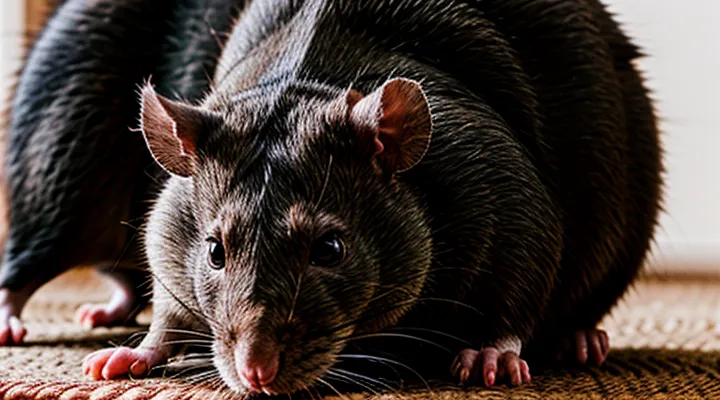
Anatomical Considerations of the Female Rat Reproductive System
The female rat reproductive system consists of paired ovaries, oviducts, a bicornuate uterus, cervix, and a relatively short vagina. Ovaries are located dorsally near the kidneys and contain follicles that progress through the four stages of the estrous cycle (proestrus, estrus, metestrus, diestrus). Each ovary is supplied by the ovarian artery, a branch of the abdominal aorta, and drained by the ovarian vein into the renal vein.
The oviducts (fallopian tubes) extend laterally from the uterine horns and feature a mucosal epithelium rich in ciliated cells that facilitate gamete transport. Their muscular layer contracts rhythmically, contributing to the movement of ova and embryos.
The uterus is bicornuate, with two robust horns that converge into a common body. The uterine wall comprises three layers: the inner endometrium, the muscular myometrium, and the outer serosa. The endometrium undergoes cyclic changes in thickness and vascularization, driven by hormonal fluctuations. Myometrial contractility is regulated by autonomic innervation from the hypogastric plexus and by local oxytocin receptors.
Cervical tissue consists of dense connective tissue and a stratified squamous epithelium that transitions to the columnar epithelium of the vagina. The cervix contains a rich venous plexus that can become engorged during estrus, creating a potential source of vaginal hemorrhage when disrupted.
The vagina is a short, tubular structure lined by a non‑keratinized stratified squamous epithelium. It is surrounded by a muscular layer and a vascular network supplied by the internal pudendal artery and drained by the internal pudendal vein. The vaginal mucosa is highly sensitive to hormonal status, and its epithelial integrity can be compromised during the estrous cycle, especially in proestrus and estrus.
Key anatomical features influencing vaginal bleeding in rats:
- Vascular plexuses in the uterus, cervix, and vagina that expand during the estrous cycle.
- Endometrial remodeling that weakens the mucosal barrier during peak estrogen phases.
- Cervical venous congestion associated with hormonal peaks, predisposing to rupture.
- Myometrial contractility that can generate shear forces on fragile vascular structures.
- Innervation patterns that affect smooth‑muscle tone and vascular tone, influencing hemorrhagic risk.
Understanding these structural components provides a basis for interpreting the physiological and pathological mechanisms that lead to vaginal bleeding in experimental rat models.
Non-Pathological Causes of Vaginal Bleeding
Normal Estrous Cycle Stages
Proestrus Bleeding
Proestrus bleeding in laboratory rats refers to the transient vaginal discharge that appears during the proestrus stage of the estrous cycle. The phenomenon results from a rapid rise in circulating estradiol, which stimulates vascular engorgement of the vaginal epithelium and induces mild mucosal hemorrhage. Blood‑tinged fluid typically emerges 12–24 hours before the onset of estrus and resolves within a few hours.
The occurrence of proestrus bleeding is influenced by several variables:
- Strain‑specific reproductive physiology (e.g., Sprague‑Dawley versus Wistar)
- Age of the animal; mature females exhibit more pronounced bleeding than juveniles
- Housing conditions, including photoperiod and environmental stressors
- Nutritional status, particularly dietary phytoestrogen content
- Hormonal manipulations such as exogenous estrogen or gonadotropin administration
In experimental settings, proestrus bleeding serves as a natural marker for timing of ovulation and can be employed to synchronize breeding or to schedule interventions that require precise cycle staging. However, the presence of blood may confound studies that assess vaginal cytology, microbiota composition, or drug absorption through the genital tract. Researchers must differentiate proestrus bleeding from pathological vaginal hemorrhage caused by infection, trauma, or neoplasia, which often present with persistent discharge, tissue edema, or systemic signs.
Accurate identification of proestrus bleeding relies on visual inspection combined with cytological evaluation. A predominance of cornified epithelial cells alongside a small quantity of erythrocytes confirms the physiological origin. When atypical patterns arise—such as prolonged bleeding, excessive volume, or accompanying inflammation—further diagnostic work‑up, including histopathology and microbiological culture, is warranted.
Post-Coital Bleeding
Post‑coital vaginal bleeding in laboratory rats occurs shortly after mating and represents a distinct category of hemorrhagic events. The phenomenon reflects disruption of the vaginal epithelium or underlying vasculature during copulation and can be influenced by several biological and experimental variables.
Key determinants include:
- Estrous cycle stage – estrus and proestrus phases present a thinned epithelium and increased blood flow, raising susceptibility to mechanical trauma.
- Male genital morphology – excessive penile spines or abnormal intromission angles generate shear forces that breach the mucosal surface.
- Hormonal manipulation – exogenous estrogen or progesterone treatments alter epithelial thickness and vascular permeability, modulating bleeding severity.
- Infectious agents – uterine or vaginal pathogens weaken tissue integrity, predisposing to rupture during copulation.
- Environmental stressors – high ambient temperature or handling stress elevate circulating catecholamines, causing vasodilation and heightened bleeding risk.
Pathophysiological mechanisms involve acute rupture of capillary loops within the lamina propria, followed by rapid clot formation. Hemostatic response may be delayed in rats with coagulation defects or platelet dysfunction, extending bleeding duration.
Experimental assessment typically combines visual inspection of the vaginal opening immediately after mating with quantification of blood volume using absorbent pads weighed pre‑ and post‑collection. Histological analysis of the vaginal wall reveals epithelial lacerations, inflammatory infiltrates, and fibrin deposition.
Mitigation strategies focus on minimizing mechanical trauma: selecting male rats with reduced penile spine density, synchronizing breeding to optimal estrous phases, and avoiding excessive hormonal dosing. Prophylactic antimicrobial treatment can reduce infection‑related tissue fragility. Monitoring ambient conditions and providing gentle handling further decrease stress‑induced vascular changes.
Understanding post‑coital bleeding is essential for accurate interpretation of reproductive studies, as uncontrolled hemorrhage may confound fertility outcomes, affect offspring viability, and skew data on drug safety or toxicology.
Physiological Responses
Stress-Induced Bleeding
Stress‑induced vaginal bleeding in laboratory rats emerges when physiological stressors activate neuro‑endocrine pathways that compromise uterine vascular integrity. Acute restraint, chronic crowding, and unpredictable light‑dark cycles elevate circulating corticosterone, which suppresses endothelial nitric oxide production and increases vasoconstrictor tone. The resulting microvascular fragility predisposes the vaginal mucosa to hemorrhage during estrous cycles.
Experimental observations consistently link heightened hypothalamic‑pituitary‑adrenal activity to irregular uterine bleeding. Studies employing telemetry have recorded spikes in heart rate variability concurrent with bleeding episodes, confirming autonomic dysregulation as a contributing factor. Histological analyses reveal thinning of the epithelial layer and disruption of basement membrane collagen fibers in stressed subjects, indicating direct tissue damage beyond hormonal effects.
Key mechanisms identified include:
- Corticosterone‑mediated down‑regulation of prostaglandin synthesis, reducing mucosal protection.
- Sympathetic overactivity leading to vasoconstriction and ischemic injury.
- Altered expression of matrix metalloproteinases, facilitating extracellular matrix degradation.
Practical implications for researchers involve controlling environmental variables to minimize stress‑related confounding. Recommended measures are:
- Standardized handling protocols that limit restraint duration.
- Housing densities that prevent overcrowding.
- Consistent lighting schedules with minimal abrupt changes.
Accurate assessment of stress‑related bleeding requires serial vaginal cytology combined with non‑invasive imaging of uterine blood flow. Quantifying corticosterone levels alongside bleeding frequency enhances the ability to distinguish stress‑driven events from other etiologies. Implementing these strategies improves data reliability when investigating reproductive disturbances in rodent models.
Pathological Causes of Vaginal Bleeding
Reproductive Tract Infections
Uterine Infections («Pyometra», «Endometritis»)
Uterine infections represent a frequent source of abnormal vaginal bleeding in laboratory rats. Both pyometra and endometritis can develop after estrous cycle disturbances, surgical manipulation, or exposure to pathogenic microorganisms.
Pyometra is characterized by accumulation of purulent material within an enlarged uterus, often accompanied by systemic inflammation. Endometritis involves inflammation of the endometrial lining without gross uterine distension, but may progress to pyometra if untreated.
Typical manifestations include:
- Vaginal discharge ranging from serous to purulent
- Hemorrhagic spotting or continuous bleeding
- Abdominal distension (more common in pyometra)
- Reduced food intake and lethargy
- Elevated body temperature
Microbial agents most frequently isolated are:
- Escherichia coli
- Streptococcus spp.
- Staphylococcus aureus
- Anaerobic bacteria such as Bacteroides spp.
Risk factors comprise:
- Repeated hormonal induction protocols
- Incomplete uterine evacuation after breeding
- Poor aseptic technique during invasive procedures
Effective management relies on:
- Prompt antimicrobial therapy based on culture and sensitivity results
- Supportive care including fluid therapy and analgesia
- Surgical intervention (uterine drainage or ovariohysterectomy) for advanced pyometra
- Implementation of strict hygiene and sterilization practices to limit infection spread
Monitoring of estrous cycles, regular health assessments, and immediate investigation of any vaginal bleeding are essential to prevent progression of uterine infections in rat colonies.
Vaginal Infections («Vaginitis»)
Vaginitis refers to inflammation of the vaginal mucosa in rats and constitutes a frequent source of vaginal hemorrhage. The condition arises from infectious agents that colonize the lower genital tract, disrupt epithelial integrity, and provoke vascular leakage.
- Bacterial pathogens: Streptococcus spp., Staphylococcus aureus, and Gram‑negative rods such as Pseudomonas spp. commonly invade the vaginal epithelium after dysbiosis or injury.
- Fungal agents: Candida albicans and other Candida species proliferate under estrogen‑rich conditions, producing hyphal invasion that erodes mucosal surfaces.
- Protozoal parasites: Trichomonas vaginalis–like organisms have been isolated from laboratory colonies, inducing acute inflammation and bleeding.
- Mixed infections: Co‑colonization by bacteria and fungi intensifies tissue damage and prolongs hemorrhagic episodes.
Clinical manifestations include erythema, edema, purulent or serous discharge, and visible blood spotting on the perineum. Histopathology typically shows epithelial ulceration, neutrophilic infiltration, and hemorrhagic extravasation. Cytological smears reveal inflammatory cells and, when applicable, organisms identifiable by Gram stain or fungal hyphae.
Diagnostic workflow:
- Visual inspection – record discharge type and bleeding severity.
- Swab collection – perform aerobic and anaerobic cultures, fungal cultures, and PCR assays for protozoal DNA.
- Cytology – evaluate cellular composition and presence of pathogens.
- Histology – confirm epithelial disruption and vascular involvement.
Experimental considerations:
- Maintain colony hygiene, monitor estrous cycles, and limit stressors that predispose to microbial overgrowth.
- Apply prophylactic antifungal or antibacterial regimens only when baseline microbiota assessments indicate elevated risk.
- Document infection status in study reports, as vaginitis can confound pharmacological or toxicological outcomes related to reproductive endpoints.
Effective management of vaginal infections reduces the incidence of hemorrhagic events and enhances the reliability of research data involving rodent reproductive health.
Neoplasia and Tumors
Uterine Tumors («Leiomyoma», «Adenocarcinoma»)
Uterine neoplasms constitute a significant source of vaginal hemorrhage in laboratory rats. Both benign smooth‑muscle proliferations and malignant glandular lesions can disrupt endometrial integrity, leading to observable bleeding.
Leiomyoma originates from the myometrial smooth muscle layer. Typical features include a well‑circumscribed mass composed of intersecting bundles of spindle‑shaped cells with minimal atypia. Hormonal dependence often results in growth acceleration during estrus, and necrotic foci may precipitate local ulceration of the uterine lumen, producing intermittent vaginal discharge.
Adenocarcinoma arises from the endometrial epithelium. Histologically, it presents as irregular glandular structures infiltrating the myometrium, frequently accompanied by desmoplastic stroma and marked cellular atypia. Invasive growth frequently compromises the uterine vasculature, causing persistent or profuse vaginal bleeding. Metastatic spread to lungs or lymph nodes may exacerbate systemic signs.
Key diagnostic considerations:
- Palpable abdominal mass in affected females.
- Ultrasonographic identification of heterogeneous uterine enlargement.
- Histopathological confirmation distinguishing smooth‑muscle versus glandular origin.
- Exclusion of other hemorrhagic causes such as estrous cycle abnormalities, coagulopathies, or infectious uterine inflammation.
Management of tumor‑induced bleeding relies on timely surgical excision or humane euthanasia, depending on experimental protocols and ethical guidelines. Accurate identification of the tumor type informs prognosis and influences the interpretation of toxicological or pharmacological study outcomes.
Vaginal Tumors
Vaginal tumors represent a direct source of hemorrhage in laboratory rats, often appearing as the primary observable symptom during routine health monitoring. Tumor growth disrupts the mucosal integrity, leading to intermittent or continuous blood loss that can affect animal welfare and experimental data.
Common tumor categories include:
- Benign adenomas, arising from glandular epithelium and typically producing limited bleeding.
- Papillomas, characterized by exophytic growths that may ulcerate.
- Malignant carcinomas, infiltrating surrounding tissue and causing extensive hemorrhage.
- Sarcomas, originating from mesenchymal cells and frequently associated with rapid blood loss.
Incidence rates vary among strains, with higher prevalence reported in aged or genetically predisposed cohorts. Spontaneous tumor formation can confound studies investigating reproductive toxicity, endocrine disruption, or drug safety, necessitating careful group allocation and statistical control.
Diagnostic procedures rely on:
- Visual inspection for discharge and lesion appearance.
- Histopathological examination to confirm tumor type and grade.
- Imaging modalities such as ultrasound or MRI for size assessment and vascular involvement.
Management strategies prioritize early detection, surgical excision when feasible, and documentation of bleeding severity. Continuous monitoring of hematocrit and body weight provides quantitative measures of blood loss impact, supporting data integrity across experimental groups.
Hormonal Imbalances and Disorders
Ovarian Cysts
Ovarian cysts are fluid‑filled structures that develop on the surface or within the ovary of laboratory rats. They arise from follicular, luteal, or serous origins and may persist for weeks to months without external signs. In many studies, cystic ovaries are linked to irregular estrous cycles, elevated estrogen or progesterone levels, and altered feedback to the hypothalamic‑pituitary axis. These hormonal disturbances can increase endometrial vascular permeability, leading to spontaneous vaginal bleeding.
Key mechanisms by which ovarian cysts contribute to vaginal hemorrhage include:
- Persistent estrogen secretion that stimulates endometrial proliferation and fragile neovascularization.
- Inadequate luteal regression, resulting in prolonged progesterone exposure and subsequent breakdown of the endometrial lining.
- Disruption of gonadotropin release, causing asynchronous ovulation and local tissue damage within the reproductive tract.
Experimental detection relies on palpation, ultrasonography, or necropsy examination of the ovaries. Histological analysis distinguishes cyst type and assesses epithelial integrity. When cysts are present, researchers often observe a higher incidence of spotting or overt bleeding during the estrus phase, which may confound data on reproductive toxicity or endocrine disruption.
Management strategies in rodent colonies involve:
- Monitoring estrous cyclicity through vaginal cytology to identify abnormal bleeding patterns.
- Adjusting dietary phytoestrogen content or administering gonadotropin‑releasing hormone analogs to normalize hormonal cycles.
- Implementing surgical removal or pharmacological induction of cyst regression in severe cases.
Recognizing ovarian cysts as a source of vaginal bleeding ensures accurate interpretation of reproductive outcomes and prevents misattribution of bleeding to external toxicants.
Endometrial Hyperplasia
Endometrial hyperplasia represents a proliferative alteration of the uterine lining that frequently underlies abnormal uterine bleeding in laboratory rats. The condition arises when estrogenic stimulation exceeds the regulatory capacity of progesterone, prompting excessive glandular growth and stromal expansion. Common experimental models that elevate systemic estrogen—such as chronic administration of estradiol, exposure to phytoestrogen‑rich diets, or implantation of estrogen‑secreting tumors—produce this pathology.
Key pathological features include:
- Thickened endometrium with crowded, elongated glands.
- Increased mitotic activity within glandular epithelium.
- Dilated lumina filled with secretory material.
- Variable stromal edema and inflammatory infiltrates.
These histological changes compromise vascular integrity, leading to fragile capillaries that rupture during the estrous cycle, manifesting as vaginal discharge. In addition, the altered architecture can impede normal uterine contractility, further contributing to bleeding episodes.
Experimental detection relies on:
- Serial vaginal cytology to document irregular bleeding patterns.
- Histopathological examination of uterine sections stained with hematoxylin‑eosin.
- Quantitative measurement of uterine weight and gland-to-stroma ratios.
Therapeutic interventions that restore hormonal balance—such as progesterone supplementation, selective estrogen receptor modulators, or aromatase inhibitors—have demonstrated efficacy in reducing glandular hyperplasia and normalizing bleeding. Monitoring endometrial thickness via ultrasound or magnetic resonance imaging offers a non‑invasive method to assess treatment response.
Understanding the mechanistic link between estrogen excess and endometrial hyperplasia enhances the interpretation of bleeding phenotypes in rat studies and informs the design of protocols that minimize confounding reproductive disturbances.
Trauma and Injury
Physical Trauma to the Vagina or Uterus
Physical injury to the vaginal canal or uterine tissue is a direct precipitant of hemorrhage in laboratory rats. Trauma may arise from handling errors, invasive procedures, or accidental impact. The resulting vascular disruption produces observable bleeding that can confound experimental outcomes if not recognized.
Common sources of mechanical damage include:
- Insertion of oversized or improperly lubricated devices (e.g., catheters, speculums).
- Excessive force during vaginal swabbing or cytology collection.
- Surgical manipulation without adequate hemostasis, such as uterine horn exteriorization.
- Accidental blunt force from cage enrichment items or cage cleaning activities.
Pathophysiology involves rupture of the mucosal epithelium, tearing of submucosal vessels, and, in severe cases, full‑thickness uterine wall disruption. Hemorrhage may be focal, presenting as localized spotting, or diffuse, resulting in overt vaginal discharge. Histological examination typically reveals endothelial disruption, perivascular hemorrhage, and inflammatory cell infiltration.
Detection strategies rely on regular visual inspection, quantification of vaginal lavage fluid, and, when needed, imaging (ultrasound or MRI) to assess deeper uterine injury. Prompt identification permits immediate intervention, such as gentle pressure, hemostatic agents, or analgesic administration, reducing animal distress and preserving data integrity.
Preventive measures focus on technique refinement: selecting appropriately sized instruments, applying sufficient lubrication, training personnel in gentle handling, and implementing cage designs that minimize accidental impact. Documentation of any traumatic event in study records ensures accurate attribution of bleeding episodes to mechanical causes rather than experimental variables.
Complications from Breeding or Birthing
Breeding and parturition introduce physiological stress that may manifest as vaginal hemorrhage in laboratory rats. The bleeding often signals underlying pathology rather than normal estrous activity.
Common reproductive complications associated with hemorrhage include:
- Dystocia leading to uterine overdistension and vascular rupture.
- Uterine rupture caused by excessive uterine contractions or abnormal fetal positioning.
- Retained placental tissue that incites inflammation and local vessel erosion.
- Post‑parturient infection (metritis) that compromises uterine wall integrity.
- Physical trauma from aggressive mating behavior, resulting in cervical lacerations or vaginal abrasions.
These conditions disrupt the endothelial lining of the reproductive tract, increase vascular permeability, and may produce clotted or continuous blood loss. Hemorrhage severity correlates with the extent of tissue damage and the presence of secondary infection.
Clinical assessment should combine visual inspection of vaginal discharge with palpation for uterine tenderness, ultrasound imaging to detect retained tissue, and microbiological sampling when infection is suspected. Prompt therapeutic intervention—such as surgical repair of ruptures, administration of broad‑spectrum antibiotics, and supportive fluid therapy—reduces mortality and preserves reproductive capacity.
Systemic Diseases Affecting Coagulation
Coagulopathies
Coagulopathies represent a group of disorders that impair the clotting cascade, platelet function, or vascular integrity, thereby increasing the likelihood of hemorrhage. In laboratory rodents, genetic mutations, chemically induced deficiencies, and immune‑mediated platelet destruction are the primary sources of these abnormalities. When the hemostatic system fails, spontaneous or provoked vaginal bleeding may appear, providing a measurable endpoint for toxicological and pharmacological investigations.
Typical coagulopathic conditions observed in rats include:
- Deficiency of clotting factors VII, IX, or X, often produced by targeted gene knock‑out or antisense oligonucleotide treatment.
- Acquired inhibition of fibrin formation caused by administration of anticoagulants such as warfarin or direct thrombin inhibitors.
- Thrombocytopenia resulting from immune‑mediated platelet depletion or bone‑marrow suppression.
- Qualitative platelet defects, for example, impaired aggregation due to aspirin exposure or genetic alteration of the platelet glycoprotein IIb/IIIa complex.
The pathophysiological link between these disorders and vaginal bleeding lies in the reduced capacity to generate a stable fibrin clot at the site of microvascular injury within the reproductive tract. In rats, the estrous cycle induces cyclic remodeling of the vaginal epithelium and associated vasculature; compromised hemostasis can therefore translate into overt bleeding during the proliferative phase. Researchers often monitor the volume, duration, and frequency of vaginal discharge as a non‑invasive indicator of coagulopathy severity, correlating the findings with plasma prothrombin time, activated partial thromboplastin time, and platelet count.
Understanding coagulopathic mechanisms is essential for interpreting bleeding phenotypes in experimental models, distinguishing primary hemostatic failure from secondary causes such as hormonal imbalance or infection, and for selecting appropriate therapeutic interventions that restore clotting function without confounding the study outcomes.
Platelet Disorders
Platelet abnormalities constitute a significant factor in vaginal hemorrhage observed in laboratory rats. Deficiencies in platelet number or function compromise primary hemostasis, creating a predisposition to persistent bleeding from the reproductive tract.
- Quantitative defects: thrombocytopenia, marked by platelet counts below the normal range for the species.
- Qualitative defects: impaired aggregation, altered granule secretion, or receptor dysfunction that reduces platelet responsiveness to vascular injury.
Reduced platelet availability limits the formation of the initial platelet plug, while functional deficits hinder platelet adhesion, activation, and clot stabilization. The resulting insufficiency in clot formation extends bleeding duration and increases volume loss from the vaginal mucosa.
Assessment of platelet status involves complete blood counts to determine platelet concentration, aggregometry to evaluate response to agonists such as ADP or collagen, and flow cytometric analysis of surface markers (e.g., CD41, CD61) to detect activation anomalies. Histopathological examination of vaginal tissue may reveal hemorrhagic foci correlated with platelet dysfunction.
In experimental designs, controlling for platelet parameters is essential to avoid confounding outcomes. Strategies include pre‑screening animals for normal platelet profiles, employing pharmacological agents that normalize platelet function, or selecting genetically defined strains with stable hemostatic characteristics. Proper management of platelet health enhances reproducibility and accuracy when investigating reproductive bleeding phenomena in rats.
Drug-Induced Bleeding
Anticoagulants
Anticoagulant exposure represents a significant factor in the development of uterine hemorrhage in laboratory female rats. These compounds interfere with the normal coagulation cascade, reducing clot formation and prolonging bleeding time. Commonly studied agents include warfarin, heparin, and direct oral anticoagulants such as rivaroxaban. Their impact on vaginal bleeding can be summarized as follows:
- Inhibition of vitamin K–dependent clotting factors (warfarin) decreases synthesis of factors II, VII, IX, and X, leading to systemic hypocoagulability.
- Enhancement of antithrombin activity (unfractionated heparin, low‑molecular‑weight heparin) accelerates inactivation of thrombin and factor Xa, directly impairing clot stabilization.
- Direct factor Xa inhibition (rivaroxaban, apixaban) blocks a key enzymatic step in the cascade, shortening the time required for clot formation.
Experimental protocols often administer anticoagulants via oral gavage or subcutaneous injection at doses calibrated to produce therapeutic‑level anticoagulation without inducing mortality. Observed outcomes include prolonged estrous‑phase bleeding, increased volume of vaginal discharge, and histological evidence of submucosal hemorrhage. Monitoring parameters such as prothrombin time, activated partial thromboplastin time, and plasma anti‑Xa activity provide quantitative confirmation of anticoagulant effect.
When interpreting data, researchers must control for confounding variables—dietary vitamin K intake, strain‑specific coagulation profiles, and concurrent use of hemostatic agents. Proper experimental design isolates anticoagulant influence, enabling accurate attribution of vaginal bleeding to disrupted coagulation mechanisms.
Hormonal Medications
Hormonal agents are a frequent source of vaginal hemorrhage in laboratory rats. Administration of estrogenic compounds, such as estradiol benzoate or estradiol valerate, stimulates endometrial growth and increases vascular permeability. When circulating levels decline, rapid tissue regression induces bleeding that mimics estrous‑related discharge. Progestogenic preparations, including progesterone and medroxyprogesterone acetate, suppress ovulation and alter glandular secretions; abrupt withdrawal or supraphysiologic dosing can produce irregular hemorrhagic episodes.
Combined estrogen‑progestin formulations generate a biphasic response. Initial estrogen exposure expands the uterine lining, while subsequent progestin exposure stabilizes it. Disruption of this sequence, either by dose escalation or premature cessation, triggers hemorrhage comparable to that observed in cycle‑disordered rodents.
Commonly employed hormonal medications and their typical bleeding outcomes are:
- Estradiol derivatives – dose‑dependent endometrial hyperplasia, followed by withdrawal bleeding.
- Progesterone analogues – suppression of cyclic bleeding; abrupt cessation leads to spotting.
- Selective estrogen receptor modulators (e.g., tamoxifen) – mixed agonist/antagonist activity, producing unpredictable bleeding patterns.
- Synthetic progestins (e.g., norethisterone) – induce decidualization; withdrawal may cause prolonged bleeding.
Experimental protocols must consider timing, route of administration, and serum concentration thresholds. Subcutaneous injection yields sustained exposure, whereas oral gavage produces rapid peaks and troughs that amplify hemorrhagic risk. Monitoring includes daily visual inspection of vaginal swabs and quantification of blood volume using hemoglobin assay kits.
Confounding variables include stress‑induced adrenal hormone release, concurrent use of anticoagulants, and strain‑specific sensitivity to hormonal perturbation. Controlling these factors ensures that observed vaginal bleeding can be attributed reliably to the hormonal medication under investigation.
Diagnostic Approach to Vaginal Bleeding
Physical Examination and Observation
Visual Inspection
Visual inspection serves as the first line of assessment when evaluating vaginal hemorrhage in laboratory rodents. The technique relies on direct observation of the external genitalia and any expelled blood, providing immediate information about the severity and potential origin of the bleeding.
During examination, the observer should note:
- Color of the blood (bright red suggests arterial flow, dark red indicates venous or delayed bleeding).
- Volume and distribution (localized spotting versus widespread staining of the fur or bedding).
- Presence of clots or mucus, which can differentiate between traumatic injury and hormonal discharge.
- Condition of the vaginal epithelium (abrasions, ulcerations, or inflammation).
- Any accompanying signs such as swelling, discharge from adjacent tissues, or behavioral changes.
Standardized lighting and magnification improve detection of subtle lesions. Photographic documentation, with scale reference, ensures reproducibility and facilitates comparison across experimental groups.
Interpretation of visual data must consider physiological cycles; estrous phase influences vaginal secretions and can mimic pathological bleeding. Correlating observations with the animal’s cycle stage, age, and recent interventions refines the diagnostic conclusion.
Limitations include inability to assess internal sources of hemorrhage and the potential for observer bias. Complementary methods—histopathology, imaging, or laboratory analysis—are recommended when external signs are inconclusive or when systemic causes are suspected.
Palpation
Palpation serves as a primary physical assessment tool for identifying the underlying mechanisms of vaginal hemorrhage in laboratory rats. By applying gentle, systematic pressure to the abdominal and perineal regions, investigators can detect uterine enlargement, ovarian cysts, or tumor masses that often precede abnormal bleeding. The technique requires restraint of the animal in a supine or dorsal position, followed by sequential palpation of the ventral abdomen, uterine horns, and the cervicovaginal junction. Consistency in pressure depth and hand placement enables reliable detection of:
- Enlarged uterine horns indicative of hormonal imbalances or hyperplasia
- Palpable ovarian lesions, such as cystic follicles or neoplasms, that may disrupt ovulation cycles
- Abnormal masses in the vaginal wall or surrounding tissues suggesting inflammatory or neoplastic processes
Timing of palpation is critical; assessments performed during the estrous cycle’s proestrus and estrus phases provide the most accurate correlation between uterine size and bleeding events. Repeated examinations at 24‑hour intervals allow monitoring of lesion progression and response to therapeutic interventions.
Interpretation of findings must consider physiological variations. Normal cyclic uterine thickening can mimic pathological enlargement, therefore correlating palpation results with cytological smear data and hormonal assays reduces false‑positive diagnoses. Moreover, palpation alone cannot differentiate between hemorrhagic necrosis and benign edema; supplemental imaging or histopathology is required for definitive classification.
Limitations include operator dependence, potential stress‑induced hormonal alterations, and reduced sensitivity for deep‑lying lesions. Training protocols that emphasize standardized force application and blind assessment improve reproducibility across studies.
In summary, palpation provides a rapid, low‑cost method for detecting structural abnormalities that contribute to vaginal bleeding in rats, especially when integrated with complementary diagnostic modalities.
Laboratory Diagnostics
Cytology of Vaginal Smears
Cytological examination of vaginal smears provides a direct, rapid assessment of the estrous phase and pathological alterations that may underlie abnormal uterine bleeding in laboratory rats. The technique involves gently inserting a sterile pipette or swab into the vaginal canal, flushing with saline, and transferring the fluid onto a microscope slide. After air‑drying, slides are stained with a rapid protocol such as Wright‑Giemsa or a Papanicolaou variant, allowing clear visualization of epithelial, cornified, and leukocyte populations.
Interpretation relies on the proportion and morphology of three principal cell types:
- Nucleated epithelial cells – abundant during proestrus and estrus; large nuclei, scant cytoplasm.
- Cornified (keratinized) cells – dominate during estrus; flattened, anucleate, eosinophilic cytoplasm.
- Leukocytes – prevalent in metestrus and diestrus; small, round nuclei, granular cytoplasm.
A shift toward excessive leukocyte presence or persistent cornified cells outside the expected cycle window signals hormonal imbalance, infection, or endometrial pathology, each capable of precipitating vaginal hemorrhage. Quantitative scoring systems assign percentages to each cell class, facilitating comparison across experimental groups.
Critical methodological considerations include:
- Conducting sampling at consistent times of day to minimize circadian variation in hormone levels.
- Avoiding trauma by using a flexible, lubricated applicator; mechanical injury can introduce blood unrelated to intrinsic pathology.
- Ensuring proper fixation; over‑fixation obscures nuclear detail, while under‑fixation leads to cell lysis.
When cytology reveals atypical patterns—such as persistent leukocytosis, presence of atypical cells, or mixed populations—further histopathological analysis of uterine tissue is warranted. Correlating smear data with serum estradiol and progesterone concentrations refines the diagnostic picture, allowing researchers to pinpoint endocrine disruptions, inflammatory processes, or neoplastic lesions as contributors to vaginal bleeding in rats.
Hematology and Blood Chemistry
Hematological assessment provides quantitative insight into the physiological disturbances associated with vaginal hemorrhage in laboratory rats. Red blood cell (RBC) count, hemoglobin concentration, and hematocrit reveal the severity of blood loss and the body’s compensatory erythropoietic response. Reticulocyte percentage indicates marrow activity following acute depletion. White blood cell (WBC) differential differentiates inflammatory or infectious contributions; neutrophilia suggests bacterial involvement, while lymphocytosis may reflect a chronic immune reaction. Platelet count and mean platelet volume (MPV) help identify coagulopathies that could exacerbate bleeding.
Blood chemistry complements the hematological profile by detecting metabolic and organ-specific alterations. Serum estradiol and progesterone levels clarify hormonal imbalances that predispose to uterine vascular fragility. Liver enzymes (ALT, AST, ALP) and bilirubin assess hepatic function, which influences clotting factor synthesis. Blood urea nitrogen (BUN) and creatinine evaluate renal clearance, important when nephrotoxic agents are implicated. Electrolyte panel (Na⁺, K⁺, Cl⁻, Ca²⁺) identifies disturbances that may affect vascular tone and smooth‑muscle contractility. Coagulation parameters—prothrombin time (PT), activated partial thromboplastin time (aPTT), and fibrinogen concentration—directly measure the integrity of the clotting cascade.
Integrating these data points enables precise discrimination among potential etiologies, such as hormonal dysregulation, infectious inflammation, drug‑induced toxicity, or intrinsic coagulation defects. Consistent monitoring of hematology and serum chemistry throughout experimental protocols improves the reliability of cause‑effect conclusions regarding vaginal bleeding in rat models.
Microbiology and Culture
Microbiological assessment is essential for identifying infectious contributors to vaginal hemorrhage in laboratory rats. Common pathogens include Escherichia coli, Staphylococcus aureus, Streptococcus spp., and anaerobic bacteria such as Bacteroides spp. These organisms can invade the vaginal mucosa, provoke inflammation, and compromise vascular integrity, resulting in bleeding. Opportunistic fungi, particularly Candida species, may exacerbate mucosal damage when host immunity is impaired.
Accurate detection relies on standardized culture techniques. Typical procedures involve:
- Swab collection from the vaginal canal under aseptic conditions.
- Inoculation onto selective and non‑selective agar media (e.g., MacConkey, blood agar, Sabouraud dextrose agar) to isolate bacteria and fungi.
- Incubation at 35‑37 °C for aerobic organisms and 30 °C in anaerobic chambers for obligate anaerobes.
- Gram staining and biochemical profiling (API strips, MALDI‑TOF) for species‑level identification.
- Quantitative colony counts to assess microbial load and differentiate colonization from infection.
Molecular methods, such as PCR amplification of 16S rRNA genes, complement culture by detecting fastidious or uncultivable organisms. Integrating microbiological findings with histopathology and clinical observations clarifies the role of infection in the observed vaginal bleeding, guiding targeted antimicrobial therapy and improving experimental reproducibility.
Imaging Techniques
Ultrasound
Ultrasound provides real‑time visualization of the reproductive tract in laboratory rats, allowing investigators to identify structural and functional alterations linked to abnormal uterine bleeding. High‑frequency transducers (20–40 MHz) achieve axial resolution of 30–50 µm, sufficient to distinguish endometrial thickness, myometrial echogenicity, and vascular flow patterns. Doppler mode quantifies blood velocity within uterine arteries, revealing hyperemia that often precedes hemorrhagic episodes.
Key applications include:
- Monitoring estrous cycle progression by measuring cyclic changes in endometrial thickness and lumen diameter.
- Detecting pathological lesions such as endometrial hyperplasia, submucosal polyps, or uterine fibroids, which can disrupt normal vascular integrity.
- Assessing ovarian cysts or luteal insufficiency that indirectly affect uterine perfusion and contribute to bleeding.
- Guiding minimally invasive sampling (e.g., fine‑needle aspiration) to obtain tissue from suspicious areas while preserving animal welfare.
Ultrasound advantages consist of non‑invasiveness, repeatability across experimental timelines, and the capacity to correlate imaging findings with hormonal assays and histopathology. Limitations involve operator dependency, reduced penetration depth in obese specimens, and potential artifact generation from gas in the gastrointestinal tract. Combining ultrasound data with magnetic resonance imaging or histological confirmation mitigates these constraints and strengthens causal inference.
Standardized protocols recommend anesthetizing rats with isoflurane, applying a warm coupling gel, and acquiring transverse and longitudinal scans at defined uterine positions. Measurements should be recorded in millimeters, and Doppler indices (peak systolic velocity, resistive index) documented for each session. Consistent imaging parameters facilitate longitudinal comparisons and improve reproducibility across studies investigating the etiologies of vaginal hemorrhage in rodent models.
Radiography
Radiography provides a direct, non‑invasive means to assess internal structures that may contribute to vaginal hemorrhage in laboratory rats. By visualizing bone, soft‑tissue, and vascular components, it helps differentiate pathological sources such as uterine wall defects, neoplastic growths, or traumatic injuries.
Key radiographic techniques applicable to this research include:
- Conventional digital X‑ray: rapid acquisition, suitable for skeletal assessment and gross soft‑tissue contrast.
- Micro‑computed tomography (micro‑CT): high‑resolution three‑dimensional imaging of uterine architecture and adjacent vasculature.
- Fluoroscopy: real‑time observation of dynamic processes, useful for evaluating blood flow and organ motility.
- Contrast‑enhanced radiography: administration of iodine‑based agents to highlight vascular networks and identify hemorrhagic sites.
Radiographic findings relevant to vaginal bleeding investigations encompass:
- Disruption or thinning of the uterine wall, indicating possible rupture or atrophy.
- Presence of masses or calcifications within the reproductive tract, suggesting tumorigenic or inflammatory origins.
- Abnormal vascular patterns, such as engorged vessels or aneurysmal dilatations, that may precipitate hemorrhage.
- Skeletal anomalies affecting pelvic support structures, potentially leading to mechanical stress on the vagina.
Methodological considerations ensure reliable data acquisition:
- Anesthesia protocols must minimize motion while preserving physiological parameters that influence vascular tone.
- Positioning devices should align the pelvic region to reduce superimposition of abdominal organs.
- Radiation dose must be calibrated to balance image quality against potential tissue damage, especially for longitudinal studies.
- Image resolution settings should be optimized for the size of the animal and the specific anatomical targets under investigation.
Integrating radiographic data with histopathological analysis and complementary imaging modalities (e.g., ultrasound or MRI) yields a comprehensive view of the etiological factors behind vaginal bleeding. Radiography thus serves as a foundational component of multidisciplinary investigations aimed at elucidating and mitigating this condition in rat models.
Biopsy and Histopathology
Biopsy of the vaginal mucosa provides direct access to the tissue responsible for hemorrhagic episodes in laboratory rodents. Tissue samples are typically obtained under anesthesia using sterile punch or scalpel techniques, followed by immediate fixation in 10 % neutral‑buffered formalin to preserve cellular architecture. Proper orientation of the specimen on the cassette ensures optimal sectioning and reduces artifact formation.
Histopathological evaluation begins with paraffin embedding, microtome sectioning at 4–5 µm, and hematoxylin‑eosin staining. Microscopic assessment focuses on:
- Epithelial integrity (erosion, ulceration, hyperplasia)
- Vascular changes (angiogenesis, thrombosis, hemorrhage)
- Inflammatory infiltrates (type, distribution, severity)
- Presence of neoplastic lesions or dysplasia
Special stains or immunohistochemistry may be employed to identify specific pathogens, hormone‑responsive receptors, or markers of cellular proliferation. Correlating these microscopic findings with clinical observations—such as cycle stage, hormonal treatment, or exposure to toxicants—enables precise determination of the physiological or pathological mechanisms driving vaginal bleeding in rats.
Management and Treatment Strategies
Effective management of vaginal hemorrhage in laboratory rats requires a systematic approach that addresses both the underlying etiology and the immediate clinical presentation. Initial evaluation should include a thorough physical examination, hematologic profiling, and imaging when appropriate to identify infectious, neoplastic, hormonal, or traumatic contributors. Prompt identification of the causative factor guides subsequent therapeutic decisions and reduces the risk of recurrence.
Supportive care constitutes the first line of treatment. Measures include:
- Fluid therapy with isotonic solutions to maintain circulatory volume.
- Analgesia using non‑steroidal anti‑inflammatory drugs or opioids, dosed according to species‑specific guidelines.
- Hemostatic agents applied locally, such as oxidized regenerated cellulose or gelatin sponges, to control active bleeding.
Pharmacologic interventions target specific pathophysiologic mechanisms:
- Antimicrobial regimens for bacterial infections, selected based on culture and sensitivity results.
- Hormonal modulation with estrogen or progesterone analogues when endocrine imbalance is confirmed.
- Antifibrinolytic drugs (e.g., tranexamic acid) for coagulopathies, administered under veterinary supervision.
Surgical options are reserved for cases unresponsive to medical therapy or when structural lesions are present. Procedures may involve:
- Excisional biopsy of suspicious masses followed by histopathologic analysis.
- Ligation of bleeding vessels using microsurgical techniques.
- Partial or total hysterectomy in severe, refractory cases.
Environmental and husbandry adjustments reduce stress‑related triggers. Recommendations include maintaining stable temperature and humidity, providing enrichment to minimize aggressive encounters, and ensuring a diet free of contaminants that could provoke mucosal irritation. Continuous monitoring of clinical signs and periodic reassessment of treatment efficacy are essential components of a comprehensive management plan.