
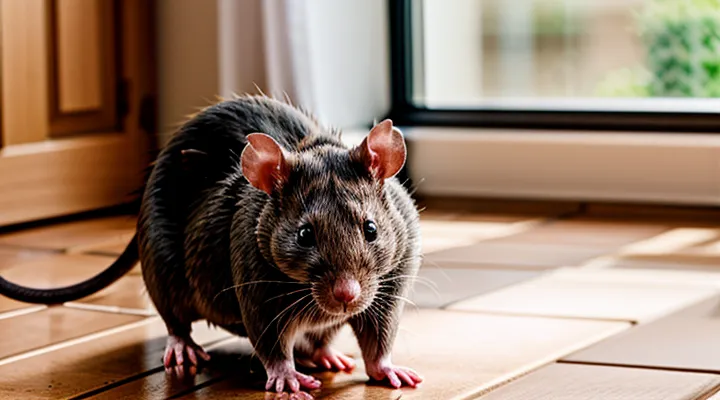
Understanding Rat Odor
Natural Odors in Rats
Pheromones and Scent Marking
Pheromones released by rats serve as chemical signals that convey territory, reproductive status, and social hierarchy. These volatile compounds accumulate on the animal’s fur, urine, and glandular secretions, contributing to the characteristic musky odor observed in infested environments. Scent marking intensifies the problem because rats repeatedly deposit urine and feces on surfaces, reinforcing pheromone deposits and creating a persistent olfactory footprint.
The primary sources of pheromonal odor include:
- Urinary deposits containing protein-bound volatiles such as phenols and indoles.
- Glandular secretions from the preputial, anal, and ventral abdominal glands, rich in fatty acids and aldehydes.
- Fur contamination from contact with contaminated bedding, food remnants, and nesting material.
Effective mitigation focuses on disrupting pheromone persistence and preventing new deposits:
- Sanitation: Remove all bedding, droppings, and contaminated objects; clean surfaces with enzymatic cleaners that break down proteinaceous compounds.
- Ventilation: Increase air exchange to dilute volatile concentrations and accelerate dispersal.
- Chemical neutralizers: Apply odor‑absorbing agents containing activated charcoal or cyclodextrin complexes that bind phenolic and indolic molecules.
- Biological control: Introduce predatory species or use pheromone‑based traps that lure rats away from occupied zones, reducing marking activity.
- Barrier methods: Seal entry points and install rodent‑proof materials to limit access to nesting sites, thereby decreasing the frequency of scent marking.
Regular monitoring of odor levels and prompt removal of new deposits are essential to maintain a low‑odor environment. Combining thorough cleaning with targeted neutralizers offers the most reliable reduction of pheromone‑driven smells in rat‑infested areas.
Glandular Secretions
Glandular secretions are a primary source of the characteristic smell emitted by rats. The animal possesses several specialized glands—preputial, anal, sebaceous, and urinary—that release volatile compounds onto the fur and surrounding environment. These excretions contain fatty acids, squalene, and sulfur‑containing metabolites such as 2‑mercaptoacetic acid and phenols, all of which contribute to the detectable odor.
The preputial glands, located near the genital area, secrete a lipid‑rich fluid that readily evaporates, producing a musky note. Anal glands discharge a mixture of short‑chain fatty acids and thiols, generating a sharp, fecal scent. Urinary secretions, especially when bacterial decomposition occurs, add ammonia and indole to the odor profile. The intensity of these smells correlates with sex, reproductive cycle, and stress levels, as hormonal fluctuations modulate gland activity.
Reducing the offensive odor involves managing glandular output and minimizing environmental accumulation of volatile substances. Effective measures include:
- Daily removal and replacement of bedding to prevent buildup of secreted compounds.
- Provision of a balanced diet low in protein excess, which lowers urinary nitrogenous waste.
- Regular grooming or gentle expression of anal and preputial glands under veterinary supervision.
- Use of odor‑absorbing substrates such as activated charcoal or zeolite in cage liners.
- Monitoring for infections or dermatitis that can amplify secretion volume; prompt treatment curtails additional odor sources.
Implementing these practices directly targets the biochemical origins of rat smell, leading to a measurable decline in ambient odor levels.
Unhealthy Odors: Signs and Symptoms
Ammonia-like Smells
Ammonia-like odors frequently appear in environments where rats are present. The scent originates from the breakdown of urea in urine, bacterial decomposition of waste, and metabolic by‑products in the rodents’ saliva and skin glands. High humidity accelerates bacterial activity, intensifying the smell, while poor ventilation allows volatile compounds to accumulate.
Key factors contributing to ammonia-like emissions include:
- Concentrated urine deposits on bedding, corners, and food containers.
- Moisture‑rich droppings that foster bacterial growth.
- Secretions from the Harderian gland, which release volatile amines.
- Inadequate cleaning schedules that permit residue buildup.
Effective mitigation strategies focus on source control, environmental management, and targeted cleaning:
- Remove all urine and fecal matter promptly; use absorbent materials that can be disposed of daily.
- Apply enzymatic cleaners designed to break down urea and protein residues, reducing bacterial proliferation.
- Maintain relative humidity below 60 % through dehumidifiers or proper airflow.
- Install exhaust fans or air purifiers equipped with activated carbon filters to capture volatile compounds.
- Seal cracks and entry points to prevent reinfestation, thereby limiting new waste deposition.
Consistent application of these measures eliminates the ammonia-like odor, improves air quality, and reduces the likelihood of secondary health issues associated with prolonged exposure.
Musty or Fecal Odors
Musty or fecal odors in rodent facilities indicate the presence of decomposing organic material, inadequate ventilation, or microbial growth on bedding and cage components. These smells arise when urine, feces, or spilled food remain moist long enough to support bacterial or fungal colonies. Damp bedding, unclean water bottles, and poorly sealed food containers create environments where anaerobic bacteria produce volatile fatty acids and sulfides, which emit the characteristic musty or fecal scent.
Identifying the source requires systematic inspection:
- Examine each cage for wet spots, clumped bedding, and leftover food.
- Check water bottles for leaks or condensation buildup.
- Inspect ventilation ducts and filters for dust accumulation.
- Sample air near the animal room with a portable gas detector to quantify sulfur compounds.
Elimination strategies focus on moisture control, hygiene, and airflow:
- Replace bedding daily with a low‑absorbency, antimicrobial substrate.
- Use sealed, lick‑proof water bottles and refill them with fresh, filtered water each shift.
- Remove uneaten food promptly; store feed in airtight containers.
- Clean cages and accessories with an enzymatic detergent that degrades organic residues, then rinse thoroughly.
- Increase air exchange rates; install high‑efficiency particulate air (HEPA) filters and schedule regular maintenance.
- Apply a mild, non‑toxic antimicrobial spray to hard surfaces prone to biofilm formation.
Monitoring after implementation ensures effectiveness. Record odor intensity using a standardized scale, track changes weekly, and adjust cleaning frequency or ventilation settings as needed. Consistent application of these measures reduces musty and fecal odors, improves animal welfare, and maintains a hygienic research environment.
Sweet or Fruity Smells «Ketosis»
Rats undergoing ketosis often emit a sweet, fruity odor detectable in bedding, urine, and exhaled breath. The scent originates from acetone, a volatile ketone produced when carbohydrate intake is low and fat metabolism accelerates. Acetone diffuses through the bloodstream, reaches the lungs, and is expelled as a characteristic “fruity” aroma. In addition to acetone, trace amounts of isopropanol and other short‑chain ketones contribute to the overall sweet smell.
The presence of this odor signals a metabolic shift rather than a pathological infection, yet persistent fragrance may attract predators or cause discomfort in laboratory settings. Effective control relies on managing diet, environment, and metabolic rate.
Practical measures to reduce or eliminate the sweet odor:
- Adjust the rat’s diet to include moderate carbohydrates, lowering ketone production without compromising experimental objectives.
- Increase ventilation in cages; continuous airflow disperses acetone vapor and prevents accumulation.
- Replace bedding frequently; absorbent, low‑dust substrates trap volatile compounds more effectively than cellulose‑based materials.
- Implement water supplementation with mild electrolytes; adequate hydration supports renal clearance of ketones.
- Monitor blood β‑hydroxybutyrate levels; maintain concentrations below the threshold at which acetone exhalation becomes pronounced.
By regulating nutritional intake and optimizing housing conditions, the sweet, fruity smell associated with ketosis can be minimized, improving animal welfare and experimental reliability.
Common Causes of Strong Odor
Poor Hygiene and Cage Maintenance
Infrequent Cleaning
Infrequent cleaning allows urine, feces, and food residues to accumulate in cages, bedding, and surrounding equipment. The buildup creates a moist environment that promotes bacterial and fungal proliferation, generating volatile compounds such as ammonia, skatole, and indole, which are the primary sources of the unpleasant smell associated with rodent housing.
The odor intensifies as waste material decomposes, releasing gases that dissolve in the cage’s humidity and are carried into the laboratory air. Residual moisture also supports mold growth on bedding and enclosure surfaces, adding a musty component to the overall odor profile. Over time, the combination of these factors degrades air quality and may affect the health of both the animals and personnel.
Effective mitigation requires a systematic cleaning regimen:
- Establish a daily spot‑cleaning routine to remove fresh droppings and spilled food.
- Perform a full cage change and deep sanitation at least once every 7 days, using an approved disinfectant that neutralizes ammonia and bacterial by‑products.
- Replace bedding with a low‑dust, highly absorbent material; ensure complete drying before reuse.
- Clean water bottles, feeders, and enclosure interiors with a non‑corrosive detergent followed by a thorough rinse.
- Monitor humidity levels inside cages; maintain relative humidity below 60 % to inhibit microbial growth.
Consistent implementation of these practices eliminates waste accumulation, reduces volatile emissions, and restores a neutral odor environment in rat facilities.
Inadequate Bedding Changes
Inadequate bedding turnover is a frequent source of unpleasant smells in rodent enclosures. When soiled material remains for extended periods, urine, feces, and moisture accumulate, providing a nutrient-rich environment for bacterial growth. The resulting metabolic by‑products emit strong, often foul odors that signal poor hygiene and can stress the animals.
Insufficient cleaning frequency, failure to replace the entire substrate, and using bedding that retains moisture exacerbate the problem. Partial changes leave residual waste, while overly dense bedding hampers air circulation, allowing volatile compounds to build up.
Effective control measures include:
- Changing the entire bedding at least once weekly; increase frequency for larger colonies or humid climates.
- Selecting low‑absorbency, dust‑free substrates that promote rapid drying.
- Removing visible waste daily and spot‑cleaning soiled areas between full changes.
- Monitoring humidity levels; keep enclosure moisture below 50 % to discourage bacterial proliferation.
- Disinfecting the cage interior with a mild, rodent‑safe sanitizer during each full bedding replacement.
Implementing these practices eliminates the primary odor‑producing agents associated with poor bedding management, resulting in a cleaner environment and healthier rodents.
Urine and Fecal Buildup
Urine and fecal accumulation in a rat’s enclosure creates a volatile environment that directly contributes to unpleasant smells. Bacterial decomposition of nitrogenous waste releases ammonia and sulfur compounds, while fecal matter supplies additional organic substrates for microbial activity. The resulting gases disperse rapidly, especially in poorly ventilated spaces, intensifying odor levels.
Key factors influencing the intensity of the smell include:
- High moisture content, which accelerates bacterial growth.
- Infrequent cleaning, allowing waste to pool.
- Dense bedding that retains moisture and traps gases.
- Overcrowding, which increases overall waste output.
Effective control measures focus on waste removal and environmental management. Regular cleaning schedules, proper bedding selection, and ventilation improvements reduce the concentration of odor‑producing compounds.
Practical steps for elimination:
- Remove all waste daily; use a scoop or disposable pad.
- Replace soiled bedding with a low‑absorbency material such as paper pellets.
- Apply an enzymatic cleaner to surfaces to break down residual organic matter.
- Install a ventilation system or increase airflow with fans or open windows.
- Monitor humidity; maintain levels below 50 % to inhibit bacterial proliferation.
Consistent application of these practices minimizes the release of malodorous gases, ensuring a cleaner habitat and a more pleasant environment for both rats and caretakers.
Dietary Factors
High-Protein Diets
High‑protein feeding regimens are recognized as a direct contributor to elevated odor levels in laboratory rats. Protein‑rich diets increase the production of nitrogenous metabolites, which are expelled through urine and feces and intensify the characteristic smell of the colony.
Key metabolic effects of excessive protein intake include:
- Elevated urea and ammonia concentrations in urine, both volatile compounds with strong odor.
- Increased fecal indole and skatole formation, resulting from protein fermentation by gut microbiota.
- Enhanced sulfur‑containing volatile organic compounds derived from the catabolism of sulfur‑rich amino acids.
Mitigation measures focus on preserving nutritional adequacy while limiting odor‑generating byproducts:
- Replace a portion of animal‑based protein with plant‑derived sources that yield lower ammonia output.
- Incorporate soluble fiber to promote gut microbial balance and reduce protein fermentation.
- Add dietary binders such as charcoal or zeolite to adsorb volatile nitrogen compounds.
- Adjust protein levels to the minimum required for experimental objectives, typically 15–20 % of total caloric intake for adult rats.
- Pair diet modification with enhanced cage ventilation and odor‑absorbing bedding materials.
Implementing these strategies enables researchers to control scent intensity without compromising the physiological needs of the animals, thereby improving colony hygiene and experimental reliability.
Poor-Quality Food
Poor-quality food introduces high levels of protein degradation, excess fats, and bacterial contamination, all of which generate volatile compounds that rats detect and excrete through urine and feces. The breakdown of amino acids produces ammonia and sulfide gases, while rancid fats release aldehydes and ketones, intensifying the overall odor profile in a cage environment.
Laboratory observations confirm that rats fed diets containing moldy grains or stale pellets exhibit a measurable increase in odor intensity compared to subjects receiving fresh, nutritionally balanced feed. The correlation is strongest when feed moisture exceeds 12 % and storage conditions allow rapid microbial growth.
Elimination strategies focus on diet quality and storage:
- Replace degraded feed with certified, low-moisture pellets that meet nutritional standards.
- Store bulk feed in airtight containers at temperatures below 20 °C to inhibit mold development.
- Conduct weekly visual inspections for discoloration, clumping, or foul smell; discard any compromised portions immediately.
- Implement a rotation system that uses older stock first, ensuring all feed is consumed within its shelf life.
- Supplement the diet with pre‑biotic fibers that promote gut health, reducing the production of odor‑producing metabolites.
By maintaining strict feed quality controls, the primary source of malodorous compounds is removed, resulting in a noticeable reduction of rat‑related odor in laboratory and breeding settings.
Dehydration
Dehydration increases the concentration of urine and fecal waste, intensifying the volatile compounds that produce a noticeable smell in laboratory or pet rats. Limited water intake reduces urine volume, allowing ammonia and sulfur‑containing metabolites to accumulate. Dry skin and coat become less able to mask these odors, and the animal’s metabolic rate may shift toward catabolism of protein, generating additional odorous by‑products.
Signs of insufficient hydration include reduced drinking behavior, concentrated urine, dry whiskers, and a stronger musky odor emanating from the perianal region. These indicators often appear before more severe health issues develop, making early detection essential for odor control.
Effective measures to counteract dehydration‑related odor are:
- Provide continuous access to fresh, clean water; consider multiple dispensers to encourage intake.
- Use water bottles with low‑resistance sippers to accommodate small rodents.
- Offer moisture‑rich foods such as fresh vegetables or fruit slices, supplementing fluid intake.
- Monitor daily water consumption; a drop of more than 20 % from baseline warrants immediate adjustment.
- Maintain ambient humidity between 40 % and 60 % to reduce evaporative water loss from the skin and respiratory tract.
- Regularly clean cages and replace bedding to prevent buildup of concentrated urine crystals that can reinforce odor.
Implementing these practices restores proper hydration, dilutes waste products, and markedly diminishes the unpleasant smell associated with dehydrated rats.
Health Issues and Illnesses
Urinary Tract Infections «UTIs»
Urinary tract infections (UTIs) are a primary source of malodorous urine in laboratory and pet rats. Bacterial proliferation in the bladder or kidneys produces volatile compounds, notably ammonia and sulfur‑containing metabolites, which give rise to a strong, unpleasant scent detectable in the cage environment.
Infected rats often display additional signs: frequent urination, hematuria, reduced activity, and a hunched posture. Prompt identification prevents secondary complications such as pyelonephritis or systemic infection.
Effective control of infection‑related odor involves both medical treatment and environmental management.
- Diagnostic confirmation: collect a fresh urine sample, perform dip‑stick analysis for leukocytes and nitrites, and submit for culture to identify the causative organism.
- Antibiotic therapy: initiate a veterinarian‑prescribed regimen based on culture sensitivity; typical agents include enrofloxacin or trimethoprim‑sulfamethoxazole, administered for 7–10 days.
- Hydration support: provide constant access to clean, palatable water; consider adding electrolytes to encourage increased urine output, which dilutes odor‑producing metabolites.
- Cage hygiene: replace bedding daily, clean the enclosure with a mild disinfectant, and ensure proper ventilation to disperse lingering fumes.
- Dietary adjustments: incorporate probiotic‑rich foods or supplements to promote healthy gut flora, reducing the risk of ascending infections.
Monitoring urine odor after treatment offers a practical indicator of recovery; a return to neutral scent typically coincides with bacterial clearance. Persistent odor despite therapy warrants re‑evaluation of the antimicrobial choice and a thorough health assessment.
Kidney Disease
Kidney disease in rats frequently produces a noticeable odor that can be mistaken for signs of infection or poor hygiene. The condition impairs the organ’s ability to filter waste, leading to accumulation of nitrogenous compounds such as urea and creatinine in the bloodstream. These substances break down into volatile amines and ammonia, which escape through the urine, feces, and breath, creating a strong, unpleasant smell.
The odor originates from several physiological processes:
- Elevated blood urea nitrogen results in higher urinary urea concentration, which bacteria convert to ammonia.
- Reduced glomerular filtration increases retention of metabolic by‑products, intensifying odoriferous exhalation.
- Dehydration, common in renal failure, concentrates waste in bodily fluids, amplifying scent intensity.
Effective control of the smell relies on addressing the underlying renal pathology and maintaining a clean environment. Recommended actions include:
- Prompt veterinary diagnosis and treatment of kidney dysfunction.
- Prescription of renal‑supportive diets low in protein and phosphorus to lessen waste production.
- Ensuring constant access to fresh water to promote hydration and dilute urinary toxins.
- Administration of medications that facilitate waste excretion, such as phosphate binders and diuretics, under professional supervision.
- Regular cleaning of cages, bedding, and food dishes with mild disinfectants to remove residual ammonia.
Implementing these measures reduces the concentration of odor‑producing compounds and improves overall animal welfare.
Skin Infections and Abscesses
Skin infections in rats frequently produce a noticeable odor. Bacterial invasion of the dermis initiates inflammation, pus formation, and tissue breakdown, all of which release volatile compounds detectable by humans. Common pathogens include Staphylococcus aureus, Streptococcus spp., and Pseudomonas aeruginosa; each generates metabolic by‑products such as short‑chain fatty acids and sulfur‑containing molecules that contribute to the smell.
Abscesses develop when the immune response walls off infected material. The encapsulated pocket contains necrotic tissue, blood, and bacterial toxins. As the abscess matures, anaerobic metabolism intensifies, increasing the production of foul‑smelling gases. Persistent drainage or rupture spreads the odor throughout the cage environment.
Effective elimination of odor requires simultaneous treatment of the infection and control of the surrounding habitat:
-
Medical intervention:
-
Environmental management:
- Clean cages daily with a mild disinfectant; rinse thoroughly to avoid chemical residue.
- Replace bedding with low‑dust, absorbent material that does not retain moisture.
- Maintain ambient temperature and humidity within the species‑specific range to discourage bacterial growth.
- Ensure adequate ventilation to disperse volatile compounds.
-
Preventive measures:
Addressing skin infections and abscesses promptly removes the primary source of odor and reduces the risk of recurrence. Continuous monitoring, proper wound care, and strict hygiene together create an environment where unpleasant smells are minimized.
Dental Problems
Dental disease frequently generates a distinctive smell in laboratory and pet rats. Overgrown incisors, dental malocclusion, and periodontal infection produce plaque accumulation, tissue necrosis, and bacterial metabolites that emit volatile compounds detectable by caretakers. The odor intensifies when rats are unable to gnaw properly, leading to chronic stress and reduced food intake, which further promotes bacterial growth.
Effective control requires prompt identification and treatment of oral pathology. Veterinarians should inspect the dentition weekly, measure incisor length, and assess gum health. When dental abnormalities are detected, the following actions reduce malodor:
- Trim or file overgrown incisors to restore proper occlusion.
- Perform root planing or scaling to remove plaque and calculus.
- Administer appropriate antibiotics for confirmed bacterial infection.
- Provide chew toys and hard food items to encourage natural tooth wear.
- Schedule regular follow‑up examinations to monitor healing and prevent recurrence.
Implementing these measures eliminates the source of the smell, improves the animal’s welfare, and minimizes the risk of odor‑related contamination in research facilities.
Tumors and Cancers
Neoplastic growths in laboratory rats frequently generate detectable malodors. Tumor cells alter normal metabolism, producing excess volatile organic compounds such as aldehydes, ketones, and amines. Necrotic tissue within a mass releases putrescine and cadaverine, while secondary bacterial infection accelerates decomposition, intensifying the smell. The odor may be confined to the tumor region or spread systemically through the bloodstream, providing an early indicator of malignant development.
Pathophysiological sources of odor include:
- Accelerated glycolysis and lactate production, leading to acidic vapors.
- Lipid peroxidation in rapidly dividing cells, generating rancid fatty‑acid odors.
- Protein catabolism releasing sulfur‑containing compounds.
- Colonization by anaerobic microbes exploiting necrotic debris.
Effective odor‑control measures focus on eliminating the underlying neoplasm and managing secondary factors:
- Surgical excision of the tumor removes the primary source of volatile emissions.
- Chemotherapeutic protocols reduce tumor burden, decreasing metabolic by‑product output.
- Targeted antimicrobial therapy addresses opportunistic infections within necrotic tissue.
- Environmental ventilation with activated carbon filters captures airborne VOCs.
- Dietary supplementation with antioxidants limits lipid peroxidation and reduces odor precursors.
- Regular cage cleaning and use of odor‑absorbing bedding prevent accumulation of waste products.
Implementing these interventions concurrently reduces malodor, improves animal welfare, and enhances the reliability of experimental outcomes.
Parasites «Internal and External»
Unpleasant smell from laboratory or pet rats frequently indicates underlying health problems; parasitic infestations are a primary source.
Internal parasites such as nematodes (e.g., Syphacia spp.), cestodes (e.g., Hymenolepis spp.) and protozoa (e.g., Giardia) disrupt gastrointestinal function. Malabsorption, diarrhea and excessive gas produce volatile compounds that permeate the cage environment. Additionally, parasite‑induced inflammation of the gut wall releases metabolites that contribute to a fetid odor.
External parasites—including fleas, mites (Radfordia spp.), lice and ticks—cause skin irritation, alopecia and secondary bacterial infections. The resulting exudate, crusts and microbial activity emit a strong, sour scent. Persistent scratching and grooming spread secretions throughout the animal’s fur, intensifying the odor.
Effective control requires a systematic approach:
- Conduct fecal examinations and skin scrapings to identify species present.
- Administer appropriate anthelmintics (e.g., pyrantel, fenbendazole) for internal parasites, following dosage guidelines.
- Apply topical ectoparasitic agents (e.g., selamectin, fipronil) or environmental sprays to eradicate external infestations.
- Clean cages thoroughly with enzymatic detergents; replace bedding regularly to remove residual waste and parasite remnants.
- Implement routine health monitoring and quarantine new arrivals to prevent reintroduction.
By targeting both internal and external parasites with accurate diagnosis, pharmacological treatment, and rigorous hygiene, the source of malodor can be eliminated, restoring a neutral environment for the rats.
Environmental Factors
High Humidity
High humidity creates an environment where moisture remains on cage surfaces, preventing urine from drying quickly. When urine stays wet, bacterial colonies multiply, producing volatile compounds that generate a strong, unpleasant odor.
Elevated moisture also encourages mold growth on bedding and enclosure walls. Mold spores release aromatic metabolites that add to the overall scent profile. Additionally, damp fur absorbs urine and fecal residues, prolonging the release of odoriferous chemicals from the animal itself.
To reduce odor associated with excessive humidity, implement the following measures:
- Install a reliable dehumidifier to keep relative humidity below 50 % in the animal room.
- Ensure continuous airflow with fans or exhaust systems; replace filters regularly.
- Use low‑absorbency bedding that dries quickly, and change it at least twice weekly.
- Clean enclosure walls and accessories with a diluted enzymatic cleaner that breaks down organic matter.
- Place silica gel packets or moisture‑absorbing crystals in corners of the cage to capture excess water vapor.
Maintaining optimal moisture levels eliminates the conditions that foster bacterial and mold growth, thereby minimizing the intensity of rat‑related odors.
Lack of Ventilation
Inadequate airflow traps moisture, urine droplets, and fecal particles within a rat enclosure, allowing volatile compounds to accumulate. Without a steady exchange of fresh air, ammonia released from urine remains at high concentrations, intensifying the characteristic odor and creating a hostile environment for the animals.
Stagnant conditions also elevate carbon dioxide levels and promote bacterial growth on bedding, both of which contribute to foul smells. The combination of these factors accelerates the degradation of cage materials, further releasing odorous substances into the micro‑environment.
- Install exhaust fans or vent hoods to create continuous air movement.
- Position intake vents opposite exhaust points to ensure cross‑flow.
- Use high‑efficiency particulate air (HEPA) or activated‑carbon filters where recirculation is necessary.
- Maintain a minimum air‑change rate of 10–15 exchanges per hour for standard rodent rooms.
- Regularly inspect and clean ventilation ducts to prevent blockage.
Implementing these measures reduces the concentration of odor‑producing gases, improves animal welfare, and simplifies routine sanitation.
Overcrowding
Overcrowding increases the concentration of waste, urine, and feces in a cage, creating an environment where volatile compounds accumulate rapidly. Higher animal density reduces airflow, slows the breakdown of organic material, and promotes bacterial growth, all of which intensify unpleasant smells. Additionally, stress from limited space can alter rats’ grooming behavior, leading to poorer coat cleanliness and further odor production.
Effective measures to control odor caused by excessive population density include:
- Reducing the number of rats per enclosure to meet species‑specific space recommendations.
- Providing multiple ventilation points or using cages with built‑in airflow channels.
- Implementing a strict cleaning schedule: remove soiled bedding daily, disinfect surfaces weekly, and replace all bedding material at least once a week.
- Introducing absorbent, low‑dust bedding that traps moisture and volatile organic compounds.
- Monitoring humidity levels and maintaining them below 60 % to inhibit microbial proliferation.
By maintaining appropriate stocking densities and optimizing environmental controls, the primary source of odor associated with overcrowding can be eliminated.
Strategies for Odor Elimination
Improving Cage Hygiene
Daily Spot Cleaning
Daily spot cleaning targets localized contamination that contributes to the unpleasant scent associated with laboratory or pet rats. By removing waste, spilled food, and urine stains promptly, the source of volatile compounds is reduced before they diffuse throughout the enclosure.
Effective spot‑cleaning routine:
- Identify wet or soiled areas at least twice daily.
- Use disposable gloves and a dedicated absorbent cloth or paper towel.
- Apply an enzymatic cleaner directly to the stain; allow the recommended dwell time for bacterial breakdown.
- Rinse with a minimal amount of distilled water to avoid residue buildup.
- Dry the area thoroughly with a clean absorbent pad before returning the animal.
Key considerations:
- Enzymatic solutions outperform simple detergents because they degrade odor‑producing proteins.
- Avoid ammonia‑based cleaners; they mask odor while encouraging further marking behavior.
- Maintain a log of cleaned spots to detect recurring problem zones and adjust cage layout if necessary.
- Replace spot‑cleaning tools regularly to prevent cross‑contamination.
Consistent execution of these steps interrupts the formation of malodorous compounds, supports overall hygiene, and complements broader ventilation and bedding management strategies aimed at controlling rat‑related smells.
Weekly Deep Cleaning
Weekly deep cleaning directly targets the primary sources of rat‑related odor, such as urine deposits, glandular secretions, and food residues. By removing these materials on a regular schedule, the buildup of volatile compounds that attract pests and irritate personnel is prevented.
The cleaning routine should include:
- Removal of all bedding, nesting material, and food scraps before scrubbing.
- Application of an enzymatic cleaner to surfaces where urine or glandular secretions have accumulated; enzymes break down odor‑producing proteins.
- Scrubbing of cage walls, floors, and ventilation grills with a non‑abrasive brush and a neutral pH detergent.
- Rinsing with distilled water to avoid mineral deposits that can trap scents.
- Disinfection with a low‑toxicity, odor‑neutralizing agent approved for animal facilities.
- Drying of all components under airflow to inhibit microbial growth.
Each step must be documented, and the time taken recorded to ensure consistency across all enclosures. Rotating the cleaning schedule so that every cage receives a thorough treatment at least once per week eliminates lingering smells and reduces the risk of secondary infections.
Implementing this protocol also supports broader odor‑management strategies, such as proper waste disposal and controlled ventilation, by removing the most persistent contributors at their source.
Choosing Appropriate Bedding Materials
Bedding directly affects the level of odor produced by rats because it determines how quickly urine and feces are absorbed and how much bacterial growth occurs. Selecting a material that maximizes absorption, minimizes dust, and resists microbial proliferation reduces the primary sources of unpleasant smell.
Key criteria for bedding selection include:
- High absorbency to keep waste dry and limit ammonia formation.
- Low particulate matter to prevent respiratory irritation and limit dust‑borne odors.
- Antimicrobial properties or neutral pH to inhibit bacterial activity.
- Minimal scent that could mask underlying odor problems.
- Structural stability to maintain performance over several days.
- Cost‑effectiveness and ease of disposal.
Common bedding options evaluated against these criteria:
- Aspen shavings – excellent absorbency, low dust, no aromatic oils; requires weekly replacement.
- Paper‑based pellets – high absorbency, virtually dust‑free, biodegradable; may compact quickly, needing regular fluffing.
- Coconut husk (coir) – moderate absorbency, low dust, natural antimicrobial compounds; slower breakdown can retain odor if not changed frequently.
- Hemp bedding – strong absorbency, low dust, resistant to mold; higher price point.
- Corncob – good absorbency, low dust, inexpensive; may develop a mild sweet odor over time.
- Wood pellets – very high absorbency, low dust, compact; can become hard when wet, reducing airflow.
- Recycled wood chips – variable absorbency, moderate dust, economical; potential for residual resin odors.
Practical guidance:
- Choose a material that ranks highest for absorbency and dust reduction; paper‑based pellets and aspen shavings consistently meet these standards.
- Replace bedding at least every 5–7 days, or sooner if wet spots are visible, to prevent ammonia buildup.
- Avoid aromatic softwoods such as pine or cedar, which release volatile compounds that can mask odor but irritate the respiratory system.
- Combine a primary absorbent bedding with a thin layer of low‑dust supplemental material if additional comfort is needed, ensuring the total thickness does not impede airflow.
By adhering to these selection principles, the dominant contributors to rat‑related odor are minimized, supporting a cleaner environment and healthier occupants.
Regular Bedding Replacement
Regularly changing the bedding eliminates the primary source of microbial growth that produces volatile compounds responsible for unpleasant smells in rat enclosures. Fresh substrate reduces the accumulation of urine, feces, and skin oils, which decompose into ammonia, sulfides, and other odor‑causing molecules.
Effective bedding management includes:
- Removing all used material at least once every 3–5 days for colonies housed on absorbent substrates such as paper or wood shavings.
- Inspecting for damp spots or clumps; replace any section that feels moist rather than dry.
- Using a depth of 2–3 cm for low‑absorbency bedding (e.g., aspen) and 4–5 cm for high‑absorbency options (e.g., recycled paper) to ensure adequate moisture capture.
- Disinfecting the cage with a mild, non‑toxic solution before adding fresh bedding to prevent residual bacterial colonies.
Choosing bedding with low dust content and high absorbency further limits the proliferation of odor‑producing bacteria. Consistent replacement, combined with proper cage cleaning, directly curtails the chemical pathways that generate foul odors, resulting in a healthier environment for both rats and caretakers.
Dietary Adjustments
Balanced Nutrition
Balanced nutrition directly influences the intensity and character of odor produced by laboratory rats. Excess protein breakdown generates ammonia, while inadequate fiber impairs gut motility, leading to heightened bacterial fermentation and volatile compounds. Adjusting dietary composition therefore serves as a practical method for odor control.
Key dietary factors affecting scent include:
- High‑quality protein at 14‑18 % of total calories; excess levels increase nitrogenous waste.
- Soluble and insoluble fiber at 4‑6 % of the diet; promotes regular bowel movements and reduces fermentative gases.
- Low‑fat content (≤5 % of calories); limits lipid oxidation products that contribute to musky odors.
- Adequate water provision; dilutes urinary ammonia and facilitates waste excretion.
Implementation steps:
- Evaluate the current feed formulation for protein, fiber, and fat ratios.
- Substitute a portion of protein with amino‑acid‑balanced sources to meet but not exceed requirements.
- Incorporate prebiotic fibers such as inulin or beet pulp to enhance gut health.
- Monitor water intake and ensure continuous access to fresh supply.
- Record odor levels weekly; adjust nutrient percentages until a measurable reduction is achieved.
Consistent application of these nutritional adjustments reduces the emission of malodorous compounds, improves animal welfare, and simplifies environmental management in research facilities.
Ensuring Adequate Hydration
Adequate hydration directly influences the intensity of odor produced by laboratory rats. When water intake is insufficient, urine becomes highly concentrated, releasing stronger ammonia and urea scents that permeate the cage environment. Similarly, dehydration can alter fecal composition, increasing volatile fatty acids that contribute to unpleasant smells.
To maintain optimal fluid consumption, implement the following measures:
- Provide fresh, clean water at all times; replace it at least twice daily to prevent bacterial growth.
- Use bottles with low‑profile sippers or automatic dispensers that reduce spillage and encourage frequent drinking.
- Position water sources away from food dishes to avoid contamination while ensuring easy access.
- Monitor individual intake by recording daily consumption per cage; a drop of more than 20 % below baseline signals a potential problem.
- Adjust ambient temperature and humidity; higher temperatures increase evaporative loss, prompting rats to drink more frequently.
Water quality also affects odor control. Utilize filtered or dechlorinated water to minimize chemical residues that may alter urine pH and odor profile. If mineral content is high, consider using reverse‑osmosis systems to produce neutral‑pH water, thereby reducing the formation of odor‑producing compounds.
Regular inspection of drinking equipment prevents blockages that could limit access. Clean bottles and sippers with mild detergent, rinse thoroughly, and sterilize weekly. Replace worn components promptly to avoid leaks that wet bedding and foster bacterial proliferation, which further intensifies odor.
By integrating consistent hydration practices with vigilant monitoring, the primary sources of malodorous emissions in rat colonies can be substantially reduced.
Avoiding Excess Protein
Excess dietary protein increases nitrogen waste in rats, leading to stronger odor. When protein is metabolized, nitrogen is converted to urea and ammonia, which are expelled in urine and feces. High concentrations of these compounds promote bacterial growth and accelerate the breakdown of organic matter, producing a pungent smell that permeates cages and surrounding areas.
Key mechanisms linking surplus protein to odor:
- Elevated ammonia levels in urine raise pH, encouraging the proliferation of odor‑producing bacteria.
- Increased fecal nitrogen fuels microbial fermentation, releasing volatile fatty acids and sulfides.
- Overloaded renal excretion can result in occasional leakage of protein‑rich fluids, creating localized odor hotspots.
Practical steps to limit protein‑related smell:
- Formulate diets with protein content matching the rat’s growth stage and activity level; adult maintenance diets typically require 14–18 % protein.
- Monitor feed intake to prevent overconsumption; provide measured portions and remove uneaten food promptly.
- Rotate protein sources to avoid consistent high‑nitrogen loads; include balanced carbohydrate and fiber components.
- Conduct regular cage cleaning, focusing on urine spots where ammonia accumulates, and use mild, non‑irritating disinfectants.
- Test water quality and ensure adequate hydration, which helps dilute urinary nitrogen and reduces odor intensity.
By aligning protein supply with physiological needs and maintaining rigorous hygiene, the primary source of rat odor related to nitrogen waste can be substantially reduced.
Addressing Health Concerns
Veterinary Consultation
A veterinary consultation is the primary avenue for identifying and managing the sources of malodour in laboratory or pet rats. The practitioner conducts a systematic examination that includes visual assessment, palpation, and a review of the animal’s environment and diet. Laboratory analysis of urine, feces, and skin swabs may be ordered to detect infections, metabolic disorders, or dermatological conditions that produce unpleasant scents.
During the visit, the veterinarian typically follows these steps:
- Record the rat’s medical history, focusing on recent changes in diet, housing, and behavior.
- Perform a physical exam to locate any lesions, discharge, or abnormal secretions.
- Collect samples for microbiological culture, parasitological screening, and biochemical profiling.
- Evaluate hygiene practices and cage sanitation to rule out external contributors.
Based on the findings, the clinician prescribes targeted interventions. Antibiotics or antiparasitic agents are administered for confirmed infections, while dietary adjustments address metabolic imbalances. Topical treatments, such as antiseptic shampoos or ointments, alleviate skin-related odors. Environmental recommendations include regular cage cleaning, proper ventilation, and the use of absorbent bedding to reduce residual smells.
Follow‑up appointments verify the effectiveness of the treatment plan and allow for modifications if the odour persists. Continuous monitoring of weight, grooming habits, and stool quality ensures that underlying health issues are promptly addressed, thereby preventing recurrence of the problem.
Treatment of Underlying Illnesses
Rats emit strong odors when physiological disturbances disrupt normal metabolic processes. Persistent scent often signals infections, gastrointestinal disorders, or skin conditions that produce malodorous secretions. Addressing the root disease removes the source of the smell more reliably than masking agents.
Common medical sources of odor include:
- Upper respiratory infections – bacterial or viral agents cause nasal discharge and exhaled gases that smell sour or putrid.
- Gastrointestinal dysbiosis – overgrowth of fermenting bacteria produces foul‑smelling feces and flatulence.
- Dermatologic infections – Staphylococcus, Pseudomonas, or fungal colonies generate greasy, rancid exudates.
- Urinary tract infections – ammonia‑rich urine contributes a sharp, irritating odor.
Effective treatment follows a systematic approach:
- Diagnose – conduct physical examination, culture swabs, and laboratory tests to identify pathogens or imbalances.
- Prescribe targeted therapy – use appropriate antibiotics, antiparasitics, or antifungal agents based on sensitivity results.
- Correct nutrition – provide a balanced diet rich in fiber and probiotics to restore gut flora and reduce fermentative by‑products.
- Maintain hygiene – clean cages regularly, replace bedding, and ensure adequate ventilation to prevent reinfection.
- Monitor progress – reassess clinical signs and repeat cultures if odor persists after the initial treatment course.
Eliminating the underlying illness not only stops the offensive scent but also improves overall health, reduces stress, and prevents secondary complications. Prompt veterinary intervention and adherence to prescribed regimens are essential for lasting odor control.
Medication Management
Effective medication management is essential when addressing the underlying physiological sources of unpleasant scent in laboratory or pet rats. Precise drug selection, dosage calculation, and adherence to treatment intervals reduce the risk of secondary infections that exacerbate odor.
First‑line pharmacologic options target bacterial overgrowth, urinary tract infections, and skin conditions:
- Broad‑spectrum antibiotics (e.g., enrofloxacin, amoxicillin) for confirmed bacterial cultures.
- Antifungal agents (e.g., itraconazole) when dermatophyte infection is identified.
- Anti‑inflammatory drugs (e.g., meloxicam) to alleviate tissue irritation that can increase secretions.
Adjunctive therapies support odor control:
- Probiotic supplements to restore healthy gut flora and diminish fecal odor.
- Topical antiseptics (e.g., chlorhexidine solution) applied to affected skin areas.
- Moisture‑absorbing agents (e.g., talc‑free powders) to keep fur dry and limit bacterial proliferation.
Implementing a structured medication protocol requires:
- Baseline health assessment, including physical exam and laboratory diagnostics.
- Documentation of drug name, concentration, route, and administered volume.
- Scheduled monitoring of clinical response and potential adverse effects.
- Adjustment of regimen based on culture results, therapeutic drug levels, and observed improvement.
Compliance with veterinary prescribing guidelines and regular review of treatment outcomes ensure that pharmacologic intervention remains both effective and safe, ultimately reducing the olfactory impact associated with rat health issues.
Environmental Control
Proper Ventilation
Proper ventilation directly reduces the concentration of rat‑related odors by diluting contaminated air and removing volatile compounds before they accumulate. Effective airflow prevents stagnation, lowers humidity, and limits the growth of odor‑producing bacteria.
Key elements of a functional ventilation system include:
- Air changes per hour (ACH) of at least 10 in areas where rats are housed or where waste is stored. Higher ACH values are required for densely populated cages.
- Separate supply and exhaust points to create a unidirectional flow, moving fresh air from clean zones toward contaminated zones and then out of the building.
- High‑efficiency particulate air (HEPA) or activated‑carbon filters on exhaust fans to capture odor particles and organic vapors.
- Humidity control devices that maintain relative humidity below 60 %, reducing microbial activity that contributes to smell.
- Ductwork designed with smooth interior surfaces and regular cleaning schedules to prevent buildup of droppings and urine residues.
Implementation steps:
- Measure existing ACH with an anemometer or airflow meter; compare results to recommended values.
- Install additional exhaust fans or increase fan speed to achieve target ACH.
- Fit exhaust vents with carbon‑activated filters; replace filters according to manufacturer specifications.
- Add dehumidifiers or moisture‑absorbing materials in high‑risk zones.
- Schedule quarterly inspections of ducts and filters; clean or replace components showing contamination.
Consistent application of these measures maintains air quality, minimizes odor perception, and supports a healthier environment for both animals and personnel.
Humidity Regulation
Humidity directly affects the intensity and persistence of rat odor. High moisture levels promote bacterial growth and accelerate the breakdown of urine and feces, releasing volatile compounds that produce a strong smell. Conversely, overly dry air can dry out bedding, causing dust that masks odor but does not eliminate the source. Maintaining an optimal relative humidity—typically between 45 % and 55 %—creates conditions that limit microbial activity without generating excessive dust.
Effective humidity control involves several practical measures:
- Install a calibrated hygrometer to monitor indoor levels continuously.
- Use dehumidifiers in areas where humidity regularly exceeds 60 %; set the device to maintain the target range.
- In climates with low ambient humidity, employ humidifiers to raise levels above 40 % during winter months.
- Ensure proper ventilation by positioning exhaust fans near cages and waste storage to exchange stale air with fresh outdoor air.
- Seal gaps around doors and windows to prevent external moisture intrusion that could disrupt the controlled environment.
Regular inspection of bedding material is essential. Replace soaked or clumped substrate promptly, as wet bedding retains moisture and fosters odor-producing microbes. Select absorbent, low‑dust bedding that balances moisture retention with quick drying.
By integrating precise monitoring, appropriate equipment, and disciplined maintenance, humidity can be regulated to suppress the biochemical pathways that generate rat odor, thereby supporting a cleaner, more tolerable laboratory or housing environment.
Use of Air Purifiers
Air purifiers provide a practical solution for reducing the unpleasant scent generated by laboratory or pet rats. By continuously circulating indoor air, they capture volatile organic compounds (VOCs) and ammonia released from urine and bedding, which are primary contributors to the odor problem.
Effective deployment involves several considerations:
- Filtration technology – HEPA filters remove particulate matter, while activated carbon layers adsorb gaseous pollutants such as ammonia and short‑chain fatty acids.
- Airflow rate – Devices rated for at least 4–5 air changes per hour in the occupied space ensure sufficient turnover to keep odor levels low.
- Placement – Position units near the rat enclosure, but avoid direct drafts that could stress the animals; a distance of 30–45 cm offers optimal capture without disturbance.
- Maintenance schedule – Replace carbon media every 2–3 months and HEPA elements annually to preserve performance.
When integrated with proper cage cleaning, ventilation, and bedding selection, air purifiers significantly diminish the olfactory impact of rats, creating a healthier environment for both the animals and personnel.
Avoiding Overcrowding
Overcrowding intensifies microbial growth, urine accumulation, and stress‑induced grooming in rodent colonies, all of which elevate volatile compounds that produce unpleasant odors. Limited space restricts airflow, hampers waste removal, and forces animals into close contact, creating a feedback loop where scent markers become concentrated and spread rapidly throughout the enclosure.
Practical steps to prevent density‑related odor:
- Calculate cage capacity based on species‑specific space standards; never exceed recommended animal‑per‑cage ratios.
- Implement a rotation schedule that limits the number of occupants per cage at any given time.
- Provide multiple ventilation points and maintain a minimum air exchange rate that dilutes airborne metabolites.
- Monitor waste levels daily; remove soiled bedding before it saturates the environment.
- Separate individuals showing signs of aggression or disease to avoid stress‑driven scent production.
Adhering to these measures reduces the biochemical load that generates odor, improves animal welfare, and supports a cleaner research setting.
Odor Neutralizers and Control Products
Pet-Safe Deodorizers
Rats emit strong smells primarily from urine, feces, and glandular secretions; uncontrolled odors indicate inadequate hygiene or ventilation. Effective control requires products that neutralize odor without harming the animal or the household environment.
Pet‑safe deodorizers meet strict safety criteria: non‑toxic ingredients, low volatile organic compound (VOC) levels, and absence of harsh chemicals. Typical categories include enzymatic cleaners that break down organic compounds, activated charcoal powders that adsorb volatile molecules, plant‑derived essential‑oil sprays formulated for rodents, and food‑grade sodium bicarbonate for passive absorption.
Guidelines for selecting and using safe odor‑control agents:
- Verify ingredient list for rodent‑specific safety certifications.
- Choose products with documented efficacy against ammonia and sulfide compounds.
- Apply enzymatic solutions directly to soiled bedding, allowing sufficient contact time before removal.
- Distribute a thin layer of activated charcoal or baking soda in cage corners; replace weekly.
- Use plant‑based sprays sparingly, monitoring for any respiratory irritation.
Regular cage cleaning, adequate airflow, and routine replacement of bedding material complement deodorizer use, ensuring a consistently fresh environment while preserving rat health.
Natural Absorbents «e.g., baking soda»
Rats emit odor primarily from urine, feces, and glandular secretions; the compounds released include ammonia, sulfur‑containing molecules, and fatty acids. Persistent smell indicates inadequate ventilation, moisture accumulation, or insufficient cleaning.
Natural absorbents act by chemically binding or neutralizing volatile particles. Baking soda (sodium bicarbonate) raises pH, converting acidic odorants into non‑volatile salts, while its porous structure traps moisture that would otherwise liberate scents.
To employ baking soda effectively, spread a thin layer (approximately ¼ inch) across cage floors, nesting boxes, and storage drawers. Replace the material every 48 hours or after noticeable moisture buildup. For sealed containers, place an open dish with 100 g of powder; the closed environment concentrates the absorbent’s action.
Additional natural absorbents suitable for rodent habitats include:
- Activated charcoal: adsorbs a broad spectrum of gases; refresh every week.
- Zeolite granules: exchange ammonia ions for sodium; rinse and dry before reuse.
- Calcium carbonate (chalk): neutralizes acidic vapors; apply as a thin dusting.
All listed substances are non‑toxic to rodents when used in typical concentrations. Nevertheless, avoid direct ingestion by limiting exposure to loose powders; prefer sealed trays or sachets. Combine absorbents with regular cleaning, proper waste disposal, and adequate airflow to achieve lasting odor reduction.
Activated Charcoal Filters
Activated charcoal filters remove volatile compounds produced by rodents through adsorption. The porous carbon surface binds ammonia, sulfur‑containing molecules, and fatty acid vapors that generate the characteristic smell in a laboratory or housing environment. By creating a low‑pressure gradient, air passes through the filter medium, allowing contaminants to adhere to the charcoal while clean air is released back into the space.
Key considerations for selecting an effective filter:
- Surface area: Higher micropore volume increases adsorption capacity and prolongs service life.
- Particle size distribution: Uniform granules prevent channeling and ensure consistent airflow.
- Binding strength: Impregnation with silver or copper compounds can enhance microbial resistance and reduce filter degradation.
- Compatibility with ventilation system: Match the filter’s pressure drop to the blower’s capacity to avoid reduced airflow.
Installation guidelines:
- Position the filter upstream of the exhaust fan to capture odors before they enter the ductwork.
- Seal all connections with appropriate gaskets to prevent bypass leakage.
- Integrate a pre‑filter (e.g., fiberglass) to remove dust and hair that can clog the charcoal bed.
- Schedule replacement based on measured breakthrough concentrations; typical service intervals range from 30 to 90 days, depending on load.
Maintenance practices:
- Conduct weekly visual inspections for dust accumulation or moisture buildup.
- Perform pressure differential checks to detect clogging early.
- Replace the charcoal element promptly when breakthrough levels exceed acceptable limits, as indicated by odor sensors or gas chromatography results.
Limitations:
- Activated charcoal does not neutralize odor permanently; it merely captures molecules until saturation.
- High humidity can reduce adsorption efficiency; dehumidification may be required in damp environments.
- Some low‑molecular‑weight compounds may pass through if the filter media is undersized for the specific contaminant profile.
When integrated into a well‑designed ventilation system, activated charcoal filters provide a reliable, low‑maintenance solution for controlling rodent‑related odors, supporting both animal welfare and occupational health standards.