
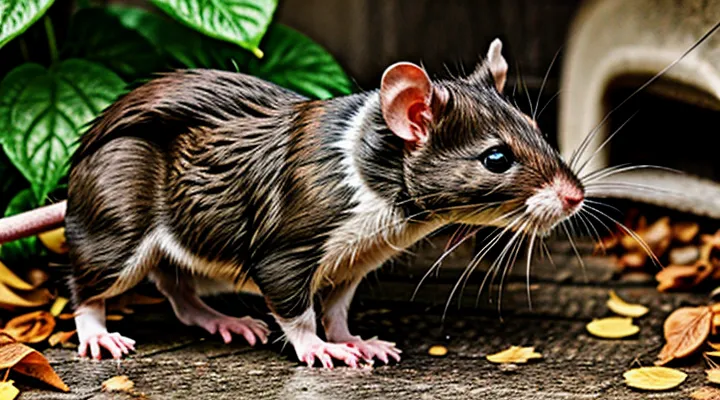
Introduction to Rat Tail Lumps
Understanding Normal Rat Anatomy
Tail Structure and Function
The rat tail consists of a series of caudal vertebrae encased in a sheath of skin, subcutaneous tissue, and a thin layer of musculature. Each vertebra is connected by intervertebral joints that permit limited flexion. The epidermis is keratinized, while the dermis contains a dense network of sensory nerves and blood vessels that supply the distal extremity. Muscles attached to the vertebrae generate modest contractile force, enabling subtle adjustments of tail position.
Functionally, the tail provides balance during locomotion, serves as a signaling organ for social interactions, and assists in thermoregulation by exposing or concealing vascularized skin. Fat deposits within the subcutaneous layer act as an energy reserve, particularly in cold environments. Sensory innervation allows rapid detection of mechanical stimuli, facilitating escape responses.
Structural features predispose the tail to specific pathological enlargements. Trauma to the vertebral column or skin can produce hematomas or fibrotic scar tissue. Bacterial invasion of superficial wounds often leads to abscess formation, while chronic irritation may generate epidermal cysts. Neoplastic growths arise from epidermal, dermal, or mesenchymal cells, producing palpable masses. Vascular anomalies, such as hemangiomas, also manifest as localized swellings.
Common etiologies of tail swellings include:
- Mechanical injury resulting in hemorrhage or fibrosis
- Bacterial infection causing suppurative abscesses
- Epidermal or dermal cyst development
- Benign and malignant neoplasms
- Vascular malformations
Understanding the anatomical composition and functional role of the rat tail clarifies why these conditions produce observable lumps, aiding accurate diagnosis and appropriate intervention.
Common Skin Variations
Common skin variations observed on a rodent’s caudal region include hyperkeratosis, follicular cysts, papillomas, dermatitis, and neoplastic growths. Each condition may manifest as a palpable nodule, altering the tail’s surface texture and appearance.
- Hyperkeratosis: thickened epidermal layer, often forming a firm, raised area.
- Follicular cysts: encapsulated keratin-filled sacs, typically smooth and movable.
- Papillomas: benign epithelial proliferations, presenting as small, fleshy protrusions.
- Dermatitis: inflammatory response, producing edema and occasional ulceration.
- Neoplastic growths: malignant or benign tumors, characterized by irregular borders and rapid enlargement.
Recognition of these variants assists in distinguishing benign alterations from pathological lumps, guiding appropriate diagnostic and therapeutic measures.
Benign Causes of Tail Lumps
Cysts and Abscesses
Epidermal Cysts
Epidermal cysts are encapsulated collections of keratinized material that develop within the epidermis or its appendages. In rodents, these cysts frequently arise on the tail because the distal integument is thin and prone to trauma, which can introduce epidermal cells into the dermis. The cyst wall consists of stratified squamous epithelium resembling normal epidermis, and the interior contains lamellated keratin and desquamated cells.
Clinically, an epidermal cyst appears as a smooth, well‑demarcated nodule ranging from a few millimetres to several centimetres in diameter. The mass is usually firm, may be mobile over underlying tissues, and can exhibit a central punctum if the cyst communicates with the surface. Over time, the cyst may enlarge, become inflamed, or rupture, producing a characteristic cheesy discharge.
Diagnostic evaluation includes visual inspection and palpation, followed by imaging such as high‑frequency ultrasonography to confirm cystic architecture and exclude solid neoplasms. Fine‑needle aspiration yields keratinous debris, which supports the diagnosis but may not be necessary when the presentation is classic.
Management options comprise:
- Observation for small, asymptomatic cysts.
- Surgical excision with complete removal of the cyst wall to prevent recurrence.
- Aspiration and injection of sclerosing agents for cases where surgery is contraindicated.
Histopathological examination of excised tissue confirms the diagnosis, revealing a cyst lined by keratinizing epithelium and a lumen filled with orthokeratin. Recurrence rates are low when the entire cyst wall is excised; incomplete removal can lead to regrowth.
Epidermal cysts represent a common non‑neoplastic cause of tail masses in rats, distinguishing them from infectious abscesses, neoplastic growths, or traumatic swellings. Recognizing their features facilitates accurate diagnosis and appropriate treatment, thereby reducing morbidity associated with tail lesions.
Follicular Cysts
Follicular cysts represent a common non‑neoplastic source of tail swellings in laboratory rats. These lesions arise when a hair follicle becomes occluded, leading to accumulation of keratin and sebum within the infundibular canal. The resulting expansion produces a firm, well‑demarcated nodule that may be mistaken for other etiologies of tail masses.
Typical features include:
- Size ranging from a few millimetres to over one centimetre; growth is generally slow.
- Central keratinous core visible upon fine‑needle aspiration; cytology shows anucleate keratin debris.
- Lack of inflammatory infiltrate unless secondary infection occurs.
- Predilection for the distal third of the tail where hair density is highest.
Diagnostic approach relies on visual inspection, palpation, and confirmatory histopathology. Histological sections reveal a cystic structure lined by stratified squamous epithelium, often with a granular layer and occasional keratin plugs. Absence of atypia distinguishes these cysts from malignant counterparts such as squamous cell carcinoma.
Management strategies focus on observation for uncomplicated cysts, as spontaneous regression may occur. Intervention is warranted when lesions impair locomotion, ulcerate, or become infected. Therapeutic options include:
- Surgical excision with careful preservation of surrounding tissue.
- Intralesional injection of corticosteroids to reduce cyst wall thickness.
- Antibiotic therapy for secondary bacterial involvement.
Preventive measures emphasize environmental control: maintaining optimal humidity and temperature reduces follicular obstruction. Regular grooming of breeding colonies can limit excessive fur accumulation, thereby decreasing cyst formation incidence.
Sebaceous Cysts
Sebaceous cysts arise from blocked sebaceous glands or hair follicles on the tail of a rat. The blockage traps sebum, forming a well‑defined, firm nodule beneath the skin. These cysts are typically smooth, mobile, and may display a central punctum that releases oily material when compressed.
Clinical presentation includes a solitary swelling that enlarges gradually. The mass may remain asymptomatic, but secondary infection can cause redness, heat, and discharge. Palpation reveals a rubbery consistency distinct from inflammatory swellings, which are often softer and tender.
Diagnosis relies on visual inspection and tactile assessment. Fine‑needle aspiration yields a cheesy, keratinous fluid characteristic of sebaceous cysts. Cytological analysis confirms the presence of keratin debris and occasional inflammatory cells. Imaging is unnecessary unless deep tissue involvement is suspected.
Management options:
- Simple surgical excision, removing the cyst capsule intact to prevent recurrence.
- Incision and drainage for infected cysts, followed by antibiotic therapy targeting common skin pathogens.
- Monitoring small, non‑infected cysts when surgical risk outweighs benefit.
Preventive measures focus on maintaining tail hygiene, reducing trauma, and avoiding excessive grooming that may damage follicles. Environmental enrichment that minimizes stress contributes to overall skin health, decreasing the likelihood of cyst formation.
Abscesses from Injury or Infection
Abscess formation follows tissue damage or bacterial invasion in the tail of a laboratory rat. When the integument is breached by a bite, scratch, or handling injury, local blood vessels leak plasma, creating a nutrient‑rich environment for opportunistic microbes such as Staphylococcus spp. Bacterial colonization triggers an inflammatory cascade, recruiting neutrophils that release enzymes and reactive oxygen species. The resulting pus collection enlarges the affected area, producing a palpable, often painful lump.
Key characteristics of tail abscesses include:
- Localized swelling, frequently firm to the touch
- Redness and heat surrounding the lesion
- Purulent discharge if the capsule ruptures
- Reduced tail mobility and possible gait alteration
Effective management requires prompt identification of the underlying trauma or infection source. Diagnostic steps involve visual examination, palpation, and, when necessary, fine‑needle aspiration for cytology or culture. Treatment protocols typically combine surgical drainage of the pus cavity with systemic antibiotics targeting common gram‑positive organisms. Post‑procedure care includes regular wound cleaning and monitoring for recurrence.
Preventive measures focus on minimizing tail injuries during handling, maintaining clean housing conditions, and ensuring that any wounds are promptly disinfected. Reducing stress and providing a balanced diet support immune competence, lowering the likelihood of abscess development.
Lipomas and Other Benign Tumors
Fatty Tumors (Lipomas)
Fatty tumors, known as lipomas, are benign accumulations of mature adipose cells that can appear as palpable masses on a rat’s tail. They develop spontaneously, often in older animals, but may also be linked to genetic predisposition, chronic inflammation, or exposure to certain dietary fats.
Typical features include a soft, mobile, non‑painful nodule that slowly enlarges over weeks to months. The overlying skin remains intact, and the lesion does not ulcerate unless secondary trauma occurs.
Diagnostic approach relies on physical examination followed by imaging, such as high‑resolution ultrasound, to assess depth and vascularity. Fine‑needle aspiration or core biopsy confirms adipocytic composition and excludes malignant alternatives, such as fibrosarcoma or metastatic disease.
Management options consist of:
- Observation for small, asymptomatic lipomas;
- Surgical excision when the mass interferes with grooming, causes discomfort, or shows rapid growth;
- Post‑operative monitoring for recurrence, which is uncommon but documented in a minority of cases.
Preventive measures focus on maintaining a balanced diet low in excess saturated fats and monitoring colony health to identify hereditary trends. Early detection through routine tail inspection reduces the likelihood of complications and supports timely intervention.
Fibromas
Fibromas are benign tumors arising from fibroblasts that generate dense collagenous tissue. In rats, these growths often appear as firm, well‑circumscribed nodules on the distal tail, producing a palpable lump that may interfere with grooming or locomotion.
The development of a fibroma involves uncontrolled fibroblast proliferation, excessive extracellular matrix deposition, and limited vascularization. Chronic irritation, repeated minor trauma, or genetic predisposition can trigger the cellular changes that lead to tumor formation.
Typical presentation includes a single, non‑painful mass measuring 2–5 mm in diameter. The lesion remains stable in size for weeks to months, lacking ulceration or necrosis. In advanced cases, the lump may enlarge enough to impede normal tail movement.
Diagnostic approach:
- Physical examination to assess size, consistency, and attachment to underlying structures.
- High‑resolution ultrasound for internal characterization and depth determination.
- Histopathological analysis of a biopsy sample, confirming fibroblastic proliferation and collagen bundles without malignant features.
Therapeutic options focus on removal of the mass. Surgical excision under anesthesia provides definitive treatment, with recurrence rates low when complete margins are achieved. Post‑operative monitoring includes regular palpation and periodic imaging to detect regrowth early.
Preventive measures reduce incidence: maintaining clean bedding, minimizing tail handling that could cause abrasions, and providing a diet balanced in essential nutrients support tissue integrity and lower the risk of fibroblastic hyperplasia.
Warts and Papillomas
Lumps observed on the tail of laboratory rats often originate from benign epithelial proliferations. Among these, warts and papillomas represent a frequent source of palpable masses.
Warts and papillomas develop after infection with rodent papillomavirus. The virus induces hyperplasia of the stratum spinosum, producing raised, keratinized nodules. Lesions may appear as solitary growths or as clusters distributed along the dorsal surface of the tail. Typical dimensions range from a few millimetres to over one centimetre; surface texture varies from smooth to verrucous.
Clinical assessment includes visual inspection, palpation, and measurement of lesion size. Rapid growth, ulceration, or bleeding suggests secondary irritation or rare malignant transformation. Histopathological evaluation confirms epithelial origin, revealing papilliform architecture, hyperkeratosis, and lack of invasive growth. Molecular confirmation utilizes polymerase chain reaction to detect papillomavirus DNA.
Management strategies focus on lesion control and prevention of complications:
- Observation of small, stable nodules without signs of inflammation.
- Surgical excision under aseptic conditions for rapidly enlarging or symptomatic lesions.
- Cryotherapy applied to superficial warts to induce necrosis.
- Regular monitoring for histological changes indicative of carcinoma.
«Papillomavirus infection is a primary driver of epithelial hyperplasia in rodents», underscoring the viral etiology behind these tail masses. Effective diagnosis and timely intervention limit animal discomfort and preserve experimental integrity.
Traumatic Injuries
Scabs and Hematomas
Scabs form when the epidermis of the tail is breached, often after biting, scratching, or environmental trauma. The clotting cascade creates a fibrin matrix that seals the wound, producing a hardened crust. Over time, the scab may thicken and appear as a palpable lump, especially if secondary infection induces inflammation and edema.
Hematomas arise from ruptured blood vessels beneath the skin, typically after blunt force or accidental compression. Blood accumulates in the subcutaneous tissue, producing a localized swelling that can harden as clot organization progresses. A hematoma may persist for several days, gradually resolving or calcifying, which further contributes to a firm mass.
Key distinguishing features:
- «Scab»: external crust, irregular surface, may ulcerate; often accompanied by erythema and discharge.
- «Hematoma»: internal swelling, smooth contour, discoloration ranging from red to purple; minimal surface disruption unless secondary injury occurs.
Insect Bites and Stings
Insect bites and stings constitute a frequent etiological factor for swelling on a rat’s tail.
Typical arthropods involved include:
- Fleas (Siphonaptera) that feed on blood and inject anticoagulant saliva.
- Mites (Acari) that burrow into the epidermis, causing local irritation.
- Beetles (Coleoptera) capable of delivering mechanical trauma and toxic secretions.
- Ants and wasps that inject venom containing histamine‑releasing compounds.
The mechanism of lesion formation relies on the introduction of salivary enzymes or venom components that disrupt vascular integrity, provoke inflammatory mediators, and trigger localized edema. Allergic hypersensitivity may amplify the response, producing a palpable lump.
Clinical signs consist of a well‑defined swelling, erythema, and occasional pruritus or pain at the bite site. Necrotic tissue may develop if the offending insect remains attached.
Diagnosis rests on visual inspection for puncture marks, identification of the arthropod, and, when necessary, cytological examination of the exudate to confirm inflammatory cell infiltrates.
Therapeutic measures comprise:
- Gentle cleaning of the area with sterile saline.
- Application of a topical antiseptic to prevent secondary infection.
- Administration of a non‑steroidal anti‑inflammatory agent to reduce edema.
- Removal of residual insects or their nests to halt ongoing exposure.
Prompt intervention limits tissue damage and accelerates resolution of the tail lump.
Foreign Body Reactions
Foreign body reactions represent a frequent source of localized swelling on a rat’s tail. When non‑biological material penetrates the dermis or subcutaneous tissue, the immune system initiates an inflammatory cascade that culminates in granulation tissue formation and fibrotic encapsulation. The resulting nodule often appears as a firm, painless lump that may persist for weeks if the irritant remains.
Common agents that provoke this response include:
- Small fragments of bedding fibers or plastic debris
- Needle fragments or broken syringe tips
- Plant spines or seed husks
- Metallic shavings from cage equipment
- Adhesive residues from handling or tagging procedures
The reaction progresses through distinct phases. Initial acute inflammation brings neutrophil infiltration and edema, producing a red, slightly swollen area. Subsequent macrophage activity clears debris and releases cytokines that stimulate fibroblast proliferation. Collagen deposition creates a fibrous capsule, giving the lump its characteristic firmness. Persistent foreign material can trigger chronic granulomatous inflammation, visible as multinucleated giant cells surrounding the irritant. Early identification and removal of the offending object prevent prolonged tissue damage and facilitate rapid resolution of the swelling.
Malignant Causes of Tail Lumps
Skin Cancers
Squamous Cell Carcinoma
Squamous cell carcinoma (SCC) is a malignant neoplasm arising from the epidermal keratinizing cells that line the surface of the tail. In rodents, the tail provides a convenient site for tumor development because of its thin skin, limited subcutaneous tissue, and frequent exposure to mechanical irritation. When SCC forms, it typically appears as a firm, irregular nodule that may ulcerate or become necrotic, contributing to the presence of a palpable lump.
Risk factors associated with SCC on a rat’s tail include:
- Chronic irritation from bedding, cages, or grooming devices
- Exposure to ultraviolet radiation, especially in albino strains
- Chemical carcinogens such as polycyclic aromatic hydrocarbons
- Viral agents, notably papillomavirus‑related lesions
- Genetic predisposition in certain inbred lines
The pathological process begins with dysplastic changes in the basal layer, progresses to invasive cords of atypical squamous cells, and may infiltrate underlying connective tissue. Histological examination reveals keratin pearls, intercellular bridges, and high mitotic activity, confirming malignancy. Immunohistochemistry for cytokeratin markers assists in differentiating SCC from other spindle‑cell tumors that can also present as tail masses.
Clinically, SCC manifests as a progressively enlarging, non‑painful swelling that may impede locomotion if it reaches a size that interferes with tail function. Diagnostic work‑up involves palpation, imaging (radiography or ultrasound) to assess depth, and biopsy for definitive identification. Treatment options are limited; surgical excision with clean margins offers the best prognosis, while radiation therapy serves as an adjunct in cases where complete removal is infeasible.
Understanding SCC as a contributor to tail lumps informs both experimental design and animal welfare practices. Mitigating chronic irritation, controlling environmental UV exposure, and monitoring for early lesions reduce incidence, thereby improving the reliability of studies that use rats as models for cutaneous oncology.
Basal Cell Carcinoma
Basal cell carcinoma (BCC) is a malignant neoplasm arising from basal cells of the epidermis. In laboratory rats, BCC can develop on the tail, presenting as a firm, non‑painful nodule that may ulcerate over time. The tumor originates from uncontrolled proliferation of basal keratinocytes, often triggered by chronic irritation, ultraviolet exposure, or genetic predisposition.
Risk factors specific to the caudal region include prolonged contact with abrasive bedding, repetitive tail‑biting behavior, and exposure to UV‑B radiation in housing environments lacking adequate shading. Certain strains exhibit heightened susceptibility due to mutations in the PTCH1 gene, which regulates the Hedgehog signaling pathway.
Clinical assessment relies on visual inspection and palpation, followed by histopathological examination of a biopsy sample. Typical microscopic features comprise nests of basaloid cells with peripheral palisading and stromal retraction. Immunohistochemical staining for cytokeratin 14 and Ber‑EP4 supports the diagnosis.
Management options comprise:
- Surgical excision with clear margins, the preferred method for localized lesions.
- Cryotherapy for small, superficial nodules.
- Topical application of imiquimod, reserved for non‑surgical candidates.
- Radiotherapy in cases where surgery is contraindicated.
Prognosis remains favorable when lesions are removed early; metastatic spread is rare in rodents. Preventive measures focus on minimizing tail trauma, providing UV‑filtered lighting, and selecting rat strains with lower genetic risk. Regular monitoring of tail morphology enables early detection of abnormal growths, reducing the likelihood of advanced disease.
Mast Cell Tumors
Mast cell tumors represent a frequent neoplastic cause of palpable masses on the tail of laboratory rats. These neoplasms arise from clonal proliferation of mast cells, which store histamine, heparin, and proteases within cytoplasmic granules. Genetic mutations, particularly in the c‑Kit receptor tyrosine kinase, drive uncontrolled growth and survival of mast cells. Environmental stressors, chronic inflammation, and exposure to certain chemicals can exacerbate the malignant potential of these cells.
Clinical presentation typically includes a firm, well‑circumscribed nodule that may enlarge rapidly. Ulceration or hemorrhage can accompany advanced lesions due to vasoactive mediator release. Systemic signs such as pruritus, edema, or anaphylactoid reactions are uncommon in rats but may occur if tumor burden is high.
Diagnostic work‑up relies on:
- Fine‑needle aspiration cytology to identify metachromatic granules and atypical mast cells.
- Histopathological examination with toluidine‑blue staining confirming mast cell infiltration and grading malignancy.
- Immunohistochemistry for c‑Kit expression to differentiate mast cell tumors from other soft‑tissue neoplasms.
Therapeutic options include surgical excision with clean margins, which offers the best chance of local control. Adjunctive treatments, such as tyrosine‑kinase inhibitors (e.g., masitinib) or radiation therapy, are considered for incompletely resected or metastatic disease. Regular monitoring for recurrence is essential, given the propensity for local regrowth.
Prognosis correlates with tumor grade and completeness of excision. Low‑grade lesions confined to the tail often have favorable outcomes, whereas high‑grade or metastatic forms carry a guarded prognosis. Early identification and appropriate management of mast cell tumors thus play a critical role in addressing tail‑associated masses in rats.
Melanoma
Melanoma is a malignant neoplasm originating from melanocytes, the pigment‑producing cells of the skin and mucous membranes. In rodents, melanocytic tumors can develop on the tail, presenting as a firm, pigmented nodule that may enlarge progressively.
The formation of a melanocytic mass on a rat’s tail involves several biological mechanisms:
- Genetic mutations affecting the MAPK and PI3K‑AKT pathways, frequently observed in laboratory strains predisposed to cancer.
- Chronic ultraviolet exposure or artificial light sources that increase DNA damage in cutaneous melanocytes.
- Chemical carcinogens, such as benzo[a]pyrene, applied topically or administered systemically, which induce mutagenic lesions in melanocyte DNA.
- Immunosuppression, whether induced experimentally or resulting from disease, which reduces surveillance against transformed cells.
Diagnosis relies on visual assessment of the lesion’s color and texture, followed by histopathological examination. Microscopic features include infiltrative nests of atypical melanocytes, abundant melanin granules, and mitotic figures. Immunohistochemical staining for markers such as S100, HMB‑45, and Melan‑A confirms melanocytic origin.
Prognostic considerations depend on tumor thickness, ulceration, and presence of metastasis to regional lymph nodes or distant organs. Therapeutic options in research settings include surgical excision with clean margins, topical application of chemotherapeutic agents, and targeted inhibition of mutated signaling pathways.
Understanding the etiological factors and pathological characteristics of melanocytic tumors on the rat tail informs experimental design and improves interpretation of toxicological and carcinogenicity studies. «Melanoma of the tail provides a reproducible model for investigating cutaneous malignancies and evaluating preventive interventions».
Other Malignant Neoplasms
Sarcomas
Sarcomas are malignant mesenchymal tumors that arise from connective‑tissue elements such as muscle, fat, cartilage, bone, or vascular structures. In rodents, particularly laboratory rats, these neoplasms can develop spontaneously or be induced by chemical carcinogens, radiation, or genetic predisposition. When a sarcoma forms in the caudal vertebral region, the resulting mass often presents as a palpable lump on the tail, a common site for tumor manifestation due to the tail’s abundant soft‑tissue compartments and limited overlying musculature.
Key characteristics of tail‑associated sarcomas include:
- Origin from fibroblastic, adipocytic, or vascular progenitor cells, leading to histological subtypes such as fibrosarcoma, liposarcoma, and hemangiosarcoma.
- Rapid growth with occasional ulceration of overlying skin, producing a firm, irregular nodule that may be tender.
- High mitotic index and necrotic foci observable on histopathology, distinguishing malignant lesions from benign fibrous proliferations.
- Propensity for local invasion into adjacent dermis, musculature, and skeletal elements, potentially compromising tail integrity.
Diagnostic evaluation relies on:
- Physical examination documenting size, consistency, and fixation to underlying structures.
- Imaging modalities—ultrasound or radiography—to assess depth and bone involvement.
- Fine‑needle aspiration or core biopsy for cytological and histological confirmation, with immunohistochemical staining for markers such as vimentin, desmin, and CD31 aiding subtype identification.
Therapeutic approaches are dictated by tumor grade and extent:
- Surgical excision with wide margins remains the primary curative option; complete removal reduces recurrence risk.
- Adjunctive radiation therapy may be employed for incompletely resected or high‑grade lesions.
- Chemotherapeutic protocols, including doxorubicin‑based regimens, are reserved for metastatic disease or non‑resectable tumors.
Prognosis depends on histological grade, completeness of excision, and presence of metastasis, most commonly to the lungs. Early detection of a tail lump and prompt histopathological evaluation are essential for effective management of sarcomatous growths in rats.
Lymphomas
Lymphomas represent malignant proliferations of lymphoid cells that can arise in various tissues, including the integumentary structures of laboratory rodents. When a rat develops a palpable mass on its tail, lymphoma must be considered among the differential diagnoses because the tail contains lymphatic vessels and nodal tissue capable of neoplastic transformation.
Key characteristics of tail‑associated lymphomas:
- Originates from B‑cell or T‑cell lineages; immunophenotyping distinguishes subtypes.
- Frequently presents as a firm, non‑painful nodule that enlarges progressively.
- May be solitary or accompanied by additional cutaneous or visceral lesions.
- Histopathology reveals effacement of normal architecture, sheets of atypical lymphocytes, and high mitotic activity.
- Immunohistochemical markers such as CD20 (B‑cell) or CD3 (T‑cell) confirm lineage; Ki‑67 index indicates proliferative rate.
- Etiological factors include genetic predisposition, exposure to oncogenic viruses (e.g., rat retroviruses), and chronic antigenic stimulation.
Diagnostic approach:
- Physical examination to assess size, consistency, and mobility of the lump.
- Fine‑needle aspiration or incisional biopsy for cytological and histological evaluation.
- Flow cytometry or immunohistochemistry to determine immunophenotype.
- Imaging (ultrasound, radiography) to detect deeper involvement or metastasis.
Therapeutic considerations:
- Surgical excision offers curative potential for localized lesions; margins must include surrounding healthy tissue.
- Chemotherapeutic protocols (e.g., cyclophosphamide, doxorubicin) are employed for disseminated disease.
- Monitoring of blood parameters and repeat imaging track treatment response.
Prognosis depends on lymphoma subtype, stage at diagnosis, and completeness of surgical removal. Early identification of a tail mass as a possible lymphoma improves management outcomes and reduces the risk of systemic spread.
Inflammatory and Infectious Causes
Dermatitis and Skin Irritations
Allergic Reactions
Allergic reactions constitute a significant etiological factor for localized swellings on the tail of laboratory rodents. Exposure to environmental allergens, such as dust mites, pollen, or mold spores, can provoke hypersensitivity in susceptible individuals. The immune response involves IgE‑mediated mast cell degranulation, releasing histamine and other vasoactive mediators that increase vascular permeability and promote edema formation.
Common allergenic sources in vivarium settings include:
- Bedding materials treated with aromatic oils or chemical preservatives.
- Feed additives containing soy, wheat gluten, or egg proteins.
- Cleaning agents and disinfectants with residual fragrances or surfactants.
- Insect bites or parasitic infestations that introduce salivary antigens.
The resulting inflammatory cascade may manifest as a firm, non‑painful nodule on the tail, often accompanied by erythema and mild warmth. Histopathological examination typically reveals eosinophilic infiltration and edema without necrotic tissue, distinguishing allergic edema from infectious abscesses or neoplastic growths.
Management strategies focus on eliminating the offending allergen, implementing hypoallergenic bedding, and providing a diet free of known protein triggers. Pharmacological intervention may involve antihistamines or corticosteroids to suppress the acute phase of the reaction, reducing swelling and preventing progression to chronic fibrosis. Monitoring for recurrence after allergen removal confirms the causal relationship between hypersensitivity and tail lump formation.
Irritant Contact Dermatitis
Irritant contact dermatitis results from direct exposure of the skin to chemical, physical, or mechanical agents that damage the epidermal barrier. The reaction does not involve an immune sensitisation process; instead, it is mediated by the toxic effects of the irritant on keratinocytes and the subsequent release of inflammatory mediators such as cytokines and prostaglandins. In laboratory rodents, the tail is frequently contacted by bedding materials, cleaning agents, or cage accessories, making it a common site for this condition.
Typical manifestations include localized erythema, edema, and the formation of a firm, raised nodule. The lesion may be painful on palpation and can progress to ulceration if the irritant remains in contact. Because the tail skin is thin and poorly vascularised, even low‑grade irritants can produce a noticeable swelling.
Key points for identification and management:
- Common irritants: sodium hypochlorite solutions, phenolic disinfectants, abrasive cage components, and dried urine crystals.
- Diagnostic criteria: acute onset after exposure, absence of systemic signs, and histopathology showing epidermal necrosis without lymphocytic infiltrates typical of allergic dermatitis.
- Therapeutic measures: immediate removal of the offending substance, gentle cleansing with isotonic saline, topical application of barrier creams containing dimethylpolysiloxane, and analgesic administration if pain is evident.
- Preventive actions: use of non‑irritating bedding, regular cleaning with mild detergents, inspection of cage accessories for sharp edges, and routine monitoring of tail condition during health checks.
Understanding the non‑immune nature of irritant contact dermatitis enables rapid differentiation from allergic responses and supports targeted interventions that reduce tissue damage and restore tail integrity.
Nutritional Deficiencies
Nutritional imbalances are recognized contributors to abnormal swellings on the caudal region of laboratory rodents. Deficient intake of essential nutrients disrupts skin integrity, impairs tissue repair, and may trigger localized hypertrophy that presents as a palpable mass.
Key deficiencies and associated mechanisms:
- Protein shortage: reduces collagen synthesis, weakens dermal layers, and promotes fatty infiltration that appears as a lump.
- Vitamin C deficit: hampers hydroxylation of collagen, leading to fragile connective tissue and susceptibility to edema.
- Calcium insufficiency: interferes with keratinocyte differentiation, causing hyperkeratotic nodules.
- Essential fatty acid lack: diminishes membrane fluidity, induces inflammation, and encourages subcutaneous fat accumulation.
- Vitamin E deficiency: lowers antioxidant protection, facilitating oxidative damage and localized swelling.
Corrective measures focus on balanced formulations that meet species‑specific requirements for protein (15‑20 % of diet), vitamin C (≥30 mg kg⁻¹), calcium (1.0–1.2 % of diet), and omega‑3/omega‑6 fatty acids (1–2 % of total fat). Regular monitoring of body condition and tail morphology ensures early detection of nutritional‑related masses and supports prompt dietary adjustment.
Parasitic Infestations
Mites and Lice
Mites and lice are primary ectoparasites that can produce localized swellings on a rat’s tail. Infestation initiates an inflammatory response, resulting in a palpable lump that may enlarge if secondary infection occurs.
-
Common mite species:
• Myobia musculi – burrows into skin, causing pruritus and nodule formation.
• Radfordia spp. – colonizes hair follicles, leading to folliculitis and swelling. -
Typical lice species:
• Polyplax serrata – feeds on blood, provoking edema and tissue irritation.
• Haemodipsus spp. – induces dermatitis that can coalesce into a mass.
Pathophysiology involves mechanical damage from feeding or burrowing, followed by host immune activation. Cytokine release attracts neutrophils and macrophages, producing edema and granulation tissue. Persistent irritation may compromise vascular supply, creating a firm, raised area that mimics a tumor.
Effective management requires prompt ectoparasite eradication and wound care. Topical acaricides or systemic insecticides eliminate the parasites, while antiseptic cleaning reduces bacterial colonization. Monitoring for recurrence prevents chronic granulomatous lesions.
Fungal Infections (Ringworm)
Fungal infections, commonly referred to as ringworm, represent a frequent source of swelling on a rat’s tail. Dermatophyte species such as Trichophyton and Microsporum colonise keratinised tissue, causing localized inflammation, hyperkeratosis and, occasionally, a palpable nodule. The infection usually originates from contaminated bedding, grooming contact with infected conspecifics, or exposure to environmental spores.
Typical manifestations include:
- Circular or irregular alopecia surrounding the lesion
- Reddened, scaly skin with raised margins
- Crust formation that may detach, revealing moist granulation tissue
- Mild to moderate discomfort, observable as reduced tail movement
Diagnosis relies on:
- Visual inspection of characteristic lesions
- Microscopic examination of hair shaft and skin scrapings for hyaline hyphae
- Culture on Sabouraud dextrose agar to identify the specific dermatophyte
Effective treatment strategies consist of:
- Topical antifungal agents (e.g., clotrimazole or miconazole) applied twice daily for 2–3 weeks
- Systemic therapy (e.g., itraconazole) for extensive or refractory cases, dosed according to body weight
- Environmental decontamination: thorough cleaning of cages, replacement of bedding, and disinfection of surfaces with a 1 % bleach solution
Preventive measures emphasize strict hygiene, quarantine of new arrivals, and regular health monitoring to limit fungal transmission within a colony.
Bacterial Infections
Bacterial infection represents a frequent origin of swelling on the distal extremity of laboratory rodents. The condition typically follows a breach in the integument, allowing opportunistic microbes to colonize subcutaneous tissue.
Common pathogens include:
- Staphylococcus aureus
- Pseudomonas aeruginosa
- Streptococcus spp.
- Mycobacterium ulcerans
These organisms exploit cutaneous lesions, multiply within the interstitial space, and provoke an inflammatory cascade that culminates in localized edema and abscess formation. The process proceeds through bacterial adhesion, toxin release, and recruitment of neutrophils, which together generate the palpable mass.
Diagnostic evaluation relies on aseptic sampling of the lesion for microbiological culture, polymerase chain reaction identification of specific DNA sequences, and histological examination to confirm suppurative inflammation. Sensitivity testing guides antimicrobial selection.
Therapeutic management consists of systemic antibiotics targeting the isolated organism, coupled with surgical drainage when purulent material accumulates. Supportive measures such as analgesia and wound care enhance recovery and minimize recurrence.
Diagnostic Approaches
Physical Examination
Palpation and Visual Inspection
Palpation of a rat’s tail provides immediate tactile information about a swelling. Firm, well‑defined borders suggest a neoplastic growth, whereas fluctuance indicates fluid accumulation such as an abscess or cyst. Consistency assessment should include gentle compression to differentiate solid tissue from semi‑liquid content. Temperature evaluation during palpation helps identify inflammatory processes; a localized heat increase often accompanies infection.
Visual inspection complements tactile findings. Observe the skin surface for discoloration, ulceration, or hair loss. Red or necrotic patches may signal infection or tissue breakdown. Note the size and shape of the lump; a spherical, smooth mass typically reflects a benign tumor, while an irregular, lobulated form may point to malignant transformation. Record any exudate or discharge, as these are hallmarks of suppurative conditions.
Key observations during examination:
- Border definition: sharp vs. diffuse
- Consistency: hard, soft, fluctuating
- Temperature: normal vs. elevated
- Surface changes: erythema, ulceration, alopecia
- Size and shape: regular vs. irregular
Integrating tactile and visual data narrows the differential diagnosis, guiding subsequent diagnostic steps such as imaging or histopathology. Accurate documentation of each parameter enhances reproducibility and facilitates comparison across studies.
Assessment of Size, Shape, and Consistency
Assessment of a tail nodule in a laboratory rat begins with precise measurement. Calipers or a millimeter ruler provide length, width, and height, recorded to the nearest 0.1 mm. Dimensions exceeding 2 mm often indicate neoplastic growth, while lesions under 1 mm frequently correspond to inflammatory or traumatic origins.
Shape categorization follows visual inspection and palpation. Common descriptors include:
- Rounded, indicating uniform expansion of tissue;
- Oval, suggesting directional growth along the tail axis;
- Irregular, reflecting infiltrative processes or mixed pathology;
- Pedunculated, pointing to protrusion from the surface.
Each form narrows the differential list; for instance, irregular margins are typical of malignant tumors, whereas rounded contours are common in cysts.
Consistency evaluation relies on tactile feedback. Texture classifications comprise:
- Soft, compressible mass, consistent with edema or abscess;
- Firm, resistant to deformation, typical of fibrous tissue or early neoplasia;
- Hard, rock‑like consistency, often associated with calcified lesions or advanced carcinoma;
- Fluctuant, indicating fluid‑filled cavity.
Mobility assessment distinguishes between subcutaneous, attached, or infiltrative lesions. A freely movable nodule suggests a benign capsule, while fixation to underlying structures implies invasive disease.
Combining size, shape, and consistency data produces a concise profile that guides further diagnostics such as histopathology, imaging, or microbiological culture.
Veterinary Procedures
Fine Needle Aspiration (FNA)
Fine Needle Aspiration (FNA) serves as a rapid cytological method for evaluating tail masses in laboratory rats. The technique employs a thin gauge needle to obtain cellular material, which is immediately transferred onto glass slides, fixed, and stained for microscopic examination. The procedure requires minimal restraint and causes limited tissue disruption, allowing repeated sampling when necessary.
Indications for FNA include:
- Distinguishing inflammatory granulomas from neoplastic growths;
- Identifying bacterial or fungal organisms within the lesion;
- Assessing metastatic spread from distant primary tumors;
- Monitoring response to therapeutic interventions.
Advantages of the method are its minimally invasive nature, low cost, and ability to provide diagnostic information within hours. The small volume of aspirate suits the diminutive size of rodent tails, and the technique can be performed without anesthesia in many cases, reducing stress for the animal.
Limitations involve the potential for insufficient cellular yield, especially in fibrotic or necrotic lesions, and the requirement for experienced cytopathologists to interpret subtle morphological features. Contamination from surrounding skin or hair may obscure results, necessitating careful aseptic technique and multiple passes when appropriate.
When applied correctly, «Fine Needle Aspiration» contributes essential data for differentiating the underlying causes of tail swellings, guiding subsequent histopathological confirmation or therapeutic decisions.
Biopsy (Incisional or Excisional)
Biopsy provides definitive tissue diagnosis for unexplained swellings on a rat’s tail, allowing differentiation between inflammatory, neoplastic, and traumatic origins.
Incisional sampling removes a portion of the lesion, preserving most of the mass for further observation. This approach is indicated when the lump is large, when complete excision would compromise tail function, or when preliminary histology suggests a benign process that warrants longitudinal monitoring.
Excisional sampling extracts the entire abnormal tissue, delivering a comprehensive specimen for analysis. It is preferred for small, well‑defined masses, for lesions with high suspicion of malignancy, or when therapeutic removal of the source of pathology is desired.
Key steps for both techniques include:
- Anesthetize the animal and secure the tail to prevent movement.
- Disinfect the site with an appropriate antiseptic.
- Employ a sterile scalpel or micro‑scissors to obtain the tissue, maintaining orientation for pathological assessment.
- Place the specimen in formalin or a suitable fixative promptly.
Histopathological evaluation determines cell type, degree of differentiation, and presence of infectious agents, guiding subsequent treatment such as antibiotics, surgical revision, or oncologic therapy.
Complications may involve hemorrhage, infection, or delayed wound healing; meticulous hemostasis and postoperative monitoring mitigate these risks. Proper technique and accurate specimen handling are essential for reliable diagnostic outcomes.
Imaging Studies (X-ray, Ultrasound)
Imaging provides objective data for distinguishing neoplastic, inflammatory, or traumatic origins of a tail mass in laboratory rats.
X‑ray examination reveals skeletal involvement. Radiopaque densities indicate calcified lesions, ossification, or bone erosion. Lack of bone alteration suggests soft‑tissue pathology. The technique requires minimal restraint and delivers rapid results, but resolution of small soft‑tissue structures is limited.
Ultrasound offers real‑time assessment of the mass interior. Hypoechoic zones correspond to fluid‑filled cysts, while heterogeneous echotexture suggests solid neoplasia or granulomatous inflammation. Color Doppler mode detects vascular patterns: high flow may indicate malignancy, whereas low or absent flow supports benign cystic lesions. Ultrasound permits guided fine‑needle aspiration for cytology, enhancing diagnostic accuracy.
Key considerations for both modalities include anesthesia depth, probe frequency (high‑frequency transducers improve resolution for small rodents), and positioning to avoid compressing the tail. Comparative interpretation of radiographic and sonographic findings refines differential diagnosis and guides subsequent therapeutic decisions.
Laboratory Testing
Cytology
Cytological examination provides direct insight into the cellular composition of a tail mass in rats, distinguishing inflammatory, neoplastic, and degenerative origins. Sampling techniques such as fine‑needle aspiration yield smears that preserve cellular morphology for microscopic analysis. Staining with routine hematoxylin‑eosin or specialized cytochemical reagents highlights diagnostic features.
Key cellular patterns observed in tail lesions include:
- Predominance of neutrophils and macrophages, indicating acute or chronic inflammation.
- Presence of spindle‑shaped cells with atypical nuclei, suggestive of sarcomatous transformation.
- Clusters of squamous cells with keratinization, consistent with epidermal inclusion cysts.
- Abundant fibroblasts and collagen fibers, reflecting reparative fibrosis.
Immunocytochemistry further refines diagnosis by detecting lineage‑specific markers. Positive staining for vimentin supports mesenchymal origin, whereas cytokeratin positivity confirms epithelial derivation. Ki‑67 labeling index assists in assessing proliferative activity, differentiating benign hyperplasia from malignant growth.
Interpretation of cytological findings must be integrated with gross pathology and imaging results. A high proportion of malignant‑appearing cells warrants histopathological confirmation and may influence therapeutic decisions, such as surgical excision or chemotherapy. Conversely, a cytology profile dominated by inflammatory cells directs attention to infectious agents or immune‑mediated processes, guiding antimicrobial or anti‑inflammatory treatment.
Histopathology
Histopathological examination provides definitive insight into the nature of a tail mass in laboratory rats. Tissue samples obtained by excision or biopsy are processed with standard fixation, embedding, and staining protocols. Hematoxylin‑eosin sections reveal architectural patterns that distinguish inflammatory, neoplastic, or degenerative processes.
Key microscopic criteria include:
- Presence of necrotic debris and infiltrating neutrophils, indicating acute suppurative inflammation often secondary to traumatic injury or bacterial infection.
- Proliferation of fibroblasts and dense collagen bundles, characteristic of chronic granulation tissue and scar formation.
- Atypical epithelial cells forming nests or cords with high mitotic activity, suggestive of squamous cell carcinoma or other malignant neoplasms.
- Vascular proliferation with endothelial hyperplasia, typical of hemangioma or angiogenic response to hypoxia.
- Accumulation of lipid‑laden macrophages and cholesterol clefts, reflecting granulomatous reaction to foreign material or lipid metabolism disorders.
Immunohistochemistry refines diagnosis. Cytokeratin markers confirm epithelial origin, while vimentin highlights mesenchymal components. Ki‑67 labeling index quantifies proliferative activity, aiding differentiation between benign hyperplasia and aggressive malignancy. Special stains such as Gram or Ziehl‑Neelsen detect bacterial or mycobacterial agents when infection is suspected.
Correlation of histopathological findings with clinical history, gross appearance, and microbiological results enables accurate identification of the underlying cause of the tail lesion. This integrated approach guides appropriate therapeutic interventions and informs experimental outcomes in biomedical research.
Bacterial Culture and Sensitivity
Bacterial infection frequently underlies the formation of a palpable mass on a rodent’s tail. Pathogens infiltrate damaged integument, proliferate within subcutaneous tissue, and generate an inflammatory response that manifests as a localized swelling.
Standard microbiological procedures for identifying the causative organism involve aseptic sampling of the lesion, inoculation onto selective and non‑selective media, and incubation under appropriate atmospheric conditions. Typical steps include:
- Collection of swab or tissue specimen using sterile technique.
- Streaking onto blood agar, MacConkey agar, and enrichment broth.
- Incubation at 37 °C for 24–48 hours, with observation of colony morphology, hemolysis, and pigment production.
- Preliminary biochemical testing (oxidase, catalase, carbohydrate fermentation) to narrow the organism’s identity.
Antimicrobial susceptibility assessment follows isolation. The disk diffusion method (Kirby‑Bauer) remains the most widely employed technique; minimum inhibitory concentration determination via broth microdilution provides quantitative data for resistant strains. Interpretation follows current Clinical and Laboratory Standards Institute guidelines. Results guide therapeutic selection, ensuring efficacy against the specific pathogen responsible for the tail lesion.
«Accurate culture and sensitivity profiling reduces treatment failure and prevents unnecessary antibiotic exposure», notes a recent veterinary microbiology review. Implementing these protocols enables precise etiological diagnosis and targeted antimicrobial therapy for tail swellings in laboratory rats.
Fungal Culture
Fungal culture provides a definitive method for identifying the microorganisms responsible for a swelling on a rat’s tail. Isolation of the pathogen enables precise diagnosis, informs treatment decisions, and distinguishes fungal infection from bacterial, parasitic, or traumatic causes.
Typical procedure includes:
- Sterile collection of tissue or exudate from the lump.
- Inoculation onto selective agar (e.g., Sabouraud dextrose) and incubation at 25‑30 °C.
- Observation of colony morphology, pigmentation, and growth rate.
- Microscopic examination of hyphal structures after lactophenol cotton‑blue staining.
- Confirmation through biochemical tests or molecular sequencing when required.
Accurate identification of the fungal species guides the selection of antifungal agents and helps monitor the efficacy of therapeutic interventions, thereby reducing the risk of recurrence and preventing systemic spread.