
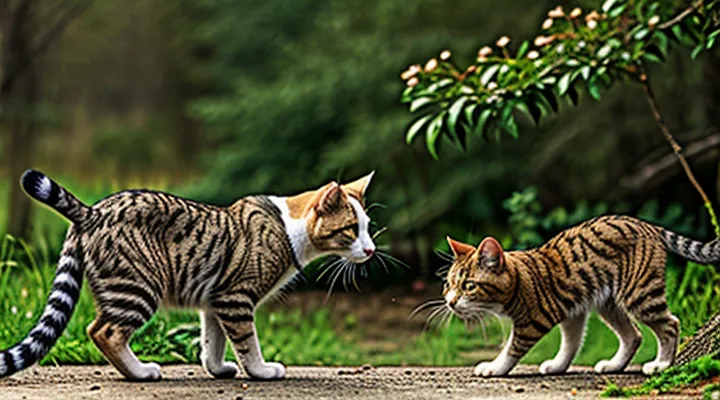
The Ancient Rivalry: A Natural Overview
Historical Context of Cat-Mouse Dynamics
The interaction between felines and small rodents has deep roots in human history, shaping both species’ behavior and ecological impact. Early agricultural societies in the Fertile Crescent encouraged wild cats to control grain‑eating mice, establishing a mutually beneficial association that predates written records.
In ancient Egypt, felines were revered, and tomb reliefs depict cats hunting rodents, indicating an institutionalized role for cats in protecting food stores. This reverence translated into selective breeding, producing individuals with heightened predatory instincts and a tolerance for close proximity to humans.
Medieval Europe saw the spread of domesticated cats alongside expanding granaries. Monastic chronicles note the decline of rodent infestations after introducing cats, linking the presence of felines to increased grain yields and reduced disease transmission.
The colonial expansion of the 17th and 18th centuries introduced cats to new continents, where they encountered native rodent species. Records from ship logs and settlement journals describe rapid declines in pest populations following the introduction of cats, often altering local ecosystems.
Key historical phases influencing cat‑mouse dynamics:
- Neolithic agrarian societies – natural selection of predatory traits in wild cats.
- Classical antiquity – ritualistic protection of cats, documented hunting of rodents.
- Middle Ages – systematic use of cats in storage facilities, documented pest control.
- Colonial era – transcontinental relocation of cats, ecological reshaping of rodent communities.
These periods demonstrate a consistent pattern: human reliance on felines for rodent management has directed cat evolution, reinforced predatory behavior, and left lasting ecological footprints across diverse environments.
Ecological Roles of Cats and Mice
Cats act as apex or mesopredators in many terrestrial ecosystems, exerting top‑down pressure on small mammal communities. By capturing rodents, they reduce herbivore density, which can limit vegetation consumption and alter plant community composition. Their predation also influences the behavior of surviving mice, prompting increased use of cover and altered foraging patterns that affect seed dispersal and soil disturbance.
Mice contribute to ecosystem processes as primary consumers and seed predators. Their foraging consumes seeds, influencing plant regeneration, while their burrowing activity aerates soil, enhances nutrient cycling, and creates microhabitats for invertebrates. Additionally, mice serve as hosts for parasites and pathogens, linking trophic levels and facilitating disease dynamics that can affect higher predators, including felids.
The interaction between these two groups generates indirect effects that shape community structure:
- Predator‑induced mortality reduces rodent‑driven seed predation, potentially increasing plant recruitment.
- Behavioral avoidance by mice modifies spatial use of habitats, influencing patterns of soil turnover.
- Fluctuations in mouse populations affect food availability for cats, which may shift predation pressure toward alternative prey species.
- Disease transmission pathways intersect, with cats acquiring parasites from infected mice, thereby influencing parasite prevalence in the ecosystem.
Overall, felines and rodents occupy complementary niches that drive energy flow, nutrient redistribution, and population regulation across multiple trophic levels. Their combined activities sustain biodiversity and maintain functional resilience in wild habitats.
Predation: The Primary Interaction
Hunting Strategies of Wild Cats
Stalking and Ambush Techniques
Cats employ a two‑stage predatory sequence when pursuing rodents. The initial stage involves silent movement toward the target, followed by a rapid, high‑force attack.
- Detection: Visual or auditory cues trigger focus on a potential prey item.
- Low posture: Muscles contract to lower the body, reducing silhouette and minimizing noise.
- Controlled steps: Each paw placement is deliberate, often with the forepaws tucked to avoid disturbing foliage.
- Pause: A brief halt allows assessment of distance and escape routes before the strike.
The second stage, ambush, capitalizes on the element of surprise. Timing aligns with the prey’s momentary vulnerability, such as when a mouse pauses to sniff or reorient.
- Acceleration: Muscles release stored energy, propelling the cat forward in a fraction of a second.
- Contact point: The bite targets the neck or spinal region, ensuring swift incapacitation.
- Grip: Claws engage the prey’s torso, preventing lateral escape.
- Release: After securing the kill, the cat may reposition the carcass for consumption.
Mice counteract these tactics through heightened vigilance, erratic locomotion, and use of complex burrow networks. Successful predation depends on the cat’s ability to maintain low visibility, accurately judge distance, and execute the strike within milliseconds.
Sensory Advantages of Felines
Felines possess a suite of sensory adaptations that give them a decisive edge when hunting rodents in natural environments.
- Vision: Large corneal surface and a high density of rod cells enable acute low‑light perception, allowing detection of prey movement at dusk or dawn. The tapetum lucidum reflects light back through the retina, enhancing visual sensitivity.
- Auditory system: Mobile ear pinnae can rotate up to 180°, isolating sound direction with precision. Frequency range extends into ultrasonic bands, capturing the faint rustle of mouse footfalls that fall below human hearing thresholds.
- Vibrissae: Whiskers are innervated by mechanoreceptors capable of sensing air currents and minute surface irregularities. This tactile feedback maps the immediate three‑dimensional space, guiding rapid strikes in cluttered terrain.
- Olfaction: Enlarged olfactory epithelium detects volatile compounds released by prey, supporting location tracking over distances where visual cues are obstructed.
- Neurological integration: Rapid processing pathways link sensory input to motor output, shortening reaction time and synchronizing bite force with target positioning.
These capabilities combine to create a multimodal detection network, allowing cats to locate, stalk, and capture mice with minimal reliance on any single sense. The integration of visual, auditory, tactile, and olfactory information ensures effective predation across diverse habitats and lighting conditions.
Prey Behavior of Wild Mice
Evasive Maneuvers and Shelters
Mice rely on rapid, unpredictable movements to avoid feline attack. Typical evasive tactics include:
- Erratic zig‑zag runs that exploit a cat’s limited ability to change direction quickly.
- Sudden bursts of speed triggered when a predator closes within a few meters.
- Vertical leaps onto low vegetation or debris, creating a brief aerial escape route.
- Utilization of narrow passages where a cat’s body cannot follow.
Shelters provide the structural foundation for these maneuvers. Common refuge types are:
- Dense ground cover such as grass, leaf litter, or shredded bark, which conceals motion and reduces detection.
- Burrows and tunnels excavated by the rodents themselves or abandoned by other species, offering confined spaces that restrict a cat’s reach.
- Crevices in rocks or fallen logs that limit entry angles, forcing a predator to approach from a single direction.
- Artificial structures like garden walls, compost piles, or storage boxes, which create hidden chambers accessible only to small mammals.
Cats adapt by focusing on open terrain and employing stalking behavior that minimizes the mouse’s opportunity to reach a shelter. Successful predation often follows a pattern: detection, short pursuit, and forced entry into a confined space where the cat can use its claws and bite force. Conversely, when a mouse reaches a suitable refuge, the predator’s attack terminates, and the feline must reassess the hunt, often shifting to a new target or waiting for the mouse to emerge. This dynamic underscores the critical role of rapid evasion and secure shelters in the survival strategy of small rodents within predator‑prey interactions.
Reproductive Strategies as a Defense Mechanism
Cats dominate small‑mammal ecosystems through relentless hunting, while mice persist by exploiting reproductive flexibility. The asymmetry between predator efficiency and prey survival hinges on how each species manages its offspring.
Mice mitigate predation risk by employing several reproductive tactics:
- Producing large litters within short intervals, ensuring that at least some juveniles escape capture.
- Initiating breeding cycles as soon as environmental cues signal abundant food, thereby synchronizing offspring emergence with periods of reduced cat activity.
- Dispersing newborns across multiple nests, decreasing the probability that a single predation event eliminates an entire cohort.
- Adjusting sex ratios toward females when predation pressure intensifies, bolstering future reproductive output.
Felines respond to these pressures through strategic timing of their own litters. By aligning birth peaks with the seasonal surge of mouse pups, cats maximize access to vulnerable prey, enhancing kitten survival. Additionally, cat mothers often limit litter size during periods of extreme mouse scarcity, conserving resources for offspring development.
The reciprocal adjustment of reproductive schedules creates a dynamic feedback loop. Mouse populations that increase litter frequency force cats to refine their breeding calendar, while cat predation intensity drives mice to accelerate reproductive cycles. This co‑evolutionary pattern sustains both species within the same habitat, illustrating how reproductive strategies function as a primary defense and counter‑defense mechanism.
Beyond Predation: Other Interactions
Competition for Resources
Food Sources
Cats obtain nutrition primarily from hunting small vertebrates, with rodents representing a substantial portion of their diet. Typical prey includes field mice, voles, and juvenile rats, each providing protein, fat, and essential micronutrients. Hunting success depends on the availability of these mammals, which fluctuate with seasonal breeding cycles and habitat density.
Mice sustain themselves through a diverse array of plant and animal matter. Primary food sources consist of:
- Seeds from grasses and wildflowers
- Grains such as wheat, barley, and oats
- Insects, including beetles and larvae
- Fruit remnants and berries
Secondary items, like fungi and occasional carrion, supplement caloric intake during periods of scarcity. Access to these resources is influenced by vegetation cover, agricultural activity, and competition from other rodent species.
The interaction between felines and rodents creates a feedback loop: predator pressure regulates mouse populations, while mouse abundance dictates hunting opportunities for cats. When mouse numbers decline, cats may expand their diet to include birds, reptiles, or anthropogenic food sources, whereas mice adjust foraging behavior to avoid predation hotspots, favoring dense ground cover and nocturnal activity.
Shelter and Territory
Cats in natural habitats maintain exclusive zones that provide access to prey, shelter, and mating opportunities. Territory boundaries are marked by scent deposits, vocalizations, and physical markers such as scratch marks. These delimitations reduce the likelihood of direct encounters with rival felids, allowing each individual to concentrate hunting efforts on resident rodent populations.
Mice select shelter sites that offer concealment from predators and protection from environmental stressors. Preferred structures include burrows, dense vegetation, and crevices that limit line‑of‑sight. Shelter choice is influenced by proximity to food sources and the presence of conspecifics, which can enhance vigilance but also increase competition for space.
The interaction between feline territories and rodent shelters creates a spatial mosaic:
- Overlapping zones force mice to relocate when a cat establishes a new patrol area.
- Stable cat territories lead to predictable patterns of mouse movement, allowing rodents to develop avoidance routes.
- Seasonal changes in vegetation alter the availability of mouse shelters, prompting felids to adjust their hunting grounds accordingly.
Effective predation relies on the cat’s ability to monitor and control access to mouse shelters within its range. Conversely, mouse survival depends on selecting shelters that remain outside the core of feline activity while maintaining connectivity to foraging paths. The dynamic balance of shelter use and territorial enforcement shapes the distribution and abundance of both species in the wild.
Disease Transmission
Zoonotic Diseases Carried by Mice
Mice act as natural reservoirs for a range of pathogens that can be transmitted to humans, domestic animals, and wildlife. Their close contact with predators such as cats creates a dynamic environment where disease agents can move between species.
- Hantavirus – carried in rodent urine, feces, and saliva; inhalation of aerosolized particles leads to hemorrhagic fever with renal syndrome or hantavirus pulmonary syndrome.
- Leptospira spp. – bacteria excreted in urine; infection occurs through skin contact with contaminated water or soil, causing fever, jaundice, and renal failure.
- Salmonella enterica – persists in the gastrointestinal tract; fecal contamination of food or surfaces results in gastroenteritis with diarrhea and fever.
- Lymphocytic choriomeningitis virus (LCMV) – present in rodent blood and excreta; transmission to humans via bites or contaminated materials can cause meningitis and encephalitis.
- Yersinia pestis – historically associated with plague; occasional maintenance in wild rodent populations can lead to sporadic human cases when fleas transmit the bacterium.
Predation by felines reduces rodent density, yet it also creates opportunities for pathogen transfer. Cats may acquire infections from handling or consuming infected mice, subsequently shedding agents such as LCMV or Bartonella species. These carriers can introduce pathogens into human households, especially where indoor hunting occurs.
Effective risk mitigation includes systematic rodent control, secure food storage, regular sanitation of areas with rodent activity, and public health monitoring of emergent cases. Vaccination of at‑risk populations, where available, further lowers the incidence of severe disease outcomes.
Impact on Feline Health
The predator‑prey relationship between felines and rodents directly influences cat health. Consuming live mice provides essential nutrients such as taurine, arachidonic acid, and high‑quality protein, which support retinal function, cardiac muscle maintenance, and overall tissue repair. However, reliance on raw prey introduces variables that can affect physiological stability.
Key health impacts include:
- Nutritional benefits: Muscular tissue and organ meat deliver balanced amino‑acid profiles, enhancing muscle mass and immune competence.
- Parasite exposure: Mice often harbor ectoparasites (fleas, ticks) and endoparasites (tapeworms, roundworms). Transmission can cause gastrointestinal distress, anemia, and secondary bacterial infections.
- Pathogen risk: Rodent‑borne viruses (e.g., Hantavirus) and bacteria (Salmonella, Leptospira) may infect cats, leading to fever, renal impairment, or respiratory complications.
- Dental wear: Frequent gnawing on bone fragments sharpens incisors but can cause enamel abrasion and periodontal inflammation if not balanced with softer foods.
Behavioral consequences also affect health. Hunting stimulates mental engagement, reducing stress‑related behaviors, yet excessive pursuit of prey may increase injury risk from defensive bites or scratches. Monitoring prey intake, providing regular deworming, and supplementing diet with balanced commercial food mitigate adverse outcomes while preserving the natural hunting drive.
Accidental Encounters and Coexistence
Shared Habitats
Wild felines and rodent populations frequently occupy overlapping territories, creating environments where predator and prey coexist. Field-dwelling cats, feral individuals, and small wildcats commonly share open meadows, agricultural margins, and forest edges with mouse colonies that exploit the same resources for food and shelter.
These habitats provide essential elements for both groups. Open grasslands supply hunting grounds for cats while offering grains and seeds that attract mice. Forest clearings present dense underbrush that shelters rodents and affords cats concealment for ambush. Urban peripheries contain waste deposits and garden plots that sustain mouse populations and attract opportunistic felines.
Key habitat characteristics that support this overlap include:
- Abundant ground cover for concealment
- Access to water sources within a short radius
- Presence of low vegetation or debris for nesting and burrowing
- Proximity to food sources such as insects, seeds, or human refuse
Seasonal shifts modify habitat suitability. Spring growth increases cover and prey density, enhancing hunting efficiency for cats. Summer drought reduces vegetation, prompting mice to seek refuge in deeper burrows, while cats adapt by expanding their range to locate prey. Autumn leaf fall creates additional litter layers, offering both species renewed shelter options. Winter frost limits surface activity, concentrating both predators and prey in insulated microhabitats.
The shared environment directly influences predator‑prey dynamics. High prey density in a confined area elevates hunting success rates, while dense cover reduces mouse mortality by providing escape routes. Habitat fragmentation can intensify interactions by concentrating populations, whereas expansive, heterogeneous landscapes tend to disperse encounters, balancing survival rates for both species.
Minimizing Conflict
In natural ecosystems, felines and small rodents coexist through a series of adaptive mechanisms that reduce direct antagonism. Both species benefit from spatial and temporal partitioning, which limits encounters that could lead to predation or injury.
Effective conflict mitigation relies on three primary factors:
- Habitat complexity: dense vegetation, ground cover, and burrow networks provide rodents with refuges and force predators to expend additional energy when hunting, decreasing the frequency of lethal encounters.
- Activity staggering: nocturnal hunting patterns of cats often overlap with the crepuscular or diurnal activity of mice, creating windows where each species operates with reduced direct contact.
- Population regulation: balanced reproductive rates maintain predator and prey densities at levels that prevent overexploitation, ensuring sustainable coexistence.
Behavioral adjustments further support peaceful interaction. Rodents develop heightened vigilance and rapid escape responses, while felines exhibit selective targeting, focusing on vulnerable individuals rather than indiscriminate attacks. These strategies collectively lower mortality rates and preserve ecological stability.
Environmental Factors Influencing Interactions
Habitat Type and Structure
Forests and Woodlands
Forested ecosystems provide the structural complexity required for felid predators and rodent prey to coexist. Dense canopy, understory vegetation, and fallen debris create vertical and horizontal layers that influence hunting routes and refuge availability.
Predatory cats exploit these layers by employing ambush tactics, using low light conditions under the canopy to approach without detection. They adjust stride length and body posture to navigate uneven ground, allowing pursuit through leaf litter and root systems. Seasonal leaf fall alters concealment opportunities, prompting shifts in hunting timing and location.
Rodent species respond with behavioral and physiological adaptations. Primary activity peaks during twilight hours when canopy cover reduces exposure. Burrowing depth and tunnel networks expand in response to predator pressure, enhancing escape routes. Reproductive output rises after periods of high predation, sustaining population resilience.
Key ecological outcomes include:
- Regulation of rodent abundance, preventing overgrazing of seedlings.
- Redistribution of seed dispersal agents, influencing plant regeneration patterns.
- Modification of predator movement corridors, affecting broader carnivore community dynamics.
- Seasonal fluctuations in prey availability, driving temporal adjustments in predator foraging strategies.
Grasslands and Open Fields
Grasslands and open fields shape the encounter between wild felines and small rodents by influencing visibility, cover, and movement patterns. The expansive terrain provides limited vertical structures, forcing predators to rely on speed and direct chase rather than ambush from concealment. Prey species adapt by developing heightened alertness and rapid, erratic bursts of speed to exploit the open space.
Key environmental factors affecting the predator‑prey relationship include:
- Sparse vegetation that reduces hiding places for both hunters and quarry.
- Ground temperature fluctuations that influence activity periods for rodents, often driving them to forage during cooler hours when predators are less active.
- Wind patterns that can carry scent cues, enhancing detection ranges for scent‑oriented hunters.
Feline hunters adjust their tactics to the open landscape by extending patrol routes, using elevated perches such as low hills or isolated shrubs to gain a visual advantage. Their hunting success rates increase when they can maintain a clear line of sight and anticipate the prey’s escape vectors. Conversely, mice and related species exploit the limited cover by employing sudden directional changes, using low-lying grasses and burrows as immediate refuge.
The interaction dynamics on grasslands thus reflect a balance between the predator’s reliance on speed and visual detection, and the prey’s reliance on vigilance and rapid maneuverability. These adaptations sustain the ongoing exchange between the two groups across seasonally changing conditions in open habitats.
Human-Modified Landscapes
Human-altered environments reshape the spatial distribution of both small predators and their rodent prey. Urban gardens, agricultural fields, and suburban green spaces provide novel corridors that connect previously isolated habitats, enabling feral and domestic cats to expand hunting ranges beyond natural settings.
Alterations in vegetation structure affect mouse shelter availability. Dense shrubbery in managed parks offers concealment, while monoculture crops reduce ground cover, exposing rodents to increased predation risk. Consequently, predation pressure fluctuates with the degree of habitat simplification.
Key outcomes of anthropogenic landscape changes include:
- Increased encounter rates in fragmented habitats where cats and mice share limited refuge zones.
- Shifts in temporal activity patterns, with nocturnal hunting intensified in areas with artificial lighting.
- Modification of population dynamics, where elevated predation can suppress mouse densities in heavily managed zones but may be offset by higher reproductive rates in less disturbed patches.
Long-term ecological monitoring shows that the balance between feline predation and rodent survival is highly sensitive to human-driven habitat modifications. Management practices that preserve heterogeneous cover and limit free-ranging cat access can stabilize predator‑prey interactions while reducing unintended impacts on native wildlife.
Seasonal Variations
Impact on Prey Abundance
Predatory pressure exerted by wild and feral felids directly reduces mouse numbers through lethal encounters. Studies show that territories with higher cat densities experience a measurable decline in rodent capture rates, often exceeding 30 % compared to cat‑free zones.
- Immediate mortality: cats remove individual mice, limiting reproductive output.
- Behavioral avoidance: mice alter foraging patterns, spending more time in cover and less time feeding, which lowers energy intake and breeding success.
- Reproductive suppression: chronic stress from predator presence decreases litter size and frequency in rodent populations.
Secondary effects arise when reduced mouse abundance influences plant seed predation and insect populations that rely on rodents for food. Lower rodent activity can increase seed survival, promoting vegetation regeneration, while predators of insects may experience a modest rise due to diminished competition.
Long‑term monitoring indicates that sustained cat presence can shift the equilibrium of small‑mammal communities, favoring species less vulnerable to feline hunting. Consequently, the overall composition of the prey assemblage adjusts, with potential ramifications for nutrient cycling and habitat structure.
Changes in Feline Hunting Patterns
Recent field studies document a measurable shift in the hunting behavior of wild felids. Data collected across temperate and subtropical regions show altered timing, prey selection, and pursuit tactics compared with historical baselines.
- Temporal adjustment: Activity peaks have moved toward crepuscular periods, reducing daylight pursuits and increasing night-time engagements.
- Prey specialization: Predators exhibit heightened preference for juvenile rodents, while adult individuals are pursued less frequently.
- Stealth enhancement: Stalk-and‑ambush techniques now dominate over open‑run chases, reflected in shorter chase distances and lower detection rates by prey.
- Territorial expansion: Home‑range sizes have increased, allowing individuals to exploit a broader array of microhabitats where rodents reside.
These modifications influence rodent population dynamics. Earlier predation on juveniles suppresses recruitment, leading to reduced cohort sizes. Simultaneously, the shift to nocturnal activity aligns predator pressure with periods of heightened rodent foraging, intensifying overall mortality rates. Expanded territories facilitate cross‑habitat predation, diminishing localized refuges that previously protected mouse colonies.
The observed trends suggest adaptive responses to environmental pressures such as habitat fragmentation, climate variability, and altered prey availability. Continued monitoring of felid hunting patterns will refine predictions of predator‑prey equilibrium and inform conservation strategies aimed at preserving ecosystem balance.
Human Impact on Cat-Mouse Dynamics
Introduction of Domestic Cats
Domestic cats (Felis catus) originated from the Near Eastern wildcat (Felis lybica) through a process of semi‑domestication that began around 9,000 years ago. Early agrarian societies tolerated these felines because they reduced rodent damage to stored grain, establishing a mutualistic relationship that facilitated the spread of cats across continents.
The adaptation of domestic cats to human environments introduced several variables affecting wild rodent populations. First, pet cats retain hunting instincts and frequently pursue small mammals in gardens, barns, and urban green spaces. Second, feral colonies, which arise when owned cats are abandoned or stray, create self‑sustaining populations that intensify predation pressure on local mice.
Key aspects of domestic cat introduction relevant to mouse dynamics include:
- Genetic continuity: Domestic cats share the same predatory morphology and sensory capabilities as their wild ancestors, ensuring efficient detection and capture of small prey.
- Behavioral flexibility: Cats adjust hunting tactics to diverse habitats, from dense underbrush to concrete alleys, allowing them to exploit a wide range of mouse niches.
- Population amplification: Human-provided food sources and shelter enable rapid growth of feral groups, increasing the number of active hunters in a given area.
- Ecological spillover: Domestic cats often hunt non‑target species, potentially altering predator–prey networks and influencing mouse community composition indirectly.
Understanding the role of domestic cats in ecosystems where mice are present requires integrating their historical domestication, current distribution, and predatory behavior. This perspective informs management strategies aimed at balancing human companionship with wildlife conservation.
Rodent Control Measures
Rodent control in ecosystems where felines and small rodents coexist requires strategies that complement natural predation while minimizing ecological disruption. Effective measures combine habitat modification, population monitoring, and targeted interventions.
- Habitat alteration: remove clutter, seal entry points, and maintain clean storage areas to reduce shelter and food sources for rodents.
- Exclusion devices: install fine‑mesh screens on vents, use door sweeps, and apply metal flashing around building foundations to prevent ingress.
- Mechanical removal: set snap traps, live‑catch cages, or multi‑catch devices in high‑activity zones; check and reset devices regularly to maintain efficacy.
- Chemical control: apply rodenticides only in sealed bait stations, following label instructions and local regulations to avoid non‑target exposure.
- Biological augmentation: encourage the presence of natural predators, including domestic and feral cats, while managing cat populations to prevent over‑predation on non‑target species.
- Integrated monitoring: conduct periodic surveys using tracking plates or infrared cameras to assess rodent activity and adjust control tactics accordingly.
These components form an integrated pest management framework that leverages both natural predator dynamics and human‑directed actions, ensuring sustainable reduction of rodent numbers without compromising the broader wildlife balance.