
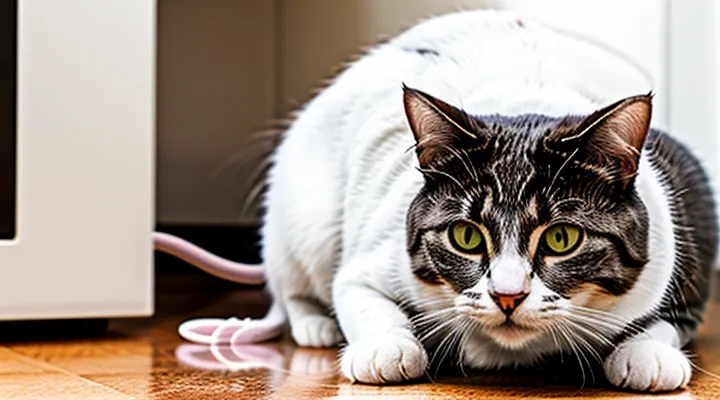
Understanding the Cat's Instinct
The Hunter Within
Prey Drive Explained
Domestic cats possess a hard‑wired predatory system that activates when a small animal, such as a mouse, enters their sensory field. Visual motion, high‑frequency sounds, and the scent of rodents stimulate the lateral geniculate nucleus and the superior colliculus, triggering a cascade of neural activity that culminates in the motor pattern known as the “stalk‑pounce‑kill” sequence. This sequence operates independently of hunger; it persists even in well‑fed animals because it serves a reproductive and territorial function encoded in the feline genome.
The prey drive consists of several interacting components:
- Sensory detection: Acute vision attuned to low‑light movement, whisker‑mediated tactile feedback, and a keen sense of smell identify potential targets.
- Motivational circuitry: The hypothalamus releases dopamine and norepinephrine, reinforcing the chase and providing a rewarding sensation upon capture.
- Motor execution: Coordinated limb flexion, tail balance, and precise bite force enable swift immobilization of the prey.
- Social transmission: Adult cats often present captured rodents to kittens, teaching hunting techniques and establishing a hierarchy of competence within the household.
When a cat delivers a mouse to a human, the behavior reflects an extension of the social transmission component. The animal interprets the human as a potential mentor or resource, offering the kill as a “gift” that may secure future assistance, such as food provisioning or protection. Studies of feral colonies show that this gesture reduces aggression from dominant individuals and strengthens affiliative bonds.
Domestication has modulated, but not eliminated, the prey drive. Selective breeding for reduced aggression and increased sociability attenuates the intensity of the response, yet the underlying circuitry remains functional. Consequently, indoor cats with limited hunting opportunities often exhibit redirected predatory behavior, such as stalking toys or pouncing on moving objects, confirming that the drive is an immutable element of feline neurobiology.
Instinctual Gifting
Domestic cats often present captured rodents to their owners as a form of instinctual gifting. This behavior originates from the hunting practices of wild ancestors, where successful kills were shared with the family unit to reinforce social bonds and demonstrate provisioning ability. In a domestic setting, the recipient is typically a human caretaker, yet the underlying drive remains unchanged.
The act serves several functions:
- Demonstration of competence – the cat signals its hunting proficiency, which in ancestral groups would have increased its status.
- Maternal rehearsal – females that have not yet reproduced may practice prey handling, preparing for future kitten rearing.
- Social reinforcement – offering prey triggers positive feedback from the human, strengthening the cat‑owner relationship.
- Territorial communication – the displayed mouse may convey information about the cat’s range and the availability of resources.
Neurochemical evidence links the behavior to dopamine release during the chase and capture phases, followed by oxytocin surges when the prey is presented. These hormonal shifts reinforce the act, making it repeatable across diverse environments.
Observational studies show that cats with limited outdoor access increase gifting frequency when indoor hunting opportunities are provided, such as interactive toys that simulate live prey. This suggests that the motive is rooted in a hard‑wired need to share, rather than a learned request for food.
Understanding instinctual gifting clarifies why owners receive unsolicited prey and informs enrichment strategies that satisfy the cat’s natural drive while reducing unwanted deliveries.
Why Cats Bring Their Catch
Sharing the Bounty
Teaching Offspring
Domestic cats often present captured rodents to their kittens as part of the species’ innate instructional routine. The adult’s delivery of a mouse serves as a tangible model of prey handling, allowing the young to observe bite placement, immobilization techniques, and the sequence of consumption.
When the mother or a senior cat brings a mouse to the nest, the offspring engage in several learning actions:
- Observation: The kitten watches the adult’s grip, noting the positioning of claws and teeth.
- Manipulation: The juvenile attempts to replicate the hold, practicing the coordination required to subdue prey.
- Trial feeding: The kitten takes small bites, gradually increasing the portion of the mouse consumed as proficiency improves.
- Feedback: The adult may correct the kitten’s technique through gentle nudges or by retrieving the mouse if mishandled, reinforcing correct behavior.
Repeated exposure to this scenario accelerates the development of motor skills essential for independent hunting. Over time, the kitten transitions from passive observer to active predator, reducing reliance on parental provision and enhancing survival prospects in environments where self‑sustenance is required.
Showing Affection
Domestic cats often present captured rodents to owners as a form of social bonding. The act signals trust; the cat shares a valuable resource with a member of its group. By delivering a mouse, the animal demonstrates confidence that the recipient will not threaten it, reinforcing the relationship.
Typical indicators that accompany the offering include:
- Calm posture while approaching the owner, sometimes accompanied by a gentle head‑butt.
- Slow blinking or soft eye contact, a recognized signal of relaxation.
- Purring that intensifies as the cat places the prey near the human’s feet or hands.
- Repeated attempts to give the mouse, suggesting the cat perceives the gesture as successful communication.
Interpretation of this behavior relies on understanding feline hunting instincts. In the wild, cats provide food to mates or kittens, reinforcing cohesion. Domestic cats transpose this instinct onto their human companions, using the captured mouse as a tangible expression of affection. Recognizing the gesture helps owners respond appropriately, reinforcing the bond and reducing the likelihood of misinterpretation as aggression.
Seeking Approval
Positive Reinforcement
When a domestic cat brings a captured rodent to its owner, the reaction determines whether the behavior will recur. Rewarding the cat with a treat, gentle verbal praise, or a brief petting session signals that the action is acceptable and desirable. The animal associates the prey‑delivery with a positive outcome, increasing the likelihood of future presentations.
Effective reinforcement techniques include:
- Immediate delivery of a high‑value food reward within seconds of the cat’s arrival.
- Consistent verbal affirmation using a distinct tone, such as “good job,” paired with a brief tactile cue (e.g., a light head rub).
- Short training sessions that pair the mouse‑delivery cue with a clicker or other marker, followed by the reward.
Avoid reprimands, sudden movements, or removal of attention, as these create ambiguous feedback and may suppress the behavior. By maintaining a predictable reward schedule, owners shape the cat’s instinctual hunting display into a controlled, repeatable action that satisfies both the animal’s predatory drive and the household’s expectations.
Seeking Attention
Cats often present captured prey to their owners as a deliberate communication method. The act signals a desire for interaction, reinforcement, or acknowledgment. By delivering a mouse, the cat creates a tangible focus for human attention, prompting petting, verbal response, or feeding.
Typical attention‑seeking behaviors associated with prey presentation include:
- Dropping the mouse near the owner’s feet or on a preferred surface.
- Repeating the gesture shortly after the initial offering if no reaction occurs.
- Combining the delivery with vocalizations such as chirps or mews.
- Positioning the cat’s body to face the owner while holding the prey, emphasizing visual contact.
Research on domestic feline social dynamics shows that these actions arise from learned associations. Cats that receive positive reinforcement—praise, treats, or play—after presenting prey are more likely to repeat the behavior. Conversely, a lack of response reduces the frequency of such offerings.
Understanding this pattern helps owners interpret the underlying motivation. Recognizing the mouse as an attention cue enables appropriate feedback, strengthening the human‑cat bond while discouraging unnecessary hunting.
Addressing the Behavior
Preventing Future «Gifts»
Environmental Enrichment
Domestic cats that capture small prey indoors often display heightened predatory drive. Providing environmental enrichment channels this drive, reduces stress, and prevents the habit of presenting captured animals to owners.
Effective enrichment strategies include:
- Puzzle feeders that require manipulation to release food, simulating hunting movements.
- Interactive toys that mimic the erratic flight of insects or rodents, encouraging stalking and pouncing.
- Vertical space such as shelves or cat trees, allowing observation points and escape routes.
- Rotating play objects to maintain novelty and sustain interest.
- Scheduled short‑duration play sessions with wand toys, replicating the chase‑catch‑release sequence.
Enrichment should be introduced gradually to avoid overwhelming the cat. Monitor behavior for signs of agitation or disengagement; adjust the complexity or frequency accordingly. Consistent application of these measures aligns the cat’s natural instincts with a safe indoor environment, reducing the likelihood of unwanted prey deliveries.
Supervised Outdoor Time
Supervised outdoor excursions give domestic cats controlled exposure to natural hunting scenarios while limiting risks such as traffic, predators, and disease. By attaching a harness and leash, owners maintain visual contact, allowing the cat to stalk, pounce, and capture prey under observation. This arrangement supports instinctual behavior without compromising safety.
Key advantages include:
- Development of physical stamina through varied terrain.
- Reinforcement of predatory skills that reduce indoor aggression.
- Opportunity for owners to monitor health indicators, such as respiratory condition and parasite load.
- Decreased likelihood of territorial disputes with neighboring animals.
Effective implementation follows a structured routine:
- Fit the cat with a properly adjusted harness; verify that it cannot slip out.
- Begin with short sessions in a fenced yard or quiet park; extend duration gradually as confidence builds.
- Keep the leash slack enough to permit natural movement but tight enough to prevent sudden escape.
- Observe the cat’s behavior for signs of stress—excessive vocalization, rapid tail flicking, or avoidance of prey—and intervene promptly.
- After each outing, conduct a thorough inspection for scratches, ticks, or injuries; clean any captured prey to avoid contamination.
Consistency in timing and environment conditions—such as avoiding extreme heat or heavy rain—maximizes the benefits while preserving the cat’s well‑being. Regularly reviewing the cat’s response enables owners to adjust session length and location, ensuring that supervised outdoor time remains a productive component of feline care.
Managing the Situation
Gentle Handling
When a house cat delivers a captured mouse, the owner’s response shapes future hunting displays. Gentle handling minimizes stress for both animal and caretaker, preserves the cat’s confidence, and reduces the risk of injury.
- Approach the cat calmly, keeping movements slow and predictable.
- Use a soft‑grip palm to support the cat’s body without constriction; avoid squeezing.
- Allow the cat to retain control of the prey briefly, then gently guide the mouse away using a towel or a shallow container.
- Speak in a low, steady tone while redirecting the cat’s focus to a toy or treat.
- Release the cat’s hold on the mouse promptly; prolonged possession can increase agitation.
Key outcomes of this approach include:
- Reinforced positive association with presenting prey, encouraging responsible hunting behavior.
- Decreased likelihood of defensive bites or scratches during the exchange.
- Preservation of the cat’s natural instincts while maintaining household safety.
Implementing these steps consistently creates a clear, respectful interaction pattern that aligns with the cat’s innate drive to share its catch.
Proper Disposal
When a house cat presents a captured rodent, the owner must handle the situation safely and responsibly. Direct contact with the animal can transmit parasites, bacterial infections, and allergens; therefore, protective gloves or a disposable bag should be used before any further action.
The recommended disposal process includes:
- Place the mouse in a sealable plastic bag while wearing gloves.
- Remove the bag from the home, seal it tightly, and discard it in an outdoor trash container with a secure lid.
- Clean the area where the mouse was found with a disinfectant solution to eliminate residual pathogens.
- Wash hands thoroughly with soap and water after removing gloves.
If the cat’s behavior is recurrent, consider providing alternative enrichment, such as interactive toys or scheduled play sessions, to reduce hunting instincts. Regular veterinary check‑ups can detect health issues that might increase predatory drive, and professional advice can help owners manage the behavior without compromising hygiene.
Broader Behavioral Context
Communication Signals
Body Language Cues
When a house cat carries a mouse, its body language conveys specific messages about motivation, confidence, and social intent. The cat’s posture, tail position, ear orientation, eye focus, whisker angle, and vocalizations combine to create a clear signal set that can be interpreted by owners and other cats.
- Posture – A crouched stance with a lowered front body and a raised hindquarters indicates readiness to display the prey. A straightened spine and elevated shoulders demonstrate confidence.
- Tail – An upright tail, often with a slight curve at the tip, signals pride and a desire to attract attention. A gently flicking tail may reflect excitement, while a stiff, vertical tail suggests alertness.
- Ears – Forward-facing ears denote interest and focus on the captured mouse. Slightly flattened ears can appear when the cat feels threatened or is preparing to defend its find.
- Eyes – Direct, unblinking gaze toward the mouse or the observer signals intent to communicate ownership. Dilated pupils accompany heightened arousal; constricted pupils indicate a calm, controlled presentation.
- Whiskers – Forward-pointing whiskers align with the direction of the prey, enhancing sensory perception. When whiskers are flattened against the face, the cat may be assessing safety before proceeding.
- Vocalizations – Short, sharp chirps or trills accompany the presentation, functioning as a call for social interaction or approval. Low growls or hisses suggest the cat feels its territory is being challenged.
These cues operate together to inform the audience—whether another cat, a human, or a potential rival—about the cat’s status, the value of the captured mouse, and the desired response. Recognizing each element enables accurate interpretation of feline behavior during this characteristic hunting display.
Vocalizations
Domestic cats often emit a distinct set of sounds when they present a captured mouse to their human companions. These vocalizations serve as immediate feedback on the cat’s emotional state and as a signal to the owner about the success of the hunt.
The most common sounds include:
- Chirps or trills: high‑frequency, short bursts produced during the chase; they indicate excitement and focus.
- Rapid meows: repetitive, medium‑pitch calls delivered after the prey is secured; they function as a “show‑off” to attract attention.
- Low growls: rumbling tones emitted when the cat feels threatened by the mouse’s movements or by a perceived intrusion; they convey warning.
- Hisses: sharp, abrupt noises triggered by sudden escape attempts or handling discomfort; they express distress.
Acoustic analysis shows that chirps range from 4 to 8 kHz, meows from 0.5 to 2 kHz, while growls and hisses occupy lower bands below 1 kHz. Frequency modulation correlates with arousal level: higher pitches accompany heightened excitement, whereas lower tones accompany defensive postures.
Research on feline communication indicates that these calls are not random. Studies using spectrographic tracking demonstrate consistent patterns: a chirp precedes a pounce, a rapid meow follows successful capture, and a growl appears when the cat perceives the mouse as a continuing threat. The owner’s response—attention, praise, or removal of the prey—can reinforce specific vocal patterns, shaping future hunting presentations.
In practice, recognizing the nuance of each sound enables owners to interpret the cat’s intent, whether the animal seeks validation, signals safety concerns, or simply expresses the natural drive to share its catch.
Human-Cat Bond
Trust and Relationship
When a house cat presents a captured mouse, the act signals a specific social intention toward its human companion. The animal interprets the owner as a member of its social group and attempts to share resources, a behavior rooted in feline cooperative hunting patterns observed in wild ancestors.
The gesture conveys trust. By exposing a vulnerable prey item, the cat demonstrates confidence that the human will not threaten it. The cat’s willingness to approach closely while holding the mouse further confirms a bond that tolerates proximity despite the presence of potential danger.
Owners can reinforce this trust through measured responses:
- Accept the offering without sudden movements; a calm hand reassures the cat.
- Gently remove the mouse and dispose of it safely; abrupt aggression may break the perceived partnership.
- Provide a treat or verbal praise immediately after the exchange; positive reinforcement strengthens the relational loop.
- Observe body language—ears forward, tail relaxed—indicating the cat’s comfort level.
Consistent, respectful handling of these incidents deepens the mutual understanding between feline and human, fostering a stable, cooperative relationship that influences future hunting displays.
Understanding Cat Needs
A cat that presents a captured mouse demonstrates an innate predatory drive that persists despite regular feeding. The act signals satisfaction of a fundamental need and provides insight into the animal’s overall welfare.
Key physical requirements include:
- Balanced diet meeting protein, fat, vitamin, and mineral thresholds.
- Routine veterinary examinations to monitor organ function and parasite load.
- Adequate hydration through fresh water sources.
Environmental conditions that support healthy behavior consist of:
- Safe, climbable structures enabling vertical movement and observation.
- Varied toys or puzzle feeders that imitate prey handling.
- Controlled exposure to natural light to regulate circadian rhythms.
Social and psychological factors are equally critical:
- Regular, predictable interaction with caregivers to reinforce trust.
- Opportunities to establish a hierarchy through controlled play and territory marking.
- Access to secluded areas where the cat can retreat and rest undisturbed.
Research indicates that when these needs are consistently met, cats are less likely to exhibit stress‑related behaviors such as excessive hunting, aggression, or inappropriate elimination. Owners who recognize the significance of the mouse‑bringing episode can adjust nutrition, enrichment, and social engagement to align with the cat’s intrinsic motivations, thereby promoting a balanced, contented companion.