
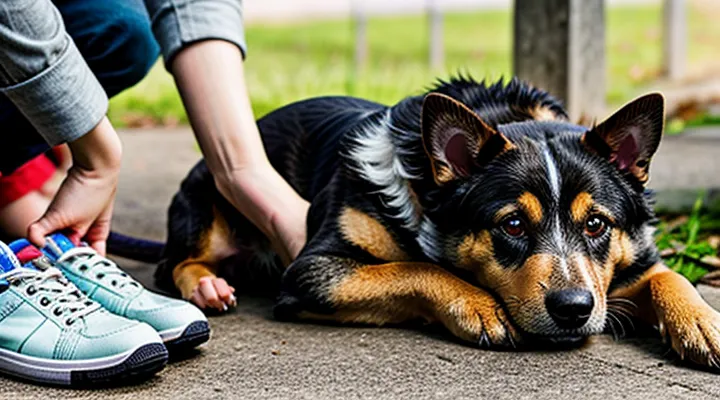
Understanding the Risk: Rats and Your Dog
Why Rat Bites are Dangerous for Dogs
Diseases Transmitted by Rats
Rats are reservoirs for several pathogens that can be introduced to a dog through a bite wound. Direct inoculation of saliva, blood, or contaminated fur provides a pathway for infection. Prompt recognition of disease risk and appropriate medical response reduce morbidity.
Common rat‑borne infections relevant to canine victims include:
- Leptospirosis – spirochete bacteria transmitted via rat urine that may contaminate bite sites. Early signs: fever, lethargy, vomiting, jaundice. Immediate wound cleaning followed by veterinary administration of doxycycline or penicillin is recommended.
- Salmonellosis – Salmonella spp. carried in rat feces. Symptoms: diarrhea, abdominal pain, fever. After thorough irrigation of the wound, oral rehydration and veterinary‑prescribed antibiotics (e.g., ampicillin) are indicated.
- Hantavirus – aerosolized virus from rat excreta; rare in dogs but possible through deep puncture wounds. Initial presentation: respiratory distress, rapid heart rate. Supportive care, antiviral therapy, and isolation are essential.
- Rat‑bite fever (Streptobacillus moniliformis infection) – bacterial sepsis following rat bite. Clinical picture: fever, rash, joint pain. Intravenous penicillin G or ceftriaxone constitutes first‑line treatment after wound debridement.
- Plague (Yersinia pestis) – uncommon but fatal if untreated. Early manifestations: fever, swollen lymph nodes, septicemia. Immediate administration of streptomycin or gentamicin, combined with aggressive wound care, is critical.
Effective prevention relies on minimizing rat exposure. Secure waste containers, eliminate nesting sites, and supervise outdoor activity to deter rodent encounters. If a bite occurs, follow these steps:
- Apply pressure to control bleeding.
- Flush the wound with sterile saline for at least five minutes.
- Remove visible debris; avoid aggressive scrubbing that could damage tissue.
- Cover with a sterile dressing and seek veterinary evaluation within hours.
- Provide the veterinarian with a detailed account of the incident, including any known rat infestations in the area.
Adhering to these protocols limits the likelihood of secondary infection and supports rapid recovery for the affected dog.
Potential for Infection
When a rat punctures a dog’s skin, the wound becomes a conduit for the animal’s oral bacteria and any environmental microbes present on its fur or teeth. Immediate contamination creates a high risk of bacterial infection, which can progress rapidly if untreated.
Common pathogens transferred by rat bites include:
- Streptobacillus moniliformis (causes rat‑bite fever)
- Leptospira spp.
- Pasteurella spp.
- Staphylococcus spp.
- Anaerobic bacteria such as Bacteroides
Typical local signs appear within 24–48 hours: redness, swelling, warmth, pain, and purulent discharge. Systemic indicators may follow: fever, lethargy, loss of appetite, and joint discomfort. Progression to septicemia or organ involvement can occur within a week, especially in young, immunocompromised, or unvaccinated dogs.
First‑aid measures focus on minimizing bacterial load and preventing spread:
- Flush the wound with sterile saline for at least one minute.
- Apply a broad‑spectrum antiseptic (e.g., chlorhexidine or povidone‑iodine).
- Cover with a clean, non‑adhesive dressing.
- Seek veterinary assessment promptly; prophylactic antibiotics (e.g., amoxicillin‑clavulanate) are often recommended.
Long‑term prevention relies on limiting rodent exposure and maintaining overall health: secure food storage, eliminate rodent harborage, keep the dog’s vaccination schedule current, and conduct regular veterinary examinations. These steps reduce the probability of bite incidents and the subsequent infection risk.
Immediate Actions After a Rat Bite
Assessing the Wound
When a rat bite penetrates a dog’s skin, immediate evaluation of the wound determines the urgency of veterinary intervention and guides first‑aid measures.
- Inspect the site for size, depth, and number of punctures; deeper wounds may involve muscle or bone.
- Observe bleeding; persistent arterial flow requires pressure application and rapid transport to a clinic.
- Look for embedded fragments such as fur, teeth, or debris; these increase infection risk and must be removed if safely possible.
- Assess surrounding tissue for swelling, redness, or discharge, which signal early inflammation or bacterial invasion.
- Palpate gently to detect crepitus, indicating gas‑forming organisms, or to feel for fluid collections that may become abscesses.
- Record the exact location on the body, noting proximity to joints or major vessels, as this influences treatment choices.
After visual and tactile assessment, cleanse the area with sterile saline, apply a non‑irritating antiseptic, and cover with a clean dressing. Document findings and contact a veterinarian promptly, providing details of wound dimensions, bleeding status, and any signs of infection. Timely, accurate assessment reduces complications and improves recovery outcomes.
First Aid at Home
Cleaning the Wound
When a rat punctures a dog’s skin, immediate wound cleaning reduces infection risk and promotes healing. Begin by restraining the animal safely to prevent movement. Use a muzzle or have an assistant hold the dog while you work.
- Flush with sterile saline – Apply a generous flow of isotonic saline solution to the bite site. The pressure should dislodge debris, saliva, and any visible foreign material.
- Disinfect with antiseptic – After rinsing, apply a broad‑spectrum antiseptic such as chlorhexidine gluconate (0.05 %–0.2 %) or povidone‑iodine. Avoid hydrogen peroxide, which can damage tissue.
- Remove necrotic tissue – With sterile forceps or a scalpel, gently excise any dead or torn skin. Limit removal to clearly compromised tissue to preserve viable margins.
- Dry and protect – Pat the area dry with sterile gauze. Cover with a non‑adhesive dressing soaked in the same antiseptic solution to maintain a moist environment without excess moisture buildup.
- Monitor for signs of infection – Check the wound daily for swelling, heat, pus, or increased pain. Record observations and contact a veterinarian if any adverse signs appear.
All instruments must be sterilized before use, and gloves should be worn throughout the procedure. Proper wound cleaning forms the first line of defense against bacterial invasion following a rat bite on a dog.
Stopping Bleeding
A rat bite can produce deep puncture wounds that bleed rapidly. Prompt control of hemorrhage reduces shock risk and prevents infection.
- Apply direct pressure with a clean gauze pad or cloth for at least three minutes.
- Maintain pressure while a second person assists, if possible.
- If bleeding persists, add another layer of gauze and continue pressure without interruption.
After initial control:
- Elevate the injured limb above heart level to reduce blood flow.
- Wrap the area with a sterile bandage, ensuring compression without cutting off circulation.
- Observe the bandage every five minutes; re‑apply pressure if bleeding resumes.
Seek veterinary attention if any of the following occurs:
- Bleeding does not stop after ten minutes of continuous pressure.
- The wound is larger than a pea‑size puncture or shows tissue damage.
- Signs of shock appear: pale gums, rapid heartbeat, weakness, or collapse.
- The dog exhibits excessive pain, swelling, or discharge from the wound.
Rapid, sustained pressure and proper bandaging are the most effective measures to stop bleeding from a rat bite on a dog. Immediate veterinary evaluation remains critical for wound assessment, tetanus prophylaxis, and antibiotic therapy.
Applying Antiseptics
Applying antiseptics promptly after a rat bite reduces bacterial contamination and lowers the risk of infection in dogs. The wound must be treated before any systemic medication is administered.
Choose a product that is safe for canine tissue and effective against common rat‑borne pathogens. Acceptable options include chlorhexidine gluconate (0.05 % solution), povidone‑iodine (diluted to 1 % concentration), and sterile saline‑based wound cleansers containing benzalkonium chloride. Avoid alcohol‑based solutions, which cause excessive irritation.
Prepare the area by flushing the bite site with sterile saline to remove debris and blood. Pat the skin dry with a clean gauze pad; excess moisture can dilute the antiseptic and impair its action.
Application procedure
- Wear disposable gloves to prevent cross‑contamination.
- Apply the chosen antiseptic with a sterile gauze pad, covering the entire wound surface.
- Maintain contact for at least 30 seconds to ensure microbial kill.
- Allow the area to air‑dry; do not bandage unless directed by a veterinarian.
After treatment, observe the wound for signs of worsening inflammation, swelling, or discharge. Record any changes and contact a veterinary professional if symptoms progress. Repeat antiseptic application every 4–6 hours during the first 24 hours, then adjust frequency based on healing progress.
Veterinary Care and Follow-Up
When to Seek Professional Help
A rat bite can introduce bacterial infection, tissue damage, and disease vectors that exceed the capacity of home care. Immediate veterinary evaluation is required when any of the following conditions appear.
- Deep puncture wounds, gaping lacerations, or exposed muscle and bone.
- Continuous bleeding that does not stop after applying pressure for five minutes.
- Swelling, redness, or heat that expands rapidly around the bite site.
- Signs of systemic illness such as fever, lethargy, vomiting, or loss of appetite.
- Evidence of a rat bite near the eyes, ears, mouth, or genitals, where infection spreads quickly.
- Known exposure to rats carrying leptospirosis, hantavirus, or rabies, especially in regions where these diseases are endemic.
- The dog is older, immunocompromised, or has chronic health conditions that impair healing.
- The bite occurred more than 12 hours ago and no improvement is observed despite basic wound cleaning and monitoring.
If any of these indicators are present, contact a veterinarian without delay. Professional assessment may include wound debridement, antimicrobial therapy, tetanus prophylaxis, and diagnostic testing for zoonotic pathogens. Prompt intervention reduces the risk of severe complications and promotes faster recovery.
What to Expect at the Vet
Wound Treatment
When a rat bite punctures a dog’s skin, immediate wound care reduces infection risk and promotes healing. Begin by restraining the animal safely to prevent further injury. Use clean, lukewarm water to flush the wound for at least one minute, removing debris and saliva. Apply a mild antiseptic—chlorhexidine solution diluted to 0.05 % or povidone‑iodine at a non‑irritating concentration—to the affected area. Pat the site dry with sterile gauze; avoid rubbing, which can reopen tissue.
After cleaning, assess the depth and extent of the puncture. Superficial wounds may be covered with a non‑adhesive, breathable dressing secured with a light bandage. Deeper injuries require professional evaluation; a veterinarian may need to perform debridement, suture placement, or drainage. Administer prescribed antibiotics promptly, selecting agents effective against common rat‑borne pathogens such as Streptobacillus moniliformis and Salmonella spp. A tetanus booster is recommended if the dog’s immunization status is outdated.
Monitoring continues for 48–72 hours. Observe for signs of infection: swelling, heat, pus, foul odor, or behavioral changes such as lethargy and loss of appetite. Record temperature and note any systemic symptoms. If any of these develop, contact a veterinarian without delay.
Key steps for rat‑bite wound treatment
- Restrain dog safely; wear gloves.
- Flush wound with lukewarm water for ≥ 60 seconds.
- Apply diluted antiseptic; dry with sterile gauze.
- Evaluate depth; apply appropriate dressing or seek veterinary care.
- Initiate antibiotic therapy targeting rat‑associated bacteria.
- Verify tetanus vaccination status; administer booster if needed.
- Monitor for infection signs; report concerns promptly.
Antibiotics and Other Medications
When a dog suffers a rodent bite, immediate pharmacologic intervention reduces infection risk and alleviates pain. Broad‑spectrum antibiotics targeting both aerobic and anaerobic bacteria are essential. First‑line options include amoxicillin‑clavulanate (20 mg/kg PO q12h) for 7–10 days; alternatives are doxycycline (5 mg/kg PO q12h) or enrofloxacin (5 mg/kg PO q24h) when beta‑lactam intolerance exists. Adjust dosage for renal or hepatic impairment.
Adjunct medications support recovery:
- Non‑steroidal anti‑inflammatory drugs (e.g., carprofen 2 mg/kg PO q12h) for inflammation and discomfort.
- Opioid analgesics (e.g., tramadol 2–4 mg/kg PO q8h) for severe pain, administered under veterinary guidance.
- Tetanus prophylaxis if vaccination status is uncertain; a single dose of tetanus toxoid (0.5 mL IM) is recommended, followed by a booster in 4 weeks.
- Antihistamines (e.g., diphenhydramine 1 mg/kg PO q8h) for allergic reactions to venom or secondary inflammation.
Wound management precedes medication. Clean the puncture with sterile saline, debride necrotic tissue, and apply a non‑adherent dressing. Monitor for signs of cellulitis, abscess formation, or systemic illness; escalating signs warrant culture‑directed antibiotics and possible surgical drainage.
Veterinary evaluation remains mandatory. Professional assessment determines appropriate drug selection, dosage adjustments, and duration, ensuring optimal outcomes while minimizing adverse effects.
Rabies Vaccination Status
The rabies vaccination status of a dog that has been bitten by a rat is a critical factor in determining the appropriate emergency response. A current, up‑to‑date rabies vaccine substantially reduces the probability that the animal will develop the disease after exposure to potentially infected wildlife.
- Verify the dog’s vaccination record immediately after the incident.
- Confirm that the last rabies injection was administered within the legally required interval (typically one year for most vaccines, three years for those approved for extended duration).
- Check for any documented booster doses and the date of the most recent administration.
- Ensure the vaccine was given by a licensed veterinarian and that the product used is approved for canine use in the jurisdiction.
If the dog is fully vaccinated and the vaccine is current, the risk of rabies transmission is minimal, but a veterinary assessment is still advised to rule out other injuries and to monitor for signs of infection. If the vaccination is outdated, incomplete, or undocumented, the dog must be examined by a veterinarian without delay; post‑exposure rabies prophylaxis may be required, following local public‑health guidelines. Documentation of the vaccination status should be retained for any subsequent veterinary or regulatory review.
Prevention Strategies
Managing Rat Infestations
Securing Food Sources
Rats are drawn to exposed food, and a dog that encounters a hungry rodent faces a bite risk. Preventing such incidents begins with eliminating food sources that attract rats.
- Store pet food in sealed, metal containers with tight-fitting lids.
- Keep human food waste in trash cans equipped with lockable lids; empty them daily.
- Remove fallen fruit, nuts, and seeds from lawns and garden beds.
- Clean up spilled kibble immediately after feeding; avoid leaving bowls unattended for extended periods.
- Install rodent‑proof barriers around garbage areas, such as mesh screens or concrete edging.
Additional precautions reinforce food security. Use elevated feeding stations that rats cannot climb. Schedule feeding times to limit the duration food remains accessible. Regularly inspect storage areas for signs of rodent activity and replace compromised containers promptly. Maintain a clean environment by sweeping, vacuuming, and sanitizing surfaces where food residues may accumulate.
By controlling food availability, the likelihood of rat encounters with dogs diminishes, supporting effective prevention and reducing the need for emergency care.
Eliminating Hiding Spots
Rats often seek shelter in areas that also attract dogs, creating opportunities for bites. Removing these refuges reduces contact and lowers the risk of injury.
- Inspect outdoor kennels, fences, and storage sheds for gaps, holes, or loose boards; seal them with metal mesh or concrete.
- Clear debris, tall grass, and piles of leaves around the property; rats use such cover for movement and nesting.
- Store feed, treats, and garbage in sealed containers; uncovered food draws rodents into canine zones.
- Elevate dog houses and sleeping pads off the ground; rodents prefer low, damp surfaces.
- Maintain proper drainage to eliminate standing water and soggy soil, which attract rats seeking moisture.
When a bite occurs, immediate care includes cleaning the wound with sterile saline, applying a broad‑spectrum antiseptic, and contacting a veterinarian for assessment of infection risk and tetanus protection. Prompt wound management combined with proactive habitat control creates a comprehensive strategy to protect dogs from rat bites.
Trapping and Extermination
Effective rat control protects dogs from bites and reduces disease risk. Proper trapping and extermination require systematic assessment, strategic placement, and safe execution.
Identify high‑activity zones by inspecting for droppings, gnaw marks, and burrows. Concentrate traps along walls, near food sources, and in concealed areas such as under decks or in sheds. Use a combination of devices:
- Snap traps with steel spring mechanisms for instant kill; position baited with peanut butter or dried fruit.
- Electronic traps delivering a lethal shock; suitable for indoor use where noise is a concern.
- Live‑catch traps for humane removal; check frequently to prevent stress or injury to captured rats.
- Glue boards as supplemental devices in hard‑to‑reach corners; monitor and dispose of trapped rodents promptly.
Select bait that appeals to local rat populations and replace it regularly to maintain attractiveness. Ensure traps are inaccessible to pets and children by using protective covers or placing them in secure enclosures.
When chemical control is necessary, apply rodenticides according to label instructions and local regulations. Opt for anticoagulant baits placed in tamper‑resistant stations to minimize accidental exposure. Rotate active ingredients to prevent resistance development.
Professional pest‑control services provide expertise in large infestations, offering integrated pest‑management plans that combine sanitation, exclusion, and targeted extermination. Their technicians can seal entry points, trim vegetation, and advise on waste management to eliminate attractants.
Maintain a clean environment by storing pet food in sealed containers, removing spilled feed, and disposing of garbage daily. Regularly inspect and repair structural gaps, vents, and utility openings to deny rats access to indoor spaces.
By implementing these trapping and extermination measures, owners create a hostile environment for rats, thereby preventing future bites and safeguarding canine health.
Protecting Your Dog
Supervised Outdoor Time
Supervised outdoor time reduces the risk of a dog encountering rodents that could bite. Direct observation allows immediate intervention when a rat appears, preventing a bite and limiting exposure to potential infections.
Key practices for effective supervision:
- Keep the dog on a leash or within a fenced area where the owner can maintain visual contact.
- Patrol the yard before and after the dog’s activity to locate and remove rat nests, droppings, or food sources that attract rodents.
- Use a short, sturdy lead when walking in parks or public spaces to keep the dog close and responsive to commands.
- Assign a designated person to watch the dog continuously, especially in high‑risk environments such as farms, warehouses, or vacant lots.
When a rat approaches, the supervisor should:
- Issue a firm “stop” or “stay” command.
- Redirect the dog’s attention with a treat or toy.
- Physically block the dog’s path if the animal does not retreat.
Consistent supervision also enables rapid assessment after an encounter. If a bite occurs, the observer can:
- Apply pressure to control bleeding.
- Flush the wound with clean water.
- Seek veterinary care within minutes to administer antibiotics and rabies prophylaxis if needed.
Implementing these measures creates a controlled outdoor experience, minimizing the chance of a rat bite and supporting prompt first‑aid response when incidents arise.
Leash Use in High-Risk Areas
Leashing dogs in environments where rodent activity is high reduces the chance of unexpected encounters that can lead to bites. A secure leash limits a dog’s ability to chase, investigate, or engage with rats, thereby protecting both the animal and the surrounding wildlife.
Guidelines for effective leash use in high‑risk zones:
- Choose a short, sturdy leash (≤ 4 ft) to maintain close control.
- Attach a fast‑acting, break‑resistant clasp to a well‑fitted collar or harness.
- Keep the leash taut enough to prevent sudden lunges, but allow limited freedom for normal walking.
- Monitor the dog’s behavior continuously; intervene at the first sign of heightened interest in rodents.
- Replace worn or damaged leashes immediately to avoid failure during a critical moment.
Training and Behavior Modification
Training dogs to avoid encounters with rats reduces bite incidents and simplifies emergency care. Dogs that ignore small moving objects, respond to recall commands, and maintain a safe distance from rodent habitats demonstrate lower risk of injury.
Effective training includes:
- Consistent recall practice in varied environments.
- Desensitization to the sight and sound of rodents using controlled exposure.
- Positive reinforcement for ignoring or disengaging from rats.
- Teaching “leave it” and “go to place” commands to redirect attention.
- Regular reinforcement of boundary awareness around areas where rats are active.
Behavior modification focuses on eliminating prey drive that triggers pursuit. Techniques involve:
- Gradual reduction of reinforcement for chasing behavior through planned interruptions.
- Implementation of a structured routine that channels energy into obedience tasks.
- Use of scent-masking products to diminish the appeal of rodent trails.
- Monitoring body language for signs of heightened arousal and intervening before pursuit begins.
Integrating training with first‑aid preparedness ensures rapid response if a bite occurs. Dogs trained to come when called can be swiftly removed from the scene, allowing owners to apply wound cleaning, assess injury severity, and seek veterinary assistance without delay.