
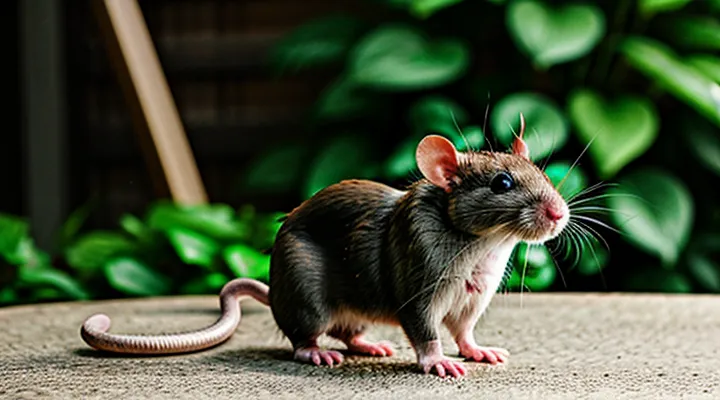
The Social Nature of Female Rats
Why Companionship is Crucial for Female Rats
Behavioral Impacts of Solitude
Keeping a single female rat isolated from conspecifics produces measurable behavioral changes. Lack of social interaction triggers heightened stress responses, evidenced by elevated corticosterone levels and increased vigilance. Rats deprived of companionship often develop stereotypic behaviors such as repetitive gnawing, pacing, or excessive grooming, which signal frustration and reduced welfare.
Solitary females display diminished exploratory drive. In open‑field tests they travel shorter distances and spend more time in the periphery, indicating anxiety. Social deprivation also impairs cognitive performance; maze learning slows and error rates rise compared with paired individuals. These effects accumulate over weeks, leading to chronic maladaptation.
Mitigation strategies focus on environmental enrichment and human interaction:
- Provide a variety of chewable objects, tunnels, and climbing structures to satisfy foraging instincts.
- Rotate enrichment items regularly to maintain novelty.
- Schedule daily handling sessions lasting at least ten minutes, using gentle restraint and offering treats to foster positive human‑rat associations.
- Incorporate auditory and olfactory stimuli from other rats (e.g., recorded vocalizations, scent marks) when safe and appropriate.
Even with intensive enrichment, a single female rat cannot fully substitute the complex social dynamics inherent to its species. The behavioral impacts of solitude remain significant, and prospective owners should weigh these considerations before committing to solitary housing.
Psychological Effects of Isolation
Keeping a solitary female rat presents specific behavioral risks. Rats are highly social mammals; isolation disrupts natural interaction patterns and can lead to measurable changes in mental state.
- Increased anxiety manifested by heightened startle responses and avoidance of novel objects.
- Development of stereotypic behaviors such as repetitive pacing, excessive grooming, or self‑biting.
- Reduced exploratory drive, resulting in slower adaptation to environmental changes.
- Impaired learning performance in maze or conditioning tasks, reflecting diminished cognitive flexibility.
- Altered stress hormone levels (elevated corticosterone) indicating chronic physiological arousal.
These effects diminish welfare and may compromise the animal’s health. Providing companionship, either through a same‑sex partner or regular, supervised social sessions, mitigates the described psychological disturbances and supports a stable, enriched environment.
Risks and Challenges of Single Female Rat Ownership
Potential Health Issues in Solitary Rats
Keeping a solitary female rat presents distinct health challenges that differ from those observed in paired or group‑housed animals. Without conspecific interaction, the rat’s physiological systems can become compromised, leading to a range of medical concerns.
- Stress‑related disorders: Chronic isolation elevates corticosterone levels, weakening immune function and predisposing the animal to infections.
- Obesity: Lack of social play reduces physical activity, increasing the risk of weight gain and associated metabolic disorders such as insulin resistance.
- Dental problems: Reduced chewing activity limits natural tooth wear, causing overgrowth, malocclusion, and secondary oral infections.
- Urinary tract issues: Elevated stress hormones can irritate the bladder lining, heightening the incidence of urinary tract infections and bladder stones.
- Skeletal and muscular degeneration: Inactivity diminishes bone density and muscle tone, making fractures more likely after minor trauma.
- Behavioral stereotypies: Repetitive pacing, bar‑bit chewing, or excessive grooming may evolve into self‑injurious habits, complicating veterinary assessment.
Veterinary monitoring should focus on weight trends, dental examinations, urine analysis, and behavioral observation. Early detection of deviations from normal parameters allows prompt intervention, mitigating the heightened health risks associated with solitary housing.
Addressing Behavioral Problems
Destructive Behaviors
A solitary female rat may exhibit destructive actions when its environment lacks stimulation or social interaction. Chewing on cage bars, tunnels, and accessories is common, as the animal seeks to wear down teeth and relieve stress. Digging or rearranging bedding can damage the substrate and create messes. Persistent gnawing on electrical cords or plumbing fixtures poses safety hazards. Excessive scratching of enclosure walls may lead to structural damage and increased risk of injury.
Mitigation measures:
- Provide chew‑safe items such as untreated wooden blocks, cardboard tubes, and mineral chews.
- Enrich habitat with tunnels, climbing platforms, and nesting material to reduce boredom.
- Secure cords and pipes with protective sleeves or relocate them away from the cage.
- Rotate toys and rearrange the layout weekly to maintain novelty.
- Monitor behavior daily; intervene with additional enrichment if repetitive damage appears.
Aggression and Fear
A solitary female rat may display aggression when resources are limited, territory is perceived as threatened, or pain is present. Common indicators include teeth chattering, lunging, rapid tail flicking, and biting. Aggressive episodes often intensify after the animal experiences a sudden change in its environment, such as relocation of cages or introduction of unfamiliar objects.
Fear manifests as freezing, huddling in corners, excessive grooming, or attempts to escape the enclosure. Triggers include loud noises, unfamiliar scents, abrupt handling, or lack of hiding places. Persistent fear can lead to chronic stress, which weakens immunity and reduces lifespan.
Mitigation measures:
- Provide multiple shelters and tunnels to create safe zones.
- Maintain consistent lighting and temperature to avoid startling the animal.
- Introduce handling gradually, starting with brief, gentle contact and extending duration over several days.
- Conduct regular health examinations to rule out pain‑related causes of aggression.
- Offer a varied diet and chew toys to satisfy natural foraging and gnawing behaviors, reducing competition for limited resources.
Implementing these practices creates a stable environment that minimizes both aggression and fear, supporting the well‑being of a lone female rat kept as a companion.
Providing an Enriched Environment for a Solo Rat «If Absolutely Necessary»
The Importance of Extensive Enrichment
Toys and Stimulation
Providing a solitary female rat with appropriate enrichment prevents boredom, stress, and repetitive behaviors. Rats are highly curious and require physical and mental challenges throughout the day.
- Chewable items: untreated wood blocks, natural willow twigs, cardboard tubes.
- Manipulable objects: plastic tunnels, small climbing ladders, puzzle feeders that release treats when solved.
- Sensory toys: fabric balls with hidden scent patches, mirrors for visual curiosity, textured mats for tactile exploration.
- Interactive accessories: rotating wheels with solid surfaces, hanging ropes or hammocks for climbing.
Rotate toys weekly to maintain novelty. Introduce new items gradually to avoid overwhelming the animal. Combine play sessions with short handling periods; gentle interaction reinforces trust and offers additional mental stimulation. Monitor for wear, replace damaged pieces, and ensure all materials are non‑toxic and free of sharp edges. Regular enrichment supports health, activity levels, and overall welfare for a lone female rat.
Foraging Opportunities
A solitary female rat requires environmental complexity to prevent boredom and support natural behaviors. Providing foraging opportunities replicates the search for food in the wild, promotes mental stimulation, and encourages physical activity.
Effective foraging methods include:
- Hiding small pieces of fresh vegetables, fruit, or pellets in paper towel rolls, cardboard tubes, or shredded tissue.
- Offering whole grains, such as oats or barley, scattered across the cage floor to encourage digging.
- Using treat-dispensing toys that release kibble when manipulated, which develop problem‑solving skills.
- Rotating hidden food items daily to maintain novelty and prevent habituation.
When implementing these strategies, ensure all foods are rat‑safe, avoid toxic ingredients, and monitor intake to prevent over‑consumption. Regularly clean foraging substrates to maintain hygiene and reduce the risk of mold or bacterial growth.
Human Interaction as a Substitute «Limited Effectiveness»
Daily Handling and Play
A solitary female rat can thrive with consistent, gentle handling and regular play sessions. Establish a routine that includes brief, calm interactions each day; this builds trust and reduces stress. Begin with short hand‑holding periods, gradually extending the duration as the rat becomes comfortable.
When the rat is receptive, introduce varied activities that stimulate natural behaviors. Offer tunnels, climbing structures, and chewable objects to satisfy exploratory instincts. Rotate toys every few days to maintain interest and prevent habituation.
- Hand‑feed small treats to reinforce positive contact.
- Use a lightweight wand toy for chasing, encouraging agility.
- Provide a shallow water dish for splashing, ensuring supervision.
- Schedule brief “free‑range” time in a secure, escape‑proof area for running.
Maintain a clean cage, replace bedding regularly, and monitor the rat’s health indicators—weight, coat condition, and activity level—to ensure that daily handling and play support overall well‑being.
Training and Bonding
Training a solitary female rat requires consistency, patience, and positive reinforcement. Begin with short, gentle handling sessions. Offer a treat each time the rat allows a brief touch, then gradually increase the duration of contact. This method builds trust without causing stress.
Introduce basic commands such as “come” or “stay” using a clicker or a distinct sound. Pair the cue with a treat, repeat the pairing several times a day, and fade the treat after the rat reliably responds. The animal learns to associate the sound with a reward, allowing reliable cue‑response behavior.
Bonding strengthens through environmental enrichment. Provide tunnels, chew toys, and climbing structures that encourage exploration. Rotate items weekly to maintain interest. Allow the rat to investigate new objects under supervision, rewarding calm investigation with treats.
Maintain a predictable routine. Feed, clean, and interact with the rat at the same times each day. Predictability reduces anxiety and reinforces the bond, as the rat learns that the owner’s presence is a stable element of its environment.
Key practices for effective training and bonding:
- Handle for 2–5 minutes, twice daily, using gentle strokes.
- Use a clicker or verbal cue, followed immediately by a small piece of fruit or seed.
- Limit sessions to 5–10 minutes to prevent fatigue.
- Offer a variety of safe toys, swapping them weekly.
- Keep a consistent daily schedule for feeding, cleaning, and playtime.
By applying these steps, a single female rat can develop reliable responses to cues and a strong, trusting relationship with its caretaker.
Considering a Companion for Your Female Rat
Benefits of Introducing Another Female Rat
Improved Wellbeing
Keeping a solitary female rat can positively affect both the animal’s health and the caretaker’s psychological state. Female rats exhibit less territorial aggression than males, which reduces the likelihood of chronic stress when housed alone. Stable living conditions allow consistent monitoring of weight, coat condition, and urinary output, facilitating early detection of illness and decreasing veterinary interventions.
For the owner, daily interaction with a single rat provides predictable companionship. Regular handling strengthens the bond, lowers cortisol levels, and improves mood. The routine of feeding, cleaning, and play creates structure that supports mental resilience and reduces feelings of isolation.
Key wellbeing enhancements include:
- Stable social environment for the rat, minimizing fight‑induced injuries.
- Accurate health tracking, leading to prompt treatment and longer lifespan.
- Consistent tactile contact that releases oxytocin in the caretaker, mitigating anxiety.
- Predictable schedule that reinforces personal discipline and reduces stress.
Natural Social Dynamics
Rats thrive in colonies where constant interaction regulates hierarchy, grooming, and foraging. Female rats, in particular, develop strong bonds with cage‑mates, sharing nesting sites and exchanging scent cues that reduce cortisol levels.
A solitary female rat experiences prolonged isolation, which can trigger:
- Elevated stress hormones
- Increased aggression toward humans or objects
- Repetitive pacing or self‑injurious behaviors
- Diminished immune function and shortened lifespan
These outcomes stem from the absence of reciprocal social signals that normally modulate the hypothalamic‑pituitary‑adrenal axis.
Mitigation strategies include:
- Providing extensive environmental enrichment (tunnels, chew toys, foraging puzzles) to simulate social stimulation.
- Maintaining visual and olfactory contact with other rats through a neighboring cage or a transparent divider.
- Monitoring weight, coat condition, and activity patterns daily; any deviation warrants immediate veterinary assessment.
While a single female rat can survive under careful management, the species’ innate gregariousness makes companionship the most reliable method to preserve physiological stability and behavioral wellbeing.
The Introduction Process «Best Practices»
Introducing a solitary female rat to a household requires a methodical approach that minimizes stress and promotes rapid adaptation. The animal’s innate curiosity and sensitivity to environmental changes demand a controlled, predictable routine from the outset.
- Prepare a dedicated enclosure with solid flooring, adequate ventilation, and secure lid; include nesting material, a hideout, and a chewable object before the rat arrives.
- Place the cage in a quiet area away from direct sunlight, drafts, and loud appliances; maintain a stable temperature between 18‑24 °C.
- Allow the rat to explore the empty cage for 10‑15 minutes without handling, observing its movement and comfort level.
- Introduce a gentle handling session after the initial exploration: support the rat’s body with both hands, keep contact brief (30‑60 seconds), and repeat daily for three to five days.
- Offer fresh water and a balanced diet of laboratory‑grade pellets supplemented with small portions of fresh vegetables; avoid sudden changes in food type.
- Monitor for signs of illness—lethargy, loss of appetite, abnormal discharge—and consult a veterinarian experienced with rodents at the first indication.
Consistent routine, secure habitat, and gradual human interaction constitute the core practices for successfully integrating a lone female rat into a home environment. Ongoing observation ensures the animal remains healthy and comfortable, reinforcing the initial introduction strategy.