
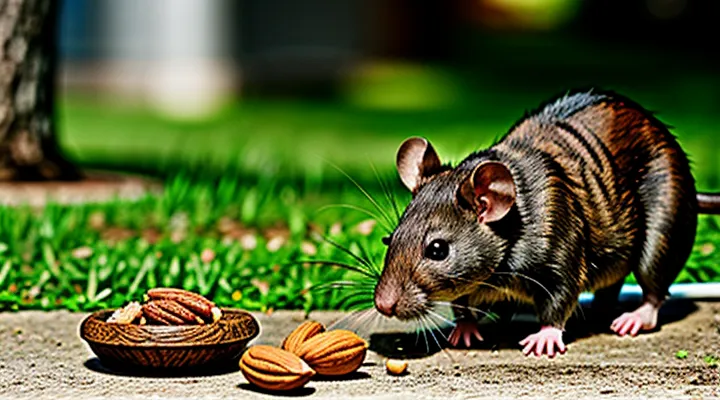
Nutritional Needs of Pet Rats
Essential Dietary Components
Rats require a diet that supplies adequate protein, carbohydrates, fats, fiber, vitamins, minerals, and water. Each component supports specific physiological functions such as tissue growth, energy metabolism, digestive health, and immune competence.
- Protein: 15‑20 % of daily calories; sources include commercial rodent pellets, cooked eggs, lean meats, and soy products.
- Carbohydrates: 45‑55 % of calories; supplied by grains, vegetables, and fruits.
- Fats: 5‑10 % of calories; essential for skin health and hormone synthesis; include small amounts of seed oils or animal fat.
- Fiber: 5‑7 % of diet; promotes gastrointestinal motility; provided by whole grains, leafy greens, and coarse bedding.
- Vitamins: A, D, E, K, B‑complex, and C; delivered primarily through fortified pellets and fresh produce.
- Minerals: Calcium, phosphorus, magnesium, potassium, sodium, and trace elements; balanced in formulated feeds, supplemented with mineral blocks if needed.
- Water: Constant access to clean, fresh water; vital for renal function and overall metabolism.
Nuts contain high levels of fat, protein, and micronutrients such as vitamin E and B vitamins. They can be offered as an occasional treat, limited to no more than 5 % of total caloric intake. Over‑feeding nuts may lead to obesity, gastrointestinal upset, or nutrient imbalance because the fat content exceeds the rat’s typical requirements. Choose unsalted, plain varieties; avoid flavored or coated nuts that contain added sugars, salts, or preservatives.
Feeding recommendations: provide a base of nutritionally complete pellets, supplement with fresh vegetables and limited fruit, include a modest portion of protein‑rich foods, and rotate small quantities of nuts for enrichment. Monitor body condition regularly; adjust portions if weight gain or loss occurs.
Foods to Avoid for Rats
Rats require a balanced diet that supplies protein, fiber, vitamins, and minerals while limiting substances that can cause illness or death. Even when nuts are offered as occasional treats, numerous common foods present serious health risks and should be excluded from their regimen.
- Chocolate and cocoa products – contain theobromine, which rats cannot metabolize; ingestion leads to cardiac arrhythmia and seizures.
- Caffeine‑containing items (coffee, tea, energy drinks) – stimulate the nervous system, causing hyperactivity, tremors, and potentially fatal overdose.
- Alcohol – depresses central nervous system functions; even small amounts can result in respiratory failure.
- Raw or undercooked beans (especially kidney beans) – hold high levels of phytohaemagglutinin, producing gastrointestinal distress and hemolysis.
- Avocado flesh and pit – contain persin, a toxin that damages heart muscle and can cause respiratory distress.
- Citrus peels and large quantities of acidic fruits – irritate the digestive tract and may lead to ulceration.
- Processed meats with high salt or nitrates – increase risk of kidney strain and hypertension.
- Sugary snacks and candy – promote obesity, dental decay, and metabolic disorders.
- Dairy products – many rats lack lactase; consumption results in diarrhea and nutrient malabsorption.
- High‑fat fried foods – elevate cholesterol levels and predispose rats to hepatic lipidosis.
Feeding practices should include only fresh, plain vegetables, limited whole grains, and protein sources such as cooked eggs or lean meat. Treats must be small, infrequent, and free from the listed hazards. Monitoring for signs of distress—vomiting, lethargy, abnormal breathing—allows prompt veterinary intervention.
Nuts and Their Place in a Rat's Diet
Are Nuts Safe for Rats?
Choking Hazards and Rat Anatomy
Rats possess a small oral cavity and incisors designed for gnawing soft or shredded material. Whole nuts, especially large or hard varieties, exceed the typical bite span and may become lodged in the throat. The rat’s laryngeal opening measures only a few millimeters, making even a partially cracked shell a potential obstruction.
Key choking risks include:
- Whole almonds, walnuts, or pistachios that are not broken into bite‑size pieces.
- Shell fragments that remain attached after cracking.
- Hard kernels that resist mastication and remain intact after chewing.
To reduce danger, offer nuts only after:
- Removing shells and any sharp edges.
- Cutting kernels into pieces no larger than 2–3 mm.
- Monitoring the animal during initial exposure.
Understanding the limited dimensions of a rat’s esophagus and the rigidity of nut shells allows caretakers to provide safe, nutritionally beneficial treats without compromising airway integrity.
Digestive Concerns
Rats can eat nuts, but their digestive system is sensitive to high fat and fiber content. Excessive fat may lead to pancreatitis, while large amounts of fiber can cause gastrointestinal blockage. Monitor portion size to avoid overloading the stomach; a few chopped pieces a few times per week are sufficient.
Potential issues include:
- Diarrhea – caused by sudden introduction of rich, oily nuts.
- Obesity – high-calorie nuts contribute to weight gain if fed regularly.
- Dental wear – hard shells can damage incisors, leading to chewing difficulties and secondary digestive problems.
- Allergic reactions – rare, but possible; watch for swelling, vomiting, or lethargy after nut exposure.
Introduce nuts gradually, mixing them with familiar foods to allow the gut microbiota to adjust. Provide plenty of fresh water to aid digestion of the added fats. If a rat shows persistent vomiting, stool changes, or loss of appetite after nut consumption, seek veterinary care promptly.
Types of Nuts and Their Suitability
Safe Nuts in Moderation
Rats can digest nuts, but the high fat and calorie content requires strict portion control to prevent obesity and digestive upset.
Safe nuts for regular feeding include:
- Almonds (unsalted, blanched) – small pieces, no more than one to two halves per week.
- Peanuts (unsalted, roasted without oil) – a single half‑kernel, limited to twice weekly.
- Cashews (unsalted) – one whole nut, offered no more than once a week.
- Hazelnuts (unsalted) – one half, provided once weekly.
Feeding guidelines:
- Offer nuts as occasional treats, not as a staple.
- Limit total nut intake to less than 5 % of the rat’s daily caloric budget.
- Monitor weight and stool consistency after each introduction.
Preparation requirements:
- Remove shells, skins, and any seasoning.
- Serve nuts at room temperature; avoid heating or frying.
- Store in airtight containers to prevent mold growth.
Adhering to these limits ensures nuts contribute beneficial nutrients—protein, healthy fats, and vitamins—without compromising a rat’s overall health.
Almonds («unsalted»)
Almonds, when offered unsalted and raw, can be included in a rat’s diet in limited quantities.
The nut provides protein, monounsaturated fats, vitamin E, magnesium, and dietary fiber. Fat and calorie density exceed those of most standard rodent foods, requiring careful portion control.
Potential advantages
- Supports coat condition through vitamin E and essential fatty acids.
- Contributes to nervous‑system health via magnesium.
- Supplies fiber that aids gastrointestinal motility.
Possible drawbacks
- Excess fat promotes weight gain and hepatic strain.
- High oxalate content may increase risk of urinary‑tract stones.
- Hard texture poses choking hazard if pieces are too large.
A safe serving consists of a single almond fragment, roughly the size of a pea, offered no more than two to three times per week. The fragment should be broken into bite‑size pieces to prevent obstruction.
Observation after introduction is essential; signs of intolerance include reduced activity, loose stool, or respiratory distress. If adverse reactions appear, discontinue almond feeding immediately.
For rats requiring nut-derived nutrients, alternatives such as unsalted, blanched peanuts or small amounts of sunflower seeds provide comparable benefits with lower oxalate levels.
Walnuts («unsalted»)
Walnuts (unsalted) provide a dense source of calories, protein, and essential fatty acids that can complement a rat’s diet when offered sparingly. Each half‑cup contains approximately 200 kcal, 5 g of protein, and 18 g of polyunsaturated fats, including omega‑3 and omega‑6 acids that support neural development. The nuts also supply vitamin E, magnesium, and antioxidants such as ellagic acid, which help mitigate oxidative stress.
Risks arise from the high fat content, which can trigger weight gain and gastrointestinal upset if consumed in excess. Raw walnuts may contain aflatoxins; selecting fresh, clean nuts reduces this hazard. The hard shell must be removed entirely to prevent dental injury or choking.
Guidelines for safe inclusion:
- Offer no more than one or two small walnut pieces (about 2–3 g) per rat per week.
- Ensure the nuts are unsalted, unflavored, and free of additives.
- Observe the animal for signs of diarrhea, lethargy, or reduced appetite after feeding.
- Rotate walnuts with other low‑fat treats such as fresh vegetables or small pieces of fruit to maintain dietary balance.
When introducing walnuts, start with a single piece and monitor behavior for 24 hours. If no adverse reaction occurs, maintain the limited frequency outlined above. Regular veterinary check‑ups can verify that the nut supplementation does not interfere with the rat’s overall health.
Pecans («unsalted»)
Pecans, when offered to pet rats, provide a source of healthy fats, protein, and several micronutrients. The nuts contain approximately 70 % fat, 9 % protein, and modest amounts of vitamin E, magnesium, and zinc. Because the fat content is high, a small portion—no more than one‑quarter of a whole pecan per day—fits within the recommended caloric limits for an average adult rat.
Unsalted pecans eliminate the risk of excess sodium, which can lead to hypertension and kidney strain in rodents. However, the natural oils in pecans are calorie‑dense; over‑feeding may cause obesity, fatty liver disease, or digestive upset. Rats with a history of pancreatitis or obesity should avoid pecans altogether.
When incorporating pecans into a rat’s diet, follow these guidelines:
- Break the nut into pieces smaller than the animal’s head to prevent choking.
- Offer a single piece at a time, observing the rat for signs of difficulty chewing or vomiting.
- Rotate pecans with other low‑fat treats to maintain dietary variety and avoid nutrient imbalances.
- Store nuts in an airtight container in a cool, dry place to prevent mold growth, which can produce mycotoxins harmful to rodents.
In summary, unsalted pecans can be a safe occasional treat for healthy rats, provided the portion size remains minimal, the nut is prepared without added salt, and the animal’s overall diet remains balanced.
Hazelnuts («unsalted»)
Hazelnuts (unsalted) provide a dense source of calories, protein, and essential fatty acids that can supplement a rat’s diet when offered sparingly. Each gram delivers approximately 6 kcal, 0.5 g protein, and 0.5 g monounsaturated fat, along with vitamin E, magnesium, and phosphorus.
Nutritional advantages
- Vitamin E acts as an antioxidant, supporting cellular health.
- Magnesium contributes to muscle function and nerve transmission.
- Phosphorus aids bone development and energy metabolism.
Potential concerns
- High fat content may lead to weight gain if portions exceed 1 % of the animal’s daily caloric intake.
- Natural tannins can irritate the gastrointestinal tract when consumed in large amounts.
- Unsalted varieties eliminate sodium excess, reducing the risk of electrolyte imbalance.
Feeding guidelines
- Offer a single hazelnut fragment no larger than 0.5 cm in diameter.
- Limit exposure to two–three times per week, ensuring the total contribution remains below 5 % of daily calories.
- Observe for signs of digestive upset, such as soft stools or reduced activity, and discontinue if symptoms appear.
Preparation steps
- Remove shells completely; the hard outer layer is difficult for rats to chew and may cause dental strain.
- Rinse the nut briefly with cool water to eliminate dust or residues.
- Dry the piece on a clean towel before placement in the cage.
When integrated with a balanced diet of grains, vegetables, and protein sources, unsalted hazelnuts can enrich a rat’s nutritional profile without compromising health, provided the quantity remains controlled and the nuts are presented in a safe, shell‑free form.
Nuts to Avoid Entirely
Rats may ingest nuts, but several varieties present health risks and should never be offered.
- Macadamia nuts – contain compounds that trigger severe digestive upset and can lead to liver toxicity in rodents.
- Peanuts (raw or salted) – high in aflatoxins and prone to mold growth; excessive sodium in salted versions causes electrolyte imbalance.
- Almonds (bitter) – contain cyanogenic glycosides that release toxic cyanide when metabolized.
- Walnuts (especially mold‑infested) – mold produces mycotoxins hazardous to rat liver and kidneys.
- Pistachios (salted or flavored) – added seasonings introduce harmful additives, while the shell poses choking hazards.
These nuts either contain inherent toxins, are susceptible to contamination, or are commonly processed with ingredients unsuitable for a rat’s physiology. Excluding them from a rat’s diet eliminates preventable health complications.
Macadamia Nuts
Macadamia nuts are high‑fat seeds, containing about 75 % fat, primarily monounsaturated fatty acids. A single nut provides roughly 200 kcal, far exceeding the caloric needs of a typical laboratory rat, which requires 15–20 kcal per day. Excessive caloric intake can lead to rapid weight gain, hepatic lipidosis, and cardiovascular strain in rodents.
Nutrient composition includes modest protein (2 g per nut) and trace amounts of vitamins such as thiamine and manganese. The protein quality is low compared to rodent dietary standards, and the mineral profile does not compensate for the high lipid load. Consequently, macadamia nuts cannot serve as a balanced food source for rats.
Potential health risks:
- Obesity: Fat density accelerates adipose tissue accumulation.
- Digestive upset: High fat may cause diarrhea or bloating.
- Pancreatitis: Overload of pancreatic enzymes required to process lipids.
- Allergic reaction: Rare but possible, manifested as skin irritation or respiratory distress.
If a rat ingests a macadamia nut accidentally, monitor for signs of distress—lethargy, abnormal stool, or respiratory changes—and contact a veterinarian promptly. Preventative measures include storing nuts in sealed containers and limiting rodent access to human food areas.
In a controlled experimental setting, macadamia nuts may be used as a test item to study lipid metabolism, but they must be offered in minute, measured quantities and supplemented with a complete rodent chow to meet essential nutrient requirements.
Brazil Nuts
Brazil nuts are rich in calories, protein, and essential fatty acids. A single nut delivers roughly 190 kcal, 4 g of protein, and 19 g of fat, primarily monounsaturated and polyunsaturated varieties. They also contain selenium, magnesium, phosphorus, and vitamin E in concentrations that exceed typical rodent requirements.
Rats can digest Brazil nuts without difficulty, but the high fat and calorie content can lead to rapid weight gain if offered regularly. Excessive selenium intake may cause toxicity; the tolerable upper limit for a laboratory rat is about 0.5 mg per kilogram of body weight per day, while one Brazil nut provides approximately 0.9 mg of selenium.
Feeding recommendations:
- Offer a single, shelled Brazil nut no more than once a week.
- Observe the animal for signs of gastrointestinal upset, such as loose stools or reduced activity.
- Record the nut’s weight and calculate the corresponding selenium dose to stay below the safety threshold.
- Combine the nut with a balanced grain‑based diet to prevent nutrient imbalances.
Potential risks include obesity, hepatic steatosis, and selenium poisoning, which may manifest as hair loss, lethargy, or respiratory distress. Monitoring body condition and adjusting portion size mitigates these hazards.
Cashews («high fat content»)
Cashews are rich in monounsaturated and polyunsaturated fats, providing more than 45 % of their caloric content from lipids. They also contain protein, magnesium, copper, and phosphorus, which contribute to overall nutrient density.
For rats, the elevated fat level poses a metabolic challenge. Excess dietary fat accelerates weight gain, can strain the liver, and may trigger pancreatitis if consumed in large amounts. Rats that already receive high‑fat laboratory chow or commercial pellets should receive cashews only as an occasional treat.
Safety considerations include:
- Raw cashews may contain urushiol, a skin irritant; roasting eliminates this risk.
- Salted, flavored, or honey‑coated varieties introduce sodium and sugars that exceed rats’ physiological tolerance.
- Whole nuts increase the chance of choking; breaking them into small, bite‑size pieces reduces this hazard.
- Improper storage can lead to mold growth and aflatoxin contamination, which is toxic to rodents.
Feeding recommendations:
- Offer no more than 0.5 g (approximately one half‑toothpick length) per rat per week.
- Ensure pieces are unsalted, unflavored, and fully cooled after roasting.
- Observe the animal for signs of digestive upset—soft stools, reduced activity, or abnormal grooming—after the first exposure.
- Replace cashews with lower‑fat alternatives (e.g., plain pumpkin seeds) if the rat shows any adverse reaction.
When introduced correctly and limited to the quantities above, cashews can serve as a nutrient‑dense supplement without compromising a rat’s health.
Peanuts («potential for mold»)
Peanuts can be offered to pet rats as an occasional high‑protein, high‑fat snack, but the risk of mold contamination, particularly aflatoxin‑producing fungi, makes careful handling essential.
Mold thrives on peanuts stored in warm, humid environments. Visible signs include green, black, or white powdery growth, a musty odor, or discoloration. Even when surface mold is removed, toxins may have penetrated the nut, posing a hidden danger to rodents.
Safe feeding practices:
- Purchase peanuts in small, sealed packages from reputable suppliers.
- Store unopened bags in a cool, dry pantry; once opened, transfer to an airtight container and keep refrigerated.
- Inspect each nut before offering: discard any with visible mold, discoloration, or off‑smell.
- Limit portions to no more than one to two whole peanuts per rat per week to avoid excess fat and calorie intake.
- Monitor rats after consumption for signs of gastrointestinal upset, lethargy, or loss of appetite; seek veterinary care if symptoms appear.
By sourcing fresh peanuts, maintaining proper storage, and restricting quantity, owners can minimize mold exposure while providing a nutritionally valuable treat.
Portion Control and Preparation
How Much is Too Much?
Nuts provide protein, healthy fats, and vitamins, but they are calorie‑dense and can upset a rat’s nutritional balance if offered in excess. A typical adult rat requires roughly 15–20 kcal per day; a single almond supplies about 7 kcal, meaning that even a few pieces can represent a large portion of daily energy needs.
Guidelines for safe nut portions:
- Offer no more than ¼ teaspoon of mixed nuts per week for a 300‑gram rat.
- Limit high‑fat varieties (peanuts, cashews) to occasional treats, not regular staples.
- Choose unsalted, unroasted nuts to avoid added sodium and harmful oils.
- Monitor body condition; weight gain or a greasy coat indicates overconsumption.
Signs that a rat has received too many nuts include rapid weight increase, oily fur, loose stools, and reduced activity. Persistent overfeeding can lead to obesity, fatty liver disease, and pancreatitis. If any of these symptoms appear, reduce or eliminate nut treats immediately and consult a veterinarian.
Balancing nut intake with a base diet of high‑quality pellets, fresh vegetables, and occasional fruit ensures that rats receive essential nutrients without the risks associated with excessive fat and calories.
Shelling and Roasting Considerations
When offering nuts to pet rats, remove shells before the food reaches the cage. Whole shells pose choking hazards and can cause dental wear, especially for young or small individuals. After shelling, inspect the nut meat for mold or insect damage; discard any compromised pieces.
Roasting nuts changes texture and flavor, but it also alters nutritional content. Follow these guidelines:
- Use a dry‑heat method without added oil or salt.
- Set the oven to 150 °C (300 °F) and heat for 10‑15 minutes, stirring once to ensure even exposure.
- Allow the nuts to cool completely before placement in the enclosure to prevent burns.
- Limit roasted portions to no more than 5 % of the rat’s total daily caloric intake, as the process reduces natural antioxidants and increases fat concentration.
Raw, unsalted nuts retain more vitamins and healthy fats, yet they may contain anti‑nutrients such as phytic acid. Soaking raw nuts in water for several hours, then drying at low temperature (below 60 °C), reduces these compounds while preserving most nutrients.
In summary, shell nuts thoroughly, choose low‑temperature roasting without additives, and keep nut servings modest to maintain a balanced diet for rats.
Raw Versus Roasted
Nuts can be offered to pet rats as an occasional treat, but the choice between raw and roasted varieties influences nutritional value and health risk.
Raw nuts retain most natural oils, vitamin E, and antioxidant compounds that degrade when exposed to heat. The intact fat profile supports energy needs without introducing oxidized lipids. However, raw nuts may contain naturally occurring molds or aflatoxins if storage conditions are poor; proper refrigeration and fresh sourcing mitigate this hazard.
Roasted nuts often lose heat‑sensitive nutrients, and the browning process creates compounds such as acrylamide, which can be harmful in large quantities. Commercial roasting frequently adds salt, oil, or flavorings that increase sodium and calorie load, both undesirable for a small rodent’s diet. The texture becomes crisper, potentially reducing the risk of dental overgrowth, yet the altered fat structure may be less digestible.
Feeding guidelines:
- Choose unsalted, unflavored nuts; avoid varieties with added sugars or spices.
- Limit servings to 1–2 grams per week, equivalent to a few whole almonds or a half walnut half‑shell.
- Prefer raw almonds, hazelnuts, or walnuts; exclude peanuts because of higher aflatoxin susceptibility.
- Store nuts in airtight containers in the refrigerator to prevent mold growth.
- Observe the rat for signs of digestive upset after introduction; discontinue if diarrhea or weight gain occurs.
Balancing occasional nut consumption with a diet rich in grains, vegetables, and protein pellets ensures rats receive essential nutrients without excess fat or contaminants.
Potential Benefits of Nuts for Rats
Micronutrients and Healthy Fats
Nuts provide a concentrated source of micronutrients and unsaturated fats that can complement a rat’s standard laboratory or pet diet when offered responsibly.
Micronutrients commonly found in nuts include:
- Vitamin E, which supports cellular membranes and antioxidant defenses.
- B‑complex vitamins (especially B6 and niacin) that assist in energy metabolism.
- Minerals such as magnesium, phosphorus, zinc, and selenium, which contribute to bone health, enzymatic activity, and immune function.
Healthy fats in nuts are primarily monounsaturated (e.g., oleic acid) and polyunsaturated fatty acids, including omega‑6 linoleic acid and modest amounts of omega‑3 alpha‑linolenic acid. These fats:
- Supply dense caloric energy, useful for growth or recovery periods.
- Aid absorption of fat‑soluble vitamins.
- Maintain skin and coat condition when incorporated in modest amounts.
Feeding recommendations:
- Offer nuts as an occasional treat, not a staple; limit to 5‑10 % of total daily caloric intake.
- Choose unsalted, unflavored varieties; avoid nuts coated with sugar, chocolate, or spices.
- Provide small, bite‑size pieces to prevent choking and reduce excess calorie consumption.
- Observe each animal for signs of gastrointestinal upset or weight gain; adjust portions accordingly.
When integrated correctly, the micronutrient and healthy‑fat profile of nuts can enrich a rat’s nutrition without compromising health.
Mental Stimulation and Enrichment
Rats thrive when their environment offers challenges that engage their natural curiosity and problem‑solving abilities. Introducing nuts can serve as both a nutritional supplement and a tool for enrichment, provided the presentation requires effort to obtain.
- Hide unshelled peanuts in a small maze of cardboard tubes; the rat must navigate the passages to reach the reward.
- Place a half‑shell walnut inside a treat‑dispenser that releases the nut only after a specific number of lever presses.
- Scatter mixed nuts on a textured mat and encourage foraging by scattering bedding material over the surface.
These activities promote tactile exploration, enhance dexterity, and stimulate the brain regions responsible for learning. Regular rotation of puzzles prevents habituation and maintains interest. Monitoring intake ensures that nut calories complement, rather than replace, a balanced diet. Consistent mental challenges contribute to reduced stereotypic behavior and improved overall health.
Signs of Nut-Related Issues
Digestive Upset
Nuts are high‑fat foods that can disturb a rat’s gastrointestinal balance when introduced abruptly or in excess. The resulting digestive upset may manifest as loose stools, abdominal cramping, reduced appetite, or lethargy.
Typical signs of gastrointestinal disturbance include:
- Watery or unformed feces
- Frequent small bowel movements
- Visible bloating or discomfort when handled
- Decreased water intake
The underlying mechanisms involve rapid fat digestion, osmotic effects of certain nut sugars, and occasional presence of natural toxins such as aflatoxins in improperly stored nuts. Rats lack the enzymatic capacity to process large quantities of saturated fat, leading to malabsorption and irritation of the intestinal lining.
Preventive actions are straightforward:
- Introduce nuts gradually, starting with a single half‑almond piece and observing tolerance.
- Limit portions to no more than 1 % of the animal’s body weight per week.
- Choose fresh, unsalted, unroasted varieties free from additives.
- Store nuts in airtight containers at low temperature to inhibit mold growth.
If a rat shows symptoms of upset, remove all nut sources immediately, provide bland hydration (e.g., water with a few drops of electrolytes), and monitor stool consistency for 24–48 hours. Persistent diarrhea warrants veterinary evaluation, as dehydration can develop quickly in small rodents.
Safe nut options and recommended serving sizes:
- Almonds: one small piece (≈2 g) twice weekly.
- Walnuts: one half‑piece (≈1 g) once weekly.
- Hazelnuts: one half‑piece (≈1 g) once weekly.
Avoid peanuts, macadamia nuts, and pistachios; they contain higher levels of fats and potential allergens that frequently trigger gastrointestinal irritation. Consistent adherence to these guidelines minimizes the risk of digestive upset while allowing occasional nut treats as part of a balanced diet.
Allergic Reactions
Rats may develop allergic reactions to nuts, just as other mammals can. Allergic responses arise when the immune system mistakenly identifies nut proteins as harmful, triggering inflammation and a cascade of physiological effects.
Common signs of a nut allergy in rats include:
- Respiratory distress such as rapid breathing or wheezing
- Swelling around the face, ears, or paws
- Excessive scratching, biting, or licking of the skin
- Vomiting, diarrhea, or loss of appetite
- Lethargy or sudden collapse
These symptoms can appear within minutes to several hours after ingestion. Severe reactions may progress to anaphylaxis, a life‑threatening condition characterized by a rapid drop in blood pressure, severe swelling, and loss of consciousness. Immediate veterinary intervention is essential in such cases.
Preventive measures focus on diet control and monitoring:
- Introduce nuts gradually, if at all, and observe the animal for any adverse response.
- Keep a detailed record of foods offered and any reactions observed.
- Choose nut varieties with lower protein concentrations, such as unsalted, unroasted peanuts, only after veterinary approval.
- Provide alternative treats that are known to be hypoallergenic, such as fresh fruits or vegetables approved for rodent consumption.
- Consult a veterinarian for allergy testing if repeated reactions occur.
If an allergic reaction is suspected, remove the nut source immediately, isolate the rat, and contact a veterinarian. Antihistamines or corticosteroids may be prescribed, but dosage must be determined by a professional. Early recognition and prompt treatment reduce the risk of complications and support the rat’s overall health.
Weight Gain
Nuts are energy‑dense foods that can contribute to rapid weight increase in pet rats when offered without limits. Their high fat and carbohydrate content raises daily caloric intake far beyond what a typical rodent requires for maintenance.
- Average nut calorie count: 150–200 kcal per ounce (≈28 g).
- Fat proportion: 50–70 % of total calories.
- Recommended maximum: ¼ teaspoon (≈1 g) of mixed nuts per week for an adult rat, divided into two or three small portions.
Excessive consumption manifests as enlarged abdomen, reduced activity, and difficulty moving through tunnels. Persistent overweight raises the risk of fatty liver disease, insulin resistance, and shortened lifespan. Regular weighing and body condition scoring help detect early changes.
If enrichment is needed, substitute low‑calorie options such as raw vegetables (e.g., broccoli florets, cucumber slices) or small pieces of whole‑grain cereal. These alternatives provide texture and mental stimulation without the high energy load of nuts.