
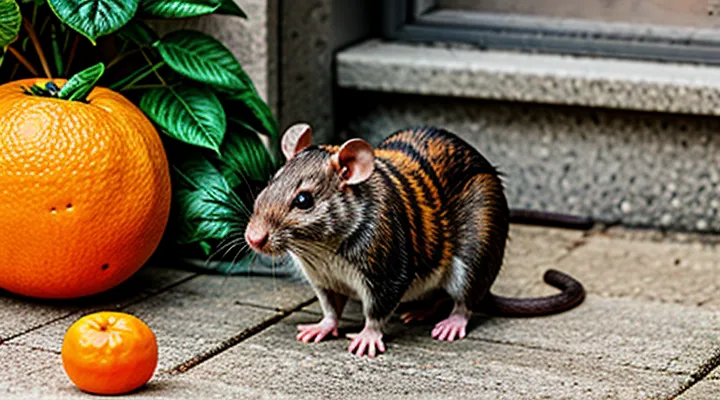
Introduction to Rat Nutrition
General Dietary Needs of Rats
Rats require a diet that supplies adequate protein, fat, carbohydrates, fiber, vitamins, and minerals to support growth, reproduction, and immune function. Commercial rodent pellets formulated to meet these standards provide a reliable foundation; they typically contain 14–20 % protein, 4–6 % fat, and balanced micronutrients.
Protein should constitute the largest macronutrient portion. Sources such as soy, wheat, and animal-derived meals deliver essential amino acids. A daily intake of 14–20 % protein by weight maintains lean body mass and promotes tissue repair.
Carbohydrates supply energy, while fiber promotes gastrointestinal motility. Whole grains, oats, and small quantities of cooked vegetables meet these needs. Fruit, including citrus, is acceptable only as a limited supplement because of high sugar content; excess can disrupt glucose regulation.
Vitamins and minerals must be present in bioavailable forms. Vitamin A, D, E, K, B‑complex, calcium, phosphorus, and trace elements such as zinc and iron are critical. Deficiencies manifest as skeletal abnormalities, dermatitis, or anemia. Pellets fortified with these nutrients reduce the risk of shortfalls; occasional fresh produce can complement but should not replace fortified feeds.
Fresh water must be continuously available, preferably in a bottle to prevent contamination. Feeding should occur at consistent times each day to establish a stable intake pattern and reduce stress.
Key dietary components for rats
- Protein : 14–20 % of diet (soy, wheat, animal meals)
- Fat : 4–6 % (vegetable oils, animal fats)
- Carbohydrates : 30–40 % (grains, legumes)
- Fiber : 5–7 % (whole grains, vegetables)
- Vitamins & minerals : balanced, pellet‑included
- Water : ad libitum, clean source
Adhering to these parameters ensures optimal health and provides a safe framework for evaluating the inclusion of specific foods, such as mandarins, within a rat’s diet.
Safe and Unsafe Foods for Rodents
Rats may accept mandarins, but their overall diet must prioritize nutrition and digestive health. Citrus fruits supply vitamin C and hydration, yet the high acidity and sugar content limit safe portions.
Safe foods for pet rodents
- Fresh vegetables (carrots, broccoli, leafy greens) – provide fiber and micronutrients.
- Fruits in moderation (apple slices, blueberries, mandarins) – low‑fat source of vitamins; limit to 10 % of daily intake.
- Whole grains (oats, brown rice, quinoa) – supply complex carbohydrates and B‑vitamins.
- Protein sources (cooked egg, plain boiled chicken, mealworms) – essential for growth and tissue repair.
- Clean water – available at all times.
Unsafe foods for pet rodents
- Processed snacks (chips, crackers, sugary treats) – contain excess salt, fat, and additives.
- Toxic plants (avocado, rhubarb leaves, nightshade family) – cause organ damage or neurological symptoms.
- Dairy products – rodents lack lactase; ingestion leads to diarrhea.
- High‑acid fruits in large quantities (lemon, lime, excessive mandarins) – irritate gastrointestinal lining.
- Caffeinated or alcoholic beverages – depress central nervous system and can be lethal.
Mandarins should be offered peeled, seed‑free, and no larger than a few segments per day. Observe the animal for signs of upset stomach; discontinue if vomiting or loose stools appear. A balanced regimen that blends safe vegetables, limited fruit, appropriate protein, and reliable water ensures health while allowing occasional citrus treats.
Mandarins for Rats: The Basics
Nutritional Profile of Mandarins
Vitamins and Minerals
Mandarins supply a spectrum of micronutrients that can influence rat physiology. Vitamin C, present in concentrations of 30–40 mg per 100 g of fruit, supports collagen synthesis and antioxidant defenses. Vitamin A, in the form of β‑carotene, contributes to visual health and epithelial integrity. The B‑complex group—thiamine, riboflavin, niacin, pyridoxine and folate—participates in energy metabolism and red blood cell formation. Minerals such as potassium, calcium, magnesium and trace iron are also delivered in modest amounts.
Potential advantages for laboratory or pet rats include:
- Enhanced immune response through antioxidant activity.
- Improved skin and coat condition linked to vitamin A and zinc.
- Stabilized electrolyte balance via potassium provision.
- Support for enzymatic reactions that depend on B‑vitamins.
Contraindications must be weighed. The high natural sugar content (approximately 9 g per 100 g) can predispose to obesity and dysglycemia if offered daily. Acidity may irritate the gastrointestinal mucosa, especially in animals with pre‑existing ulcerative conditions. Excessive vitamin C intake can interfere with iron absorption, potentially aggravating anemia in iron‑deficient subjects. Seasonal availability may lead to inconsistent nutrient supply, risking fluctuations in dietary intake.
Guidelines for safe inclusion:
- Offer mandarins as occasional treats, not as a staple, limiting portions to 5–10 g per 100 g body weight per week.
- Remove seeds and peel to reduce fiber overload and potential pesticide residues.
- Monitor weight, blood glucose and stool consistency after introduction.
- Combine with a balanced commercial rat diet that already meets macro‑nutrient requirements.
When administered within these parameters, the vitamin and mineral profile of mandarins can complement standard nutrition without introducing significant health risks.
Sugars and Acids
Mandarins contain approximately 8‑10 % total sugars, primarily fructose, glucose and sucrose, and 0.5‑1 % organic acids, chiefly citric and, to a lesser extent, malic acid. The sugar profile delivers rapid energy, while the acidic fraction establishes a low pH (≈3.5–4.0) that can influence gastrointestinal and oral health.
In rats, dietary sugars are metabolized by hepatic glucokinase and contribute to glycogen storage. Excessive intake raises blood glucose, stimulates insulin secretion, and predisposes to adiposity and insulin resistance. The high simple‑sugar load also accelerates enamel demineralisation, increasing the risk of dental caries.
Citric acid acts as a chelating agent, enhancing mineral absorption and providing antioxidant support through vitamin C. However, prolonged exposure to low‑pH foods can irritate the gastric mucosa, exacerbate ulcer formation, and alter gut microbiota composition, potentially favoring acid‑tolerant pathogenic strains.
Practical implications for rat feeding:
- Benefits
- Immediate energy source for active rodents
- Vitamin C supply, reducing scurvy risk
- Antioxidant compounds (flavonoids) that may support immune function
- Contraindications
- Caloric excess leading to weight gain and metabolic disorders
- Dental enamel erosion and increased caries incidence
- Gastric irritation, possible ulcer development
- Disruption of gut microbial balance with chronic high‑acid exposure
Safe inclusion requires limiting mandarins to ≤5 % of total diet weight, offering no more than two small segments per week, and monitoring body condition, dental health, and gastrointestinal signs.
Potential Benefits for Rats
Antioxidant Properties
Mandarins contain high levels of vitamin C, flavonoids such as hesperidin, and carotenoids including β‑cryptoxanthin. These compounds neutralize reactive oxygen species, reducing oxidative stress in rodent tissues. In laboratory rats, dietary inclusion of mandarins at 5–10 % of total feed has been shown to lower plasma malondialdehyde concentrations and increase superoxide dismutase activity, indicating enhanced endogenous antioxidant defenses.
Key antioxidant constituents and their documented effects in rats:
- Vitamin C: regenerates other antioxidants, supports collagen synthesis, improves wound healing.
- Hesperidin: inhibits lipid peroxidation, protects hepatic cells from toxin‑induced damage.
- β‑Cryptoxanthin: scavenges singlet oxygen, contributes to retinal health and immune modulation.
Potential contraindications must be considered:
- Sugar content: excessive mandarin intake can elevate blood glucose, aggravating insulin resistance in susceptible strains.
- Acidity: high citric acid levels may irritate gastric mucosa, especially in rats with pre‑existing ulceration.
- Fiber overload: rapid increase in dietary fiber can cause gastrointestinal distension or diarrhea if not introduced gradually.
When integrating mandarins into a rat diet, start with a 2 % inclusion rate, monitor glucose and weight parameters, and adjust based on individual tolerance. This approach maximizes antioxidant benefits while minimizing metabolic and digestive risks.
Hydration
Hydration directly influences how rats process citrus fruit, affecting nutrient absorption and digestive comfort. When mandarins are introduced, the water content of the fruit adds to the animal’s fluid balance, but the overall intake must remain within physiological limits.
- Fresh mandarins contain approximately 85 % water; each small segment provides 3–5 ml of fluid.
- Rats typically drink 10–15 ml of water per 100 g of body weight daily; additional fruit moisture should be accounted for in daily calculations.
- Excess fluid from fruit can dilute electrolytes, potentially leading to mild hyponatremia if water consumption is not adjusted.
- Adequate hydration supports enzymatic activity needed to break down citric acid and sugars, reducing the risk of gastrointestinal upset.
- Monitoring urine output and coat condition helps detect dehydration or over‑hydration early.
Proper management of fluid intake ensures that mandarins contribute positively without compromising the rat’s homeostatic balance. Adjust water provision according to the quantity of fruit offered, and observe clinical signs to maintain optimal hydration status.
Potential Risks and Contraindications
High Sugar Content and Diabetes Risk
Mandarins contain approximately 9 g of sucrose per 100 g of edible flesh, a level comparable to many other citrus fruits. A typical laboratory rat consumes 15–20 g of food daily; a single mandarin slice can therefore represent 5–10 % of total caloric intake, with a disproportionate share of simple sugars.
Elevated dietary glucose challenges the rat’s pancreatic β‑cells, accelerating insulin secretion and, over time, fostering peripheral insulin resistance. Experimental studies demonstrate that diets exceeding 10 % of calories from simple sugars increase fasting blood glucose and impair glucose tolerance tests in rodents. Consequently, regular mandarin feeding may shift metabolic parameters toward pre‑diabetic states.
Risk management for rats with a predisposition to hyperglycemia includes:
- Restrict mandarin portions to no more than 2 g of flesh per serving, administered no more than twice weekly.
- Pair each serving with high‑fiber, low‑glycemic feed to blunt post‑prandial spikes.
- Conduct weekly tail‑vein glucose measurements in animals with known insulin sensitivity issues.
- Substitute mandarins with low‑sugar vegetables (e.g., cucumber, leafy greens) for routine enrichment.
When a rat exhibits sustained fasting glucose above 120 mg/dL, discontinue mandarin exposure and consult veterinary guidance. Controlled, infrequent inclusion of the fruit can provide vitamin C and flavonoids without compromising glycemic control, provided the outlined limits are observed.
Acidity and Digestive Issues
Mandarins contain citric acid and natural sugars that can lower stomach pH in rats. A modest reduction in acidity may improve mineral absorption, but excessive acid exposure can irritate the gastric lining, leading to gastritis or ulcer formation. Rats with a history of digestive disorders, such as chronic gastritis or inflammatory bowel disease, are especially vulnerable to the corrosive effects of high‑acid fruits.
Digestive tolerance varies with quantity and frequency. Small portions—approximately 5 % of daily caloric intake—generally allow the rat’s pancreas and intestinal flora to adjust without adverse symptoms. Larger servings increase the risk of:
- Diarrhea caused by rapid fermentation of fruit sugars.
- Acid reflux manifested as excessive licking of the nose or pawing at the mouth.
- Decreased appetite for regular rodent chow, potentially leading to nutrient imbalances.
When introducing mandarins, monitor stool consistency and behavior for at least 48 hours. If signs of gastrointestinal distress appear, discontinue the fruit and provide plain water and a balanced diet until normal digestion resumes.
Choking Hazards from Seeds and Pith
Mandarins may be offered to rats as an occasional treat, but the fruit’s seeds and central pith present immediate choking risks. Rat airways are narrow; a single seed can obstruct airflow, while the fibrous pith can become lodged and block the esophagus.
Risks include:
- Seed diameter approaching or exceeding the rat’s tracheal lumen.
- Pith’s slippery texture reducing the animal’s ability to swallow it whole.
- Sudden respiratory distress, gagging, or loss of consciousness indicating obstruction.
To minimize danger, follow these steps:
- Remove all seeds before presenting the fruit.
- Discard the white pith surrounding the segments.
- Cut the edible flesh into pieces no larger than ½ cm.
- Observe the rat during the first few minutes of consumption for signs of struggle.
Implementing these precautions allows the nutritional benefits of mandarins to be enjoyed without exposing rats to life‑threatening choking incidents.
Pesticides and Rind Residues
Mandarin peels and the fruit itself may contain pesticide residues that pose health risks to laboratory or pet rats. Residues typically stem from organophosphates, pyrethroids, or neonicotinoids applied during cultivation. Even trace amounts can affect the nervous system, liver function, and reproductive health of rodents, potentially confounding experimental outcomes or causing morbidity.
Key considerations for safe inclusion of mandarins in a rat diet:
- Verify pesticide limits on the product label or request a certificate of analysis from the supplier.
- Prefer organic or untreated fruit to minimize exposure.
- Wash the fruit thoroughly under running water; a mild detergent rinse can reduce surface residues but does not eliminate systemic pesticides.
- Peel the fruit before offering it to rats; the rind concentrates most pesticide residues and essential oils that may irritate the gastrointestinal tract.
- Store peeled fruit in a refrigerator and use within 24 hours to prevent microbial growth and spoilage.
When rind is retained, the following contraindications apply:
- Elevated risk of acute toxicity from concentrated pesticide load.
- Increased incidence of digestive upset due to citric acid and essential oil content.
- Potential interference with pharmacological studies because of enzyme induction or inhibition by pesticide compounds.
In summary, mandarins can be incorporated into a rat feeding regimen only after confirming low pesticide levels, thorough washing, and removal of the peel. Failure to address these factors may compromise animal welfare and experimental validity.
How to Offer Mandarins (If at All)
Preparation Guidelines
Peeling and Seed Removal
Mandarins can be included in a rat’s diet when prepared correctly. The skin and seeds contain compounds that may cause digestive upset or toxicity; therefore, proper preparation is essential.
Peeling removes the outer rind, which is high in essential oils and pesticide residues. The inner flesh offers vitamin C, fiber, and natural sugars that support immune function and energy metabolism. Removing the rind eliminates the risk of gastrointestinal irritation and reduces the likelihood of excessive calcium intake.
Seed removal prevents exposure to cyanogenic glycosides, which can release cyanide in the digestive tract. Even a single seed may cause acute toxicity in small rodents. Eliminating seeds also avoids choking hazards and prevents accidental ingestion of the hard seed coat, which can damage teeth.
Preparation steps
- Wash the fruit thoroughly under running water.
- Use a sharp knife or vegetable peeler to strip the skin completely.
- Cut the fruit in half and extract all seeds with a pointed tool.
- Slice the peeled flesh into bite‑size pieces appropriate for the rat’s size.
- Offer a small portion (no more than one teaspoon) as an occasional treat.
Contraindications
- Feeding unpeeled mandarins may cause oral irritation and diarrhea.
- Including seeds can lead to cyanide poisoning, manifested by rapid breathing, lethargy, or convulsions.
- Over‑feeding the fruit raises blood glucose levels, increasing the risk of obesity and metabolic disorders.
- Citrus oils from the rind may exacerbate respiratory conditions in rats with pre‑existing airway sensitivities.
Veterinary guidance advises limiting mandarin treats to once or twice weekly and monitoring the animal for any signs of digestive disturbance. Proper peeling and thorough seed removal ensure that the nutritional advantages of mandarins are realized without compromising rat health.
Portion Size Recommendations
Mandarins can be incorporated into a rat’s diet, but the amount must be limited to avoid nutritional imbalance and gastrointestinal distress.
- Adult rats (150–250 g) tolerate ½–1 cm³ of peeled mandarin flesh per day, equivalent to roughly 1–2 g of fruit.
- Juvenile rats (under 100 g) should receive no more than ¼ cm³, about 0.5 g, to prevent excessive sugar intake.
- Feeding frequency should not exceed three times per week; daily provision increases the risk of dental decay and obesity.
Excessive portions can cause diarrhea, vomiting, or weight gain due to the fruit’s high fructose content. Rats with pre‑existing diabetes, renal disease, or a history of digestive upset should be excluded from mandarin consumption altogether.
When offering mandarins, remove all seeds and peel, present only fresh, unsprayed fruit, and monitor the animal for changes in stool consistency or appetite. Adjust the portion downward if any adverse reaction occurs.
Frequency of Feeding
Mandarins can be offered to pet rats as an occasional treat, but the feeding schedule must balance nutritional benefits with potential risks.
- Provide a small segment (approximately ¼ of a medium mandarin slice) no more than two times per week.
- Adjust frequency for younger or smaller rats; a single wedge per week may be sufficient.
- Monitor each rat’s weight and overall health; reduce or discontinue if weight gain or digestive upset occurs.
Excessive mandarin consumption can lead to several adverse effects.
- High natural sugar content may cause rapid blood‑glucose spikes, increasing the risk of obesity and related metabolic disorders.
- Acidic juice can irritate the oral mucosa and exacerbate dental wear, especially in rats with existing tooth problems.
- Over‑feeding may result in diarrhea or soft stools due to the fruit’s fiber and water content.
Optimal feeding frequency integrates mandarins into a varied diet that includes commercial pellets, fresh vegetables, and protein sources. Consistency in portion size and observation of individual responses ensure that the fruit remains a beneficial supplement rather than a health hazard.
Monitoring for Adverse Reactions
When mandarins are introduced into a rat’s diet, systematic observation of health indicators becomes essential to identify potential adverse reactions promptly.
Key signs that require immediate attention include:
- Reduced food intake or refusal of the mandarin supplement
- Diarrhea, loose stools, or abnormal fecal consistency
- Vomiting or regurgitation of food material
- Lethargy, decreased activity, or noticeable weakness
- Respiratory distress, coughing, or nasal discharge
- Skin changes such as erythema, swelling, or ulceration around the oral cavity
Effective monitoring protocols consist of daily visual inspections, weight measurements taken at least twice weekly, and recording of any noted symptoms in a dedicated log. If any adverse sign persists for more than 24 hours or escalates rapidly, the mandarin source should be withdrawn, and veterinary consultation initiated. Documentation of the onset, duration, and severity of each reaction supports accurate assessment of the fruit’s safety profile for laboratory or pet rats.
Alternative Healthy Treats for Rats
Fruits and Vegetables
Mandarins belong to the citrus fruit group and can be incorporated into a rat’s diet in limited amounts. Their high water content and natural sugars provide quick energy, while the vitamin C and flavonoid profile supports immune function. The fruit also supplies potassium, which assists in maintaining electrolyte balance.
Potential issues arise from the acidic nature of mandarins. Excessive citric acid may irritate the gastrointestinal lining, leading to loose stools or ulceration. The rind contains essential oil compounds that can be toxic in large quantities; therefore, only the peeled flesh should be offered. Seeds, if present, contain trace cyanogenic glycosides and must be removed to prevent toxicity.
Guidelines for safe inclusion:
- Offer no more than one teaspoon of peeled mandarin flesh per week for an adult rat.
- Ensure the fruit is fresh, free of mold, and thoroughly washed.
- Observe the animal for changes in stool consistency or appetite after feeding.
- Combine mandarins with a balanced mix of low‑sugar fruits (e.g., berries) and fibrous vegetables (e.g., broccoli, carrots) to provide nutritional variety without overloading sugar intake.
In summary, mandarins can serve as an occasional treat that contributes vitamins and hydration, provided the portion size is controlled, the rind and seeds are excluded, and the overall diet remains diverse and low in acidity.
Commercial Rat Treats
Commercial rat treats are formulated to supply balanced nutrition while offering palatable variety. When evaluating the suitability of mandarins as an ingredient, consider the following aspects.
- Mandarins provide vitamin C, a nutrient rats cannot synthesize endogenously.
- Natural sugars in mandarins increase caloric density; excessive inclusion may promote obesity.
- Acidic content can irritate the oral cavity and stomach lining if present in large quantities.
- Fiber from citrus pulp supports gastrointestinal motility but may cause loose stools when over‑fed.
Manufacturers often limit citrus components to 5 % of the product weight to preserve nutrient ratios and prevent digestive upset. Products labeled “citrus‑enhanced” typically list the specific percentage, enabling precise diet planning.
Contraindications arise from individual health status. Rats with renal disease or metabolic disorders should avoid treats high in potassium and sugar. Allergic reactions, though rare, manifest as pruritus or respiratory distress; any sign warrants immediate discontinuation.
Veterinary nutritionists advise integrating mandarins into a commercial diet only as a supplemental flavor, not as a primary source of vitamins. Monitoring body condition and stool consistency ensures that the added citrus does not compromise overall health.