
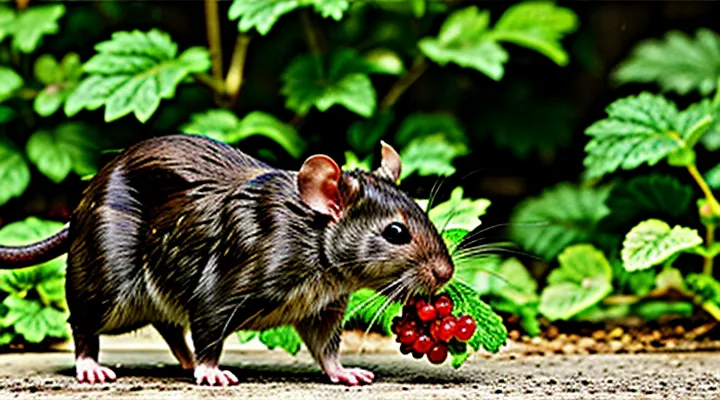
The Nutritional Profile of Currants
Vitamins and Minerals
Currants supply several vitamins that support rodent health. Vitamin C levels in fresh currants exceed the daily requirement for an adult rat, assisting antioxidant defenses and collagen synthesis. Vitamin K1 present in the fruit contributes to normal blood clotting, while modest amounts of vitamin A aid vision and immune function.
Mineral content in currants includes potassium, which helps regulate fluid balance and nerve signaling. Iron supplies a trace amount for hemoglobin formation, and calcium, though low, adds to skeletal maintenance when combined with other calcium‑rich foods. Excessive phosphorus in fruit is minimal, reducing the risk of mineral imbalance.
Feeding recommendations focus on moderation. Offer no more than one teaspoon of chopped fresh currants per 100 g of body weight each week. Monitor for signs of gastrointestinal upset, such as soft stools, and reduce quantity if symptoms appear. Prefer fresh, washed fruit over dried varieties to avoid added sugars and reduced vitamin stability.
Integrate currants into a balanced diet by pairing them with staple rodent pellets, leafy greens, and protein sources. Ensure the overall diet meets the recommended levels of calcium, phosphorus, and vitamin D to prevent deficiencies that could arise from fruit‑centric meals. Regular veterinary check‑ups confirm that vitamin and mineral intake remains within optimal ranges.
Antioxidants and Fiber
Rats benefit from the natural compounds found in currants, particularly antioxidants and dietary fiber. Antioxidants such as vitamin C and polyphenols protect cellular structures from oxidative damage, supporting overall health and longevity. Fiber contributes to gastrointestinal function by promoting regular bowel movements and fostering a balanced gut microbiota.
Key nutritional effects of these components include:
- Reduced oxidative stress, which can lower the incidence of age‑related diseases.
- Enhanced digestive efficiency, minimizing the risk of constipation and related complications.
- Stabilized blood glucose levels through slowed carbohydrate absorption.
- Support for immune function via the synergistic action of antioxidant vitamins and fiber‑derived short‑chain fatty acids.
When incorporating currants into a rat’s diet, ensure the fruit is fresh, seed‑free, and offered in moderation to prevent excess sugar intake. A daily portion of 1–2 small berries per 100 g of body weight provides sufficient antioxidant and fiber intake without overwhelming the animal’s caloric balance. Regular monitoring of weight and stool consistency confirms that the dietary addition remains beneficial.
Are Currants Safe for Rats?
Potential Risks of Overfeeding
High Sugar Content
Currants contain a substantial amount of sugar, a factor that directly influences a rat’s dietary balance. Excessive intake can lead to rapid weight gain, elevated blood glucose levels, and increased risk of metabolic disorders. When incorporating currants into a rat’s diet, careful attention to portion size is essential.
- Offer no more than one or two small pieces per week, equivalent to less than a gram of fresh fruit.
- Pair with high‑fiber foods such as hay or leafy greens to slow sugar absorption.
- Observe the animal for signs of hyperglycemia, including excessive thirst, frequent urination, or lethargy.
- Rotate fruit options to prevent habitual overconsumption of sugary items.
- Consult a veterinarian if persistent weight gain or glucose irregularities appear.
Balancing «high sugar content» with nutrient‑dense staples maintains optimal health while allowing occasional fruit treats.
Digestive Upset
Currants provide a sweet, fiber‑rich treat for pet rats, yet the high sugar content can trigger gastrointestinal disturbance when introduced improperly.
Signs of digestive upset include:
- watery or soft stools
- reduced food intake
- lethargic behavior
- occasional abdominal cramping
Preventive steps reduce risk:
- Offer a single seed‑sized piece of «currants» at first exposure
- Observe the animal for 24 hours before increasing the portion
- Limit treats to no more than two small pieces per week
- Maintain a balanced staple diet of pellets, fresh vegetables, and clean water
If symptoms appear, act promptly:
- Remove all «currants» from the diet
- Ensure constant access to fresh water to prevent dehydration
- Introduce a probiotic supplement formulated for rodents, following label instructions
- Seek veterinary advice if diarrhea persists beyond 48 hours or if the rat shows signs of weight loss
Careful introduction and monitoring keep the benefits of occasional berry treats without compromising digestive health.
Choking Hazards
Size and Texture of Currants
Currants offer a natural source of vitamins and antioxidants, but their physical characteristics determine suitability for rodent consumption. Small, soft berries minimize choking risk and facilitate chewing, while larger, firmer fruits increase the likelihood of dental strain.
-
Diameter:
• 5 mm or less – ideal for single‑piece serving.
• 6–8 mm – acceptable if halved or quartered.
• Over 9 mm – requires thorough chopping or avoidance. -
Length:
• 8 mm or shorter – aligns with average rat jaw opening.
• 9–12 mm – manageable when sliced lengthwise.
• Exceeding 12 mm – poses handling difficulty.
Texture influences both palatability and safety. The outer skin of fresh currants is thin and pliable; when the fruit is over‑ripe, the skin softens further, reducing bite resistance. Firm, dried, or dehydrated currants retain a tough exterior that can damage incisors. Moisture content correlates with juiciness; high moisture eases mastication, whereas low moisture increases hardness.
Guidelines for preparation:
- Select berries at the smallest size class available.
- Inspect for firmness; discard any with a rigid or leathery feel.
- If larger than the recommended dimensions, cut into pieces no larger than 4 mm in any dimension.
- Offer fresh, not dried, specimens to maintain optimal softness.
«Rats can safely consume small, soft berries» encapsulates the core requirement: size must fit the animal’s oral capacity, and texture must remain gentle enough to avoid dental injury.
How to Feed Currants to Your Rat
Preparation Guidelines
Washing Currants
Rats can safely consume currants only when the berries are thoroughly cleaned to eliminate residues and microorganisms.
Select berries that are firm, brightly colored, and free of mold. Discard any that show signs of decay or damage.
Cleaning procedure
- Place berries in a colander.
- Rinse under cool, running water for 30 seconds, allowing water to flow over each berry.
- Fill a bowl with cold water and add one tablespoon of white vinegar per cup of water; soak berries for two minutes.
- Gently agitate the berries with clean hands or a soft spoon to release surface particles.
- Rinse again under running water to remove vinegar.
Dry the berries by patting them with a clean paper towel or allowing them to air‑dry on a sterile surface for five minutes. Store dried berries in an airtight container in the refrigerator; use within three days to maintain freshness.
Proper washing minimizes the risk of pesticide ingestion and bacterial contamination, ensuring that the fruit contributes safely to a rat’s diet.
Removing Stems and Leaves
When offering currants to rats, eliminate all non‑edible plant parts to prevent digestive issues and potential toxicity. Stems contain lignin and possible pesticide residues; leaves may harbor mold or insects that jeopardize health.
- Rinse fruit under cool running water to remove surface contaminants.
- Inspect each berry; discard any with visible damage.
- Using clean scissors, trim off the stem attached to each berry; place stems in a separate waste container.
- Remove any attached leaf material; collect leaves separately for disposal.
- Pat dry the cleaned berries with a paper towel before serving.
Store the prepared berries in an airtight container in the refrigerator, limiting exposure to air to preserve freshness. Consume within three days to ensure optimal nutrient content and safety for the rodents.
Portion Control
Recommended Serving Sizes
Rats may enjoy currants as an occasional treat, but portion control prevents digestive upset and excess calories.
«Recommended serving sizes» depend on the animal’s weight and age:
- Small adults (100–150 g): one to two fresh currants per day.
- Large adults (200–250 g): three to four fresh currants per day.
- Juveniles (under 100 g): a single half‑curried berry, split into two portions.
Treats should not exceed 5 % of total daily caloric intake. Provide fresh berries no more than three times weekly, and always remove any spoiled or moldy fruit before offering. Monitoring weight and stool consistency confirms appropriate portion size.
Frequency of Feeding
Rats tolerate occasional fruit treats, but the timing of such offerings must align with their regular diet to avoid digestive upset.
A typical feeding schedule for adult pet rats includes:
- Daily base diet: commercial pellets or a balanced mix of grains, proteins, and vegetables provided in two portions, morning and evening.
- Currant portion: one to two fresh currants offered no more than twice a week, preferably as a supplement after the main meal.
- Water: fresh supply refreshed daily, independent of fruit schedule.
If a rat exhibits loose stools or reduced appetite after a currant treat, reduce frequency to once weekly or replace with a lower‑sugar fruit. Monitoring body weight and coat condition each week provides objective feedback for adjusting the schedule.
Consistent timing, limited quantity, and regular health checks together ensure that currants remain a safe occasional indulgence without compromising overall nutrition.
Types of Currants and Rat Safety
Red Currants
Red currants provide a source of vitamin C, dietary fiber, and modest amounts of calcium and potassium, all of which contribute to a balanced diet for pet rodents. The natural acidity and low sugar content distinguish them from many other fruit options, reducing the risk of rapid blood‑sugar spikes.
When offering red currants to rats, follow these precise guidelines:
- Wash thoroughly under running water to remove pesticide residues or soil particles.
- Remove stems and any damaged or moldy berries; only firm, bright‑red fruit should be presented.
- Slice into bite‑size pieces, roughly 0.5 cm cubes, to prevent choking and to facilitate chewing.
- Limit portions to no more than one to two berries per day for an adult rat, equivalent to about 5 g of fruit.
- Introduce gradually, monitoring for signs of digestive upset such as loose stools or reduced appetite.
Red currants may cause mild gastrointestinal irritation if given in excess, owing to their tartness and fiber level. Rats with a history of dental problems or sensitive stomachs should receive the fruit only after veterinary consultation.
Storage recommendations ensure freshness and safety: keep fresh berries in a sealed container in the refrigerator for up to three days, discarding any that become soft or develop an off‑odor. For longer preservation, freeze berries on a tray, then transfer to airtight bags; frozen fruit retains most nutrients for several months, though texture changes may affect palatability.
Incorporating red currants as an occasional treat enriches dietary variety while delivering essential micronutrients, provided the outlined precautions are observed.
Black Currants
Black currants (Ribes nigrum) are safe for rats when offered in moderation. The fruit contains vitamins C and K, antioxidants, and dietary fiber that support immune function and digestive health. Fresh berries should be washed thoroughly to remove any pesticide residues before being presented to the animal.
Feeding recommendations:
- Offer no more than one to two small berries per day for an adult rat; younger rats require even smaller portions.
- Cut the berries into bite‑size pieces to prevent choking.
- Introduce the fruit gradually, observing the rat for signs of gastrointestinal upset such as loose stool.
- Store unused berries in the refrigerator and discard any that become moldy or overly soft.
Black currants should complement a balanced diet that includes high‑quality rodent pellets, fresh vegetables, and occasional protein sources. Excessive fruit can lead to sugar overload and weight gain, so monitor overall caloric intake. Regular veterinary check‑ups will confirm that the inclusion of black currants aligns with the rat’s nutritional needs.
White Currants
White currants provide a source of vitamins, minerals, and dietary fiber suitable for inclusion in a rodent diet. The fruit contains vitamin C, potassium, and antioxidants that can support immune function and overall health.
When offering white currants to pet rats, follow these guidelines:
- Wash thoroughly to remove pesticide residues.
- Remove stems and any damaged portions.
- Offer small pieces, approximately ½ cm³, to prevent choking.
- Limit intake to no more than two to three pieces per week, representing less than 5 % of total caloric intake.
- Observe for signs of digestive upset, such as loose stool or reduced appetite, and discontinue if symptoms appear.
White currants have a natural sugar content that may contribute to weight gain if over‑fed. Balancing fruit with high‑protein foods, such as cooked eggs or lean meat, maintains proper nutrient ratios.
Storage recommendations include refrigerating fresh berries in a sealed container for up to five days or freezing portions for longer preservation. Thaw frozen berries before serving and inspect for spoilage.
Potential risks involve the presence of oxalates, which can affect calcium metabolism in susceptible individuals. Rats with a history of kidney issues should avoid regular consumption.
In summary, white currants can be a safe occasional treat when prepared hygienically, portioned appropriately, and monitored for adverse reactions.
Alternatives to Currants for Rat Treats
Safe Fruits for Rats
Rats benefit from occasional fruit treats that supply vitamins and antioxidants, provided the fruit is non‑toxic and properly prepared.
Safe fruit options include:
- Apples, core removed, sliced thinly
- Blueberries, washed thoroughly
- Strawberries, hulled and chopped
- Bananas, offered in small pieces
- Pears, skin removed, deseeded
- Raspberries, rinsed
- Currants, washed and stem removed
Currants contain natural sugars and vitamin C suitable for rodents, but seeds must be discarded to avoid choking hazards. A serving size of no more than one teaspoon per day prevents digestive upset.
General feeding guidelines:
- Wash all fruit under running water to eliminate pesticide residues.
- Remove pits, seeds, and stems that could cause obstruction.
- Introduce new fruit gradually, monitoring for adverse reactions.
- Limit fruit to 5 % of total daily intake; the remainder should consist of high‑quality pellets, fresh vegetables, and clean water.
«Rats thrive on a varied diet», yet fruit must remain a supplemental component rather than a staple.
Safe Vegetables for Rats
A well‑balanced diet for pet rats should combine protein, grains, fruit and a variety of safe vegetables. Including appropriate greens supports digestive health, provides essential vitamins and helps prevent nutritional deficiencies while offering a texture contrast to dried fruits such as currants.
• Leafy greens: romaine lettuce, kale, spinach (offered in small portions to avoid excess oxalates).
• Root vegetables: cooked carrots, sweet potatoes, beetroot (served without added salt).
• Cruciferous options: broccoli florets, cauliflower, Brussels sprouts (limited to prevent gas).
• Squash family: zucchini, yellow squash, butternut squash (raw or lightly steamed).
• Peppers: red, yellow, orange bell peppers (seeded, washed thoroughly).
Preparation guidelines: wash all vegetables under running water, remove any pesticide residues, and cut into bite‑size pieces. Offer 1–2 teaspoons per day for an adult rat, adjusting quantity according to activity level and overall diet composition. Rotate items regularly to provide nutritional variety and reduce the risk of selective eating.
Vegetables to exclude: raw potatoes, onions, garlic, rhubarb, and any members of the nightshade family such as eggplant. These foods contain compounds that can cause gastrointestinal irritation or more serious toxicity in rodents.
Commercial Rat Treats
Commercial rat treats provide a balanced blend of protein, fiber, and vitamins designed for laboratory‑grade or pet rodents. Formulations typically include seed mixes, dried insects, and fortified grains, offering a reliable nutrient profile without the variability of homemade recipes.
When evaluating suitability for fruit inclusion, verify that the product label explicitly mentions «currants» or other berries. Regulations require manufacturers to list every added fruit, allowing owners to confirm the presence or absence of this specific ingredient.
Safety considerations focus on added sugars, artificial preservatives, and potential allergens. Excessive sugar from fruit additives can disrupt gut flora, while certain preservatives may cause respiratory irritation. Portion control prevents over‑consumption of calories and limits exposure to unnecessary additives.
Key points for selecting appropriate commercial treats:
- Check the ingredient list for «currants» or related berries; absence indicates a fruit‑free formulation.
- Prefer products with natural sweeteners (e.g., honey) over refined sugars.
- Choose treats free of synthetic dyes, strong preservatives, or known rodent allergens.
- Match treat size to the rat’s body weight; small rodents require 1–2 g per day as a supplement to a staple diet.
- Store unopened packages in a cool, dry environment to preserve nutrient integrity.
Adhering to these guidelines ensures that commercial rat treats complement a balanced diet while addressing concerns about fruit inclusion and overall health.